
Updated planning guide for 2026-2027
Safari Safety Tips: Essential Travel Guide
Your definitive guide to safari safety tips in Tanzania. We cover everything from wildlife etiquette and health preparedness to vehicle safety and essential packing, ensuring a secure and memorable wildlife adventure in 2026-2027.
WhatsApp +255747477898 | climb4africa@gmail.com | climb4africa@gmail.com
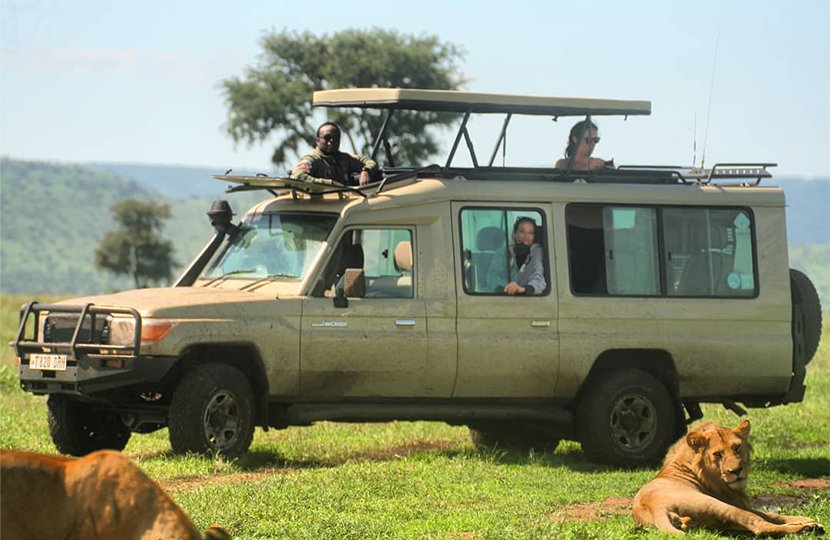
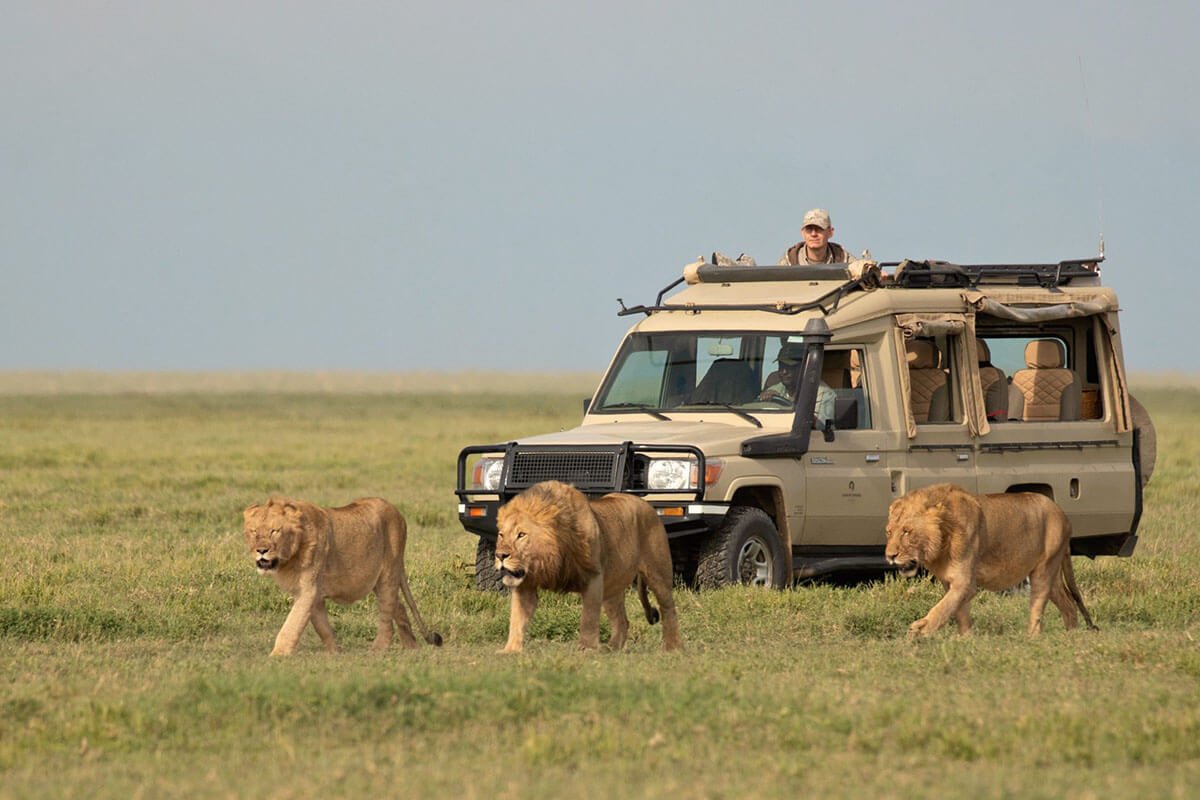
Safari Safety Tips: Your Comprehensive Guide to a Secure Adventure
Planning a safari in Tanzania is an exhilarating prospect. The thought of witnessing vast herds of wildebeest on the Serengeti plains, spotting a pride of lions in the Ngorongoro Crater, or observing elephants at a watering hole in Tarangire National Park is a dream for many. However, alongside the excitement, it’s natural to consider safety. Ensuring you have a secure and enjoyable experience requires understanding and preparation. This guide provides comprehensive safari safety tips, covering everything from wildlife interactions and health precautions to vehicle conduct and essential packing for your 2026-2027 adventure.
Quick Answer: Prioritize Your Safety on Safari
Effective safari safety tips revolve around respecting wildlife, maintaining distance, listening to your guide, staying inside your vehicle, being aware of your surroundings, practicing good hygiene, and preparing for health needs. Proper planning and following expert advice are key to a secure and memorable Tanzania safari.
Table of Contents
- Safari Safety Quick Facts
- Understanding Safari Safety in Tanzania
- Why Safari Safety Tips Are Crucial
- Best Time to Travel (and Safety Considerations)
- Tanzania Safari Regions: A Safety Overview
- Itinerary Logic and Safety Flow
- What to Expect: Daily Safari Safety
- Essential Packing and Preparation for Safety
- Common Mistakes to Avoid
- Who Safari Safety Tips Are For
- Safari Alternatives and Safety
- Planning Your 2026-2027 Safari with Safety in Mind
- Booking Your Safari: Safety First
- Frequently Asked Questions on Safari Safety
Safari Safety Quick Facts
| Aspect | Key Safety Considerations |
|---|---|
| Wildlife Encounters | Maintain distance, never feed animals, stay in vehicle, listen to guide. |
| Vehicle Safety | Keep limbs inside, don’t stand up unexpectedly, secure belongings. |
| Health & Hygiene | Consult doctor, vaccinations, malaria precautions, hand hygiene, safe water. |
| Environmental Awareness | Stay on paths, be aware of terrain, sun protection, hydration. |
| Guides & Staff | Trust your guide’s expertise, follow instructions promptly. |
| Emergency Preparedness | Know emergency procedures, carry a basic first-aid kit. |
Understanding Safari Safety in Tanzania
Tanzania is one of Africa’s premier safari destinations, renowned for its vast national parks, diverse wildlife populations, and stunning landscapes. The country offers incredible opportunities for game drives, walking safaris, and cultural experiences. However, like any adventure in wild environments, safety is paramount. Understanding the potential risks and knowing how to mitigate them is the first step towards a truly unforgettable journey. Safari safety is not about fear; it’s about informed respect for nature and responsible travel practices.
The inherent nature of a safari involves being in close proximity to wild animals in their natural habitat. This means encountering creatures that are powerful, unpredictable, and often much larger than humans. Therefore, a well-informed approach, guided by experienced professionals, is essential. This guide aims to equip you with the knowledge needed to navigate your safari with confidence, ensuring your focus remains on the wonder of the wildlife and the beauty of Tanzania.
Why Safari Safety Tips Are Crucial
The importance of safari safety tips cannot be overstated. While statistics show that serious incidents are rare, the potential for danger is real if precautions are not taken. These tips are designed to:
- Prevent Accidents: From minor injuries like falls to more serious altercations with wildlife, safety guidelines help avoid preventable incidents.
- Protect Wildlife: Feeding or approaching animals can harm them, disrupt their natural behavior, and make them more vulnerable. Safety rules protect the animals you’ve come to see.
- Ensure a Smooth Trip: Unexpected safety issues can disrupt your itinerary, cause stress, and detract from the enjoyment of your vacation.
- Empower Travelers: Knowing what to do (and what not to do) gives you confidence and allows you to fully immerse yourself in the safari experience.
- Build Trust with Operators: Reputable tour operators prioritize safety. Adhering to their guidelines demonstrates responsible travel and enhances the overall experience.
For travelers planning trips in 2026 or 2027, early preparation and understanding these principles will lay the groundwork for a successful and safe safari.
Best Time to Travel (and Safety Considerations)
Tanzania offers fantastic safari experiences year-round, but the ‘best’ time often depends on what you want to see and your tolerance for weather conditions. Each season has its own advantages and minor safety considerations:
- The Dry Season (June to October): This is peak season, with pleasant temperatures and clear skies. Wildlife congregates around water sources, making them easier to spot. However, this is also the busiest time, so expect more vehicles. Safety-wise, the dry conditions mean less mud and easier driving, but the heat can be intense, requiring extra hydration and sun protection.
- The Wet Season (November to May): This is the ‘green season,’ with lush landscapes and fewer crowds. It’s ideal for birdwatching and photography. However, some roads can become challenging due to rain, potentially impacting travel times and access to certain areas. Malaria risk can increase slightly during and after heavy rains, so it’s crucial to take malaria prophylaxis and use insect repellent. Game viewing can be more spread out as animals find water in the vegetation.
Regardless of when you travel in 2026 or 2027, your tour operator will manage logistics to ensure safety, even in challenging weather conditions. Always discuss seasonality and its implications with your chosen operator.
Tanzania Safari Regions: A Safety Overview
Tanzania’s safari circuit is vast and diverse. Understanding the general layout and unique characteristics of each region can contribute to your safety awareness.
Major Safari Regions & Their Safety Context
- Northern Circuit (Serengeti, Ngorongoro, Tarangire, Lake Manyara, Arusha NP): This is the most popular circuit.
- Safety Notes: Well-developed infrastructure, highly experienced guides. Wildlife is abundant and often visible from vehicles. Ngorongoro Crater has specific rules to protect its unique ecosystem. Be aware of crowds during peak season.
- Southern Circuit (Selous Game Reserve/Nyerere NP, Ruaha NP): Less crowded, offering a more remote experience.
- Safety Notes: Offers walking safaris and boat safaris, which require strict adherence to guide instructions due to closer proximity to wildlife. These areas are wilder, so awareness of your surroundings is key.
- Western Circuit (Gombe Stream NP, Mahale Mountains NP): Famous for chimpanzee trekking.
- Safety Notes: Trekking in dense forests requires careful navigation and respect for rules to protect primates and their habitat. Malaria precautions are especially important here.
Your itinerary will likely focus on one or two of these circuits. Your guide will be your primary resource for understanding the specific safety protocols for each park and activity.
Itinerary Logic and Safety Flow
A well-structured safari itinerary inherently builds in safety. The logic behind planning a typical Tanzania safari ensures that your experience is both exciting and secure.
- Gradual Immersion: Most itineraries begin with arrival in a major hub like Kilimanjaro International Airport (JRO) or Arusha. This initial phase allows for acclimatization, briefing, and ensuring all equipment is ready before heading into the parks.
- Vehicle Choice: Safari vehicles are specifically designed for safety and wildlife viewing. They typically have high clearance, robust suspension, and pop-up roofs or open sides (with protective bars) for unobstructed views while ensuring passengers remain contained.
- Guide’s Role: Your guide is trained in wildlife behavior, first aid, and navigation. They are responsible for choosing safe viewing locations, maintaining appropriate distances from animals, and ensuring the vehicle is positioned correctly. Their decisions are based on years of experience and knowledge of animal patterns.
- Park Regulations: National parks have strict rules about driving speeds, off-road driving, and designated areas for stopping. Following these regulations is a critical safety measure for both visitors and wildlife.
- Daily Structure: Safaris typically involve morning and afternoon game drives, with midday rest periods. This rhythm is not just for comfort but also aligns with peak animal activity times and allows for vehicle maintenance and checks.
For example, a typical 7-day Northern Circuit safari might include:
| Day | Location | Focus | Safety Notes |
|---|---|---|---|
| 1 | Arrive JRO, transfer to Arusha | Briefing, relaxation | Airport transfers are managed by the tour operator. Stay hydrated. |
| 2 | Arusha to Tarangire NP | Game drive (elephants, baobabs) | Stay in vehicle, respect animal space. |
| 3 | Tarangire to Ngorongoro Conservation Area | Crater descent, game drive | Strict rules in Crater. No feeding. Keep windows up when necessary. |
| 4 | Ngorongoro to Serengeti NP (Central) | Game drive en route, afternoon game drive | Longer drive, enjoy scenery. Watch for road conditions. |
| 5 | Serengeti NP (Central) | Full day game drive | Listen to guide for best viewing spots and safe distances. |
| 6 | Serengeti NP to Karatu/Mto wa Mbu | Morning game drive, transfer | Enjoy final views. Prepare for journey back. |
| 7 | Karatu/Mto wa Mbu to Arusha/JRO | Departure | Ensure all belongings are accounted for. |
What to Expect: Daily Safari Safety
Your daily safari routine will be structured around safety and optimal wildlife viewing. Here’s what you can typically expect:
- Morning Briefings: Before each day’s game drive, your guide will brief you on the day’s plan, potential wildlife sightings, and any specific safety considerations for the area you’ll be visiting.
- Vehicle Conduct: Always remain seated while the vehicle is in motion. When the vehicle stops for game viewing, keep your arms and legs inside the vehicle. Avoid sudden movements or loud noises that could startle animals.
- Wildlife Distance: Your guide will maintain a safe and respectful distance from all animals. Do not ask your guide to get closer than they deem safe. Animals are wild and can be unpredictable, especially if they feel threatened.
- Feeding Wildlife: Never feed animals. This is harmful to their health, can make them aggressive towards humans, and can lead to them being culled if they become habituated.
- Getting Out of the Vehicle: You should only exit the vehicle when your guide explicitly permits it, usually in designated safe areas for picnics or at lodges/camps. Always stay close to the vehicle.
- Photography: Use zoom lenses to capture close-up shots. Avoid using flash photography, as it can disturb animals, especially at night or with nocturnal species.
- Loud Noises and Music: Keep noise levels down. Loud music or shouting can stress animals and other visitors.
- Waste Disposal: Pack out everything you pack in. Littering is not only unsightly but can also be harmful to wildlife.
Essential Packing and Preparation for Safety
Proper packing and preparation are fundamental safari safety tips. What you bring and how you prepare can significantly impact your comfort and security.
Health & Personal Safety Gear:
- Consult Your Doctor: Well in advance of your 2026-2027 trip, discuss necessary vaccinations (e.g., Yellow Fever, Hepatitis A/B, Typhoid) and malaria prophylaxis with your healthcare provider.
- Malaria Prevention: Bring prescribed anti-malarial medication and use it as directed.
- Insect Repellent: High-DEET content repellent is crucial for preventing insect bites, especially at dawn and dusk.
- Sun Protection: Wide-brimmed hat, sunglasses, high SPF sunscreen are essential. The African sun is intense.
- First-Aid Kit: A personal kit with essentials like bandages, antiseptic wipes, pain relievers, motion sickness medication, and any personal prescriptions. Your guide will have a more comprehensive kit.
- Hand Sanitizer: For maintaining hygiene, especially before meals or after using facilities.
- Water Bottle: Reusable water bottles are encouraged. Ensure you only drink purified or bottled water provided by your lodge/operator.
Clothing & Gear:
- Neutral-Colored Clothing: Earth tones (khaki, beige, olive green) are best. Avoid bright colors that can startle wildlife or attract insects. White and black can be problematic (white gets dirty, black can be too hot).
- Layered Clothing: Mornings and evenings can be cool, especially in higher altitudes like the Ngorongoro Crater. Bring fleece jackets or sweaters.
- Comfortable Footwear: Sturdy walking shoes or hiking boots if your itinerary includes walking safaris or hikes. Otherwise, comfortable closed-toe shoes are sufficient.
- Lightweight Rain Gear: A waterproof jacket or poncho, especially if traveling during the wet season.
- Binoculars: Essential for spotting wildlife at a distance.
- Camera and Extra Batteries/Memory Cards: To capture your incredible experiences.
- Headlamp or Flashlight: Useful for navigating camps and lodges at night.
Documents & Money:
- Passport and Visas: Ensure they are valid and accessible.
- Travel Insurance Details: Keep a copy handy.
- Emergency Contact Information: Including your tour operator’s details.
Common Mistakes to Avoid
Avoiding common pitfalls is a significant part of ensuring your safari is safe and enjoyable. Here are some frequent mistakes travelers make:
- Disregarding Guide Instructions: This is the most critical mistake. Your guide is an expert; their instructions are for your safety and the well-being of the wildlife.
- Trying to Feed Animals: Even seemingly harmless actions like tossing a piece of food can have severe consequences for the animal’s health and behavior.
- Standing Up or Leaning Out of the Vehicle Unnecessarily: This can lead to falls, especially on bumpy terrain, or put you too close to wildlife.
- Making Loud Noises or Sudden Movements: This can scare animals, cause them to flee, or provoke aggression.
- Wearing Bright or Camouflage Clothing: Bright colors can disturb wildlife, while military-style camouflage is often frowned upon and can be mistaken for military personnel.
- Getting Out of the Vehicle in Unsafe Areas: Always wait for your guide’s permission and guidance before exiting the vehicle.
- Not Staying Hydrated: Dehydration can lead to headaches, dizziness, and heatstroke, diminishing your experience and potentially causing health issues.
- Underestimating the Sun: Sunburn can be painful and debilitating. Always use sun protection.
- Ignoring Health Advice: Failing to take malaria precautions or get necessary vaccinations can lead to serious illness.
- Littering: Leaving trash behind pollutes the environment and can harm animals.
Who Safari Safety Tips Are For
These safari safety tips are designed for all travelers planning a safari in Tanzania, regardless of age or experience level. Whether you are:
- First-time Safari Goers: Especially crucial for those unfamiliar with wildlife and wilderness environments.
- Families with Children: Specific attention must be paid to keeping children safe within the vehicle and attentive to instructions.
- Solo Travelers: Ensuring you are aware of your surroundings and have clear communication with your guide.
- Adventure Seekers: Those interested in walking safaris or other more active experiences need to be particularly diligent with safety protocols.
- Senior Travelers: Understanding physical limitations and ensuring comfort and safety are prioritized.
- Photography Enthusiasts: While focused on capturing images, safety must remain the priority, especially when positioning for shots.
Essentially, anyone looking to have a responsible, enjoyable, and secure safari experience in Tanzania will benefit from these comprehensive safari safety tips.
Safari Alternatives and Safety
While traditional game drives are the most common safari activity, Tanzania offers other ways to experience its wildlife, each with its own safety considerations:
- Walking Safaris: Offered in certain areas (e.g., some parts of the Serengeti, Selous/Nyerere NP). These provide a more intimate connection with nature but require strict adherence to the armed ranger or guide’s instructions. You are on foot, so awareness of your surroundings and respecting animal space is paramount.
- Boat Safaris: Available on certain rivers and lakes (e.g., Rufiji River in Selous/Nyerere NP, Lake Manyara). Safety involves staying seated, not leaning over the side, and being aware of hippos and crocodiles.
- Hot Air Balloon Safaris: Typically offered in the Serengeti. These are generally very safe, conducted by experienced pilots. Safety concerns are minimal, focusing on standard pre-flight safety briefings and being aware of the landing procedures.
- Chimpanzee Trekking: In Gombe or Mahale. This involves hiking in forests, often on uneven terrain. Safety involves following the primate guide closely, maintaining distance from chimps (especially if they show signs of illness), and being aware of the forest environment.
For all these alternatives, your tour operator and local guides will provide detailed safety briefings tailored to the specific activity and location.
Planning Your 2026-2027 Safari with Safety in Mind
Planning your safari for 2026 or 2027 should integrate safety from the outset. Here’s how to approach it:
- Choose a Reputable Operator: This is the single most important step. Look for operators with a proven track record, excellent reviews, and clear safety protocols. Companies like Climb 4 Africa have extensive experience in ensuring traveler safety.
- Discuss Your Concerns: Don’t hesitate to ask your potential tour operator about their safety measures, guide training, vehicle maintenance, and emergency procedures.
- Book in Advance: Especially for 2026-2027, popular seasons and lodges book up quickly. Early booking allows for better choice and ensures you get an operator committed to quality and safety.
- Understand Inclusions: Clarify what your safari package includes regarding accommodation, meals, park fees, and guided activities. This helps manage expectations and budget.
- Health Preparations: Start researching and booking appointments with your doctor for vaccinations and malaria advice at least 2-3 months before your trip.
- Travel Insurance: Ensure your policy covers medical emergencies, evacuation, trip cancellation, and lost luggage. Check the policy details carefully.
- Pack Smart: Use the packing list provided by your operator and this guide. Proper gear contributes to comfort and safety.
By incorporating these safari safety tips into your planning process, you lay the foundation for a secure and memorable adventure.
Booking Your Safari: Safety First
When booking your Tanzania safari, prioritizing safety should be as important as choosing the right parks or lodges. Here’s how to make informed booking decisions:
- Research Operators Thoroughly: Look beyond just price. Check reviews on independent platforms, ask for references, and assess their communication responsiveness. A good operator will be transparent about their safety practices.
- Inquire About Guide Qualifications: Experienced guides are invaluable. Ask about their training, knowledge of wildlife behavior, first-aid certification, and years of experience in Tanzania’s parks.
- Vehicle Standards: Ensure the operator uses well-maintained 4×4 safari vehicles equipped for the terrain, with features like pop-up roofs, reliable engines, and safety equipment.
- Emergency Procedures: Ask what protocols are in place for medical emergencies or other unforeseen events. Do they have communication devices? Do they work with reliable medical evacuation services?
- Clear Itinerary and Inclusions: A detailed itinerary should outline daily activities, travel times, and accommodations. Understand what park fees, meals, and activities are included to avoid surprises.
- Contract and Payment Terms: Read the booking contract carefully. Understand the payment schedule, cancellation policy, and refund conditions.
- Travel Insurance: Most reputable operators will require you to have comprehensive travel insurance. Ensure it covers medical evacuation from remote areas.
By focusing on these aspects during booking, you significantly enhance your safety and peace of mind. For a trusted partner committed to your well-being on safari, consider reaching out to an experienced operator.
Ready to Plan Your Safe Tanzania Safari?
Your dream safari adventure awaits! We are dedicated to providing unforgettable experiences while prioritizing your safety and comfort every step of the way. Our expert guides and well-maintained vehicles ensure a secure and enriching journey through Tanzania’s spectacular wildlife havens.
Contact us today to start planning your tailor-made safari for 2026-2027 or any time:
WhatsApp: +255747477898
Email: climb4africa@gmail.com
Backup Email: climb4africa@gmail.com
Let us help you create a safari that is not only breathtaking but also safe and seamless.
Frequently Asked Questions on Safari Safety
Common Questions About Safari Safety
Q1: Is Tanzania safe for tourists on safari?
A: Yes, Tanzania is generally safe for tourists, especially when traveling with reputable tour operators who prioritize safety. The primary risks are related to wildlife encounters and health, which are managed through established safety protocols and traveler preparedness.
Q2: What is the biggest danger on a safari?
A: The biggest potential danger on a safari comes from direct interaction with wild animals. This is why strict adherence to safari safety tips, such as staying inside the vehicle and respecting animal space, is crucial. Unpredictable animal behavior or misjudgment can lead to incidents.
Q3: What should I do if I see a wild animal up close?
A: Remain calm and stay inside the vehicle. Do not make loud noises or sudden movements. Follow your guide’s instructions precisely. Your guide is trained to assess the animal’s behavior and ensure a safe distance is maintained.
Q4: Do I need vaccinations for a Tanzania safari?
A: It is highly recommended to consult your doctor or a travel clinic 6-8 weeks before your trip for advice on necessary vaccinations (e.g., Yellow Fever, Hepatitis A/B, Typhoid) and malaria prevention. Many countries require proof of Yellow Fever vaccination for entry into Tanzania.
Q5: How can I protect myself from malaria on safari?
A: Malaria is present in most safari areas. The best protection involves taking prescribed anti-malarial medication, using insect repellent with DEET, wearing long sleeves and trousers during dawn and dusk, and sleeping under a mosquito net if available.
Q6: Is it safe to drink tap water in Tanzania?
A: No, it is not safe to drink tap water. Always drink bottled or purified water provided by your lodge, camp, or tour operator. Use bottled water for brushing your teeth as well.
Q7: Can I walk around my safari camp or lodge at night?
A: Generally, it is not recommended to walk around camps or lodges at night without a guide or escort, especially in areas bordering the wilderness. Many camps have security personnel who can accompany you if needed.
Q8: What happens if there is a medical emergency during my safari?
A: Reputable tour operators have emergency protocols in place. This usually involves contacting a medical evacuation service (like AMREF Flying Doctors) and transporting the patient to the nearest appropriate medical facility. Comprehensive travel insurance is essential to cover these costs.
Q9: Are safari vehicles safe?
A: Yes, safari vehicles are specifically designed for safety and viewing. They are robust, have high clearance, and feature safety bars or structures to prevent passengers from falling out. However, passengers must still follow safety instructions.
Q10: What kind of clothing is best for safari safety?
A: Neutral-colored, lightweight clothing is recommended. Avoid bright colors that can disturb wildlife and camouflage that might be misinterpreted. Layered clothing is good for changing temperatures, and sturdy, closed-toe shoes are essential for comfort and protection.
Q11: How important is it to listen to the guide?
A: It is extremely important. Your guide is highly trained and experienced in wildlife behavior, park regulations, and safety procedures. Their knowledge is your best asset for a secure and enjoyable safari. Always follow their instructions without question.
Q12: What are the safety considerations for a 2026 safari in Tanzania?
A: Safety considerations for 2026 are the same as any other year: respecting wildlife, following guide instructions, health precautions (vaccinations, malaria), and ensuring you book with a reputable operator. Planning ahead and staying informed are key.
Book Your Secure Tanzania Safari Today!
Your safety and an incredible wildlife experience are our top priorities. We are committed to providing meticulously planned safaris that adhere to the highest safety standards, ensuring your peace of mind throughout your journey in Tanzania. From the vast plains of the Serengeti to the depths of the Ngorongoro Crater, let us guide you through an unforgettable adventure.
Contact us now to discuss your dream safari for 2026-2027 or beyond:
WhatsApp: +255747477898
Email: climb4africa@gmail.com
Backup Email: climb4africa@gmail.com
Let’s make your safari dreams a safe and spectacular reality.
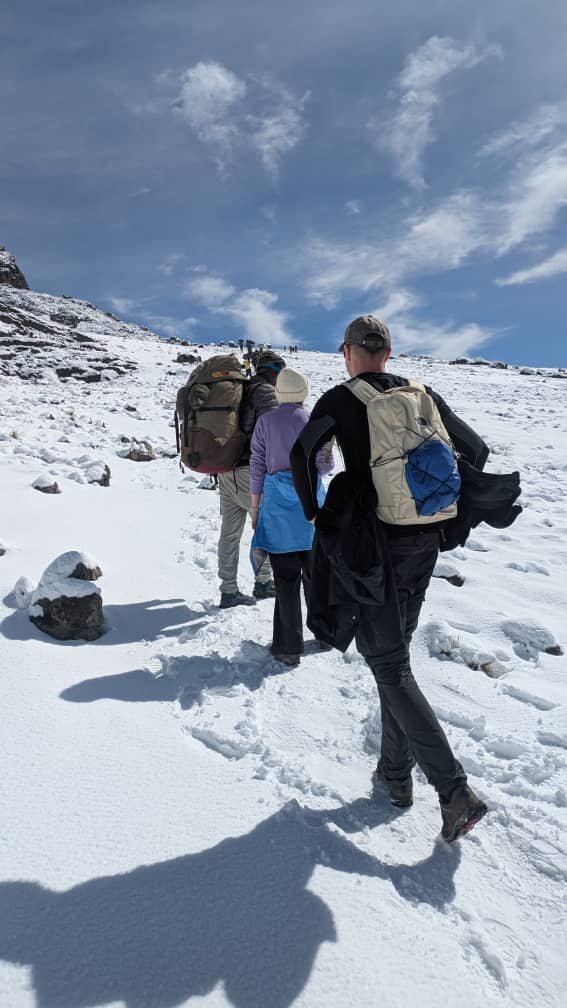
September Kilimanjaro And Serengeti Migration Safari : Your Ultimate Guide
Combining a Kilimanjaro climb with a Serengeti Migration safari in September offers unparalleled wildlife viewing and trekking opportunities. This guide details the best of both experiences...
View package details
August Kilimanjaro Climb With River-Crossing Safari: Your Ultimate Tanzania
Combine the challenge of climbing Mount Kilimanjaro in August with the thrill of witnessing the Great Migration river crossings on a safari. This guide covers itineraries, routes, packing...
View package details
August Kilimanjaro And Migration Safari: Your Ultimate Tanzania Adventure
Combine a Kilimanjaro trek with witnessing the Great Migration in August for an unforgettable Tanzania adventure. This guide covers everything you need to know for your 2026-2027 trip.
View package details
July Kilimanjaro Climb With Northern Serengeti Safari In 2026-2027
Combine the challenge of climbing Mount Kilimanjaro with the unparalleled wildlife spectacle of a Northern Serengeti safari during July. This guide details everything you need to know for...
View package details
July Kilimanjaro And Great Migration Safari: Expert Guide 2026-2027
Combine a Kilimanjaro ascent with witnessing the Great Migration in Tanzania during July. This guide covers everything from optimal routes and safari lodges to packing lists and essential...
View package detailsJune Kilimanjaro Climb After A Safari: Your Ultimate Guide 2026-2027
Combining a Tanzania safari with a Kilimanjaro climb in June is an unforgettable adventure. This guide covers everything you need to know for a successful 2026-2027 trip, from weather...
View package details
June Kilimanjaro Climb Before A Tanzania Safari In 2026-2027
Combining a Mount Kilimanjaro climb with a Tanzania safari is a dream for many adventurers. June offers excellent conditions for both, making it a prime month to experience these iconic...
View package details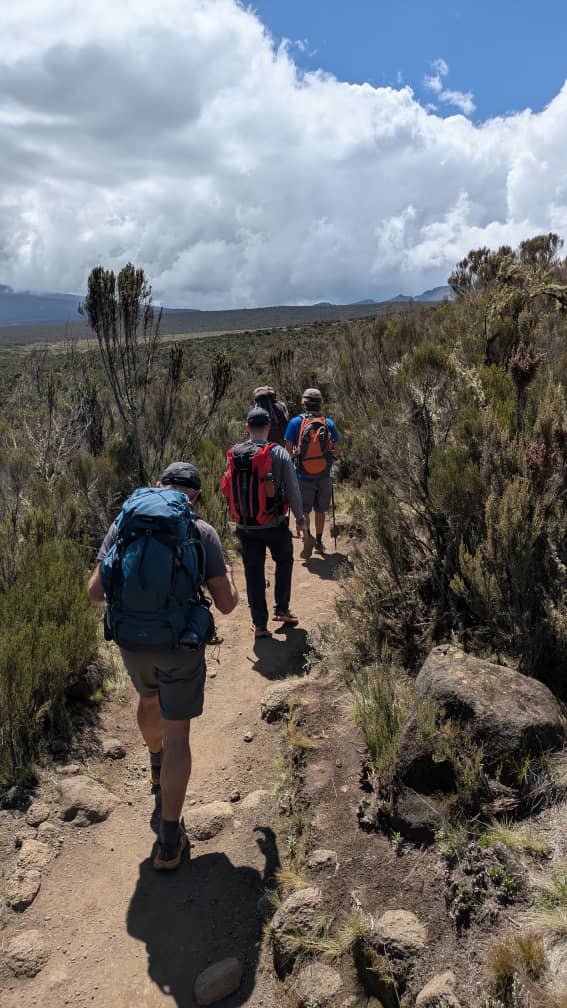
June Kilimanjaro And Serengeti Safari Guide
start a dual adventure in June, conquering Mount Kilimanjaro and experiencing the magic of a Serengeti safari. This guide details the best of Tanzania in June, covering weather, wildlife...
View package details
May Kilimanjaro Climb And Wildlife Safari Guide
Combine the thrill of summiting Mount Kilimanjaro with an unforgettable wildlife safari in Tanzania during May. This guide covers everything you need to know for an epic adventure in...
View package detailsNo related package matches those filters. Clear one or more filters to see the other topic-matched options.
Plan your safari safety tips with Climb 4 Africa
Tell us your travel dates, group size, comfort level, and dream experience. We will help you shape a clear, realistic, and memorable Tanzania itinerary.



