
A Rubondo Photography Expedition is a specialized journey to Rubondo Island National Park in Tanzania, focusing on capturing high-quality images of its unique biodiversity, including rare birds, chimpanzees, and diverse flora, set against the backdrop of Lake Victoria’s stunning scenery. This type of expedition is ideal for photographers seeking both wildlife and landscape subjects in a less-traveled, pristine environment, with planning for 2026-2027 offering excellent opportunities to experience the park’s natural beauty and potential for groundbreaking photographic work.
Understanding Rubondo Island National Park for Photographers
Rubondo Island National Park, a jewel nestled in the Tanzanian waters of Lake Victoria, presents a compelling destination for photographers. Unlike the more famous savanna parks, Rubondo offers a unique aquatic and forest ecosystem. Its relative obscurity is precisely what makes it a dream for those seeking to capture images untouched by mass tourism. The island’s diverse habitats—from dense rainforests and papyrus swamps to open grasslands and the vast expanse of the lake—provide an incredibly varied canvas for the lens.
For photographers planning a Rubondo Photography Expedition in the upcoming seasons of 2026-2027, understanding the park’s specific photographic potential is key. This isn’t just about spotting animals; it’s about composing shots that tell a story of an ecosystem that is both fragile and resilient. The opportunity to photograph species like chimpanzees, which have been reintroduced and are habituated to human presence, offers unparalleled close-up opportunities. Similarly, the birdlife is exceptional, attracting ornithologists and bird photographers from around the globe.
The Unique Appeal of Rubondo for Nature Photography
Rubondo’s allure lies in its distinctiveness. It’s an island sanctuary, a place where the rhythms of nature are paramount. The sheer size of the island—approximately 23,500 hectares—means there’s ample space for wildlife to thrive and for photographers to explore without feeling crowded. The absence of large predators like lions and elephants, which are common on the mainland, shifts the photographic focus towards smaller mammals, reptiles, and an astonishing array of bird species. This creates a different kind of safari experience, one that emphasizes patience, observation, and the subtle beauty of the natural world.
The photographic opportunities extend beyond wildlife. The shimmering waters of Lake Victoria, the dramatic sunsets that paint the sky in fiery hues, the intricate patterns of the papyrus reeds, and the lush green canopy of the forests all offer compelling subjects. A Rubondo Photography Expedition allows for a holistic approach, blending wildlife encounters with landscape artistry. Whether you’re capturing the misty morning light filtering through the trees or the reflection of the equatorial sun on the lake’s surface, Rubondo offers a rich visual narrative.
Key Photographic Subjects on Rubondo Island
When planning your Rubondo Photography Expedition, knowing what subjects are likely to present themselves will significantly enhance your preparation and expectations for 2026-2027. The park is renowned for its biodiversity, which offers a wide range of photographic possibilities.
Chimpanzee Encounters: A Photographer’s Dream
Perhaps the most sought-after photographic subject on Rubondo is the chimpanzee. The park is home to a reintroduced population of chimpanzees, and thanks to dedicated conservation efforts, they are habituated to human presence. This habituation is crucial for photographers, allowing for relatively close and unobtrusive observation. Capturing the social dynamics, expressions, and behaviors of these intelligent primates in their natural forest environment is a highlight for many visitors.
Photographic Tips for Chimpanzees:
- Patience is Paramount: Chimpanzees move through the dense forest. Be prepared to wait for the perfect moment.
- Low Light Photography: The forest canopy can create challenging lighting conditions. Use a fast lens (f/2.8 or wider) and a higher ISO if necessary.
- Focus on Behavior: Look for interactions, grooming, feeding, or play. These moments tell a compelling story.
- Respect Their Space: Maintain a respectful distance to avoid disturbing them, even with habituation. This also helps in capturing natural behavior.
Avian Wonders: A Birdwatcher’s Paradise
Rubondo Island is an ornithological hotspot. The varied habitats support a staggering diversity of bird species, making it a prime location for bird photographers. Expect to see:
- Waterfowl and Waders: Along the lake shores and papyrus swamps, species like African Fish Eagles, Cormorants, Herons, and Kingfishers are abundant.
- Forest Dwellers: Within the woodlands, look for Turacos, Hornbills, and various smaller passerine birds.
- Migratory Birds: Depending on the season, you might also spot migratory species, adding to the photographic variety.
Photographic Tips for Birds:
- Telephoto Lens: A long lens (300mm or more) is essential for capturing distant birds without disturbance.
- Fast Shutter Speed: Use a fast shutter speed to freeze the motion of birds in flight or perched.
- Focus on Detail: Capture the intricate patterns of feathers, the sharp gaze of the eye, or the characteristic pose of a species.
- Background Control: Pay attention to the background to ensure it complements the subject and doesn’t distract.
Reptiles and Amphibians
The island’s humid environment is ideal for various reptiles and amphibians. Monitor lizards, snakes (though encounters are rare and usually with non-venomous species), and frogs can be found. Photographing these often requires a keen eye for camouflage and a macro lens for capturing their textures and forms.
Insects and Smaller Mammals
Don’t overlook the smaller inhabitants. Butterflies, dragonflies, and a variety of other insects offer fantastic macro photography opportunities. Smaller mammals like the Bush Duiker, Sitatunga (a semi-aquatic antelope), and various monkey species (besides chimps) also inhabit the island. The Sitatunga, in particular, is a unique subject, often found near water bodies.
Landscape and Scenery
Beyond wildlife, Rubondo’s landscapes are profoundly photographic:
- Lake Victoria: The vastness of the lake, its moods, and the local fishing activities (from a distance) provide compelling scenes. Sunrises and sunsets over the water are spectacular.
- Forest Interiors: The dense tropical forest, with its dappled light and ancient trees, creates an atmospheric subject.
- Papyrus Marshes: The unique ecology of the papyrus swamps offers textural and abstract photographic possibilities.
Planning Your Rubondo Photography Expedition: Best Times and Logistics
Successful photography trips rely heavily on timing and planning. For a Rubondo Photography Expedition in 2026-2027, consider these crucial aspects.
When to Visit Rubondo for Photography
Rubondo Island National Park experiences a tropical climate. The best time for photography often depends on what you aim to capture and your tolerance for weather conditions.
- Dry Season (June to October): This period generally offers clearer skies and less humidity, making it more comfortable for outdoor activities and photography. Wildlife may also congregate more around water sources, potentially increasing sightings. Landscapes can appear drier, but the light is often excellent.
- Wet Season (November to May): While wetter, the rainy season brings lush greenery, making the island vibrant and beautiful. Birdlife can be particularly active, with resident and migratory species in abundance. Water levels are higher, enhancing the aquatic scenery. Photography might require more protection for equipment, but the dramatic skies and verdant landscapes can yield stunning results. The months of January and February are often considered drier spells within the wet season.
For bird photographers, the migratory season (typically October to April) can be particularly rewarding. For chimpanzee photography, while possible year-round, the dry season might offer slightly easier tracking due to less dense undergrowth.
Getting to Rubondo Island
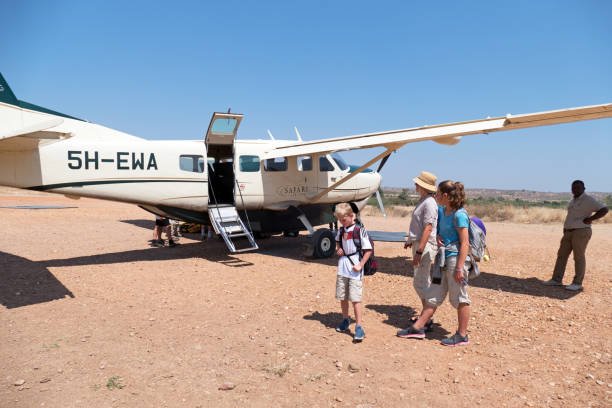
Access to Rubondo is primarily by boat or light aircraft. This journey itself can be part of the photographic experience.
- By Air: Charter flights can land at the small airstrip on the island. This is the quickest but most expensive option.
- By Boat: Scheduled or chartered boat services operate from various points on the mainland, often from Mwanza or Nkome. The boat trip across Lake Victoria offers unique perspectives and photographic opportunities of the lake and its shores.
Arranging transfers and logistics is best done through a reputable tour operator specializing in Tanzania, such as Climb 4 Africa. They can coordinate flights or boat transfers, ensuring a smooth transition to the island.
Accommodation Options
Accommodation on Rubondo Island is limited, which contributes to its exclusivity and tranquility. The main options include:
- Rubondo Island Camp: This is the primary lodge, offering comfortable and well-appointed bandas (huts) with stunning lake views. It’s designed to blend with the environment and provides an excellent base for photographers.
- Camping: Designated campsites are available for those who prefer a more rustic experience. This can be ideal for photographers wanting to maximize their time in nature and perhaps capture astrophotography.
Booking accommodation well in advance is crucial, especially for peak seasons in 2026-2027.
Essential Photography Gear for Rubondo
A Rubondo Photography Expedition requires careful consideration of gear. The diverse environment and subjects demand versatility.
Camera Bodies and Lenses
- Primary Camera Body: A DSLR or mirrorless camera with good low-light performance and weather sealing is recommended.
- Telephoto Zoom Lens: Essential for wildlife, especially birds and chimps. A 100-400mm or 200-500mm lens is ideal.
- Mid-Range Zoom Lens: A 24-70mm or 24-105mm lens is versatile for landscapes, general scenes, and when subjects are closer.
- Wide-Angle Lens: Useful for dramatic landscapes and capturing the vastness of Lake Victoria.
- Macro Lens: For insects, flowers, and details of the natural world.
Essential Accessories
- Tripod or Monopod: Crucial for sharp shots in low light and for stabilizing long lenses.
- Extra Batteries and Memory Cards: You don’t want to miss a shot due to a dead battery or full card.
- Weather Protection: Rain covers for your camera and bag are a must, especially during the wet season. Consider waterproof camera bags.
- Lens Cleaning Kit: Dust and moisture are common; keep your lenses clean.
- Binoculars: For spotting wildlife and birds before reaching for your camera.
- Power Bank/Solar Charger: For keeping batteries topped up, especially if camping or away from charging points.
- Hard Cases: For protecting gear during travel and transfers.
Software and Backup
While not gear you carry, consider:
- Laptop/Tablet: For reviewing and backing up photos each day.
- Portable Hard Drives: Essential for backing up your valuable images.
Photography Techniques and Creative Approaches
Beyond technical gear, a photographer’s approach can elevate their Rubondo Photography Expedition.
Capturing the Atmosphere
Rubondo’s unique environment lends itself to atmospheric photography. Use mist during early mornings, the golden hour light of sunrise and sunset, and the dramatic skies of the wet season to your advantage. Think about silhouettes against the lake or forest light filtering through the canopy.
Focusing on Storytelling
Instead of just documenting species, aim to tell a story. Capture the interaction between a mother chimpanzee and her infant, a fish eagle in the act of hunting, or the daily life of the local communities (if opportunities arise respectfully). These narrative images are often the most impactful.
Experimenting with Composition
Don’t be afraid to move around and try different angles. Get low to the ground to capture the perspective of smaller creatures, or use leading lines like forest paths or lake shores to draw the viewer into the image. The rule of thirds is a good starting point, but explore symmetry, patterns, and negative space.
Using Natural Light Effectively
Rubondo’s light can be challenging, from the harsh midday sun to the dim forest interior. Learn to work with it. Soft, diffused light is often best for portraits of animals and detailed shots. Harsh light can be used for dramatic effect, perhaps for landscapes or creating strong contrasts.
Conservation and Responsible Photography
A Rubondo Photography Expedition is an opportunity to connect with nature, and responsible practices are paramount.
Respecting Wildlife
- Maintain Distance: Always keep a safe and respectful distance from all wildlife, especially chimpanzees. Never feed animals.
- Minimize Disturbance: Avoid making loud noises or sudden movements that could startle animals. Use silent shooting modes on your camera if available.
- No Flash Photography: For most wildlife, especially primates and birds, flash photography can be disruptive and is often prohibited.
Environmental Impact
- Stay on Trails: Where designated, stick to paths to avoid damaging vegetation and disturbing habitats.
- Leave No Trace: Pack out everything you pack in. Avoid collecting souvenirs from the park.
- Support Local Conservation: Your visit contributes to the park’s protection. Choose operators who prioritize sustainable tourism.
By practicing responsible photography, you help ensure that Rubondo Island remains a pristine sanctuary for future generations and for continued photographic exploration in 2026-2027 and beyond.
Why Choose Climb 4 Africa for Your Rubondo Photography Expedition?
Planning a specialized trip like a Rubondo Photography Expedition requires expert knowledge and local connections. Climb 4 Africa is uniquely positioned to offer an unparalleled experience in 2026-2027.
Local Expertise and Tailored Itineraries
With extensive experience in Tanzania’s national parks, including the less-charted territories like Rubondo, we understand the nuances of the environment, the best times for sightings, and the logistical challenges. We craft itineraries that maximize photographic opportunities, considering light, animal behavior, and the specific interests of photographers. Whether you’re focusing on birdlife, primates, or landscapes, we can tailor your expedition.
smooth Logistics and Support
From arranging flights and boat transfers to securing the best accommodation and guiding services, Climb 4 Africa handles all the details. Our guides are knowledgeable about the park’s flora and fauna and can assist photographers in finding subjects and understanding their behavior. We ensure your journey is comfortable and efficient, allowing you to concentrate on capturing stunning images.
Commitment to Responsible Tourism
We are deeply committed to conservation and sustainable tourism practices. By choosing us, you are supporting an operator that works closely with park authorities and local communities to protect Rubondo Island’s delicate ecosystem. We educate our clients on responsible wildlife viewing and photography, ensuring minimal impact on the environment.
Ready to plan your unforgettable Rubondo Photography Expedition?
Contact Climb 4 Africa today to discuss your custom itinerary for 2026-2027. Reach us via WhatsApp at +255747477898, email us at climb4africa@gmail.com, or use our backup email climb4africa@gmail.com. Let us help you capture the extraordinary beauty of Rubondo Island.
Check Availability for Rubondo Photography Expedition: Capture Wildlife & Island Beauty In…
Ready to compare dates, prices, and the best option for your group? Send the package name and travel month so the team can reply with a clear quote, availability, and what is included.
 Rubondo Island Camping Safari: Your Ultimate Tanzania Wildlife AdventureDiscover the magic of a Rubondo Island camping safari, a unique Tanzanian experience focused on chimpanzee trekking, diverse birdlife, and…View package
 Rubondo Honeymoon Adventure: An Unforgettable Island Escape For CouplesRubondo Island National Park offers a unique and romantic honeymoon destination in Tanzania, blending secluded island luxury with incredible…View package
 Rubondo Luxury Island Escape: Your Ultimate Tanzanian Retreat In 2026-2027Escape to Rubondo Island, Tanzania's less crowded place in Lake Victoria. This long-form guide explores the luxury experiences, unique wildlife…View package
 Rubondo Island Boat Safari: Your Ultimate Guide For 2026-2027A detailed 2026-2027 guide to Rubondo Island Boat Safari, with clear planning and booking information for travelers.View package
 Rubondo Island Birdwatching Tour: A Comprehensive Guide For 2026-2027Explore the avian wonders of Rubondo Island National Park with a specialized birdwatching tour. This guide covers species, best times to visit…View package
 Rubondo Island Walking Safari: An Unforgettable Tanzanian Adventure 2026-2027Discover the magic of Rubondo Island with a walking safari. This guide explores the unique ecosystem, wildlife, and activities on this Tanzanian…View package
 4-Day Rubondo Fishing Safari: Your Ultimate Angling Adventure In 2026-2027Discover the thrill of a 4-day Rubondo fishing safari, a unique angling experience on Tanzania's Lake Victoria. Target the mighty Nile perch and…View package
 3-Day Rubondo Chimpanzee Adventure: Your Ultimate Tanzania Escape 2026-2027start a unique 3-day Rubondo Chimpanzee Adventure, a thrilling journey into the heart of Tanzania's Rubondo Island National Park. This itinerary…View package


