
Updated planning guide for 2026-2027
Rubondo Island Birdwatching Guide: Complete Travel 2026-2027
Your comprehensive guide to birdwatching on Rubondo Island, Tanzania. Learn about the best times to visit, key species, planning your trip, and what to expect for your 2026-2027 adventure.
WhatsApp +255747477898 | climb4africa@gmail.com | climb4africa@gmail.com

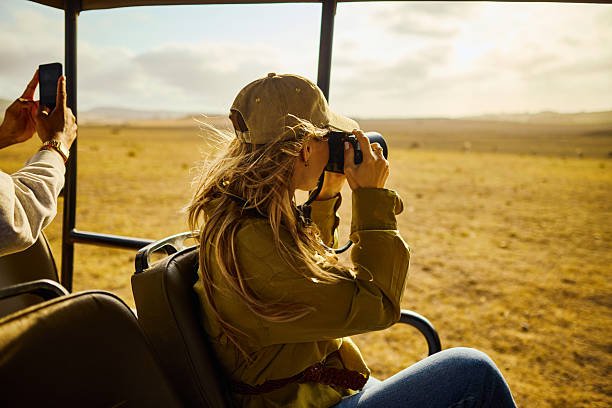
Rubondo Island Birdwatching: An Essential Travel Guide
Rubondo Island National Park, a jewel in the vast expanse of Lake Victoria, offers an unparalleled experience for birdwatchers. Far from the typical savanna safari, this island sanctuary provides a unique ecosystem teeming with avian life. If you’re planning a trip to Tanzania and have a passion for birds, understanding the nuances of Rubondo Island birdwatching is key to a rewarding journey. This guide covers everything you need to know for your 2026-2027 visit, from identifying key species to planning the logistics of your trip.
As a leading Tanzania tour operator, we help travelers craft memorable experiences. Rubondo Island, with its distinct environment and rich biodiversity, is a destination we highly recommend for those seeking something beyond the ordinary. Let’s explore what makes Rubondo a birdwatcher’s paradise.
Table of Contents
- Rubondo Island Quick Facts
- Rubondo Island: A Unique Avian Sanctuary
- Why Rubondo Island for Birdwatching?
- Best Time for Rubondo Island Birdwatching
- Key Bird Species to Spot
- Rubondo Island Area Overview
- Sample Rubondo Island Birdwatching Itinerary
- What to Expect on Rubondo Island
- Planning and Packing for Birdwatching
- Common Mistakes to Avoid
- Who is Rubondo Island Birdwatching Best For?
- Alternatives to Rubondo Island
- Planning Your 2026-2027 Trip
- Booking Your Rubondo Island Experience
- Frequently Asked Questions
Rubondo Island Quick Facts
| Category | Details |
|---|---|
| Location | Southwestern shores of Lake Victoria, Tanzania |
| Park Size | Approximately 240 sq km (island) + surrounding water |
| Established | 1977 |
| Primary Focus | Conservation of chimpanzees, biodiversity, birdwatching |
| Access | Boat or small aircraft from Mwanza |
| Accommodation | Limited lodges and campsites |
| Key Habitats | Tropical rainforest, papyrus swamps, sandy beaches, open water |
| Bird Species Count (approx.) | Over 300 species |
Rubondo Island: A Unique Avian Sanctuary
Rubondo Island National Park is a remarkable place. It’s Tanzania’s largest island park, situated within the freshwater Lake Victoria. Unlike the dry savanna parks of northern Tanzania, Rubondo presents a lush, tropical environment. Its diverse habitats – from dense rainforests and papyrus swamps to open grasslands, sandy shores, and the surrounding lake waters – create a rich mosaic for birdlife. This variety supports a wide range of resident and migratory species, making it a prime location for dedicated birdwatching.
The island was established as a national park in 1977 primarily to protect chimpanzees reintroduced from Germany. However, its ecological significance extends far beyond primates. The complex interplay of land and water, coupled with its relatively undisturbed nature, has fostered an exceptional environment for birds. Birdwatchers can expect to see species that are less common or absent in other Tanzanian parks, offering a distinct addition to any birding itinerary.
Why Rubondo Island for Birdwatching?
Several factors make Rubondo Island a compelling destination for birdwatching enthusiasts:
- Habitat Diversity: The combination of forest, swamp, shoreline, and open water supports a broad spectrum of bird species. Forest dwellers, water birds, and open country species all find suitable niches here.
- Unique Species: Rubondo is a haven for several species that are harder to find elsewhere in Tanzania, including certain kingfishers, herons, and endemic species.
- Tranquil Environment: With limited human settlement and fewer visitors compared to mainland parks, Rubondo offers a peaceful setting for observation. This tranquility is ideal for spotting shy birds.
- Accessibility to Water Birds: The extensive shoreline and papyrus fringes are perfect for observing a variety of water-dependent birds, from waders to large wading birds.
- Migratory Stopover: During certain times of the year, the island serves as a crucial stopover point for migratory birds, significantly increasing the variety of species present.
For those planning a birding safari in Tanzania, Rubondo Island provides a unique perspective, complementing visits to other well-known parks.
Best Time for Rubondo Island Birdwatching
The ideal time for birdwatching on Rubondo Island depends on what you hope to see, particularly concerning migratory birds. However, the park is generally excellent year-round due to its diverse resident species.
| Period | Birdwatching Conditions | Key Observations |
|---|---|---|
| November to April (Rainy Season) | Lush vegetation, fewer tourists, potentially challenging road conditions after heavy rain. Birds are often breeding and more active. Migratory birds from Europe and other parts of Africa are present. | Breeding plumage on many species, abundance of Palaearctic migrants. |
| May to October (Dry Season) | Clearer skies, easier travel, vegetation is drier, birds may concentrate around water sources. Some migratory birds depart. | Easier spotting due to sparser vegetation, resident species are highly visible. |
| Specific Months: | ||
| October – March | Excellent for migratory birds. | Palaearctic migrants, breeding species. |
| June – September | Good for resident species, drier conditions make spotting easier. | Wide variety of resident birds, potential for seeing specific water birds. |
For the most comprehensive bird list, including both resident and migratory species, the period from October to April is often considered the prime time. However, dedicated birders can find rewarding sightings throughout the year. Planning your 2026 or 2027 trip with these timings in mind will maximize your chances of encountering a diverse range of avian life.
Key Bird Species to Spot
Rubondo Island National Park boasts an impressive checklist of over 300 bird species. While a complete list is extensive, here are some of the highlights and species that birdwatchers often seek:
- Water Birds:
- African Fish Eagle (iconic, often seen soaring or perched)
- Grey-headed Kingfisher
- Malachite Kingfisher
- Pied Kingfisher
- Giant Kingfisher
- Squacco Heron
- Grey Heron
- Great White Egret
- Hamerkop
- African Jacana (often seen walking on lily pads)
- Various other herons, egrets, and waders.
- Forest and Woodland Birds:
- African Paradise Flycatcher (striking males)
- Ross’s Turaco
- Bare-faced Go-away-bird
- Double-toothed Barbet
- Hartlaub’s Turaco
- Various sunbirds, weavers, and hornbills.
- Birds of Prey:
- Osprey (especially near the lake)
- Bateleur
- Long-crested Eagle
- Other Notable Species:
- Hadada Ibis
- White-browed Coucal
- Giant Honeyguide
- Swallow-tailed Bee-eater
The presence of chimpanzees, while not avian, adds another layer of wildlife interest to Rubondo, often observed alongside birding activities.
Rubondo Island Area Overview
Rubondo Island is the centerpiece of the park. Its geography is varied, influencing where different bird species are found.
| Area/Habitat | Birdwatching Potential | Access Notes |
|---|---|---|
| Northern Tip (Rocky Shores) | Good for water birds, seabirds, and raptors hunting fish. | Accessible by boat; some walking paths. |
| Central Rainforest | Home to forest-dwelling species, including turacos and flycatchers. | Hiking trails, often guided. Can be dense. |
| Southern Swamps (Papyrus Beds) | Excellent for herons, egrets, kingfishers, and specialized swamp birds like the African Jacana. | Best explored by boat or canoe along channels. |
| Sandy Beaches and Lake Victoria Shoreline | Waders, waterfowl, and raptors. | Accessible by boat and foot. |
| Open Grasslands | Potential for ground-dwelling birds and some raptors. | Can be traversed by vehicle or on foot. |
The park is located in the Ukerewe District of the Mwanza Region. Access is typically via Mwanza city, the nearest major town. Boat transfers are common from the mainland, and charter flights are also an option for quicker access.
Sample Rubondo Island Birdwatching Itinerary (5 Days)
This sample itinerary focuses on maximizing birdwatching opportunities on Rubondo Island. It can be customized based on your interests and available time.
| Day | Morning Activity | Afternoon Activity | Evening Activity |
|---|---|---|---|
| Day 1: Arrival and Lake Victoria Shoreline | Arrive at Mwanza Airport (MWZ). Transfer to the jetty for a boat trip to Rubondo Island National Park. Check into your lodge/campsite. Light birdwatching around the lodge area. | Boat excursion along the southern shoreline and papyrus swamps. Focus on water birds, kingfishers, and herons. | Dinner. Night bird walk (optional, for nocturnal species). |
| Day 2: Rainforest Exploration | Guided hike into the central rainforest. Seek out forest birds like turacos, hornbills, and flycatchers. Look for chimpanzee signs. | Continue forest exploration or visit grasslands. Focus on woodland species and potentially raptors. | Dinner. Relax and listen to evening bird calls. |
| Day 3: Papyrus Swamps and Island Interior | Early morning canoe or boat trip into the papyrus swamps. Excellent for African Jacanas, various herons, and specialized water birds. | Explore the island’s interior roads or trails, focusing on species found in open habitats and woodland edges. | Dinner. Share sightings and plan for the next day. |
| Day 4: Birding by Boat and Chimpanzee Tracking | Boat trip around the island’s perimeter, focusing on aquatic birds, fish eagles, and offshore species. | Optional: Guided chimpanzee tracking (if available and desired). Alternatively, revisit favorite birding spots or explore new trails. | Farewell dinner. Review bird checklist. |
| Day 5: Departure | Final early morning birdwatch around the lodge. Enjoy breakfast. | Boat transfer back to Mwanza. Transfer to Mwanza Airport for your onward journey. | N/A |
This itinerary is a suggestion. Depending on your pace and interests, you might spend more time in specific habitats. For instance, if you’re keen on water birds, dedicating more time to boat trips around the swamps and lake shores is advisable.
What to Expect on Rubondo Island
Rubondo Island offers a distinct safari experience compared to mainland Tanzania. Here’s what you can anticipate:
- Wildlife: While known for chimpanzees (reintroduced and wild), Rubondo also hosts hippos, crocodiles, elephants, giraffes, and various antelopes. However, these are not the primary draw for most visitors, especially birdwatchers. The focus is on the rich avian population.
- Birding Intensity: Birdwatching here is often done on foot, by boat, or by canoe. Game drives are less common and focus on accessing different parts of the island rather than tracking large mammals.
- Tranquility: Expect a peaceful and quiet environment. You might encounter other visitors at lodges, but the park itself feels remote and uncrowded.
- Insects: As a tropical island, expect mosquitoes and other insects. Proper precautions are essential.
- Facilities: Accommodation options are limited, ranging from comfortable lodges to campsites. They are designed to blend with the natural environment.
- Guides: Local guides are crucial for navigating the island, spotting birds, and understanding the ecosystem. They possess invaluable knowledge of bird behavior and locations.
Planning and Packing for Birdwatching
Effective planning and packing are vital for a successful Rubondo Island birdwatching trip.
Planning Checklist
| Task | Notes |
|---|---|
| Book Flights to Mwanza (MWZ) | Allow sufficient time for connections. |
| Arrange Park Entry and Boat Transfers | This is usually handled by your tour operator. Confirm timings. |
| Secure Accommodation | Options are limited; book well in advance, especially for 2026-2027. |
| Hire a Local Guide | Essential for bird identification and navigation. |
| Health Precautions | Consult your doctor about malaria prophylaxis and vaccinations. |
| Visa Requirements | Check current Tanzanian visa regulations. |
| Travel Insurance | Ensure it covers medical emergencies and trip cancellations. |
| Currency | Tanzanian Shilling (TZS) for local purchases; USD often accepted for park fees and lodges. |
Packing Essentials for Birdwatchers
- Binoculars: High-quality, waterproof binoculars are a must. A magnification of 8×42 or 10×42 is ideal.
- Field Guide: A good bird identification guide for East Africa.
- Camera: With a zoom lens for capturing distant birds. Extra batteries and memory cards.
- Appropriate Clothing: Lightweight, breathable, neutral-colored clothing. Long sleeves and trousers to protect against sun and insects.
- Rain Gear: A waterproof and windproof jacket, as weather can change quickly.
- Comfortable Walking Shoes: Sturdy, broken-in hiking boots or walking shoes.
- Hat: Wide-brimmed hat for sun protection.
- Sunscreen and Insect Repellent: High SPF sunscreen and effective insect repellent containing DEET or Picaridin.
- Personal First-Aid Kit: Including any personal medications.
- Water Bottle: Reusable water bottle to stay hydrated.
- Small Backpack: For day trips to carry water, snacks, camera, and binoculars.
- Headlamp/Torch: For night walks or navigating in low light.
Remember to pack light but smart. Laundry services may be available at lodges, but check in advance.
Common Mistakes to Avoid
To ensure a smooth and enjoyable Rubondo Island birdwatching experience, be aware of these common pitfalls:
- Underestimating Travel Time: Getting to Rubondo involves multiple steps (flight to Mwanza, boat transfer). Factor in ample travel time.
- Not Booking in Advance: Accommodation and transfers are limited. Last-minute bookings, especially for 2026-2027, can be difficult or impossible.
- Ignoring Insect Protection: The tropical environment means mosquitoes are present. Neglecting repellent can lead to discomfort and potential health risks.
- Overpacking: Stick to essentials. Luggage restrictions can apply to boat transfers and small aircraft.
- Expecting Mainland Safari Conditions: Rubondo is different. Birding is more about patient observation in varied habitats, not just driving and spotting large animals.
- Skipping a Local Guide: The island is large and can be challenging to navigate. A guide is invaluable for spotting birds and understanding the environment.
- Not Being Prepared for Weather Changes: Tropical weather can be unpredictable. Pack for sun and rain.
- Failing to Inform Your Operator of Specific Interests: If birdwatching is your primary focus, communicate this clearly to your tour operator so they can tailor the itinerary and guide selection.
Who is Rubondo Island Birdwatching Best For?
Rubondo Island birdwatching appeals to a specific type of traveler:
- Dedicated Birdwatchers: Those who prioritize avian life and are looking for a destination with a high diversity of species and unique habitats.
- Nature Enthusiasts: Individuals who appreciate pristine natural environments, diverse ecosystems, and a sense of remoteness.
- Travelers Seeking Off-the-Beaten-Path Experiences: Those who want to avoid crowded tourist spots and discover a less-visited part of Tanzania.
- Adventurous Travelers: People comfortable with limited facilities and varied modes of transport (boat, walking, potential rougher tracks).
- Eco-Tourists: Visitors interested in conservation efforts and supporting national parks focused on biodiversity protection.
- Those Combining Birding with Other Interests: Travelers who enjoy birding but also appreciate the possibility of seeing chimpanzees or experiencing a unique island ecosystem.
It might be less suitable for travelers who expect luxury amenities everywhere, large herds of mammals as the primary focus, or easy, quick access to sights.
Alternatives to Rubondo Island
While Rubondo Island is unique, other Tanzanian destinations offer excellent birdwatching opportunities, often with different strengths:
| Destination | Birdwatching Strengths | Key Differences from Rubondo |
|---|---|---|
| Serengeti National Park | Vast plains attract large numbers of birds, including raptors, ground birds, and migratory species during certain seasons. | Focus on savanna wildlife; birding is secondary but abundant. More open landscapes. |
| Tarangire National Park | Known for large elephant herds and diverse birdlife, especially in the dry season around waterholes. Good for raptors and water birds. | More savanna-focused; excellent for birding, but different habitat types than Rubondo. |
| Lake Manyara National Park | Famous for its tree-climbing lions and diverse bird species, especially in the woodland and lake fringe areas. Good for water birds and forest species. | Smaller park, more concentrated wildlife viewing. Offers woodland and wetland habitats. |
| Mahale Mountains National Park | While primarily known for chimpanzees, the dense rainforest supports a variety of bird species, including unique forest dwellers. | Similar rainforest environment to parts of Rubondo but more focused on chimpanzee trekking. |
| Arusha National Park | Offers varied habitats including montane forest, moorland, and Momella Lakes, which attract a good variety of birds, including flamingos and waterfowl. | Easily accessible; diverse habitats in a smaller area. Good for a day trip or short visit. |
Rubondo Island remains the premier destination for a focused, island-based birdwatching experience within Lake Victoria, offering a unique blend of forest, swamp, and aquatic birdlife.
Planning Your 2026-2027 Trip
Planning ahead is crucial for a successful trip to Rubondo Island, especially as you look towards 2026 and 2027. Early booking is highly recommended due to limited infrastructure.
- Book Accommodation: The island has very limited lodging. Confirm availability and book your preferred lodge or campsite at least 6-12 months in advance for peak seasons in 2026 and 2027.
- Secure Transfers: Boat transfers from Mwanza are essential. Coordinate these with your accommodation and tour operator. Charter flights are an option but significantly more expensive.
- Consult a Specialist Operator: Working with a Tanzania tour operator experienced in Rubondo Island ensures all logistics are handled correctly. They can advise on the best times to visit for birding and help tailor your itinerary.
- Health Preparations: Consult your doctor 4-6 weeks before your trip regarding necessary vaccinations and malaria prophylaxis.
- Visa: Check the latest visa requirements for Tanzania for your nationality. Online applications are often available.
- Gear Check: Ensure your binoculars, camera, and other birding equipment are in good working order well before your departure.
For 2026-2027, consider the specific birding seasons mentioned earlier. If migratory birds are a priority, aim for the October-April window. For resident species and easier travel conditions, the dry season (June-September) can also be excellent.
Booking Your Rubondo Island Experience
Booking your Rubondo Island birdwatching adventure requires careful consideration to ensure a memorable and hassle-free trip. As a dedicated Tanzania tour operator, we specialize in creating bespoke travel experiences, including focused birding tours.
When booking, consider the following:
- Choose a Reputable Operator: Look for a company with proven experience in Rubondo Island and a deep understanding of birdwatching. Check reviews and testimonials.
- Communicate Your Interests: Clearly state that your primary interest is Rubondo Island birdwatching. This allows the operator to assign knowledgeable guides and plan activities accordingly.
- Understand Inclusions and Exclusions: Clarify what is covered in your package – park fees, accommodation, meals, guided activities, transfers.
- Ask About Guide Expertise: Inquire if guides are specifically trained in ornithology or have extensive birding experience.
- Confirm Itinerary Flexibility: While a plan is good, birdwatching can be spontaneous. Ensure there’s some flexibility to spend more time in areas where birds are actively sighted.
- Discuss Accommodation Options: Understand the comfort levels and amenities offered by the available lodges or campsites.
- Payment Terms: Be clear on deposit requirements, payment schedules, and cancellation policies.
Ready to plan your Rubondo Island birdwatching trip?
Contact us today to create your personalized itinerary. We can help you arrange everything from flights and accommodation to expert guiding services, ensuring you have an unforgettable Rubondo Island birdwatching experience. Let us craft your perfect adventure for 2026-2027!
WhatsApp: +255747477898
Email: climb4africa@gmail.com
Backup Email: climb4africa@gmail.com
Frequently Asked Questions
Q1: Is Rubondo Island good for birdwatching?
A1: Yes, Rubondo Island National Park is an exceptional destination for birdwatching, boasting over 300 species across diverse habitats like rainforests, papyrus swamps, and lake shores. It offers a unique birding experience distinct from mainland Tanzania.
Q2: What is the best time of year for birdwatching on Rubondo Island?
A2: The period from October to April is generally considered the best for birdwatching, as it includes the presence of migratory birds and many species are in breeding plumage. However, resident species can be observed year-round.
Q3: What types of birds can I expect to see on Rubondo Island?
A3: You can expect a wide variety, including iconic African Fish Eagles, various kingfishers (Grey-headed, Malachite, Pied), herons, egrets, African Jacanas, turacos, hornbills, sunbirds, and many more. The diversity is high due to the varied habitats.
Q4: How do I get to Rubondo Island?
A4: Access is typically via Mwanza city. From Mwanza, you can take a boat transfer to Rubondo Island National Park. Charter flights are also an option, though more expensive.
Q5: What kind of accommodation is available on Rubondo Island?
A5: Accommodation is limited and includes lodges and campsites. Options range from comfortable to more rustic, designed to blend with the natural environment. It’s advisable to book well in advance for 2026-2027.
Q6: Do I need a guide for birdwatching on Rubondo Island?
A6: Yes, hiring a local guide is highly recommended. They are essential for navigating the island, identifying birds accurately, and finding the best birding spots.
Q7: What should I pack for a birdwatching trip to Rubondo Island?
A7: Essential items include good binoculars, a field guide, camera, lightweight neutral-colored clothing, rain gear, comfortable walking shoes, hat, sunscreen, and insect repellent. A small backpack for day trips is also useful.
Q8: Is Rubondo Island safe for birdwatching?
A8: Rubondo Island is generally safe. Standard precautions for wildlife viewing and tropical environments apply. It’s important to follow your guide’s instructions and take measures against insects and sun exposure. Malaria prophylaxis is recommended.
Q9: Can I combine Rubondo Island with other Tanzanian parks in 2026 or 2027?
A9: Absolutely. Rubondo Island can be a fantastic addition to a northern circuit safari (Serengeti, Ngorongoro) or combined with other Lake Victoria region attractions. It offers a different habitat and birding experience.
Q10: Are there any specific birding tours for Rubondo Island?
A10: Yes, specialized birding tours can be arranged. We can help you create a custom itinerary focused on maximizing your birdwatching opportunities on Rubondo Island for your 2026-2027 travels.
Plan Your Rubondo Island Birdwatching Adventure
Rubondo Island National Park offers a unique and rewarding experience for any bird enthusiast. Its diverse ecosystems and relatively untouched nature make it a prime location for spotting a wide array of avian species. Whether you are planning for 2026 or 2027, careful preparation will ensure you make the most of this incredible destination.
For expert advice, custom itinerary planning, and seamless booking of your Rubondo Island birdwatching trip, contact Climb 4 Africa. We are passionate about creating unforgettable Tanzania travel experiences.
Reach us via:
WhatsApp: +255747477898
Email: climb4africa@gmail.com
Backup Email: climb4africa@gmail.com
Let us help you discover the wonders of Rubondo Island birdwatching!

How To Travel From Tanzania Mainland To Zanzibar: Your Complete Guide
Planning your journey from mainland Tanzania to the idyllic island of Zanzibar? This comprehensive guide covers all your transport options, from swift flights to scenic ferry rides...
View package details
September Kilimanjaro And Zanzibar Holiday: Your Ultimate Adventure Guide
Combine the thrill of climbing Mount Kilimanjaro with the tropical relaxation of Zanzibar in September. This guide provides comprehensive planning advice for your 2026-2027 adventure...
View package details
August Kilimanjaro And Zanzibar Beach Holiday: Your Ultimate Tanzania
Combine the thrill of conquering Mount Kilimanjaro with the serene beauty of Zanzibar's beaches for an unforgettable August adventure. This guide covers everything you need to know for your...
View package details
July Kilimanjaro And Zanzibar Package 2026-2027
July Kilimanjaro and Zanzibar Package is explained with current 2026-2027 planning, price, itinerary and booking information.
View package details
June Kilimanjaro And Zanzibar Holiday: Your Ultimate Tanzania Adventure
Combine the thrill of climbing Mount Kilimanjaro with the serene beauty of Zanzibar in June. This guide covers everything you need for your 2026-2027 adventure, from trekking routes and...
View package details
May Kilimanjaro And Zanzibar Package: Expert Guide For 2026-2027
Combine the thrill of climbing Mount Kilimanjaro with the relaxation of Zanzibar in a May package. This comprehensive guide covers itineraries, costs, best practices, and booking advice for...
View package detailsNo related package matches those filters. Clear one or more filters to see the other topic-matched options.
Plan your Rubondo Island Birdwatching Guide with Climb 4 Africa
Tell us your travel dates, group size, comfort level, and dream experience. We will help you shape a clear, realistic, and memorable Tanzania itinerary.



