
Updated planning guide for 2026-2027
Responsible Tourism In Tanzania: Complete Guide 2026-2027
Discover how to travel responsibly in Tanzania, ensuring your trip benefits local communities and conserves wildlife. This guide covers sustainable safaris, trekking, and beach holidays.
WhatsApp +255747477898 | climb4africa@gmail.com | climb4africa@gmail.com
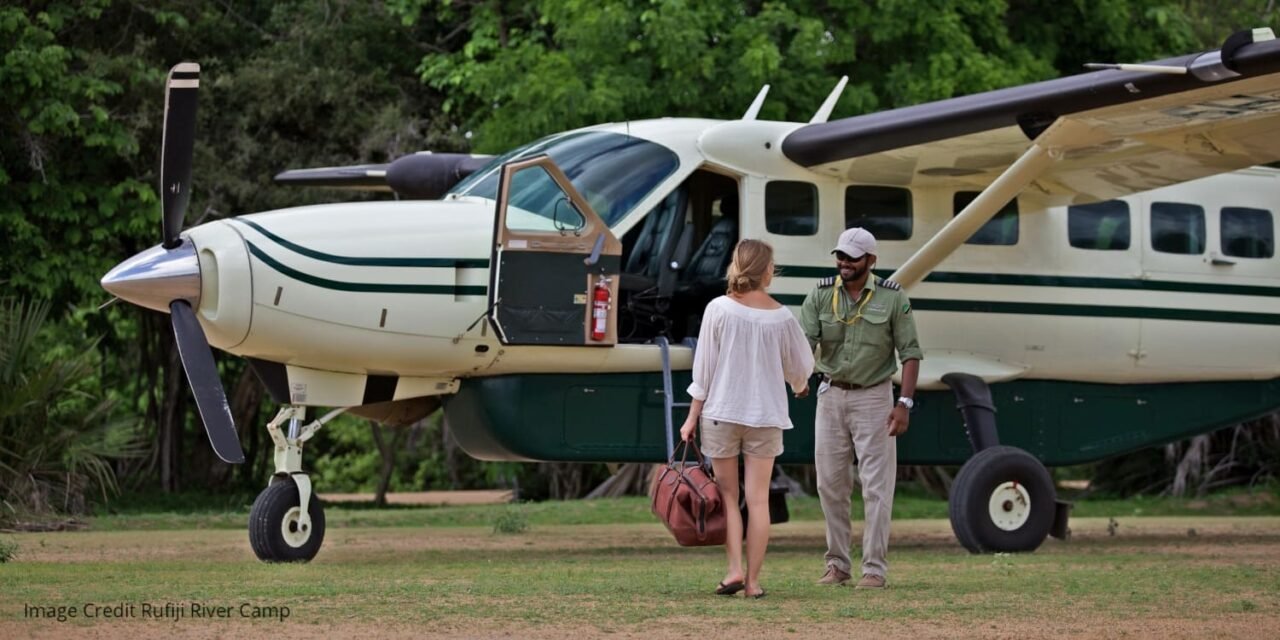

Responsible Tourism in Tanzania: Your Expert Planning Guide
Planning a trip to Tanzania is an exciting prospect, filled with visions of vast savannas teeming with wildlife, the majestic silhouette of Mount Kilimanjaro, and the turquoise waters of Zanzibar. As you prepare for your adventure in 2026 or 2027, considering the principles of responsible tourism is paramount. This approach ensures your journey not only provides unforgettable experiences but also contributes positively to conservation efforts, supports local economies, and respects the rich culture of Tanzania. This comprehensive guide will walk you through everything you need to know to plan and execute a truly responsible trip.
Responsible tourism in Tanzania means making conscious choices that minimize negative impacts and maximize benefits for the country and its people. It’s about understanding that your travel decisions have a ripple effect, from the wildlife you encounter to the communities you visit.
Quick Facts About Responsible Travel in Tanzania
| Aspect | Details |
|---|---|
| Focus Areas | Wildlife Conservation, Community Development, Cultural Preservation, Environmental Protection. |
| Key Destinations | Serengeti, Ngorongoro, Tarangire, Kilimanjaro, Zanzibar, lesser-known parks. |
| Best Time to Visit (for responsible impact) | Shoulder seasons (March-May, Sept-Oct) can offer fewer crowds, potentially better rates, and support for local businesses during quieter periods. Peak seasons (June-Oct, Dec-Feb) are popular but can be managed responsibly. |
| Travel Styles | Eco-lodges, community-based tourism projects, locally-owned tour operators, volunteering (carefully vetted). |
| Challenges | Balancing tourism growth with conservation, ensuring equitable distribution of benefits, waste management. |
Table of Contents
- Why Responsible Tourism Matters in Tanzania
- Understanding the Impact of Tourism
- Choosing Your Tanzania Adventure Responsibly
- Best Time to Visit Tanzania Responsibly (2026-2027)
- Tanzania’s Key Regions for Responsible Travel
- Sample Itinerary Logic for Responsible Travel
- What to Expect on a Responsible Trip
- Inclusions and Packing for Responsible Travel
- Common Mistakes to Avoid
- Who is Responsible Tourism in Tanzania Best For?
- Alternatives and Variations
- Planning Your Responsible Trip for 2026-2027
- Booking Your Responsible Tanzania Tour
- Frequently Asked Questions
Why Responsible Tourism Matters in Tanzania
Tanzania is a global treasure trove of biodiversity and cultural heritage. Its national parks and conservation areas are vital for the survival of iconic species like lions, elephants, rhinos, and wildebeest. Mount Kilimanjaro is not just a trekking challenge but a unique ecosystem. Zanzibar offers a rich history and vibrant marine life.
However, tourism, if not managed carefully, can strain these resources. Overcrowding, habitat disruption, waste pollution, and economic leakage (where tourist money doesn’t benefit local people) are real concerns. Responsible tourism acts as a countermeasure, aiming to:
- Conserve Wildlife and Habitats: By supporting operators who adhere to strict park rules, contribute to anti-poaching efforts, and minimize their environmental footprint.
- Benefit Local Communities: By choosing accommodations, guides, and activities that employ local people, source local goods, and contribute to community projects.
- Preserve Cultural Heritage: By engaging respectfully with local cultures, learning about traditions, and supporting authentic cultural experiences.
- Protect the Environment: By minimizing waste, conserving water and energy, and avoiding activities that harm ecosystems.
Understanding the Impact of Tourism
Tourism in Tanzania can have significant positive and negative impacts. On the positive side, it is a major source of foreign exchange, job creation (especially in rural areas), and funding for conservation through park fees. It can foster cultural exchange and provide economic incentives for protecting natural resources.
Conversely, negative impacts can include:
- Environmental Degradation: Increased vehicle traffic in parks can disturb wildlife and contribute to erosion. Improper waste disposal, especially in sensitive areas like Kilimanjaro’s slopes or coastal zones, is a serious issue. Water and energy consumption can strain local resources.
- Wildlife Disturbance: Off-road driving, getting too close to animals, or feeding them can disrupt natural behaviors and pose risks to both wildlife and tourists.
- Socio-cultural Disruption: Inauthentic cultural performances, commodification of traditions, and the intrusion into local life can be detrimental. Economic benefits may not always reach the poorest segments of the community if not managed properly.
- Infrastructure Strain: Rapid tourism development can sometimes outpace the capacity of local infrastructure for water, sanitation, and energy.
Responsible tourism seeks to amplify the positive impacts while mitigating the negative ones. It’s about informed choices at every stage of your trip.
Choosing Your Tanzania Adventure Responsibly
Tanzania offers diverse experiences, each requiring a specific approach to responsible travel.
Responsible Safari Planning
Safaris are the quintessential Tanzanian experience. To make your safari responsible:
- Choose Your Operator Wisely: Look for tour operators who are certified, employ local guides (who have invaluable knowledge and a vested interest in conservation), and have clear environmental policies. Ask about their waste management practices, vehicle maintenance, and how they contribute to conservation or community projects.
- Respect Wildlife Viewing Rules: Maintain a safe and respectful distance from animals. Never feed wildlife. Stay in your vehicle unless at designated picnic spots. Avoid driving off-road. Limit the time spent at sightings to avoid stressing animals. Guides should be knowledgeable about animal behavior and ethical viewing distances.
- Support Eco-Lodges and Camps: Opt for accommodations that use sustainable energy sources, manage waste effectively, conserve water, employ local staff, and source food locally. Many lodges also contribute directly to conservation initiatives or community programs.
- Minimize Your Footprint: Avoid single-use plastics. Use reusable water bottles. Dispose of waste properly. Be mindful of noise levels.
- Understand Park Fees: A significant portion of your park fees goes towards conservation and local infrastructure. Ensure your operator is transparent about these costs.
Responsible Kilimanjaro Trekking
Trekking Kilimanjaro presents unique environmental challenges due to its high altitude and the sheer volume of trekkers.
- Choose a Reputable, Eco-Conscious Operator: This is crucial. Responsible operators follow strict guidelines set by Kilimanjaro National Park (KINAPA). They ensure their porters and guides are well-treated, paid fairly, and equipped properly. Look for companies that are members of organizations like the Kilimanjaro Porters Assistance Project (KPAP).
- Follow the “Leave No Trace” Principle: Pack out everything you pack in, including all trash. Do not leave any waste on the mountain.
- Respect Rules: Stay on marked trails. Do not disturb vegetation or wildlife. Do not take rocks or plants.
- Water and Sanitation: Use designated toilet facilities. If not available, dig a cathole far from water sources. Consider biodegradable soaps if necessary.
- Porters’ Welfare: A responsible operator prioritizes the health, safety, and fair treatment of their support crew. This includes adequate food, shelter, and appropriate clothing for porters.
- Carbon Footprint: While difficult to eliminate, consider offsetting your flight’s carbon emissions.
Responsible Zanzibar Holidays
Zanzibar, with its beautiful beaches and rich history, also requires mindful tourism.
- Support Local Businesses: Choose locally owned guesthouses, restaurants, and tour operators. This ensures more of your money stays on the island.
- Respect Marine Life: When snorkeling or diving, do not touch coral reefs or marine animals. Use reef-safe sunscreen. Avoid purchasing souvenirs made from coral, shells, or turtle shells.
- Cultural Sensitivity: Zanzibar is a predominantly Muslim island. Dress modestly when visiting villages or Stone Town (cover shoulders and knees). Ask permission before taking photos of people.
- Waste Management: Be mindful of plastic waste, which is a significant problem in coastal areas. Participate in beach clean-ups if opportunities arise.
- Community Tourism: Look for opportunities to visit local villages, spice farms, or cultural centers that offer authentic experiences and directly benefit the community.
Best Time to Visit Tanzania Responsibly (2026-2027)
While Tanzania is a year-round destination, visiting during shoulder seasons can sometimes align better with responsible tourism principles, potentially spreading economic benefits more evenly throughout the year and encountering fewer crowds.
- Dry Seasons (June – October, December – February): These are peak tourist seasons. While popular for wildlife viewing (especially the Great Migration in Serengeti) and clear trekking conditions on Kilimanjaro, they can be more crowded. Responsible operators will manage group sizes and environmental impact even during these times.
- Green Seasons / Shoulder Seasons (March – May, November): These periods often see fewer tourists. The landscape is lush and beautiful, and wildlife viewing is still excellent. Prices might be slightly lower, and your patronage can be particularly valuable to local businesses during these quieter months. The long rains (March-May) can make some areas less accessible but offer fantastic birdwatching and a more intimate experience. November can be a transition month with some showers.
For 2026-2027, consider the shoulder seasons if you prefer a less crowded experience and want to support local economies during less busy periods. However, responsible practices are essential regardless of the season.
Tanzania’s Key Regions for Responsible Travel
Geographical Overview
Tanzania is a large country with diverse landscapes and tourism opportunities. Understanding the main regions helps in planning a responsible itinerary.
- Northern Circuit (Serengeti, Ngorongoro, Tarangire, Lake Manyara): Famous for wildlife. Responsible travel here focuses on strict park regulations, supporting lodges with conservation ties, and respecting the Maasai communities in areas like Ngorongoro.
- Southern Circuit (Selous Game Reserve, Ruaha National Park): Less crowded, offering a wilder safari experience. Responsible tourism here emphasizes supporting conservation efforts in less-visited areas and engaging with local communities bordering these parks.
- Kilimanjaro Region: Home to Africa’s highest peak. Responsible trekking is paramount, focusing on operator ethics and “Leave No Trace” principles.
- Zanzibar Archipelago: Known for beaches, history, and marine life. Responsible travel involves supporting local businesses, respecting culture, and protecting marine environments.
- Western Tanzania (Mahale, Gombe): For chimpanzee trekking. These remote parks require careful planning and support for conservation initiatives protecting primate habitats.
Sample Itinerary Logic for Responsible Travel
This is a conceptual outline, adaptable based on your interests and duration. The key is integrating responsible choices at each step.
Focus: Northern Circuit Safari & Cultural Immersion (10 Days)
- Days 1-2: Arrive in Arusha & Cultural Visit. Settle in, meet your local guide. Visit a local market or a community project (e.g., a women’s cooperative, a school supported by tourism). Stay in a locally-owned lodge or one with strong community links.
- Days 3-4: Tarangire National Park. Focus on responsible game drives. Choose an operator that respects wildlife viewing distances and park rules. Stay in an eco-camp.
- Days 5-6: Ngorongoro Crater & Maasai Village Visit. Explore the crater floor with a guide committed to ethical wildlife viewing. Arrange a visit to a Maasai community through a reputable, non-exploitative program that ensures direct benefit to the community.
- Days 7-9: Serengeti National Park. Experience the vastness. Select a lodge or tented camp that prioritizes sustainability and local employment. Ensure game drives are conducted with minimal disturbance to wildlife.
- Day 10: Departure. Reflect on your responsible journey.
Responsible Kilimanjaro Trek (7 Days Machame Route Example)
- Day 1: Arrive Moshi. Meet your operator, gear check. Understand “Leave No Trace” and porter welfare policies.
- Day 2: Machame Gate to Machame Camp. Trek through rainforest. Follow guide’s instructions on waste.
- Days 3-5: Ascend via Shira Ridge, Barranco Camp, Karanga Camp. Adhere strictly to “Leave No Trace.” Ensure porters are treated ethically.
- Day 6: Summit Day (Uhuru Peak) & Descend to Mweka Camp. A physically demanding day. Focus on safety and minimizing impact.
- Day 7: Descend to Mweka Gate & Departure. Ensure all personal and group waste is carried down.
Responsible Zanzibar Beach & Culture (7 Days)
- Day 1-3: Stone Town Exploration. Stay in a heritage hotel. Explore markets, historical sites, and spice tours with local guides. Be culturally sensitive.
- Days 4-6: Beach Stay (e.g., Nungwi, Paje). Choose a locally-owned guesthouse or eco-resort. Engage in responsible snorkeling/diving tours. Avoid purchasing souvenirs made from marine life. Support local artisans.
- Day 7: Departure.
What to Expect on a Responsible Trip
- Engaged Guides: Expect your guides to be knowledgeable not only about wildlife and flora but also about conservation efforts, local culture, and responsible tourism practices. They should be your partners in making ethical choices.
- Mindful Accommodations: Eco-lodges and responsible hotels will often highlight their sustainability practices. You might see solar panels, water-saving measures, locally sourced menus, and community engagement programs.
- Clearer Communication: Your tour operator should be transparent about how your trip supports local communities and conservation. They should clearly outline rules for wildlife viewing and environmental protection.
- Deeper Cultural Connection: Responsible travel often involves more authentic interactions with local people, moving beyond superficial tourist performances to genuine cultural exchange.
- A Sense of Contribution: You’ll likely feel a greater sense of purpose, knowing your travel choices are contributing positively to the places and people you visit.
- Potential for Fewer Crowds: Especially if you travel in shoulder seasons or choose less-visited destinations, you might experience a more intimate and less crowded journey.
Inclusions and Packing for Responsible Travel
When booking, clarify what your tour package includes. For responsible travel, pay attention to:
Typical Inclusions (to inquire about)
| Area | Responsible Tour Operator Focus |
|---|---|
| Accommodation | Locally-owned, eco-certified, or community-linked lodges/camps. |
| Transportation | Well-maintained vehicles (for safaris), fuel-efficient options where possible, local drivers/guides. |
| Guides | Certified local guides with conservation training and fair wages. |
| Activities | Ethical wildlife viewing, community visits vetted for authenticity and benefit, low-impact excursions. |
| Park Fees | Transparently included, with explanation of how they support conservation. |
| Meals | Emphasis on local sourcing, reducing food waste. |
| Porterage (for Kilimanjaro) | Fair wages, adequate food, and gear for porters. |
Packing Essentials for Responsible Travel
- Reusable Water Bottle: Crucial to avoid plastic bottle waste. Consider a filter bottle if concerned about water quality.
- Rechargeable Batteries & Power Bank: For electronics, reducing battery waste.
- Eco-Friendly Toiletries: Biodegradable soaps, shampoos, and reef-safe sunscreen.
- Reusable Shopping Bag: For souvenirs or market purchases.
- Appropriate Clothing: Lightweight, breathable fabrics. Neutral colors for safaris. Modest clothing for cultural sites.
- Sturdy Hiking Boots: Essential for Kilimanjaro or walking safaris.
- Sun Protection: Hat, sunglasses, high SPF sunscreen.
- Insect Repellent: Choose eco-friendly options if possible.
- Small First-Aid Kit: With personal medications.
- Binoculars: For enhanced wildlife viewing without disturbing animals.
- Camera & Extra Memory Cards: To capture memories responsibly.
- Headlamp/Torch: Useful in lodges or camps.
- Donations (Optional & Careful): If you wish to donate, do so through your operator or a reputable local organization rather than giving directly to children, which can encourage begging. Consider school supplies or practical items.
Common Mistakes to Avoid
- Choosing the Cheapest Operator: Low prices often mean compromises on guide quality, vehicle maintenance, safety, or crucially, the fair treatment of staff (especially porters) and conservation contributions.
- Ignoring Wildlife Rules: Feeding animals, getting too close, or driving off-road can have severe consequences for wildlife.
- Excessive Plastic Use: Not bringing a reusable water bottle or refusing plastic bags contributes to pollution.
- Cultural Insensitivity: Disregarding local customs regarding dress, photography, or behavior.
- Supporting Inauthentic Experiences: Opting for “cultural villages” that feel staged or exploitative.
- Not Researching Your Operator: Failing to ask about their sustainability policies, community involvement, and staff welfare practices.
- Expecting Uniformity: Responsible tourism isn’t always about luxury; it’s about impact. Some eco-lodges might have simpler amenities but a greater positive footprint.
Who is Responsible Tourism in Tanzania Best For?
Responsible tourism in Tanzania is ideal for:
- Conscious Travelers: Those who want their travel to have a positive impact and are willing to make informed choices.
- Nature Enthusiasts: Individuals passionate about wildlife conservation and preserving natural landscapes.
- Culture Seekers: Travelers interested in authentic cultural exchanges and supporting local communities.
- Families: Teaching children the importance of respect for nature and different cultures.
- Adventure Lovers: Those who appreciate the challenges of Kilimanjaro or the wildness of less-visited parks, understanding the need for careful management.
- Anyone Planning a Trip for 2026-2027: It’s the perfect time to integrate these principles into your travel planning.
It requires a willingness to learn, adapt, and engage thoughtfully with the destination.
Alternatives and Variations
While the core principles remain, you can tailor responsible tourism to different interests:
- Community-Based Tourism: Focus on homestays or lodges directly managed by local communities. This ensures maximum economic benefit stays local. Examples might include visiting projects in the Usambara Mountains or specific Maasai initiatives.
- Conservation-Focused Safaris: Partner with lodges or operators actively involved in wildlife research, anti-poaching patrols, or habitat restoration. This might mean visiting areas like the Grumeti Fund in Serengeti or specific projects in Ruaha.
- Voluntourism (with extreme caution): If considering volunteering, ensure the organization is reputable, ethical, and genuinely meets a local need, rather than being tourism-driven. Thorough research is essential. Many responsible operators partner with established NGOs.
- Slow Travel: Spending more time in fewer locations allows for deeper engagement with the environment and culture, reducing travel footprint and supporting local economies more sustainably.
Planning Your Responsible Trip for 2026-2027
Planning ahead is key for responsible travel, especially for popular destinations and activities.
Key Planning Steps for 2026-2027
- Define Your Priorities: What kind of experience are you looking for (safari, trek, culture, beach)? What level of comfort do you require?
- Research Responsible Operators: Look for certifications, affiliations (e.g., KPAP for Kilimanjaro), and clear statements on sustainability and community impact. Ask direct questions.
- Book in Advance: Especially for 2026-2027, popular eco-lodges and reputable operators get booked up quickly.
- Understand Seasonality: Plan your timing based on your interests and desired experience, considering shoulder seasons for potentially more responsible travel benefits.
- Budget Realistically: Responsible travel can sometimes be more expensive as it reflects true costs (fair wages, conservation contributions). Avoid the cheapest options.
- Learn Basic Swahili Phrases: A “Jambo” (Hello) or “Asante” (Thank you) goes a long way in showing respect.
- Pack Mindfully: Focus on reusables and eco-friendly items.
- Prepare for Vaccinations & Visas: Consult your doctor and the Tanzanian embassy well in advance.
Booking Your Responsible Tanzania Tour
When you are ready to book, here’s how to ensure you are making a responsible choice:
- Direct Communication is Key: Contact tour operators directly. Ask specific questions about their practices.
- “How do you ensure fair wages and working conditions for your guides and porters?”
- “What are your environmental policies regarding waste management and energy use?”
- “How does your company contribute to local community development or conservation projects?”
- “Can you provide examples of your commitment to responsible tourism?”
- Look for Transparency: A good operator will be open and detailed about their operations and their commitment to responsible practices.
- Read Reviews (Critically): Look for reviews that mention the quality of guides, ethical treatment of staff, and the operator’s responsiveness to environmental or social issues.
- Consider Local Operators: While international operators can be good, a well-established local company often has deeper roots and direct connections to the community and conservation efforts.
- Start with a Trusted Partner: For your 2026-2027 adventure, consider working with a company like Climb 4 Africa, known for its commitment to responsible travel in Tanzania.
Ready to plan your responsible journey? Contact us to discuss your dream Tanzanian adventure. We are dedicated to creating unforgettable experiences that benefit both our travelers and the beautiful country of Tanzania.
WhatsApp: +255747477898
Email: climb4africa@gmail.com
Backup Email: climb4africa@gmail.com
Frequently Asked Questions
General Responsible Tourism Questions
-
Question: What is the single most important aspect of responsible tourism in Tanzania?
Answer: While many aspects are important, choosing a tour operator with a genuine commitment to ethical staff treatment (especially porters on Kilimanjaro) and transparent conservation contributions is paramount for a truly responsible trip. -
Question: How can I ensure my safari is environmentally friendly?
Answer: Opt for lodges and camps that use renewable energy, manage waste, and conserve water. During game drives, ensure your guide adheres to strict rules about distances from wildlife, avoiding off-road driving, and minimizing noise. -
Question: Is it safe to visit community projects in Tanzania?
Answer: Yes, when arranged through reputable tour operators who have established relationships with communities. These visits are designed for respectful cultural exchange and ensuring direct benefits reach the community. -
Question: What should I do about plastic waste on Kilimanjaro?
Answer: The “Leave No Trace” principle is vital. Pack out absolutely everything you pack in. Use a reusable water bottle and avoid purchasing single-use plastic items. Your operator should have clear waste management protocols. -
Question: How can I contribute to local economies in Zanzibar?
Answer: Stay in locally-owned accommodations, eat at local restaurants, buy souvenirs directly from artisans, and hire local guides for tours. Ensure your chosen dive/snorkel operator respects marine life and employs local staff. -
Question: Are “cheap” safaris ever responsible?
Answer: Generally, no. Extremely low prices often indicate compromises in guide quality, vehicle maintenance, safety, staff wages (especially for porters), or conservation contributions. Responsible tourism reflects the true cost of sustainable operations. -
Question: When is the best time to plan responsible travel in Tanzania for 2026-2027?
Answer: While Tanzania is a year-round destination, the shoulder seasons (March-May, November) often have fewer crowds, potentially lower prices, and can offer a more intimate experience. This timing can also help spread tourism benefits more evenly throughout the year. -
Question: What are the main ethical considerations for Kilimanjaro porters?
Answer: Responsible operators ensure porters are paid fairly, receive adequate food and shelter, are provided with appropriate clothing and gear, and are not overloaded. Kilimanjaro Porters Assistance Project (KPAP) is a good benchmark for ethical treatment.
Start Your Responsible Tanzania Adventure
Making conscious choices for responsible tourism in Tanzania ensures that your incredible journey contributes positively to the preservation of its natural wonders and the well-being of its people. Whether you dream of a thrilling safari in the Serengeti, conquering the heights of Kilimanjaro, or relaxing on the beaches of Zanzibar, planning with responsibility at its core will enhance your experience.
For expert advice and tailored itineraries that prioritize sustainability and community benefit for your 2026-2027 trip, get in touch with us. We are passionate about delivering exceptional travel experiences that make a difference.
Connect with us today:
WhatsApp: +255747477898
Email: climb4africa@gmail.com
Backup Email: climb4africa@gmail.com
Plan your Responsible Tourism in Tanzania with Climb 4 Africa
Tell us your travel dates, group size, comfort level, and dream experience. We will help you shape a clear, realistic, and memorable Tanzania itinerary.



