Updated planning guide for 2026-2027
Remote Africa Adventure Travel: Complete Guide 2026-2027
Discover the thrill of remote Africa adventure travel with this comprehensive guide. Learn how to plan and book unforgettable safaris, Kilimanjaro treks, and Zanzibar experiences in Tanzania for 2026-2027.
WhatsApp +255747477898 | climb4africa@gmail.com | climb4africa@gmail.com

Remote Africa Adventure Travel: Your Ultimate Planning Guide
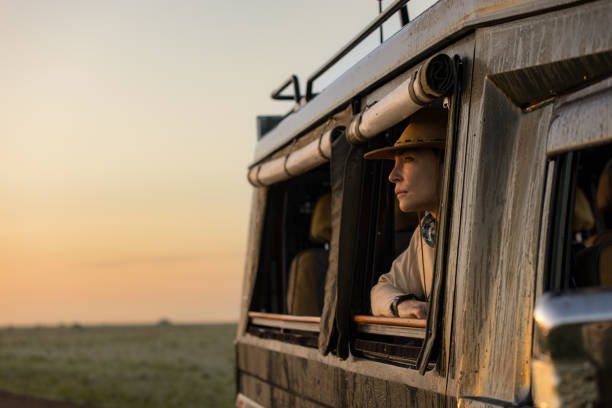
Seeking an adventure that truly takes you off the beaten path? Remote Africa adventure travel offers an unparalleled opportunity to connect with nature, experience vibrant cultures, and challenge yourself in some of the world’s most spectacular landscapes. Tanzania, with its vast wilderness, iconic wildlife, and diverse terrains, stands as a premier destination for this kind of exploration. Whether your dream involves spotting the Big Five on a secluded safari, standing atop the Roof of Africa on Kilimanjaro, or exploring the spice-scented islands of Zanzibar, planning is key to making your remote adventure a reality.
This guide is designed to provide you with all the essential information for planning your remote Africa adventure travel, focusing on Tanzania’s unique offerings. We’ll cover everything from understanding what constitutes ‘remote’ in this context, to practical planning steps, itinerary ideas, and how to choose the right tour operator for your 2026-2027 journey. Get ready to step into a world of wild beauty and unforgettable experiences.
Quick Facts: Remote Tanzania Adventures
| Aspect | Details |
|---|---|
| Primary Focus | Wildlife safaris, mountain trekking, cultural immersion, island exploration. |
| Key Destinations | Serengeti, Ngorongoro Crater, Tarangire, Ruaha, Selous (Nyerere), Kilimanjaro, Zanzibar. |
| Adventure Types | Game drives, walking safaris, chimpanzee trekking, volcano climbing, snorkeling, diving, cultural tours. |
| Best Time to Travel (General) | Dry seasons: June-October (cooler, best for wildlife viewing in northern parks); January-February (calving season in Serengeti). Wet seasons: November, March-May (lush landscapes, fewer crowds, lower prices). |
| Travel Style Suitability | Solo travelers, couples, families with older children, small groups seeking authentic experiences. |
| Considerations | Varying levels of remoteness, accommodation styles, physical fitness requirements (for Kilimanjaro), travel pace. |
Understanding Remote Africa Adventure Travel
When we talk about remote Africa adventure travel, we’re referring to experiences that take you beyond the typical tourist trails. This often means venturing into less-visited national parks, engaging in activities that require physical effort and a spirit of exploration, and staying in accommodations that offer a closer connection to the natural environment, sometimes with fewer amenities but more profound experiences.
In Tanzania, remoteness can manifest in several ways:
- Vast, Untamed National Parks: Parks like Ruaha and Selous (now Nyerere National Park) in the southern circuit are significantly less crowded than their northern counterparts. They offer a sense of true wilderness where you might go hours without seeing another vehicle.
- Challenging Treks: Climbing Mount Kilimanjaro or Mount Meru involves days of trekking through diverse ecosystems, often with basic camping or hut accommodations, pushing your physical and mental limits.
- Off-the-Grid Island Escapes: While Zanzibar Town is bustling, its outer islands and less developed coastlines offer tranquil retreats with simple lodges and opportunities for marine adventures far from crowds.
- Walking Safaris: These are offered in specific areas (like the Serengeti’s western corridor or Selous/Nyerere) and provide an intimate, ground-level perspective of the bush, requiring knowledgeable guides and a focus on safety.
- Cultural Immersion: Visiting remote Maasai villages or engaging with other local communities offers a genuine glimpse into traditional life, far from staged cultural shows.
Why Choose Tanzania for Your Remote Adventure?
Tanzania offers a compelling blend of iconic wildlife, breathtaking natural beauty, and rich cultural heritage, making it an ideal canvas for remote adventure travel.
- Unmatched Wildlife Diversity: From the Great Migration in the Serengeti to the dense populations within the Ngorongoro Crater and the wilder expanses of Ruaha, Tanzania is a global leader in wildlife viewing.
- The Majestic Mount Kilimanjaro: Africa’s highest peak provides a significant trekking challenge and a life-changing achievement for many adventurers.
- The Spice Island of Zanzibar: Beyond its historical Stone Town, Zanzibar offers pristine beaches, coral reefs for diving and snorkeling, and a unique Swahili culture.
- Varying Levels of Remoteness: Whether you prefer the thrill of a truly wild, uncrowded park or a challenging mountain climb, Tanzania has options to suit different definitions of ‘remote’ and ‘adventure’.
- Well-Established Tourism Infrastructure (for planning): While aiming for remoteness, Tanzania still has a well-developed network of tour operators, lodges, and transport options, which is crucial for safe and efficient planning, especially for 2026-2027 trips.
Planning Your Remote Africa Adventure: A Step-by-Step Approach
Successful remote adventure travel requires careful planning. Here’s a structured approach to ensure your 2026-2027 trip is everything you hope for.
Step 1: Define Your Adventure Goals
Before anything else, clarify what ‘remote adventure’ means to you. Consider these questions:
- What kind of environment excites you most? Vast savannahs, dense forests, high mountains, tropical coastlines?
- What activities are you interested in? Wildlife viewing (on foot, by vehicle), hiking, cultural interactions, water sports, photography?
- What level of ‘remoteness’ are you seeking? Do you want to be completely isolated, or do you prefer fewer crowds in a well-managed park?
- What is your desired comfort level? Are you happy with basic camping, comfortable tented camps, or do you prefer lodges with more amenities?
- What is your physical fitness level? Kilimanjaro requires significant preparation, while a walking safari is less strenuous but still demands awareness.
Step 2: Choose Your Destinations and Activities
Based on your goals, select the specific regions and activities. Here are some popular options for remote Africa adventure travel in Tanzania:
- Northern Circuit (Classic Safari, with remote options): While popular, areas like Tarangire’s less-visited sections, or specific times in the Serengeti (away from peak migration points), can offer a more secluded feel. The Ngorongoro Crater offers incredible wildlife density but is heavily regulated.
- Southern Circuit (True Remoteness): Nyerere National Park (formerly Selous) and Ruaha National Park are vast, wild, and offer walking safaris, boat safaris, and extensive game drives with very few other visitors. This is ideal for those seeking genuine wilderness.
- Mount Kilimanjaro Trek: A bucket-list adventure for many, involving multi-day treks on various routes (Machame, Lemosho, Marangu, etc.). Requires significant planning and preparation.
- Zanzibar’s Coastal and Inland Adventures: Explore Jozani Forest, visit spice farms, or venture to smaller, less-developed islands like Pemba for exceptional diving and a tranquil atmosphere.
- Gombe Stream National Park (for Chimpanzee Trekking): While technically in Tanzania, it’s a significant journey from the main safari hubs and offers a very different, forest-based adventure.
Step 3: Determine the Best Time to Travel
Seasonality significantly impacts the experience for remote Africa adventure travel. For 2026-2027, consider these factors:
| Period | Northern Circuit (Serengeti, Ngorongoro) | Southern Circuit (Ruaha, Nyerere) | Kilimanjaro | Zanzibar |
|---|---|---|---|---|
| June – October (Dry Season) | Excellent for wildlife viewing, migration often in western/northern Serengeti. Cooler temperatures. Peak season prices. | Good wildlife viewing, vegetation thins. Fewer visitors than northern circuit. Pleasant temperatures. | Ideal trekking conditions, dry and clear. Coldest months are July/August. Peak trekking season. | Dry, sunny, less humid. Ideal for beach and water activities. Peak season prices. |
| November | Short rains begin, vegetation greens up, herds may start moving. Fewer tourists. | Rains begin, can be heavy. Some lodges may close. Wildlife dispersed. | Rainy season begins, can be wet and cloudy. Less ideal for trekking. | Rainy season, can be humid with afternoon showers. Fewer tourists. |
| December – February (Hot Season/Calving Season) | Calving season in southern Serengeti, spectacular wildlife events. Hot and humid. Some rain possible. | Rains continue, then ease. Lush landscapes. Wildlife can be harder to spot in dense vegetation. | Rainy season. Can be wet and cloudy, though often clear mornings. | Can have short rains, but often sunny. Hot and humid. |
| March – May (Long Rains) | Heavy rains, lush green landscapes. Wildlife disperses. Very few tourists. Lowest prices. Roads can be challenging. | Heavy rains, difficult travel. Some parks may be less accessible. | Peak rainy season. Very wet, cloudy, and cold at altitude. Not recommended for trekking. | Rainy season, can be heavy and prolonged. High humidity. Very few tourists. |
Step 4: Budgeting for Your Adventure
Remote Africa adventure travel can range significantly in cost. Your budget will be influenced by:
- Destinations: Southern circuit parks (Ruaha, Nyerere) are often more expensive due to logistics. Kilimanjaro treks are a significant investment.
- Accommodation Style: Luxury lodges, comfortable tented camps, or basic campsites have vastly different price points.
- Duration of Trip: Longer trips naturally cost more.
- Activities: Private guiding, specialized safaris (walking, fly-camping), or specific excursions add to the cost.
- Time of Year: Peak seasons (June-October, December-February) are more expensive than the green season (March-May).
- Tour Operator Fees: A reputable operator includes park fees, guides, vehicles, accommodation, and often meals.
Cost Notes: Instead of exact prices, consider that a mid-range safari in the northern circuit might cost $300-$500 per person per day, while a remote southern circuit safari could be $400-$700+ per person per day due to higher operational costs. Kilimanjaro climbs vary widely by route and operator, from $2,000 to $5,000+ for a standard trek. Zanzibar can be more budget-friendly, with options from $100-$300+ per person per day depending on accommodation and activities.
Step 5: Select a Reputable Tour Operator
This is arguably the most crucial step for remote Africa adventure travel. A good operator handles logistics, safety, permits, and provides expert local knowledge. Look for:
- Local Expertise: A Tanzania-based operator understands the ground realities, best routes, and local conditions.
- Customization Options: Can they tailor a trip to your specific interests and budget?
- Safety Record: Especially important for Kilimanjaro and walking safaris.
- Reviews and Recommendations: Seek feedback from previous travelers.
- Clear Communication: Do they respond promptly and thoroughly to your queries?
Step 6: Book Flights and Prepare Documentation
Book international flights well in advance, especially for 2026-2027 travel during peak seasons. Ensure your passport is valid for at least six months beyond your travel date and has sufficient blank pages. Check visa requirements for your nationality.
Step 7: Physical and Health Preparations
For Kilimanjaro, a structured training program is essential. For walking safaris or general trekking, good general fitness is recommended. Consult your doctor about necessary vaccinations (Yellow Fever is often required if arriving from an endemic country, Hepatitis A, Typhoid are common recommendations) and malaria prophylaxis. Pack a comprehensive first-aid kit.
Popular Itinerary Ideas for Remote Africa Adventure Travel
Here are sample itinerary structures that highlight remote adventure experiences. These can be customized based on your interests and available time.
Itinerary 1: Southern Circuit Wilderness Explorer (7-10 Days)
Focus: True remoteness, large wildlife, walking safaris.
Day 1-3: Arrival in Dar es Salaam & Transfer to Nyerere National Park (formerly Selous)
Arrive at Julius Nyerere International Airport (DAR). Transfer to a lodge or camp in Nyerere. Activities: Boat safari on the Rufiji River, game drives, exploring different park sectors.
Day 4-6: Ruaha National Park Immersion
Fly or drive to Ruaha. This park is known for its dramatic landscapes and large predator populations. Activities: Game drives, guided bush walks, photography.
Day 7-9: Extended Ruaha or Return via Iringa
Further exploration of Ruaha, perhaps focusing on a specific area or activity. Alternatively, travel via Iringa for a cultural stop before returning to Dar es Salaam for departure.
Itinerary 2: Kilimanjaro Summit Challenge & Safari (10-14 Days)
Focus: Mountain trekking and iconic wildlife.
Day 1: Arrival in Moshi/Arusha
Arrive at Kilimanjaro International Airport (JRO). Transfer to your hotel for briefing and preparation.
Day 2-8/9: Mount Kilimanjaro Trek (e.g., Machame Route)
Begin your ascent. This route takes 6-7 days, offering excellent acclimatization. Experience diverse ecological zones from rainforest to alpine desert.
Day 9/10: Descent & Rest
Descend Kilimanjaro. Transfer back to your hotel to rest and celebrate.
Day 10/11-13: Northern Circuit Safari (Tarangire & Serengeti)
Fly or drive to Tarangire National Park for its baobab trees and elephant herds. Then, head to the Serengeti for incredible wildlife viewing, potentially timed for migration.
Day 14: Departure
Transfer to JRO for your onward flight.
Itinerary 3: Zanzibar Island Explorer & Spice Trails (5-7 Days)
Focus: Tropical beauty, culture, and water activities.
Day 1: Arrival in Zanzibar & Stone Town
Arrive at Abeid Amani Karume International Airport (ZNZ). Transfer to your hotel in Stone Town. Explore the historic alleys, markets, and learn about its rich history.
Day 2: Spice Tour & Jozani Forest
Morning: Guided spice tour to learn about local flora and their uses. Afternoon: Visit Jozani Chwaka Bay National Park to see red colobus monkeys.
Day 3-5: Coastal Relaxation & Adventure (e.g., Nungwi or Paje)
Transfer to a beach resort. Activities: Snorkeling, diving (Mnemba Atoll), kite surfing (Paje), sunset dhow cruises, or simply relaxing on the beach.
Day 6: Optional Day Trip or Pemba Island
Consider a day trip to Prison Island, or for a more remote experience, take a short flight to Pemba Island for pristine diving and a less touristy vibe.
Day 7: Departure
Transfer to ZNZ for your departure.
What to Expect: On the Ground Realities
Remote Africa adventure travel is rewarding, but it’s important to have realistic expectations.
- Varying Infrastructure: Expect good roads in popular areas, but rougher tracks in remote parks. Lodges and camps range from luxurious to rustic.
- Wildlife Encounters: While Tanzania is rich in wildlife, sightings are not guaranteed. Patience and knowledgeable guides are essential. Remoteness means fewer vehicles, so sometimes you might be the only one tracking an animal.
- Pace of Travel: Journeys can be long, especially between parks. Embrace the slower pace and enjoy the scenery.
- Connectivity: Mobile phone service and Wi-Fi can be spotty or non-existent in remote areas. This is part of the appeal for many – disconnecting from the digital world.
- Climate: Expect heat and humidity, especially near the coast and during certain seasons. Higher altitudes (Kilimanjaro) will be cold.
- Cultural Etiquette: Be respectful of local customs, dress modestly when visiting villages, and always ask permission before taking photos of people.
Packing and Preparation Checklist
Packing smart is crucial for comfort and safety. Tailor this list to your specific activities.
Clothing:
- Lightweight, breathable long-sleeved shirts and trousers (for sun and insect protection)
- T-shirts and shorts
- Fleece or warm jacket (for evenings and Kilimanjaro)
- Waterproof and windproof jacket
- Comfortable hiking boots (broken in!)
- Sandals or comfortable shoes for camp/lodge
- Swimsuit
- Sun hat with a wide brim
- Warm hat and gloves (for Kilimanjaro)
Gear:
- High-quality binoculars
- Camera with extra batteries and memory cards
- Power bank or portable charger
- Headlamp or flashlight with extra batteries
- Reusable water bottle
- Dry bag (for electronics, valuables)
- Personal first-aid kit (including any personal medication, pain relievers, antiseptic wipes, bandages, blister treatment)
- Sunscreen (high SPF)
- Insect repellent (with DEET or Picaridin)
- Hand sanitizer
- Travel adapter
- Small backpack for day trips/hikes
- Trekking poles (if climbing Kilimanjaro)
- Quick-dry towel
Documents & Money:
- Passport (with at least 6 months validity)
- Visa (if required)
- Flight tickets/confirmations
- Travel insurance details
- Copies of important documents (stored separately)
- Credit/debit cards
- USD cash (for tips, small purchases – often preferred)
Common Mistakes to Avoid in Remote Africa Adventure Travel
Planning a remote adventure requires attention to detail. Avoiding these common pitfalls will enhance your experience:
- Underestimating Travel Times: Tanzania is vast. Internal travel, especially by road to remote parks, can take many hours. Factor this into your itinerary.
- Not Booking in Advance: For peak seasons (2026-2027), especially for Kilimanjaro climbs and popular lodges, booking 6-12 months ahead is recommended.
- Ignoring Physical Fitness: Kilimanjaro is not a casual hike. Proper training is non-negotiable. Even walking safaris require a reasonable level of fitness.
- Packing Inappropriately: Bringing only light clothing for Kilimanjaro or heavy jeans for a safari will make your trip uncomfortable.
- Choosing the Wrong Operator: A cheap operator might cut corners on safety, guide quality, or park fees, leading to a disappointing or even dangerous experience.
- Not Budgeting for Extras: Park fees, conservation fees, tips, and souvenirs can add up. Ensure your budget accounts for these.
- Expecting Constant Wi-Fi: Embrace the opportunity to disconnect. Relying on connectivity for work or constant updates will lead to frustration in remote areas.
- Ignoring Health Advice: Malaria and other tropical diseases are real concerns. Consult your doctor and take necessary precautions.
Who is Remote Africa Adventure Travel Best For?
This style of travel appeals to a specific type of adventurer:
- The Nature Enthusiast: Those who want to immerse themselves in wild landscapes and observe wildlife in its natural habitat, away from crowds.
- The Active Explorer: Individuals or groups who enjoy physical challenges like trekking, hiking, or extended walking safaris.
- The Culturally Curious: Travelers interested in authentic interactions with local communities and understanding different ways of life.
- The Seeker of Solitude: Those who value peace, quiet, and a sense of discovery, enjoying the feeling of having a vast wilderness largely to themselves.
- The Experienced Traveler: While accessible to many, a certain level of self-reliance and adaptability is beneficial for remote travel.
It might be less suitable for travelers who prefer bustling cities, rely heavily on modern amenities, have very young children who might struggle with long travel days or basic conditions, or who are uncomfortable with the unpredictability of nature.
Alternatives and Variations
If full-blown remote adventure isn’t quite right, or you want to combine elements:
- Luxury Safaris with Remote Touches: Stay in high-end lodges in less-visited parks like Ruaha or Selous, offering comfort with access to wild areas.
- Day Trips from Arusha/Zanzibar: For a taste of adventure without multi-day commitment, consider day trips to nearby waterfalls, cultural villages, or shorter game drives.
- Walking Safari Extensions: Combine a standard game drive safari with a few days of guided walking in a designated area for a more intimate bush experience.
- Island Hopping in Zanzibar/Pemba: Explore different coastal areas and islands for a mix of relaxation and activity.
Planning Your 2026-2027 Remote Adventure
Booking your remote Africa adventure travel for 2026 or 2027 requires early planning to secure the best options, especially if you have specific dates or are traveling during peak seasons.
- Book Key Elements Early: Kilimanjaro climbs, specific lodges in popular parks, and flights should be booked 9-12 months in advance for 2026-2027.
- Consider Shoulder Seasons: For potentially lower prices and fewer crowds in 2026-2027, look at the periods just before or after the main dry seasons.
- Research Visa Requirements: Ensure your passport and visa applications are in order well ahead of time.
- Health Consultations: Schedule appointments with your doctor or a travel clinic 6-8 weeks before departure for necessary vaccinations and advice.
- Stay Flexible: While planning is essential, be prepared for minor adjustments due to weather or local conditions.
Booking Advice: Partnering with the Right Tour Operator
Choosing the right tour operator is paramount for a successful and safe remote Africa adventure travel experience. At [Your Company Name], we specialize in crafting personalized Tanzanian adventures that capture the essence of remoteness and excitement.
When you book with us, you benefit from:
- Local Expertise: Our team lives and breathes Tanzania. We have intimate knowledge of the parks, routes, and best times to visit for optimal wildlife viewing and adventure.
- Tailored Itineraries: We don’t offer one-size-fits-all packages. We listen to your desires – whether it’s a challenging Kilimanjaro climb, a wildlife-dense safari in the south, or a tranquil Zanzibar escape – and build a trip around them.
- Safety First: For treks like Kilimanjaro or walking safaris, safety is our top priority. We work with experienced guides and adhere to strict safety protocols.
- Quality Accommodation: We partner with a range of accommodations, from comfortable safari lodges and tented camps to unique remote wilderness camps, ensuring you have a comfortable base after adventurous days.
- Transparent Pricing: We provide clear breakdowns of what is included in your package, so there are no hidden surprises.
Ready to plan your 2026-2027 remote Africa adventure travel?
Contact us today to start designing your dream Tanzanian journey. Whether you have a clear idea or need inspiration, our experts are here to help.
WhatsApp: +255747477898
Email: climb4africa@gmail.com
Backup Email: climb4africa@gmail.com
Frequently Asked Questions (FAQs)
What is considered ‘remote’ in Tanzania?
In Tanzania, ‘remote’ typically refers to destinations like the Southern Circuit parks (Ruaha, Nyerere) which are vast, have fewer visitors, and offer a more wild, untamed experience compared to the more accessible Northern Circuit parks. It can also apply to less-visited areas within larger parks or off-the-beaten-path cultural experiences.
Is remote Africa adventure travel safe?
Yes, with proper planning and reputable operators. Safety is paramount. For treks like Kilimanjaro, experienced guides and adherence to altitude protocols are crucial. For safaris, experienced guides ensure safe wildlife viewing distances and knowledge of animal behavior. Choosing a well-established local operator like us significantly enhances safety.
What is the best time for remote safaris in Tanzania in 2026-2027?
For remote safaris, especially in the Southern Circuit, the dry season (June to October) is generally excellent for wildlife viewing as animals congregate around water sources and vegetation thins. However, the green season (March to May) offers lush landscapes and very few tourists, providing a different kind of remote experience, though wildlife can be more dispersed.
Do I need to be very fit for remote Africa adventure travel?
It depends on the activity. Climbing Mount Kilimanjaro requires significant physical and mental preparation. Walking safaris demand good general fitness. However, remote safaris focused on game drives can be enjoyed by most people with average fitness levels, with travel days being the most physically demanding aspect.
What kind of accommodation can I expect in remote areas?
Accommodation in remote areas can range from comfortable tented camps (often with en-suite facilities) and eco-lodges to more basic bush camps or even fly-camping for true wilderness immersion. Luxury options are available even in remote parks, offering a blend of comfort and isolation.
How much should I budget for remote Africa adventure travel in 2026-2027?
Costs vary greatly. Remote safaris in the Southern Circuit are generally more expensive than the Northern Circuit due to logistics. Kilimanjaro climbs are a significant cost. Zanzibar can be more budget-friendly. Expect mid-range safaris to be around $300-$700+ per person per day, excluding international flights. It’s best to get a personalized quote.
What vaccinations are recommended for Tanzania?
Consult your doctor or a travel clinic well in advance. Recommended vaccinations often include Hepatitis A, Typhoid, and Yellow Fever (required if arriving from an endemic country). Malaria prophylaxis is usually advised for most of Tanzania. Always seek professional medical advice.
Can I do a remote adventure trip solo?
Yes, solo travel is very common and can be incredibly rewarding in Tanzania. Reputable tour operators often group solo travelers together for safaris or offer single supplements for private rooms/tents. Safety is managed by the operator and guides.
What is the difference between the Northern and Southern Circuits for safaris?
The Northern Circuit (Serengeti, Ngorongoro, Tarangire, Lake Manyara) is more popular, accessible, and offers iconic wildlife viewing, especially the Great Migration. The Southern Circuit (Ruaha, Nyerere) is more remote, less crowded, and offers a wilder, more exclusive experience with large elephant and predator populations.
How far in advance should I book a remote adventure for 2026?
For popular activities like Kilimanjaro treks or specific lodges during peak seasons in 2026, booking 9-12 months in advance is highly recommended to secure your preferred dates and accommodations. For general safaris during shoulder seasons, 4-6 months might suffice, but early booking is always best for remote adventure travel.
Your Remote Africa Adventure Awaits
Tanzania offers a profound connection to the wild, and remote Africa adventure travel is the most authentic way to experience it. From the thunder of hooves on the Serengeti plains to the silent majesty of Kilimanjaro’s summit, and the tranquil turquoise waters of Zanzibar, your adventure is waiting to be crafted.
Let us help you navigate the planning process for your unforgettable 2026-2027 journey. We are passionate about creating tailor-made adventures that go beyond the ordinary.
Get in touch with our Tanzania adventure specialists today:
WhatsApp: +255747477898
Email: climb4africa@gmail.com
Backup Email: climb4africa@gmail.com
Plan your Remote Africa Adventure Travel with Climb 4 Africa
Tell us your travel dates, group size, comfort level, and dream experience. We will help you shape a clear, realistic, and memorable Tanzania itinerary.



