Updated planning guide for 2026, 2027-2028
Pare Mountains And Mkomazi Safari From Moshi: Best Guide 2026-2027-2028
Explore the unique landscapes of the Pare Mountains and the wildlife-rich Mkomazi National Park on a safari adventure starting from Moshi, Tanzania. This guide covers everything you need for an unforgettable trip in 2026-2027.
WhatsApp +255747477898 | climb4africa@gmail.com | climb4africa@gmail.com

Pare Mountains and Mkomazi Safari From Moshi: Your Ultimate Tanzania Adventure
For travelers seeking experiences beyond the typical Northern Circuit safari routes, combining a journey through the distinctive Pare Mountains with a safari in Mkomazi National Park offers a rich and varied exploration of Tanzania. Starting your adventure from Moshi, a vibrant town at the foot of Mount Kilimanjaro, provides convenient access to these less-traveled yet incredibly rewarding destinations. This guide details how to plan and enjoy a memorable trip focusing on the Pare Mountains and Mkomazi Safari from Moshi, covering essential planning aspects for 2026 and 2027.
Quick Overview: Pare Mountains & Mkomazi Safari
This combination offers a blend of cultural immersion, scenic hiking, and authentic wildlife viewing. The Pare Mountains present dramatic landscapes, unique agricultural practices, and welcoming communities, while Mkomazi National Park is a sanctuary for endangered species, particularly its significant black rhino and wild dog populations. This trip is ideal for those who appreciate off-the-beaten-path experiences and wish to see a different side of Tanzania.
| Aspect | Details |
|---|---|
| Starting Point | Moshi, Tanzania |
| Key Destinations | Pare Mountains (Usambara foothills, specific villages like Vuje, Shengena), Mkomazi National Park |
| Primary Activities | Hiking, cultural visits, wildlife viewing (rhinos, wild dogs, elephants, giraffes, various antelopes), bird watching, scenic drives |
| Duration | Typically 3-5 days (can be extended) |
| Best Time to Visit | June to October (dry season), January to February (short dry season) |
| Accommodation | Basic guesthouses in Pare, Tented camps or lodges within/near Mkomazi |
| Travel Style | Adventure, Nature, Culture, Wildlife |
Table of Contents
- Why Choose the Pare Mountains and Mkomazi Safari from Moshi?
- Understanding the Destinations
- When is the Best Time to Visit?
- Sample Itinerary: Pare Mountains and Mkomazi Safari (4 Days/3 Nights)
- Route Overview: From Moshi to the Wild
- What to Expect on Your Trip
- Packing Essentials for Your Adventure
- Preparation and Planning for 2026-2027
- Common Mistakes to Avoid
- Who is This Trip Best For?
- Alternatives to Consider
- Booking Your Pare Mountains and Mkomazi Safari
- Frequently Asked Questions (FAQs)
- Ready for Your Pare Mountains and Mkomazi Safari from Moshi?
Why Choose the Pare Mountains and Mkomazi Safari from Moshi?
The allure of Tanzania’s Northern Circuit is undeniable, with its world-famous parks like Serengeti and Ngorongoro. However, for the discerning traveler, venturing slightly off the beaten path can yield profoundly rewarding experiences. The combination of the Pare Mountains and Mkomazi National Park, accessible from Moshi, offers a unique itinerary that appeals to those seeking a deeper connection with the land and its people.
The Pare Mountains, with their distinct geological formations and the rich heritage of the Pare people, provide a cultural and scenic counterpoint to the classic safari. Imagine trekking through verdant hillsides, visiting small farming communities, and enjoying panoramic views that stretch towards Kilimanjaro and the plains below. This is an opportunity for genuine cultural exchange, far from the crowds of more popular tourist trails.
Complementing this, Mkomazi National Park offers a different kind of wilderness. It’s not about the sheer density of animals seen in other parks, but about the quality of the experience and the significance of its conservation efforts. Mkomazi is a vital stronghold for black rhinos, reintroduced after being decimated by poaching. It’s also one of the few places in East Africa where you can find the endangered African wild dog. The park’s rugged beauty, vast open spaces, and the thrill of spotting these rare species create an unforgettable safari adventure.
Starting from Moshi is strategically advantageous. As a hub for Kilimanjaro treks and a gateway to the Northern Circuit, Moshi is well-equipped with tour operators, accommodation, and transport links. This makes arranging a combined Pare Mountains and Mkomazi safari from Moshi straightforward, allowing you to seamlessly transition from urban comfort to rugged wilderness.
Understanding the Destinations
To truly appreciate the Pare Mountains and Mkomazi Safari from Moshi, it’s important to understand what makes each location special.
The Pare Mountains: A Closer Look
The Pare Mountains are a mountain range in northeastern Tanzania, running roughly north-south. They are part of the Eastern Arc Mountains, an ancient geological formation known for its biodiversity. The mountains are divided into two main ranges: the North Pare Mountains and the South Pare Mountains. The landscape is characterized by steep slopes, fertile valleys, and a distinct microclimate that supports lush vegetation, including coffee and banana plantations, as well as unique indigenous flora.
The Pare people are known for their agricultural ingenuity, particularly in water management and terracing on the hillsides. Visitors can explore villages, learn about traditional farming methods, and witness the stunning scenery. Hiking opportunities range from gentle walks through villages and farmlands to more strenuous treks to viewpoints or waterfalls. The accessibility from Moshi makes it a perfect addition for those looking to add a cultural and hiking dimension to their Tanzanian trip.
Mkomazi National Park: A Rhino Sanctuary
Mkomazi National Park is situated in the semi-arid lowlands east of the Pare Mountains. Historically, it was a game reserve that faced significant challenges with poaching. However, through dedicated conservation efforts, particularly by the George Adamson Wildlife Preservation Trust and the Tanzania National Parks Authority (TANAPA), Mkomazi has been transformed into a vital sanctuary. Its most notable success is the breeding program for the critically endangered black rhino, which has seen its population grow significantly.
The park is also a key habitat for the endangered African wild dog, offering visitors a rare chance to see these magnificent pack hunters. Other wildlife includes elephants, giraffes, zebras, various antelopes (such as gerenuk and dik-dik), lions, and cheetahs. The landscape is rugged and dry, featuring acacia woodlands, open plains, and rocky outcrops, providing a starkly beautiful contrast to the green highlands of the Pare Mountains.
When is the Best Time to Visit?
The timing of your Pare Mountains and Mkomazi Safari from Moshi significantly impacts your experience. Tanzania’s climate is characterized by distinct wet and dry seasons.
| Season | Months | Conditions & Highlights |
|---|---|---|
| Dry Season (Long Rains End) | June – October | Clear skies, pleasant temperatures, best for hiking in Pare Mountains and wildlife viewing in Mkomazi as animals congregate around water sources. Roads are in good condition. This is peak tourist season for Tanzania. |
| Short Rains | November – December | Intermittent showers, landscape becomes greener. Can be good for birdwatching. Less crowded. |
| Wet Season (Long Rains) | January – March | Heavy rainfall, especially in the afternoons. Landscapes are lush and vibrant. Fewer tourists. Mkomazi can be more challenging to navigate. Good for photography with dramatic skies. |
| Short Dry Season | Late December – February | Can offer a break in the rains. Good for wildlife viewing, especially if animals are concentrated. |
For a combination trip, the dry season (June to October) is generally ideal. The weather is favorable for trekking in the Pare Mountains, and wildlife viewing in Mkomazi is excellent due to reduced vegetation cover and water scarcity concentrating animals. The short dry spell around February can also be a good option, offering a slightly different perspective with greener landscapes.
Sample Itinerary: Pare Mountains and Mkomazi Safari (4 Days/3 Nights)
This is a suggested itinerary for a Pare Mountains and Mkomazi Safari from Moshi. It can be customized based on your interests and available time. For 2026-2027 travel, booking in advance is recommended, especially for peak season.
Day 1: Moshi to Pare Mountains (Vuje Village Area)
- Morning: Depart from Moshi after breakfast in a 4×4 safari vehicle. The drive takes approximately 2-3 hours to reach the foothills of the South Pare Mountains.
- Afternoon: Arrive at a designated starting point, often near Vuje village. Meet your local guide. Begin a moderate hike through farmlands and local villages, enjoying scenic views and learning about the Pare way of life. Your hike might lead to a waterfall or a viewpoint.
- Evening: Check into a community guesthouse or a simple lodge in the Pare Mountains. Enjoy a home-cooked meal with local ingredients.
- Accommodation: Community Guesthouse / Basic Lodge in Pare Mountains.
Day 2: Pare Mountains Exploration & Transfer to Mkomazi
- Morning: After breakfast, enjoy a shorter hike or a cultural visit to another part of the Pare Mountains, perhaps exploring coffee or banana plantations. Learn about local crafts or community projects.
- Late Morning: Bid farewell to the mountains and drive towards Mkomazi National Park. The journey takes about 2-3 hours, descending into the drier plains.
- Afternoon: Enter Mkomazi National Park. Begin your first game drive, looking for elephants, giraffes, zebras, and various antelopes. Your guide will focus on areas known for potential sightings of wild dogs or rhinos.
- Evening: Check into your accommodation within or near the park. This could be a tented camp or a lodge. Enjoy dinner and listen to the sounds of the African bush.
- Accommodation: Tented Camp or Lodge near Mkomazi.
Day 3: Full Day Mkomazi National Park Safari
- Morning: Early morning game drive to catch predators at their most active. This is often the best time to spot lions, cheetahs, and the elusive wild dogs. Focus on the park’s rhino sanctuary areas with your guide.
- Midday: Return to your lodge for lunch and a rest during the hottest part of the day.
- Afternoon: Continue your game drive, exploring different sections of the park. Look for gerenuk (a unique antelope known for standing on its hind legs), dik-dik, giraffes, and elephants. Birdwatching is also excellent in Mkomazi.
- Evening: Sundowner drinks in a scenic spot followed by dinner at your camp/lodge.
- Accommodation: Tented Camp or Lodge near Mkomazi.
Day 4: Mkomazi Morning Safari & Return to Moshi
- Morning: Enjoy a final early morning game drive in Mkomazi, perhaps revisiting a promising area or seeking out species you haven’t yet seen.
- Late Morning: After breakfast, begin your drive back to Moshi. The journey takes approximately 3-4 hours.
- Afternoon: Arrive back in Moshi. Your tour concludes, with options for onward travel or an overnight stay.
Route Overview: From Moshi to the Wild
The journey for a Pare Mountains and Mkomazi Safari from Moshi follows a logical progression, transitioning from the highlands to the lowlands.
General Route Flow:
- Moshi: The starting point, located west of the Pare Mountains and north of Mkomazi.
- South Pare Mountains: Travel east/southeast from Moshi. The drive involves ascending into the mountain range, often towards villages like Vuje or Shengena. This leg is characterized by winding roads and changing vegetation.
- Descent and Transfer: Descend from the Pare Mountains and drive east/southeast towards Mkomazi. The landscape becomes progressively drier and more open.
- Mkomazi National Park: Enter the park, typically via one of its main gates. The park itself is extensive, with a network of tracks for game drives.
- Return to Moshi: Travel west/northwest from Mkomazi back to Moshi.
The total driving time between these points, excluding game drives or stops, is manageable, typically totalling around 5-7 hours spread across the itinerary.
What to Expect on Your Trip
Understanding the nuances of each destination will help you prepare for a fulfilling Pare Mountains and Mkomazi Safari from Moshi.
Experiencing the Pare Mountains
Expect a slower pace of life, stunning natural beauty, and warm hospitality. Hikes are generally moderate, focusing on appreciating the scenery and interacting with locals. You’ll see traditional farming practices, vibrant markets (if timed right), and potentially local schools or community initiatives. The air is fresh, and the views can be breathtaking, especially on clear days looking towards Kilimanjaro or the plains.
Experiencing Mkomazi National Park
Mkomazi offers a more rugged and wild safari experience compared to some of the more famous parks. The landscape is dramatic and less manicured. Game drives are conducted on dirt tracks. The park’s strength lies in its conservation success stories and the chance to see rare species. It’s a place where you can feel a sense of remoteness and true wilderness. The heat can be significant, especially during the dry season.
Wildlife Spotting in Mkomazi
While Mkomazi is not teeming with the sheer numbers of animals found in the Serengeti, it offers unique viewing opportunities. The rhino sanctuary is a major draw, and guided tours can increase your chances of seeing these magnificent creatures. African wild dogs are also present, and spotting them requires patience and luck, often during early morning or late afternoon game drives. Other common sightings include giraffes, zebras, wildebeest, hartebeest, impala, and the graceful gerenuk. Elephants are also present, especially in certain areas.
Cultural Interactions
The Pare Mountains are ideal for meaningful cultural exchanges. Engage with local guides, visit villages, and show respect for local customs. Learning a few Swahili phrases can go a long way. Be open to learning about their history, traditions, and daily life. Remember that these interactions are a privilege, so approach them with humility and genuine interest.
Accommodation Styles
Accommodation varies significantly. In the Pare Mountains, you’ll likely stay in community-run guesthouses, offering a basic but authentic experience. In Mkomazi, options range from comfortable tented camps (offering a blend of camping and lodge comfort) to more established lodges, providing amenities for a relaxing stay after a day of game drives.
Travel Conditions & Infrastructure
Roads in the Pare Mountains can be steep and winding, especially after rain. In Mkomazi, roads are unpaved tracks that can become challenging during the wet season. A sturdy 4×4 safari vehicle is essential. Mobile phone reception can be spotty in remote areas. Facilities are generally basic but functional.
Packing Essentials for Your Adventure
Packing smart is crucial for comfort and practicality. Here’s a list tailored for the Pare Mountains and Mkomazi Safari from Moshi:
- Clothing:
- Lightweight, breathable clothing (long-sleeved shirts and trousers) for sun protection and insect repellent.
- Neutral-colored safari attire (khaki, green, brown) – avoid bright colors.
- Warm layers (fleece, jacket) for cooler mornings and evenings, especially in the Pare Mountains.
- Comfortable walking shoes or hiking boots for Pare Mountains treks.
- Sandals or comfortable shoes for relaxing at camp/lodge.
- Rain jacket or poncho (especially if traveling during shoulder seasons).
- Swimsuit (if your lodge has a pool).
- Gear:
- Binoculars for wildlife viewing.
- Camera with extra batteries and memory cards.
- Sunscreen (high SPF).
- Insect repellent (with DEET or Picaridin).
- Hat with a wide brim for sun protection.
- Sunglasses.
- Reusable water bottle.
- Headlamp or flashlight with extra batteries.
- Small backpack for day hikes and game drives.
- Health & Personal:
- Personal first-aid kit (including any personal medications).
- Hand sanitizer.
- Motion sickness medication (if prone to car sickness).
- Any necessary prescription medications.
- Documents & Money:
- Passport and visa (if required).
- Flight tickets and booking confirmations.
- Travel insurance details.
- Cash (USD and Tanzanian Shillings) for tips and small purchases.
- Credit/debit cards (for emergencies and larger expenses).
Preparation and Planning for 2026-2027
Planning your Pare Mountains and Mkomazi Safari from Moshi well in advance, especially for trips in 2026 and 2027, ensures a smoother experience. Here are key preparation steps:
Visa and Documentation
Most nationalities require a visa for Tanzania. You can often apply for this online in advance or obtain it on arrival at major entry points. Ensure your passport is valid for at least six months beyond your intended stay and has blank pages for stamps. Carry copies of all important documents separately.
Health and Vaccinations
Consult your doctor or a travel clinic 4-6 weeks before your trip. Recommended vaccinations often include Hepatitis A, Typhoid, and Tetanus. Malaria prophylaxis is usually recommended for Tanzania; discuss the best options with your healthcare provider. Yellow Fever vaccination may be required if you are arriving from or transiting through a country with a risk of Yellow Fever transmission. Take precautions against mosquito bites, especially during dawn and dusk.
Travel Insurance
Comprehensive travel insurance is essential. It should cover medical emergencies, evacuation (including air ambulance), trip cancellation, and lost or stolen belongings. Ensure it covers activities like hiking and safaris.
Currency and Budget Considerations
The local currency is the Tanzanian Shilling (TZS). However, US Dollars are widely accepted for tourist services, especially in larger denominations (e.g., $50 or $100 bills printed after 2009). Carry a mix of USD for tour payments and some local currency for smaller purchases like water or snacks in villages. ATMs are available in Moshi, but can be unreliable in remote areas. Budget for your tour package, park fees, tips for guides and staff, personal expenses, and any souvenirs.
Common Mistakes to Avoid
To ensure your Pare Mountains and Mkomazi Safari from Moshi is enjoyable and hassle-free, be aware of these common pitfalls:
- Underestimating Mkomazi’s Nature: Mkomazi is a conservation area focused on specific species. Don’t expect the same density of sightings as the Serengeti. Patience and an appreciation for the conservation mission are key.
- Ignoring Weather Patterns: Traveling during the peak rainy season can make some roads impassable and limit activities, especially in Mkomazi. Check forecasts and consult with your tour operator.
- Inadequate Packing: Forgetting essentials like insect repellent, sunscreen, or warm layers can significantly impact comfort. The temperature can fluctuate between the mountains and the plains.
- Cultural Insensitivity: Approaching local communities in the Pare Mountains without respect or understanding can lead to negative interactions. Always be polite and ask permission before taking photos.
- Not Booking in Advance: Especially for travel in 2026 and 2027, popular accommodations and experienced guides can book up. Secure your arrangements early.
- Assuming All Operators are Equal: Research your tour operator thoroughly. Look for experience in the Pare Mountains and Mkomazi, good reviews, and a commitment to responsible tourism.
- Not Budgeting for Tips: Tipping is customary and appreciated for guides, drivers, and lodge staff. Factor this into your overall budget.
Who is This Trip Best For?
The Pare Mountains and Mkomazi Safari from Moshi is ideally suited for:
- Adventurous Travelers: Those who enjoy exploring less-visited destinations and are comfortable with basic amenities in some areas.
- Nature Enthusiasts: Individuals keen on diverse landscapes, from lush mountains to semi-arid plains, and a variety of flora and fauna.
- Wildlife Lovers: Particularly those interested in conservation efforts and the chance to see endangered species like black rhinos and wild dogs.
- Cultural Explorers: Travelers who want to engage with local communities, learn about different ways of life, and experience authentic Tanzanian culture.
- Photographers: The dramatic landscapes, unique wildlife, and cultural scenes offer excellent photographic opportunities.
- Travelers Seeking Authenticity: Those looking for an experience that feels genuine and less commercialized than mainstream safari routes.
Alternatives to Consider
If the Pare Mountains and Mkomazi Safari from Moshi doesn’t perfectly align with your interests, here are some alternatives:
- Classic Northern Circuit Safari: For the most famous wildlife viewing, consider a safari covering Serengeti National Park, Ngorongoro Conservation Area, Tarangire National Park, and Lake Manyara National Park. This focuses purely on wildlife density and iconic landscapes.
- Usambara Mountains Trekking: Located further south than the Pare Mountains, the Usambaras offer similar hiking and cultural experiences but are often considered more developed for tourism, with more established trails and lodges.
- Saadani National Park: This unique coastal park offers a blend of beach and bush. You can see wildlife like elephants and lions on the same day you might see dolphins or whales (seasonally) from the ocean. It’s a different kind of wildlife experience.
- Ruaha National Park: Located in southern Tanzania, Ruaha is the country’s largest national park and offers a wilder, more remote safari experience with large predator populations. It requires more travel time and is typically accessed by flight.
- Selous Game Reserve (Nyerere National Park): Also in the south, Selous offers boat safaris on the Rufiji River, walking safaris, and classic game drives, providing a diverse safari experience.
Booking Your Pare Mountains and Mkomazi Safari
Securing a well-organized Pare Mountains and Mkomazi Safari from Moshi is crucial for a memorable trip. Here’s how to approach booking:
Choose a Reputable Tour Operator: Look for operators based in Tanzania, ideally in Moshi, who have specific experience with the Pare Mountains and Mkomazi National Park. They will have local knowledge, established relationships with guides and accommodations, and understand the logistical challenges.
Customization is Key: Discuss your interests, fitness level, desired pace, and budget with the operator. A good operator will tailor an itinerary to your needs. For example, you might want to spend more time hiking in the Pare Mountains or focus on specific wildlife in Mkomazi.
Understand Inclusions and Exclusions: Clarify what is covered in your tour package. Typically, this includes accommodation, park fees, a private 4×4 safari vehicle and driver-guide, meals as specified, and specified activities. Exclusions often include international flights, visa fees, travel insurance, tips, drinks, and personal expenses.
Booking Timeline for 2026-2027: For travel in 2026 and 2027, it’s advisable to start planning and booking at least 6-12 months in advance, especially if you are traveling during the peak dry season (June-October) or during holiday periods. This allows for the best availability and potentially better pricing.
Payment and Confirmation: Tour operators typically require a deposit to confirm your booking, with the balance due closer to your travel date. Ensure you receive a detailed confirmation and itinerary.
Frequently Asked Questions (FAQs)
Q1: Is a 4-day itinerary enough for the Pare Mountains and Mkomazi Safari from Moshi?
A: A 4-day itinerary provides a good introduction, covering highlights of both destinations. For a more in-depth experience, especially if you enjoy hiking or want more game drive time, consider extending to 5 or 6 days.
Q2: What are the chances of seeing black rhinos and wild dogs in Mkomazi?
A: Mkomazi is one of the best places in Tanzania to see black rhinos due to its successful breeding program. Seeing wild dogs is also possible, but they are elusive. Your guide’s expertise and knowledge of the park will significantly increase your chances.
Q3: Can I hike in the Pare Mountains with basic fitness?
A: Yes, most hikes in the Pare Mountains can be tailored to your fitness level. Many trails are moderate, passing through villages and farmland. More strenuous treks are also available if you are an experienced hiker.
Q4: What is the difference between Mkomazi and other Northern Circuit parks like Serengeti?
A: Mkomazi is a conservation-focused park known for rhinos and wild dogs, with a rugged landscape and fewer animals overall. Parks like the Serengeti offer vast plains and incredibly high concentrations of wildlife, particularly large herds and predators.
Q5: Are there ATMs or places to use credit cards in the Pare Mountains or Mkomazi?
A: ATMs and credit card facilities are generally not available in the Pare Mountains villages or within Mkomazi National Park. It’s essential to carry enough cash (USD and Tanzanian Shillings) for any personal expenses, tips, and souvenirs.
Q6: What kind of vehicle is used for this safari?
A: A sturdy 4×4 safari vehicle is standard for this type of trip. It’s essential for navigating the varying road conditions in the Pare Mountains and Mkomazi National Park.
Q7: How safe is it to travel to the Pare Mountains and Mkomazi?
A: Tanzania is generally a safe country for tourists. The Pare Mountains are known for their welcoming communities. Mkomazi is a national park managed by TANAPA, with experienced rangers and guides. Standard travel precautions apply.
Q8: Can I arrange this trip for 2026 or 2027?
A: Absolutely. Planning for 2026 and 2027 is recommended to secure preferred dates and accommodations. Contacting a reputable tour operator well in advance is the best approach.
Q9: What are the typical costs for a Pare Mountains and Mkomazi Safari from Moshi?
A: Costs vary based on accommodation level, duration, and group size. Park fees, vehicle and guide hire, and accommodation are the main components. Expect it to be moderately priced, potentially less than a full Northern Circuit safari due to Mkomazi’s lower park fees compared to Serengeti.
Q10: Is it possible to combine this trip with Kilimanjaro climbing?
A: Yes, Moshi is the primary starting point for Kilimanjaro climbs. You can easily combine a Pare Mountains and Mkomazi safari before or after your trek, allowing for a comprehensive Tanzanian experience.
Ready for Your Pare Mountains and Mkomazi Safari from Moshi?
The Pare Mountains and Mkomazi Safari from Moshi offers a unique blend of cultural immersion, scenic beauty, and exceptional wildlife viewing, particularly for those seeking conservation success stories and off-the-beaten-path adventures. It’s a journey that provides a deeper understanding of Tanzania’s diverse landscapes and its commitment to preserving its natural heritage.
To craft your perfect itinerary for 2026 or 2027, get in touch with our team. We specialize in creating personalized Tanzanian travel experiences that go beyond the ordinary.
Contact us today to start planning your adventure:
- WhatsApp: +255747477898
- Email: climb4africa@gmail.com
- Backup Email: climb4africa@gmail.com
Let us help you discover the magic of the Pare Mountains and the wild heart of Mkomazi National Park.
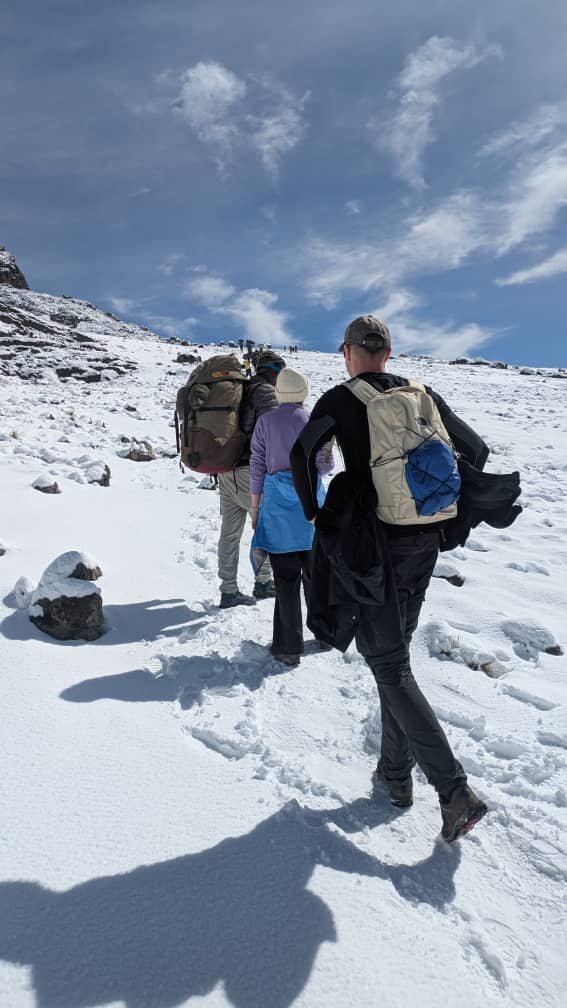
September Kilimanjaro And Serengeti Migration Safari : Your Ultimate Guide
Combining a Kilimanjaro climb with a Serengeti Migration safari in September offers unparalleled wildlife viewing and trekking opportunities. This guide details the best of both experiences...
View package details
August Kilimanjaro Climb With River-Crossing Safari: Your Ultimate Tanzania
Combine the challenge of climbing Mount Kilimanjaro in August with the thrill of witnessing the Great Migration river crossings on a safari. This guide covers itineraries, routes, packing...
View package details
August Kilimanjaro And Migration Safari: Your Ultimate Tanzania Adventure
Combine a Kilimanjaro trek with witnessing the Great Migration in August for an unforgettable Tanzania adventure. This guide covers everything you need to know for your 2026-2027 trip.
View package details
July Kilimanjaro Climb With Northern Serengeti Safari In 2026-2027
Combine the challenge of climbing Mount Kilimanjaro with the unparalleled wildlife spectacle of a Northern Serengeti safari during July. This guide details everything you need to know for...
View package details
July Kilimanjaro And Great Migration Safari: Expert Guide 2026-2027
Combine a Kilimanjaro ascent with witnessing the Great Migration in Tanzania during July. This guide covers everything from optimal routes and safari lodges to packing lists and essential...
View package detailsJune Kilimanjaro Climb After A Safari: Your Ultimate Guide 2026-2027
Combining a Tanzania safari with a Kilimanjaro climb in June is an unforgettable adventure. This guide covers everything you need to know for a successful 2026-2027 trip, from weather...
View package details
June Kilimanjaro Climb Before A Tanzania Safari In 2026-2027
Combining a Mount Kilimanjaro climb with a Tanzania safari is a dream for many adventurers. June offers excellent conditions for both, making it a prime month to experience these iconic...
View package details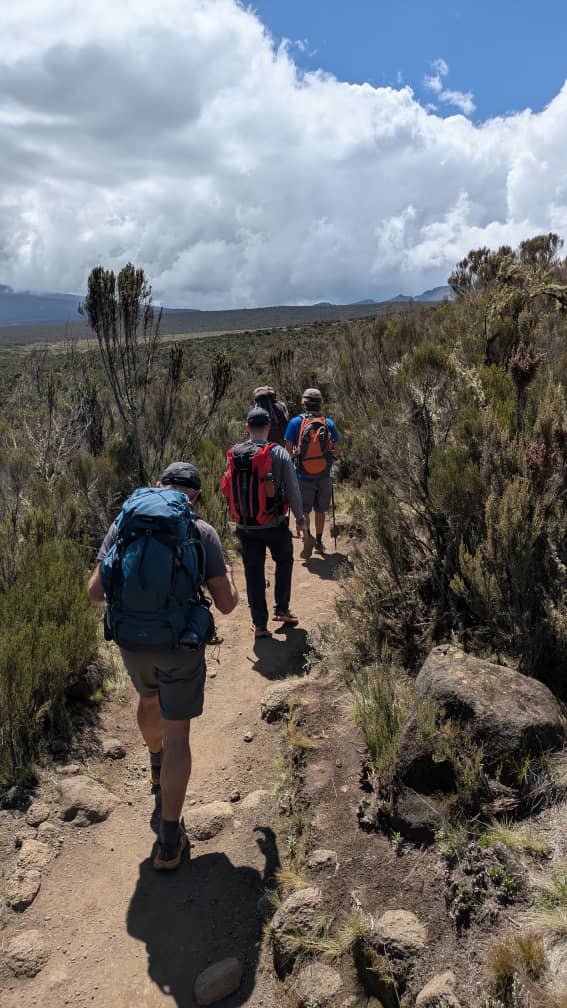
June Kilimanjaro And Serengeti Safari Guide
start a dual adventure in June, conquering Mount Kilimanjaro and experiencing the magic of a Serengeti safari. This guide details the best of Tanzania in June, covering weather, wildlife...
View package details
May Kilimanjaro Climb And Wildlife Safari Guide
Combine the thrill of summiting Mount Kilimanjaro with an unforgettable wildlife safari in Tanzania during May. This guide covers everything you need to know for an epic adventure in...
View package detailsNo related package matches those filters. Clear one or more filters to see the other topic-matched options.
Plan your Pare Mountains and Mkomazi Safari From Moshi with Climb 4 Africa
Tell us your travel dates, group size, comfort level, and dream experience. We will help you shape a clear, realistic, and memorable Tanzania itinerary.



