Updated planning guide for 2026, 2027-2028
Moshi Tanzania Kilimanjaro Tours: Expert Trekking Guide 2026-2027-2028
Your comprehensive guide to Moshi, Tanzania Kilimanjaro tours. Discover everything you need to know for an unforgettable climb, from choosing a route to packing essentials and booking with confidence.
WhatsApp +255747477898 | climb4africa@gmail.com | climb4africa@gmail.com

Moshi Tanzania Kilimanjaro Tours: The Ultimate Planning Guide
Moshi, Tanzania, serves as the primary gateway for trekkers aiming to conquer Mount Kilimanjaro, Africa’s highest peak. For many, the dream of standing on the Roof of Africa begins with arriving in this vibrant town, nestled in the foothills of the majestic mountain. This guide is designed to provide an in-depth look at Moshi Tanzania Kilimanjaro tours, covering every aspect from initial planning to post-trek celebrations. We aim to equip you with the knowledge to make informed decisions for your 2026 or 2027 adventure.
Quick Answers
What are Moshi Tanzania Kilimanjaro tours? These are organized trekking packages that start and end in Moshi, guiding you up Mount Kilimanjaro via various routes.
When is the best time to climb Kilimanjaro from Moshi? The dry seasons, from January to March and June to October, offer the most favorable weather conditions.
How long does it take to climb Kilimanjaro? Treks typically range from 5 to 9 days, depending on the chosen route and acclimatization pace.
What is the cost of a Kilimanjaro tour from Moshi? Prices vary significantly based on route, duration, operator, and inclusions, but expect a range from $1800 to $4000+ per person.
Table of Contents
- Kilimanjaro: More Than Just a Mountain
- Quick Facts About Kilimanjaro Treks from Moshi
- Why Moshi is the Starting Point for Kilimanjaro
- Choosing Your Kilimanjaro Route: A Detailed Look
- Kilimanjaro Route Overview
- Sample 7-Day Machame Route Itinerary
- What to Expect on the Mountain
- The Critical Role of Acclimatization
- Understanding Tour Inclusions and Exclusions
- Essential Packing List for Your Kilimanjaro Trek
- Physical and Mental Preparation
- Common Mistakes to Avoid on Moshi Tanzania Kilimanjaro Tours
- Best Time to Climb Kilimanjaro in 2026-2027
- Who Are Moshi Tanzania Kilimanjaro Tours Best For?
- Alternatives to Climbing Kilimanjaro from Moshi
- Planning Your 2026-2027 Kilimanjaro Adventure
- Booking Your Moshi Tanzania Kilimanjaro Tour
- Frequently Asked Questions (FAQs)
- Ready to Book Your Kilimanjaro Adventure?
Kilimanjaro: More Than Just a Mountain
Mount Kilimanjaro, a dormant volcano, stands proudly at 5,895 meters (19,341 feet) above sea level. It’s not just a trekking destination; it’s an experience that tests physical endurance, mental fortitude, and offers unparalleled rewards. The journey from the lush rainforests at its base, through alpine deserts, and finally to the arctic summit, showcases diverse ecosystems. Moshi Tanzania Kilimanjaro tours are meticulously crafted to guide you through these varied landscapes safely and effectively.
Quick Facts About Kilimanjaro Treks from Moshi
| Category | Details |
|---|---|
| Highest Point | Uhuru Peak (5,895m / 19,341ft) |
| Location | Northern Tanzania, near Moshi |
| Starting Point for Tours | Moshi Town |
| Popular Routes | Machame, Lemosho, Marangu, Rongai, Northern Circuit, Umbwe |
| Typical Trek Duration | 5 to 9 days |
| Best Climbing Seasons | January-March, June-October |
| Success Rate | Varies by route and operator, generally higher with longer, well-acclimatized treks. |
| Required Fitness | Good cardiovascular fitness; hiking experience is beneficial. |
| Accommodation on Trek | Camping (most routes) or Huts (Marangu Route) |
Why Moshi is the Starting Point for Kilimanjaro
Moshi is strategically located at the base of Mount Kilimanjaro, making it the natural hub for all Kilimanjaro expeditions. The town offers:
- Proximity to the Mountain: Moshi is just a short drive (about 45-60 minutes) from the various park gates where treks begin.
- Logistics and Services: It hosts numerous tour operators, equipment rental shops, banks, pharmacies, and medical facilities essential for trekkers.
- Pre- and Post-Trek Accommodation: Moshi provides a range of hotels and lodges, allowing trekkers to rest and prepare before their climb and relax afterward.
- Cultural Hub: The town offers a glimpse into local Chagga culture and provides opportunities to experience Tanzanian life before or after the trek.
- Meeting Point: Most tour operators arrange pre-climb briefings and equipment checks in Moshi, ensuring you’re fully prepared.
Choosing Your Kilimanjaro Route: A Detailed Look
Selecting the right route is one of the most crucial decisions for your Moshi Tanzania Kilimanjaro tour. Each route offers a different experience in terms of scenery, difficulty, acclimatization profile, and crowds.
Marangu Route (Coca-Cola Route)
- Duration: 5 to 6 days.
- Scenery: Less scenic than other routes, as it’s the only one where you ascend and descend the same path.
- Accommodation: The only route with dormitory-style huts.
- Acclimatization: Poor, due to the rapid ascent. Lower success rates.
- Crowds: Can be very crowded.
- Best For: Those seeking hut accommodation and a shorter trek, but not ideal for acclimatization.
Machame Route (Whiskey Route)
- Duration: 6 to 7 days (7 days recommended for better acclimatization).
- Scenery: Very scenic, offering diverse landscapes and panoramic views.
- Accommodation: Camping.
- Acclimatization: Good, especially on the 7-day option, due to the “climb high, sleep low” principle.
- Crowds: Moderately crowded.
- Best For: Most trekkers, offering a good balance of scenery, acclimatization, and challenge.
Lemosho Route
- Duration: 7 to 8 days.
- Scenery: Extremely scenic, starting in the rainforest and traversing the western side of the mountain.
- Accommodation: Camping.
- Acclimatization: Excellent, with a gradual ascent and good “climb high, sleep low” opportunities.
- Crowds: Less crowded initially, joining the Machame route later.
- Best For: Those prioritizing scenery and acclimatization, willing to spend more days on the mountain.
Shira Route
- Duration: 7 to 8 days.
- Scenery: Similar to Lemosho, with beautiful views.
- Accommodation: Camping.
- Acclimatization: Starts at a higher altitude, which can be challenging for some.
- Crowds: Less crowded initially.
- Best For: Experienced hikers who are well-acclimatized to altitude.
Rongai Route
- Duration: 6 to 7 days.
- Scenery: Starts from the drier northern side, offering different views and wildlife spotting opportunities.
- Accommodation: Camping.
- Acclimatization: Moderate.
- Crowds: Less crowded.
- Best For: Those climbing during the rainy season (less rain on the north side) or seeking a less crowded experience.
Northern Circuit
- Duration: 9 to 10 days.
- Scenery: The most scenic route, offering a full circuit around Kilimanjaro’s northern slopes with continuous views.
- Accommodation: Camping.
- Acclimatization: The best, due to its length and “climb high, sleep low” opportunities.
- Crowds: Least crowded.
- Best For: Those seeking the highest success rate, maximum acclimatization, and the most comprehensive views.
Umbwe Route
- Duration: 6 to 7 days.
- Scenery: Direct and steep, offering challenging but rewarding views.
- Accommodation: Camping.
- Acclimatization: Poor, due to the steep and rapid ascent.
- Crowds: Least crowded.
- Best For: Very fit and experienced trekkers comfortable with steep ascents and rapid altitude gain.
Kilimanjaro Route Overview
Here’s a simplified representation of the common routes originating from or passing near Moshi:
| Route | General Direction from Moshi | Primary Park Gate Access |
|---|---|---|
| Marangu | North-East | Marangu Gate |
| Machame | South-West | Machame Gate |
| Mweka | South-West (Descent only for most routes) | Mweka Gate |
| Lemosho/Shira | West | Lemosho Gate |
| Rongai | North | Nale Muru Gate |
| Umbwe | South-West | Umbwe Gate |
Note: This is a conceptual overview. Actual travel to gates involves road journeys from Moshi.
Sample 7-Day Machame Route Itinerary
This is a popular and well-balanced itinerary for Moshi Tanzania Kilimanjaro tours.
| Day | Route Stage | Approx. Hiking Time | Altitude Gained | Accommodation |
|---|---|---|---|---|
| Day 1 | Moshi to Machame Gate to Machame Camp | 5-6 hours | 1,800m to 3,000m (1,200m) | Camping |
| Day 2 | Machame Camp to Shira Camp | 4-5 hours | 3,000m to 3,850m (850m) | Camping |
| Day 3 | Shira Camp to Barranco Camp | 6-7 hours | 3,850m to 3,950m (100m net gain, includes high point of 4,200m) | Camping |
| Day 4 | Barranco Camp to Karanga Camp | 3-4 hours | 3,950m to 4,035m (85m net gain, includes climbing Barranco Wall) | Camping |
| Day 5 | Karanga Camp to Barafu Camp | 3-4 hours | 4,035m to 4,650m (615m) | Camping |
| Day 6 | Barafu Camp to Uhuru Peak to Mweka Camp | 7-8 hours ascent, 4-5 hours descent | 4,650m to 5,895m (1,245m ascent), then descent to 3,100m | Camping |
| Day 7 | Mweka Camp to Mweka Gate to Moshi | 3-4 hours | 3,100m to 1,650m (descent) | Overnight in Moshi |
What to Expect on the Mountain
Trekking Kilimanjaro is a significant undertaking. Expect:
- Varied Terrain: From muddy rainforest trails to rocky scree slopes and icy summit conditions.
- Daily Schedule: Wake up early, hike for several hours, have lunch on the trail, continue hiking to camp, have dinner, and rest. Summit night is exceptionally demanding, starting late at night.
- Basic Facilities: On camping routes, you’ll sleep in tents. Toilets are typically basic pit latrines or chemical toilets provided by the operator.
- Weather Changes: Conditions can shift rapidly from sunshine to rain, wind, or even snow, especially at higher altitudes.
- Altitude Effects: Headaches, nausea, fatigue, and shortness of breath are common as you gain altitude. Proper acclimatization is key to managing these.
- Team Support: You’ll be accompanied by experienced guides, porters to carry your gear, and a cook.
The Critical Role of Acclimatization
Altitude sickness (Acute Mountain Sickness – AMS) is the most common reason people fail to reach the summit. Acclimatization is the process by which your body adapts to lower oxygen levels at higher altitudes. Key principles include:
- Go “Pole Pole”: This Swahili phrase means “slowly, slowly.” Ascend gradually to allow your body time to adjust.
- Hydration: Drink plenty of water (3-4 liters per day).
- Eat Well: Maintain energy intake, even if your appetite decreases.
- Avoid Alcohol and Smoking: These hinder acclimatization.
- “Climb High, Sleep Low”: Routes that incorporate this principle (like Machame, Lemosho, Northern Circuit) significantly improve acclimatization.
- Listen to Your Body: Report any symptoms to your guide immediately.
Longer treks (7+ days) offer much better acclimatization and higher success rates than shorter ones.
Understanding Tour Inclusions and Exclusions
It’s vital to understand what your Moshi Tanzania Kilimanjaro tour package covers. Here’s a general breakdown:
| Common Inclusions | Common Exclusions |
|---|---|
| Park Entrance Fees | Tips for guides, porters, and cook |
| Accommodation in Moshi (pre/post-trek) | Travel insurance (mandatory) |
| All meals on the mountain | Personal climbing gear (boots, clothing, sleeping bag) |
| Tents, cooking equipment, dining tent | Personal snacks and water |
| Qualified mountain guides, cooks, porters | Visa fees |
| Portable toilet (on most camping routes) | Lunches and dinners in Moshi (unless specified) |
| Trekking poles (sometimes) | Vaccinations and medications |
| Emergency oxygen and first-aid kit | Gratuities for drivers |
| Water (boiled and purified) | Souvenirs |
Essential Packing List for Your Kilimanjaro Trek
Proper gear is crucial for comfort and safety. While porters carry the bulk of your equipment, you’ll need a daypack for essentials.
Clothing
- Moisture-wicking base layers (thermal tops and bottoms)
- Mid-layer fleece jackets or sweaters
- Insulated, waterproof and windproof outer jacket (Gore-Tex or similar)
- Waterproof and windproof trousers
- Warm hiking trousers (not jeans)
- T-shirts (quick-drying)
- Warm hat (wool or fleece)
- Sun hat with a brim
- Gloves (liner gloves and warm waterproof outer gloves)
- Gaiters (to keep snow and mud out of boots)
Footwear
- Broken-in waterproof hiking boots (mid to high ankle support)
- Comfortable camp shoes or trainers (for evenings)
- Thick hiking socks (wool or synthetic)
- Liner socks
Gear
- Backpack (50-70 liter capacity for porters)
- Daypack (25-35 liter capacity for you)
- Sleeping bag (rated to -10°C to -20°C / 0°F to -4°F)
- Sleeping bag liner (optional, for extra warmth)
- Trekking poles (highly recommended)
- Headlamp or flashlight with extra batteries
- Water bottles or hydration reservoir (at least 3 liters capacity)
- Water purification tablets or filter (as backup)
- Sunscreen (SPF 30+)
- Lip balm with SPF
- Sunglasses
- Personal first-aid kit (band-aids, pain relievers, blister treatment, antiseptic wipes, personal medication)
- Hand sanitizer
- Toiletries (biodegradable soap, toothbrush, toothpaste)
- Quick-drying towel
- Camera with extra batteries and memory cards
- Power bank or portable charger
- Snacks (energy bars, nuts, dried fruit)
- Book or journal
- Passport, visa, and copies of important documents
- Cash for tips and personal expenses
Physical and Mental Preparation
While you don’t need to be an elite athlete, good physical condition significantly increases your chances of success and enjoyment.
Physical Preparation
- Cardiovascular Fitness: Engage in regular aerobic activities like running, cycling, swimming, or brisk walking for at least 3-4 months before your trek.
- Hiking Practice: Go on long hikes (4-6 hours) with a weighted backpack, ideally on varied terrain and inclines.
- Strength Training: Focus on leg strength (squats, lunges) and core strength.
- Stamina Building: Practice hiking uphill for extended periods.
Mental Preparation
- Understand the Challenge: Kilimanjaro is demanding. Be prepared for discomfort, cold, and fatigue.
- Set Realistic Expectations: Focus on the journey and the experience, not solely on reaching the summit.
- Positive Attitude: A can-do attitude is crucial.
- Visualize Success: Imagine yourself reaching the summit and enjoying the views.
- Be Prepared for Delays/Changes: Weather or personal health can impact the trek. Flexibility is key.
Common Mistakes to Avoid on Moshi Tanzania Kilimanjaro Tours
Learning from others’ experiences can help you avoid pitfalls.
| Mistake | How to Avoid It |
|---|---|
| Choosing a too-short route | Opt for 6-day or longer routes for better acclimatization and success rates. |
| Underestimating the altitude | Prioritize acclimatization, stay hydrated, and go “pole pole.” |
| Inadequate gear | Invest in or rent good quality, waterproof, and warm clothing and boots. |
| Poor physical preparation | Train consistently for months leading up to your trek. |
| Not drinking enough water | Make a conscious effort to drink 3-4 liters daily. |
| Going too fast | Follow your guide’s pace and “pole pole.” |
| Ignoring altitude sickness symptoms | Communicate any discomfort to your guide immediately. |
| Choosing the cheapest operator | Balance cost with safety standards, guide experience, and porter welfare. |
| Not getting travel insurance | Ensure your policy covers high-altitude trekking and emergency evacuation. |
| Packing unnecessary items | Focus on essentials and layers; porters have weight limits. |
Best Time to Climb Kilimanjaro in 2026-2027
Kilimanjaro can be climbed year-round, but certain periods offer significantly better weather conditions. The two main dry seasons are:
- January to March: Generally clear skies, moderate temperatures, and less crowded than the June-October period. Can be very cold at the summit.
- June to October: Long dry season, often considered the most popular time. Clear skies, cooler temperatures. Can be windy.
The shoulder seasons can also be viable:
- April and May: Long rains season. Expect frequent rain, fog, and mud, making trekking more challenging.
- November and December: Short rains season. Usually involves less intense rain than April/May, with sunny mornings and potential afternoon showers.
For 2026 and 2027, the January-March and June-October windows remain the prime choices for predictable weather.
Who Are Moshi Tanzania Kilimanjaro Tours Best For?
Kilimanjaro appeals to a wide range of adventurers:
- Ambitious Hikers: Those looking for a significant physical and mental challenge.
- Bucket List Travelers: Individuals seeking to tick off a major world achievement.
- Nature Enthusiasts: People interested in experiencing diverse ecosystems and breathtaking landscapes.
- Adventure Seekers: Those who enjoy challenging themselves in remote and beautiful environments.
- First-Time Mountaineers: With proper preparation and a good operator, Kilimanjaro is an accessible peak for those without extensive mountaineering experience.
- Groups and Families: It can be a rewarding group or family trip, provided all members are physically prepared and understand the challenges.
Alternatives to Climbing Kilimanjaro from Moshi
While Kilimanjaro is the main draw, Moshi and the surrounding region offer other experiences:
- Mount Meru Climb: Located in Arusha National Park, Mount Meru (4,566m) is a fantastic acclimatization climb or a challenging trek in its own right. It offers spectacular views of Kilimanjaro and diverse wildlife.
- Day Hikes and Cultural Tours: Explore the foothills of Kilimanjaro, visit local Chagga villages, coffee plantations, and waterfalls.
- Chagga Caves: Discover historical caves used during tribal wars.
- Materuni Waterfalls and Coffee Tour: A popular day trip from Moshi, offering beautiful scenery and a taste of local coffee culture.
- Lake Chala: A stunning crater lake on the Kenya-Tanzania border, offering hiking and kayaking opportunities.
Planning Your 2026-2027 Kilimanjaro Adventure
Booking your Moshi Tanzania Kilimanjaro tour well in advance is recommended, especially for popular dates in 2026 and 2027.
Timeline Considerations:
- 12-18 Months Prior: Start researching routes, operators, and potential travel dates. Consider the best seasons for your preferred route.
- 9-12 Months Prior: Select your tour operator and book your trek. This secures your spot and allows ample time for preparation.
- 6-9 Months Prior: Begin your physical training program. Start researching and purchasing essential gear.
- 3-6 Months Prior: Continue training. Get any necessary vaccinations or medical check-ups. Book flights to Tanzania (Kilimanjaro International Airport – JRO).
- 1-3 Months Prior: Finalize gear purchases. Confirm all details with your tour operator. Arrange travel insurance.
- 1-2 Weeks Prior: Pack your bags. Inform your bank of your travel dates.
Booking early for 2026 or 2027 allows for better choice of dates and potentially better pricing if you catch early bird offers. It also gives you maximum time to prepare physically and mentally.
Booking Your Moshi Tanzania Kilimanjaro Tour
Choosing the right tour operator is paramount for a safe and enjoyable climb. Consider these factors:
- Safety Standards: Do they carry sufficient oxygen, have trained guides in first aid, and have emergency evacuation plans?
- Guide Experience: How long have their guides been leading treks? Are they certified?
- Porter Welfare: Ethical treatment of porters is crucial. Look for operators who treat their staff well and pay fair wages.
- Group Size: Smaller groups often offer a more personalized experience.
- Inclusions: Compare what is included in the price (fees, food, equipment, accommodation).
- Reviews and Reputation: Research online reviews and testimonials.
- Communication: A good operator will be responsive and informative during the booking process.
Avoid companies that offer unusually low prices, as this often comes at the expense of safety, guide quality, or porter welfare.
Frequently Asked Questions (FAQs)
Can a beginner climb Kilimanjaro?
Yes, Kilimanjaro is often considered a “walk-up” mountain, meaning no technical climbing skills are required. However, it demands excellent physical fitness, mental determination, and proper acclimatization. Choosing a longer route (7+ days) and a reputable operator is highly recommended for beginners.
What is the success rate for climbing Kilimanjaro?
Success rates vary greatly depending on the route, duration, operator, and individual climber’s preparation and acclimatization. Longer routes (8-9 days) typically have success rates of 85-95%, while shorter routes (5-6 days) can be as low as 40-60%. The goal is to reach Uhuru Peak.
How much should I tip my guides and porters in 2026-2027?
Tipping is customary and greatly appreciated. Tour operators usually provide recommended tipping guidelines. As of recent years, typical ranges are around $20-25 per day for lead guide, $15-20 for assistant guides, $10-15 for cook, and $6-10 for porters, per climber. These figures may adjust slightly by 2026-2027, so check with your operator.
Do I need vaccinations for Kilimanjaro?
Consult your doctor or a travel clinic well in advance of your trip. Yellow Fever vaccination is often required for entry into Tanzania or if arriving from a country with a risk of Yellow Fever. Malaria prophylaxis is also recommended for the lower altitudes around Moshi. Other recommended vaccines may include Hepatitis A and Typhoid.
What is the cost of Moshi Tanzania Kilimanjaro tours?
Prices vary widely. Budget operators might start from $1,800-$2,200 USD per person for a 7-day trek, while mid-range operators are typically $2,300-$3,000. High-end or luxury operators can charge $3,500-$4,500+ USD. These prices generally cover park fees, food, guides, porters, and camping equipment. Flights, visas, tips, and personal gear are usually extra. For 2026-2027, expect similar or slightly increased pricing due to inflation and park fee adjustments.
Can I rent gear in Moshi?
Yes, most tour operators in Moshi offer gear rental services for items like sleeping bags, trekking poles, and warm jackets. However, it’s generally advisable to bring your own well-fitting boots and essential clothing layers, as these are critical for comfort and safety.
What are the safety measures on Kilimanjaro?
Reputable operators prioritize safety. This includes carrying emergency oxygen, comprehensive first-aid kits, having guides trained in altitude sickness management, and maintaining communication systems. Most operators have clear protocols for descending ill climbers and arranging emergency evacuations.
How much weight do porters carry?
Park regulations limit the weight a porter can carry to 15kg (33 lbs) of your personal gear, plus their own equipment and food. Your operator will provide a specific weight limit for your duffel bag.
What if I get sick on the mountain?
Your guides are trained to recognize symptoms of altitude sickness and other ailments. They will assess your condition and make decisions regarding medication, descent, or evacuation. It is crucial to communicate any symptoms you experience honestly and promptly.
What is the difference between climbing and trekking Kilimanjaro?
While often used interchangeably, “trekking” Kilimanjaro refers to the guided walk to the summit, which requires no technical climbing skills. “Climbing” might imply technical mountaineering, which isn’t the case for Kilimanjaro’s standard routes. It’s a challenging high-altitude trek.
Ready to Book Your Kilimanjaro Adventure?
Planning a trek to the Roof of Africa is a significant undertaking, but with the right preparation and a reliable partner, it’s an achievable dream. Let us help you craft an unforgettable experience with our expert Moshi Tanzania Kilimanjaro tours.
Whether you’re aiming for a 7-day Machame route adventure or the extended, scenic Northern Circuit, we provide comprehensive support from start to finish. We focus on safety, ethical treatment of our crew, and ensuring you have the best possible chance of reaching Uhuru Peak.
Contact us today to start planning your 2026 or 2027 Kilimanjaro expedition:
- WhatsApp: +255747477898
- Email: climb4africa@gmail.com
- Backup Email: climb4africa@gmail.com
Let’s make your Kilimanjaro dream a reality!

August Kilimanjaro Climb With River-Crossing Safari: Your Ultimate Tanzania
Combine the challenge of climbing Mount Kilimanjaro in August with the thrill of witnessing the Great Migration river crossings on a safari. This guide covers itineraries, routes, packing...
View package details
August Kilimanjaro And Zanzibar Beach Holiday: Your Ultimate Tanzania
Combine the thrill of conquering Mount Kilimanjaro with the serene beauty of Zanzibar's beaches for an unforgettable August adventure. This guide covers everything you need to know for your...
View package details
August Kilimanjaro And Migration Safari: Your Ultimate Tanzania Adventure
Combine a Kilimanjaro trek with witnessing the Great Migration in August for an unforgettable Tanzania adventure. This guide covers everything you need to know for your 2026-2027 trip.
View package details
June Kilimanjaro Climb Before A Tanzania Safari In 2026-2027
Combining a Mount Kilimanjaro climb with a Tanzania safari is a dream for many adventurers. June offers excellent conditions for both, making it a prime month to experience these iconic...
View package details
June Kilimanjaro And Zanzibar Holiday: Your Ultimate Tanzania Adventure
Combine the thrill of climbing Mount Kilimanjaro with the serene beauty of Zanzibar in June. This guide covers everything you need for your 2026-2027 adventure, from trekking routes and...
View package details
September Kilimanjaro Climb With Extra Acclimatization 2026-2027
September Kilimanjaro Climb with Extra Acclimatization is explained with current 2026-2027 planning, price, itinerary and booking information.
View package details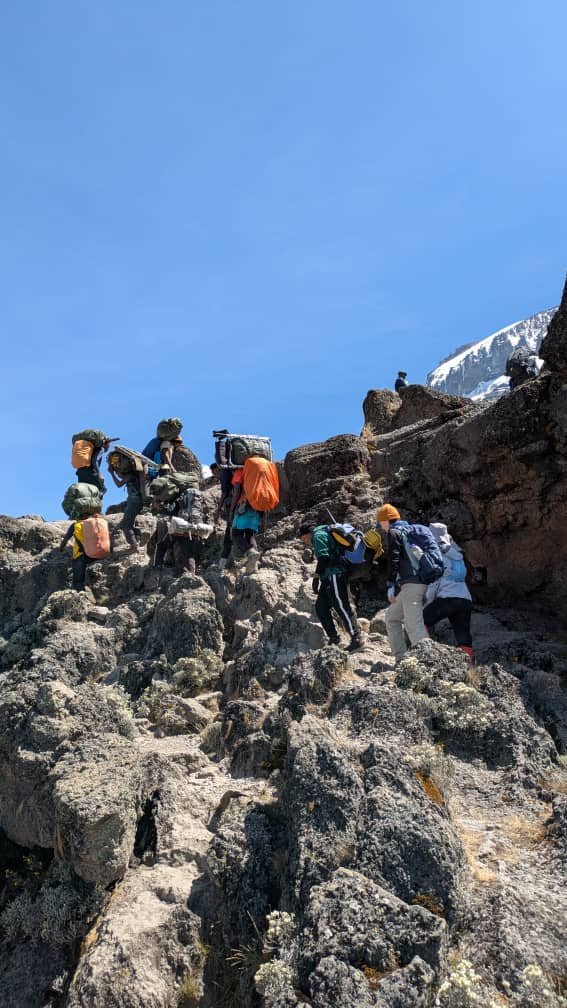
September Kilimanjaro Climb For Seniors 2026-2027
September Kilimanjaro Climb for Seniors is explained with current 2026-2027 planning, price, itinerary and booking information.
View package details
September Kilimanjaro Sunrise Photography Tour 2026-2027
September Kilimanjaro Sunrise Photography Tour is explained with current 2026-2027 planning, price, itinerary and booking information.
View package details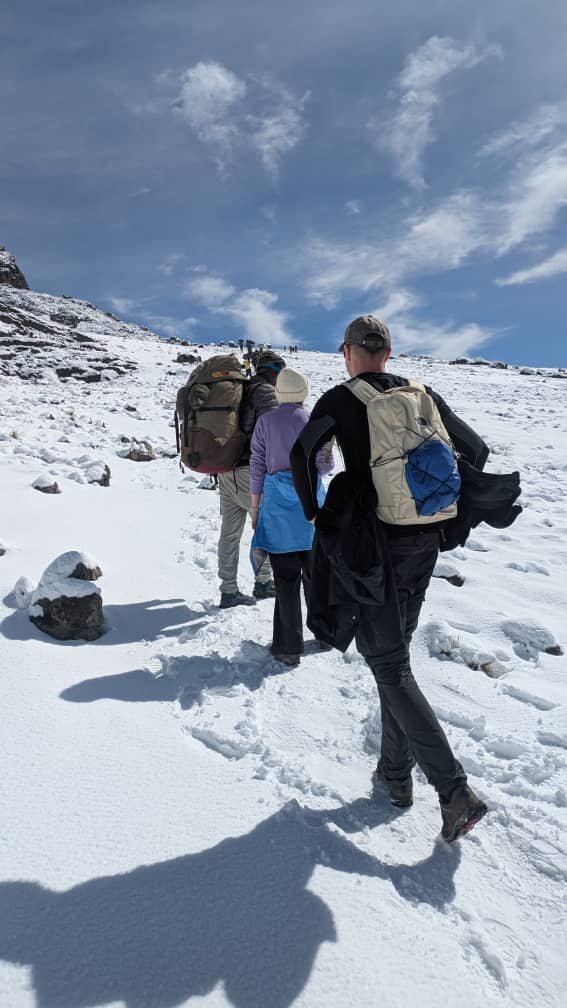
September Kilimanjaro Crowd Levels 2026-2027
September Kilimanjaro Crowd Levels is explained with current 2026-2027 planning, price, itinerary and booking information.
View package details
September Kilimanjaro Packing Guide 2026-2027
September Kilimanjaro Packing Guide is explained with current 2026-2027 planning, price, itinerary and booking information.
View package details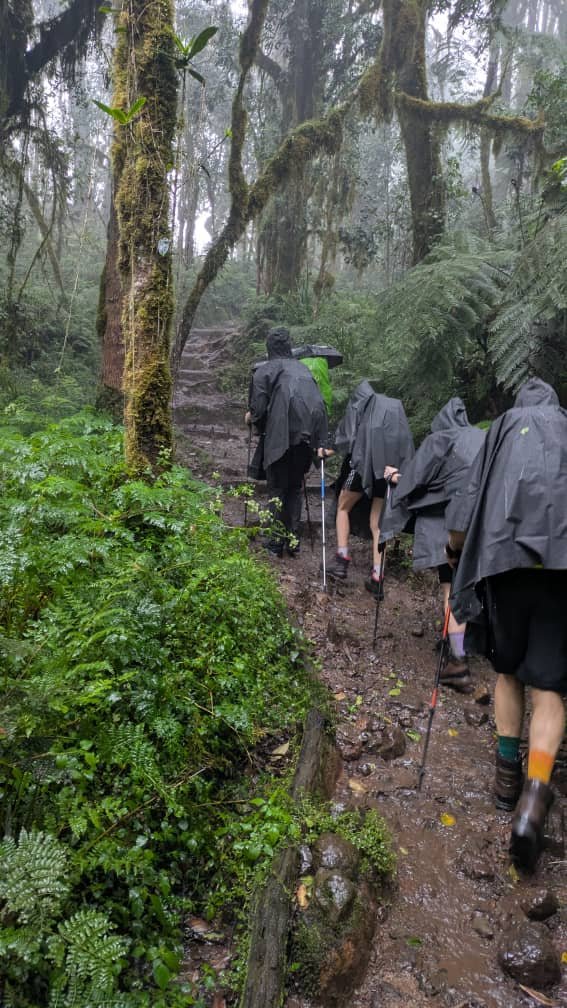
September Kilimanjaro Summit Night Temperature 2026-2027
September Kilimanjaro Summit Night Temperature is explained with current 2026-2027 planning, price, itinerary and booking information.
View package detailsKilimanjaro Weather And Visibility In September 2026-2027
Kilimanjaro Weather and Visibility in September is explained with current 2026-2027 planning, price, itinerary and booking information.
View package detailsNo related package matches those filters. Clear one or more filters to see the other topic-matched options.
Plan your Moshi Tanzania Kilimanjaro Tours with Climb 4 Africa
Tell us your travel dates, group size, comfort level, and dream experience. We will help you shape a clear, realistic, and memorable Tanzania itinerary.



