
The journey from Morogoro to Mikumi National Park is a straightforward and popular route for experiencing Tanzania’s incredible wildlife, typically taking 2-3 hours by road, with various transport options available including private transfers, taxis, and public buses, offering a direct link to one of the country’s most accessible and biodiverse parks for safaris in 2026-2027.
Understanding the Morogoro to Mikumi National Park Connection
The route connecting Morogoro to Mikumi National Park is a vital artery for many travelers seeking to combine the cultural and natural landscapes of Tanzania’s central region with the thrill of a classic African safari. Mikumi National Park, often referred to as the “Serengeti of Southern Tanzania” due to its resemblance and abundant wildlife, is one of the country’s most visited parks. Its accessibility from Morogoro, a significant town and regional capital, makes it an attractive starting point for those looking for a shorter or more focused safari experience, or as a stopover en route to other southern circuit parks like Ruaha or Selous (Nyerere National Park).
This guide is crafted for travelers planning their 2026-2027 adventures, offering an in-depth look at how to make this journey, what to expect in Mikumi, and how to maximize your safari experience. Whether you’re looking for a quick wildlife fix or the start of a longer exploration, understanding the nuances of traveling from Morogoro to Mikumi is key.
Why Choose Mikumi National Park for Your Safari?
Mikumi National Park stands out for several compelling reasons, making it a worthwhile destination for any Tanzania itinerary:
- Exceptional Wildlife Density: Mikumi is renowned for its high concentration of game. The open grasslands, acacia woodlands, and Mkata floodplain are teeming with wildlife, offering excellent viewing opportunities.
- Big Four Potential: While the leopard is elusive, Mikumi is home to lions, elephants, buffaloes, and rhinoceroses, making it a strong contender for spotting the “Big Four.” Giraffes are also a common and impressive sight.
- Accessibility: Its location along the main Tanzania-Uganda highway (A7) makes it incredibly easy to reach from Dar es Salaam and Morogoro. This convenience is a major draw for travelers with limited time.
- Year-Round Destination: Mikumi offers good game viewing throughout the year, although the dry seasons (June to October and December to February) generally provide the most concentrated sightings as animals gather around water sources.
- Diverse Habitats: The park encompasses a variety of ecosystems, from miombo woodlands to the vast Mkata floodplain, attracting a wide array of species.
- Birdlife: For ornithologists, Mikumi is a paradise, boasting over 400 species of birds, including resident and migratory varieties.
Considering these factors, Mikumi is an ideal choice for those who want a classic safari experience without the extensive travel time often associated with parks further afield. It’s perfect for a 1-2 day safari or as a gateway to exploring more of Tanzania’s southern circuit in 2026 or 2027.
Transport Options: Morogoro to Mikumi National Park
Getting from Morogoro to Mikumi National Park is relatively straightforward, with several options catering to different budgets and preferences. The distance is approximately 100-120 kilometers, depending on your exact starting point in Morogoro and the entrance gate you use for Mikumi.
1. Private Safari Vehicle / Transfer
This is the most comfortable, flexible, and recommended option for tourists, especially those on a safari package. Booking a private vehicle with a driver-guide through a tour operator like Climb 4 Africa is the standard.
- Pros: Door-to-door service, comfort, flexibility in timing, ability to stop for photos or breaks, direct access to park gates, often includes a game drive en route or upon arrival. This is the most efficient way to travel and immediately begin your safari experience.
- Cons: Most expensive option.
- Duration: Typically 2 to 3 hours of driving time, plus any stops.
- Cost: Varies significantly based on the tour operator, vehicle type, and whether it’s part of a larger safari package. Expect prices to range from $150 to $300+ for a one-way transfer, often bundled into a safari cost. For 2026-2027, these prices are likely to remain within this range, subject to fuel cost fluctuations and inflation.
If you are booking a safari package that starts or ends with Mikumi, this transfer will likely be included. For example, a 3-day Mikumi safari package might include your transfer from Morogoro and back, or onwards to your next destination.
2. Taxi Services
Local taxi services can be hired in Morogoro for the trip to Mikumi. These are typically 4×4 vehicles or minibuses.
- Pros: More flexible than public transport, can be arranged relatively quickly.
- Cons: Can be expensive if not negotiated well, driver may not be an experienced safari guide, language barriers might exist, comfort levels can vary.
- Duration: Similar to private transfer, 2-3 hours.
- Cost: Negotiable, but expect to pay in the range of $80 to $150 for a one-way trip. It’s crucial to agree on the price and any waiting times beforehand.
This option is best for independent travelers who have already arranged their accommodation in Mikumi and are looking for a direct ride.
3. Public Bus (Daladala/Coaster Bus)
This is the most budget-friendly option, utilizing local public transport.
- Pros: Very cheap.
- Cons: Least comfortable, slowest, most inconvenient. Buses can be crowded, make frequent stops, and may not drop you directly at your lodge or the park gate. You will likely need to arrange a local taxi or boda-boda (motorcycle taxi) from the nearest bus stop to your accommodation. Not recommended for tourists with luggage or those seeking comfort and efficiency.
- Duration: Can take 4-6 hours or more due to frequent stops and potential delays.
- Cost: Very low, typically under $5 – $10 per person.
While this is an option for the adventurous and budget-conscious traveler, it’s generally not recommended for the typical safari tourist aiming for a smooth experience. Planning for 2026-2027, public transport schedules and reliability are unlikely to change drastically.
4. Self-Drive (Rental Car)
While possible, self-driving in Tanzania comes with its own set of challenges, including road conditions (though the A7 is generally good), navigation, and the risk of breakdowns. It’s generally not recommended unless you have significant experience driving in East Africa.
- Pros: Ultimate freedom and flexibility.
- Cons: High risk, requires insurance, fuel costs, potential for getting lost, difficult to navigate park roads without a guide, not cost-effective for short trips.
- Cost: Rental costs vary, but with fuel and potential issues, it can quickly become more expensive than a private transfer for a single trip.
For the Morogoro to Mikumi leg, a private transfer or safari vehicle remains the most practical and recommended choice for tourists planning their trips in 2026-2027.
Planning Your Mikumi Safari from Morogoro
Once you’ve decided on your transport, planning the safari itself is the next crucial step. Mikumi National Park is best enjoyed with at least one full day of game driving, though 2-3 days allow for a more relaxed pace and deeper exploration.
Best Time to Visit Mikumi National Park (2026-2027)
Mikumi is a year-round destination, but different seasons offer varying experiences:
- Dry Season (June to October & December to February): This is considered the peak safari season. Vegetation is less dense, making wildlife spotting easier. Animals tend to congregate around remaining water sources, leading to more frequent sightings. These months offer the best chances for clear skies and pleasant temperatures. Expect higher accommodation prices and more visitors during these periods in 2026-2027.
- Green Season / Rainy Season (March to May & November): This period sees lush landscapes and fewer tourists. While game viewing can be more challenging due to thicker vegetation and dispersed wildlife, it’s a fantastic time for birdwatching and photography. Roads can become muddy and less accessible, especially in April and May. Prices for accommodation and tours are often lower.
For most travelers aiming for optimal wildlife viewing in 2026-2027, the dry seasons are preferred. However, the shoulder months (e.g., early June, late November) can offer a good balance of decent sightings and fewer crowds.
Safari Itinerary Examples
Here are a couple of sample itinerary ideas for a Morogoro to Mikumi safari:
Option 1: 1-Day Express Safari (from Morogoro)
This is for travelers with very limited time.
- Morning (approx. 7:00 AM): Depart from Morogoro in a private safari vehicle.
- Late Morning (approx. 9:30 – 10:00 AM): Arrive at Mikumi National Park, pay park fees, and begin your game drive.
- Midday: Game drive through the Mkata floodplain and surrounding areas, looking for lions, elephants, giraffes, zebras, wildebeest, and various antelopes.
- Lunch: Picnic lunch at a designated spot within the park or at a lodge restaurant.
- Afternoon: Continue game driving until mid-afternoon.
- Late Afternoon (approx. 4:00 PM): Depart from Mikumi and drive back to Morogoro.
- Evening: Arrive back in Morogoro.
This is a long day, but feasible for a taste of Mikumi.
Option 2: 2-Day Mikumi Safari (from Morogoro)
This offers a more relaxed and comprehensive experience.
- Day 1:
- Morning: Depart from Morogoro in a private safari vehicle (approx. 8:00 AM).
- Late Morning: Arrive at Mikumi, check into your lodge/camp, and pay park fees.
- Afternoon: start your first game drive, exploring the Mkata floodplain.
- Evening: Return to your lodge for dinner and overnight stay.
- Day 2:
- Morning: Early morning game drive (optional, but highly recommended for best sightings).
- Late Morning: Return to the lodge for breakfast and check-out.
- Midday: Final game drive en route to the park exit.
- Afternoon: Depart from Mikumi and drive back to Morogoro.
This 2-day itinerary allows for two substantial game drives and a more in-depth experience. You could also extend this to 3 days for a more leisurely pace or to explore different sections of the park.
Park Fees and Costs (2026-2027 Estimates)
Park fees are a significant part of any safari budget. For Mikumi National Park, fees are generally set per person per day and are subject to change by TANAPA (Tanzania National Parks Authority). It’s always best to confirm current rates closer to your travel date in 2026 or 2027.
- Foreign Non-Residents: Typically around $30 USD per person per 24-hour period.
- Conservation Fee: An additional fee, often around $10 USD per person per 24-hour period.
- Vehicle Entry Fee: A fee per vehicle, depending on size, usually around $10 – $40 USD.
- Camping Fees: If opting for public campsites, expect fees around $5 – $10 USD per person per night.
These fees are usually paid directly to TANAPA or collected by your tour operator. They are separate from vehicle hire, guide fees, and accommodation costs.
Accommodation Options in Mikumi
Mikumi offers a range of accommodation, from basic campsites to comfortable lodges. The choice often depends on your budget and desired level of comfort.
- Budget: Public campsites within the park offer a raw, close-to-nature experience. Some budget lodges or guesthouses might be found just outside the park gates.
- Mid-Range: Several lodges offer comfortable rooms, restaurants, and often swimming pools. Examples include **Tanapa bandas** (simple cabins run by TANAPA) and lodges like **Mikumi Safari Lodge** or similar properties.
- Luxury: While Mikumi doesn’t boast the ultra-luxury tented camps found in some other parks, there are lodges that offer higher standards of comfort, service, and amenities.
When booking through a tour operator, they will typically recommend lodges that fit your safari package’s standard. For 2026-2027 travel, booking accommodation in advance, especially during peak seasons, is highly recommended.
What to Expect on a Mikumi Safari
Mikumi’s landscape is dominated by the Mkata floodplain, an expansive grassland dotted with acacia trees, attracting a large concentration of herbivores. The park also includes miombo woodland and riverine forests, providing diverse habitats.
Key Wildlife Sightings
Your game drives in Mikumi will likely yield sightings of:
- Elephants: Large herds are common, especially near water sources.
- Lions: Mikumi is famous for its lions, often seen lounging in the shade of trees or hunting on the plains. Some lions have adapted to prey on the large buffalo herds.
- Giraffes: The Masai giraffe is a majestic sight, often seen browsing from acacia trees.
- Zebras and Wildebeest: These plains grazers are abundant and often seen in large numbers.
- Buffaloes: Huge herds of buffalo can be encountered, a formidable sight.
- Hippos: Found in the hippo pool, offering close-up views.
- Crocodiles: Also present in the hippo pool and other water bodies.
- Various Antelopes: Including impala, kudu, sable antelope, waterbuck, hartebeest, and more.
- Primates: Baboons and vervet monkeys are commonly seen.
- Birds: Over 400 species, including secretary birds, guinea fowl, lilac-breasted rollers, eagles, and many water birds.
While Mikumi is known for its lions, spotting leopards and cheetahs requires more luck and often a keen eye from your guide.
Game Drive Experience
Game drives in Mikumi typically use open-sided 4×4 safari vehicles, allowing for excellent 360-degree views and photography opportunities. Your guide will be knowledgeable about animal behavior, tracking, and the best locations for sightings. The park has a network of dirt tracks that allow vehicles to navigate the different areas. The Mkata floodplain is the heart of the park for game viewing.
Cultural Encounters
While Mikumi is primarily a wildlife destination, the surrounding areas offer opportunities to learn about local Tanzanian culture, particularly the villages of the Wazaramu and Wandee people. Some tour operators can arrange cultural visits, though these should be approached respectfully and ethically.
Comparing Mikumi with Other Parks
For travelers planning their 2026-2027 safaris, it’s useful to compare Mikumi with other popular Tanzanian parks, especially if you’re deciding where to allocate your time and budget.
Mikumi vs. Serengeti National Park
- Serengeti: World-renowned for the Great Migration, vast open plains, incredible predator-prey interactions, and iconic landscapes. It offers a truly epic safari experience but is more remote and expensive to reach.
- Mikumi: Much more accessible, especially from Morogoro and Dar es Salaam. Offers excellent game viewing, particularly for elephants, lions, and giraffes, in a more compact area. It’s ideal for shorter trips or as part of a southern circuit itinerary.
If your priority is seeing the Great Migration or experiencing the vastness of the Serengeti, that’s the choice. If you need accessibility, good general game viewing, and a shorter travel time from Morogoro, Mikumi is excellent.
Mikumi vs. Ruaha National Park
- Ruaha: Tanzania’s largest national park, known for its wild, rugged beauty, large elephant herds, and high concentration of predators (especially lions and wild dogs). It’s more remote, requires longer travel (often by light aircraft or rough road), and offers a more exclusive, less crowded experience.
- Mikumi: Easier to reach, more predictable game sightings due to its compact size and concentrated wildlife.
Ruaha offers a wilder, more remote adventure, while Mikumi provides convenience and reliable sightings. For a Morogoro-based traveler, Mikumi is the logical first choice for a safari.
Mikumi vs. Selous Game Reserve (Nyerere National Park)
- Selous (Nyerere NP): One of the largest game reserves in Africa, offering diverse activities like boat safaris on the Rufiji River, walking safaris, and traditional game drives. It’s known for its large elephant and buffalo populations, wild dogs, and a more adventurous feel. It’s also accessible via road or light aircraft.
- Mikumi: Primarily focused on game drives, with easier road access from Morogoro.
Both are part of the southern circuit and offer excellent wildlife. Selous provides a broader range of safari activities, while Mikumi is more straightforwardly a game-drive destination. The travel time from Morogoro is similar to both, but Mikumi is slightly closer.
Practical Tips for Your Morogoro to Mikumi Safari (2026-2027)
To ensure a smooth and enjoyable trip, keep these practical tips in mind:
- Book in Advance: Especially for 2026-2027 travel during peak seasons (June-October, December-February), book your accommodation and safari vehicle well in advance.
- Pack Appropriately: Light, neutral-colored clothing, a hat, sunglasses, sunscreen, insect repellent, comfortable walking shoes, and a light jacket for cooler mornings/evenings. Binoculars are essential for wildlife viewing.
- Stay Hydrated: Carry plenty of water, especially during game drives.
- Listen to Your Guide: Your guide is experienced and knows the park and wildlife behavior. Follow their instructions for safety and optimal viewing.
- Respect Wildlife: Maintain a safe distance from animals, avoid feeding them, and minimize noise.
- Photography: Bring extra batteries and memory cards. A zoom lens is highly recommended for wildlife photography.
- Health Precautions: Consult your doctor about malaria prophylaxis and any necessary vaccinations before traveling to Tanzania.
- Currency: While tour operators often quote in USD, carry some Tanzanian Shillings (TZS) for smaller purchases or tips.
Why Choose Climb 4 Africa for Your Morogoro to Mikumi Safari?
As a leading Tanzania travel company with deep local expertise, Climb 4 Africa specializes in creating unforgettable safari experiences. We understand the logistics and nuances of traveling within Tanzania, including the popular Morogoro to Mikumi route.
Our services for your 2026-2027 safari include:
- Tailor-Made Itineraries: We design safaris that fit your interests, budget, and time constraints, whether it’s a short trip to Mikumi or a multi-park adventure.
- Reliable Transport: We provide comfortable, well-maintained 4×4 safari vehicles with experienced, English-speaking driver-guides.
- Quality Accommodation: We partner with a range of lodges and camps to suit different preferences and budgets.
- Local Support: Our team offers practical support throughout your journey, ensuring a stress-free experience.
- Competitive Pricing: We offer excellent value for money, providing exceptional safari experiences without compromising on quality.
For personalized planning and booking of your Morogoro to Mikumi National Park safari for 2026-2027, or any other Tanzanian adventure, please get in touch.
Travel Planning for 2026-2027
Planning your safari for 2026 or 2027 from Morogoro to Mikumi National Park requires considering seasonality, accommodation availability, and transport. Early booking is always advised, especially if you have specific dates in mind. For the best experience and to secure preferred lodges or vehicles, we recommend starting your planning at least 6-12 months in advance. Contacting a local expert like Climb 4 Africa early can help ensure you get the most out of your trip to Mikumi National Park.
Mikumi Safari Package Example (3 Days / 2 Nights)
This is a sample package and costs can vary based on accommodation level, group size, and specific inclusions. This is a typical offering for 2026-2027 travel:
| Inclusions | Exclusions |
|---|---|
| Private 4×4 Safari Vehicle with Driver-Guide | Park Entrance Fees (approx. $30-$40 pp/day) |
| Accommodation (Mid-range lodge, 2 nights) | Meals not specified in itinerary (e.g., breakfast in Morogoro) |
| All Meals during the safari (Lunch, Dinner, Breakfast) | Drinks (alcoholic and non-alcoholic) |
| Bottled Water during game drives | Tips for driver-guide and lodge staff |
| One-way transfer from Morogoro to Mikumi | Travel Insurance |
| Transfer from Mikumi back to Morogoro (or onward) | Visa fees |
Estimated Cost: Starting from $750 – $1200 USD per person (based on 2 people sharing), subject to final itinerary and lodge choice for 2026-2027. Get a personalized quote for your specific needs.
Frequently Asked Questions about Morogoro to Mikumi
Q1: How far is Morogoro from Mikumi National Park?
The distance is approximately 100-120 kilometers, taking about 2 to 3 hours to drive via the main A7 highway.
Q2: What is the best way to travel from Morogoro to Mikumi?
For tourists, a private safari vehicle with a driver-guide is the most convenient and recommended option, especially if booked as part of a safari package. Local taxis are an alternative, while public buses are the cheapest but least comfortable.
Q3: Is Mikumi National Park worth visiting?
Yes, Mikumi is definitely worth visiting, particularly for its accessibility, high wildlife density, and good chances of seeing lions, elephants, and giraffes. It’s an excellent destination for shorter safaris or as a gateway to Tanzania’s southern circuit.
Q4: Can I do a day trip from Morogoro to Mikumi?
A day trip is possible but very long. You would need an early start from Morogoro and a late return, with most of the day spent on game drives. It’s more common to stay at least one night for a more relaxed experience.
Q5: What are the park fees for Mikumi in 2026-2027?
Park fees are typically around $30 USD per person per 24-hour period for foreign non-residents, plus a conservation fee and vehicle fee. These are subject to change by TANAPA.
Q6: What kind of accommodation is available in Mikumi?
Accommodation ranges from public campsites and basic guesthouses to comfortable mid-range lodges and some higher-end options. TANAPA also offers simple bandas.
Q7: When is the best time to visit Mikumi National Park?
The dry seasons (June-October and December-February) offer the best game viewing due to sparser vegetation and concentrated wildlife. However, the green season (March-May) offers lush scenery and fewer crowds.
The journey from Morogoro to Mikumi National Park represents a fantastic opportunity to experience Tanzania’s wild heart with ease and efficiency. Whether you’re planning a short escape or incorporating it into a larger itinerary for 2026 or 2027, Mikumi promises memorable wildlife encounters. For expert planning and a smooth safari experience, consider partnering with Climb 4 Africa. Reach out to us via WhatsApp at +255 747 477 898 or email us at climb4africa@gmail.com to craft your perfect Tanzanian adventure.
“,
“faq_schema”: [
{
“question”: “How far is Morogoro from Mikumi National Park?”,
“answer”: “The distance is approximately 100-120 kilometers, taking about 2 to 3 hours to drive via the main A7 highway.”
},
{
“question”: “What is the best way to travel from Morogoro to Mikumi?”,
“answer”: “For tourists, a private safari vehicle with a driver-guide is the most convenient and recommended option, especially if booked as part of a safari package. Local taxis are an alternative, while public buses are the cheapest but least comfortable.”
},
{
“question”: “Is Mikumi National Park worth visiting?”,
“answer”: “Yes, Mikumi is definitely worth visiting, particularly for its accessibility, high wildlife density, and good chances of seeing lions, elephants, and giraffes. It’s an excellent destination for shorter safaris or as a gateway to Tanzania’s southern circuit.”
},
{
“question”: “Can I do a day trip from Morogoro to Mikumi?”,
“answer”: “A day trip is possible but very long. You would need an early start from Morogoro and a late return, with most of the day spent on game drives. It’s more common to stay at least one night for a more relaxed experience.”
},
{
“question”: “What are the park fees for Mikumi in 2026-2027?”,
“answer”: “Park fees are typically around $30 USD per person per 24-hour period for foreign non-residents, plus a conservation fee and vehicle fee. These are subject to change by TANAPA.”
},
{
“question”: “What kind of accommodation is available in Mikumi?”,
“answer”: “Accommodation ranges from public campsites and basic guesthouses to comfortable mid-range lodges and some higher-end options. TANAPA also offers simple bandas.”
},
{
“question”: “When is the best time to visit Mikumi National Park?”,
“answer”: “The dry seasons (June-October and December-February) offer the best game viewing due to sparser vegetation and concentrated wildlife. However, the green season (March-May) offers lush scenery and fewer crowds.”
}
]
}
“`
Check Availability for Morogoro To Mikumi National Park 2026-2027
Ready to compare dates, prices, and the best option for your group? Send the package name and travel month so the team can reply with a clear quote, availability, and what is included.
Morogoro To Mikumi Transport Options: Your Guide 2026-2027
Planning your journey from Morogoro to Mikumi National Park? This comprehensive guide details all transport options, costs, travel times, and essential tips for a smooth trip in 2026-2027.
View package details
Saadani National Park Safari Cost: Prices, Packages & Planning 2026-2027
Planning a safari to Saadani National Park? Understand the typical costs involved, from budget-friendly options to luxury experiences. This guide breaks down safari package prices, key...
View package details
8 Days Southern Tanzania Luxury Safari: Ruaha & Nyerere National Parks
An 8-day luxury safari in Southern Tanzania, focusing on Ruaha and Nyerere National Parks, offers an unparalleled wildlife experience with fewer crowds and exclusive accommodations. This...
View package details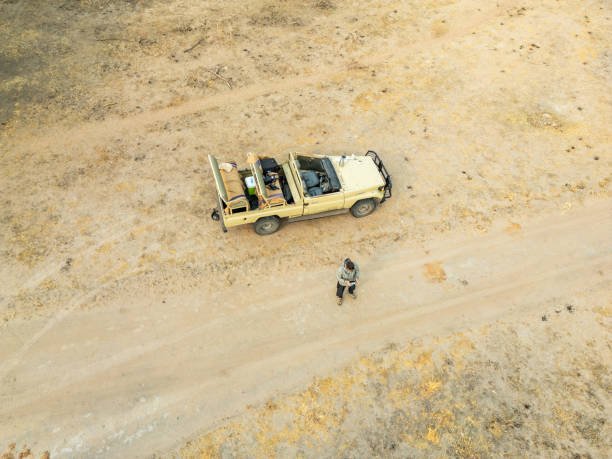
Luxury Ruaha National Park Safari: Private Camps & Prices 2026-2027
Explore the ultimate luxury safari experience in Ruaha National Park, focusing on private camps and exclusive wildlife viewing. Get insights into pricing and planning for 2026-2027.
View package details
Katavi National Park Private Safari: Prices, Best Itineraries For 2026-2027
Explore the untamed wilderness of Katavi National Park on a private safari. This guide covers pricing, ideal itineraries for 2026-2027, wildlife highlights, and essential planning tips for...
View package details
4 Days Katavi National Park Safari – Fly-In Package For 2026-2027
Discover the untamed beauty of Katavi National Park with our exclusive 4-day fly-in safari package. Designed for those seeking an authentic, remote wildlife experience in Tanzania, this...
View package details
Katavi National Park Safari Cost / – Packages & Fly-In Prices 2026-2027
Katavi National Park Safari Cost 2026/2027 – Packages & Fly-In Prices is explained with current 2026-2027 planning, price, itinerary and booking information.
View package detailsLoango National Park Guide: Wildlife, Accommodation & Safaris 2026-2027
Explore Loango National Park with our in-depth guide. Learn about its unique wildlife, prime safari activities, accommodation options, and the best times to visit for an unforgettable...
View package details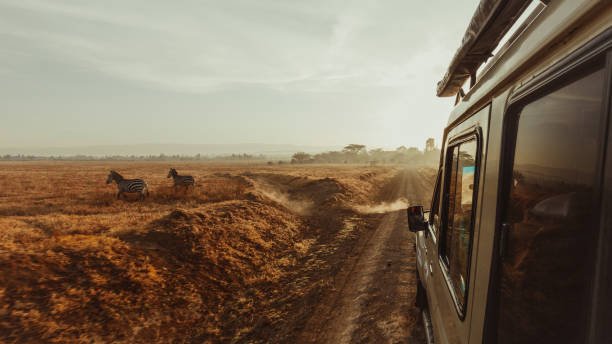
2 Days Saadani Safari From Zanzibar: Price, Itinerary & What To Expect
Discover the unique wildlife and coastal beauty of Saadani National Park on a 2-day safari from Zanzibar. This guide covers itinerary options, estimated pricing for 2026-2027, what to pack...
View package details
Saadani Safari From Zanzibar: Flight & Boat Packages For 2026-2027
Discover Saadani National Park, Tanzania's unique coastal wilderness, with smooth flight and boat packages from Zanzibar. This guide covers itineraries, inclusions, and planning for your...
View package details
Serengeti & Fanjove Island Luxury Tanzania Holiday 2026-2027
Discover the unparalleled beauty of a combined Serengeti and Fanjove Island luxury holiday in Tanzania for 2026-2027. Experience the thrill of world-class wildlife viewing in the Serengeti...
View package details
Nyerere & Fanjove Island Luxury Bush-To-Beach Package: Ultimate Itinerary
Discover the ultimate Nyerere & Fanjove Island Luxury Bush-to-Beach Package, expertly designed for 2026-2027. This unique itinerary blends the untamed wilderness of Nyerere National Park...
View package detailsNo related package matches those filters. Clear one or more filters to see the other topic-matched options.



