
A Laetoli Footprints Heritage Tour offers a unique opportunity to visit one of the most significant paleoanthropological sites globally, where remarkably preserved hominin footprints dating back approximately 3.6 million years can be viewed. Located within the Ngorongoro Conservation Area in Tanzania, these tracks provide direct evidence of early human bipedalism and are a cornerstone in understanding human evolution. Tours typically involve visiting the site, often with a guide to explain the scientific importance, and can be integrated into broader Northern Tanzania safari itineraries for 2026-2027.


Understanding the Significance of Laetoli’s Ancient Tracks
The discovery at Laetoli is not merely about old footprints; it’s about peering directly into the dawn of humanity. These tracks, preserved in volcanic ash, offer an unparalleled glimpse into the lives of our ancient ancestors, specifically *Australopithecus afarensis*, the species to which ‘Lucy’ belongs. The site’s importance cannot be overstated in the field of paleoanthropology, providing concrete evidence of bipedal locomotion millions of years before the development of larger brains or tool use became widespread.
For travelers, a Laetoli Footprints Heritage Tour is more than just a tourist excursion; it’s an educational pilgrimage. It connects you tangibly to the deep history of our species, offering a perspective that textbooks alone cannot provide. The ability to stand near, or view the protected casts of, these 3.6-million-year-old impressions is a profoundly moving experience, sparking contemplation about our evolutionary journey.
### The Discovery That Rewrote History
The initial discovery of fossil footprints at Laetoli was made in 1936 by Mary Leakey. Her extensive work, along with that of her husband Louis Leakey, revolutionized our understanding of human origins. The most famous discovery, made in 1978, involved three sets of hominin footprints preserved in a layer of volcanic ash deposited by an eruption of the nearby Sadiman volcano. These prints, known as the ‘Laetoli Footprints’ or ‘Laetoli Site G’, clearly show two individuals walking side-by-side, with a third, larger individual following. The gait and form of these prints are strikingly similar to modern human bipedalism, indicating that walking upright was well-established by this period.
Further research has uncovered additional fossil sites and hominin remains in the wider Laetoli area, enriching the scientific narrative. The ongoing research and preservation efforts at Laetoli continue to yield valuable insights, making it a dynamic and crucial location for understanding our evolutionary past. For visitors planning their trips for 2026-2027, understanding this history enhances the profound impact of their visit.
### Why Visit Laetoli in 2026-2027?
In the coming years, particularly 2026 and 2027, a visit to Laetoli offers an even richer experience. As scientific understanding of human evolution progresses, guided tours are increasingly incorporating the latest findings and interpretations. Furthermore, the infrastructure around the Ngorongoro Conservation Area, which includes Laetoli, is continually being refined to enhance visitor experience while maintaining conservation integrity. This means better access, more informative interpretative centers, and improved facilities. Planning a trip in 2026-2027 allows travelers to benefit from these developments while engaging with a site of unparalleled historical importance.
Moreover, combining a Laetoli visit with other iconic Tanzanian destinations, such as the Serengeti, Ngorongoro Crater, and Olduvai Gorge, creates a comprehensive journey through prehistory and natural wonders. The logistical planning for such integrated tours is becoming more streamlined, making it easier for travelers to experience the full spectrum of what this region offers.
## Planning Your Laetoli Footprints Heritage Tour
Organizing a trip to Laetoli requires careful consideration of logistics, timing, and integration with other travel plans. As a significant archaeological site, access and visitor protocols are managed to ensure its preservation. Climb 4 Africa specializes in crafting such journeys, ensuring a respectful and insightful experience.
### Location and Accessibility
Laetoli is situated in the northern part of Tanzania, within the Ngorongoro Conservation Area (NCA), a UNESCO World Heritage Site. Its geographical coordinates place it south of the famous Serengeti National Park and east of the Ngorongoro Crater. The nearest major town and entry point for international travelers is Arusha. From Arusha, access to Laetoli involves a drive, typically part of a larger safari circuit. The road conditions can vary, but are generally manageable for 4×4 safari vehicles, which are standard for this region. The journey itself offers scenic views of the Tanzanian landscape, including vast savannas and acacia-dotted plains.
### Best Time to Visit
While Laetoli can be visited year-round, the dry seasons generally offer more comfortable travel conditions. The peak dry seasons are typically from June to October and again from December to February. During these months, the weather is less likely to be affected by heavy rains, making road travel smoother and outdoor exploration more pleasant. However, the volcanic ash layers that preserve the footprints are relatively protected, so rain does not typically impede viewing the site itself. For those interested in combining Laetoli with wildlife viewing in the Serengeti or Ngorongoro, the dry seasons are also prime times for game drives, as animals congregate around water sources.
### Integrating Laetoli into Your Itinerary
A Laetoli visit is often best experienced as part of a broader Northern Tanzania safari or cultural tour. It can be seamlessly incorporated into itineraries that include:
* The Ngorongoro Crater: Famous for its dense wildlife population and stunning caldera landscape.
* Olduvai Gorge: Another critical paleoanthropological site, often referred to as the ‘Cradle of Mankind’.
* Serengeti National Park: Renowned for the Great Migration and vast plains teeming with wildlife.
* Lake Manyara National Park: Known for its tree-climbing lions and diverse birdlife.
Many travelers choose to visit Laetoli on their way to or from the Serengeti, or as a dedicated stop while exploring the Ngorongoro Conservation Area. A typical visit to the site itself may take a few hours, including the drive from the main road and time spent at the interpretive center and viewing the tracks. For 2026-2027 travel, booking an itinerary that balances these locations will maximize your experience of Tanzania’s natural and historical wonders.
### Guided Tours and Expert Insights
Visiting Laetoli with a knowledgeable guide is highly recommended. Local guides and expert paleontologists associated with the site can provide invaluable context, explaining the scientific significance of the footprints, the geological processes that preserved them, and the ongoing research. A good guide can bring the ancient past to life, helping visitors appreciate the scale of time and the evolutionary journey of hominins. Climb 4 Africa ensures that all their tours are led by experienced guides who can offer in-depth commentary and answer your questions, making the Laetoli Footprints Heritage Tour an enriching educational experience.
## The Laetoli Site: What to Expect
When you arrive at Laetoli, the experience is designed to be both educational and respectful of the delicate nature of the site. The primary focus is on the preservation and interpretation of the fossilized footprints.
### The Footprint Site (Site G)
The most famous area, Site G, is where the well-known hominin tracks are located. To protect these fragile impressions from erosion and human impact, they are covered by a roof. Visitors view the footprints from a designated walkway, allowing for close observation without direct contact. Interpretive displays and information boards are usually present, providing details about the species that made the tracks (*Australopithecus afarensis*), the estimated age of the prints, and the scientific discoveries made here.
Casts of the footprints are often available for closer inspection, allowing you to see the details of the toes, heels, and arch that are so remarkably similar to modern human feet. Seeing these impressions, made by creatures who walked this earth millions of years ago, is a humbling experience.
### Interpretive Center and Museum
Adjacent to the footprint site, there is typically an interpretive center or small museum. This facility serves as a crucial educational hub. Here, you can learn more about:
* The geology of the Laetoli area, including the volcanic activity that led to the preservation of the footprints.
* The process of fossilization and paleoanthropology.
* The evolutionary lineage of hominins, placing the Laetoli findings within a broader context.
* The lives of the early hominins who inhabited the region.
* The history of the Leakey family’s discoveries.
Displays often include photographs of the excavation process, scientific diagrams, and information about other fossil discoveries in the region. This center is essential for understanding the scientific value of what you are seeing at the footprint site.
### The Surrounding Landscape
Laetoli is situated in a semi-arid savanna environment, characteristic of the wider Ngorongoro Conservation Area. The landscape is dotted with acacia trees, shrubs, and grasses, providing a backdrop that has remained relatively consistent over millennia. While the primary focus is the archaeological significance, appreciating the ancient landscape can add another dimension to the experience. Imagine this environment 3.6 million years ago, inhabited by early hominins and a different array of fauna. The vastness and rugged beauty of the region are a testament to the enduring power of nature.
### Conservation and Visitor Guidelines
As a site of immense scientific and historical importance, strict conservation guidelines are in place at Laetoli. Visitors are expected to adhere to these rules to ensure the site’s preservation for future generations. This includes:
* Staying on designated paths: Do not walk on or near the actual fossil footprints outside the protected viewing areas.
* No touching: Avoid touching any fossils or geological features.
* Photography: Generally permitted, but always check for any specific restrictions.
* No littering: Pack out everything you pack in.
* Respect the environment: Do not disturb wildlife or vegetation.
These guidelines are crucial for maintaining the integrity of Laetoli as a scientific research site and a heritage destination. Your cooperation ensures that the footprints can continue to tell their story for millennia to come.
## The Science Behind the Footprints: Paleoanthropology at Laetoli
The Laetoli Footprints are a cornerstone of paleoanthropology, offering direct evidence that has shaped our understanding of human evolution. The scientific implications are profound, shedding light on key milestones in our lineage.
### *Australopithecus afarensis* and Bipedalism
The hominins who left their mark at Laetoli are identified as *Australopithecus afarensis*, a species that lived in East Africa between 3.9 and 2.9 million years ago. Famous examples include the ‘Lucy’ skeleton found in Ethiopia. The Laetoli footprints provide the earliest direct evidence of bipedalism in this species, confirming that walking on two feet was a well-established mode of locomotion. The prints showcase a heel strike, an arch, and a non-divergent big toe, all characteristic of human-like walking. This predates the development of significantly larger brains or advanced tool use, suggesting that efficient bipedalism may have been an early evolutionary advantage, perhaps related to navigating open landscapes, foraging, or thermoregulation.
### Volcanic Ash: Nature’s Preservation Agent
The remarkable preservation of the footprints is due to a specific geological event. A nearby volcano, Mount Sadiman, erupted, blanketing the landscape with a layer of fine volcanic ash. Rain then fell, turning the ash into a soft mud. As hominins and other animals walked across this muddy surface, they left impressions. Subsequent layers of ash and rain further preserved these prints, burying them and protecting them from erosion for millions of years.
Later geological processes, including erosion and subsequent volcanic activity, exposed these fossilized tracks, allowing them to be discovered by scientists. The dating of these layers, using radiometric techniques on associated volcanic deposits, has provided a reliable age of approximately 3.6 million years for the famous Site G footprints.
### Ongoing Research and Discoveries
Laetoli is not a static museum piece; it is an active research site. Paleontologists and archaeologists continue to explore the surrounding areas, searching for more fossil evidence that can fill gaps in our understanding of human evolution. New discoveries can refine existing theories about hominin behavior, diet, social structures, and migration patterns. For travelers visiting in 2026-2027, understanding that they are visiting a site where science is still actively unfolding adds a layer of excitement and relevance.
### The Broader Context: Olduvai Gorge and Beyond
Laetoli is part of a rich mix of paleoanthropological sites in the region, most notably Olduvai Gorge, located about 50 kilometers away. Olduvai Gorge, famously excavated by the Leakey family, has yielded crucial evidence of early *Homo* species, stone tool industries (like the Oldowan), and hominin remains that are younger than those found at Laetoli. Visiting both Laetoli and Olduvai Gorge on a single trip provides a comprehensive chronological journey through critical stages of human evolution, from early hominins like *Australopithecus* to the emergence of our own genus, *Homo*.
## Experiencing Laetoli: A Traveler’s Perspective
For many visitors, a trip to Laetoli is a highlight of their Tanzanian adventure, offering a unique connection to the deep past that few other places on Earth can provide. It’s an experience that goes beyond typical safari sightings.
### The Emotional Impact of the Footprints
Standing before the protected footprints, even as casts or viewed from a walkway, can evoke a powerful emotional response. It’s a tangible link to our earliest ancestors, a moment to contemplate the immense span of time and the journey of humanity. The simplicity of footprints—a basic act of walking—becomes extraordinary when viewed through the lens of 3.6 million years of history. Many visitors describe a sense of awe and wonder, a profound realization of our place in the grand evolutionary narrative.
### Educational Value for All Ages
While the scientific depth of Laetoli is immense, the site is accessible and engaging for visitors of all ages. The interpretive center provides clear explanations, and guides are adept at tailoring their commentary to different audiences. For families, it offers a unique opportunity to spark curiosity about science, history, and our origins. It’s a chance to move beyond classroom learning and engage with real-world evidence of evolutionary science.
### Combining Laetoli with Other Tanzanian Wonders
Laetoli is rarely visited in isolation. It is most effectively experienced as part of a broader Tanzanian itinerary. Imagine:
* Morning: Witnessing the sunrise over the Serengeti plains.
* Midday: Exploring the Ngorongoro Crater, a caldera teeming with wildlife.
* Afternoon: Visiting the ancient hominin footprints at Laetoli, connecting with our earliest ancestors.
* Next Day: Discovering the fossil beds of Olduvai Gorge.
This combination offers an unparalleled journey through Tanzania’s natural beauty, incredible wildlife, and profound human history. For 2026-2027, booking an integrated package ensures that you experience the best of what the Northern Circuit has to offer without the logistical hassle of piecing it together yourself.
### Practical Considerations for Your Visit
When planning your Laetoli visit, consider these practical aspects:
* Clothing: Light, breathable clothing suitable for a warm climate. A hat and sunscreen are essential.
* Footwear: Comfortable walking shoes are recommended for the site and any associated walking.
* Hydration: Carry plenty of water, especially during the dry season.
* Photography: Bring your camera to capture the landscape and interpretive displays.
* Time Allocation: Allocate at least 2-3 hours for a visit to the Laetoli site and interpretive center, plus travel time from your accommodation.
### What to Pack for Your Laetoli Heritage Tour
Beyond the standard safari packing list, consider these specific items:
* Binoculars: While not for wildlife viewing at Laetoli itself, useful for the journey and any stops en route.
* Notebook and Pen: To jot down interesting facts or reflections.
* Field Guide: A general guide to East African mammals and birds can enhance the travel experience between sites.
* Hand Sanitizer: Always useful when traveling.
## Laetoli Heritage Tour Packages and Options
Climb 4 Africa offers meticulously designed tour packages that include the Laetoli Footprints Heritage Tour, ensuring a comprehensive and enriching experience. These packages are crafted to cater to various interests and durations, with flexibility for customization.
### Sample Itinerary Integration
Many of our Northern Tanzania safari packages naturally incorporate Laetoli. For instance, a popular 7-day itinerary might include:
* Day 1: Arrival in Arusha, transfer to hotel.
* Day 2: Drive to Tarangire National Park for game drives.
* Day 3: Drive to Lake Manyara National Park, afternoon game drives.
* Day 4: Drive to Karatu (near Ngorongoro), visit a local community or coffee plantation.
* Day 5: Full day Ngorongoro Crater tour, followed by a visit to Olduvai Gorge.
* Day 6: Drive to Laetoli for heritage tour, then continue to Serengeti National Park.
* Day 7: Morning game drive in Serengeti, transfer to airstrip for onward flight or drive back to Arusha.
This is a sample, and itineraries can be adjusted. For example, a dedicated cultural or historical tour might spend more time at Laetoli and Olduvai Gorge, with shorter stays at national parks. For 2026-2027, booking in advance is highly recommended to secure preferred dates and accommodations.
### Customizing Your Tour
We understand that every traveler is unique. If you have specific interests in paleoanthropology, or wish to focus more on cultural experiences alongside wildlife, we can tailor your Laetoli Footprints Heritage Tour accordingly. You might wish to:
* Extend your stay in the Laetoli region.
* Arrange for a specialist guide or paleontologist to accompany your visit.
* Combine Laetoli with other less-visited historical or cultural sites in Tanzania.
Contact us directly to discuss your personalized itinerary. Our team is ready to help you plan the perfect journey.
### Inclusions and Exclusions
Our tour packages typically include:
* Accommodation: As specified in the itinerary (lodges, tented camps, or hotels).
* Transportation: 4×4 safari vehicle with a professional driver-guide.
* Park Fees: Entrance fees to national parks and conservation areas.
* Meals: Full board or half board, as per the itinerary.
* Activities: Guided tours at Laetoli and Olduvai Gorge, game drives.
* Water: Bottled drinking water during game drives.
Exclusions usually comprise:
* International flights.
* Visa fees.
* Travel insurance.
* Tips for guides and staff.
* Personal expenses (souvenirs, laundry, alcoholic beverages).
We provide detailed breakdowns of inclusions and exclusions for each specific tour package.
### Pricing and Budget Considerations for 2026-2027
Pricing for a Laetoli Footprints Heritage Tour is influenced by several factors, including the duration of the trip, the level of accommodation chosen (budget, mid-range, luxury), the number of travelers (private vs. group tours), and the specific parks and activities included. As a general guideline for 2026-2027:
* Budget tours: May start from around $250-$350 per person per day, utilizing more basic accommodations and potentially shared services.
* Mid-range tours: Typically range from $400-$600 per person per day, offering comfortable lodges and private vehicles.
* Luxury tours: Can range from $700+ per person per day, featuring high-end lodges, exclusive services, and premium experiences.
These are indicative figures. For a precise quote tailored to your needs, including the Laetoli Heritage Tour, please contact Climb 4 Africa. We recommend booking at least 6-12 months in advance for 2026-2027 travel, especially for peak seasons, to ensure availability and potentially better rates.
## Why Choose Climb 4 Africa for Your Laetoli Tour?
Choosing the right tour operator is crucial for an exceptional travel experience. Climb 4 Africa is dedicated to providing authentic, memorable, and responsible journeys through Tanzania.
### Local Expertise and Passion
As a Tanzanian-based company, we possess intimate knowledge of the country’s landscapes, culture, and history. Our guides are not just drivers; they are passionate storytellers, conservation advocates, and experts in their fields. This local insight allows us to craft tours that go beyond the surface, offering genuine connections to the places you visit, including the profound significance of Laetoli.
### Commitment to Responsible Tourism
We are committed to sustainable and responsible tourism practices. This means working with local communities, respecting the environment, and ensuring that our operations contribute positively to conservation efforts. When you book a Laetoli Footprints Heritage Tour with us, you are supporting a company that values the preservation of both natural and cultural heritage.
### Personalized Service and Customization
We pride ourselves on offering personalized service. From your initial inquiry to your departure, our team is dedicated to ensuring your trip is smooth and meets your expectations. Whether you’re interested in a specific aspect of human evolution or wish to combine Laetoli with specific wildlife viewing goals for 2026-2027, we will design a bespoke itinerary for you.
### smooth Planning and Support
Planning a trip to Tanzania can seem complex, but we make it easy. We handle all the logistical details, from park bookings and accommodation to transportation and guided tours. Our team is available to answer your questions and provide support throughout your planning process and during your trip. You can reach us via WhatsApp at +255747477898, email at climb4africa@gmail.com, or our backup email climb4africa@gmail.com.
## Frequently Asked Questions about the Laetoli Footprints Heritage Tour
Here are some common questions travelers have about visiting Laetoli:
Q: How far is Laetoli from Arusha?
A: Laetoli is approximately a 4-5 hour drive from Arusha, depending on road conditions and the specific route taken. It is often visited as part of a multi-day safari circuit.
Q: Can I touch the footprints?
A: No, direct physical contact with the actual fossilized footprints is strictly prohibited to ensure their preservation. Visitors view them from a protected walkway or via casts.
Q: What is the best time of year to visit Laetoli?
A: While Laetoli can be visited year-round, the dry seasons (June-October and December-February) offer the most comfortable travel conditions and are ideal for combining with other safari activities.
Q: Is Laetoli suitable for children?
A: Yes, Laetoli offers significant educational value for children. The interpretive center and the visual impact of the footprints can spark curiosity about science and history. Guides can tailor explanations for younger audiences.
Q: How much time should I allocate for a Laetoli visit?
A: Plan for at least 2-3 hours at the site itself, including time at the interpretive center and viewing the footprints. This does not include the travel time to and from the location.
## Embarking on Your Journey into Human Origins
The Laetoli Footprints Heritage Tour is more than just a destination; it’s an exploration into the very essence of what it means to be human. It’s a chance to stand where our distant ancestors walked, to touch (figuratively) the deep past, and to gain a profound perspective on our evolutionary journey. As you plan your adventures for 2026-2027, consider making this extraordinary site a central part of your Tanzanian experience.
Climb 4 Africa is ready to help you craft an unforgettable journey. Whether you are a science enthusiast, a history buff, or simply a curious traveler, the Laetoli Footprints offer a connection to our shared heritage that resonates deeply. Contact us today to begin planning your personalized Laetoli Footprints Heritage Tour and discover the ancient steps that led to us all. Reach out via WhatsApp at +255747477898, email us at climb4africa@gmail.com, or use our backup email climb4africa@gmail.com to get a personalized quote and itinerary for your 2026-2027 travel plans.
Check Availability for Laetoli Footprints Heritage Tour Guide
Ready to compare dates, prices, and the best option for your group? Send the package name and travel month so the team can reply with a clear quote, availability, and what is included.
 An. Archaeology, Fossils And Heritage GuideDiscover the profound archaeological and paleontological treasures of Tanzania, a land that whispers tales of human origins and ancient…View package
 Olduvai Gorge Archaeological Tour: Journey To Humanitys Cradle 2026-2027Explore Olduvai Gorge, a pivotal archaeological site in Tanzania, on a specialized tour. This deep look at human prehistory offers unparalleled…View package
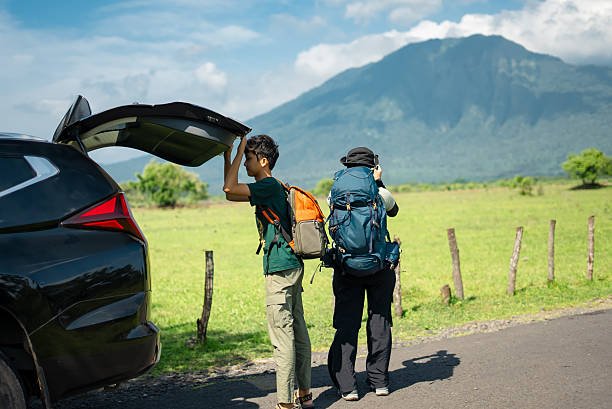 Tanzania Volcanic Landscapes Adventure: Summit Kilimanjaro & Explorestart an unforgettable Tanzania Volcanic Landscapes Adventure, combining the challenge of Mount Kilimanjaro with the wildlife spectacle of the…View package
 Experiencing Tanzanias Mining Communities: A Journey Beyond Safaris 2026-2027Explore the rich cultural mix and daily life within Tanzania's mining communities. This guide offers insights into engaging respectfully with…View package
 Tanzania Responsible Gemstone Buying Tour GuideDiscover the ultimate guide to a Tanzania Responsible Gemstone Buying Tour for 2026-2027. Learn about ethical sourcing, market navigation, gem…View package
 Tanzania Gold, Tanzanite And Gemstone Package: A Collectors Safari AdventureExperience Tanzania's mineral wealth alongside its iconic wildlife. This package offers a unique blend of safari adventure and gemstone…View package
 Tanzania Fossil And Mineral Tour: Unearthing Earths Secrets In 2026-2027Discover Tanzania's rich geological past and present with a specialized Fossil and Mineral Tour. This journey in 2026-2027 combines…View package
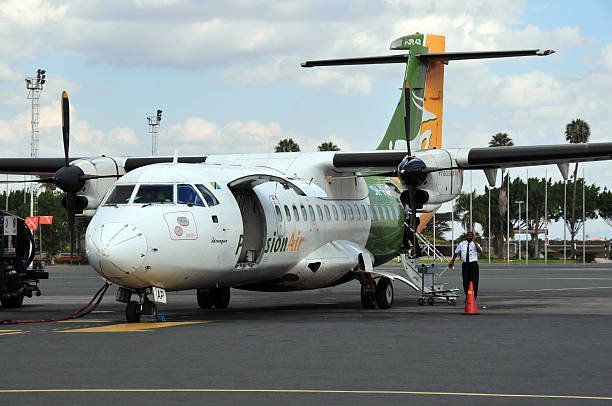 Ngorongoro Crater Geological Tour: A Deep Look At Tanzanias Volcanic WonderDiscover the geological marvel of the Ngorongoro Crater with an expert-led tour. Learn about its volcanic origins, caldera features, and how…View package


