August is a highly favorable month for climbing Mount Kilimanjaro, characterized by dry weather and cooler temperatures compared to the preceding months. Expect clear skies with minimal rainfall, particularly at higher altitudes, making it one of the best times to attempt the summit. Temperatures will vary significantly across the mountain’s ecological zones, ranging from pleasant averages in the lower rainforest to freezing conditions at the summit. Planning for August 2026 or 2027 climbs means preparing for these predictable, yet challenging, mountain conditions.
Understanding Kilimanjaro’s August Climate: A Dry Season Advantage
The weather on Mount Kilimanjaro is dictated by its immense altitude and proximity to the equator, creating distinct microclimates across its five major ecological zones. August falls squarely within Kilimanjaro’s second dry season, making it a popular and often ideal month for trekkers aiming for the Roof of Africa. This period typically offers the most stable weather patterns, with significantly reduced rainfall, especially on the upper slopes and at the summit. For those planning a climb in August 2026 or August 2027, understanding these conditions is crucial for preparation and maximizing your chances of a successful and enjoyable trek.
The August Dry Spell: Why It Matters for Trekkers
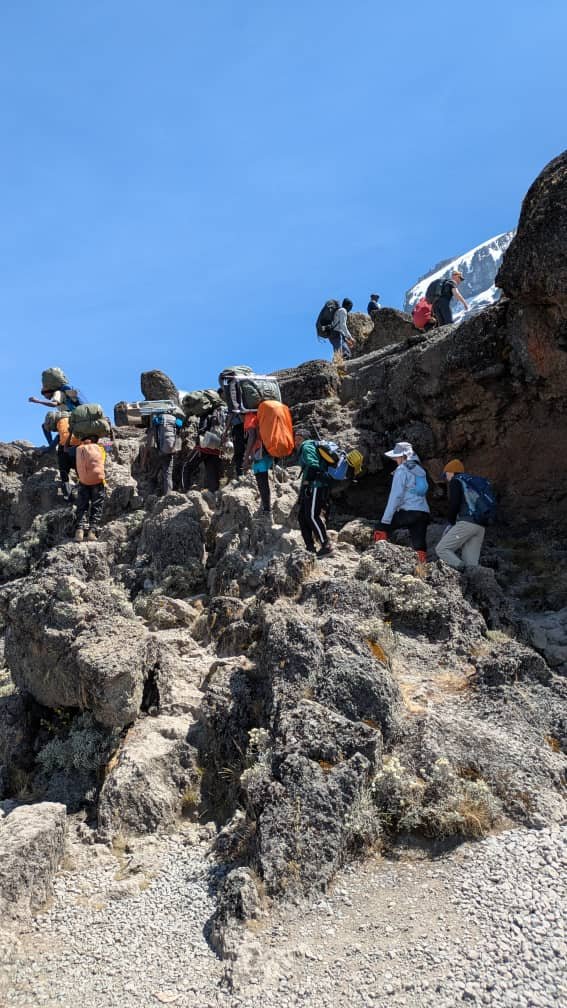
Kilimanjaro experiences two main dry seasons: January-March and June-October. August is part of the longer, latter dry season. During this time, the atmosphere is generally stable, leading to fewer clouds and less precipitation. This translates to clearer views of the surrounding landscape and the summit, which is a significant advantage when trekking. The lower probability of rain means less mud on the trails, making ascents more comfortable and reducing the risk of delays or route changes due to adverse weather. For trekkers, especially those on longer routes like the Lemosho or Machame, consistent dry conditions are invaluable.
Temperature Variations Across Kilimanjaro’s Zones in August
While August is characterized by dryness, it also brings cooler temperatures, particularly at higher elevations. The temperature fluctuates dramatically as you ascend through Kilimanjaro’s distinct ecological zones. Understanding these variations is key to packing appropriately and managing your body’s response to the changing environment. The daily temperature range can be substantial, with warm days in the lower zones giving way to frigid nights at higher camps and on summit night.
- Cultivation Zone (800m – 1,800m): At the base of the mountain, temperatures in August are pleasant and warm, typically ranging from 20°C to 25°C (68°F to 77°F) during the day. Nights are mild, usually not dropping below 15°C (59°F).
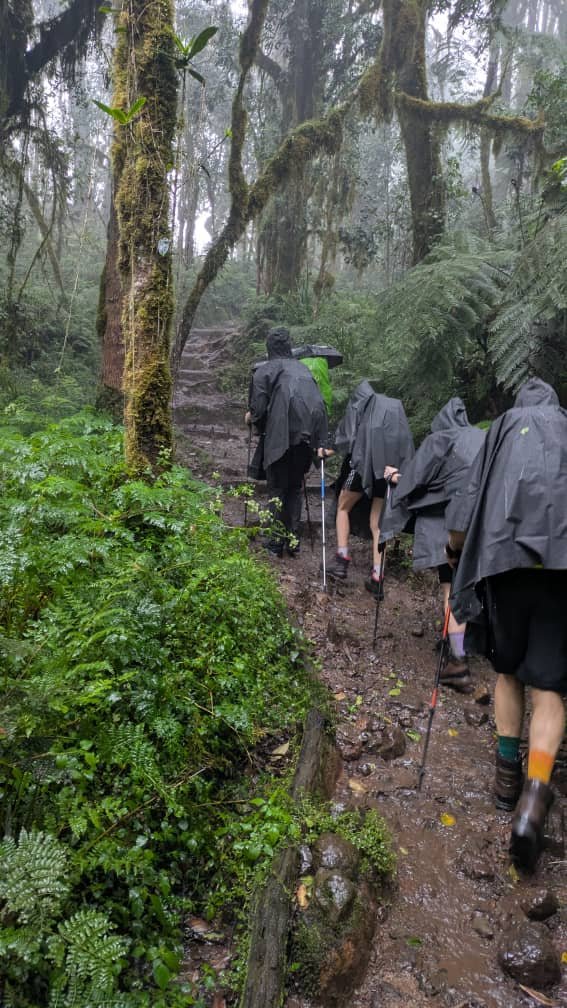
- Rainforest Zone (1,800m – 2,800m): As you climb into the montane forest, temperatures start to cool. Daytime highs might be around 15°C to 20°C (59°F to 68°F), while nighttime temperatures can dip to 10°C to 15°C (50°F to 59°F). August sees less mist and rain here compared to other times of the year.
- Moorland Zone (2,800m – 4,000m): This zone is more exposed, and temperatures drop noticeably. Daytime temperatures can range from 10°C to 15°C (50°F to 59°F), with nights frequently falling below freezing, often between 0°C and 5°C (32°F to 41°F).
- Alpine Desert Zone (4,000m – 4,600m): Above the treeline, the air becomes thin and dry. Daytime temperatures hover around 5°C to 10°C (41°F to 50°F), but nights are consistently frigid, dropping to -5°C to 0°C (23°F to 32°F). Frost is common.
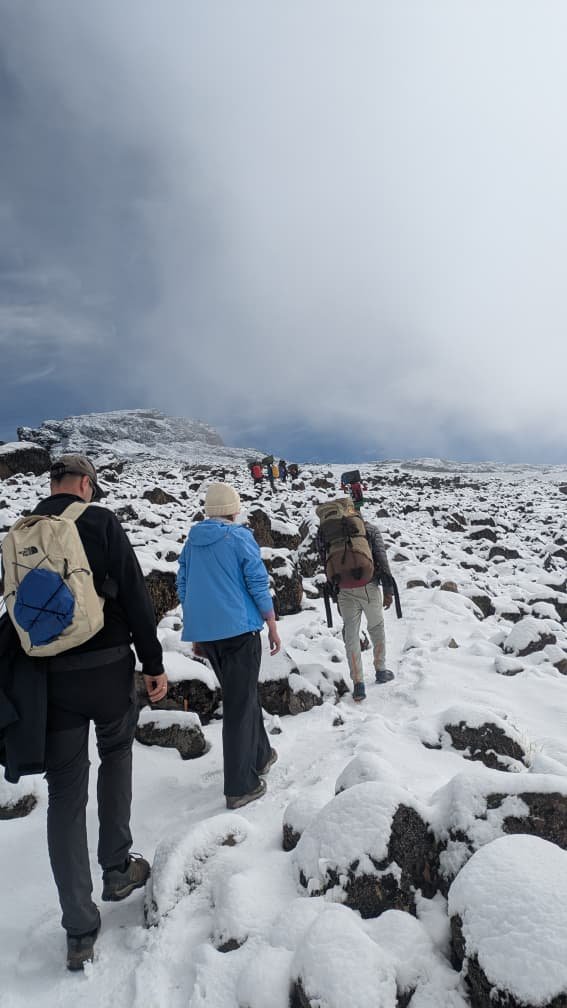
- Arctic Summit Zone (4,600m – 5,895m): At the summit, including Stella Point and Uhuru Peak, temperatures are extremely cold. During the day, it might feel like 0°C (32°F), but the wind chill can make it feel much colder. Summit night is the coldest part of the trek, with temperatures often ranging from -10°C to -15°C (14°F to 5°F), and can even plummet to -20°C (-4°F) or lower on particularly cold nights, especially with wind.
For trekkers planning their August 2026 or August 2027 Kilimanjaro adventure, this temperature gradient underscores the need for a comprehensive layering system. The significant difference between day and night temperatures, and between the lower and upper mountain zones, requires careful attention to clothing choices.
Kilimanjaro’s Rainfall Patterns in August
August is firmly within Kilimanjaro’s dry season. This means that rainfall is significantly less frequent and less intense compared to the wet seasons (March-May and November). However, it’s important to remember that Kilimanjaro is a tropical mountain, and isolated showers can still occur, especially in the lower rainforest zone during the afternoon. These are typically brief and do not usually disrupt trekking for extended periods.
Precipitation Levels: What to Expect
While official meteorological data for specific mountain zones can vary, general observations indicate that August experiences minimal precipitation. The prevailing winds at this time of year tend to bring drier air masses. This is a stark contrast to the heavy rains of the long wet season (March-May). The trails are generally in good condition, reducing the risk of mudslides or difficult trekking conditions that can arise from heavy downpours. For your August 2026 or August 2027 climb, you can anticipate dry conditions for the majority of your trek.
Impact of Low Rainfall on Trekking Conditions
The low rainfall in August has several positive impacts on the trekking experience:
- Clearer Trails: Less mud means easier and faster ascents and descents.
- Better Visibility: Reduced cloud cover, especially at higher altitudes, offers stunning panoramic views.
- Reduced Risk of Illness: Dry conditions can sometimes contribute to a lower incidence of common trekking ailments like colds or minor infections, although altitude sickness remains the primary concern.
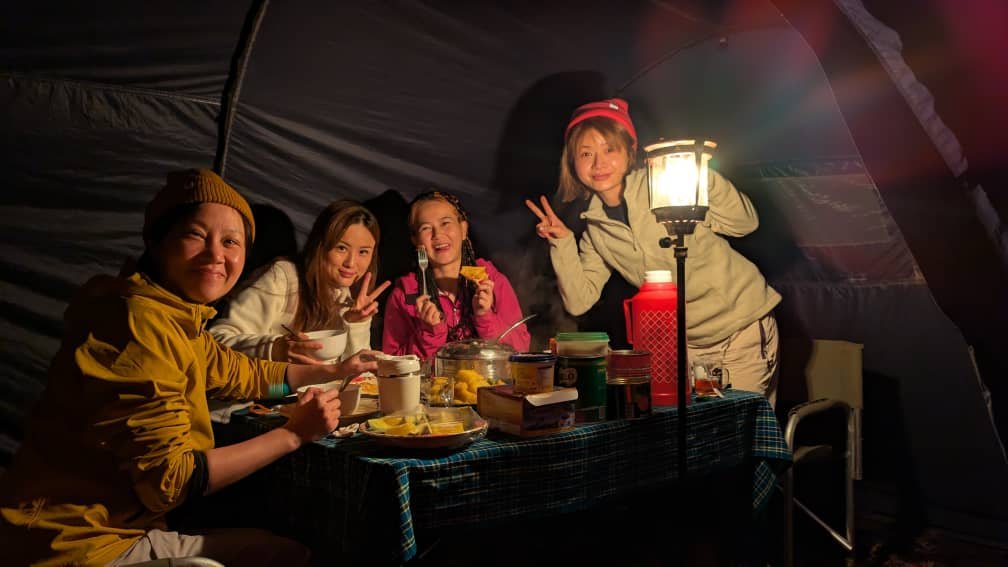
- More Comfortable Camping: Campsites are generally drier, making for more pleasant evenings and mornings.
This makes August a highly sought-after month for Kilimanjaro expeditions, and booking well in advance for August 2026 or August 2027 is advisable, especially if you prefer specific routes or departure dates.
Wind Conditions on Kilimanjaro in August
Wind is a constant factor on Kilimanjaro, especially as you gain altitude. August generally experiences moderate winds, but they can pick up significantly, particularly on summit night. The wind chill effect is a critical consideration, as it can make the already cold temperatures feel much more severe.
Summit Night Winds
Summit night is notoriously windy. While August is a dry season, it doesn’t guarantee calm conditions. Winds can gust strongly, especially around the crater rim and during the final ascent to Uhuru Peak. These winds can make walking difficult and increase the risk of heat loss. Proper windproof and insulated gear is therefore essential for any August climb.
Impact of Wind on Temperature
It’s crucial to understand the concept of wind chill. Even if the ambient temperature is, say, -5°C (23°F), a strong wind can make it feel like -15°C (5°F) or even colder. This is why layering and windproof outer shells are non-negotiable for August Kilimanjaro treks. Your planning for 2026 or 2027 should heavily factor in wind protection.
Daylight Hours and Sunrise/Sunset in August
August in Tanzania, being in the Southern Hemisphere, experiences shorter daylight hours compared to the peak summer months. However, Kilimanjaro’s equatorial location means the variation is less extreme than in higher latitudes. The exact timings for sunrise and sunset will vary slightly throughout the month, but generally, you can expect around 12 to 12.5 hours of daylight.
Sunrise and Sunset Times
For planning purposes, sunrise in August is typically around 6:30 AM, and sunset occurs around 6:30 PM. This is important for scheduling your daily treks, ensuring you have ample daylight for hiking and setting up camp. Summit attempts, which usually start around midnight, will therefore involve climbing through darkness, using headlamps, and reaching the summit around sunrise, a truly spectacular experience.
Maximizing Daylight for Treks
While daylight hours are sufficient for daily trekking, efficient use of time is still important. Starting your day’s hike relatively early after breakfast ensures you make good progress and have buffer time should any unexpected delays occur. The clear skies typical of August often mean stunning sunrise and sunset views, so positioning yourself for these moments can be rewarding.
What to Pack for Kilimanjaro in August
Packing correctly for Kilimanjaro in August is paramount. The combination of dry conditions, cool to freezing temperatures, and potential for strong winds necessitates a comprehensive gear list. Layering is the key strategy to manage the temperature fluctuations across the mountain’s zones and during the day and night.
Essential Clothing Layers
- Base Layers: Moisture-wicking thermal tops and bottoms (merino wool or synthetic). Bring at least two sets.
- Mid Layers: Fleece jackets or vests for insulation. A lightweight down jacket is also excellent for added warmth.
- Outer Layer (Shell): A waterproof and windproof jacket (Gore-Tex or similar) and waterproof trousers are essential, even in the dry season, for unexpected showers and strong winds.
- Insulated Jacket: A warm, insulated down or synthetic jacket is crucial for evenings and summit night.
Headwear and Handwear
- Warm Hat: A wool or fleece hat that covers your ears.
- Sun Hat: A wide-brimmed hat for sun protection during the day.
- Balaclava or Neck Gaiter: For protecting your face and neck from wind and cold.
- Gloves: A pair of warm, waterproof gloves or mittens, plus a thinner pair of liner gloves for dexterity.
Footwear
- Hiking Boots: Waterproof, sturdy, broken-in hiking boots with good ankle support.
- Camp Shoes: Comfortable shoes or sandals for wearing at camp.
- Socks: Several pairs of warm, moisture-wicking hiking socks (wool or synthetic).
Other Essentials
- Sunglasses: High UV protection sunglasses.
- Headlamp: With extra batteries (essential for summit night).
- Sunscreen: High SPF sunscreen.
- Lip Balm: With SPF.
- Water Bottles/Hydration Reservoir: At least 3 liters capacity. Insulated covers are recommended for August to prevent water from freezing.
- Trekking Poles: Highly recommended for stability and reducing strain on joints.
- Duffel Bag: Waterproof duffel bag for your main gear, carried by porters.
- Daypack: For carrying essentials during the hike (water, snacks, camera, extra layer).
For your August 2026 or August 2027 climb, ensure your gear is suitable for sub-zero temperatures, especially for summit night. Climb 4 Africa can provide a detailed packing list upon booking.
Choosing a Kilimanjaro Route in August
All seven major routes up Kilimanjaro are generally open and viable in August. The choice of route often depends on factors like desired acclimatization profile, scenery, crowd tolerance, and budget. August’s dry conditions make most routes accessible and enjoyable.
Popular Routes for August Climbs
- Machame Route: Known for its scenic beauty and excellent acclimatization profile (“climb high, sleep low”). It’s one of the most popular routes, so expect company. Its popularity means good availability for 2026-2027 departures.
- Lemosho Route: Offers arguably the most stunning scenery, starting in the west and crossing the Shira Plateau. It’s longer and more expensive but provides superior acclimatization and a less crowded experience initially.
- Marangu Route: The “Coca-Cola” route, known for its hut accommodation and gradual ascent. However, its acclimatization profile is considered poorer, leading to lower success rates. It can be busier due to the huts.
- Northern Circuit: The longest route, offering the best acclimatization and highest success rates. It circles the mountain, providing unique views. It’s also the most expensive.
Route Considerations for August
Given the dry weather, any route is technically feasible. However, for optimal acclimatization and success rates, routes like Machame, Lemosho, or the Northern Circuit are often recommended, especially for trekkers less accustomed to high altitudes. The clear skies in August mean that the scenic advantages of routes like Lemosho are particularly rewarding.
When planning your August 2026 or August 2027 climb, discuss your preferences with your tour operator. Climb 4 Africa can help you select the best route based on your experience and goals.
Crowds and Availability in August
August is considered a peak trekking season for Kilimanjaro due to the favorable dry weather. This means you can expect more trekkers on the mountain compared to the shoulder or wet seasons. Popular routes like Machame can be quite busy, with many groups on the trails and at the campsites.
Peak Season Implications
- Higher Campsite Occupancy: Campsites will be more populated.
- More Fellow Trekkers: You’ll encounter other groups on the trails.
- Booking Urgency: Due to high demand, it is essential to book your climb well in advance, especially for August 2026 and August 2027. Tour operators often fill their August slots months, sometimes over a year, ahead of time.
Mitigating Crowds
If you prefer a less crowded experience, consider climbing in the shoulder months (June, early July, or late September, October) or opting for less popular routes like the Northern Circuit. However, if August is your preferred time, be prepared for company and book early. Climb 4 Africa recommends booking at least 6-12 months in advance for peak season climbs.
Altitude Sickness (AMS) and August Climbs
Altitude sickness is a risk on any Kilimanjaro climb, regardless of the month. While August offers favorable weather, it does not eliminate the risk of Acute Mountain Sickness (AMS). In fact, the dry, cool air can sometimes exacerbate symptoms for some individuals.
August Weather and AMS
The dry conditions in August mean that the air can be drier and colder, potentially leading to faster dehydration if fluid intake is not maintained. Dehydration is a major contributor to AMS. Therefore, consistent hydration is even more critical during an August climb. The cool temperatures might also make trekkers less inclined to drink as much as they would in warmer weather, compounding the risk.
Preventative Measures
- Slow Ascent: Choose a route with a good acclimatization profile (e.g., 7 or 8 days).
- Hydration: Drink plenty of fluids (3-4 liters per day).
- Pacing: Go “pole pole” (slowly, slowly).
- Medication: Consult your doctor about Diamox (acetazolamide) prophylaxis.
- Listen to Your Body: Report any symptoms immediately to your guide.
For your August 2026 or August 2027 trek, prioritize acclimatization and hydration. The clear skies might tempt you to push harder, but maintaining a steady pace is key.
Comparing August to Other Months for Kilimanjaro Climbs
August is consistently ranked among the best months to climb Kilimanjaro. Here’s how it stacks up against other periods:
August vs. Other Dry Season Months (July, September)
- Pros: August offers excellent dry conditions, clear skies, and moderate temperatures (though cooler than July/September at lower altitudes).
- Cons: It’s peak season, so expect more crowds and higher prices. Temperatures can be quite cold, especially at night and on summit day.
August vs. Wet Season Months (March, April, May, November)
- Pros: August is significantly drier, with much less rainfall. Trails are in better condition, visibility is superior, and summit success rates are generally higher due to more stable weather.
- Cons: August is colder, particularly at higher altitudes and on summit night.
August vs. Shoulder Season Months (June, October)
- Pros: August generally has more consistently dry weather than June or October, which can sometimes experience transitional weather patterns.
- Cons: August is busier and potentially more expensive than June or October.
For many, the trade-off of cooler temperatures and more crowds in August is well worth the significantly reduced risk of rain and the improved visibility. Planning for August 2026 or 2027 offers a reliable window for a successful climb.
Sunrise and Sunset Views in August
The clear skies typical of August provide exceptional opportunities for impressive sunrise and sunset views. These moments are often highlights of the Kilimanjaro trekking experience.
Summit Sunrises
Reaching the summit of Kilimanjaro around sunrise is an iconic experience. On a clear August morning, you’ll witness the sun breaking over the horizon, casting a warm glow across the African continent and the clouds far below. The view from Uhuru Peak, looking out over the vast plains, is unforgettable. The cold temperatures of summit night are momentarily forgotten in the face of such natural beauty.
Sunset Views from Higher Camps
As you ascend, the sunsets viewed from higher camps like Barafu Camp (on the Machame route) or Kibo Huts are equally spectacular. The changing colors of the sky, the silhouette of the crater rim, and the vastness of the landscape create a profound sense of awe. These moments are perfect for reflection and appreciating the journey.
The reliable clear weather in August makes these visual spectacles more probable, enhancing the overall trekking adventure for your planned August 2026 or August 2027 expedition.
Wildlife Sightings in August on Kilimanjaro’s Lower Slopes
While Kilimanjaro is primarily a trekking destination, the lower slopes, particularly the rainforest zone, host diverse wildlife. August’s dry conditions can influence animal behavior and visibility.
Animals You Might See
- Monkeys: Colobus monkeys and blue monkeys are frequently spotted in the rainforest.
- Birds: The mountain is rich in birdlife, with various endemic species.
- Antelopes: Smaller antelopes like duikers might be seen in the forest.
- Insects and Butterflies: A variety of colorful insects inhabit the lower zones.
August Conditions and Wildlife
The dry weather means animals might be more concentrated around water sources, though these are plentiful on the lower slopes. The reduced foliage due to drier conditions can sometimes make spotting wildlife easier. However, remember that wildlife sightings are opportunistic and not guaranteed. The focus of an August Kilimanjaro climb remains the trek itself.
Planning Your August 2026/2027 Kilimanjaro Climb with Climb 4 Africa
Choosing to climb Kilimanjaro in August means you’re aiming for one of the most popular and reliable windows for a successful trek. At Climb 4 Africa, we specialize in creating memorable and safe Kilimanjaro experiences, tailored to your needs.
Why Choose August?
August provides a fantastic combination of dry weather, cooler temperatures (manageable with proper gear), and stunning clear views. It’s ideal for those prioritizing a lower chance of rain and good visibility. For 2026 and 2027, it remains a top choice.
Our August Kilimanjaro Packages
Climb 4 Africa offers a range of Kilimanjaro climb packages designed to suit different preferences and budgets. We focus on safety, quality service, and client satisfaction. Our August expeditions include:
- All-inclusive options: Covering park fees, experienced guides, porters, cooks, meals, accommodation in tents, and transfers.
- Flexible Itineraries: We recommend longer routes (7-9 days) for better acclimatization, especially during peak season.
- Experienced Guides: Our guides are certified, knowledgeable about altitude sickness, and committed to your safety and success.
- Quality Equipment: We provide high-quality camping gear.
Booking Your August 2026/2027 Climb
Given August’s popularity, we strongly advise booking your August 2026 or August 2027 Kilimanjaro climb as early as possible. Early booking secures your preferred route, dates, and potentially better pricing on flights. Contact us to discuss your plans and receive a personalized quote.
Ready to Conquer Kilimanjaro in August?
Let Climb 4 Africa help you plan your dream climb. We offer comprehensive packages for August 2026 and August 2027, focusing on safety, acclimatization, and an unforgettable experience.
Contact Us:
- WhatsApp: +255 747 477 898
- Email: climb4africa@gmail.com
- Backup Email: climb4africa@gmail.com
Visit our website for more information on our Kilimanjaro treks and Tanzania safari packages.
Final Thoughts on Kilimanjaro Weather and Temperature in August
August presents a compelling case for climbing Mount Kilimanjaro. The dry conditions, clear skies, and moderate (though cool) temperatures offer a stable platform for a challenging yet rewarding ascent. While August is a peak season with more trekkers and colder summit nights, these factors are manageable with proper planning, the right gear, and a reputable tour operator like Climb 4 Africa. By understanding the nuances of Kilimanjaro’s weather and temperature in August, and by booking your 2026 or 2027 expedition well in advance, you significantly increase your chances of a successful and memorable climb to the roof of Africa.
We are dedicated to providing personalized attention, care, and dedicated support for every client. Whether you’re planning a Kilimanjaro climb, a Serengeti safari, or a Zanzibar holiday, Climb 4 Africa is your trusted partner in Tanzania. For expert advice on Kilimanjaro weather and temperature in August, or to start planning your adventure, reach out to us today!
“,
“faq_schema”: [
{
“question”: “What is the weather typically like on Kilimanjaro in August?”,
“answer”: “August is part of Kilimanjaro’s dry season, offering clear skies and minimal rainfall, especially at higher altitudes. Temperatures are cool to cold, ranging from pleasant in the rainforest to freezing at the summit. Wind can be a significant factor, increasing the feeling of cold.”
},
{
“question”: “What are the average temperatures on Kilimanjaro in August?”,
“answer”: “Temperatures vary by altitude. Lower zones (rainforest) might see daytime highs of 15-20°C (59-68°F), while higher zones (alpine desert) can be 5-10°C (41-50°F) during the day. Summit night temperatures often range from -10°C to -15°C (14°F to 5°F), potentially dropping lower with wind chill.”
},
{
“question”: “Is August a good month to climb Kilimanjaro?”,
“answer”: “Yes, August is considered one of the best months to climb Kilimanjaro due to the dry weather, clear skies, and good visibility. It’s a popular peak season, so expect company on the trails.”
},
{
“question”: “How much rain can I expect on Kilimanjaro in August?”,
“answer”: “August is a dry month with very little rainfall. While brief, isolated showers can occur, especially in the lower rainforest zone, they are not typical and usually do not disrupt trekking significantly.”
},
{
“question”: “What should I pack for a Kilimanjaro climb in August?”,
“answer”: “Pack for cold, dry conditions with strong winds. Essential items include multiple layers (base, mid, and waterproof/windproof outer layers), a warm insulated jacket, warm hat, gloves, sturdy waterproof boots, and sun protection. Layering is key to managing temperature changes.”
},
{
“question”: “Are there many crowds on Kilimanjaro in August?”,
“answer”: “Yes, August is a peak trekking season, so you can expect to encounter many other climbers on the popular routes. Booking your climb well in advance for August 2026 or 2027 is highly recommended.”
},
{
“question”: “What are the chances of summit success in August?”,
“answer”: “The chances of summit success in August are generally high, attributed to the stable, dry weather conditions. However, success also depends on proper acclimatization, physical fitness, and choosing a suitable route and duration.”
},
{
“question”: “How does August weather compare to other months?”,
“answer”: “August is comparable to July and September for dry weather. It is significantly drier than the wet seasons (March-May, November) but colder than some shoulder months. It’s busier than shoulder seasons but offers more reliable weather.”
}
]
}
“`
Check Availability for Kilimanjaro Weather And Temperature In August 2026-2027
Ready to compare dates, prices, and the best option for your group? Send the package name and travel month so the team can reply with a clear quote, availability, and what is included.
September Kilimanjaro Summit Night Temperature 2026-2027
September Kilimanjaro Summit Night Temperature is explained with current 2026-2027 planning, price, itinerary and booking information.
View package details
Kilimanjaro Weather And Visibility In September 2026-2027
Kilimanjaro Weather and Visibility in September is explained with current 2026-2027 planning, price, itinerary and booking information.
View package details
August Kilimanjaro Climb With River-Crossing Safari: Your Ultimate Tanzania
Combine the challenge of climbing Mount Kilimanjaro in August with the thrill of witnessing the Great Migration river crossings on a safari. This guide covers itineraries, routes, packing...
View package details
August Kilimanjaro Charity Challenge: Plan Your Climb 2026-2027
Planning an August Kilimanjaro Charity Challenge for 2026 or 2027 involves understanding routes, preparation, and the unique benefits of climbing for a cause. Climb 4 Africa offers...
View package detailsAugust Kilimanjaro Women’s Group Climb: Expert Planning For 2026-2027
This comprehensive guide details everything you need to know for an August Kilimanjaro Women’s Group Climb, covering route selection, training, gear, safety, and what to expect during your...
View package details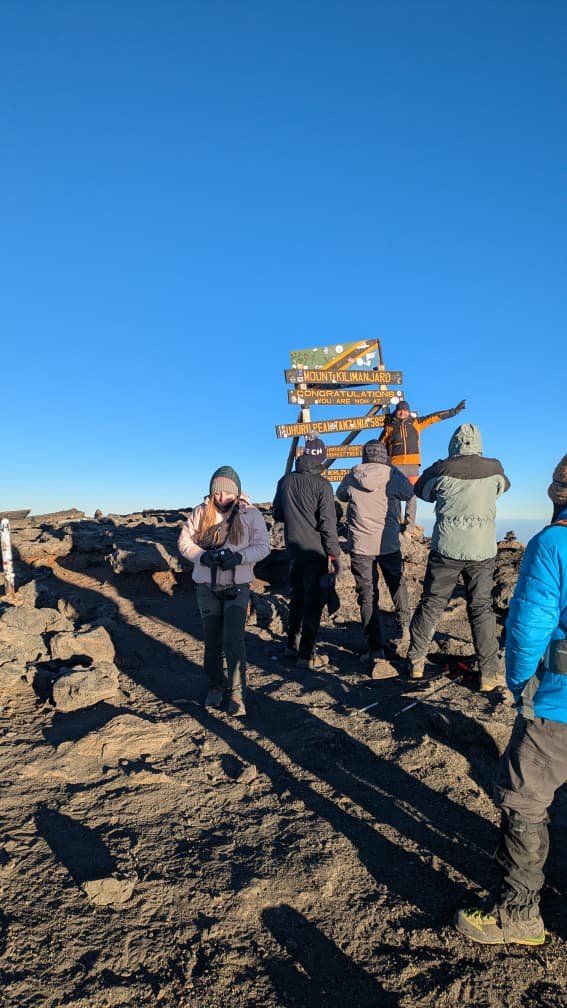
August Kilimanjaro Photography Expedition: Your Ultimate Guide For 2026-2027
An August Kilimanjaro Photography Expedition offers a unique opportunity to capture impressive landscapes and the iconic summit under clear skies. This guide details everything you need to...
View package details
August Kilimanjaro Luxury Summit Package: Your Ultimate Guide 2026-2027
Plan your August Kilimanjaro climb with a luxury summit package. This comprehensive guide covers the best routes for August, premium inclusions, expected costs for 2026-2027, and expert...
View package details
How Early Should You Book Kilimanjaro For August ? Your Expert Guide 2026-2027
Discover the optimal time to book your Kilimanjaro climb for August, crucial for securing permits, guides, and ideal dates in 2026 and 2027. Learn why early booking is essential for this...
View package details
August Kilimanjaro Trail Crowd Guide 2026-2027
August Kilimanjaro Trail Crowd Guide is explained with current 2026-2027 planning, price, itinerary and booking information.
View package details
August Kilimanjaro Packing Checklist: Essential Gear For Your Climb 2026-2027
Prepare for your August Kilimanjaro ascent with this comprehensive packing checklist. Essential gear for varied weather, altitude, and comfort, ensuring a successful climb in 2026-2027.
View package detailsIs August The Best Month To Climb Kilimanjaro? 2026-2027
Is August the Best Month to Climb Kilimanjaro? is explained with current 2026-2027 planning, price, itinerary and booking information.
View package detailsAugust Kilimanjaro Peak-Season Prices: Understanding Costs And Planning
Planning a Kilimanjaro climb in August? This peak season means higher demand and potentially higher prices. This guide breaks down what you can expect for August Kilimanjaro peak-season...
View package detailsNo related package matches those filters. Clear one or more filters to see the other topic-matched options.



