
Updated planning guide for 2026-2027
Internet And Sim Cards In Tanzania: Complete Guide 2026-2027
Planning your trip to Tanzania? Staying connected is crucial. This guide provides all you need to know about internet access and SIM cards in Tanzania, ensuring you can share your safari adventures and Zanzibar memories without a hitch.
WhatsApp +255747477898 | climb4africa@gmail.com | climb4africa@gmail.com
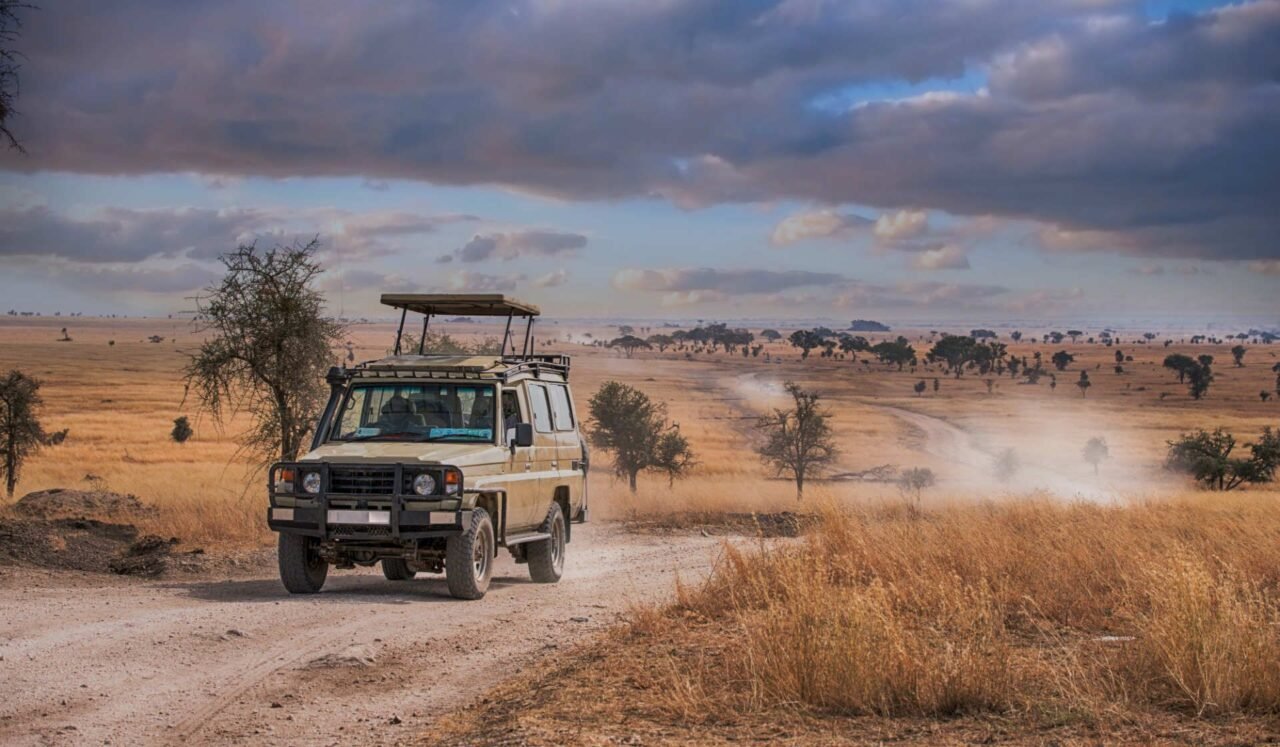

Internet and SIM Cards in Tanzania: Your Essential Connectivity Guide
Planning a trip to Tanzania, whether for an unforgettable safari adventure, a challenging Kilimanjaro trek, or a relaxing Zanzibar holiday, often brings up practical questions. Among the most common is how to stay connected. Understanding the options for Internet and SIM cards in Tanzania is key to a smooth and enjoyable travel experience in 2026 and 2027. This guide offers in-depth information to help you navigate connectivity, from arrival to departure.
Many travelers worry about being out of touch, unable to share photos, check maps, or contact loved ones. Fortunately, Tanzania has a developing but functional telecommunications infrastructure. While not as ubiquitous as in some Western countries, reliable internet and mobile services are available, especially in major towns, tourist hubs, and along popular routes. This guide will break down everything you need to know, from choosing a local SIM card to understanding Wi-Fi availability and managing data usage.
Quick Facts About Connectivity in Tanzania
| Aspect | Details |
|---|---|
| Primary Mobile Network Operators (MNOs) | Vodacom, Airtel, Tigo, Halotel |
| SIM Card Purchase Location | Airports (can be pricier), official stores, authorized vendors. |
| Required Documents for SIM | Passport copy, passport-sized photo, sometimes visa copy. |
| Typical Data Costs | Generally affordable, with various package sizes. |
| Wi-Fi Availability | Hotels, lodges, restaurants, cafes in urban areas and major tourist spots. |
| Internet Speed | Varies; can be slow in remote areas. 3G/4G is common where available. |
| International Roaming | Available but typically expensive. |
Why Staying Connected Matters in Tanzania
For many travelers in 2026-2027, being connected is more than just a convenience; it’s a vital part of their travel strategy. Here’s why thinking about Internet and SIM cards in Tanzania is important:
- Navigation and Safety: Offline maps are useful, but real-time updates or using ride-sharing apps in cities like Dar es Salaam or Arusha can be essential. In emergencies, having a working phone is critical.
- Sharing Experiences: Uploading photos and videos of your safari or sharing live updates with family and friends is a significant part of the modern travel experience.
- Logistics and Communication: Confirming hotel bookings, contacting your tour operator (like us!), checking flight statuses, or arranging meetups becomes much easier with local data.
- Information Access: Quick searches for local recommendations, translation apps, or checking weather forecasts can enhance your trip.
- Peace of Mind: Knowing you can reach out if needed provides a sense of security, especially when traveling in unfamiliar territory.
Understanding Your Options: Local SIM vs. International Roaming
When you land in Tanzania, you generally have two primary ways to get mobile service: using your home provider’s international roaming plan or purchasing a local SIM card.
International Roaming: The Convenient but Costly Choice
How it works: You simply turn on your phone, and if your provider has roaming agreements, you’ll connect to a local network. Your calls, texts, and data will be billed by your home provider, usually at premium rates.
Pros:
- Simplicity: No need to buy a new SIM or change settings immediately upon arrival. Your number stays the same.
- Immediate Access: You can often use your phone straight from the airport.
Cons:
- High Costs: Data roaming charges can be exorbitant. A few hours of browsing could cost more than a month’s worth of local data.
- Limited Data: Roaming data plans are often capped, and exceeding them incurs steep overage fees.
- Poor Value: You’re paying a premium for service that is often slower and less reliable than a local option.
Recommendation: International roaming is best avoided for extended use in Tanzania. It might be an option for a very short trip if you only need to make a few urgent calls, but for any significant data usage or communication, it’s not recommended for 2026-2027 travel.
Local SIM Card: The Smart and Affordable Choice
How it works: You purchase a SIM card from a local Tanzanian mobile network operator. This gives you a local Tanzanian phone number and allows you to buy affordable local call and data packages.
Pros:
- Cost-Effective: Local data is significantly cheaper than roaming. You can get substantial data bundles for a fraction of the cost.
- Good Coverage: Major operators have extensive networks, covering most populated areas and popular tourist destinations.
- Local Number: Useful for local bookings, communicating with guides, or if you need to be reachable by a local contact.
- Flexibility: You can choose data packages that suit your usage needs.
Cons:
- Initial Setup: Requires purchasing the SIM, registering it, and potentially visiting a shop.
- Coverage Gaps: In very remote national parks or off-the-beaten-path areas, signal can be weak or non-existent.
- Requires Unlocked Phone: Your mobile phone must be unlocked to accept a SIM card from a different carrier.
Recommendation: For most travelers planning a trip in 2026-2027, purchasing a local SIM card is the most practical and economical way to stay connected. It offers the best balance of cost, coverage, and usability.
Major Mobile Network Operators in Tanzania
Tanzania has several key players in the mobile telecommunications market. Understanding them can help you choose the best option for your needs.
1. Vodacom Tanzania
Vodacom is often considered the largest and most established mobile operator in Tanzania. They generally boast wide network coverage, particularly in urban centers and along major transport routes.
- Network: Strong 3G and 4G coverage in many areas.
- Reputation: Reliable service, extensive retail presence.
- Data Packages: Offers a variety of bundles for data, voice, and SMS.
2. Airtel Tanzania
Airtel is another major operator with a significant market share. They have been investing heavily in network expansion and often offer competitive pricing on their bundles.
- Network: Good coverage, also providing 3G and 4G in key locations.
- Reputation: Known for good value and frequent promotions.
- Data Packages: Diverse options, often with attractive deals.
3. Tigo Tanzania
Tigo is a strong contender, particularly in urban areas and with a focus on digital services. They often have competitive data offers.
- Network: Solid coverage, especially in populated regions.
- Reputation: Innovative services, good for data bundles.
- Data Packages: Offers various internet packages, sometimes with social media bundles.
4. Halotel
Halotel is a newer entrant but has rapidly expanded its network, particularly in more rural and underserved areas. They can be a good option if you’re heading to less frequented regions.
- Network: Growing coverage, often reaching areas other networks might miss.
- Reputation: Focus on affordability and expanding reach.
- Data Packages: Competitive pricing, especially for basic data needs.
Which to choose? For general tourist travel in 2026-2027, Vodacom and Airtel are often the safest bets due to their widespread coverage in popular tourist destinations like Arusha, Moshi, Serengeti, Ngorongoro, and Zanzibar. However, it’s worth checking recent user reviews or asking fellow travelers upon arrival for the most up-to-date information on local performance.
Purchasing a Local SIM Card in Tanzania
Getting a local SIM card is straightforward, but it requires a few steps and documentation. Planning for this upon arrival will save you time and hassle.
Where to Buy Your SIM Card
- Kilimanjaro International Airport (JRO) / Zanzibar Airport (ZNZ): You can often find kiosks or vendors selling SIM cards right after you clear immigration or in the arrivals hall. This is the most convenient option for immediate connectivity. However, prices might be slightly higher than in town.
- Official Operator Stores: In major cities like Dar es Salaam, Arusha, Moshi, and Stone Town (Zanzibar), you’ll find dedicated stores for Vodacom, Airtel, Tigo, and Halotel. These offer the best prices and a wider range of packages.
- Authorized Vendors: Smaller shops and kiosks in towns and along main roads often sell SIM cards and top-up vouchers. Ensure they are authorized dealers.
Required Documentation
Mobile operators in Tanzania are required by law to register all SIM cards. You will need to provide:
- Passport: A copy of your passport’s photo page is essential.
- Passport-Sized Photo: Some vendors may require a recent passport-sized photograph of yourself. If you don’t have one, you might find a photo booth nearby, or some shops can take a quick digital photo.
- Visa (Sometimes): Occasionally, proof of your visa might be requested.
- Personal Details: You’ll need to fill out a registration form with your name, address, and other contact information.
Tip for 2026-2027: Always carry a photocopy of your passport, just in case. The registration process usually takes 10-15 minutes. Your SIM card will be activated immediately after registration.
Activating Your SIM and Buying Data Bundles
Once your SIM card is registered and inserted into your phone:
- Check Balance: Dial a USSD code (e.g., *100# for Vodacom, *134# for Airtel) to check your balance and available services.
- Buy Data Bundles: You can usually purchase bundles via USSD codes or by purchasing a scratch card (top-up voucher) from any vendor and then dialing a code to load the credit, followed by another code to buy a bundle. The process is often explained by the vendor when you buy the SIM. Many operators also have mobile apps for managing your account and bundles.
- Internet Settings (APN): Your phone should automatically configure the APN settings for internet access. If not, you may need to manually enter them. The vendor can usually assist with this.
Example Data Packages: Operators offer daily, weekly, and monthly data bundles. For example, you might find packages ranging from 1GB for a few days to 20GB or more for a month, all at very reasonable prices. For a typical safari trip of 1-2 weeks in 2026-2027, a 5GB to 10GB bundle should be sufficient for moderate usage (social media, occasional browsing, messaging).
Internet Access in Safari Parks and Remote Areas
This is where connectivity becomes more challenging. While Tanzania’s national parks and game reserves are protected areas, meaning extensive infrastructure is intentionally limited, you can still find pockets of connectivity.
Coverage within Parks
- Major Lodges and Camps: Most tourist lodges and tented camps within or near national parks (e.g., Serengeti, Ngorongoro Crater, Tarangire, Manyara) offer Wi-Fi. This is often provided in common areas like the dining tent or lounge, and sometimes in individual rooms.
- Quality of Wi-Fi: Be prepared for variable speeds. In remote locations, satellite internet is often used, which can be slower and less stable than ground-based connections. It’s usually sufficient for checking emails, messaging, and light browsing, but not ideal for large uploads or video calls.
- Mobile Signal: Mobile network coverage within parks is sporadic. You might find a signal on high ground or near park ranger posts, but don’t rely on it for consistent communication. Some operators might have better coverage in specific parks than others, but this can change.
Staying Connected on Safari
- Download Offline Maps: Essential for navigation apps like Google Maps or Maps.me. Download the Tanzania map before you leave your accommodation with good Wi-Fi.
- Utilize Lodge Wi-Fi: Plan to do your heavy internet tasks (like uploading photos) when you have access to reliable Wi-Fi at your lodge in the evenings.
- Inform Your Operator: If you’re going on an extended safari, consider purchasing a larger data bundle before you enter the park.
- Communicate with Your Guide: Your safari guide will be your primary point of contact. They are experienced in navigating and communicating within the parks and can assist with any urgent needs.
Wi-Fi Availability Beyond Safari
Outside of the national parks, finding Wi-Fi is generally much easier.
- Hotels and Guesthouses: Most hotels, guesthouses, and even many mid-range accommodations in towns and tourist centers offer free Wi-Fi.
- Restaurants and Cafes: Many restaurants, cafes, and bars in cities and popular tourist towns provide Wi-Fi for their patrons.
- Public Wi-Fi Hotspots: Some cities have public Wi-Fi zones, though these are less common and can be unreliable.
Tip: Always ask for the Wi-Fi password. Speeds can vary greatly, so don’t expect lightning-fast connections everywhere.
Internet and SIM Cards for Kilimanjaro Trekkers
Trekking Mount Kilimanjaro presents unique connectivity challenges. The higher you ascend, the less likely you are to have a signal.
Coverage on Kilimanjaro
- Base Camps and Lower Slopes: You might get a signal on the first day or two of your trek, especially on routes like Marangu or Machame when you are at lower altitudes and closer to populated areas.
- Higher Altitudes: Above 3,000 meters (approx. 10,000 feet), mobile phone signals become extremely rare, and by the summit (Uhuru Peak), there is virtually no signal from any operator.
- Emergency Communication: Trekking companies are equipped with satellite phones or radios for emergencies. Your guides will have access to these.
Staying Connected During a Climb
- Pre-Climb: Ensure you have purchased and activated your SIM card and loaded sufficient data before you start your trek.
- Communicate Before Departure: Inform your family and friends about your expected communication blackout periods.
- Emergency Contact: Provide your trekking company’s emergency contact details to your loved ones.
- Post-Trek: You’ll regain signal as you descend, typically by the second or third day of descent, depending on the route.
Note for 2026-2027: While some operators might claim coverage at certain points on the mountain, it’s highly unreliable. Do not plan to use your phone for communication or data while on the higher slopes of Kilimanjaro.
Internet and SIM Cards in Zanzibar
Zanzibar, being a semi-autonomous archipelago, has good connectivity, especially in Stone Town and the popular beach resort areas.
- Stone Town: Excellent Wi-Fi availability in hotels, cafes, and restaurants. Mobile signal is strong.
- Beach Resorts: Most hotels and resorts along the coast (Nungwi, Kendwa, Paje, Jambiani, etc.) offer Wi-Fi. Speeds can vary but are generally decent.
- Local SIMs: Purchasing a local SIM card (Vodacom, Airtel, Tigo) is highly recommended for ease of communication, using ride-sharing apps, or staying in touch while exploring the island.
- Coverage: Mobile coverage is good across most of the main island, though it may weaken in more remote interior villages or smaller, less populated islands.
Planning Your Connectivity for 2026-2027
Proactive planning is key to ensuring you have the Internet and SIM cards in Tanzania sorted before and during your trip.
Pre-Trip Checklist
| Task | Completed (✓) | Notes |
|---|---|---|
| Check phone compatibility and unlock status. | Ensure your phone is unlocked for international SIMs. | |
| Research Tanzania’s mobile operators and coverage. | Vodacom, Airtel are generally reliable. | |
| Prepare necessary documents for SIM registration. | Passport copy, passport photo. | |
| Download offline maps for key areas. | Google Maps, Maps.me. | |
| Inform your bank about travel dates (if using phone for banking apps). | Avoid account freezes. | |
| Advise family/friends on your expected connectivity. | Set expectations for response times. | |
| Consider purchasing a portable power bank. | Essential for long safari days or treks. |
Connectivity Strategy Based on Your Itinerary
Your travel plans will dictate your connectivity needs. Here are some common scenarios for 2026-2027:
Scenario 1: Safari Focused (e.g., Serengeti, Ngorongoro, Tarangire)
- Priority: Staying connected during transit and in lodges.
- Recommendation: Purchase a local SIM at the airport or in Arusha/Moshi. Get a medium-to-large data bundle (10-20GB for a 10-day trip). Rely on lodge Wi-Fi for heavier usage. Download offline maps.
Scenario 2: Kilimanjaro Trekking + Safari
- Priority: Communication before and after the trek, and during safari portions.
- Recommendation: Get a local SIM with a generous data bundle for the safari parts. Understand that connectivity will be non-existent on the mountain. Ensure your trekking company has emergency communication.
Scenario 3: Zanzibar Holiday + Mainland Visit
- Priority: Beach connectivity, local transport, and communication in towns.
- Recommendation: A local SIM with a good data package is ideal for both Zanzibar and the mainland. Coverage is generally good in both areas.
Scenario 4: Short Trip / Business
- Priority: Essential communication and limited browsing.
- Recommendation: A local SIM with a smaller data bundle (3-5GB) might suffice. Consider purchasing at an official store for better pricing.
Common Mistakes to Avoid
To ensure a smooth experience with Internet and SIM cards in Tanzania, be aware of these common pitfalls:
- Relying Solely on Roaming: This is the most frequent and costly mistake. The fees can be astronomical.
- Not Unlocking Your Phone: If your phone is locked to your home carrier, you won’t be able to use a local SIM. Check this well before your trip.
- Buying SIMs from Unofficial Sources: You might overpay or get a SIM that isn’t properly registered, leading to potential issues. Stick to official stores or reputable vendors.
- Forgetting Documentation: Not having your passport copy or a photo can delay SIM activation.
- Assuming Constant Signal in Parks: While Wi-Fi is common in lodges, mobile signal within parks is unreliable. Manage your expectations and download offline resources.
- Not Buying Enough Data: It’s better to have a bit extra than run out, especially if you’re in a remote area with limited top-up options.
- Not Testing Your SIM: After activation, test your internet and make a call to ensure everything is working before you head out to remote areas.
Who is This Guide For?
This comprehensive guide on Internet and SIM cards in Tanzania is designed for a wide range of travelers planning trips in 2026-2027:
- First-time visitors to Tanzania: Those unfamiliar with the local telecommunications landscape.
- Safari-goers: Travelers heading to national parks like Serengeti, Ngorongoro, and Tarangire, who need to understand lodge Wi-Fi and mobile signal limitations.
- Kilimanjaro trekkers: Climbers who need to know about connectivity during their ascent and descent.
- Zanzibar vacationers: Visitors looking for easy ways to stay connected on the island.
- Budget travelers: Those seeking the most economical way to access mobile data and calls.
- Independent travelers: Individuals who prefer to manage their own communication needs.
- Tourists who want to share their journey: Anyone who wants to post photos, videos, and stay in touch with loved ones back home.
Alternatives to a Local SIM Card
While a local SIM is usually the best option, here are a few alternatives to consider, though they often come with their own limitations for a Tanzania trip:
- Portable Wi-Fi Hotspots (Mi-Fi): These devices create a personal Wi-Fi network using a local SIM card. You can buy them in some countries, but they might be more expensive and less common to rent in Tanzania. If you already own one, you could put a local SIM in it.
- eSIMs: Some newer phones support eSIM technology, which allows you to download a SIM profile digitally. While popular for many destinations, eSIM availability and local data packages for Tanzania might be limited or more expensive compared to physical SIMs from major operators. Check providers like Airalo or Holafly, but verify coverage and pricing specifically for Tanzania for your 2026-2027 travel dates.
- Using Lodge/Hotel Wi-Fi Only: This is feasible if your itinerary involves staying in accommodations with reliable Wi-Fi for the majority of your trip and you don’t need constant mobile access. However, it limits your ability to use navigation apps on the go or communicate outside of Wi-Fi zones.
A Sample Connectivity Plan for a 10-Day Tanzania Safari (2026-2027)
This plan focuses on a typical safari itinerary covering Arusha, Tarangire, Lake Manyara, Serengeti, and Ngorongoro Crater.
| Day | Location | Connectivity Strategy | Notes |
|---|---|---|---|
| 1 | Arrival at JRO, Transfer to Arusha | Purchase local SIM (e.g., Vodacom/Airtel) at JRO. Get a 10-15GB data bundle. Test phone. | Ensure immediate connection for transfer confirmation and hotel check-in. |
| 2 | Arusha / Tarangire National Park | Use SIM data for navigation, communication. Check hotel Wi-Fi. | Arusha has good signal. Tarangire may have intermittent mobile signal; rely on lodge Wi-Fi. |
| 3 | Tarangire / Lake Manyara | Continue using SIM data. Utilize lodge Wi-Fi in evenings. | Focus on enjoying the wildlife. Minimal essential communication. |
| 4-6 | Serengeti National Park | Highly dependent on lodge Wi-Fi. Mobile signal is very limited. Use downloaded offline maps. | Plan to upload photos/videos during evenings at the lodge. Inform family of potential delays. |
| 7 | Ngorongoro Conservation Area | Similar to Serengeti. Limited mobile signal. Lodge Wi-Fi. | Enjoy the unique crater ecosystem. |
| 8 | Arusha | Return to Arusha. Use SIM data for city exploration, shopping, and communication. | Catch up on messages, browse local information. |
| 9 | Day trip from Arusha (optional) or relax | Use SIM data as needed. | Flexible day. |
| 10 | Departure from JRO | Ensure SIM is still active for airport transfer communication if needed. | Easy departure. |
Tips for Using Your Phone Safely
While generally safe, Tanzania is still a place where you should be mindful of your belongings.
- Be Discreet: Avoid flashing expensive phones or tablets in crowded public places, especially in cities.
- Secure Your Device: Keep your phone in a secure pocket or bag when not in use.
- Be Aware of Surroundings: Especially when using your phone on the street or in markets.
- Use Reputable Wi-Fi: Be cautious when connecting to public Wi-Fi networks, especially for sensitive transactions.
- Guard Your SIM PIN: Keep your SIM PIN code secure.
Booking Your Tanzania Trip: Connectivity Considerations
When booking your safari, Kilimanjaro trek, or Zanzibar holiday with a tour operator like us, connectivity is something we can help you plan for.
What we provide:
- Pre-trip Advice: We offer guidance on the best SIM card options and where to get them based on your itinerary and arrival point.
- Emergency Contact: We provide reliable 24/7 emergency contact numbers for our operations team.
- Logistical Support: We use communication channels to coordinate your transfers, guides, and accommodation, ensuring a smooth experience.
What you should do:
- Inform us of your communication needs: Let us know if you have specific requirements for staying connected.
- Provide accurate contact details: Ensure we have your primary contact number (which will be your local Tanzanian number once you get it) and a reliable email address.
We understand that staying connected is important for your peace of mind and for sharing your incredible experiences. We are here to help you navigate these practicalities so you can focus on enjoying the magic of Tanzania.
Frequently Asked Questions (FAQs)
Q1: Can I use my international SIM card in Tanzania?
A: Yes, you can use your international SIM card if your phone supports roaming with Tanzanian networks. However, this is generally very expensive for data. Purchasing a local Tanzanian SIM card is far more economical for data and local calls.
Q2: How much does a local SIM card cost in Tanzania?
A: The SIM card itself is usually very cheap, often just a few dollars. The main cost comes from purchasing data bundles, which are also very affordable. For example, you can get several gigabytes of data for less than $10-$20 USD.
Q3: Do I need to register my SIM card?
A: Yes, all SIM cards purchased in Tanzania must be registered with your personal details and a copy of your passport. This is a legal requirement.
Q4: What is the best mobile network operator for safaris in 2026-2027?
A: Vodacom and Airtel generally offer the most extensive coverage in popular safari areas and along main routes. However, signal can still be intermittent within the parks themselves. Lodge Wi-Fi is often more reliable for consistent internet access during safaris.
Q5: How can I top up my data if I run out?
A: You can purchase top-up scratch cards (for airtime and data) from numerous vendors in towns and even at some lodges. You then dial a specific code to load the credit and buy your desired bundle. Many operators also have mobile apps or USSD codes for easy top-ups.
Q6: Is it safe to use public Wi-Fi in Tanzania?
A: Public Wi-Fi is available in many hotels, cafes, and restaurants. While generally safe for casual browsing, it’s advisable to avoid accessing sensitive information like online banking or entering passwords on unsecured public networks. Use a VPN if you’re concerned.
Q7: Will my phone work in Tanzania?
A: Most modern smartphones will work in Tanzania, provided they are unlocked and support the GSM/3G/4G frequency bands used locally. Tanzania primarily uses 900/2100 MHz for 3G and 700/1800/2100 MHz for 4G. It’s always best to check your phone’s specifications.
Q8: Can I get a SIM card for my trip in 2027?
A: Absolutely. The process for obtaining Internet and SIM cards in Tanzania is consistent. Purchasing a local SIM upon arrival is recommended for your 2027 travels, following the same procedures outlined in this guide.
Q9: How much data do I need for a 2-week trip?
A: For moderate usage (messaging, social media updates, occasional browsing), 10-15 GB should be sufficient for a 2-week trip in 2026-2027. If you plan to upload many large photos or videos daily, you might need more.
Ready to Plan Your Tanzania Adventure?
Staying connected is an important part of modern travel, and understanding your options for Internet and SIM cards in Tanzania will ensure you can share your journey and manage your communications with ease. Whether you’re tracking the Great Migration, conquering Kilimanjaro, or relaxing on Zanzibar’s beaches, we’re here to help make your trip unforgettable.
For personalized safari packages, Kilimanjaro treks, Zanzibar holidays, or custom itineraries for 2026-2027, don’t hesitate to reach out. Our expert team is ready to assist you with every detail of your dream Tanzanian adventure.
Contact us today:
- WhatsApp: +255747477898
- Email: climb4africa@gmail.com
- Backup Email: climb4africa@gmail.com
Let us help you plan a seamless and incredible experience in Tanzania!
Plan your Internet and SIM Cards in Tanzania with Climb 4 Africa
Tell us your travel dates, group size, comfort level, and dream experience. We will help you shape a clear, realistic, and memorable Tanzania itinerary.



