
An Ibanda-Kyerwa Birdwatching Safari in Tanzania offers an exceptional opportunity to observe a vast array of avian species within a relatively underexplored and pristine ecosystem. This safari is designed for dedicated bird enthusiasts aiming to witness unique and migratory birds in their natural habitat, particularly focusing on the rich birdlife found in the Ibanda-Kyerwa area, often combined with nearby conservation regions. Planning for 2026-2027 allows for early booking of prime seasons, ensuring access to lodges and expert guides for an immersive experience.

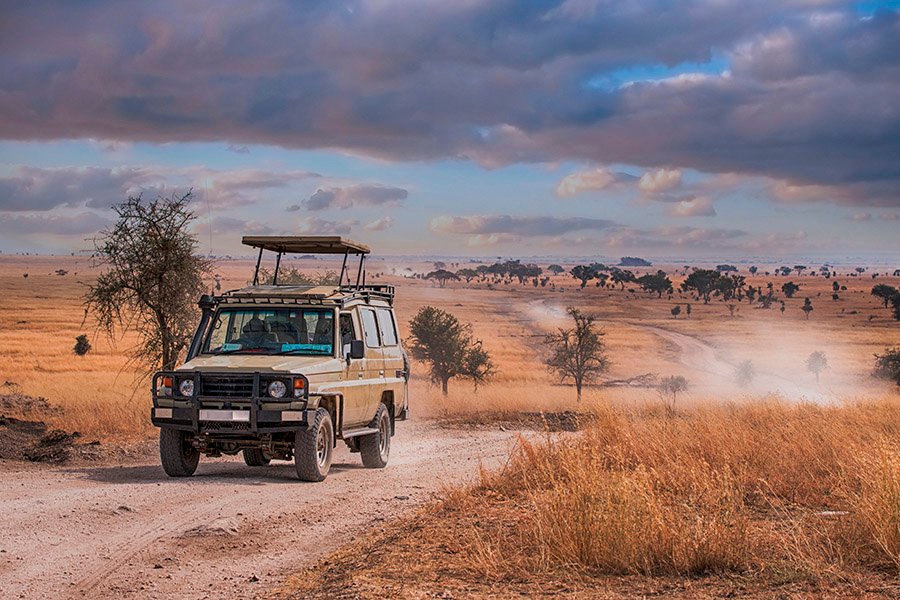
Understanding Ibanda-Kyerwa: A Birdwatcher’s Paradise
Tanzania is globally renowned for its spectacular wildlife safaris, but beyond the iconic ‘Big Five,’ lies a vibrant world of feathered creatures. The Ibanda-Kyerwa ecosystem, situated in the northwestern part of Tanzania, represents a significant, yet often overlooked, destination for serious birdwatchers. This region, encompassing parts of the Kagera River basin and extending towards Lake Victoria, boasts a diverse range of habitats – from woodland savannas and riverine forests to papyrus swamps and open grasslands. This ecological variety creates a haven for an astonishing number of bird species, making an Ibanda-Kyerwa Birdwatching Safari a must for any avid ornithologist or nature photographer.
Unlike the more famous northern circuit parks such as the Serengeti or Ngorongoro, Ibanda-Kyerwa offers a more intimate and less crowded birding experience. This allows for closer observation and a deeper connection with the environment. The area is particularly noted for its significant populations of waterbirds, forest birds, and savanna species, many of which are endemic or have restricted ranges. For travelers planning their trips for 2026-2027, understanding the nuances of this destination is key to a successful and rewarding birdwatching adventure.
The Unique Appeal of Ibanda-Kyerwa for Avian Enthusiasts
What sets Ibanda-Kyerwa apart is its ecological richness coupled with its relative remoteness. This combination means that species often found here are not as commonly encountered on standard safari routes. The area is a critical habitat for several species that are of particular interest to birders, including:
- Raptors: The open savannas and woodlands support a variety of eagles, buzzards, and falcons.
- Waterbirds: Proximity to the Kagera River and various wetlands means abundant sightings of herons, egrets, kingfishers, and numerous waders.
- Forest Dwellers: Patches of woodland and riverine forest are home to elusive species like turacos, hornbills, and various passerines.
- Endemics and Specialties: The region is known for specific species that are harder to find elsewhere in Tanzania.
A dedicated Ibanda-Kyerwa Birdwatching Safari is not just about ticking off species; it’s about experiencing the intricate web of life in a landscape that feels truly wild and untouched. The planning for 2026-2027 should focus on maximizing birding opportunities by timing the visit correctly and selecting accommodations that offer easy access to prime birding locations.
Key Bird Species to Look For in Ibanda-Kyerwa
The sheer diversity of birdlife in Ibanda-Kyerwa is staggering, with estimates suggesting over 400 species can be found in the broader region. While a comprehensive list would be extensive, certain species stand out as highlights for any birdwatching safari. These are birds that birders specifically seek out, often due to their rarity, beauty, or unique behaviors.
Iconic and Sought-After Species
When embarking on an Ibanda-Kyerwa Birdwatching Safari, keep your binoculars ready for these remarkable avian residents:
- African Fish Eagle (Haliaeetus vocifer): While widespread, its majestic presence and iconic call over water bodies are always a thrill.
- Malachite Kingfisher (Alcedo cristata): A tiny jewel, this vibrant kingfisher is a delight to spot along riverbanks.
- Giant Kingfisher (Megaceryle maxima): The largest of Africa’s kingfishers, often seen perched on branches over larger rivers.
- Ross’s Turaco (Musophaga rossae): Known for its striking purple and green plumage, this shy forest dweller is a major prize.
- Schalow’s Turaco (Tauraco schalowi): Another beautiful turaco species, often found in denser woodlands.
- Crested Barbet (Trachyphonus vaillantii): A common yet strikingly colored bird, known for its melodious calls.
- White-browed Coucal (Centropus superciliosus): Often heard before it’s seen, this cuckoo relative is typical of bushy savannas.
- African Cuckoo-Hawk (Aviceda cuculoides): A specialized raptor that preys on insects and small vertebrates, often found in woodlands.
- Pennant-winged Nightjar (Macrodipteryx vexillarius): During the breeding season (typically around July-September), the males display spectacular wing plumes, a truly unique sight.
- Papyrus Gonolek (Laniarius niloticus): A striking black and yellow bird found in papyrus swamps, a habitat characteristic of the broader Kagera region.
- Fulleborn’s Longclaw (Macronyx fuelleborni): Often found in grasslands, this ground-dwelling bird is a treat to observe.
- Various Weavers and Bishops: The diversity of weaver species, with their intricate nests, is a spectacle in itself.
Migratory Birds and Seasonal Visitors
The birdlife in Ibanda-Kyerwa is further enriched by the presence of migratory species. European and other Palearctic migrants typically arrive during the northern hemisphere’s winter (roughly October to April), augmenting the resident populations. This makes the period from late 2026 through early 2027 particularly exciting for birdwatchers looking for a broader species list.
During the wet seasons, various species might be more active and visible due to breeding activities or the availability of food. Understanding these seasonal patterns is crucial for planning an effective Ibanda-Kyerwa Birdwatching Safari.
Best Time to Visit for Birdwatching in Ibanda-Kyerwa
Timing is paramount for any birdwatching expedition. The ‘best’ time for an Ibanda-Kyerwa Birdwatching Safari depends on what you aim to see – resident species, breeding birds, or migratory visitors. Tanzania experiences distinct wet and dry seasons, which significantly influence bird behavior and visibility.
Understanding Tanzania’s Seasons and Bird Activity
Tanzania generally has two main seasons:
- The Dry Season (June to October): This period is characterized by less rainfall, making travel easier and wildlife more concentrated around water sources. For birdwatching, this can mean good visibility as vegetation is less dense. However, some resident birds might be less vocal.
- The Wet Season (November to May): This season is further divided into the short rains (vuli) and the long rains (masika). The landscape becomes lush and green, and many birds are in their breeding plumage and are highly vocal, making it an excellent time for birding, especially for resident species. However, some areas might become less accessible due to heavy rains.
Optimal Birding Windows for Ibanda-Kyerwa
For an Ibanda-Kyerwa Birdwatching Safari, consider these periods:
- November to March: This period overlaps with the arrival of European migrants and the start of the breeding season for many resident birds. The landscape is greening up after the short rains, and bird activity is generally high. This is often considered the prime time for birdwatching in many parts of Tanzania, including Ibanda-Kyerwa. Planning for late 2026 through early 2027 would fall within this window.
- June to October: While drier, this period offers excellent visibility as vegetation thins out. It’s also a good time for observing raptors and waterbirds that may congregate around remaining water sources. Some resident species are still active, and the landscape is less overgrown, making it easier to spot birds.
It’s important to note that birding is rewarding year-round. However, to maximize sightings and witness breeding behaviors or migratory species, targeting the transition periods between seasons or the early wet season often yields the best results. For travelers planning for 2026-2027, booking a trip between November and March is highly recommended for the most diverse avian encounters.
Planning Your Ibanda-Kyerwa Birdwatching Safari
A successful Ibanda-Kyerwa Birdwatching Safari requires careful planning, especially given the destination’s unique characteristics. Climb 4 Africa specializes in crafting bespoke birding itineraries that cater to the specific needs of ornithologists and birdwatching enthusiasts.
Choosing the Right Itinerary and Duration
The duration of your safari will depend on your birding goals. For a comprehensive experience, a minimum of 5-7 days dedicated solely to the Ibanda-Kyerwa region is advisable. This allows ample time to explore different habitats and increase your species count. Longer trips, perhaps combining Ibanda-Kyerwa with other birding hotspots in Tanzania like Lake Victoria’s shores or even the Usambara Mountains, can extend your sightings significantly.
When planning for 2026-2027, consider:
- Dedicated Birding Days: Ensure your itinerary includes full days focused purely on birdwatching, with early morning and late afternoon excursions when birds are most active.
- Habitat Exploration: Plan to visit diverse habitats within Ibanda-Kyerwa, such as riverine forests, open savannas, and wetland areas, as different species occupy different niches.
- Expert Guides: Opt for tours that provide experienced bird guides who possess intimate knowledge of the local avifauna, their calls, and their preferred locations.
Essential Gear for Birdwatchers
Packing the right equipment can significantly enhance your birdwatching experience. For your Ibanda-Kyerwa Birdwatching Safari, consider:
- Binoculars: High-quality, waterproof binoculars (e.g., 8×42 or 10×42) are indispensable.
- Spotting Scope: For observing distant birds, especially waterfowl or raptors.
- Field Guides: A good field guide to the birds of East Africa is crucial for identification.
- Camera: With a good telephoto lens for wildlife photography.
- Notebook and Pen: To record your sightings, including date, location, and behavior.
- Appropriate Clothing: Neutral-colored, lightweight, and breathable clothing. Long sleeves and trousers are recommended for sun and insect protection.
- Comfortable Footwear: Sturdy walking shoes or hiking boots for any walking safaris.
Accommodation Options
Accommodation options in and around Ibanda-Kyerwa are generally more rustic and focused on eco-tourism compared to the luxury lodges found in prime national parks. This can range from basic tented camps to more comfortable lodges that provide a good base for birding excursions. Booking well in advance, especially for 2026-2027 travel during peak birding seasons, is essential.
Climb 4 Africa can arrange stays in lodges and camps that are strategically located to maximize birdwatching opportunities, often offering guided walks and excursions directly from the property. We understand the importance of proximity to prime birding spots for an effective Ibanda-Kyerwa Birdwatching Safari.
Combining Ibanda-Kyerwa with Other Tanzanian Destinations
While Ibanda-Kyerwa offers a unique birding experience, it can be even more rewarding when combined with other birding or wildlife destinations in Tanzania. This allows for a broader understanding of Tanzania’s incredible biodiversity.
Lake Victoria and Surrounding Areas
The shores of Lake Victoria, particularly areas like Speke Gulf or Rubondo Island National Park (though further afield), are renowned for their rich birdlife, including many water-associated species. Combining an Ibanda-Kyerwa Birdwatching Safari with a visit to the Lake Victoria region can significantly boost your species list, particularly for waterbirds, weavers, and endemic species like the Red-chested Sunbird.
The Serengeti and Ngorongoro Conservation Area
While famous for large mammals, the northern circuit parks also host a substantial number of bird species. Including a few days in the Serengeti or Ngorongoro can add iconic species like the Kori Bustard, Secretarybird, and various eagles to your checklist. These parks offer a different ecosystem and birding experience, complementing the specific focus of Ibanda-Kyerwa.
Arusha National Park
For travelers starting or ending their safari in Arusha, Arusha National Park is a convenient addition. It offers diverse habitats, from montane forest to alkaline lakes, and is a good place to spot species like the Bar-tailed Trogon, Narina’s Trogon, and various hornbills. It serves as an excellent introduction or conclusion to a Tanzanian birding trip.
When planning your 2026-2027 safari, we can help you craft a multi-destination itinerary that balances your birdwatching interests with classic wildlife viewing. For example, a 14-day trip could include:
Sample 14-Day Tanzania Birding Itinerary (Conceptual for 2026-2027)
| Day | Location | Focus | Activities |
|---|---|---|---|
| 1 | Arusha | Arrival & Acclimatization | Airport transfer, overnight in Arusha. |
| 2-3 | Arusha National Park | Montane Forest & Lake Birds | Guided walks, game drives. Species: Narina’s Trogon, Bar-tailed Trogon, African Emerald Cuckoo. |
| 4-7 | Ibanda-Kyerwa Region | Woodlands, Savanna & Riverine Birds | Dedicated birding drives and walks. Species: Ross’s Turaco, African Fish Eagle, Pennant-winged Nightjar (seasonal). |
| 8-10 | Lake Victoria Area (e.g., Speke Gulf) | Waterbirds & Lakeside Species | Boat trips, shore walks. Species: Papyrus Gonolek, African Jacana, various herons and egrets. |
| 11-13 | Serengeti National Park | Classic Wildlife & Birding | Game drives focusing on iconic species and raptors. Species: Kori Bustard, Secretarybird, Martial Eagle. |
| 14 | Arusha / Departure | Departure | Transfer to Kilimanjaro International Airport (JRO). |
This is a sample structure, and an Ibanda-Kyerwa Birdwatching Safari can be customized to your specific interests and available time. For 2026-2027, booking early ensures availability for such detailed itineraries.
Challenges and Considerations for Birdwatching in Ibanda-Kyerwa
While Ibanda-Kyerwa is a birding gem, it’s important to be aware of potential challenges. Being a less developed tourist destination means infrastructure might be simpler than in major parks.
Accessibility and Infrastructure
Getting to Ibanda-Kyerwa can involve longer drives, often on unpaved roads. This is part of what keeps the area pristine but requires a sturdy 4×4 safari vehicle and an experienced driver. Accommodations may be more basic, focusing on a genuine wilderness experience rather than luxury amenities. For travelers seeking comfort, we can explore options that balance accessibility with your preferences.
Health and Safety
As with any safari in Tanzania, it’s crucial to take health precautions. Consult your doctor regarding vaccinations and malaria prophylaxis well in advance of your 2026-2027 trip. While wildlife encounters are managed by experienced guides, maintaining a safe distance from animals and following guide instructions is paramount.
Environmental Sensitivity
Birdwatching, especially in sensitive ecosystems like Ibanda-Kyerwa, requires a commitment to responsible tourism. This includes minimizing your impact on the environment, respecting wildlife, and supporting local communities. Climb 4 Africa is committed to sustainable tourism practices.
Why Choose Climb 4 Africa for Your Ibanda-Kyerwa Birdwatching Safari?
Climb 4 Africa is a Tanzanian-based tour operator with deep roots and extensive knowledge of the country’s natural wonders. We pride ourselves on creating personalized safari experiences that go beyond the ordinary.
Our Expertise in Birding Tours
Our team includes passionate guides who are not only skilled drivers but also knowledgeable ornithologists or birding enthusiasts. They understand the specific needs of birdwatchers, from identifying subtle plumage differences to knowing the best times and locations for specific species. We can tailor an Ibanda-Kyerwa Birdwatching Safari to match your desired pace, focus, and species list.
Customizing Your 2026-2027 Birding Adventure
Whether you are planning for 2026 or 2027, we can help you design the perfect itinerary. We offer:
- Personalized Itineraries: Crafted to your specific birding interests, duration, and budget.
- Expert Bird Guides: Knowledgeable local guides who enhance your sighting opportunities.
- Quality Accommodation: Carefully selected lodges and camps that provide comfort and proximity to birding hotspots.
- Reliable Logistics: Ensuring smooth transportation and smooth travel arrangements.
- Sustainable Tourism: Committed to practices that benefit conservation and local communities.
Ready to Plan Your Ibanda-Kyerwa Birdwatching Safari?
Don’t miss the chance to experience one of Tanzania’s hidden avian treasures. For detailed information, custom itinerary planning, and booking for your Ibanda-Kyerwa Birdwatching Safari in 2026-2027, get in touch with our expert team today. We are here to make your dream birding adventure a reality.
Contact us via WhatsApp: +255747477898
Email: climb4africa@gmail.com or climb4africa@gmail.com
Let Climb 4 Africa guide you through the spectacular birdlife of Tanzania!
Frequently Asked Questions about Ibanda-Kyerwa Birdwatching
Here are some common questions travellers have about planning a birdwatching safari to Ibanda-Kyerwa.
Q1: Is Ibanda-Kyerwa a well-known birding destination?
A1: While not as famous as some of Tanzania’s major national parks for general tourism, Ibanda-Kyerwa is gaining recognition among dedicated birdwatchers for its rich and diverse avian population. It offers a more secluded and authentic birding experience.
Q2: What are the main types of habitats found in Ibanda-Kyerwa?
A2: The region features a mosaic of habitats including open savannas, acacia woodlands, riverine forests along the Kagera River, and papyrus swamps, which support a wide array of bird species adapted to these environments.
Q3: Can I combine birdwatching in Ibanda-Kyerwa with other activities like game drives?
A3: Absolutely. While the focus is birdwatching, you can certainly incorporate general game drives to see mammals. Many birding activities, such as early morning walks or drives, also provide opportunities to spot larger wildlife.
Q4: What is the typical cost of an Ibanda-Kyerwa Birdwatching Safari?
A4: The cost varies significantly based on the duration, accommodation level (budget, mid-range, luxury), and whether it’s a private or group safari. Generally, a dedicated birding safari might be slightly more expensive due to the need for specialized guides and potentially longer travel times to remote areas. For a 2026-2027 estimate, expect prices to range from approximately $250 – $600+ per person per day, excluding international flights, depending on the factors mentioned. We recommend contacting us for a personalized quote.
Q5: What is the best way to spot birds in Ibanda-Kyerwa?
A5: Early mornings and late afternoons are the most active times for birds. Utilizing experienced bird guides is crucial, as they know the calls, habitats, and behaviors of local species. Walking safaris, where permitted and safe, also offer excellent birding opportunities.
Q6: Are there specific permits required for birdwatching in Ibanda-Kyerwa?
A6: Entry to protected areas typically requires park fees. These are usually managed by the tour operator as part of the overall safari package. Your guide will ensure all necessary permits and fees are handled.
Q7: What kind of accommodations can I expect in the Ibanda-Kyerwa area?
A7: Accommodation ranges from basic tented camps offering a true wilderness feel to more established lodges. These are chosen for their location and accessibility to birding sites. For 2026-2027 planning, it’s wise to book these unique stays well in advance.
Q8: How does birding in Ibanda-Kyerwa compare to other Tanzanian birding spots?
A8: Ibanda-Kyerwa offers a more niche, less crowded experience focused on woodland, savanna, and riverine species, including some harder-to-find birds. It contrasts with the wetland-heavy birding of Lake Victoria or the montane species found in areas like the Usambaras or Arusha National Park. It’s an excellent addition to a broader Tanzanian birding tour.
Q9: What is the best time of year for migratory birds in Ibanda-Kyerwa?
A9: Migratory birds, primarily from Europe, are typically present from around November to April. This period, especially overlapping with the breeding season for resident birds, offers the highest diversity of avian life.
Q10: How far in advance should I book my Ibanda-Kyerwa Birdwatching Safari for 2026-2027?
A10: For popular seasons or specific accommodation preferences, booking 6-12 months in advance is highly recommended, especially for 2026-2027 travel. This ensures availability and allows us to arrange the best guides and logistics for your unique birding adventure.
Check Availability for Ibanda-Kyerwa Birdwatching Safari Guide
Ready to compare dates, prices, and the best option for your group? Send the package name and travel month so the team can reply with a clear quote, availability, and what is included.
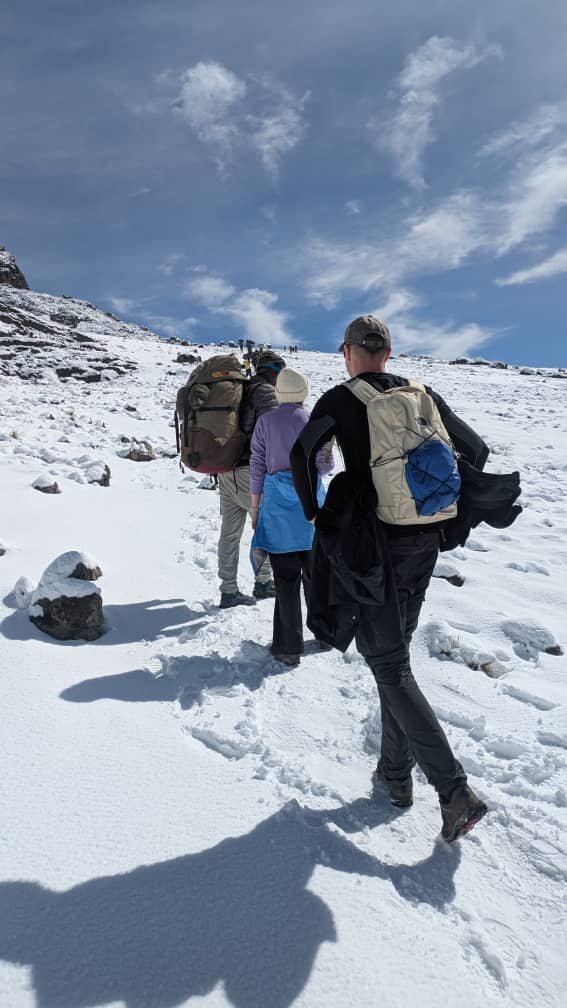
September Kilimanjaro And Serengeti Migration Safari : Your Ultimate Guide
Combining a Kilimanjaro climb with a Serengeti Migration safari in September offers unparalleled wildlife viewing and trekking opportunities. This guide details the best of both experiences...
View package details
August Kilimanjaro Climb With River-Crossing Safari: Your Ultimate Tanzania
Combine the challenge of climbing Mount Kilimanjaro in August with the thrill of witnessing the Great Migration river crossings on a safari. This guide covers itineraries, routes, packing...
View package details
August Kilimanjaro And Migration Safari: Your Ultimate Tanzania Adventure
Combine a Kilimanjaro trek with witnessing the Great Migration in August for an unforgettable Tanzania adventure. This guide covers everything you need to know for your 2026-2027 trip.
View package details
July Kilimanjaro Climb With Northern Serengeti Safari In 2026-2027
Combine the challenge of climbing Mount Kilimanjaro with the unparalleled wildlife spectacle of a Northern Serengeti safari during July. This guide details everything you need to know for...
View package details
July Kilimanjaro And Great Migration Safari: Expert Guide 2026-2027
Combine a Kilimanjaro ascent with witnessing the Great Migration in Tanzania during July. This guide covers everything from optimal routes and safari lodges to packing lists and essential...
View package detailsJune Kilimanjaro Climb After A Safari: Your Ultimate Guide 2026-2027
Combining a Tanzania safari with a Kilimanjaro climb in June is an unforgettable adventure. This guide covers everything you need to know for a successful 2026-2027 trip, from weather...
View package details
June Kilimanjaro Climb Before A Tanzania Safari In 2026-2027
Combining a Mount Kilimanjaro climb with a Tanzania safari is a dream for many adventurers. June offers excellent conditions for both, making it a prime month to experience these iconic...
View package details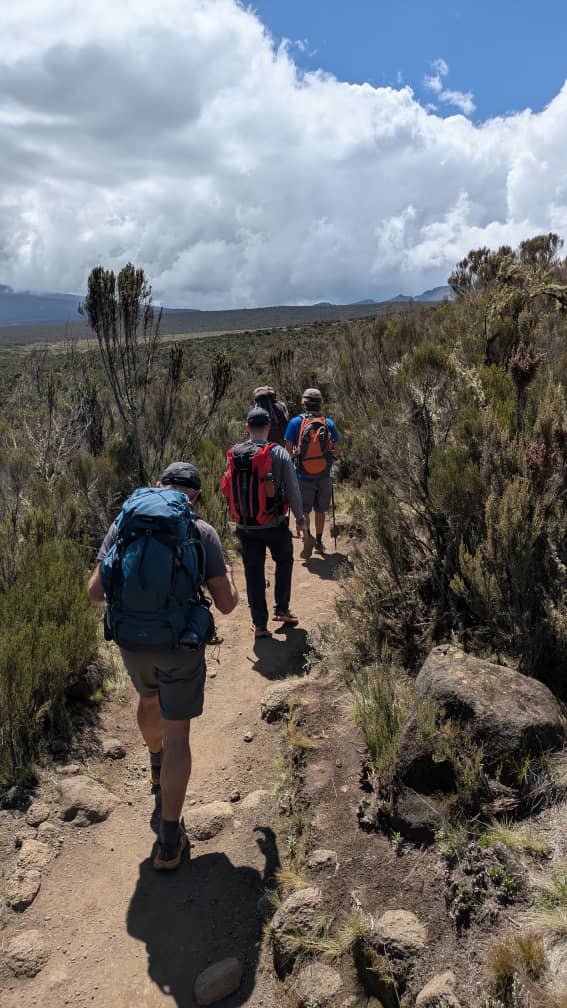
June Kilimanjaro And Serengeti Safari Guide
start a dual adventure in June, conquering Mount Kilimanjaro and experiencing the magic of a Serengeti safari. This guide details the best of Tanzania in June, covering weather, wildlife...
View package details
May Kilimanjaro Climb And Wildlife Safari Guide
Combine the thrill of summiting Mount Kilimanjaro with an unforgettable wildlife safari in Tanzania during May. This guide covers everything you need to know for an epic adventure in...
View package detailsNo related package matches those filters. Clear one or more filters to see the other topic-matched options.



