
Traveling from the USA to Tanzania in 2026-2027 typically involves booking international flights to Kilimanjaro International Airport (JRO) or Julius Nyerere International Airport (DAR), arranging a Tanzanian visa, and planning your itinerary for safaris, Kilimanjaro climbs, or beach holidays. The journey requires careful consideration of flight durations, visa processes, optimal travel times for wildlife viewing or trekking, and booking reputable tour operators for an enriching experience.

Planning Your USA to Tanzania Journey: Key Considerations for 2026-2027
The dream of experiencing Tanzania’s unparalleled wildlife, majestic Mount Kilimanjaro, and pristine Zanzibar beaches often begins with a crucial question: How do I travel from the USA to Tanzania? For American travelers, this journey is more than just a flight; it’s the gateway to an unforgettable African adventure. Whether your sights are set on the vast plains of the Serengeti for a 2026 safari, the challenging ascent of Kilimanjaro in 2027, or the turquoise waters of Zanzibar, thorough planning is essential. This comprehensive guide will walk you through every step, from initial preparations in the US to arriving and navigating Tanzania, ensuring your trip is as smooth and rewarding as possible.
Understanding the logistics involved in traveling from the USA to Tanzania is the first step toward a successful trip. This includes identifying the best airports, understanding flight options and durations, navigating visa and entry requirements, determining the ideal time to visit based on your interests, and selecting the right travel components like safaris, treks, and cultural experiences. We’ll also cover practical advice on currency, health, safety, and how to choose reliable local partners to maximize your Tanzanian adventure in 2026-2027.
Choosing Your Entry Point: Airports in Tanzania
For most international travelers coming from the USA, Tanzania offers two primary international gateways. The choice between them often depends on your ultimate destination within Tanzania.
Kilimanjaro International Airport (JRO)
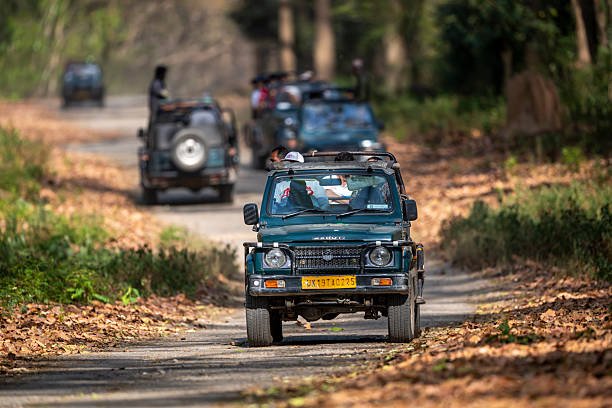
Kilimanjaro International Airport (JRO), also known as Kilimanjaro Airport, is the most convenient entry point for those planning to climb Mount Kilimanjaro or start safaris in the northern circuit parks. These parks include the Serengeti National Park, Ngorongoro Conservation Area, Tarangire National Park, and Lake Manyara National Park. JRO is located between the towns of Arusha and Moshi, the two main hubs for organizing Kilimanjaro climbs and northern circuit safaris.
Advantages of flying into JRO:
- Proximity to Northern Circuit: Significantly reduces internal travel time and costs to reach safari starting points and Kilimanjaro base camps.
- Direct Access to Tour Operators: Many reputable Tanzanian tour operators, including Climb 4 Africa, are based in Arusha or Moshi and can easily arrange airport transfers from JRO.
- Ideal for Core Tanzanian Experiences: If your primary goal is Kilimanjaro or the classic Northern Circuit safari, JRO is the logical choice.
Julius Nyerere International Airport (DAR)
Located in Dar es Salaam, Tanzania’s largest city and former capital, Julius Nyerere International Airport (DAR) serves as the main entry point for travelers heading to southern Tanzania, the coast, Zanzibar, or those interested in exploring Dar es Salaam itself. Southern circuit safaris (like Selous Game Reserve, now Nyerere National Park, and Ruaha National Park) and beach holidays on Zanzibar are often accessed via DAR.
Advantages of flying into DAR:
- Gateway to Zanzibar and Southern Safaris: Essential if your itinerary focuses on these regions.
- Major Hub for Domestic Flights: DAR has more frequent domestic connections to other parts of Tanzania, including Arusha (ARK) and Zanzibar (ZNZ), if you decide to route through Dar.
- Access to the Capital City: Useful if you wish to spend time exploring Dar es Salaam’s cultural sites and markets.
Flights from the USA to Tanzania
Direct flights from the USA to Tanzania are rare, if they exist at all. Most travelers will need to connect through major international hubs in Europe, the Middle East, or sometimes Africa. The flight duration can be substantial, often ranging from 18 to 30+ hours, depending on the layover cities and total travel time.
Major Connecting Hubs
Common layover cities for flights from the USA to Tanzania include:
- Europe: Amsterdam (AMS), London (LHR), Paris (CDG), Frankfurt (FRA), Doha (DOH). Airlines like KLM, British Airways, Air France, Lufthansa, and Qatar Airways are frequent carriers on these routes.
- Middle East: Doha (DOH) and Dubai (DXB) are very popular and often offer competitive pricing and convenient schedules. Qatar Airways and Emirates are key airlines here.
- Africa: Addis Ababa (ADD) with Ethiopian Airlines or Nairobi (NBO) with Kenya Airways are also common connection points, especially if you’re looking for a potentially shorter overall journey.
Booking Your Flights for 2026-2027
When booking flights for your USA to Tanzania travel in 2026 or 2027, consider the following:
- Book in Advance: For the best prices and availability, especially for peak travel seasons (June-October and December-February), aim to book your flights 6-12 months in advance.
- Flexibility with Dates: If your travel dates are flexible, you might find better deals by flying mid-week or during the shoulder seasons (March-May, which is rainy season, or November).
- Compare Airlines and Routes: Use flight comparison websites but also check airline direct sites. Consider the total travel time, number of layovers, and layover duration.
- Baggage Allowance: Be mindful of checked baggage limits, especially if you’re planning a Kilimanjaro climb or extensive safari, as you’ll need appropriate gear.
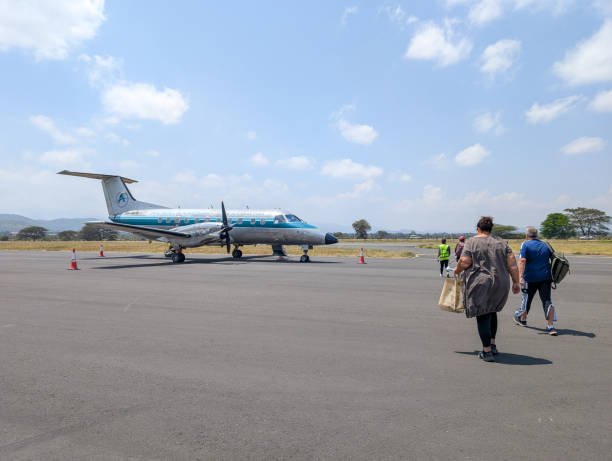
- Consider Internal Flights: If flying into DAR but heading north, you might need to book a separate domestic flight to Arusha (ARK) or Kilimanjaro (JRO). Similarly, if flying into JRO for Zanzibar, you’ll need a flight from JRO or Arusha to Zanzibar (ZNZ).
Typical Flight Costs (Estimates for 2026-2027)
Flight prices can vary significantly based on the time of booking, season, airline, and your departure city in the USA. As a general estimate for 2026-2027:
- Economy Class: Expect prices to range from $1,200 to $2,500+ round trip per person.
- Premium Economy/Business Class: Prices can range from $3,000 to $7,000+ round trip per person.
Note: These are estimates. It’s crucial to research current prices for your specific travel dates.
Tanzanian Visa Requirements for US Citizens
As of my last update, US citizens traveling to Tanzania for tourism, business, or transit generally require a visa. It’s essential to check the latest requirements well in advance of your travel date, as regulations can change.
Visa Application Options
There are a few ways to obtain a Tanzanian visa:
- Online Visa Application (e-Visa): This is often the most convenient method. You can apply for a Tanzanian e-Visa through the official Tanzanian immigration website. This process typically requires you to fill out an application form, upload necessary documents (passport photo, passport scan), and pay the visa fee online. Processing times can vary, so apply at least 4-6 weeks before your planned travel.
- Visa on Arrival: While sometimes available, relying on a visa on arrival is generally not recommended due to potential long queues and processing delays at the airport. It’s best to secure your visa in advance.
- Embassy Application: You can apply for a visa through the Tanzanian Embassy in Washington D.C. This is usually a slower process and less common for tourist visas now that e-visas are widely available.
Visa Fees (Estimates for 2026-2027)
Visa fees are subject to change. For US citizens, a standard tourist visa typically costs around $100 USD. The e-visa system will clearly state the exact fee during the application process.
Important Visa Considerations:
- Passport Validity: Ensure your passport is valid for at least six months beyond your intended stay and has at least one blank page for the visa stamp.
- Multiple Entry Visas: If your itinerary involves entering and exiting Tanzania multiple times (e.g., a safari followed by Zanzibar and then a return to the mainland), consider if a multiple-entry visa is necessary. Standard tourist visas are often single-entry.
- Check Official Sources: Always verify the most current visa requirements and fees directly from the Tanzanian Immigration Services Department website or the Tanzanian Embassy in the USA.
Best Time to Travel from USA to Tanzania (2026-2027)
The “best” time to travel to Tanzania depends heavily on what you want to see and do. Tanzania experiences distinct seasons, and understanding these will help you plan your USA to Tanzania travel for 2026-2027.
Dry Seasons (Peak Tourist Seasons)
The two main dry seasons are generally considered the best times for wildlife viewing and climbing Kilimanjaro:
- June to October: This is the prime dry season. Skies are clear, temperatures are pleasant (especially on Kilimanjaro), and wildlife congregates around water sources, making game viewing excellent. This is also the peak time for the Great Migration river crossings in the Serengeti. It’s also a popular time for Kilimanjaro climbs. Expect higher prices and more crowds.
- December to February: Another dry period, often referred to as the “short rains” season sometimes starts in late February. Wildlife viewing remains good, especially in the southern Serengeti and Selous (Nyerere NP) where the wildebeest migration calms after calving. It’s a good time for beach holidays on Zanzibar. This period also sees high demand, particularly around Christmas and New Year.
Wet Seasons
Tanzania has two rainy seasons:
- March to May (Long Rains): This is the heavy rainy season. Landscapes are lush and green, and prices are generally lower. Wildlife viewing can be more challenging as animals disperse and vegetation is thick. However, it’s an excellent time for birdwatching and photography due to the dramatic skies and vibrant scenery. This is generally considered the low season for tourism. Kilimanjaro climbs during this period can be challenging due to rain and mud.
- November to December (Short Rains): These rains are typically brief, occurring in the afternoons. They can bring relief from the heat and refresh the landscape. Wildlife viewing is still generally good, and it’s a less crowded time than the peak dry seasons.
Seasonal Highlights for 2026-2027 Planning:
- Great Migration River Crossings: Typically July to October in the northern Serengeti.
- Wildebeest Calving Season: January to March in the southern Serengeti and Ngorongoro area.
- Kilimanjaro Climbing: Best conditions are generally January-March and June-October.
- Zanzibar Holidays: Pleasant year-round, but drier and sunnier from June-October and December-February. Avoid the peak of the long rains (March-May).
Planning Your Tanzanian Itinerary: Safaris, Kilimanjaro, and Zanzibar
Tanzania offers a diverse range of experiences. Most visitors combine at least two, if not all three, of its major attractions: wildlife safaris, Mount Kilimanjaro, and the spice islands of Zanzibar. Planning how to fit these into your USA to Tanzania travel itinerary is key.
Northern Circuit Safaris
The Northern Circuit is the most popular safari destination in Tanzania, offering iconic landscapes and abundant wildlife. Key parks include:
- Serengeti National Park: Famous for the Great Migration, vast plains, and incredible predator-wildlife interactions.
- Ngorongoro Conservation Area: Home to the Ngorongoro Crater, a UNESCO World Heritage Site teeming with wildlife in a unique caldera setting.
- Tarangire National Park: Known for its large elephant herds and iconic baobab trees, especially prominent in the dry season.
- Lake Manyara National Park: Famous for its tree-climbing lions, birdlife, and scenic lake.
Typical Safari Duration: 3 to 7 days is common for the Northern Circuit.
Climbing Mount Kilimanjaro
Africa’s highest peak, Kilimanjaro, is a bucket-list trek for many. Several routes offer different challenges, scenery, and success rates.
- Popular Routes: Machame (popular, scenic, 6-7 days), Lemosho (longer, scenic, 7-8 days), Marangu (cabins, shorter, 5-6 days, often lower success rate), Rongai (drier, starts from the north, 6-7 days).
- Recommended Duration: 7 to 8 days is recommended for most routes to allow for better acclimatization and higher success rates.
- Best Time to Climb: January-March and June-October.
Climb 4 Africa specializes in Kilimanjaro climbs, offering various routes and departure dates for 2026-2027. You can find more information on their Machame Route Kilimanjaro group departures and other options.
Zanzibar Holidays
This idyllic archipelago offers pristine white-sand beaches, turquoise waters, rich history, and vibrant culture. Key attractions include:
- Stone Town: A UNESCO World Heritage site with narrow alleys, historic buildings, and bustling markets.
- Beaches: Nungwi and Kendwa (north) for lively atmospheres and stunning sunsets; Paje and Jambiani (east) for kite surfing and a more laid-back vibe; Matemwe (northeast) for tranquility and diving.
- Spice Tours: Explore the island’s history as a spice trading hub.
- Prison Island: Visit giant tortoises and historical sites.
Recommended Duration: 3 to 7 days to relax and explore.
Combining Experiences
A popular itinerary for USA to Tanzania travel often combines these elements:
- Classic Northern Circuit & Zanzibar: 7-10 days safari + 3-5 days Zanzibar.
- Kilimanjaro Climb & Safari: 7-8 days climb + 3-5 days safari.
- The Ultimate Tanzania Adventure: 7-8 days climb + 5-7 days safari + 3-5 days Zanzibar (minimum 15-20 days total).
When planning for 2026 or 2027, consider your available time and budget. Booking a package that includes multiple components can often be more cost-effective and simplifies logistics.
Choosing a Reputable Tour Operator for Your Tanzania Trip
Selecting the right tour operator is paramount for a successful and safe trip to Tanzania, especially for complex activities like climbing Kilimanjaro or undertaking multi-day safaris. Look for operators with a strong local presence, excellent reviews, and a commitment to responsible tourism.
What to Look for in a Tour Operator:
- Local Expertise: Operators based in Tanzania (like Climb 4 Africa) often have better on-the-ground knowledge, support networks, and can offer more competitive pricing.
- Reviews and Reputation: Check independent review sites like TripAdvisor. Look for consistent positive feedback regarding guides, equipment, safety, and customer service.
- Safety Standards: Particularly crucial for Kilimanjaro climbs. Ensure they follow safety protocols, use experienced guides, and have emergency evacuation plans.
- Inclusions and Exclusions: Clearly understand what is covered in your package (e.g., park fees, meals, accommodation, guide fees, equipment) and what is not.
- Communication: A good operator will be responsive and clear in their communication from your initial inquiry.
Climb 4 Africa: Your Partner for Tanzania Adventures
Climb 4 Africa is a leading Tanzanian tour operator specializing in Kilimanjaro climbs, wildlife safaris, and Zanzibar holidays. With deep local knowledge and a commitment to quality and safety, they offer tailored experiences for travelers from the USA.
- Expert Kilimanjaro Guides: Certified guides with extensive experience ensure your safety and maximize your chances of reaching the summit.
- Tailor-Made Safaris: Whether you want a group safari or a private experience, they can craft an itinerary to suit your interests and budget for 2026 or 2027.
- Comprehensive Packages: They offer all-inclusive packages for climbs and safaris, simplifying your planning.
- Practical Support: From airport transfers to in-country logistics, Climb 4 Africa provides hands-on support.
You can explore their group departures and tailor-made options on their website or contact them directly for a personalized quote. See their latest Tanzania safari tours blog for inspiration.
Health and Safety Considerations for USA to Tanzania Travel
Your health and safety are paramount. It’s crucial to prepare adequately before your trip.
Vaccinations and Health Precautions
Consult your doctor or a travel clinic at least 4-6 weeks before your trip to discuss necessary vaccinations and health advice. Common recommendations for Tanzania include:
- Routine Vaccinations: Ensure you are up-to-date on measles, mumps, rubella, polio, tetanus, diphtheria, and chickenpox.
- Hepatitis A & B: Recommended for most travelers.
- Typhoid: Recommended.
- Yellow Fever: Vaccination is often required, especially if arriving from or transiting through a country with a risk of yellow fever transmission. You may need to show proof of vaccination (yellow card) upon arrival.
- Rabies: Recommended if you anticipate extensive exposure to animals (e.g., working with wildlife).
- Malaria Prevention: Tanzania is a malaria-risk area. Discuss antimalarial medication options with your doctor.
Travel Insurance
Comprehensive travel insurance is highly recommended for any trip to Tanzania. Ensure your policy covers:
- Medical Emergencies and Evacuation: This is critical, especially for remote areas and Kilimanjaro climbs.
- Trip Cancellation and Interruption: Covers unforeseen circumstances that may force you to cancel or cut short your trip.
- Lost or Stolen Baggage and Personal Items.
Safety Tips
- General Safety: Be aware of your surroundings, especially in urban areas like Dar es Salaam. Avoid walking alone at night. Secure your valuables.
- Wildlife Safety: Always follow the instructions of your safari guides. Never feed or approach wild animals. Maintain a safe distance.
- Kilimanjaro Safety: Listen to your guide regarding acclimatization, hydration, and pacing. Report any symptoms of altitude sickness immediately.
- Food and Water: Drink bottled or purified water. Be cautious with street food. Ensure meat and fish are thoroughly cooked.
Currency and Budgeting for Your Tanzania Trip (2026-2027)
Understanding Tanzanian currency and budgeting effectively will help you manage expenses during your USA to Tanzania travel.
Currency
The official currency is the Tanzanian Shilling (TZS). However, US Dollars (USD) are widely accepted and often preferred for tourist services like park fees, safari packages, and Kilimanjaro climbs. It’s advisable to carry both.
- USD: Bring crisp, newer US Dollar bills (preferably 2009 or later). Smaller denominations ($1, $5, $10) are useful for tips and smaller purchases. Larger bills ($50, $100) are often used for tour packages.
- TZS: Obtain Shillings from ATMs or currency exchange bureaus for local markets, souvenirs, and smaller expenses.
Payment Methods
- Cash: USD and TZS are essential, especially in remote areas.
- Credit Cards: Accepted in larger hotels, lodges, and some shops in major cities, but often incur surcharges (typically 3-5%). Not widely accepted for safari or climb payments.
- ATMs: Available in major towns and cities (Arusha, Moshi, Dar es Salaam), but can be unreliable. Ensure you have notified your bank of your travel plans.
Budgeting Considerations for 2026-2027
The cost of a trip to Tanzania varies greatly depending on your travel style, chosen activities, and accommodation level. Here are general cost factors:
Estimated Costs (per person, rough guide for 2026-2027):
- Budget Traveler: $100 – $150 per day (basic accommodation, local transport, self-arranged safaris/activities).
- Mid-Range Traveler: $250 – $400 per day (comfortable lodges, guided safaris, Kilimanjaro treks with reputable operators).
- Luxury Traveler: $500+ per day (high-end lodges, exclusive camps, private guides, premium services).
Key Cost Components:
- International Flights: $1,200 – $2,500+ (Economy)
- Tanzania Visa: ~$100
- Northern Circuit Safari (5 days): $1,500 – $3,000+ (depending on group size, vehicle, accommodation)
- Kilimanjaro Climb (7 days): $1,800 – $3,500+ (depending on route, operator, inclusions)
- Zanzibar (4 days): $500 – $1,200+ (depending on accommodation and activities)
- Park Fees & Conservation Fees: A significant portion of safari and climb costs.
- Tips: For guides, drivers, porters (budget ~$20-30 per day for safari guides, ~$15-25 per day for Kilimanjaro crew).
Note: Booking packages with operators like Climb 4 Africa can offer better value and include most of these elements. Always request detailed quotes for 2026-2027.
Packing Essentials for Your Tanzania Adventure
Packing correctly is crucial for comfort and preparedness. Your packing list will vary based on your planned activities.
For Safaris:
- Lightweight, neutral-colored clothing (khaki, beige, green)
- Long-sleeved shirts and trousers (for sun and insect protection)
- Warm fleece or jacket (for cool mornings/evenings)
- Comfortable walking shoes or hiking boots
- Sun hat, sunglasses, high SPF sunscreen
- Insect repellent (with DEET)
- Binoculars
- Camera with extra batteries and memory cards
- Small backpack for day use
- Swimsuit (for lodges with pools)
- Personal first-aid kit
For Kilimanjaro Climbing:
You’ll need specialized gear. Many operators provide some items (like tents and cooking equipment), but personal gear is essential.
- Layering System: Base layers (thermal underwear), mid-layers (fleece), and outer layers (waterproof and windproof jacket and trousers).
- Insulated Parka: Essential for summit night.
- Hiking Boots: Waterproof, broken-in boots.
- Warm Socks: Several pairs of wool or synthetic hiking socks.
- Gloves: Liner gloves and warm, waterproof outer gloves/mittens.
- Hat: Warm beanie for cold, sun hat for daytime.
- Sleeping Bag: Rated for -10°C to -20°C (some operators rent these).
- Headlamp: With extra batteries.
- Trekking Poles: Highly recommended.
- Water Bottles/Hydration Reservoir: Insulated to prevent freezing.
- Sun Protection: High SPF sunscreen, lip balm, sunglasses.
- Duffel Bag: Waterproof, large enough for your gear (porters carry this).
- Daypack: For essentials you need during the day’s hike.
For Zanzibar:
- Light cotton clothing, shorts, t-shirts
- Swimwear
- Sarong or cover-up
- Sandals or flip-flops
- Sun hat, sunglasses, sunscreen
- Light rain jacket (just in case)
- Modest clothing for visiting Stone Town or villages (shoulders and knees covered)
Practical Tips for Your USA to Tanzania Trip
Beyond the core planning, several practical tips can enhance your USA to Tanzania travel experience.
- Connectivity: Wi-Fi is available in most lodges and hotels, but can be slow and unreliable. Consider purchasing a local SIM card upon arrival for better data access.
- Tipping: Tipping is customary and appreciated for good service. Your tour operator will provide guidelines for tipping guides, drivers, porters, and lodge staff.
- Respect Local Culture: Tanzania is a predominantly Muslim country in coastal areas and Zanzibar, and Christian in other parts. Dress modestly when visiting villages or religious sites. Learn a few basic Swahili phrases like ‘Jambo’ (Hello) and ‘Asante’ (Thank you).
- Photography: Always ask permission before taking photos of people. Be mindful of photographing government buildings or military personnel.
- Environmental Responsibility: Minimize your impact by avoiding single-use plastics, respecting wildlife, and supporting eco-conscious operators.
Navigating Your Journey: The Final Steps
As you finalize your plans for travel from USA to Tanzania in 2026 or 2027, remember that preparation is key. By understanding flight options, visa requirements, the best times to visit, and how to choose reliable partners, you set yourself up for an incredible adventure.
Whether you dream of witnessing the Great Migration, standing on the roof of Africa atop Kilimanjaro, or relaxing on Zanzibar’s idyllic shores, Tanzania offers experiences that will last a lifetime. Working with experienced local operators like Climb 4 Africa can significantly enhance your trip, providing expert guidance, safety, and unparalleled access to the best of Tanzania.
Don’t hesitate to reach out for personalized advice and quotes for your 2026-2027 Tanzania adventure. You can contact Climb 4 Africa via WhatsApp at +255 747 477 898 or by email at climb4africa@gmail.com. Explore their offerings and start planning your dream African journey today!
“,
“faq_schema”: [
{
“question”: “What is the best airport to fly into for a safari in Northern Tanzania?”,
“answer”: “For safaris in Northern Tanzania (Serengeti, Ngorongoro, Tarangire, Lake Manyara) and for climbing Mount Kilimanjaro, the most convenient airport to fly into from the USA is Kilimanjaro International Airport (JRO).”
},
{
“question”: “Do US citizens need a visa to travel to Tanzania?”,
“answer”: “Yes, US citizens generally need a visa to enter Tanzania for tourism. It is recommended to apply for an e-Visa online in advance of your travel date. Check the official Tanzanian Immigration Services Department website for the most current requirements and fees for 2026-2027.”
},
{
“question”: “What is the best time of year for a Tanzania safari?”,
“answer”: “The best time for wildlife viewing on a Tanzania safari is during the dry seasons, from June to October and December to February. The June-October period is particularly good for witnessing the Great Migration river crossings in the Serengeti.”
},
{
“question”: “How long does it take to climb Mount Kilimanjaro?”,
“answer”: “Climbing Mount Kilimanjaro typically takes between 5 to 9 days, depending on the route chosen. Longer routes like Lemosho or Machame (7-8 days) are recommended for better acclimatization and higher success rates. The best climbing seasons are generally January-March and June-October.”
},
{
“question”: “What is the currency in Tanzania, and should I bring US Dollars?”,
“answer”: “The official currency is the Tanzanian Shilling (TZS). However, US Dollars (USD) are widely accepted and preferred for tourist services like safaris and Kilimanjaro climbs. It is advisable to bring newer US Dollar bills and some Tanzanian Shillings for smaller purchases and local markets.”
},
{
“question”: “What vaccinations are recommended for travel to Tanzania?”,
“answer”: “Recommended vaccinations often include Yellow Fever (may be required), Hepatitis A, Typhoid, and routine vaccinations. Malaria prophylaxis is also usually advised. It is essential to consult with a doctor or travel clinic at least 4-6 weeks before your trip for personalized advice for 2026-2027 travel.”
},
{
“question”: “How far in advance should I book my trip to Tanzania for 2026-2027?”,
“answer”: “For the best flight prices and availability, especially for peak seasons, it is recommended to book your international flights and tour packages 6-12 months in advance for 2026 or 2027 travel.”
},
{
“question”: “Can I combine a safari, Kilimanjaro climb, and Zanzibar on one trip?”,
“answer”: “Yes, it is possible to combine these experiences. A common itinerary might involve a 7-8 day Kilimanjaro climb, followed by a 5-7 day safari, and concluding with 3-5 days on Zanzibar. This typically requires a minimum of 15-20 days for the entire trip.”
}
]
}
“`
Check Availability for How To Travel From Usa To Tanzania 2026-2027
Ready to compare dates, prices, and the best option for your group? Send the package name and travel month so the team can reply with a clear quote, availability, and what is included.



