
Traveling from the UK to Kenya typically involves flying directly into Nairobi (NBO) or Mombasa (MBA) from major UK airports like London Heathrow (LHR) or Gatwick (LGW). Direct flights take around 8-9 hours, while connecting flights can extend this significantly. Planning for visa requirements, understanding the best travel seasons for 2026-2027, and preparing your packing list are crucial steps for a smooth journey.

Understanding Your Journey: UK to Kenya Essentials
Kenya, a jewel of East Africa, beckons travelers from the UK with its iconic wildlife, stunning landscapes, and vibrant cultures. Whether you’re dreaming of witnessing the Great Migration in the Maasai Mara, exploring the historic streets of Lamu, or scaling Mount Kenya, careful planning is key. This comprehensive guide details how to travel from the UK to Kenya, covering everything you need to know for a successful trip in 2026 and 2027.
Choosing Your Flights: The Primary Route from the UK
The most common and efficient way to travel from the UK to Kenya is by air. Several airlines offer routes, with varying durations and prices, making it essential to compare options well in advance, especially if you’re planning for peak seasons in 2026 or 2027.
Direct vs. Connecting Flights
Direct Flights: These are the most convenient, significantly reducing travel time. Airlines like Kenya Airways and British Airways historically operate direct flights from London Heathrow (LHR) to Jomo Kenyatta International Airport in Nairobi (NBO). The flight duration is typically between 8 and 9 hours. While offering speed and comfort, direct flights can sometimes be more expensive.
Connecting Flights: Many airlines offer flights with one or more stops, often in European or Middle Eastern hubs such as Amsterdam (AMS) with KLM, Doha (DOH) with Qatar Airways, Istanbul (IST) with Turkish Airlines, or Dubai (DXB) with Emirates. These flights can offer more flexibility in terms of departure times and may be more budget-friendly. However, they considerably increase the total travel time, often ranging from 12 to 20+ hours, depending on the layover duration and location.
Key Airports in the UK and Kenya
UK Departure Airports: The primary international airport for departures to Kenya from the UK is London Heathrow (LHR). Other London airports like Gatwick (LGW) may also have options, particularly with charter or less frequent services. Birmingham (BHX) and Manchester (MAN) might offer connecting flights.
Kenyan Arrival Airports: The main international gateway is Jomo Kenyatta International Airport (NBO) in Nairobi, the capital city. For those heading directly to the coast, Moi International Airport (MBA) in Mombasa is the primary option.
Booking Your Flights: Tips for 2026-2027 Travel
- Book in Advance: For the best prices and availability, especially for travel during peak seasons like December-February or July-October (migration season), it’s advisable to book your flights 3-6 months ahead for 2026-2027.
- Flexibility with Dates: If your travel dates are flexible, use flight comparison websites to check prices across different days. Mid-week flights are often cheaper than weekend departures.
- Consider Airlines: Compare fares and services from airlines like Kenya Airways, British Airways, KLM, Qatar Airways, Emirates, and Turkish Airlines.
- Baggage Allowance: Always check the baggage allowance included with your ticket, as this can vary significantly and impact overall cost.
Visa Requirements for UK Citizens Traveling to Kenya
As of recent regulations, most nationalities, including UK citizens, require a visa to enter Kenya for tourism or business purposes. The most common method is obtaining an Electronic Travel Authorization (eTA), which replaced the traditional visa for many. It’s crucial to verify the latest requirements closer to your travel dates for 2026-2027.
The Kenyan Electronic Travel Authorization (eTA)
The eTA system is designed to streamline the entry process. UK citizens planning to visit Kenya must apply for an eTA before their travel date. The application is completed online.
- Application Process: Visit the official Kenyan eTA portal. You will need to provide personal details, passport information, travel itinerary, and accommodation details.
- Required Information: Ensure you have your passport (valid for at least six months beyond your stay), flight details, and accommodation booking confirmation ready.
- Processing Time: Applications are typically processed within 1 to 3 business days, but it’s recommended to apply at least 7-10 days in advance to account for any potential delays.
- Cost: There is a fee associated with the eTA application. Check the official eTA website for the current charges.
- Validity: The eTA is usually valid for a single entry and for a stay of up to 90 days.
Passport Validity
Your passport must be valid for at least six months beyond your intended stay in Kenya and have at least one blank page for entry and exit stamps.
Important Note on Visa Regulations
Visa and entry requirements can change. Always refer to the official website of the Kenyan Directorate of Immigration Services or the Kenyan High Commission in London for the most up-to-date information before you travel in 2026-2027.
When to Visit Kenya: Best Times for Your Adventure
Kenya offers diverse experiences throughout the year, but certain periods are better suited for specific activities, particularly wildlife viewing. Understanding the seasons will help you plan the perfect itinerary for 2026-2027.
Climate Overview
Kenya straddles the equator, meaning temperatures are generally warm year-round. However, there are distinct wet and dry seasons that influence wildlife viewing and travel comfort.
- The Long Rains: Typically occur from March to May. Heavy rainfall can make some roads impassable and affect wildlife viewing as animals disperse.
- The Short Rains: Usually fall from November to early December. These are generally lighter and shorter showers, often in the afternoon.
- Dry Seasons: The most popular times for safaris are during the dry seasons: June to October and December to February.
Peak Safari Seasons (2026-2027)
June to October: This is the most sought-after period, especially for witnessing the Great Migration in the Maasai Mara. Millions of wildebeest and zebras cross the Mara River from the Serengeti (Tanzania) into Kenya, offering spectacular predator-prey action. Skies are generally clear, and temperatures are pleasant, though evenings can be cool.
December to February: Another excellent dry season. The weather is warm and sunny, ideal for game drives. It’s also a popular time for beach holidays along the coast. Wildlife is often concentrated around water sources, making sightings easier.
Shoulder Seasons
March to May (Long Rains): This is the low season. You’ll find fewer tourists and potentially lower prices for accommodation and safaris. While game viewing can be more challenging due to dispersed wildlife and rain, the landscape is lush and green, and birdwatching is excellent. Newborn animals are often seen during this time.
November to Early December (Short Rains): The short rains can bring dramatic skies and occasional downpours, but often clear up quickly. It’s a good time for birding, and the landscape becomes vibrant. Wildlife viewing is still good, and crowds are smaller than in peak seasons.
Planning for Specific Interests
- Great Migration: For the best chance to see the migration river crossings, target July to September.
- Birdwatching: Migratory birds are present from November to April, while resident species are visible year-round.
- Beach Holidays: The coast is pleasant year-round, but the driest and sunniest months are typically January-March and July-October.
- Climbing Mount Kenya: The best months are generally January-March and July-October, avoiding the heaviest rains.
Essential Packing List for Your Kenya Trip
Packing appropriately is vital for comfort and safety during your Kenyan adventure. Layering is key, as temperatures can vary significantly between day and night, and between different regions (e.g., coast vs. highlands).
Clothing Essentials
- Lightweight, Breathable Clothing: Cotton or linen shirts, t-shirts, and trousers/shorts are ideal for warm days.
- Neutral Colors: Opt for khaki, olive green, beige, or brown. Bright colors can scare wildlife, and white can easily get dirty.
- Long-Sleeved Shirts and Trousers: Essential for sun protection during the day and for warding off mosquitoes in the evening.
- Warm Layers: A fleece jacket, sweater, or down vest is crucial for cool mornings and evenings, especially on safari or at higher altitudes like Mount Kenya.
- Waterproof Jacket: A lightweight, waterproof and windproof jacket is advisable, particularly during the rainy seasons or for higher altitudes.
- Comfortable Walking Shoes: Broken-in hiking boots are recommended if you plan on nature walks or climbing.
- Sandals or Flip-flops: For relaxing at lodges or beach resorts.
- Swimsuit: For pools at lodges or coastal hotels.
- Hat: A wide-brimmed hat or cap for sun protection.
Footwear
Comfortable, sturdy footwear is paramount. If you’re primarily on safari, comfortable trainers or walking shoes might suffice. For trekking Mount Kenya, proper hiking boots are a must. Bring extra socks, preferably moisture-wicking.
Health and Safety Items
- Insect Repellent: With a high concentration of DEET (30-50%) to protect against mosquitoes, especially during dawn and dusk.
- Sunscreen: High SPF, broad-spectrum sunscreen.
- After-Sun Lotion: For soothing sun-exposed skin.
- Basic First-Aid Kit: Including antiseptic wipes, plasters, pain relievers, antihistamines, and any personal medications.
- Hand Sanitizer: Useful when facilities are not readily available.
- Prescription Medications: Bring enough for your entire trip, plus a copy of your prescription.
Other Essentials
- Sunglasses: For eye protection from the strong sun.
- Camera and Accessories: Extra batteries, memory cards, and a zoom lens for wildlife photography.
- Binoculars: Essential for spotting wildlife at a distance.
- Power Adapter: Kenya uses Type G sockets (the UK standard), but voltage is 240V. Ensure your electronics are compatible or bring a voltage converter if necessary.
- Reusable Water Bottle: To stay hydrated and reduce plastic waste.
- Small Backpack/Daypack: For carrying essentials during game drives or excursions.
- Travel Towel: A quick-drying towel can be useful.
- Headlamp or Torch: Handy for navigating lodges or camps at night.
- Book/E-reader: For downtime.
Pro Tip: Pack light, especially if you plan on using small bush planes for internal transfers, as they often have strict weight limits (usually 15-20 kg per person in soft bags).
Getting Around Kenya: Internal Travel Options
Once you arrive in Kenya, you’ll need to consider how to navigate the country to reach your destinations. The options range from private transfers to more adventurous local transport.
Safari Vehicles
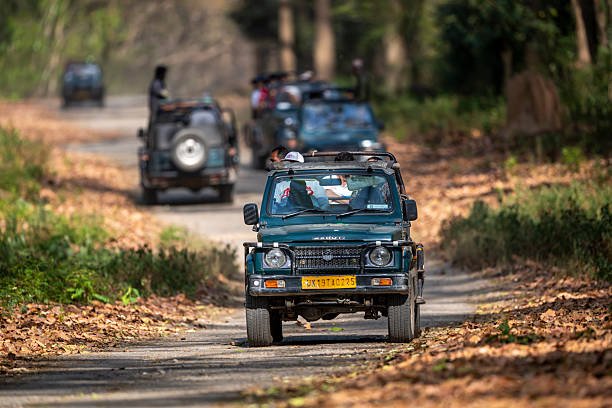
For most safari experiences, you’ll be using specially adapted 4×4 safari vehicles (Land Cruisers or Land Rovers). These are typically open-sided or pop-top for optimal game viewing and photography. They are usually provided by tour operators and driven by experienced guides.
Internal Flights
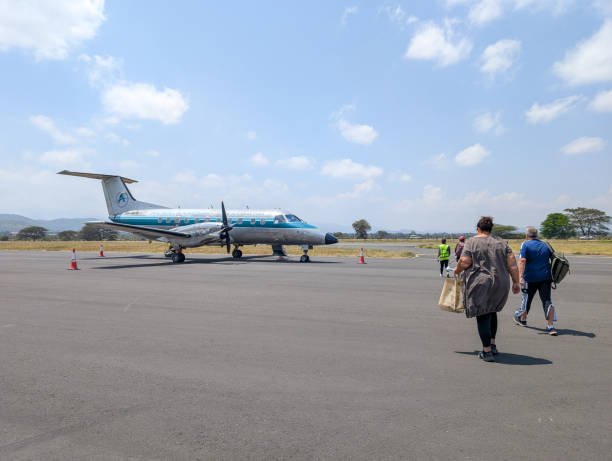
Kenya has a network of domestic airports, and internal flights are a fast and efficient way to cover long distances, especially between Nairobi, Mombasa, and various safari airstrips (e.g., in the Maasai Mara, Samburu, or Amboseli). Airlines like Safarilink and Air Kenya operate these routes. This is a great option for maximizing time on the ground, particularly for shorter trips planned for 2026-2027.
Road Travel
Private Transfers: For convenience, you can arrange private car transfers between cities, airports, and lodges. This is common for travel between Nairobi and the coast, or to destinations like the Aberdares or Mount Kenya region.
Public Transport:
- Matatus: These are the ubiquitous minibuses that form the backbone of public transport. They are a very local experience, often crowded and fast-paced, and generally not recommended for tourists wanting comfort or safety, especially for longer distances.
- Buses: Companies like Modern Coast or Simba Coach offer intercity bus services. These are more comfortable than matatus and a more affordable option for travel between major towns like Nairobi and Mombasa. Book tickets in advance, especially for popular routes.
Organized Tours
The most popular and often recommended way to explore Kenya, especially for first-time visitors, is through an organized tour. Tour operators provide transport, accommodation, guides, and often park entry fees, simplifying logistics immensely. Companies like Climb 4 Africa specialize in creating tailor-made itineraries, ensuring you experience the best of Kenya.
Health and Vaccinations for Kenya
Consulting a travel health professional or your doctor well in advance of your trip is crucial. They can provide personalized advice based on your health status and itinerary.
Recommended Vaccinations
Routine vaccinations should be up-to-date. Additional recommended vaccines for Kenya often include:
- Hepatitis A
- Typhoid
- Tetanus/Diphtheria
- Polio
Depending on your specific activities and duration of stay, your doctor might also recommend:
- Hepatitis B
- Rabies
- Yellow Fever: A Yellow Fever vaccination certificate may be required if you are arriving from or transiting through a country with a risk of Yellow Fever transmission. Check current regulations.
Malaria Prevention
Malaria is present in many parts of Kenya, particularly at lower altitudes and along the coast. Higher altitude areas like Nairobi and Mount Kenya have a lower risk. Discuss appropriate antimalarial medication with your doctor. It’s also important to:
- Use insect repellent containing DEET.
- Wear long sleeves and trousers during dawn and dusk.
- Sleep under a mosquito net if provided or recommended.
- Ensure your accommodation is screened against insects.
Other Health Considerations
- Traveller’s Diarrhea: Be cautious with food and water. Stick to bottled water, avoid ice in drinks unless you’re sure it’s made from purified water, and eat well-cooked food.
- Sun Protection: The equatorial sun is intense. Use high SPF sunscreen, wear a hat, and stay hydrated.
- Travel Insurance: Comprehensive travel insurance is highly recommended. Ensure it covers medical emergencies, evacuation, trip cancellation, and lost belongings.
Navigating Safety and Cultural Etiquette in Kenya
Kenya is a welcoming country, but like any destination, it’s wise to be aware of your surroundings and respect local customs.
Safety Tips
- Be Aware of Your Surroundings: Especially in busy urban areas like Nairobi. Avoid displaying expensive jewelry or large amounts of cash.
- Use Reputable Transport: Stick to licensed taxis or ride-sharing apps (like Uber or Bolt in Nairobi) rather than hailing random vehicles.
- Secure Your Belongings: Keep valuables safe, particularly in crowded places.
- Night Travel: Exercise caution when traveling at night, especially in cities. It’s often best to use pre-booked transport or stay within secure hotel areas.
- Wildlife Safety: Always follow the instructions of your safari guide. Never feed or approach wild animals. Maintain a safe distance.
Cultural Etiquette
- Greetings: A handshake is common. Greetings are important; it’s polite to ask “How are you?” before proceeding with business.
- Dress Code: While tourist areas are generally relaxed, it’s respectful to dress modestly, especially when visiting villages or religious sites. Avoid overly revealing clothing. Light, neutral-colored clothing is standard for safaris.
- Photography: Always ask for permission before taking photos of people, especially children.
- Respect for Elders: Show respect to older individuals.
- Bargaining: Bargaining is common in local markets, but do so politely and with a smile. In established shops or lodges, prices are usually fixed.
- Tipping: Tipping is customary for good service. Tour guides, drivers, lodge staff, and porters generally expect tips. Your tour operator can provide specific guidance on appropriate amounts for 2026-2027.
Planning Your Kenyan Itinerary: Popular Destinations and Activities
Kenya offers a vast array of experiences. Here are some highlights to consider for your 2026-2027 trip:
The Maasai Mara National Reserve
Famous for the Great Migration and abundant wildlife, the Mara is a must-visit. Expect to see lions, elephants, leopards, buffalo, rhinos (the “Big Five”), cheetahs, giraffes, zebras, and a myriad of bird species.
Amboseli National Park
Known for its large elephant herds and stunning views of Mount Kilimanjaro (across the border in Tanzania), Amboseli offers classic safari landscapes.
Lake Nakuru National Park
Renowned for its large flocks of flamingos (though numbers fluctuate) and its sanctuary for both black and white rhinos.
Tsavo National Parks (East & West)
These are Kenya’s largest parks, offering rugged landscapes, diverse wildlife, and unique attractions like the Yatta Plateau and the Mzima Springs.
Samburu National Reserve
Located in the arid north, Samburu is home to unique wildlife species adapted to the dry conditions, often called the “Samburu Special Five”: the reticulated giraffe, Grevy’s zebra, Somali ostrich, gerenuk, and beisa oryx.
Mount Kenya National Park
Africa’s second-highest mountain offers trekking opportunities for various skill levels, from scenic hikes to technical climbs of its peaks like Point Lenana, Batian, and Nelion.
Coastal Destinations
For relaxation after a safari, head to the coast. Diani Beach, Watamu, Malindi, and the historic island of Lamu offer beautiful beaches, watersports, and a blend of Swahili and Arabic culture.
Connecting Your African Adventure: Combining Kenya with Tanzania
Many travelers combine Kenya with neighboring Tanzania, especially if they are interested in Mount Kilimanjaro climbs or further safari experiences. Climb 4 Africa specializes in both Kenyan and Tanzanian adventures.
Mount Kilimanjaro Climb
The iconic Mount Kilimanjaro is located in Tanzania, easily accessible from Kenya. Routes like the Machame Route or Lemosho Route are popular choices for climbers aiming for the summit. Climb 4 Africa offers expertly guided Kilimanjaro climbs, including group departures in 2026-2027.
Tanzania Safaris
Tanzania boasts world-renowned safari destinations such as the Serengeti National Park (part of the Great Migration route), Ngorongoro Conservation Area (a unique caldera ecosystem), and Tarangire National Park (known for its elephants and baobab trees). Climb 4 Africa provides comprehensive Tanzania safari packages, including tailor-made options.
Logistics of Combining Countries
Border Crossings: The main overland border crossing between Kenya and Tanzania is at Namanga, between Nairobi and Arusha. This is a common route for travelers moving between the two countries. You can also fly between Nairobi and Kilimanjaro International Airport (JRO) or Arusha Airport (ARK).
Visa Considerations: Ensure you have the correct visas for both countries. Kenyan eTA (or visa) and Tanzanian visa requirements must be met. If crossing overland, you can often obtain a Tanzanian visa at the border, but it’s best to check current regulations.
Tour Integration: Working with a specialized operator like Climb 4 Africa can make combining these destinations smooth. We can arrange coordinated transfers, flights, and tours across both Kenya and Tanzania, ensuring a cohesive and memorable experience for your 2026-2027 travels.
Planning Your Budget: Costs for UK to Kenya Travel
The cost of traveling from the UK to Kenya can vary widely depending on your travel style, accommodation choices, activities, and the time of year. Here’s a breakdown of potential expenses for 2026-2027.
Flight Costs
Economy Class: Round-trip flights from the UK to Nairobi can range from £500 to £1000+ per person, depending on the airline, booking time, and season. Peak season (July-Oct, Dec-Feb) will generally be at the higher end.
Business/First Class: Expect prices to range from £2,000 to £5,000+.
Visa/eTA Fees
The Kenyan eTA fee is typically around $30 USD per person, but this can change. Always check the official eTA portal for the latest fees.
Accommodation
Kenya offers a wide range of accommodation:
- Budget Guesthouses/Hostels: £20-£50 per night.
- Mid-Range Lodges/Hotels: £80-£200 per night.
- Luxury Safari Lodges/Camps: £300-£800+ per night. Many high-end lodges operate on an all-inclusive basis (meals, some drinks, and often game drives).
Safari Costs
Safari costs are a significant part of the budget. Prices often include park entry fees, accommodation, meals, and a safari vehicle with a guide.
- Budget Group Safaris: Can start from £150-£250 per day per person.
- Mid-Range Private Safaris: Typically range from £300-£500 per day per person.
- Luxury Safaris: Can be £500-£1000+ per day per person, often including higher-end lodges and exclusive experiences.
Note: Park entry fees are separate and can add up. For example, Maasai Mara entry is currently around $80 USD per adult per day.
Other Expenses
- Internal Flights: £100-£300 per leg, depending on the route.
- Tips: Budget around £10-£20 per day for guides and staff.
- Souvenirs, Drinks, Personal Expenses: Highly variable.
Example Budget Considerations for a 10-Day Safari in 2027:
Budget Traveler: Flights (£700) + eTA (£30) + Budget Accommodation/Safaris (£180/day x 10 = £1800) + Tips/Misc (£200) = Approx. £2,730 per person.
Mid-Range Traveler: Flights (£900) + eTA (£30) + Mid-Range Lodges/Private Safaris (£400/day x 10 = £4000) + Tips/Misc (£400) = Approx. £5,330 per person.
Luxury Traveler: Flights (£1500) + eTA (£30) + Luxury Lodges/Private Safaris (£800/day x 10 = £8000) + Tips/Misc (£600) = Approx. £10,130+ per person.
These are estimates. For precise quotes tailored to your 2026 or 2027 travel plans, including safaris and Kilimanjaro climbs, contact Climb 4 Africa.
Booking Your Kenyan Adventure with Experts
Planning a trip from the UK to Kenya can seem complex, but working with experienced tour operators simplifies the process and enhances your experience. Climb 4 Africa specializes in creating unforgettable journeys to East Africa.
Why Choose a Local Tour Operator?
Check Availability for How To Travel From Uk To Kenya 2026-2027
Ready to compare dates, prices, and the best option for your group? Send the package name and travel month so the team can reply with a clear quote, availability, and what is included.



