
Traveling from Kenya to Tanzania involves choosing between several border crossings and modes of transport, with the most common route being overland via the Namanga or Lungalunga border posts, or flying directly between major cities like Nairobi and Kilimanjaro/Dar es Salaam. Overland travel typically takes between 6 to 12 hours depending on the crossing and onward destination, while flights offer a quicker but more expensive option. Planning for 2026-2027 requires understanding visa requirements for Tanzania, potential border delays, and booking transport in advance, especially during peak seasons.
Understanding Your Journey: Kenya to Tanzania Travel in 2026-2027
Kenya and Tanzania, two of East Africa’s most iconic travel destinations, share a vibrant border and a common allure for adventurers, wildlife enthusiasts, and cultural explorers. For many planning an East African itinerary, moving between these two countries is a natural progression. Whether you’re finishing a Kenyan safari and heading to Kilimanjaro for a climb, or starting a Tanzanian adventure after exploring the Maasai Mara, understanding how to travel from Kenya to Tanzania is crucial for a smooth and enjoyable experience. This guide aims to provide comprehensive insights for your 2026-2027 travels, covering everything from border crossing logistics and transport options to visa advice and itinerary planning.
The decision on how to travel from Kenya to Tanzania often hinges on your budget, time constraints, desired level of comfort, and your specific starting and ending points. While the distance between Nairobi and Arusha, for instance, is not immense, the journey requires careful consideration of the practicalities involved. We’ll explore the most popular and practical methods, offering detailed advice to help you make informed choices for your upcoming trip.
Key Considerations for Your Kenya to Tanzania Trip
Before diving into the specific travel methods, it’s essential to touch upon a few overarching factors that will influence your journey:
- Starting and Ending Points: Are you in Nairobi heading to Arusha, or perhaps Mombasa to Zanzibar? Your specific locations will dictate the most convenient border and transport choices.
- Budget: Flights are generally the most expensive, followed by private transfers, and then shared shuttle services or public transport.
- Time Availability: Do you have a full day to spare for overland travel, or do you need to maximize your time on the ground with a quick flight?
- Travel Style: Are you seeking comfort and convenience, or are you comfortable with more local, potentially less predictable, modes of transport?
- Visa Requirements: Ensure you have the correct Tanzanian visa sorted before arrival, as requirements can differ based on nationality.
- Health Precautions: Check current vaccination recommendations and malaria precautions for Tanzania.
- Time of Year: Peak tourist seasons (June-October and December-February) might mean higher prices and busier borders. Planning for 2026-2027 should account for these busy periods.
Overland Travel: The Most Common Kenya to Tanzania Routes
For many travelers, the overland journey between Kenya and Tanzania is an integral part of the East African experience. It offers opportunities to see the changing landscapes, interact with local communities, and is often the most budget-friendly option. The primary overland routes involve crossing at either the Namanga or Lungalunga border posts.
1. The Namanga Border Crossing (Nairobi to Arusha/Kilimanjaro Region)
This is by far the most popular and busiest overland border crossing between Kenya and Tanzania. It connects Nairobi, Kenya’s capital, with Arusha, the gateway to Northern Tanzania’s major safari parks (Serengeti, Ngorongoro) and Mount Kilimanjaro.
Namanga Border Essentials
- Location: Approximately 200 km south of Nairobi, Kenya, and 120 km north of Arusha, Tanzania.
- Typical Travel Time: 6-8 hours from Nairobi to Arusha, including border formalities.
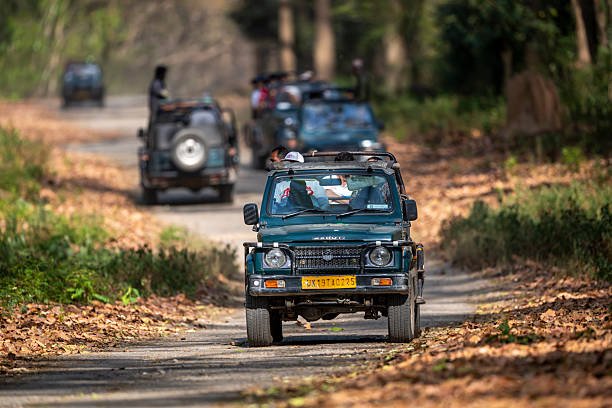
- Modes of Transport: Shared shuttle buses, private taxis/transfers, and sometimes public buses.
- Scenery: Expect semi-arid landscapes, dotted with acacia trees and Maasai villages.
- Border Process: Can be busy and sometimes slow. Ensure you have all necessary documents.
Getting from Nairobi to Namanga:
Several options exist to get from Nairobi to the Namanga border post:
- Shared Shuttle Buses: These are the most common and recommended option for tourists. Companies like Impala Shuttle, Scandinavia Express, and others operate daily services. They typically depart from designated points in Nairobi (often near the city center or specific hotels) in the morning. The journey to the border takes about 3-4 hours. You’ll be dropped off at the Kenyan side of the border to complete immigration, then walk across to the Tanzanian side and often board another shuttle or a pre-arranged vehicle for the onward journey to Arusha.
- Private Transfers: For greater comfort and flexibility, you can arrange a private car and driver. This is significantly more expensive but allows you to travel at your own pace, stop for photos, and have a direct journey to your Arusha accommodation without changing vehicles at the border. This is a good option for families or groups.
- Public Buses: While possible, this is generally not recommended for tourists due to potential language barriers, less comfortable seating, and multiple stops. However, it is the cheapest option.
Crossing the Namanga Border:
The border crossing itself requires diligence:
- Kenyan Exit Immigration: You’ll first process your exit from Kenya. Have your passport and any required exit forms ready.
- Walk Across: After clearing Kenyan immigration, you will walk across the border line to the Tanzanian side. There are often vendors and money changers here, but exercise caution and ensure you get fair rates if you need to exchange currency.
- Tanzanian Entry Immigration: Present your passport and Tanzanian visa (or arrange for a visa on arrival if eligible and prepared). Be aware that queues can be long, especially during peak hours or on days when many buses arrive.
- Onward Travel: Once through Tanzanian immigration, you’ll meet your pre-arranged transport (shuttle bus, private driver) for the journey to Arusha. This leg takes approximately 2-3 hours.
Tip for 2026-2027: It’s advisable to book your shuttle service in advance, especially if traveling during busy periods. Confirm the pick-up point and time. For private transfers, ensure your operator is reputable and has experience with this route.
2. The Lungalunga Border Crossing (Mombasa to Tanga/Zanzibar)
This border crossing is primarily used by travelers coming from the Kenyan coast (like Mombasa) and heading towards Tanzania’s coast, particularly Tanga or onward to Dar es Salaam and Zanzibar. It’s less common for those coming from Nairobi.
Lungalunga Border Essentials
- Location: Connects the Kenyan coast near Lungalunga with Horohoro, Tanzania.
- Typical Travel Time: 4-6 hours from Mombasa to Tanga, including border formalities.
- Modes of Transport: Matatus (minibuses), private taxis, and sometimes direct buses.
- Scenery: Coastal plains, agricultural areas, and small towns.
- Border Process: Generally less congested than Namanga but can still have delays.
Getting from Mombasa to Lungalunga:
- Matatus: The most common and economical way is to take a matatu from Mombasa to Lungalunga town. This journey takes about 2-3 hours.
- Private Taxis: You can hire a taxi for a more direct and comfortable journey to the border.
Crossing the Lungalunga Border:
The process is similar to Namanga:
- Kenyan Exit: Clear immigration on the Kenyan side.
- Walk Across: Proceed to the Tanzanian side (Horohoro).
- Tanzanian Entry: Complete immigration and visa procedures for Tanzania.
- Onward Travel: From Horohoro, you’ll need to find transport to Tanga (about 1-2 hours drive). From Tanga, you can continue to Dar es Salaam by bus or ferry, or take a ferry directly to Zanzibar (though this is less common than flying from Dar).
Note: If your ultimate destination is Zanzibar, it is often more efficient to travel from Mombasa to Dar es Salaam by bus (after crossing at Lungalunga) and then take a direct ferry from Dar es Salaam to Zanzibar. Alternatively, flying from Mombasa to Zanzibar or Dar es Salaam might be a better use of time.
3. Other Border Crossings
While Namanga and Lungalunga are the most frequented for tourist traffic between Kenya and Tanzania, other crossings exist, such as the Sirari border between Tarime (Tanzania) and Isebania (Kenya), which is relevant for those traveling between the Maasai Mara and Serengeti regions via Lake Victoria. However, these are often less straightforward for international tourists and might involve more complex local transport arrangements.
Air Travel: The Fastest Way to Travel from Kenya to Tanzania
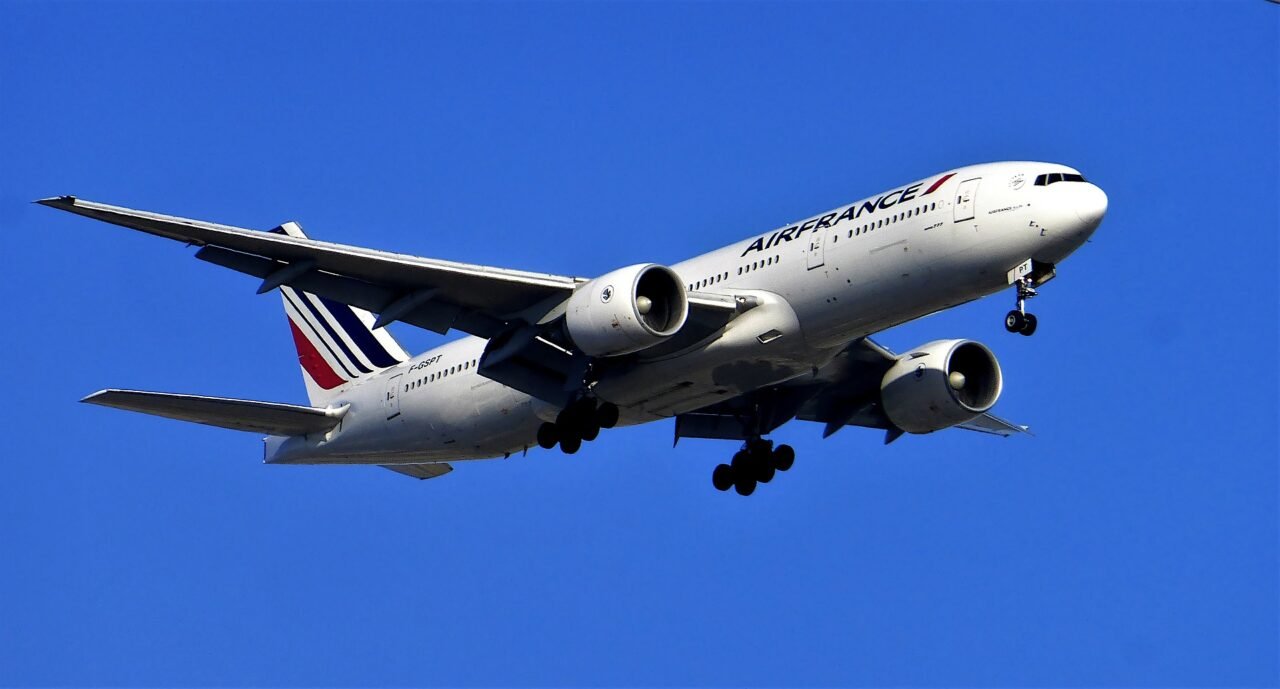
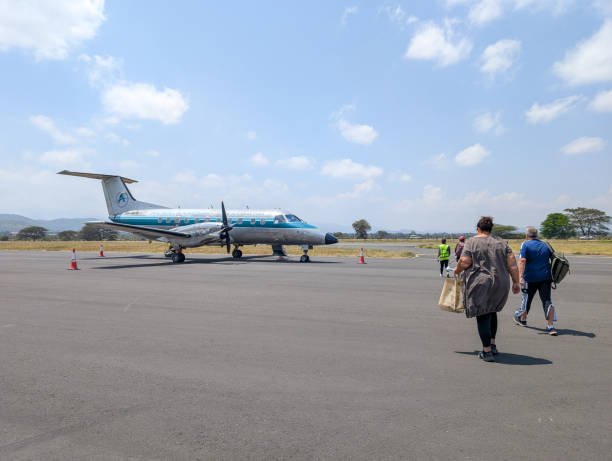
For travelers prioritizing speed and convenience, flying between Kenya and Tanzania is the most efficient option. Several direct flights connect major cities, significantly reducing travel time compared to overland journeys.
Direct Flights: Nairobi to Kilimanjaro/Arusha or Dar es Salaam
Several airlines operate direct flights from Jomo Kenyatta International Airport (NBO) in Nairobi to:
- Kilimanjaro International Airport (JRO): This is the primary airport serving Arusha, Mount Kilimanjaro, and the northern safari circuit. It’s a very convenient option if your Tanzanian adventure starts in this region.
- Julius Nyerere International Airport (DAR) in Dar es Salaam: This is Tanzania’s largest airport and the gateway to southern Tanzania, Zanzibar, and the coastal regions.
Airlines such as Precision Air, Air Tanzania, Kenya Airways, and Ethiopian Airlines (often with a short stop in Addis Ababa) operate these routes. The flight duration is typically around 1 to 1.5 hours.
Pros of Flying:
- Speed: Significantly reduces travel time, saving valuable vacation days.
- Convenience: Avoids border crossing hassles and long hours on the road.
- Comfort: Generally more comfortable than overland travel.
Cons of Flying:
- Cost: Usually the most expensive option, especially when booked last minute. Prices for 2026-2027 flights should be monitored for early booking deals.
- Baggage Restrictions: Standard airline baggage limits apply.
- Less Scenic: You miss out on the overland journey’s landscapes and local interactions.
Booking Tip for 2026-2027: Book your flights as far in advance as possible, especially for travel during peak seasons. Compare prices across different airlines and consider flexible dates if possible. You can often find better deals if you book 3-6 months out.
Flights to Zanzibar
If your destination is Zanzibar, you have a few options:
- Direct flights from Nairobi to Zanzibar (ZNZ): Some airlines offer direct routes.
- Flights from Nairobi to Dar es Salaam (DAR), then ferry or flight to Zanzibar: This is a common combination. The flight from Nairobi to Dar is about 1 hour, followed by a 1.5-hour ferry or a short 20-minute flight to Zanzibar.
- Flying from JRO (Kilimanjaro) to Zanzibar: There are also connections between Kilimanjaro and Zanzibar, often via Dar es Salaam.
Consideration for 2026-2027: If your itinerary involves both the northern safari circuit (Serengeti, Kilimanjaro) and Zanzibar, flying from JRO to ZNZ (perhaps with a stop) can be highly efficient.
Visa Requirements for Tanzania
Navigating visa requirements is a critical part of planning your travel from Kenya to Tanzania. While rules can change, here’s a general overview for 2026-2027.
Visa on Arrival
For many nationalities, a visa on arrival is available at major entry points, including Namanga and Kilimanjaro International Airport. This is often the most convenient option if you haven’t applied in advance.
- Cost: Typically around $50 USD for single-entry visas, though this can vary. Some nationalities may pay $100 USD. It’s essential to carry exact change in USD in crisp, new bills.
- Required Documents: Passport (valid for at least six months beyond your stay), a completed visa application form, and sometimes proof of onward travel or sufficient funds.
- Processing Time: Can vary significantly depending on queues.
Online Visa Application (eVisa)
Tanzania also offers an online visa application system, which can save time at the border. You can apply through the official Tanzanian Immigration Services website.
- Application: Fill out the online form and upload necessary documents.
- Approval: You’ll receive an approval letter via email, which you must present at the border along with your passport.
- Benefits: Potentially faster processing at immigration.
- Recommendation: Applying online in advance is often recommended for a smoother entry, especially if you are concerned about border queues or arriving late at night.
Visa Exemption
Citizens of certain East African Community (EAC) partner states may not require a visa. Always check the latest regulations for your specific nationality well before your travel dates in 2026-2027.
Important Note: The Tanzanian government occasionally changes visa policies. Always verify the most current requirements with the Tanzanian embassy or consulate in your home country or on the official Tanzanian immigration website before your trip.
Preparing for Your Overland Journey: Tips and What to Expect
Overland travel from Kenya to Tanzania, particularly via Namanga, is a common and rewarding experience, but it requires preparation.
What to Pack for the Journey
- Snacks and Water: While you can buy refreshments, having your own supply is wise, especially for the border crossing or if your transport makes few stops.
- Entertainment: Books, downloaded music, or podcasts for the journey.
- Comfortable Clothing: Light, breathable clothing suitable for warm weather.
- Camera: To capture the landscapes and any interesting sights along the way.
- Hand Sanitizer and Wipes: Useful for hygiene during transit.
- Small Backpack: To keep essentials easily accessible during the journey and at the border.
Currency Exchange
You’ll need Tanzanian Shillings (TZS) once you cross into Tanzania. While some places near the border might accept USD or Kenyan Shillings, it’s best to have local currency. You can exchange money at the border, but rates might not be optimal. ATMs are available in Arusha and other major towns.
Border Crossing Etiquette and Safety
- Be Patient: Border crossings can be slow. Maintain a positive attitude.
- Keep Documents Secure: Hold onto your passport and visa documents tightly. Be wary of touts offering ‘help’ with immigration; use official channels.
- Customs Declarations: Be prepared to declare any items if required.
- Photography: Be mindful of where you take photos; avoid official buildings or security personnel without permission.
- Scams: Be aware of common border scams, such as inflated currency exchange rates or fake visa assistance. Stick to official counters for immigration and visa processing.
Language
While English is widely spoken in tourist areas and by many shuttle operators, Swahili is the national language. Learning a few basic Swahili phrases can be helpful and appreciated.
Itinerary Ideas: Combining Kenya and Tanzania in 2026-2027
Many travelers plan trips that seamlessly blend experiences in both Kenya and Tanzania. Here are a few popular itinerary structures:
Classic East African Safari Circuit
Option 1: Kenya First, then Tanzania
Start in Nairobi, explore the Maasai Mara (Kenya), then travel overland to the Serengeti (Tanzania) via the Isebania/Sirari border, or fly from Nairobi to Kilimanjaro/Arusha and begin your Tanzanian safari (Tarangire, Lake Manyara, Ngorongoro Crater, Serengeti). This route is popular for experiencing the Great Migration across both countries.
Mount Kilimanjaro Climb and Safari
Option 2: Nairobi Arrival, Climb Kili, then Safari
Fly into Nairobi, perhaps spend a day or two. Then, take a shuttle or fly to Arusha, Tanzania. Undertake your Mount Kilimanjaro climb. After descending, start a northern circuit safari (Serengeti, Ngorongoro). You could then fly from Kilimanjaro (JRO) to Zanzibar for relaxation, or back to Nairobi.
Coastal and Island Exploration
Option 3: Kenyan Coast to Zanzibar
Spend time on the Kenyan coast (Mombasa, Diani). Travel overland via the Lungalunga border to Tanga, then take a bus to Dar es Salaam. From Dar, take a ferry or short flight to Zanzibar for beach relaxation and cultural exploration.
Considerations for 2026-2027:
- Great Migration Timing: If witnessing the Great Migration is a priority, research its expected location in the Serengeti/Maasai Mara for your 2026-2027 travel dates. This typically occurs between July and October in the Mara River region (Kenya/Tanzania border) and moves south into the Serengeti plains later in the year.
- Kilimanjaro Climbing Season: The best months for climbing Kilimanjaro are generally January-March and June-October.
- Safari Peak Seasons: June to October offers dry weather, ideal for game viewing. December to February is also popular.
Choosing Your Transport: A Comparative Look
To help you decide, let’s compare the main transport methods:
| Transport Method | Typical Cost (USD) | Travel Time | Comfort Level | Best For |
|---|---|---|---|---|
| Shared Shuttle Bus (e.g., Nairobi-Arusha) | $30 – $50 per person | 6-8 hours (incl. border) | Moderate | Budget travelers, solo travelers, couples |
| Private Transfer (e.g., Nairobi-Arusha) | $250 – $400+ per vehicle | 5-7 hours (incl. border) | High | Families, groups, luxury travelers, those prioritizing time/convenience |
| Flight (e.g., Nairobi-JRO/DAR) | $150 – $350+ per person (one-way) | 1-1.5 hours (flight time) + airport time | Very High | Time-constrained travelers, those seeking maximum comfort |
| Public Bus (e.g., Mombasa-Tanga) | $10 – $20 per person | 4-6 hours (incl. border) | Low to Moderate | Extreme budget travelers, those comfortable with local transport |
Note: Costs are approximate and can vary significantly based on booking time, season, specific provider, and negotiation. Prices for 2026-2027 are estimates.
Practicalities for 2026-2027 Travel: What to Book and When
Effective planning is key to a smooth journey from Kenya to Tanzania. Here’s a guide to booking and timing for your 2026-2027 travels:
Booking Transport
- Shuttle Buses: It’s wise to book your shuttle service at least a few days to a week in advance, especially if traveling during peak seasons (July-October, December-February). You can often book through your hotel in Nairobi or Arusha, or directly with the shuttle company.
- Flights: For the best prices and availability, book international and domestic flights 3-6 months in advance for 2026-2027. Last-minute bookings can be significantly more expensive.
- Private Transfers: Arrange these through a reputable tour operator or driver. Booking 1-2 weeks in advance is usually sufficient, but longer lead times are recommended for peak periods.
Accommodation
Ensure your accommodation is booked at your destination (e.g., Arusha, Nairobi, Dar es Salaam, Zanzibar) before you travel. This is especially important if you arrive late at night or during busy periods.
Tours and Safaris
If your travel from Kenya to Tanzania is part of a larger safari or trek, book these well in advance. For example, popular Kilimanjaro routes and specific safari departures for 2026-2027 should be secured months ahead. Climb 4 Africa specializes in these experiences, offering tailor-made itineraries.
Health and Vaccinations
Consult your doctor or a travel clinic 4-6 weeks before your trip regarding recommended vaccinations (e.g., Yellow Fever, Hepatitis A, Typhoid) and malaria prophylaxis. Yellow
Check Availability for How To Travel From Kenya To Tanzania 2026-2027
Ready to compare dates, prices, and the best option for your group? Send the package name and travel month so the team can reply with a clear quote, availability, and what is included.



