
Updated planning guide for 2026-2027
Festival And Event-Based Travel: Complete Guide 2026-2027
Discover the magic of Tanzania through its vibrant festivals and events. This comprehensive guide helps you plan unforgettable festival and event-based travel experiences in Tanzania for 2026-2027, covering everything from iconic celebrations to local gatherings.
WhatsApp +255747477898 | climb4africa@gmail.com | climb4africa@gmail.com
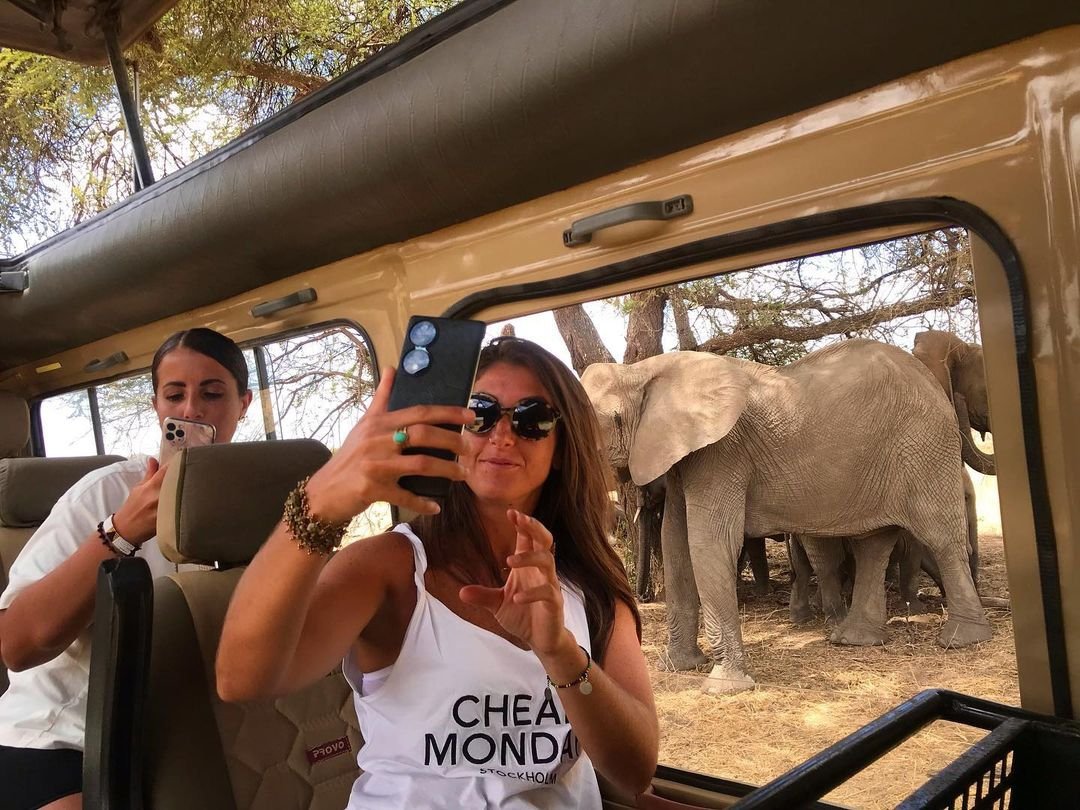
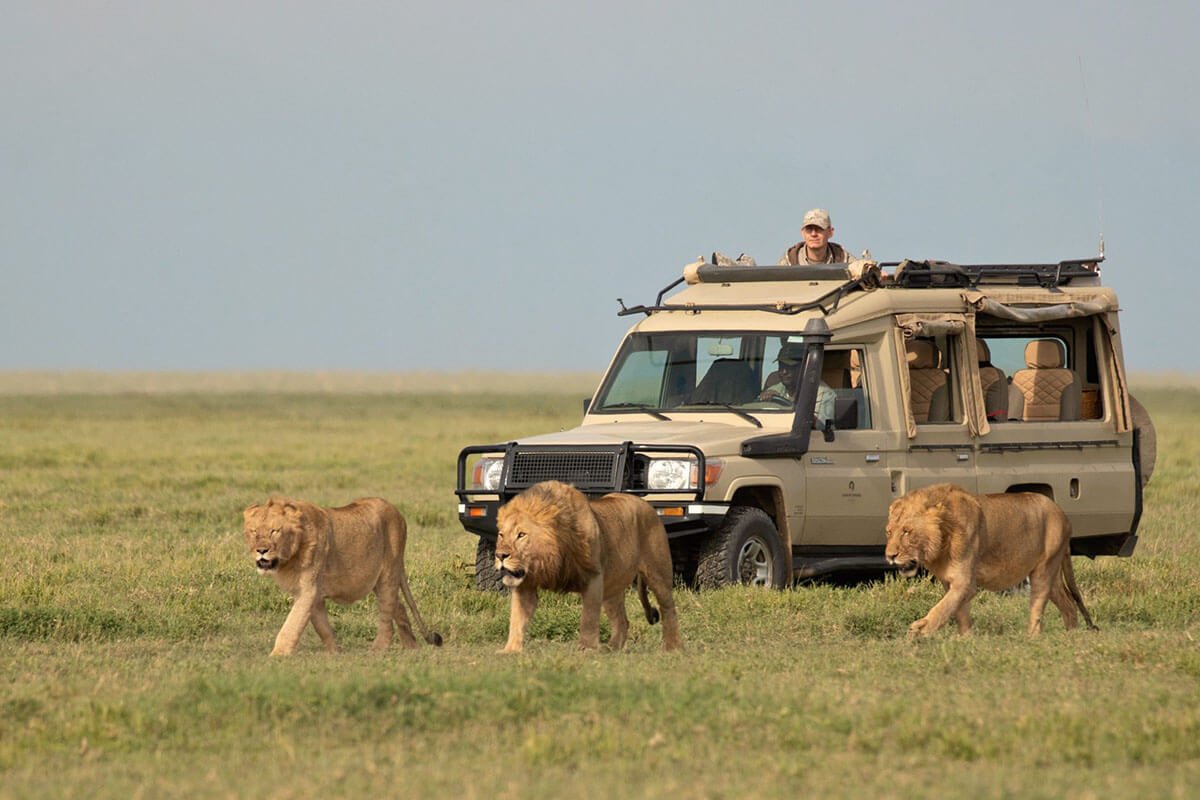
Festival and Event-Based Travel: Your Essential Tanzania Guide 2026-2027
Tanzania, a land of breathtaking landscapes and rich cultural heritage, offers more than just iconic safaris and stunning beaches. For the traveler seeking deeper connection and unique experiences, festival and event-based travel presents an unparalleled opportunity to witness the heart and soul of this East African gem. Imagine celebrating the vibrant colors of a local festival, feeling the rhythm of traditional music, or participating in a significant cultural observance. This guide is designed to help you plan your perfect festival and event-based travel adventure in Tanzania, ensuring you capture the essence of its celebrations and create lasting memories for 2026-2027.
From the world-renowned Serengeti migration to the spice-scented air of Zanzibar, Tanzania is a destination that truly comes alive during its many festivals and events. Whether you’re drawn to the spiritual significance of Eid al-Fitr, the lively atmosphere of the Sauti za Busara music festival, or the ancient traditions of the Maasai, there’s an event to suit every interest. This article will guide you through understanding what makes festival and event-based travel in Tanzania so special, how to choose the right events, plan your itinerary, prepare for your journey, and make the most of your cultural immersion.
Quick Facts: Festival and Event Travel in Tanzania
| Aspect | Details |
|---|---|
| Primary Draw | Cultural immersion, unique celebrations, local interactions |
| Key Regions | Zanzibar, Arusha, Dar es Salaam, Bagamoyo, Maasai regions |
| Best Time for Events | Varies by event; generally drier months are popular but not exclusive |
| Traveler Type | Culture enthusiasts, photographers, those seeking authentic experiences |
| Planning Lead Time | 6-12 months for major events, 3-6 months for smaller ones |
| Accommodation Needs | Book well in advance, especially near event venues |
Why Choose Festival and Event-Based Travel in Tanzania?
Tanzania’s festivals and events are not just performances; they are living expressions of its diverse cultures, history, and traditions. Choosing to travel around these occasions offers a unique perspective that standard tourism often misses. You get to witness the nation’s spirit, engage with local communities, and experience destinations in a way that feels more authentic and enriching.
Cultural Immersion Beyond the Ordinary
Unlike visiting a museum or a historical site, participating in a festival allows you to be part of a dynamic, unfolding cultural narrative. You can see traditional dances performed with genuine passion, taste authentic cuisine prepared for the celebration, and hear stories passed down through generations. This direct engagement fosters a deeper understanding and appreciation of Tanzanian life.
Unique Photographic Opportunities
The vibrant colors, intricate costumes, expressive faces, and lively activities make festivals a dream for photographers. From the elaborate preparations to the climax of the celebration, every moment offers a compelling visual story. Capturing these scenes provides a unique record of your journey and the cultural richness you’ve experienced.
Supporting Local Communities
By attending events and utilizing local services, your travel directly benefits the communities hosting these celebrations. This can include local artisans selling their crafts, food vendors, musicians, and accommodation providers. Responsible festival tourism helps sustain cultural practices and provides economic opportunities.
Experiencing Tanzania’s Diversity
Tanzania is a mosaic of ethnic groups, each with its own customs and traditions. Festivals often highlight these differences, showcasing the distinct heritage of various tribes, such as the Maasai, Chagga, Sukuma, and Swahili people. This offers a comprehensive look at the nation’s rich cultural tapestry.
Key Festivals and Events in Tanzania
Tanzania hosts a variety of events throughout the year, ranging from major international festivals to deeply rooted local celebrations. Understanding these can help you tailor your travel plans for 2026-2027.
Sauti za Busara Music Festival (Zanzibar)
Held annually in Stone Town, Zanzibar, typically in February. This is one of East Africa’s most prestigious music festivals, celebrating Swahili culture and showcasing a wide range of African music. It’s a vibrant event featuring both established and emerging artists, with performances taking place in historic venues.
Zanzibar International Film Festival (ZIFF)
Usually taking place in July, ZIFF is the largest cultural event in Zanzibar. It screens films from around the world, with a focus on African cinema, and includes music, theatre, and art exhibitions. It’s a fantastic opportunity to experience Zanzibar’s artistic side.
Eid al-Fitr and Eid al-Adha
These are major Islamic holidays observed by a significant portion of Tanzania’s population, particularly in Zanzibar and coastal areas. Eid al-Fitr marks the end of Ramadan, and Eid al-Adha commemorates Ibrahim’s willingness to sacrifice his son. Dates vary each year based on the lunar calendar. Expect vibrant prayers, family gatherings, and special meals. Travelers can respectfully observe these celebrations, often witnessing community prayers and festive atmospheres.
Maasai Cultural Events and Festivals
While not always on fixed dates, many Maasai communities host events that offer insights into their traditional way of life. These can include initiations, celebrations of cattle, and cultural exchanges. Visiting a Maasai boma during a specific event can be a profound experience, but requires careful arrangement to ensure respect and authenticity.
Nyerere Day (October 14th)
A national holiday commemorating the first President of Tanzania, Julius Nyerere. While primarily a day of remembrance, it’s often marked by public speeches and reflections on the nation’s history and development, particularly in significant historical sites.
Independence Day (December 9th)
Celebrates Tanzania’s independence from British rule. Events can include parades, cultural performances, and national addresses, offering a glimpse into national pride and identity.
Local Harvest Festivals and Traditional Ceremonies
Many rural communities have harvest festivals tied to agricultural cycles. These are often very localized and may not be widely advertised, but can be incredibly authentic. Engaging with local guides or tour operators is key to discovering these.
Best Time to Visit for Festival and Event Travel
| Month | Potential Events/Festivals | Notes |
|---|---|---|
| February | Sauti za Busara (Zanzibar) | Music festival, vibrant atmosphere. Book accommodation early. |
| March/April | Eid al-Fitr (dates vary) | Major Islamic holiday. Respectful observation is key. Coastal areas and Zanzibar are most active. |
| July | Zanzibar International Film Festival (ZIFF) | Arts and culture focus. Stone Town buzzes with activity. |
| August – October | Maasai cultural events (variable) | Often coincides with dry season. Requires specialized arrangements. |
| October 14th | Nyerere Day | National commemoration. |
| November/December | Eid al-Adha (dates vary) | Another significant Islamic holiday. |
| December 9th | Independence Day | National celebrations, particularly in major cities. |
Planning Your Festival and Event-Based Itinerary (2026-2027)
Successful festival travel requires meticulous planning, especially when dates are fixed and demand is high. Here’s a step-by-step approach to crafting your 2026-2027 journey.
Step 1: Identify Your Target Event(s)
Decide which festival or event aligns best with your interests and travel window. Consider the location, duration, and type of experience you’re seeking. For example, if you love music, Sauti za Busara in February is ideal. If cultural immersion is key, a carefully arranged Maasai event might be better.
Step 2: Determine Your Travel Dates
Once you have an event, pinpoint the exact dates. Factor in travel time to and from the event location, as well as any pre- or post-event activities you wish to include, such as a safari or a Zanzibar beach stay. Remember that major holidays like Eid have variable dates annually.
Step 3: Book Flights and Accommodation EARLY
This is the most critical step. Flights to Tanzania (Kilimanjaro International Airport – JRO, or Abeid Amani Karume International Airport – ZNZ) and accommodation in or near the event venue should be secured as soon as possible, ideally 9-12 months in advance for major festivals like Sauti za Busara or during peak holiday seasons. Popular hotels and guesthouses fill up rapidly.
Step 4: Arrange Local Transportation
Consider how you will get to the event venue and around the area. This might involve airport transfers, taxis, or hiring a private vehicle. If the event is in a remote area, specialized transport might be necessary.
Step 5: Secure Event Tickets or Passes (If Applicable)
Some festivals require advance ticket purchase. Check the official event websites for ticketing information and deadlines. For cultural events or community gatherings, your tour operator can often assist with arrangements and introductions.
Step 6: Plan Pre- and Post-Event Activities
Tanzania offers incredible opportunities beyond the festival itself. Consider combining your event experience with a safari in the northern circuit (Serengeti, Ngorongoro), a trek up Mount Kilimanjaro, or a relaxing beach holiday on Zanzibar. Work with your tour operator to seamlessly integrate these into your itinerary.
Sample Festival Route: Zanzibar Music & Culture (February)
This sample itinerary focuses on combining the Sauti za Busara festival with a taste of Zanzibar’s history and natural beauty.
- Day 1-2: Arrival in Zanzibar & Stone Town Exploration. Arrive at ZNZ, transfer to Stone Town. Settle in and begin exploring the UNESCO World Heritage site, its narrow alleys, historic buildings, and bustling markets.
- Day 3-5: Sauti za Busara Music Festival. Immerse yourself in the festival’s vibrant atmosphere in Stone Town. Attend performances, enjoy the cultural exchange, and explore the festival’s associated art and food stalls.
- Day 6: Spice Tour & Jozani Forest. Take a guided spice tour to learn about Zanzibar’s aromatic history and visit Jozani Chwaka Bay National Park to see the rare Red Colobus monkeys.
- Day 7-9: Beach Relaxation in Nungwi or Kendwa. Transfer to the northern coast for relaxation on pristine beaches, swimming, snorkeling, and enjoying the laid-back island vibe.
- Day 10: Departure. Enjoy a final Zanzibari breakfast before transferring back to ZNZ for your onward flight.
What to Expect During Festival and Event Travel
Festival and event-based travel in Tanzania offers unique rewards but also comes with specific considerations. Understanding these expectations will help you prepare effectively.
Crowds and Atmosphere
Major festivals attract significant crowds, both local and international. Be prepared for bustling environments, especially in popular venues and during peak times. The atmosphere is usually festive, energetic, and communal. Smaller, local events might be more intimate.
Accommodation Availability and Pricing
As mentioned, accommodation near event locations becomes scarce and prices often increase during festival periods. Booking far in advance is non-negotiable. Consider staying slightly outside the main event hub if necessary, but factor in transportation costs and time.
Cultural Etiquette and Respect
When attending religious festivals like Eid, or traditional cultural events, it’s crucial to be respectful. Dress modestly, particularly when visiting religious sites or during prayer times. Always ask for permission before taking photos of people, especially women and children. Observe local customs and be mindful of noise levels and public behavior.
Food and Drink
Festivals are often great opportunities to sample local street food and traditional dishes. However, always ensure food is prepared hygienically. Drink bottled or purified water to avoid stomach issues. Many events will have dedicated food vendors offering a variety of local and international options.
Language
Swahili is the national language, but English is widely spoken in tourist areas and by many involved in the tourism and festival sectors. Learning a few basic Swahili phrases can be greatly appreciated by locals.
Safety and Security
Like any large gathering, be aware of your surroundings and take precautions against petty theft. Keep valuables secure and avoid displaying them unnecessarily. Stick to well-lit areas at night. Tour operators can provide specific safety advice for event locations.
Festival and Event Travel Preparation Checklist
- Confirm Event Dates: Verify exact dates for 2026-2027.
- Book Flights: Secure international and domestic flights early.
- Book Accommodation: Reserve hotels/lodges/guesthouses well in advance.
- Arrange Local Transport: Plan airport transfers and event-day transport.
- Purchase Event Tickets: If required, buy tickets before they sell out.
- Travel Insurance: Ensure comprehensive coverage, including event-related disruptions.
- Visa Requirements: Check and apply for necessary visas.
- Vaccinations & Health: Consult your doctor about recommended vaccinations and malaria precautions.
- Currency: Arrange for Tanzanian Shillings (TZS) and US Dollars for larger expenses.
- Packing: Pack appropriate clothing, comfortable shoes, sun protection, insect repellent, and any personal medications.
- Learn Basic Swahili Phrases: Enhance your interactions.
- Cultural Awareness: Research local customs and etiquette.
- Emergency Contacts: Save local emergency numbers and your tour operator’s details.
Packing for Festival and Event Travel
Packing smart is essential for comfort and convenience. Tailor your packing list to the specific event, location, and climate.
Clothing
- Lightweight, breathable fabrics: Cotton, linen, and moisture-wicking materials are best for Tanzania’s climate.
- Modest attire: Especially important for religious festivals or visiting villages. Include long skirts, trousers, and tops with sleeves.
- Comfortable walking shoes: You’ll be doing a lot of walking, especially in places like Stone Town or at large festival grounds.
- Sandals or flip-flops: For relaxed moments or beach days.
- A light jacket or fleece: Evenings can be cooler, especially at higher altitudes or on the coast.
- Swimwear: If your trip includes beach time.
- A scarf or sarong: Versatile for sun protection, modesty, or as a beach wrap.
Health and Safety
- Sunscreen (high SPF): The equatorial sun is strong.
- Insect repellent: With DEET or picaridin for mosquito protection.
- Hand sanitizer: Essential for hygiene on the go.
- Personal medications: Bring an adequate supply with prescriptions.
- Basic first-aid kit: Including plasters, antiseptic wipes, pain relievers, and motion sickness medication if needed.
Other Essentials
- Camera and extra batteries/memory cards: To capture the vibrant scenes.
- Portable power bank: For charging devices on the go.
- Universal travel adapter: Tanzania uses Type D and G plugs.
- Reusable water bottle: To minimize plastic waste.
- Small backpack or day bag: For carrying essentials during festival days.
- Copies of important documents: Passport, visa, flight tickets, insurance.
Common Mistakes to Avoid
To ensure a smooth and enjoyable festival and event-based travel experience, be aware of these common pitfalls.
- Underestimating booking times: Waiting too long to book flights and accommodation is the biggest mistake. For popular events in 2026-2027, start planning a year in advance.
- Not factoring in travel time: Tanzania is large. Allow ample time for travel between locations, especially if combining events with safaris or treks. Road travel can be slow.
- Ignoring cultural nuances: Failing to research and respect local customs can lead to misunderstandings or unintentional offense.
- Over-scheduling: Trying to cram too many events or activities into a short period can be exhausting and detract from the experience. Allow for downtime and spontaneous exploration.
- Not budgeting for event-related costs: Festival tickets, local transport to venues, and potentially higher food prices during events should be factored into your budget.
- Poor health preparation: Neglecting vaccinations, malaria precautions, or safe drinking water practices can lead to illness that ruins your trip.
- Not having a backup plan: Flights can be delayed, and events might have last-minute changes. Having a flexible attitude and a backup plan is wise.
Who is Festival and Event-Based Travel Best Suited For?
This style of travel is ideal for:
- Culture Enthusiasts: Those eager to understand and experience local traditions, music, and art firsthand.
- Photographers: Individuals looking for visually rich and dynamic subjects.
- Adventurous Travelers: People willing to step outside their comfort zone for unique experiences and who are adaptable to different environments.
- Repeat Visitors to Tanzania: Travelers who have already experienced the classic safari or beach holiday and are seeking a deeper connection.
- Those Seeking Authentic Experiences: Individuals who prefer genuine interactions and local immersion over standard tourist trails.
- Group Travelers: Friends or families looking for a shared, memorable experience centered around a specific event.
It may be less suitable for travelers seeking a completely relaxing, predictable, and low-interaction holiday, or those on a very tight, inflexible schedule with no room for delays.
Alternatives to Festival and Event Travel
If direct festival participation isn’t feasible or appealing, other ways to experience Tanzanian culture exist:
- Cultural Tourism Programs: Many communities offer structured visits where you can learn about daily life, traditional crafts, and local customs. Examples include visiting Maasai bomas, Chagga villages near Kilimanjaro, or fishing communities.
- Homestays: Staying with a local family provides an intimate glimpse into everyday life and traditions.
- Visiting Local Markets: Markets are vibrant hubs of activity and offer a sensory experience of local life, produce, and crafts.
- Attending Local Celebrations (Unplanned): Sometimes, by being in a town or village at the right time, you might stumble upon local celebrations or ceremonies. This requires flexibility and local connections.
- Museums and Cultural Centers: For a more structured overview of history and culture, visiting national museums or cultural heritage centers is informative.
Planning for 2026-2027: Key Considerations
As you plan your festival and event-based travel for 2026-2027, keep these specific points in mind:
- Research Event Schedules: Official dates for many festivals, especially smaller or more traditional ones, might not be announced until late in the preceding year or even early in the festival year. Stay updated through official tourism sites and event organizers.
- Visa and Health Updates: Regulations and health recommendations can change. Consult official government sources and your healthcare provider closer to your travel dates for the most current information.
- Sustainable Tourism Practices: Consider how your participation impacts local communities and the environment. Choose eco-friendly accommodations and tour operators committed to responsible tourism.
- Flexibility is Key: While planning is crucial, be prepared for the unexpected. Tanzania’s pace of life can be different, and sometimes the best experiences happen spontaneously.
- Engage with Local Experts: Working with a reputable Tanzanian tour operator is invaluable. They have local knowledge, can secure hard-to-get accommodations, arrange authentic experiences, and navigate local logistics, especially for events.
2026-2027 Festival Travel Booking Timeline
| Timeframe | Action |
|---|---|
| 12-18 Months Prior | Identify target festivals/events. Research dates and locations for 2026-2027. |
| 9-12 Months Prior | Book international flights. Secure accommodation in event locations. Contact tour operators for custom itinerary planning. |
| 6-9 Months Prior | Book domestic flights or major internal transport. Confirm visa requirements and application timelines. Book safari or other pre/post-event tours. |
| 3-6 Months Prior | Purchase event tickets if required. Arrange local transportation for event days. Confirm vaccination and health recommendations. |
| 1-3 Months Prior | Finalize itinerary details. Pack essentials. Arrange currency exchange. Share itinerary with family/friends. |
| 1-2 Weeks Prior | Reconfirm all bookings. Check weather forecasts. Pack final items. Obtain travel insurance policy details. |
Booking Advice for Festival and Event-Based Travel
Making informed booking decisions is paramount for a successful festival trip. Here’s how to approach it:
Choose a Reputable Tour Operator
For festival and event-based travel in Tanzania, partnering with an experienced local operator like Best Tanzania tour operator (Climb 4 Africa) is highly recommended. They possess crucial insights into local logistics, can secure accommodations that might otherwise be unavailable, and can arrange authentic cultural interactions. They can tailor itineraries that perfectly blend event attendance with safaris, treks, or beach holidays.
Be Specific with Your Requests
When contacting operators, be clear about your primary interest (the festival/event), your desired travel dates, your budget range, and any other activities you wish to include. The more information you provide, the better they can craft a suitable plan.
Understand Inclusions and Exclusions
Carefully review what your tour package or booking includes (e.g., accommodation, transfers, guided tours, event tickets) and what it excludes (e.g., meals, personal expenses, visa fees, travel insurance). This prevents surprises.
Sample Itinerary Inclusions (Hypothetical Festival Package)
| Included | Not Included |
|---|---|
| Accommodation (specified hotels) | International flights |
| Airport transfers | Visa fees |
| Event tickets/passes | Travel insurance |
| Guided tours of festival area | Most meals (breakfast usually included) |
| Local transport to event venues | Personal expenses (souvenirs, drinks) |
| Welcome briefing | Tips for guides and drivers |
Read the Fine Print
Pay attention to cancellation policies, payment schedules, and any terms and conditions. Understand what happens in case of unforeseen circumstances, such as event cancellations or travel disruptions.
Confirm Booking Details
Before finalizing, double-check all names, dates, and flight/hotel details. Ensure you receive a confirmation for every component of your trip.
Frequently Asked Questions (FAQs)
Q1: When is the best time of year for festival and event-based travel in Tanzania for 2026-2027?
The best time depends entirely on the specific festival. Key events like Sauti za Busara are in February, ZIFF in July. Islamic holidays like Eid al-Fitr and Eid al-Adha vary annually based on the lunar calendar. Generally, the drier months (June to October) are popular for tourism, but many cultural events occur year-round. Always check the specific event dates for 2026-2027.
Q2: How far in advance should I book for a festival trip?
For major festivals and events in Tanzania, especially those attracting international visitors, booking 9-12 months in advance is highly recommended for flights and accommodation. For smaller, local events, 3-6 months might suffice, but early booking is always safer.
Q3: Can I combine festival attendance with a safari or Kilimanjaro climb?
Absolutely! This is a popular way to experience Tanzania. A reputable tour operator can help you seamlessly integrate festival dates with safari itineraries in parks like the Serengeti or Ngorongoro, or with Mount Kilimanjaro trekking schedules. Ensure you factor in travel time between locations.
Q4: What is the typical cost of festival and event-based travel in Tanzania?
Costs vary significantly based on the event’s scale, duration, accommodation choices, and included activities. Festival travel can be more expensive than standard travel due to high demand for accommodation and flights. Expect to budget for flights, accommodation, event tickets, local transport, food, and any additional tours. A custom quote from a tour operator is the best way to get an accurate estimate for your 2026-2027 plans.
Q5: Is it safe to travel to festivals in Tanzania?
Tanzania is generally a safe country for tourists. However, like any large gathering, festivals can attract pickpockets. It’s important to be aware of your surroundings, secure your valuables, and avoid displaying wealth. Sticking to reputable tour operators and following local advice enhances safety.
Q6: What should I wear to a festival in Tanzania?
Pack light, breathable clothing. For cultural or religious festivals, modest attire (covering shoulders and knees) is essential. Comfortable walking shoes are a must. A light jacket for evenings and swimwear if heading to the coast are also advisable.
Q7: How can I find out about local, non-touristy events?
The best way is through local contacts. A good Tanzanian tour operator, like Climb 4 Africa, will have the local knowledge to inform you about and arrange access to authentic community events or traditional ceremonies that are not widely advertised.
Q8: What if an event is cancelled or postponed?
This is a risk with any event travel. Comprehensive travel insurance is crucial, as it may cover non-refundable costs. Working with a reliable tour operator also helps; they can often assist with rebooking or finding alternative arrangements.
Q9: Do I need a visa for Tanzania?
Most nationalities require a visa for Tanzania. This can often be obtained online in advance (e-Visa) or upon arrival at major entry points. Check the latest requirements for your nationality well before your 2026-2027 travel dates.
Q10: What is the currency in Tanzania?
The local currency is the Tanzanian Shilling (TZS). US Dollars are also widely accepted for larger purchases, especially in tourist areas, but it’s good to have Shillings for smaller vendors and local markets. ATMs are available in major towns.
Your Festival and Event-Based Travel Partner in Tanzania
Tanzania’s festivals and events offer a unique window into its soul. By planning thoughtfully and partnering with the right people, you can craft an unforgettable journey filled with cultural discovery, vibrant celebrations, and authentic experiences. Whether you’re drawn to the music of Zanzibar, the traditions of the Maasai, or national celebrations, your adventure awaits.
Let us help you design your perfect festival and event-based travel itinerary for 2026-2027. We specialize in creating custom experiences that go beyond the ordinary, connecting you with the heart of Tanzania.
Ready to plan your unique Tanzanian festival adventure?
Contact us today:
- WhatsApp: +255747477898
- Email: climb4africa@gmail.com
- Backup Email: climb4africa@gmail.com
Let’s make your festival and event-based travel dreams a reality!
Plan your Festival and Event-Based Travel with Climb 4 Africa
Tell us your travel dates, group size, comfort level, and dream experience. We will help you shape a clear, realistic, and memorable Tanzania itinerary.



