
No, you do not need an armed ranger to climb Mount Meru. Unlike Mount Kilimanjaro, Mount Meru does not have a known significant population of dangerous wildlife that necessitates armed escort during the trek. Safety on Mount Meru is primarily managed through experienced guides, porters, park rangers (non-armed park officials for park entry and oversight), and adherence to established safety protocols. Planning for your 2026 or 2027 climb involves selecting a reputable tour operator and preparing for altitude and terrain.
Understanding Mount Meru’s Safety Context: Why No Armed Ranger?
The question of whether an armed ranger is needed to climb Mount Meru often stems from comparisons with other African mountain treks, particularly Mount Kilimanjaro, or a general perception of wilderness safety in East Africa. However, the specific environment and wildlife present on Mount Meru dictate its unique safety requirements. Mount Meru, standing at 4,566 meters (14,980 feet), is a dormant volcano located within Arusha National Park. While Arusha National Park is home to a diverse array of wildlife, including buffalo, elephants, giraffes, and various antelopes, the trekking routes on Mount Meru are generally considered safe and do not pose the same level of direct threat from large predators or aggressive animals that might warrant an armed escort.
The primary reasons for the absence of a mandatory armed ranger requirement for Mount Meru climbs are:
- Wildlife Distribution: The majority of dangerous game on Mount Meru is concentrated in the lower, more densely vegetated areas of Arusha National Park, particularly around the Momella Lakes and the park’s general safari areas. The established trekking routes, especially the popular Momella Route, ascend through montane forest and then open moorland and alpine desert zones, where encounters with large, potentially dangerous animals are rare and typically avoidable.
- Park Management and Guide Expertise: Arusha National Park is well-managed, and park rangers are present to oversee park activities, ensure regulations are followed, and provide assistance. More importantly, licensed and experienced mountain guides are mandatory for all treks on Mount Meru. These guides are highly trained in mountain safety, altitude sickness management, navigation, and wildlife awareness. They know the routes intimately and are adept at managing any potential encounters, although such encounters on the trekking paths are infrequent.
- Trekking Routes’ Nature: The routes are well-defined trails. Unlike areas where wildlife might roam freely across trekking paths, the trails on Meru are distinct and primarily used by trekkers and their support teams.
For your 2026 or 2027 Mount Meru climb, focus on the expertise of your trekking company and guides, rather than on the need for an armed escort. The safety infrastructure is designed around experienced human supervision and well-maintained trails.
Mount Meru vs. Kilimanjaro: A Safety Perspective
It’s common to compare Mount Meru with its more famous neighbor, Mount Kilimanjaro. While both are iconic Tanzanian peaks, their trekking experiences and safety considerations differ significantly. Kilimanjaro, being a much larger mountain and a UNESCO World Heritage Site, also has its own set of wildlife, though the trekking routes themselves are generally above the habitats of the most dangerous animals. However, the perception of safety and the need for professional support are paramount on both. The key difference regarding armed rangers is often tied to specific park regulations or perceived risks. For Kilimanjaro, while armed rangers are not standard for every trekker, park regulations and the sheer scale of the mountain mean that a highly professional and experienced guiding team is absolutely essential. For Mount Meru, the risk profile for direct wildlife encounters on the trail is lower, making a dedicated armed ranger redundant.
Here’s a comparative look at safety aspects:
| Feature | Mount Meru | Mount Kilimanjaro |
|---|---|---|
| Mandatory Armed Ranger | No | No (but highly professional guides are mandatory) |
| Mandatory Guides | Yes (licensed mountain guides) | Yes (licensed mountain guides) |
| Primary Safety Concerns on Trail | Altitude sickness, weather, terrain, rare wildlife encounters (e.g., buffalo in lower forest) | Altitude sickness, weather, terrain, exhaustion |
| Wildlife Presence on Trail | Low to moderate in lower forest, rare higher up. Mostly herbivores; buffalo can be encountered in dense lower forest areas. | Very low on trekking routes; wildlife is in lower park areas away from established paths. |
| Park Authority Presence | Park rangers at gates and checkpoints. | Park rangers at gates and checkpoints. |
| Typical Trek Duration | 3-4 days | 5-9 days |
| Altitude Reached | 4,566m (14,980 ft) | 5,895m (19,341 ft) |
When planning your 2026 or 2027 adventure, remember that for both mountains, the quality of your tour operator and the experience of your guides are the most critical factors for a safe and successful climb. Climb 4 Africa prioritizes highly trained guides for all our treks.
What Safety Measures ARE in Place for Mount Meru Climbs?
While an armed ranger isn’t part of the standard Mount Meru climbing package, a robust safety framework is in place to ensure trekkers’ well-being. This framework relies on several key components:
1. Licensed and Experienced Mountain Guides
This is the cornerstone of safety on Mount Meru. Guides are not just navigators; they are trained professionals responsible for:
- Altitude Sickness Management: Recognizing symptoms of Acute Mountain Sickness (AMS), High Altitude Cerebral Edema (HACE), and High Altitude Pulmonary Edema (HAPE), and knowing the appropriate response, including descent.
- Route Navigation: Ensuring you stay on the correct path, especially in challenging weather conditions or low visibility.
- Pace Setting: Maintaining a sustainable pace (“pole pole” – slowly, slowly) to help with acclimatization.
- Emergency Response: Knowing basic first aid and how to coordinate with park authorities or your tour operator in case of an emergency.
- Wildlife Awareness: Identifying potential wildlife and advising trekkers on how to behave to avoid negative encounters, although these are rare on the trails.
2. Park Rangers and Park Authority
Arusha National Park rangers are stationed at the park gate and at various points within the park. Their role includes:
- Permit Verification: Ensuring all trekkers have the necessary permits.
- Gatekeeping and Entry: Managing access to the park and the mountain.
- General Oversight: Monitoring park activities and ensuring compliance with regulations.
- Emergency Support: While not armed for escort, they can assist in coordinating rescue efforts if required.
3. Support Crew (Porters)
Porters are crucial for carrying supplies, tents, and food. Their presence also means there are more eyes on the trail and an increased support system in case of an incident.
4. Communication Systems
Reputable tour operators, like Climb 4 Africa, ensure their guides carry communication devices, such as satellite phones or two-way radios, for emergencies. This is vital for contacting the outside world if a serious issue arises, especially in areas with no mobile phone signal.
5. Pre-Trek Briefings and Health Checks
A good tour operator will conduct thorough pre-trek briefings covering safety protocols, what to expect, and how to prepare. They may also advise on necessary medical checks and vaccinations prior to your 2026 or 2027 climb.
6. Well-Maintained Trails
The main trekking routes are generally well-trodden and maintained by the park authorities and tour operators, reducing the risk of navigational errors or accidents due to poor trail conditions.
Wildlife Encounters on Mount Meru: What to Expect
While an armed ranger isn’t needed, it’s wise to be aware of the wildlife in Arusha National Park, especially in the lower forest regions. The Momella Route, the most common ascent path for Mount Meru, begins by passing through areas known to host:
- Buffalo: These are perhaps the most significant large animal you might encounter in the dense forest at the start of the trek. While generally not aggressive unless provoked or startled, guides will maintain a safe distance and advise trekkers on how to proceed quietly and cautiously.
- Elephants: Elephants can also be found in the lower forest areas. Again, encounters are rare on the main trail, and guides are trained to manage these situations.
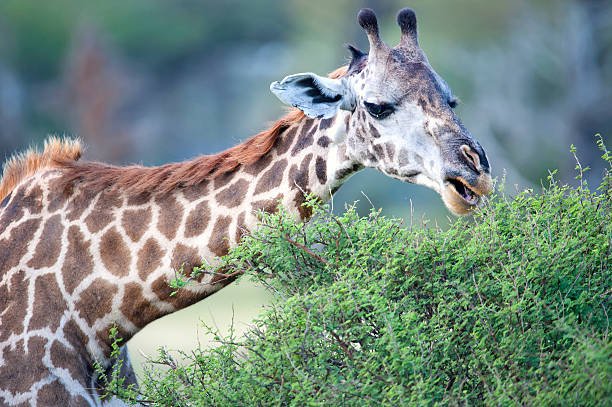
- Giraffes: Often seen in the grasslands below the forest line.
- Various Antelopes: Including dik-diks, bushbucks, and duikers.
- Monkeys: Blue monkeys and colobus monkeys are common in the forest canopy.
As you ascend past the forest line into the moorland and alpine desert zones, the vegetation changes, and the likelihood of encountering large mammals diminishes significantly. The higher reaches of Mount Meru are primarily home to smaller animals, birds, and the incredible flora adapted to high altitudes.
Your guide’s expertise is paramount here. They will brief you on how to behave if you see any wildlife, which typically involves staying calm, keeping quiet, and following the guide’s instructions precisely. For your 2026 or 2027 expedition, trust your guide’s knowledge and experience to navigate any potential wildlife sightings safely.
Planning Your Mount Meru Climb: Essential Preparations
Since an armed ranger is not a concern, your preparation for a Mount Meru climb in 2026 or 2027 should focus on the standard, yet crucial, aspects of mountain trekking:
1. Physical Fitness
Mount Meru is a challenging climb due to its steep ascents and high altitude. A good level of cardiovascular fitness is essential. Start training at least 2-3 months before your trek, focusing on:
- Hiking: Long hikes with significant elevation gain.
- Cardio: Running, cycling, swimming, or using an elliptical machine.
- Strength Training: Focusing on legs and core.
2. Altitude Acclimatization
Mount Meru’s summit is at 4,566 meters. Proper acclimatization is key to preventing altitude sickness. The recommended climbing routes are designed to facilitate this, but individual preparation and careful pacing during the climb are vital.
3. Choosing the Right Route
The most popular and recommended route is the Momella Route, typically completed in 3 or 4 days. A 4-day itinerary offers better acclimatization than a 3-day one.
- 4-Day Momella Route: Day 1: Momella Gate to Miriakamba Hut. Day 2: Miriakamba Hut to Saddle Hut. Day 3: Saddle Hut to Summit (Rhino Point/Meru Peak) and back to Miriakamba Hut. Day 4: Miriakamba Hut to Momella Gate.
- 3-Day Momella Route: This is faster and more strenuous, skipping some acclimatization time, and is generally not recommended for most climbers.
4. Selecting a Reputable Tour Operator
This is arguably the most critical decision for your 2026 or 2027 climb. A good operator ensures:
- Experienced, licensed guides and sufficient support crew.
- Proper safety equipment and communication devices.
- Adherence to park regulations and ethical trekking practices.
- Well-organized logistics, including park fees, food, and accommodation.
Climb 4 Africa is committed to providing safe, well-supported, and memorable Mount Meru climbs. We ensure all our guides are highly trained and experienced, and our safety protocols are among the best in the industry. You can reach us for inquiries about your 2026-2027 trip at climb4africa@gmail.com or WhatsApp us at +255 747 477 898.
5. Gear and Equipment
Proper gear is essential for comfort and safety. Key items include:
- Warm clothing layers (including waterproof and windproof outer shells).
- Good quality hiking boots (broken in).
- Sleeping bag rated for cold temperatures.
- Headlamp with extra batteries.
- Sun protection (hat, sunglasses, sunscreen).
- Water bottles or hydration system.
- Trekking poles (highly recommended).
6. Travel Insurance
Ensure your travel insurance covers high-altitude trekking and emergency evacuation. This is a non-negotiable item for any serious mountain climb.
Park Fees and Costs for Mount Meru in 2026-2027
The cost of climbing Mount Meru includes various park fees, guide and porter fees, food, and accommodation. These costs can fluctuate, so it’s important to get up-to-date information for your planned 2026 or 2027 climb.
Key components of the cost typically include:
- Arusha National Park Entry Fees: These are charged per person per day.
- Conservation Fees: Daily fees for conservation efforts.
- Camping Fees: Fees for overnight stays at park campsites or huts.
- Guide and Porter Fees: Wages for your support team.
- Crater Fees: (If applicable, though less common for standard Meru climbs).
- Rescue Fees: A mandatory fee for rescue services.
- Tour Operator’s Package Fee: This covers all the above, plus food, equipment rental (if any), transportation, and the operator’s overhead and profit.
While exact prices for 2026-2027 are not yet fixed and depend on official park authority announcements, you can expect Mount Meru climbs to generally range from $800 to $1500+ per person for a 3-4 day trek, depending on the operator’s inclusions, service level, and group size. Private climbs will be at the higher end, while group climbs might offer slightly more budget-friendly options.
Climb 4 Africa provides transparent pricing for our Mount Meru expeditions. We encourage you to contact us directly for the most current quotes and detailed itineraries for 2026 and 2027. We aim to offer competitive pricing without compromising on safety or quality of service.
Important Note on Costs:
Always ensure your quote clearly itemizes what is included and excluded. Common exclusions are tips for guides and porters, personal gear, travel insurance, and visa fees. For 2026-2027 climbs, confirm the currency and payment terms with your operator.
When is the Best Time to Climb Mount Meru?
The best time to climb Mount Meru aligns with Tanzania’s dry seasons, which offer clearer skies, less rain, and more stable weather conditions. These periods are also ideal for wildlife viewing in the surrounding national parks if you plan to combine your trek with a safari.
The prime climbing seasons for Mount Meru are:
- January to February: This is a popular time, offering dry and warm conditions. It’s also the start of the short rainy season for some areas, but generally good for trekking.
- June to October: This is the main dry season, characterized by sunny days, cool nights, and minimal rainfall. This period is often considered the best time for climbing, offering excellent visibility and stable weather.
Avoid the peak rainy seasons:
- March to May: This is the long rainy season, with heavy rainfall, mud, and potentially challenging trail conditions. Visibility can be poor, and the risk of AMS may increase due to cold and wet conditions.
- November to December: This is the short rainy season. While not as severe as the long rains, expect intermittent showers, which can make trails slippery.
For planning your 2026 or 2027 Mount Meru adventure, aiming for the June-October window or the January-February period will likely provide the most favorable conditions. Remember that even during the dry season, mountain weather can change rapidly, so be prepared for all conditions.
Safety Protocols and Emergency Procedures
Even without an armed ranger, safety on Mount Meru is taken very seriously. Tour operators implement strict protocols:
1. Guide Training and Certification
All guides are trained in wilderness first aid, CPR, altitude sickness recognition and management, and emergency rescue procedures. They are certified by the Tanzanian park authorities.
2. Pre-Climb Health Assessment
While not mandatory, it’s highly recommended that climbers consult their doctor before their 2026 or 2027 trip regarding fitness for high-altitude trekking and any necessary vaccinations or prophylactic medications (e.g., for malaria if combining with safari, or Diamox for altitude).
3. Communication Plan
Guides carry satellite phones or two-way radios. A communication plan is established with the tour operator’s base office, detailing the expected itinerary and check-in times. Any deviation or missed check-in triggers an alert.
4. Emergency Evacuation
In the event of a serious medical emergency (e.g., severe altitude sickness), the primary response is immediate descent. If a descent is not possible or safe, or if the condition is critical, emergency evacuation may be initiated. This could involve park rangers, your support team, and potentially a helicopter evacuation, coordinated by the tour operator and park authorities. This is why having comprehensive travel insurance that covers such evacuations is crucial.
5. Route Safety and Navigation
Guides are responsible for selecting the safest route based on current conditions (weather, trail status) and ensuring the group maintains a safe pace. They are trained to identify and avoid hazards.
6. Wildlife Safety Briefing
Before starting the trek, guides will provide a briefing on potential wildlife encounters and the correct procedures to follow. This includes maintaining a safe distance, not feeding animals, and staying quiet.
What to Pack for Your Mount Meru Climb
Packing correctly is a vital part of ensuring your safety and comfort. Here’s a comprehensive list tailored for Mount Meru, considering you won’t need to pack for an armed ranger:
Essential Gear Checklist:
- Clothing:
- Moisture-wicking base layers (synthetic or merino wool)
- Warm mid-layers (fleece or down jacket)
- Waterproof and windproof outer jacket (Gore-Tex or similar)
- Waterproof and windproof outer pants
- Insulated trousers or ski pants
- Hiking trousers (quick-drying)
- Thermal underwear (top and bottom)
- T-shirts (moisture-wicking)
- Headwear:
- Warm woolen hat or beanie (covering ears)
- Sun hat with a wide brim
- Balaclava or neck gaiter (for warmth and wind protection)
- Footwear:
- Broken-in waterproof hiking boots (mid to high ankle support)
- Camp shoes or comfortable trainers (for evenings)
- Thick hiking socks (wool or synthetic, several pairs)
- Liner socks (optional, to prevent blisters)
- Gloves:
- Warm waterproof outer gloves or mittens
- Liner gloves (thin, for dexterity)
- Sleeping:
- Warm sleeping bag (rated to -10°C to -20°C / 0°F to -4°F)
- Sleeping bag liner (optional, for extra warmth and hygiene)
- Trekking Gear:
- Backpack (40-60 liters, for personal gear)
- Daypack (20-30 liters, for essentials during the day)
- Water bottles or hydration reservoir (min. 3 liters capacity)
- Trekking poles (highly recommended for stability and reducing joint strain)
- Headlamp with extra batteries
- Sunglasses (with UV protection)
- Personal Items:
- Sunscreen (SPF 30+)
- Lip balm with SPF
- Insect repellent (especially for lower forest areas)
- Personal toiletries (biodegradable soap, toothbrush, toothpaste)
- Small personal first-aid kit (band-aids, pain relievers, blister treatment, antiseptic wipes)
- Hand sanitizer
- Camera and extra batteries/power bank
- Binoculars (optional)
- Snacks (energy bars, nuts, dried fruit)
- Passport, visa, and copies of important documents
- Cash (USD for tips and incidentals)
- Water purification tablets or filter (as a backup)
For your 2026 or 2027 climb, ensure you have quality gear. Renting some items like sleeping bags or trekking poles might be an option through your tour operator, but investing in good hiking boots and personal clothing layers is advisable.
Mount Meru vs. Other Tanzania Treks: A Comparison
While Mount Meru is a fantastic trek, it’s often considered as part of a broader Tanzanian travel experience. How does it compare to other popular treks or activities?
Mount Meru vs. Mount Kilimanjaro
As discussed, Meru is shorter, less crowded, and offers a more intimate wilderness experience. It’s often used as acclimatization for Kilimanjaro or as a standalone challenging trek for those seeking a significant mountain adventure without the scale of Kili. Meru’s summit is technically more demanding in its final approach than Kilimanjaro’s.
Mount Meru vs. Mount Kenya
Mount Kenya, the second-highest mountain in Africa, offers more technical climbing routes (like Batian and Nelion peaks) alongside trekking routes (like Point Lenana). Meru is generally considered a more straightforward trek, though still challenging. Point Lenana on Mount Kenya is comparable in difficulty and altitude to Meru’s summit.
Mount Meru Safaris
Arusha National Park itself is a prime safari destination. A Mount Meru climb can easily be combined with safari days exploring the park, offering a chance to see the wildlife you might only glimpse from the trekking trails. Other nearby safari destinations include Tarangire, Lake Manyara, and the vast Serengeti and Ngorongoro Crater. A safari after your climb is a perfect way to relax and experience Tanzania’s iconic wildlife.
Climb 4 Africa specializes in combining these experiences. Whether you’re planning a 2026 safari, a 2027 Kilimanjaro climb, or a Mount Meru trek, we can craft a tailor-made itinerary that suits your interests. Explore our Tanzania safari tours or Kilimanjaro treks for inspiration.
Is Mount Meru Suitable for First-Time High-Altitude Trekkers?
Mount Meru is a significant challenge and, while achievable for many, it’s not typically recommended as a *first* high-altitude trek for someone with no prior experience in strenuous hiking or dealing with altitude. Its steepness and the rapid ascent can be demanding. However, for individuals who are:
- Physically fit and accustomed to regular exercise.
- Mentally prepared for a challenging trek.
- Able to follow instructions from guides regarding pace and hydration.
Mount Meru can be a rewarding experience. It’s often considered a step up from treks like Mount Toubkal in Morocco but less demanding overall than Kilimanjaro in terms of duration and sheer altitude. Some operators offer introductory courses or advice for aspiring high-altitude trekkers planning for 2026 or 2027.
If you are a beginner to high-altitude trekking, you might consider starting with shorter, less strenuous treks in regions like the Usambara Mountains or parts of the foothills of Kilimanjaro before attempting Meru. However, with a good operator like Climb 4 Africa and thorough preparation, even some first-time trekkers can successfully summit Mount Meru.
The Role of Local Support and Expertise
The success and safety of any climb in Tanzania, including Mount Meru, hinge on the quality of local support and expertise. This is where companies like Climb 4 Africa excel. Our team consists of experienced Tanzanian guides, porters, and logistics staff who possess:
- Intimate Knowledge of the Mountain: They know the routes, weather patterns, and potential hazards like the back of their hand.
- Cultural Understanding: They provide insights into local culture and ensure respectful interaction.
- Logistical Mastery: They handle permits, park fees, food supplies, and transportation efficiently.
- Emergency Preparedness: They are trained to respond swiftly and effectively to emergencies.
By choosing a local, reputable operator, you are not just booking a trek; you are investing in a team dedicated to your safety and enjoyment. For your 2026 or 2027 Mount Meru expedition, partnering with Climb 4 Africa means you have direct access to this invaluable local expertise. Feel free to reach out via climb4africa@gmail.com or WhatsApp +255 747 477 898 to discuss your plans.
Final Thoughts: Your Mount Meru Adventure Awaits
The question of needing an armed ranger to climb Mount Meru is definitively answered: no, it is not required. The mountain’s environment and the stringent safety measures provided by experienced guides and park authorities ensure a safe trekking experience. Your focus for a successful 2026 or 2027 climb should be on physical preparation, selecting a reliable tour operator, packing appropriately, and understanding the altitude and weather challenges. Mount Meru offers a spectacular, less crowded alternative to Kilimanjaro, providing impressive views and a significant physical challenge.
Climb 4 Africa is your trusted partner for Mount Meru climbs and other Tanzanian adventures. We are passionate about creating unforgettable experiences grounded in safety and authentic local support. Contact us today to start planning your 2026-2027 journey to the summit of Mount Meru!
Check Availability for Do You Need An Armed Ranger To Climb Mount Meru? Your Complete Guide…
Ready to compare dates, prices, and the best option for your group? Send the package name and travel month so the team can reply with a clear quote, availability, and what is included.
5 Days Mahale Mountains Chimpanzee Safari – Complete Package For 2026-2027
Discover the ultimate 5 Days Mahale Mountains Chimpanzee Safari. This complete package from Climb 4 Africa offers an unparalleled opportunity to witness wild chimpanzees in Tanzania's...
View package detailsKilimanjaro Climb : Your Ultimate Guide To Summiting Africas Peak 2026-2027
Your comprehensive guide to climbing Mount Kilimanjaro in 2026, covering everything from route selection and essential gear to training, costs, and booking with experienced operators like...
View package details
Gombe Chimpanzee Trekking Fees – Total Cost Explained 2026-2027
Gombe Chimpanzee Trekking Fees – Total Cost Explained is explained with current 2026-2027 planning, price, itinerary and booking information.
View package details
Gombe Safari From Kigoma – Chimp Trekking, Boat & Accommodation Guide
Discover the magic of Gombe Stream National Park with this comprehensive guide to planning your safari from Kigoma. Learn about chimp trekking, boat excursions, accommodation choices, and...
View package details
3 Days Gombe Chimpanzee Trekking: Cost, Itinerary & Expert Tips For 2026-2027
Discover the magic of Gombe Stream National Park with a 3-day chimpanzee trekking experience. This guide covers the essential itinerary, estimated costs for 2026-2027, and practical advice...
View package details
Katavi Fly-In Safari From Arusha – Your Complete Private Package 2026-2027
Discover the ultimate Katavi fly-in safari from Arusha with Climb 4 Africa's comprehensive private package. This guide details itineraries, what's included, pricing considerations for...
View package details
Mahale Fly-In Safari From Arusha – Flights, Chimp Trekking & Prices Guide
Discover the magic of Mahale Mountains National Park with a fly-in safari from Arusha. This guide covers essential details on flights, the unforgettable experience of trekking with...
View package details
4 Days Mahale Chimpanzee Safari: Itinerary & Price Guide 2026-2027
Explore a concise 4-day itinerary for Mahale Mountains National Park, focusing on chimpanzee trekking. This guide covers typical costs, what's included, and essential planning tips for your...
View package detailsPrivate Katavi & Mahale Chimpanzee Safari: Prices, Itinerary & Planning
Discover the ultimate private safari experience in Tanzania's remote Katavi and Mahale Mountains National Parks. This guide details exclusive chimpanzee trekking, wildlife viewing, typical...
View package details
Katavi & Mahale Safari Cost /: Flights, Lodges & Chimp Trekking Explained
Understand the estimated costs for a 2026/2027 safari to Katavi and Mahale National Parks in Tanzania, covering flights, accommodation, chimp trekking permits, and essential budget...
View package detailsYanga Day /: Planning Your Celebration And Travel In Tanzania 2026-2027
Yanga Day, celebrated annually on February 2nd, is a significant cultural event in Tanzania, particularly in the coastal regions. This article explores its meaning, traditions, and how to...
View package detailsKruger & Southern Africa Travel: Your Ultimate Safari And Adventure Guide
Explore the wonders of Kruger National Park and Southern Africa with Climb 4 Africa. This comprehensive guide covers everything from planning your safari to experiencing diverse landscapes...
View package detailsNo related package matches those filters. Clear one or more filters to see the other topic-matched options.



