
Updated planning guide for 2026, 2027-2028
Cultural Tours From Moshi: Complete Guide 2026-2027-2028
Discover the rich cultural tapestry surrounding Moshi, Tanzania. This comprehensive guide details how to plan and experience authentic cultural tours, offering insights into local communities, traditions, and essential planning tips for 2026-2027.
WhatsApp +255747477898 | climb4africa@gmail.com | climb4africa@gmail.com

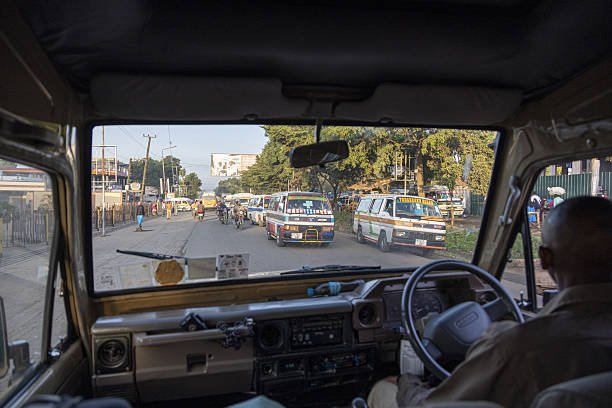
Cultural Tours From Moshi: Your Gateway to Authentic Tanzania
Moshi, a vibrant town nestled at the foot of Mount Kilimanjaro, is more than just a starting point for trekkers. It serves as a crucial hub for exploring the rich cultural heritage of northern Tanzania. For travelers seeking genuine connections and a deeper understanding of local life beyond the typical safari circuit, cultural tours from Moshi offer an unparalleled opportunity. These experiences allow you to interact with indigenous communities, witness traditional practices, and gain insights into the daily rhythms of Tanzanian life. This guide is designed to help you navigate the world of cultural tourism from Moshi, providing comprehensive information to plan an enriching adventure for 2026 and beyond.
Whether you’re interested in learning about Chagga traditions, visiting coffee plantations, or understanding the social fabric of rural villages, cultural tours from Moshi cater to a wide range of interests. This extensive guide will cover everything you need to know, from what to expect and the best times to visit, to practical planning advice and booking considerations. We aim to equip you with the knowledge to craft a meaningful journey that resonates long after you return home.
Quick Overview: Cultural Exploration from Moshi
Cultural tours from Moshi focus on immersive experiences that highlight the unique heritage of the Kilimanjaro region and its surrounding communities. These are not passive sightseeing trips; they involve active participation and respectful engagement with local people and their way of life.
| Aspect | Details |
|---|---|
| Primary Focus | Local communities, traditions, agriculture, daily life, history. |
| Key Activities | Village visits, homestays, coffee/banana farm tours, market exploration, craft demonstrations, traditional cooking, storytelling. |
| Target Audience | Travelers seeking authentic cultural immersion, history buffs, those interested in rural life, photographers, and responsible tourists. |
| Duration | Typically 1 day to several days, often combined with other activities. |
| Seasonality | Year-round, though dry seasons (June-Oct, Dec-Feb) are generally more comfortable for outdoor activities. |
| Starting Point | Moshi, Tanzania. |
Table of Contents
- Why Choose Cultural Tours From Moshi?
- Understanding the Local Culture: Chagga and Beyond
- Best Time for Cultural Tours From Moshi
- Popular Destinations for Cultural Tours From Moshi
- Sample Cultural Tour Itineraries
- What to Expect on a Cultural Tour
- Cultural Etiquette and Respectful Travel
- Typical Inclusions and Exclusions
- Packing Essentials for Cultural Tours
- Common Mistakes to Avoid
- Who Are Cultural Tours From Moshi Best For?
- Alternatives to Standard Cultural Tours
- Planning Your Cultural Tour for 2026-2027
- Booking Your Cultural Tour: Expert Tips
- Frequently Asked Questions (FAQs)
Why Choose Cultural Tours From Moshi?
Moshi’s strategic location provides a unique vantage point for experiencing the diverse cultures of Tanzania. While safaris offer glimpses of wildlife and Kilimanjaro presents a physical challenge, cultural tours from Moshi offer a different kind of reward: genuine human connection and a profound appreciation for local life. These tours move beyond the superficial, allowing travelers to:
- Gain Authentic Insights: Directly interact with local communities, learn about their history, traditions, and daily challenges and triumphs. This provides a perspective rarely seen by typical tourists.
- Support Local Economies: Many cultural tours are designed to benefit the communities directly, ensuring that your travel spending contributes positively to local livelihoods through village fees, craft purchases, and support for community projects.
- Experience Rural Life: See firsthand how people live in villages, cultivate their land, prepare food, and maintain their social structures, offering a stark contrast to urban living.
- Learn New Skills: Participate in activities like traditional cooking, farming techniques, or craft making, providing hands-on learning experiences.
- Deepen Understanding: Move beyond stereotypes and develop a nuanced understanding of Tanzanian society, its resilience, and its rich cultural heritage.
- Create Lasting Memories: The personal connections and unique experiences gained on cultural tours often become the most cherished memories of a trip to Tanzania.
For travelers in 2026 and 2027 looking for more than just sights, cultural tours from Moshi offer depth, meaning, and a chance to connect with the heart of Tanzania.
Understanding the Local Culture: Chagga and Beyond
The Kilimanjaro region is predominantly inhabited by the Chagga people, a Bantu-speaking ethnic group known for their agricultural prowess, particularly coffee cultivation, and their historical resilience. Understanding some aspects of Chagga culture will enhance your experience:
- Agriculture: Coffee, bananas, and beans are staple crops. Traditional farming methods, often involving terracing on the fertile volcanic slopes, are fascinating to witness. You’ll learn about the entire process, from planting to harvesting and processing.
- Social Structure: Historically, Chagga society was organized around clans and led by chiefs. Modern life has seen shifts, but community ties remain strong. Family and elders hold significant respect.
- Housing: Traditional Chagga homes were often conical huts made from natural materials. While many modern homes are brick or concrete, you might still see older structures or learn about their history.
- Language: The primary language is Swahili, the national language of Tanzania. Many Chagga also speak their native Kichagga dialect. Learning a few basic Swahili phrases will be greatly appreciated.
- Religion: Christianity is prevalent, but traditional beliefs and practices often coexist or have influenced local customs.
- History: The Chagga have a rich history, including their resistance against colonial powers and their development of sophisticated irrigation systems.
Beyond the Chagga, cultural tours might also introduce you to neighboring communities, offering a broader perspective on Tanzania’s ethnic diversity. The emphasis is always on respectful interaction and learning.
Best Time for Cultural Tours From Moshi
Cultural tours from Moshi can be undertaken year-round, as most activities are not heavily dependent on specific weather conditions. However, certain periods offer more comfortable travel conditions, especially if your tour involves significant walking or outdoor interaction.
| Period | Weather Conditions | Pros for Cultural Tours | Cons for Cultural Tours |
|---|---|---|---|
| June – October (Dry Season) | Cooler temperatures, minimal rainfall, clear skies. | Pleasant for walking, visiting farms, and village exploration. Ideal for photography. | Can be cooler, especially in the mornings and evenings. Peak tourist season. |
| November – December (Short Rains) | Intermittent, short showers, often in the afternoon. Temperatures start to warm up. | Lush green landscapes. Fewer crowds. Good for observing agricultural cycles. | Rain can disrupt outdoor plans occasionally. |
| January – February (Hot, Dry Season) | Warm to hot temperatures, dry. | Good for outdoor activities, often coincides with local festivals or harvest periods. | Can be quite hot, requiring more hydration. |
| March – May (Long Rains) | Heavy, persistent rainfall, humid. | Very few tourists, lush scenery. Prices might be lower. | Rain can make roads difficult to access, some outdoor activities may be limited. Less comfortable for extensive walking. |
For the most comfortable experience, aiming for the dry seasons (June-October and December-February) is advisable. However, the shoulder seasons can offer a more intimate experience with fewer crowds and vibrant green landscapes, particularly if you are prepared for occasional rain showers.
Popular Destinations for Cultural Tours From Moshi
Several areas around Moshi are renowned for their cultural significance and offer excellent opportunities for immersive tours. These locations provide diverse experiences, from agricultural insights to historical narratives.
1. Marangu Village
Located on the eastern slopes of Kilimanjaro, Marangu is famous for its coffee plantations and as a starting point for the Marangu route of Kilimanjaro. Cultural tours here often include:
- Coffee Tours: Learn the entire process from bean to cup, including harvesting, washing, drying, roasting, and grinding. You’ll often get to taste freshly brewed coffee.
- Waterfalls: Visit beautiful waterfalls like the Marangu Waterfalls, often considered sacred by locals.
- Chagga Huts: Explore historical Chagga underground tunnels used for shelter during tribal wars.
- Local Markets: Experience the vibrant atmosphere of the weekly market.
2. Machame Village
Situated on the western side of Kilimanjaro, Machame is another fertile region offering rich cultural experiences, particularly focused on banana and coffee farming.
- Banana Farms: Discover the multi-purpose use of bananas – for food, drink (banana beer), and even building materials.
- Community Visits: Engage with local families, understand their daily routines, and see their homes.
- Local Schools: Some tours may arrange visits to local schools to understand the education system.
3. Kilema Village
Kilema offers a slightly less tourist-trodden path, providing a more secluded cultural experience on the southeastern slopes of Kilimanjaro.
- Artisan Crafts: Opportunities to see and perhaps try traditional crafts like pottery or weaving.
- Scenic Views: Enjoy stunning views of the plains below Kilimanjaro.
- Local Churches: Visit historical churches and learn about their role in the community.
4. Himo Town and Surrounding Villages
Himo is a bustling market town that serves as a gateway to many surrounding rural communities. It’s a great place to experience local commerce and daily life.
- Local Markets: A prime spot to witness the exchange of goods and interact with vendors.
- Transport Hub: Observe the flow of people and goods, understanding the town’s economic importance.
- Access to Rural Areas: Himo is often a starting point for deeper excursions into nearby villages.
5. Shambaa Cultural Tourism (Usambara Mountains)
While slightly further afield, day trips or overnight stays can be arranged from Moshi to the foothills of the Usambara Mountains, home to the Shambaa people. This offers a different cultural perspective, with unique traditions and stunning mountain scenery.
These destinations can be visited individually or combined into multi-day cultural tours from Moshi, offering a rich and varied exploration of northern Tanzania’s cultural landscape.
Sample Cultural Tour Itineraries
Here are a few sample itineraries to illustrate the possibilities for cultural tours from Moshi. These are flexible and can be customized to your interests and timeframe.
Sample Itinerary 1: Marangu Coffee & Culture Day Trip
Focus: Chagga culture, coffee production, local life.
| Time | Activity | Details |
|---|---|---|
| 08:00 AM | Departure from Moshi | Meet your guide and drive towards Marangu (approx. 1-1.5 hours). |
| 09:30 AM | Chagga Village Visit | Walk through a traditional village, learn about local housing, and daily life. Interaction with community members. |
| 10:30 AM | Coffee Plantation Tour | Visit a local coffee farm. Learn about the cultivation, harvesting, processing, roasting, and brewing of coffee. Participate in grinding and enjoy a tasting. |
| 12:30 PM | Lunch | Enjoy a traditional Chagga lunch prepared with local ingredients, often featuring bananas, beans, and local vegetables. |
| 01:30 PM | Waterfall Visit | Hike to a nearby waterfall (e.g., Marangu Waterfalls). Enjoy the natural beauty and learn about its cultural significance. |
| 02:30 PM | Optional: Chagga Huts / Local Market | Explore historical Chagga underground huts or visit the local market if timing and day permit. |
| 03:30 PM | Departure for Moshi | Drive back to Moshi. |
| 05:00 PM | Arrival in Moshi | End of tour. |
Sample Itinerary 2: Two-Day Machame Cultural Immersion
Focus: Deeper community interaction, banana farming, rural living.
| Day | Time | Activity | Details |
|---|---|---|---|
| Day 1 | 08:00 AM | Departure from Moshi | Drive to Machame region (approx. 1.5-2 hours). |
| 10:00 AM | Banana Farm Tour | Explore a banana plantation, learn about different varieties, uses (food, drink, construction), and traditional farming techniques. | |
| 12:00 PM | Local Lunch & Homestay Check-in | Enjoy lunch with a local family. Check into your community-run homestay. | |
| 02:00 PM | Village Walk & Community Interaction | Guided walk through the village, visiting local homes, schools (if permitted), and community centers. Opportunities for conversation and learning. | |
| 06:00 PM | Traditional Dinner & Storytelling | Share dinner with your host family. Participate in evening activities like storytelling, music, or learning local games. | |
| Day 2 | 08:00 AM | Breakfast & Morning Activities | Enjoy breakfast. Participate in morning chores or learn a local craft. |
| 10:00 AM | Optional: Hike/Nature Walk | A short guided walk in the surrounding hills for scenic views and learning about local flora. | |
| 12:00 PM | Farewell Lunch | Final traditional meal with the host community. | |
| 01:30 PM | Departure for Moshi | Drive back to Moshi, reflecting on the experience. | |
| 03:30 PM | Arrival in Moshi | End of tour. |
Sample Itinerary 3: Three-Day Cultural & Historical Exploration
Focus: Broader cultural understanding, history, diverse communities.
| Day | Focus Area | Key Activities |
|---|---|---|
| Day 1 | Marangu: Coffee & Chagga Heritage | Coffee plantation tour, visit Chagga huts/tunnels, waterfall hike, local lunch. Overnight in Marangu lodge or homestay. |
| Day 2 | Machame: Rural Life & Agriculture | Travel to Machame, banana farm tour, homestay experience, village walk, traditional dinner, storytelling. Overnight in Machame homestay. |
| Day 3 | Himo Market & Departure | Morning visit to Himo market for vibrant local commerce, interaction with vendors. Return to Moshi for lunch or onward travel. |
These are just examples. Your tour operator can tailor a unique itinerary based on your specific interests, whether it’s focusing on traditional medicine, local music, or specific historical periods.
What to Expect on a Cultural Tour
Cultural tours from Moshi are designed for immersion and interaction. Here’s what you can realistically expect:
- Authentic Interactions: Expect genuine encounters with local people. While guides facilitate communication, be prepared for conversations to be sometimes simple, sometimes profound, and always real.
- Hands-on Activities: Many tours involve participation. You might help with farm tasks, learn to cook a local dish, or try your hand at a traditional craft. Embrace these opportunities.
- Basic Accommodations (Homestays): If opting for homestays, expect clean, safe, but basic facilities. Toilets might be squat or western-style, and showers may be cold. This is part of the authentic experience. Lodges offer more comfort.
- Simple Meals: Food will be local, often featuring staples like ugali (maize porridge), rice, beans, vegetables, and local fruits like bananas. Meals are generally wholesome and prepared with fresh ingredients.
- Walking and Physical Activity: Be prepared for walking, sometimes on uneven terrain. Comfortable shoes are essential. The level of activity can usually be adjusted.
- Cultural Differences: You will encounter different customs, social norms, and paces of life. Patience, openness, and a willingness to learn are key.
- Limited Amenities: In rural villages, expect limited access to electricity, Wi-Fi, and running water compared to urban areas. Embrace the disconnect.
- Role of the Guide: Your local guide is crucial. They bridge cultural gaps, translate, share historical and cultural context, and ensure your safety and comfort.
Cultural tours are about experiencing life as it is, not a curated performance. Embrace the simplicity, the challenges, and the immense rewards of genuine connection.
Cultural Etiquette and Respectful Travel
Traveling respectfully is paramount when engaging in cultural tours. Your actions and attitude can significantly impact your experience and the perception of future visitors. Here are key points of etiquette:
- Dress Modestly: Especially when visiting villages or interacting with elders. Avoid revealing clothing. Shoulders and knees should generally be covered. Light, breathable fabrics are best for the climate.
- Ask Before Photographing: Always seek permission before taking photos of people, especially close-ups. Some may decline, and their decision must be respected. Children are often eager to be photographed, but always ask a parent or guardian first.
- Learn Basic Swahili Phrases: Simple greetings like ‘Jambo’ (Hello), ‘Habari?’ (How are you?), ‘Asante’ (Thank you), and ‘Karibu’ (Welcome/Please) go a long way in building rapport.
- Be Punctual (Relatively): While Tanzanian time (‘pole pole’ – slowly slowly) can be relaxed, try to be on time for scheduled meetings. Your guide will manage this.
- Respect Elders: Show deference to older individuals. Your guide will likely show you how to greet them appropriately.
- Accept Hospitality Graciously: If offered food or drink, accept it if possible. If you have dietary restrictions, inform your guide beforehand.
- Be Mindful of Children: While children are often curious, avoid giving them money directly, as this can encourage begging. If you wish to help, discuss with your guide about supporting local schools or community projects.
- Bargaining (Where Appropriate): When buying crafts, bargaining is common but should be done respectfully and with a smile. Understand that the price reflects the artisan’s skill and livelihood.
- Open Mind and Patience: Be prepared for differences in pace, communication styles, and daily routines. Approach everything with curiosity and a willingness to adapt.
- Listen to Your Guide: Your local guide is your cultural interpreter. Pay attention to their advice and instructions regarding local customs and sensitivities.
By adhering to these guidelines, you ensure a positive and enriching experience for yourself and contribute to the sustainability of cultural tourism.
Typical Inclusions and Exclusions
Understanding what is included in your cultural tour package is crucial for budgeting and expectation management. While specifics vary by operator, here’s a general breakdown:
| Typical Inclusions | Typical Exclusions |
|---|---|
| Guided Services: Professional English-speaking local guide throughout the tour. | International Flights: Flights to and from Tanzania. |
| Transportation: Private vehicle with driver for transfers and tours from Moshi. | Visa Fees: Cost of Tanzanian visa. |
| Activities: Entrance fees to villages, farms, waterfalls, and any planned cultural demonstrations. | Travel Insurance: Comprehensive travel and medical insurance. |
| Meals: As specified in the itinerary (e.g., lunch on day trips, all meals on multi-day tours including homestays). | Personal Expenses: Souvenirs, laundry, alcoholic beverages, tips for guides and drivers. |
| Accommodation: For multi-day tours (homestays or lodges as specified). | Optional Activities: Costs for activities not listed in the itinerary. |
| Community Contributions: Fees paid directly to the communities visited. | Vaccinations and Medications: Costs associated with health preparations. |
Always confirm the exact inclusions and exclusions with your tour operator before booking. This helps avoid misunderstandings and ensures you are fully prepared.
Packing Essentials for Cultural Tours
Packing light yet smart is key for cultural tours. Focus on comfort, practicality, and respect for local customs.
| Category | Item | Notes |
|---|---|---|
| Clothing | Lightweight, breathable trousers/long skirts | For modesty and sun protection. Avoid shorts in villages. |
| T-shirts and long-sleeved shirts | Long sleeves protect from sun and insects. Choose natural fabrics. | |
| Light jacket or fleece | For cooler mornings/evenings, especially at higher altitudes. | |
| Footwear | Comfortable walking shoes/hiking boots | Broken-in and suitable for uneven terrain. |
| Sandals or flip-flops | For relaxing at accommodation. | |
| Accessories | Sun hat with a brim | Essential for sun protection. |
| Sunglasses | Protect your eyes. | |
| Reusable water bottle | Stay hydrated and reduce plastic waste. Water purification tablets or filter recommended. | |
| Small backpack/daypack | For carrying water, snacks, camera, and essentials during walks. | |
| Health & Hygiene | Sunscreen (high SPF) | The sun is strong, even on cloudy days. |
| Insect repellent | Especially for evenings. | |
| Personal first-aid kit | Include basic medications, plasters, antiseptic wipes. | |
| Documents & Money | Passport & Visa | Copies stored separately. |
| Cash (USD/local currency) | For tips, souvenirs, and small purchases. Smaller denominations are useful. | |
| Credit/Debit Cards | For larger expenses, though less useful in rural areas. Inform your bank of travel dates. | |
| Optional | Camera and extra batteries/memory cards | To capture memories. |
| Small gifts for hosts (optional) | School supplies, pens, or useful household items are often appreciated. Discuss with your guide. |
Remember to pack light. You’ll likely be moving around, and excess baggage can be a burden. Focus on versatile items that can be layered.
Common Mistakes to Avoid
To ensure a smooth and enriching cultural tour experience from Moshi, be aware of these common pitfalls:
- Lack of Research: Not understanding the cultural norms or the specific activities involved can lead to misunderstandings or missed opportunities.
- Unrealistic Expectations: Expecting a luxury experience in a rural homestay or assuming everyone speaks fluent English can lead to disappointment. Embrace the reality of the destination.
- Ignoring Cultural Etiquette: Failing to dress modestly, photograph without permission, or show respect for elders can offend locals and create awkward situations.
- Over-Packing: Carrying too much luggage makes travel cumbersome, especially when moving between locations or navigating village paths.
- Not Staying Hydrated: Tanzania can be hot. Forgetting to drink enough water can lead to dehydration and illness, impacting your enjoyment.
- Focusing Only on Photos: Getting caught up in capturing the perfect shot can prevent you from truly engaging with the people and the moment. Be present.
- Tipping Inappropriately: Not knowing the customary tipping practices for guides and drivers can cause discomfort. It’s usually expected for good service.
- Expecting Immediate Gratification: Things in Tanzania often operate on a ‘pole pole’ (slowly slowly) basis. Patience is essential.
- Not Informing About Dietary Needs: Failing to communicate allergies or dietary restrictions in advance can lead to issues, especially in homestays.
- Comparing Constantly: Avoid comparing everything to your home country. Appreciate the differences and learn from them.
By being aware of these potential mistakes, you can better prepare yourself for a rewarding and respectful cultural journey.
Who Are Cultural Tours From Moshi Best For?
Cultural tours from Moshi are ideal for a specific type of traveler who seeks depth and authenticity in their journeys:
- Curious Travelers: Those who genuinely want to understand different ways of life, traditions, and the social fabric of a place.
- Responsible Tourists: Individuals committed to ethical travel practices, seeking to support local communities directly and minimize negative impacts.
- History and Anthropology Enthusiasts: Anyone fascinated by human history, cultural evolution, and the diverse ways people organize their societies.
- Foodies Seeking Local Flavors: Travelers interested in authentic cuisine, learning traditional cooking methods, and tasting local produce.
- Those Seeking Connection: People who value human interaction and want to form meaningful connections with locals beyond a superficial level.
- Adventurous Spirits: Travelers willing to step outside their comfort zone, embrace basic living conditions (in homestays), and adapt to different environments.
- Photographers: Those looking for unique photographic opportunities that capture the essence of local life and landscapes, always with respect.
- Families with Older Children: Educational and eye-opening experiences for families looking to broaden their children’s perspectives on the world.
- Solo Travelers: Cultural tours often provide a safe and structured way for solo travelers to engage deeply with a new culture.
If you are looking for an experience that offers more than just scenic beauty or wildlife sightings, and you are open to learning, engaging, and respecting local customs, then cultural tours from Moshi are an excellent choice for your 2026-2027 travels.
Alternatives to Standard Cultural Tours
While standard cultural tours offer a fantastic way to connect with local life, other related experiences from Moshi might appeal to specific interests:
- Kilimanjaro Trekking with Cultural Elements: While primarily a physical challenge, routes like the Marangu route offer opportunities to interact with Chagga guides and porters, learn about their lives, and visit villages near the mountain base.
- Community-Based Tourism Projects: Some organizations focus on specific projects like building schools or supporting women’s cooperatives. Participating in or visiting these can be a deeply rewarding experience.
- Volunteering Programs: For longer stays, short-term volunteering can offer in-depth immersion. Ensure programs are reputable and ethically run.
- Culinary Tours: Focus specifically on Tanzanian cuisine, involving market visits, cooking classes, and tasting sessions in local homes or restaurants.
- Craft and Art Workshops: Engage in hands-on workshops learning traditional crafts like pottery, weaving, or beadwork from local artisans.
- Bird Watching and Nature Walks in Local Areas: Guided walks in areas surrounding villages can offer insights into local ecology, traditional uses of plants, and life in the foothills of Kilimanjaro, often led by local guides who share cultural knowledge.
- Visiting Local Schools or Hospitals: With prior arrangement and a sensitive approach, these visits can provide a powerful insight into community life and challenges.
These alternatives allow for a different focus within cultural exploration, catering to more specific interests while still providing authentic experiences originating from Moshi.
Planning Your Cultural Tour for 2026-2027
Planning ahead is key to securing the best experiences, especially for travel in 2026 and 2027. Here’s a planning checklist:
| Timeline | Action Item | Notes |
|---|---|---|
| 12+ Months Out | Define Interests & Budget | What kind of cultural experiences are you seeking? How much can you realistically spend? |
| 9-12 Months Out | Research Tour Operators | Look for reputable companies specializing in cultural tourism in Tanzania. Check reviews and certifications. |
| 6-9 Months Out | Select Itinerary & Book Key Elements | Choose a specific tour or custom itinerary. Book flights and the main tour package. |
| 4-6 Months Out | Visa Requirements & Vaccinations | Check visa regulations for your nationality. Consult your doctor about recommended vaccinations and malaria prevention. |
| 2-4 Months Out | Book Accommodation & Internal Travel (if needed) | If not included, book any pre/post-tour accommodation in Moshi or other locations. |
| 1-2 Months Out | Purchase Travel Insurance | Ensure it covers medical emergencies, trip cancellation, and lost belongings. |
| 1 Month Out | Finalize Packing List | Purchase any necessary gear or clothing. |
| 2 Weeks Out | Inform Bank of Travel Dates | Ensure your cards will work internationally. Obtain some USD cash for initial expenses. |
| 1 Week Out | Confirm All Bookings | Double-check flight times, tour details, and accommodation reservations. Make copies of important documents. |
| During Trip | Stay Flexible & Respectful | Embrace the experience, follow guide’s advice, and enjoy the journey. |
For 2026-2027, early booking is particularly recommended due to potential increases in demand and evolving travel trends. Popular operators and unique community-based experiences can fill up quickly.
Booking Your Cultural Tour: Expert Tips
Choosing the right tour operator and booking process can significantly enhance your cultural tour experience. Here are expert tips:
- Choose a Reputable Local Operator: Opt for companies based in Tanzania, like Best Tanzania Tour operator, that have deep local knowledge and established relationships with communities. This often means better authenticity and direct economic benefit to locals.
- Read Reviews Carefully: Look for recent reviews focusing on cultural tours specifically. Pay attention to comments about guide quality, authenticity of interactions, and community impact.
- Inquire About Community Benefit: Ask how your tour fee contributes to the local community. Does it include direct payments to villagers, support for schools, or community projects? Responsible tourism operators are transparent about this.
- Customize Your Experience: Don’t hesitate to request a tailor-made itinerary. If you have specific interests (e.g., traditional music, specific crafts, historical sites), communicate them clearly.
- Understand the Guide’s Role: A good cultural guide is more than a translator; they are a cultural ambassador. Ensure your operator hires knowledgeable, respectful, and engaging local guides.
- Clarify Homestay Standards: If choosing a homestay, ask for details about the facilities (e.g., type of toilet, availability of running water, electricity). Manage your expectations accordingly.
- Ask About Group Size: Smaller groups generally allow for more intimate and respectful interactions with local communities. Inquire about the maximum group size.
- Payment Terms: Understand the deposit requirements, payment schedule, and cancellation policy. Secure payment methods are important.
- Inclusions/Exclusions Check: Reconfirm exactly what is covered in the price to avoid unexpected costs.
- Communication is Key: Maintain open communication with the operator throughout the planning process. Ask questions, express concerns, and confirm details.
Booking directly with a trusted operator like Best Tanzania Tour operator ensures a more authentic and impactful experience. You can reach them via WhatsApp at +255747477898 or email at climb4africa@gmail.com (backup: climb4africa@gmail.com) to discuss your ideal cultural tour from Moshi for 2026-2027.
Frequently Asked Questions (FAQs)
1. Are cultural tours from Moshi safe?
Yes, cultural tours from Moshi are generally safe when organized through reputable operators. Local guides are experienced in navigating communities and ensuring traveler safety. Standard travel precautions apply, and it’s advisable to have travel insurance. Always follow your guide’s advice.
2. What is the difference between a cultural tour and a safari?
Safaris focus on observing wildlife in their natural habitat, primarily in national parks and reserves. Cultural tours, on the other hand, focus on interacting with local human communities, understanding their traditions, daily life, agriculture, and history. They are about human connection rather than wildlife viewing.
3. Can I customize a cultural tour from Moshi?
Absolutely. Most reputable tour operators, including Best Tanzania Tour operator, specialize in creating customized itineraries. You can tailor the tour based on your specific interests, desired duration, and budget. Contact them to discuss your preferences.
4. What should I wear on a cultural tour?
It’s important to dress modestly. Lightweight, breathable clothing that covers your shoulders and knees is recommended, especially when visiting villages. Comfortable walking shoes are essential. Avoid overly revealing attire.
5. How much should I tip my guide?
Tipping is customary for good service. For a multi-day cultural tour, a typical range might be $10-$20 USD per day for the guide and $5-$10 USD per day for the driver (if applicable), per traveler. Your tour operator can provide specific recommendations based on industry standards for 2026-2027.
6. Are there opportunities to buy local crafts?
Yes, purchasing local crafts is often encouraged and provides direct economic support to artisans. Bargaining is common, but always do so respectfully and with a smile. Ensure you are buying authentic, locally made items.
7. What if I have dietary restrictions?
It is crucial to inform your tour operator of any dietary restrictions or allergies well in advance, especially if you plan to stay in homestays. They will work with local hosts to accommodate your needs as much as possible.
8. Is it appropriate to give gifts to the people I meet?
While well-intentioned, giving gifts directly can sometimes create dependency or social issues. It’s often better to discuss with your guide or operator about contributing to a community project, school supplies for a local school, or useful items for a community center. Avoid giving money directly to children.
9. What is the best way to book a cultural tour for 2026-2027?
The best approach is to book through a reputable local tour operator. They have the best connections, understanding of local culture, and ability to customize your trip. Contacting Best Tanzania Tour operator via WhatsApp +255747477898 or email climb4africa@gmail.com is a recommended first step for planning your 2026-2027 cultural tours from Moshi.
10. Can I combine a cultural tour with a Kilimanjaro climb or safari?
Yes, combining experiences is very common and highly recommended. Many travelers integrate a cultural tour into their Kilimanjaro trek preparation or as a cultural day trip from their safari itinerary. Operators can help create a comprehensive plan.
Ready to Experience Authentic Tanzania?
Cultural tours from Moshi offer a unique window into the heart of Tanzania, providing experiences that are both educational and deeply personal. Engaging with local communities, understanding their traditions, and contributing positively to their lives makes for a truly memorable journey. Whether you are planning for 2026, 2027, or 2028, the cultural richness surrounding Moshi awaits.
Don’t miss the opportunity to connect with the vibrant spirit of Tanzania. For expertly crafted cultural tours from Moshi, tailored to your interests and designed for authentic immersion, reach out to our trusted partners:
WhatsApp: +255747477898
Email: climb4africa@gmail.com
Backup Email: climb4africa@gmail.com
Let them help you design an unforgettable cultural adventure in Tanzania.

June Kilimanjaro And Zanzibar Holiday: Your Ultimate Tanzania Adventure
Combine the thrill of climbing Mount Kilimanjaro with the serene beauty of Zanzibar in June. This guide covers everything you need for your 2026-2027 adventure, from trekking routes and...
View package detailsNo related package matches those filters. Clear one or more filters to see the other topic-matched options.
Plan your Cultural Tours From Moshi with Climb 4 Africa
Tell us your travel dates, group size, comfort level, and dream experience. We will help you shape a clear, realistic, and memorable Tanzania itinerary.



