
Yes, solo travelers can definitely join a Mount Meru group. Tour operators specializing in Tanzanian climbs, like Climb 4 Africa, frequently organize group departures that welcome solo trekkers. These shared expeditions are an excellent way for solo travelers to experience Mount Meru, reducing costs and providing companionship on the trail. You can often find specific dates for group climbs throughout the year, including options for 2026 and 2027, by contacting operators directly or checking their scheduled departures.
Joining a Mount Meru Group as a Solo Traveler: Your Essential Guide
Mount Meru, Tanzania’s second-highest peak and a majestic stratovolcano, offers a challenging yet incredibly rewarding trekking experience. Often considered a warm-up for Kilimanjaro, Meru presents its own unique beauty, diverse ecosystems, and stunning views, particularly of Kilimanjaro itself on clear days. For many adventurers, the decision to climb Meru is straightforward. However, for solo travelers, the question often arises: Can solo travelers join a Mount Meru group? The answer is a resounding yes, and it’s a common and practical way to undertake this adventure. This comprehensive guide will walk you through everything you need to know about joining a group trek on Mount Meru as a solo individual, from finding suitable departures to understanding the benefits and what to expect on the mountain.
Climb 4 Africa specializes in making these adventures accessible and enjoyable for everyone, including solo travelers. We understand the unique considerations that come with trekking alone and are committed to ensuring you have a safe, memorable, and social experience. Whether you’re looking to share costs, find camaraderie, or simply prefer the structure and support of a group, joining a Mount Meru group trek is an excellent choice for your 2026 or 2027 expedition.
Why Choose a Group Trek for Mount Meru? The Solo Traveler’s Perspective
Trekking solo can be an incredibly empowering experience, offering a chance for introspection and self-reliance. However, when tackling a mountain like Meru, joining a group presents a compelling set of advantages, especially for those traveling alone. The primary motivations often revolve around safety, cost-effectiveness, and the social aspect.
Safety in Numbers
Safety is paramount on any mountain climb. While Mount Meru is less technically demanding than some peaks, it is still a significant altitude challenge that requires experienced guides and porters. When you join a group, you are automatically part of a support system. Guides are trained to handle altitude sickness, basic medical emergencies, and navigation. Porters ensure your gear is carried, freeing you to focus on the climb. For a solo traveler, this built-in safety net provides significant peace of mind, knowing that you are not entirely alone if something unexpected occurs. Operators like Climb 4 Africa prioritize guide-to-client ratios and porter welfare, ensuring a high standard of safety for all trekkers, including those who join as individuals.
Cost-Sharing Benefits
Climbing Mount Meru involves significant logistical costs, including park fees, guide and porter salaries, food, and equipment. When you book a private climb as a solo traveler, you bear the full cost of these services. Joining a group departure means these costs are shared among all participants. This often translates into a more affordable trekking experience for everyone. A group departure for Mount Meru in 2026 or 2027 is typically priced per person, making it a much more budget-friendly option than a private climb. This cost-sharing aspect is a major draw for solo travelers looking to make their African adventure more accessible.
Companionship and Shared Experience
While the solitude of a mountain can be appealing, many solo travelers also seek connection and shared experiences. Joining a group trek provides an instant community. You’ll meet like-minded individuals from different backgrounds, all united by the common goal of summiting Meru. The journey becomes a shared adventure, with opportunities for conversation, mutual encouragement, and celebrating achievements together. The evenings spent in camp, sharing stories and meals, can be a highlight for many. This camaraderie can transform a solo journey into a deeply social and memorable expedition.
Logistical Simplicity
Organizing a trek from afar can be daunting. When you join a group departure, the tour operator handles most of the complex logistics. This includes arranging permits, booking accommodation at the base, coordinating transport to the park gate, and ensuring you have the necessary crew. For a solo traveler, this simplifies the planning process immensely. You can focus on preparing for the climb itself, rather than worrying about the intricate details of permits, transport, and crew management.
Finding Mount Meru Group Departures for Solo Travelers
The key to successfully joining a Mount Meru group trek as a solo traveler lies in finding the right tour operator and identifying their scheduled group departures. Several reputable companies offer these treks, and many are specifically geared towards accommodating solo individuals.
Choosing the Right Tour Operator
When selecting a company to climb Mount Meru with, especially as a solo traveler, look for operators with:
- Proven experience in Tanzania: Companies with a long track record in the region understand the local conditions, regulations, and logistics.
- Commitment to safety: Check their safety protocols, guide qualifications, and emergency procedures.
- Positive reviews: Look for reviews from other solo travelers who have used their services. Platforms like TripAdvisor can be invaluable.
- Clear communication: A responsive operator who answers your questions promptly and thoroughly is crucial.
- Group departure schedules: They should clearly list upcoming group dates for their treks.
Climb 4 Africa is a prime example of a company that excels in these areas. With extensive experience in Kilimanjaro and Mount Meru climbs, they offer well-organized group treks that are ideal for solo adventurers. Their focus on practical local support ensures a smooth and enjoyable experience.
Identifying Scheduled Group Dates
Most tour operators will have a dedicated section on their website listing scheduled group departures. These pages typically show:
- Trek Name: Mount Meru Climb
- Departure Dates: Specific start dates for the treks. Look for options throughout 2026 and 2027.
- Duration: The number of days for the trek (usually 4 or 5 days for Meru).
- Price: The per-person cost for the group trek.
- Availability: Sometimes indicates how many spots are left.
When you find a date that suits your schedule, the next step is to inquire about joining as a solo traveler. Reputable operators will confirm that solo travelers are welcome and will guide you through the booking process. For example, if you’re planning for 2026, you might look for departures in April, May, October, or November, which are often good months for trekking in Tanzania.
Pro Tip: Don’t hesitate to contact the tour operator directly. A quick email or WhatsApp message to inquire about joining a specific Mount Meru group departure for solo travelers can clarify everything. For Climb 4 Africa, you can reach them via WhatsApp at +255 747 477 898 or email at climb4africa@gmail.com to discuss available group treks for 2026-2027.
What to Expect When Joining a Mount Meru Group
Understanding the dynamics of a group trek will help you prepare for the experience. While each group is unique, there are common elements that solo travelers can anticipate.
Group Size and Composition
Group sizes for Mount Meru treks can vary. Some operators might aim for smaller, more intimate groups of 4-8 people, while others could have larger groups of 10-15. The composition will also differ: you might find yourself with other solo travelers, couples, or small groups of friends. The key is that everyone shares the common goal of climbing the mountain. This shared objective usually fosters a friendly and supportive atmosphere, making it easy for solo travelers to integrate.
Daily Trekking Routine
A typical day on Mount Meru involves waking up early, having breakfast, and then setting off on the trail. The pace is generally determined by the slowest member of the group, ensuring no one is left behind. Guides will lead the way, with support staff following. Breaks are taken for snacks and lunch. Evenings are spent at designated campsites, where porters will have set up tents and prepared dinner. This structured routine provides a sense of rhythm and predictability, which can be comforting for solo travelers.
Interacting with Your Groupmates and Crew
The social aspect is a significant part of the group trekking experience. Be open to conversations, share your experiences, and offer encouragement to others. The guides and porters are also an integral part of the team. They are knowledgeable, experienced, and often have fascinating insights into the local culture and environment. Engaging with them respectfully and showing interest in their stories can greatly enrich your journey. Many solo travelers find they form strong bonds with their fellow trekkers and the crew by the end of the climb.
Accommodation and Facilities
Accommodation on Mount Meru is primarily in tents at designated campsites. The tour operator will provide tents, sleeping mats, and often sleeping bags. Porters are responsible for setting up camp each day, including pitching tents, preparing meals, and ensuring a communal mess tent is available for dining and socializing. While facilities are basic (expect pit toilets), the crew works hard to maintain a reasonable level of comfort. As a solo traveler, you’ll typically be assigned your own tent, providing personal space within the group setting.
Preparing for Your Mount Meru Group Trek as a Solo Traveler
While joining a group simplifies many aspects, proper preparation is still crucial for any trekker, especially a solo one. Your preparation will focus on physical conditioning, gear, and mental readiness.
Physical Conditioning
Mount Meru is a significant climb, reaching an altitude of 4,566 meters (14,980 feet). While it’s less demanding than Kilimanjaro, good physical fitness is essential. Focus on cardiovascular exercises like hiking, running, cycling, and swimming in the months leading up to your trek. Incorporate strength training for your legs and core. Practice hiking with a daypack, especially on inclines, to simulate mountain conditions. The better your physical condition, the more you’ll enjoy the journey and the less likely you are to suffer from altitude-related issues.
Essential Gear Checklist
As part of a group, you’ll still need to bring your personal gear. The tour operator will usually provide a detailed packing list. Key items include:
- Layered clothing: Base layers, mid-layers (fleece), and an outer waterproof and windproof jacket and trousers.
- Hiking boots: Broken-in, waterproof hiking boots are non-negotiable.
- Warm accessories: Warm hat, gloves, and a scarf or buff.
- Sleeping bag: A 4-season sleeping bag is recommended due to cold temperatures at higher altitudes.
- Headlamp: Essential for navigating in the dark and for early morning summit attempts.
- Sun protection: High SPF sunscreen, sunglasses, and a wide-brimmed hat.
- Water bottles/hydration reservoir: Capacity for at least 3 liters.
- Personal first-aid kit: Include any personal medications.
- Trekking poles: Highly recommended for stability and reducing strain on joints.
Most reputable operators will supply tents, sleeping mats, and cooking equipment. Confirm what is included in your package to avoid unnecessary packing.
Mental Preparation and Expectations
As a solo traveler, mental preparation is key. Understand that you will be sharing a confined space (tents, mess tent) with others for several days. Be prepared for close proximity and varied personalities. Maintaining a positive attitude, being adaptable, and showing respect for your fellow trekkers and crew are vital for a harmonious group experience. Remember that challenges may arise, such as weather changes or fatigue. A resilient mindset will help you overcome these and fully appreciate the accomplishment.
The Mount Meru Route: What Solo Travelers in Groups Can Expect
Mount Meru is typically climbed via the Momella route, which is known for its scenic beauty and varied terrain. Joining a group means you’ll likely follow this standard itinerary, which is designed to allow for acclimatization.
The Momella Route Itinerary (Typical 4-5 Days)
A standard Mount Meru climb involves ascending through distinct ecological zones:
- Day 1: Gate to Miriakamba Hut (2100m). The trek begins at Momella Gate, passing through lush rainforests, often with opportunities to spot wildlife like monkeys and various bird species. This is usually a 4-6 hour hike.
- Day 2: Miriakamba Hut to Saddle Hut (3500m). The trail becomes steeper, moving through moorland and heath. The scenery opens up, offering glimpses of Kilimanjaro. This day is crucial for acclimatization, and the hike takes about 3-5 hours.
- Day 3: Summit Day (4566m) and Descent to Miriakamba Hut. This is the most challenging day. The ascent to Socialist Peak (Meru’s summit) begins in the early morning hours (around 2-3 AM) via a steeper, more scree-covered path. The views from the summit at sunrise are spectacular. After reaching the summit, you’ll descend back to Saddle Hut for a short rest before continuing the descent to Miriakamba Hut. This is a long day, often 8-12 hours.
- Day 4: Miriakamba Hut to Momella Gate. A relatively easy descent through the forest back to the gate, often taking 2-4 hours.
Some itineraries might extend this to 5 days, often by spending an extra night at Miriakamba Hut or splitting the descent. For groups, this standard itinerary ensures everyone experiences the mountain’s highlights.
Acclimatization and Altitude Considerations
The Momella route’s gradual ascent, particularly the second day’s hike to Saddle Hut, is designed to aid acclimatization. However, altitude sickness can still affect anyone. As part of a group, your guides are trained to monitor for symptoms and will manage the pace accordingly. Drinking plenty of water (3-4 liters per day) and avoiding alcohol are essential. Being open with your guide about how you feel is critical for safety, especially for solo travelers who might otherwise hesitate to speak up.
Wildlife Encounters on the Lower Slopes
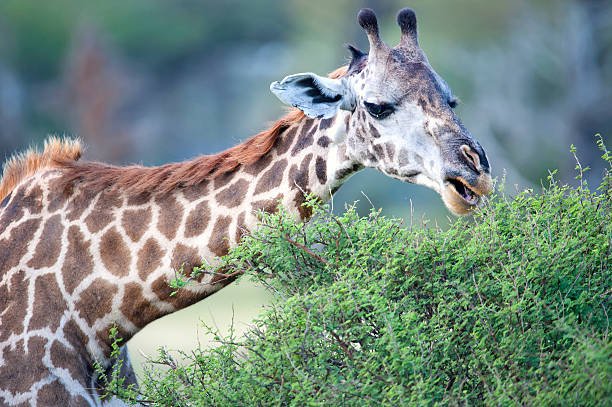
One of the unique aspects of Mount Meru is the possibility of encountering wildlife, particularly on the lower slopes. The park surrounding Meru is home to buffalo, giraffes, zebras, and various antelope species. Guides are essential for navigating these areas safely. While wildlife encounters are not guaranteed, they add an extra layer of excitement to the trek, and experiencing them with a group can be a shared thrill.
Comparing Options: Solo vs. Group Mount Meru Treks
Deciding between a private solo trek and joining a group is a significant choice for any solo traveler. Each has its pros and cons.
Solo Private Trek:
- Pros: Complete flexibility in dates, pace, and itinerary. Absolute privacy.
- Cons: Significantly higher cost due to bearing all crew and permit fees. Potentially less social interaction.
Group Trek:
- Pros: More affordable due to cost-sharing. Built-in companionship and social interaction. Simplified logistics.
- Cons: Less flexibility in dates and pace. Need to adapt to group dynamics.
For most solo travelers, especially those mindful of budget or seeking a social experience, joining a Mount Meru group is the preferred option. It strikes a balance between adventure, affordability, and companionship. The structured nature of group departures also makes planning for future years, like 2026 and 2027, more straightforward.
Booking Your Mount Meru Group Trek for 2026-2027
When you’re ready to book your Mount Meru adventure as a solo traveler, follow these steps:
1. Research and Select a Tour Operator
As discussed, choose a reputable operator with experience in Tanzania and a clear policy on accepting solo travelers into their groups. Look at their website for scheduled departures for Mount Meru group climbs in 2026 and 2027.
2. Review Itineraries and Inclusions
Ensure the itinerary meets your expectations and that the inclusions (what’s covered in the price) align with your needs. Typically, this includes park fees, crew salaries, meals on the mountain, and camping equipment. Check if airport transfers and pre/post-climb accommodation are included.
3. Confirm Solo Traveler Policy and Availability
Reach out to the operator to confirm that solo travelers are welcome on their scheduled group dates. Inquire about the specific departure dates you are interested in for 2026 or 2027. Some operators may have a single supplement policy for private rooms if available, but for standard group treks, this is usually not applicable as you’ll share a tent with another same-sex trekker if available, or have your own tent if numbers dictate.
4. Understand the Booking Process and Payment
Tour operators will have a booking form and require a deposit to secure your spot. Understand their payment schedule, cancellation policy, and any visa or vaccination requirements.
5. Prepare for Your Trek
Once booked, focus on your physical training, gear acquisition, and any necessary travel arrangements. The more prepared you are, the more you’ll enjoy the experience.
For those looking to plan their 2026 or 2027 Mount Meru expedition, Climb 4 Africa offers excellent group departure options. Their expertise ensures that solo travelers are well-integrated and supported throughout the trek. You can contact them directly to discuss available dates and tailor your booking:
- WhatsApp: +255 747 477 898
- Email: climb4africa@gmail.com
They can provide detailed information on their Mount Meru group schedules for 2026 and 2027, helping solo travelers find the perfect departure.
Beyond the Climb: Extending Your Tanzanian Adventure
A climb up Mount Meru is often part of a larger Tanzanian adventure. Many solo travelers combine their trek with other experiences.
Tanzania Safaris
The Serengeti, Ngorongoro Crater, Tarangire, and Lake Manyara are world-renowned safari destinations. Joining a group safari after your climb is a popular option. Climb 4 Africa also offers group departure dates for safaris, providing a fantastic opportunity to see the incredible wildlife of East Africa. This can be a great way to continue the social experience with new friends made on the mountain.
Kilimanjaro Climb
For those seeking an even greater challenge, Mount Kilimanjaro is nearby. Meru is often used as a preparatory climb for Kili. If you’re considering both, planning them consecutively can be logistically efficient. Climb 4 Africa, being experts in Kilimanjaro climbs, can help coordinate multi-mountain adventures.
Zanzibar Holidays
After the physical exertion of climbing, a relaxing break on the spice island of Zanzibar is the perfect way to unwind. Stone Town’s history, the pristine beaches, and the turquoise waters offer a completely different, yet equally enriching, Tanzanian experience.
When planning these extensions, especially if you’re a solo traveler looking for group experiences, coordinating with a single operator like Climb 4 Africa can streamline your bookings and ensure a cohesive travel plan for your 2026 or 2027 trip.
Frequently Asked Questions for Solo Travelers Joining Mount Meru Groups
Here are some common questions solo travelers have about joining a Mount Meru group:
What if I’m the only solo traveler on a group date?
Tour operators are experienced in managing groups with varied compositions. Even if you’re the only solo traveler, you’ll be integrated into the group. Many operators ensure solo travelers have their own tent if numbers allow, providing personal space. The crew and guides are also there to ensure everyone feels included.
Will I have to share a tent?
Typically, if you book as a solo traveler on a group departure, you will be paired with another same-sex trekker in a tent. If the group numbers result in an odd number of same-sex trekkers, you may be offered your own tent, or sometimes a small single supplement might apply for guaranteed private tentage, though this is less common for standard group treks. Always clarify this with your operator.
What is the typical age range of group trekkers?
The age range can be quite broad, often from early 20s to 60s, depending on the specific departure. Mount Meru attracts a diverse crowd of adventure seekers. The common denominator is a shared interest in trekking and experiencing Tanzania.
How much should I tip the guides and porters?
Tipping is customary and greatly appreciated. Operators like Climb 4 Africa usually provide guidelines for tipping. A general range is often around $10-15 per day for the lead guide, $8-12 per day for assistant guides, and $6-10 per day for porters, per trekker. This is usually pooled and distributed by the lead guide.
Is Mount Meru safe for solo female travelers joining a group?
Yes, Mount Meru is considered safe for solo female travelers when trekking with a reputable operator and a group. The presence of guides, porters, and fellow trekkers significantly enhances safety. Reputable companies prioritize the well-being of all their clients.
Final Thoughts: Your Mount Meru Adventure Awaits
The prospect of climbing Mount Meru as a solo traveler need not be daunting. By choosing to join a group departure, you gain the benefits of shared costs, enhanced safety, and valuable companionship, all while embarking on an unforgettable adventure. The stunning landscapes, challenging ascent, and the unique ecosystems of Mount Meru offer an experience that rivals many more famous peaks.
Planning ahead for 2026 or 2027 is ideal, as it allows you to secure your preferred dates and make thorough preparations. Companies like Climb 4 Africa are dedicated to providing well-organized, safe, and enjoyable group treks, making them an excellent choice for solo adventurers looking to conquer Mount Meru. Don’t let traveling alone deter you; embrace the opportunity to connect with fellow trekkers and create lasting memories on the slopes of this magnificent volcano.
Ready to take the next step? Contact Climb 4 Africa today to discuss their Mount Meru group departures and find the perfect trek for your solo adventure in 2026 or 2027. Reach out via WhatsApp at +255 747 477 898 or send an email to climb4africa@gmail.com. They are ready to help you plan an incredible journey.
Check Availability for Can Solo Travelers Join A Mount Meru Group? 2026-2027
Ready to compare dates, prices, and the best option for your group? Send the package name and travel month so the team can reply with a clear quote, availability, and what is included.
5 Days Mahale Mountains Chimpanzee Safari – Complete Package For 2026-2027
Discover the ultimate 5 Days Mahale Mountains Chimpanzee Safari. This complete package from Climb 4 Africa offers an unparalleled opportunity to witness wild chimpanzees in Tanzania's...
View package details
Gombe Chimpanzee Trekking Fees – Total Cost Explained 2026-2027
Gombe Chimpanzee Trekking Fees – Total Cost Explained is explained with current 2026-2027 planning, price, itinerary and booking information.
View package details
Gombe Safari From Kigoma – Chimp Trekking, Boat & Accommodation Guide
Discover the magic of Gombe Stream National Park with this comprehensive guide to planning your safari from Kigoma. Learn about chimp trekking, boat excursions, accommodation choices, and...
View package details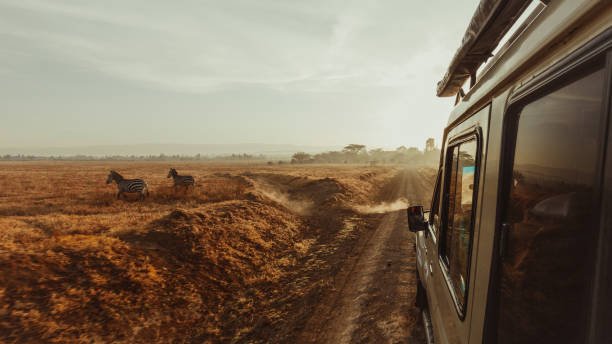
3 Days Gombe Chimpanzee Trekking: Cost, Itinerary & Expert Tips For 2026-2027
Discover the magic of Gombe Stream National Park with a 3-day chimpanzee trekking experience. This guide covers the essential itinerary, estimated costs for 2026-2027, and practical advice...
View package details
Katavi Fly-In Safari From Arusha – Your Complete Private Package 2026-2027
Discover the ultimate Katavi fly-in safari from Arusha with Climb 4 Africa's comprehensive private package. This guide details itineraries, what's included, pricing considerations for...
View package details
Mahale Fly-In Safari From Arusha – Flights, Chimp Trekking & Prices Guide
Discover the magic of Mahale Mountains National Park with a fly-in safari from Arusha. This guide covers essential details on flights, the unforgettable experience of trekking with...
View package details
4 Days Mahale Chimpanzee Safari: Itinerary & Price Guide 2026-2027
Explore a concise 4-day itinerary for Mahale Mountains National Park, focusing on chimpanzee trekking. This guide covers typical costs, what's included, and essential planning tips for your...
View package detailsPrivate Katavi & Mahale Chimpanzee Safari: Prices, Itinerary & Planning
Discover the ultimate private safari experience in Tanzania's remote Katavi and Mahale Mountains National Parks. This guide details exclusive chimpanzee trekking, wildlife viewing, typical...
View package details
Katavi & Mahale Safari Cost /: Flights, Lodges & Chimp Trekking Explained
Understand the estimated costs for a 2026/2027 safari to Katavi and Mahale National Parks in Tanzania, covering flights, accommodation, chimp trekking permits, and essential budget...
View package detailsKilimanjaro Deaths 2026-2027
Kilimanjaro Deaths 2026 is explained with current 2026-2027 planning, price, itinerary and booking information.
View package detailsYanga Africans : Your Ultimate Tanzania Safari And Kilimanjaro Adventure
Your comprehensive guide to planning a Yanga Africans 2026 adventure, covering Kilimanjaro climbs, Tanzania safaris, Zanzibar holidays, and essential travel tips for 2026-2027.
View package detailsYanga Day /: Planning Your Celebration And Travel In Tanzania 2026-2027
Yanga Day, celebrated annually on February 2nd, is a significant cultural event in Tanzania, particularly in the coastal regions. This article explores its meaning, traditions, and how to...
View package detailsNo related package matches those filters. Clear one or more filters to see the other topic-matched options.



