Updated planning guide for 2026, 2027
Best Time To Visit Ngorongoro Crater: Safari Guide
Planning a safari to Tanzania's iconic Ngorongoro Crater? This comprehensive guide details the best times to visit for optimal wildlife sightings, considering the seasons, animal migrations, and your travel preferences. Learn about what to expect in 2026 and 2027.
WhatsApp +255747477898 | climb4africa@gmail.com | climb4africa@gmail.com
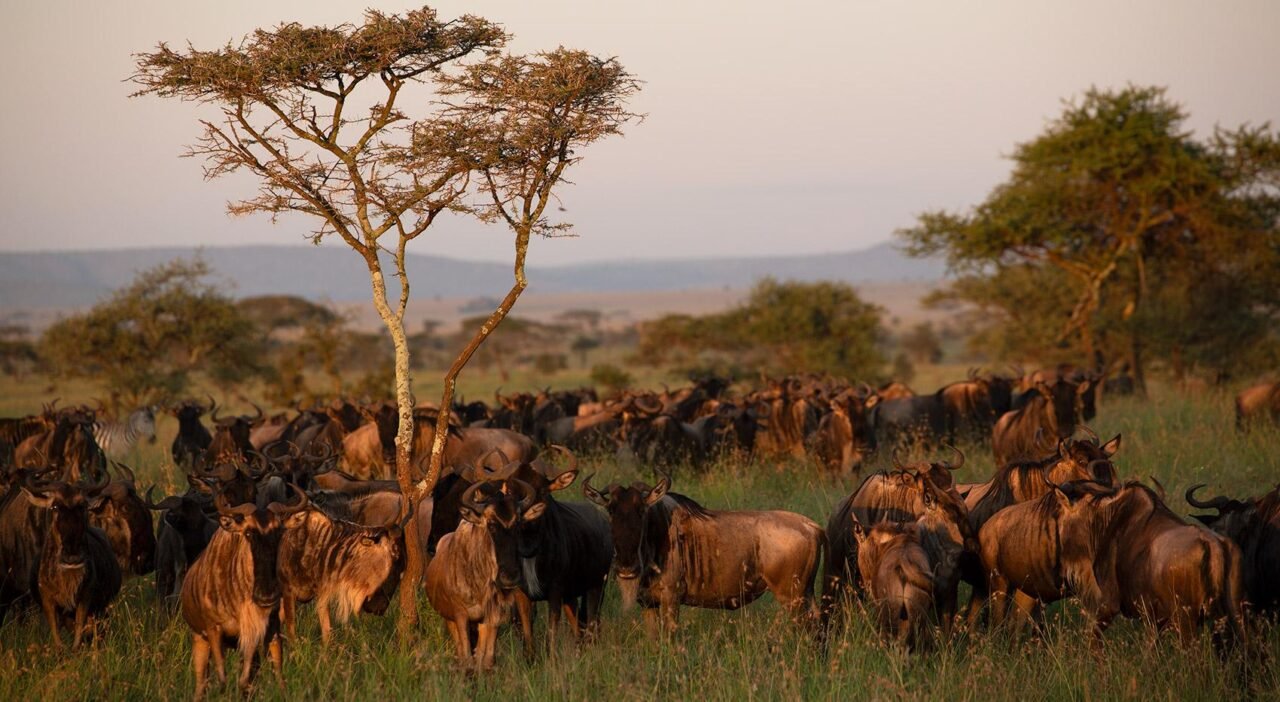
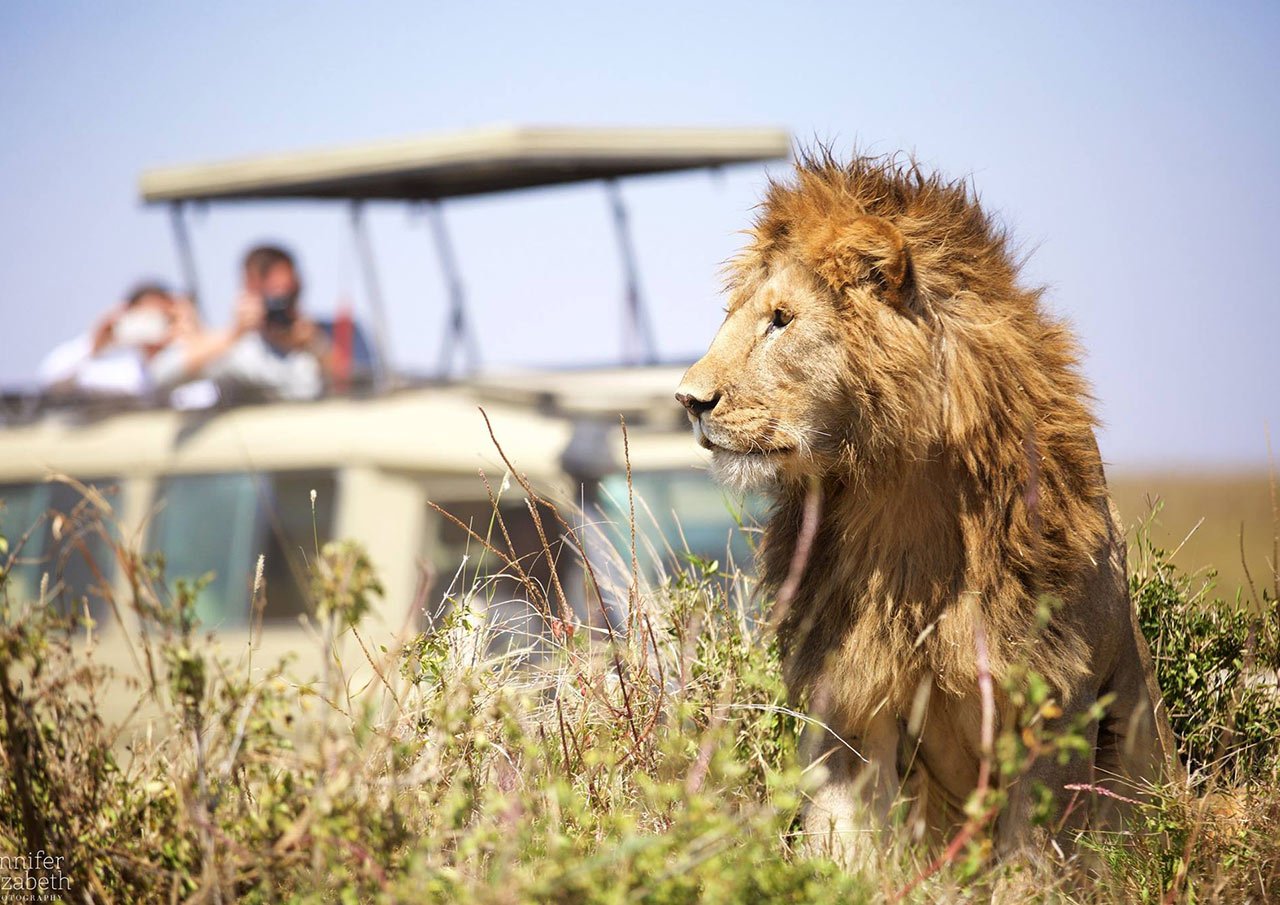
Ngorongoro Crater: Best Time to Visit Expert Guide
The Ngorongoro Crater, a UNESCO World Heritage Site, is a jewel in Tanzania’s crown and a must-visit destination for any safari enthusiast. This ancient volcanic caldera offers a unique and concentrated wildlife viewing experience, often referred to as Africa’s “Garden of Eden.” But to truly maximize your adventure, understanding the best time to visit Ngorongoro Crater is crucial. This guide will walk you through everything you need to know, from seasonal patterns to planning for your 2026 or 2027 journey.
Deciding when to go can significantly impact your safari. Factors like rainfall, animal movements, and visitor numbers all play a role. We’ll break down the climate, wildlife activity, and what each period of the year offers, helping you make an informed decision for an unforgettable trip.
Quick Facts About Ngorongoro Crater
| Fact | Details |
|---|---|
| Location | Arusha Region, Northern Tanzania |
| Size | Approx. 260 sq km (100 sq miles) |
| Elevation | Crater floor: 1,800 meters (5,900 ft) |
| Wildlife Density | One of the highest in Africa |
| Big Five Presence | Yes (Lion, Leopard, Elephant, Rhino, Buffalo) |
| Key Feature | Natural caldera, abundant wildlife, Maasai presence |
| Best Time to Visit | Generally dry seasons: June to October and December to March |
Understanding Ngorongoro Crater’s Climate and Seasons
Tanzania’s climate is generally tropical, but variations exist across different regions. The Ngorongoro Conservation Area experiences two main seasons: the wet season and the dry season. Understanding these is key to pinpointing the best time to visit Ngorongoro Crater.
The Dry Season (June to October)
This is widely considered the prime time for visiting Ngorongoro Crater and much of Tanzania. The weather is characterized by sunshine, lower humidity, and minimal rainfall. This period is ideal for several reasons:
- Excellent Wildlife Viewing: With less vegetation and fewer water sources, animals tend to congregate around permanent waterholes, making them easier to spot. The grasses are also shorter, offering clearer views.
- Comfortable Temperatures: Daytime temperatures are pleasant, typically ranging from 20-25°C (68-77°F), though mornings and evenings can be cooler, especially at the crater’s higher elevation.
- Easier Game Drives: The unpaved roads within the crater are in better condition during the dry season, leading to smoother and more comfortable game drives.
- Lower Risk of Malaria: Mosquito populations are generally lower during dry spells.
Peak Dry Season (July to September): This is the busiest period. You’ll find the most consistent wildlife sightings, but also the highest number of visitors. Booking accommodations and safaris well in advance for 2026 and 2027 is essential if you plan to travel during these months.
The Wet Season (November to May)
The wet season brings lush green landscapes and a different kind of beauty to the crater. It can be further divided into:
- Short Rains (November to December): These are often brief, scattered showers that don’t typically disrupt safari activities for long. They can bring a welcome freshness to the air and are a good time for birdwatching as migratory birds arrive.
- Long Rains (January to May): This period sees more consistent and heavier rainfall, particularly from March to May. While the landscape is incredibly vibrant and beautiful, game drives can be more challenging due to muddy roads. Some wildlife may disperse into the surrounding highlands, though the crater floor’s permanent water sources and rich ecosystem ensure most animals remain.
Advantages of the Wet Season:
- Fewer Crowds: Generally, visitor numbers are lower, offering a more intimate safari experience.
- Lower Prices: Accommodations and tour packages might be more affordable.
- Beautiful Scenery: The landscape is at its most verdant and picturesque.
- Calving Season: Many wildebeest and other herbivores give birth during the early part of the wet season (January-March), leading to abundant predator-prey interactions.
- Birdwatching: Excellent for ornithologists and bird lovers, with migratory birds present and resident birds in breeding plumage.
Disadvantages of the Wet Season:
- Rainfall: Can lead to road closures or difficult driving conditions.
- Vegetation Density: Thicker vegetation can make spotting some animals harder.
- Mosquitoes: Higher humidity can mean more mosquitoes.
The Best Time to Visit Ngorongoro Crater: A Seasonal Breakdown
To help you decide, let’s look at what each month typically offers for those seeking the best time to visit Ngorongoro Crater.
June – August: The Heart of the Dry Season
Wildlife: Excellent. Animals are concentrated around water. You have high chances of seeing the Big Five, including the endangered black rhino. Predator sightings are superb.
Weather: Dry, sunny days with cool mornings and evenings. Temperatures average 20-25°C (68-77°F) during the day.
Crowds: High. This is peak tourist season, so expect other vehicles.
Pros: Optimal wildlife viewing, comfortable weather, good road conditions.
Cons: Most expensive time, requires early booking for 2026/2027.
September – October: Shoulder Season Dry
Wildlife: Still excellent. Animals remain concentrated, though the landscape may start to show signs of dryness.
Weather: Continues to be dry and pleasant, with temperatures similar to June-August.
Crowds: High, but may start to slightly decrease towards late October.
Pros: Great wildlife, good weather, still good road conditions.
Cons: Still popular and can be costly; book ahead.
November – December: The Short Rains
Wildlife: Good. Animals are still relatively easy to spot, though some may start to disperse as vegetation greens up. Birdlife is improving.
Weather: Mixed. Expect sunny spells interspersed with short, often afternoon, showers. Temperatures are warmer, 25-30°C (77-86°F).
Crowds: Moderate. Visitor numbers decrease after the peak dry season.
Pros: Fewer crowds, more affordable options, beautiful green landscapes emerging, good for photography.
Cons: Occasional rain can interrupt game drives; roads can become muddy.
January – March: The Long Rains (Early Part) & Calving Season
Wildlife: Very good, especially for predator-prey action. This is the wildebeest calving season, attracting numerous predators. Birdlife is spectacular.
Weather: Can be a mix. January and February often offer good safari weather with occasional showers. March can see the start of heavier rains.
Crowds: Low to moderate. A good time for a quieter safari.
Pros: Incredible predator sightings, abundant young animals, excellent birdwatching, fewer tourists, potential for lower prices.
Cons: Risk of heavier rain, especially in March; vegetation can be denser.
April – May: The Peak of the Long Rains
Wildlife: Can be challenging. Animals may have dispersed more widely into the highlands. Vegetation is very dense.
Weather: Heavy and consistent rainfall. Days can be overcast and humid.
Crowds: Very low. This is the least popular time to visit.
Pros: Very few tourists, potentially the lowest prices, lush green scenery.
Cons: Significant risk of rain impacting game drives and road conditions; wildlife spotting can be more difficult.
The Verdict: When is the Absolute Best Time?
For the highest probability of seeing the most wildlife with the most comfortable weather, the best time to visit Ngorongoro Crater is during the dry season, specifically June to October. If you prioritize fewer crowds and lower costs while still enjoying good wildlife viewing and can tolerate a chance of rain, consider the shoulder months of November or February-March.
Ngorongoro Crater: What to Expect on a Safari
A safari in Ngorongoro Crater is a unique experience. Unlike other parks where you might spend days searching for animals, the crater’s compact size and high density of wildlife mean you can see a vast array of species in a single day.
The Crater Floor Experience
Once you descend the steep crater walls (a thrilling drive in itself!), you enter a self-contained ecosystem. The floor features diverse habitats: grasslands, swamps, a soda lake (Lake Magadi), and patches of acacia forest. This variety supports an incredible number of animals.
Wildlife You Can See
The Ngorongoro Crater is renowned for its high concentration of predators and its resident population of the rare black rhinoceros. You can expect to see:
- Mammals: Lions, leopards, cheetahs, elephants, buffaloes, hippos, hyenas, wildebeest, zebras, various antelopes (gazelles, hartebeest, waterbuck, eland), warthogs, jackals, and more.
- Birds: Over 400 species, including flamingos (especially on Lake Magadi), ostriches, secretary birds, kori bustards, various eagles, vultures, and water birds.
- The Big Five: The crater is one of the few places in Tanzania where you have a very high chance of spotting all of the Big Five (lion, leopard, elephant, buffalo, and rhino) in a single day. The black rhino is particularly special here.
Game Drive Logistics
Game drives typically last for a half-day or a full-day within the crater. Park regulations dictate that vehicles can only spend a maximum of 6 hours on the crater floor. Your experienced guide will know the best spots and times to maximize your sightings. Picnic lunches are often enjoyed at designated spots, offering a chance to stretch your legs while surrounded by nature.
Maasai People and Cultural Interaction
The Ngorongoro Conservation Area is unique in that it’s the only place in Tanzania where wildlife and human populations (primarily Maasai pastoralists) coexist. You may see Maasai people and their cattle grazing on the crater’s slopes or even on the floor, adding a fascinating cultural dimension to your safari. Some tours may include visits to Maasai villages, offering insight into their traditional way of life.
Planning Your Ngorongoro Crater Safari: Key Considerations
To ensure your trip is as smooth and rewarding as possible, detailed planning is essential. This is especially true if you’re aiming for popular travel periods in 2026 or 2027.
Choosing Your Safari Style
Your safari experience will depend on your accommodation and transport choices:
- Budget Camping: Basic tents and shared facilities offer a more rustic and affordable experience.
- Mid-Range Lodges/Tented Camps: Comfortable rooms or canvas tents with en-suite bathrooms, offering a good balance of comfort and immersion.
- Luxury Lodges/Camps: High-end accommodations with premium amenities, fine dining, and exclusive service.
- Vehicle Type: Most safaris use 4×4 Land Cruisers or Land Rovers, essential for navigating the terrain. Ensure your vehicle has a pop-up roof for optimal viewing and photography.
Itinerary Logic: Combining Ngorongoro with Other Destinations
Ngorongoro Crater is often part of a larger Northern Circuit safari. A typical itinerary might include:
Sample 5-Day Northern Circuit Safari (Including Ngorongoro)
- Day 1: Arrival in Arusha & Transfer to Tarangire National Park. Arrive at Kilimanjaro International Airport (JRO), meet your guide, and drive to Tarangire, known for its large elephant herds and baobab trees. Overnight near Tarangire.
- Day 2: Tarangire to Lake Manyara National Park. Morning game drive in Tarangire, followed by a drive to Lake Manyara. Famous for its tree-climbing lions and diverse birdlife. Overnight near Lake Manyara.
- Day 3: Lake Manyara to Ngorongoro Crater. Morning exploration of Lake Manyara. Descend into the Ngorongoro Crater for an unforgettable game drive on the crater floor. Overnight on the crater rim or nearby Karatu.
- Day 4: Ngorongoro Highlands / Cultural Experience & Transfer to Arusha. Option for a morning cultural visit (e.g., Maasai village) or relaxation before driving back to Arusha.
- Day 5: Departure. Transfer to the airport for your onward journey or connect to Zanzibar.
This is a basic example. Longer safaris can incorporate the Serengeti National Park, famous for the Great Migration. For the best time to visit Ngorongoro Crater and the Serengeti in conjunction, consider the dry season (June-October) for the Serengeti’s Grumeti River crossings or the calving season (January-March) for the southern Serengeti plains.
Booking Your Safari for 2026/2027
Given the popularity of Ngorongoro Crater, especially for 2026 and 2027 travel, early booking is highly recommended. Tour operators often fill up months, sometimes a year, in advance for peak season.
Booking Tip: When contacting tour operators, be specific about your desired travel dates, budget, and interests. Mentioning the best time to visit Ngorongoro Crater will show you’ve done your research.
What to Pack for Your Ngorongoro Crater Safari
Packing smart is crucial for comfort and enjoyment. Layers are key, as temperatures can vary significantly between day and night, and at different elevations.
Essential Packing List:
- Clothing: Neutral-colored clothing (khaki, beige, green, brown) – bright colors can scare wildlife.
- Layers: T-shirts, long-sleeved shirts, sweaters or fleece, a warm jacket (especially for early mornings/evenings).
- Trousers: Comfortable walking trousers or safari pants (avoid jeans for long drives).
- Footwear: Comfortable closed-toe walking shoes or hiking boots. Sandals for relaxing at lodges.
- Headwear: Wide-brimmed hat for sun protection.
- Eyewear: Sunglasses.
- Sun Protection: High SPF sunscreen, lip balm with SPF.
- Insect Repellent: With DEET or Picaridin.
- Camera: With extra batteries and memory cards. Binoculars are highly recommended.
- Personal Items: Prescription medications, basic first-aid kit, hand sanitizer, wet wipes.
- Documents: Passport, visa (if required), vaccination certificates, travel insurance details.
- Adapter: For charging electronics (Type G sockets in Tanzania).
- Reusable Water Bottle: To stay hydrated and reduce plastic waste.
Remember that luggage space in safari vehicles can be limited, so packing light and efficiently is beneficial.
Common Mistakes to Avoid When Planning Your Visit
Even experienced travelers can make mistakes. Here are common pitfalls to avoid when planning your trip to Ngorongoro Crater:
- Not Booking in Advance: Especially for peak seasons in 2026 and 2027, accommodations and popular safari slots get booked up.
- Underestimating Packing Needs: Forgetting essentials like sunscreen, insect repellent, or warm layers can impact your comfort.
- Overpacking: Limited luggage space in safari vehicles is a common issue.
- Choosing the Wrong Time: Visiting during the peak of the long rains (April-May) can lead to disappointing game viewing and difficult road conditions.
- Not Considering Vehicle Quality: A reliable 4×4 with a pop-up roof is essential for the best experience.
- Focusing Only on the Big Five: While the Big Five are exciting, the crater offers incredible diversity in other wildlife and birdlife. Appreciate the whole ecosystem.
- Ignoring Crater Regulations: Adhering to the 6-hour limit on the crater floor and park rules ensures the conservation of this unique environment.
- Not Consulting Experts: Relying solely on generic online information instead of experienced tour operators.
Who is Ngorongoro Crater Best Suited For?
The Ngorongoro Crater offers a compelling experience for a wide range of travelers:
- First-Time Safari Goers: Its high wildlife density and easy viewing make it an excellent introduction to African safaris.
- Wildlife Enthusiasts & Photographers: The sheer abundance and variety of animals, including rare species like the black rhino, provide unparalleled opportunities.
- Families: The relatively short travel times within the crater and the high chance of sightings make it engaging for children.
- Those Short on Time: A day trip to Ngorongoro can be highly rewarding, making it feasible for those with limited vacation time.
- Travelers Seeking the Big Five: It’s one of the most reliable places to see all five in one day.
While the crater itself is accessible, it’s important to note that the steep descent and potential for bumpy roads might be a consideration for individuals with severe mobility issues. However, most reputable tour operators can make accommodations.
Alternatives to Ngorongoro Crater
While Ngorongoro is exceptional, Tanzania boasts other incredible safari destinations. If the best time to visit Ngorongoro Crater doesn’t align with your schedule, or you’re looking for different experiences, consider these:
- Serengeti National Park: Famous for the Great Migration. Offers vast plains and a more expansive safari experience. Different parts of the Serengeti are best visited at different times of the year, depending on the migration’s location.
- Tarangire National Park: Known for its massive elephant herds and iconic baobab trees. Excellent during the dry season (July-October) when animals congregate around the Tarangire River.
- Lake Manyara National Park: Famous for its tree-climbing lions, large baboon troops, and diverse birdlife, especially around the alkaline lake. Good year-round, but drier months offer better game viewing.
- Selous Game Reserve (Nyerere National Park): Southern Tanzania’s largest reserve, offering boat safaris, walking safaris, and a more wild, less crowded experience. Best visited during the dry season (June-October).
- Ruaha National Park: Tanzania’s largest national park, known for its rugged wilderness and large predator populations. Best during the dry season (June-October).
Each park offers unique landscapes and wildlife viewing opportunities. Combining Ngorongoro with the Serengeti provides a classic Northern Circuit experience, while Tarangire and Manyara offer excellent shorter visits.
Planning Your 2026 and 2027 Ngorongoro Safari
Looking ahead to 2026 and 2027, planning is more important than ever. Demand for Tanzanian safaris continues to grow.
Booking Timeline for 2026/2027
- 12+ Months in Advance: For peak season (June-October) in 2026 or 2027, especially if you have specific lodge preferences or are a larger group.
- 6-9 Months in Advance: For shoulder seasons or if you are flexible with accommodation choices.
- 3-6 Months in Advance: For off-peak seasons or if you are comfortable with more standard lodge options.
Budget Considerations for 2026/2027
While exact prices fluctuate, understanding the cost factors is key:
- Park Fees: Ngorongoro Conservation Area Authority (NCAA) fees are a significant portion of the cost and are subject to change annually.
- Accommodation: Lodges and camps range from budget to ultra-luxury, impacting the overall price.
- Vehicle Hire: The cost of a 4×4 safari vehicle and an experienced guide.
- Tour Operator Fees: Operator margins, service levels, and inclusions vary.
- Seasonality: Peak season (dry months) is generally more expensive than the wet season.
When requesting quotes for 2026 or 2027, ensure you understand what is included (e.g., park fees, meals, accommodation, guide, vehicle) and what is not (e.g., tips, drinks, personal insurance).
Frequently Asked Questions (FAQs)
Q1: What is the absolute best time to visit Ngorongoro Crater for wildlife?
A1: The absolute best time is during the dry season, from June to October. Wildlife is concentrated around water sources, making sightings easier and more consistent. The weather is also generally pleasant with less rain.
Q2: Is it possible to see the Big Five in Ngorongoro Crater?
A2: Yes, it is highly possible. Ngorongoro Crater is one of the best places in Tanzania to see all of the Big Five (lion, leopard, elephant, buffalo, and the endangered black rhino) in a single day due to the high density and variety of wildlife.
Q3: Can I visit Ngorongoro Crater during the rainy season?
A3: Yes, you can. While the long rains (April-May) can present challenges like muddy roads and denser vegetation, the short rains (November-December) often offer pleasant safari conditions with fewer crowds and beautiful green landscapes. Wildlife viewing is still good, especially for birdlife and predator-prey interactions during calving season.
Q4: How long should I spend in Ngorongoro Crater?
A4: Most visitors spend a single day on the crater floor, which is typically a half-day or full-day game drive. This allows ample time to see a wide range of animals. Some people choose to stay overnight on the rim or in nearby Karatu to maximize their experience.
Q5: Is Ngorongoro Crater suitable for families with young children?
A5: Yes, Ngorongoro Crater is generally very suitable for families. The relatively short distances on the crater floor, the high likelihood of seeing animals, and the engaging experience make it exciting for children. However, long game drives can be tiring, so consider your children’s stamina.
Q6: What are the park fees for Ngorongoro Crater?
A6: Park fees for the Ngorongoro Conservation Area are set by the NCAA and are subject to change. They typically include a daily conservation fee per person and a vehicle fee. These are usually included in your safari package price, but it’s good to confirm with your tour operator.
Q7: Can I self-drive in Ngorongoro Crater?
A7: While technically possible with a 4×4 vehicle, it is not recommended for first-time visitors. The roads can be challenging, and navigating requires local knowledge. It is far more beneficial to hire a professional guide who knows the crater intimately. Most safaris are guided.
Q8: What is the best time to visit Ngorongoro Crater if I want to avoid crowds?
A8: To avoid the largest crowds, aim for the shoulder seasons. The periods just before and after the main dry season, such as November, or the early wet season months of January and February, generally see fewer tourists than the peak months of July to September.
Q9: Are there any specific safety concerns for visiting Ngorongoro Crater?
A9: Ngorongoro Crater is generally very safe for tourists when following park rules and guide instructions. The main safety considerations are related to wildlife encounters (maintain distance, stay in your vehicle) and road safety. Malaria is present, so consult your doctor about prophylaxis and use insect repellent.
Q10: What should I expect regarding accommodation options around Ngorongoro?
A10: Options range from basic campsites outside the crater rim to mid-range lodges in Karatu (a town near the crater entrance) and luxury lodges situated directly on the crater rim, offering spectacular views. Booking these well in advance is crucial, especially for 2026 and 2027 travel.
Q11: Will the Great Migration be visible in Ngorongoro Crater?
A11: No, the Great Migration primarily takes place in the Serengeti National Park. Ngorongoro Crater has a resident population of animals that do not migrate in the same way. However, you will see abundant wildlife year-round.
Q12: What are the best months for birdwatching in Ngorongoro Crater?
A12: Birdwatching is excellent year-round, but it peaks during the wet season when migratory birds are present (November to April). The resident bird population is also active and visible throughout the year.
Book Your Unforgettable Ngorongoro Crater Safari
The Ngorongoro Crater promises an unparalleled safari experience, brimming with wildlife and natural beauty. Understanding the best time to visit Ngorongoro Crater is the first step towards planning an extraordinary adventure. Whether you dream of witnessing the Big Five, photographing vast herds, or simply immersing yourself in the wild heart of Africa, our team is here to help you craft the perfect itinerary for 2026 or 2027.
Don’t leave your dream safari to chance. Contact our expert travel consultants today to start planning your tailor-made journey. We specialize in creating unforgettable Tanzanian experiences, from the Ngorongoro Crater to Kilimanjaro and beyond.
Get in touch with us:
WhatsApp: +255747477898
Email: climb4africa@gmail.com
Backup Email: climb4africa@gmail.com
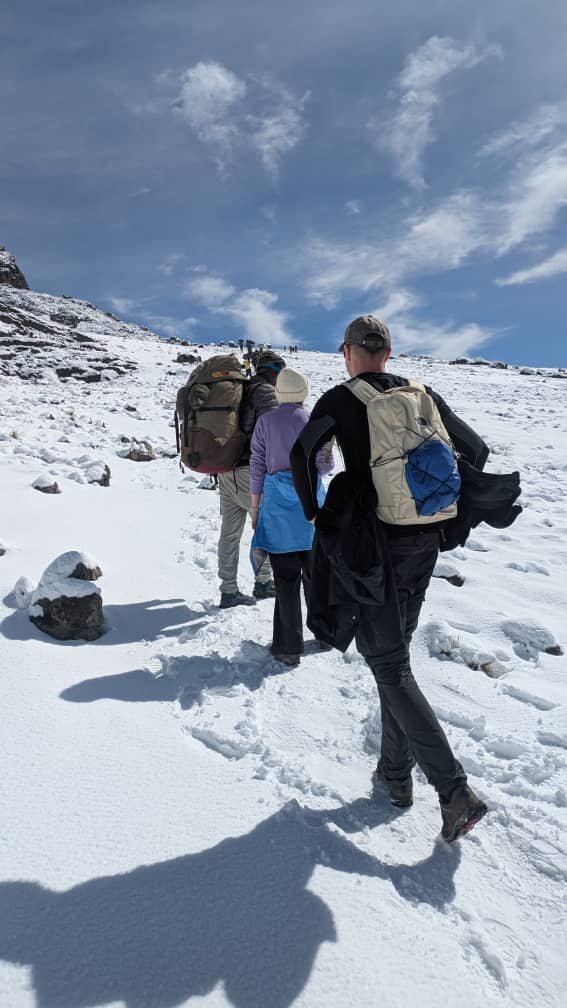
September Kilimanjaro And Serengeti Migration Safari : Your Ultimate Guide
Combining a Kilimanjaro climb with a Serengeti Migration safari in September offers unparalleled wildlife viewing and trekking opportunities. This guide details the best of both experiences...
View package details
August Kilimanjaro Climb With River-Crossing Safari: Your Ultimate Tanzania
Combine the challenge of climbing Mount Kilimanjaro in August with the thrill of witnessing the Great Migration river crossings on a safari. This guide covers itineraries, routes, packing...
View package details
August Kilimanjaro And Migration Safari: Your Ultimate Tanzania Adventure
Combine a Kilimanjaro trek with witnessing the Great Migration in August for an unforgettable Tanzania adventure. This guide covers everything you need to know for your 2026-2027 trip.
View package details
July Kilimanjaro Climb With Northern Serengeti Safari In 2026-2027
Combine the challenge of climbing Mount Kilimanjaro with the unparalleled wildlife spectacle of a Northern Serengeti safari during July. This guide details everything you need to know for...
View package details
July Kilimanjaro And Great Migration Safari: Expert Guide 2026-2027
Combine a Kilimanjaro ascent with witnessing the Great Migration in Tanzania during July. This guide covers everything from optimal routes and safari lodges to packing lists and essential...
View package detailsJune Kilimanjaro Climb After A Safari: Your Ultimate Guide 2026-2027
Combining a Tanzania safari with a Kilimanjaro climb in June is an unforgettable adventure. This guide covers everything you need to know for a successful 2026-2027 trip, from weather...
View package details
June Kilimanjaro Climb Before A Tanzania Safari In 2026-2027
Combining a Mount Kilimanjaro climb with a Tanzania safari is a dream for many adventurers. June offers excellent conditions for both, making it a prime month to experience these iconic...
View package details
June Kilimanjaro And Serengeti Safari Guide
start a dual adventure in June, conquering Mount Kilimanjaro and experiencing the magic of a Serengeti safari. This guide details the best of Tanzania in June, covering weather, wildlife...
View package details
May Kilimanjaro Climb And Wildlife Safari Guide
Combine the thrill of summiting Mount Kilimanjaro with an unforgettable wildlife safari in Tanzania during May. This guide covers everything you need to know for an epic adventure in...
View package detailsNo related package matches those filters. Clear one or more filters to see the other topic-matched options.
Plan your Best Time to Visit Ngorongoro Crater with Climb 4 Africa
Tell us your travel dates, group size, comfort level, and dream experience. We will help you shape a clear, realistic, and memorable Tanzania itinerary.



