
Updated planning guide for 2026-2027
Best Time To Travel North Africa: Complete Guide 2026-2027
Planning your North African adventure? This comprehensive guide details the best time to visit, considering weather, events, and traveler types for 2026-2027.
WhatsApp +255747477898 | climb4africa@gmail.com | climb4africa@gmail.com

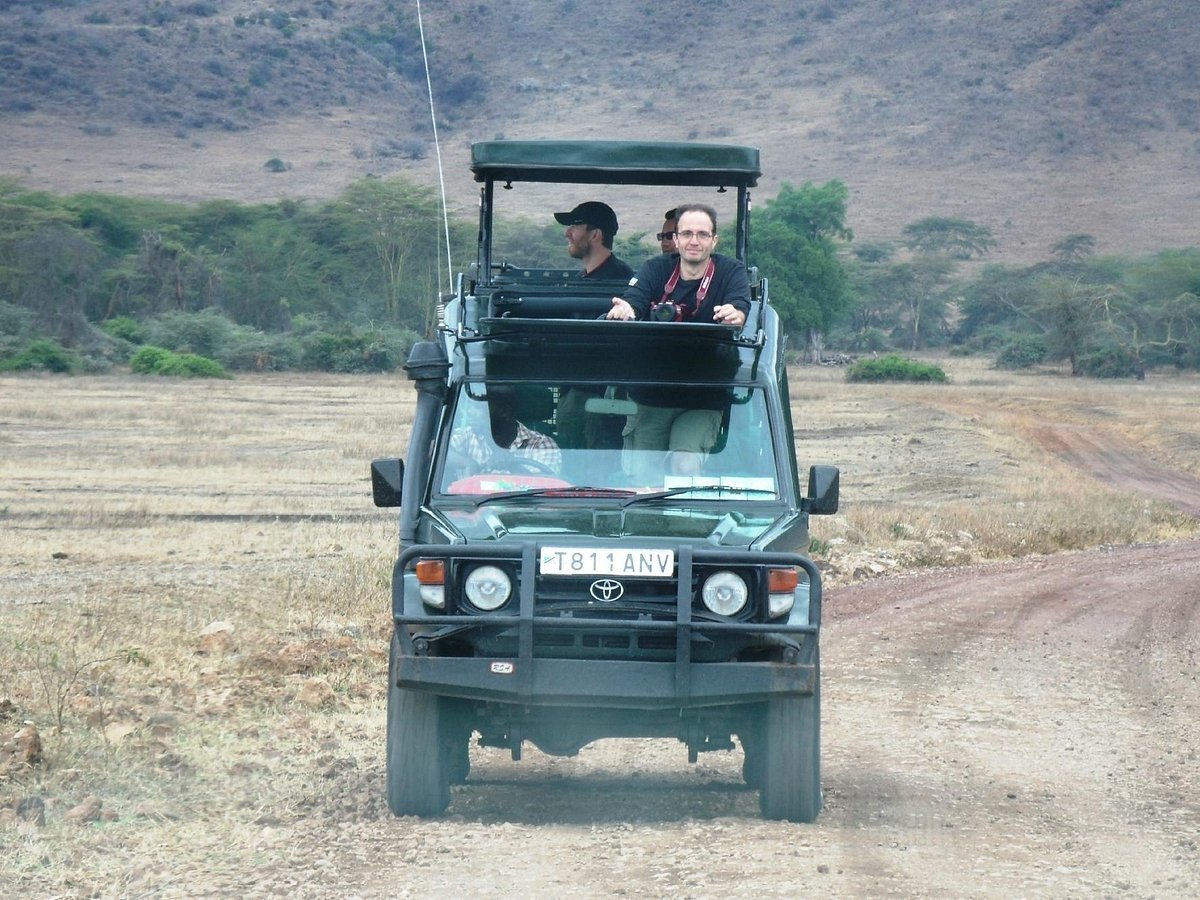
Best Time to Travel North Africa: Your Complete Planning Guide
Deciding on the best time to travel North Africa is crucial for an enjoyable and memorable experience. This vast region, encompassing countries like Morocco, Egypt, Tunisia, Algeria, and Libya, offers diverse landscapes, rich history, and unique cultural encounters. Each destination within North Africa has its own microclimates and peak seasons, making a generalized answer challenging. However, by understanding the general climate patterns and considering your personal travel preferences, you can pinpoint the ideal window for your journey. This guide aims to provide you with all the information needed to plan your North African adventure, whether you’re dreaming of desert treks, ancient ruins, bustling souks, or coastal relaxation, with a focus on planning for 2026 and 2027.
Quick Answer: The Best Time to Travel North Africa
Generally, the best time to travel North Africa for most travelers is during the spring (March to May) and autumn (September to November) months. These periods offer pleasant temperatures across much of the region, avoiding the extreme heat of summer and the cooler, sometimes wet, conditions of winter. However, specific destinations and activities might have slightly different optimal times.
Table of Contents
- North Africa at a Glance
- Why Does the Timing Matter So Much?
- North Africa Seasonal Breakdown
- Best Time to Visit Key North African Countries
- Best Time by Region and Activity
- North Africa Quick Facts
- Sample Itinerary Logic: Morocco’s Imperial Cities & Desert
- What to Expect: Weather and Crowds
- Packing and Preparation for Your Trip
- Common Mistakes to Avoid When Planning
- Who is North Africa Best For?
- Alternatives to Consider
- Planning Your 2026-2027 North Africa Trip
- Booking Advice and Tips
- Frequently Asked Questions (FAQs)
North Africa at a Glance
North Africa is a region of immense diversity. From the Mediterranean coastlines of Morocco and Tunisia to the vast Sahara Desert stretching across Algeria, Libya, and beyond, the landscapes are dramatic and varied. Ancient Roman ruins, vibrant Islamic architecture, bustling medinas, and nomadic desert cultures are just some of the elements that define this fascinating part of the world. While often grouped together, each country possesses its own unique identity, history, and attractions.
Why Does the Timing Matter So Much?
The primary reason timing is critical for a North African trip is the climate. Summers can be scorchingly hot, especially inland and in desert regions, making sightseeing uncomfortable and potentially dangerous. Winters, while milder on the coast, can be cold in mountainous areas and rainy in some northern regions. Beyond weather, timing affects crowd levels and prices. Traveling during the shoulder seasons (spring and autumn) often means fewer tourists and potentially better deals on accommodation and flights. Major religious holidays, such as Ramadan, can also influence daily life, opening hours, and the overall atmosphere, which some travelers seek out while others might prefer to avoid.
North Africa Seasonal Breakdown
Understanding the general seasonal patterns is key to identifying the best time to travel North Africa.
| Season | Months | General Weather | Crowds | Pros | Cons |
|---|---|---|---|---|---|
| Spring | March – May | Pleasant, mild to warm temperatures. Blooming landscapes. | Moderate, increasing towards May. | Ideal for sightseeing, desert trips, hiking. Comfortable for cities. | Can get warm in late May. Some areas may still have lingering rain in early March. |
| Summer | June – August | Very hot, especially inland and desert areas (40°C+). Coastal areas are more bearable but still warm. | Lower, except for coastal resorts. | Good for beach holidays on the coast. Fewer tourists in popular inland spots. | Extreme heat makes desert and inland exploration difficult and potentially unsafe. Higher energy costs for A/C. |
| Autumn | September – November | Warm to pleasant temperatures. Cooling down from summer highs. | Moderate, decreasing towards November. | Excellent for all types of travel: cities, desert, hiking. Comfortable temperatures. | Can get cooler in late November. Potential for some rain in early autumn in northern areas. |
| Winter | December – February | Cool to mild on the coast, cold in mountains and desert nights. Possible rain. | Lowest, except for holiday periods. | Good for cultural immersion, fewer crowds, lower prices. Desert nights can be stunningly clear. Skiing in Atlas Mountains. | Daytime temperatures can be cool for sightseeing. Desert nights are very cold. Risk of travel disruption due to rain or snow. |
Best Time to Visit Key North African Countries
While spring and autumn are generally recommended, let’s break down the optimal times for specific countries:
Morocco
Spring (March-May) and Autumn (September-November) are ideal. Temperatures are pleasant for exploring Marrakech, Fes, Chefchaouen, and the High Atlas Mountains. The desert is also more accessible and enjoyable during these months. Summer (June-August) can be extremely hot, especially in Marrakech and the desert. Winter (December-February) is cooler, with snow possible in the Atlas Mountains, making it suitable for skiing but less so for desert treks.
Egypt
October to April is the sweet spot. This period offers comfortable temperatures for visiting the ancient sites along the Nile (Luxor, Aswan) and exploring Cairo. Summer (June-August) is intensely hot, particularly in Upper Egypt. The Red Sea resorts (Sharm El Sheikh, Hurghada) are popular year-round, but the water is warmest from September to November.
Tunisia
Spring (April-May) and Autumn (September-October) provide the most agreeable weather for exploring Roman ruins like Carthage and El Jem, as well as the vibrant medinas and desert landscapes. Summer (June-August) is hot, especially inland. Winter (December-February) is mild but can be rainy, particularly in the north.
Algeria
Given its vastness and the Sahara’s dominance, October to April is recommended. This allows for more comfortable exploration of desert regions like the Hoggar and Tassili n’Ajjer. Coastal cities like Algiers are pleasant in spring and autumn. Summer is extremely hot across most of the country.
Libya
Due to current travel advisories and safety concerns, travel to Libya is not widely recommended for general tourism. However, for those who do plan to visit, the cooler months of October to April would be the most suitable for experiencing its historical sites like Leptis Magna, avoiding the severe summer heat.
Best Time by Region and Activity
Your chosen activities will significantly influence the best time to visit.
| Activity/Region | Optimal Months | Considerations |
|---|---|---|
| Sahara Desert Trekking (Morocco, Algeria) | October – November, March – April | Avoids extreme summer heat and freezing winter nights. Spring offers blooming desert flora. |
| Nile River Cruising (Egypt) | October – April | Comfortable temperatures for sightseeing in Luxor, Aswan, and Cairo. Summer is too hot. |
| Exploring Imperial Cities (Marrakech, Fes, Cairo) | March – May, September – November | Pleasant temperatures for walking through medinas and visiting historical sites. |
| Hiking in the Atlas Mountains (Morocco) | April – June, September – October | Spring offers wildflowers and snow-melt fed streams. Autumn has clear skies and pleasant hiking temperatures. Winter is for skiing. |
| Red Sea Resorts (Egypt) | Year-round, but September – November for warmest water and pleasant air temps. | Summer can be very hot. Winter is cooler but still good for sun-seekers. |
| Coastal Exploration (Tunisia, Morocco coast) | May – June, September – October | Warm but not excessively hot. Good for beaches and coastal towns. July-August can be crowded and very warm. |
North Africa Quick Facts
| Aspect | Details |
|---|---|
| Primary Languages | Arabic, Berber (Tamazight), French (widely spoken) |
| Major Religions | Islam |
| Currency | Moroccan Dirham (MAD), Egyptian Pound (EGP), Tunisian Dinar (TND), Algerian Dinar (DZD), Libyan Dinar (LYD) |
| Dominant Climate Type | Mediterranean on coasts, Arid/Desert inland |
| Peak Tourist Seasons | Spring (Mar-May) & Autumn (Sep-Nov) for most countries. Winter for Egypt’s historical sites. |
| Shoulder Seasons | Late May, early September |
| Off-Peak/Low Season | Winter (Dec-Feb) for desert/inland, Summer (Jun-Aug) for inland/desert. |
| Cultural Considerations | Modest dress recommended, especially outside major tourist resorts. Respect local customs during prayer times and Ramadan. |
Sample Itinerary Logic: Morocco’s Imperial Cities & Desert
This sample itinerary logic focuses on a popular route in Morocco, illustrating how timing impacts the experience. For a trip in 2026 or 2027, this framework can be adapted.
7-Day Morocco Explorer (Imperial Cities & Desert Experience)
- Day 1-2: Marrakech. Arrive, explore Jemaa el-Fna, Koutoubia Mosque, Bahia Palace. Best time: Spring/Autumn for pleasant walking.
- Day 3: Atlas Mountains & Ait Ben Haddou. Scenic drive over the High Atlas, visit the UNESCO kasbah. Best time: Spring/Autumn for comfortable driving and views.
- Day 4: Ouarzazate & Dades Valley. Explore film studios, drive through the Valley of a Thousand Kasbahs. Best time: Spring/Autumn for scenic beauty.
- Day 5: Merzouga Desert Camp. Camel trek into the Erg Chebbi dunes for sunset and overnight stay. Best time: Autumn/Spring for milder desert temperatures. Winter offers clear starry nights but cold evenings. Summer is too hot.
- Day 6: Fes. Long travel day back towards Fes, perhaps stopping in the Ziz Valley. Best time: Spring/Autumn for comfortable travel.
- Day 7: Fes Exploration & Departure. Explore the ancient medina of Fes, then depart. Best time: Spring/Autumn for comfortable exploration.
Note: This is a sample. A 10-day or 14-day trip would allow for a more relaxed pace and deeper exploration, potentially including a visit to the Sahara from Egypt or a coastal town in Tunisia.
What to Expect: Weather and Crowds
When planning your trip to North Africa, understanding the interplay between weather and crowds is essential for setting expectations.
Weather Realities
The North African climate is characterized by extremes. The Mediterranean coast enjoys a more temperate climate, with hot, dry summers and mild, wet winters. However, venture inland, and the desert climate takes over. Temperatures can fluctuate dramatically between day and night, especially in the Sahara. Summer days can easily exceed 40°C (104°F) in cities like Marrakech or desert camps. Conversely, winter desert nights can plummet below freezing. Evenings in mountain regions can be cool year-round. Always check the specific forecast for your chosen destinations closer to your travel date.
Crowd Dynamics
Peak tourist seasons in North Africa generally align with the most pleasant weather: spring and autumn. During these times, popular destinations like Marrakech’s Jemaa el-Fna, Egypt’s Pyramids, and the coastal towns of Tunisia will be busier. Prices for accommodation and tours may also be higher. Summer sees a dip in crowds for inland and desert areas due to the heat, but coastal resorts remain popular. Winter is the quietest period for most of the region, offering a more local experience and potentially better prices, though some sites might have shorter opening hours.
Packing and Preparation for Your Trip
Proper packing and preparation are vital for a comfortable trip to North Africa, especially considering the diverse climates and cultural norms.
Essential Packing List:
- Clothing: Lightweight, breathable fabrics (cotton, linen). Long sleeves and trousers/skirts for sun protection and cultural modesty. A light jacket or fleece for cooler evenings and mountain/desert nights. A scarf or shawl is versatile for sun protection and covering up.
- Footwear: Comfortable walking shoes are essential for exploring cities and ruins. Sandals or flip-flops for relaxing. Sturdy boots if planning significant hiking.
- Sun Protection: High SPF sunscreen, wide-brimmed hat, sunglasses.
- Health: Basic first-aid kit, any personal medications, hand sanitizer, insect repellent (especially for coastal areas in summer).
- Documents: Passport, visa (if required), travel insurance details, copies of important documents.
- Electronics: Universal adapter, power bank, camera.
- Miscellaneous: Reusable water bottle, small backpack for day trips.
Preparation Steps:
- Visas: Check visa requirements for your nationality for each country you plan to visit well in advance.
- Vaccinations: Consult your doctor or a travel clinic about recommended vaccinations.
- Travel Insurance: Ensure you have comprehensive travel insurance that covers medical emergencies, trip cancellations, and lost luggage.
- Currency: Familiarize yourself with the local currencies and plan how you will access cash (ATMs are available in most cities, but carry some local currency upon arrival).
- Language: Learn a few basic phrases in Arabic or French. While English is spoken in tourist areas, local greetings are appreciated.
- Cultural Awareness: Research local customs, dress codes, and etiquette to ensure respectful interactions.
Common Mistakes to Avoid When Planning
To ensure your trip is as smooth as possible, be aware of these common pitfalls when planning your North African adventure.
Mistake 1: Underestimating the Heat
Many travelers don’t fully grasp how intense the summer heat can be, especially in desert regions or cities like Marrakech. This leads to uncomfortable sightseeing, sunburn, and potential heatstroke. Solution: Travel during spring or autumn, or if traveling in summer, plan activities for early mornings and late afternoons, and stay hydrated.
Mistake 2: Ignoring Cultural Nuances
North Africa is predominantly Muslim. Dressing immodestly, particularly for women, can attract unwanted attention or be seen as disrespectful. Also, assuming Western business hours or service standards can lead to frustration. Solution: Pack modest clothing (shoulders and knees covered), learn basic greetings, and be patient. Understand that many shops and businesses may close during prayer times, and Ramadan significantly alters daily routines.
Mistake 3: Over-Scheduling
Trying to cram too many destinations or activities into a short period, especially given travel times between locations, is a common error. Solution: Prioritize what you want to see and do. Allow for travel time, unexpected delays, and moments of spontaneous exploration. A slower pace often leads to a richer experience.
Mistake 4: Not Budgeting for Everything
Beyond flights and accommodation, consider costs for local transport, food, entrance fees, tips, and souvenirs. Prices can vary significantly by country and region. Solution: Research typical costs for your chosen destinations and activities. Factor in a buffer for unforeseen expenses.
Mistake 5: Relying Solely on Online Information
While online resources are valuable, they can sometimes be outdated or lack local context. Solution: Supplement online research with advice from reputable tour operators or recent travelers. Local guides can offer invaluable insights and real-time information.
Who is North Africa Best For?
North Africa appeals to a wide range of travelers, but it particularly suits:
- History Enthusiasts: The region is a treasure trove of ancient civilizations, from Roman ruins in Tunisia and Libya to Pharaonic sites in Egypt and medieval medinas in Morocco and Algeria.
- Culture Seekers: Those interested in experiencing vibrant Islamic culture, bustling souks, traditional music, unique cuisines, and the hospitality of desert communities.
- Adventure Travelers: From trekking in the Atlas Mountains and camel safaris in the Sahara to diving in the Red Sea, there are plenty of opportunities for adventure.
- Photographers: The dramatic landscapes, colorful markets, intricate architecture, and diverse populations offer endless photographic opportunities.
- Budget Travelers: While luxury options exist, North Africa can be very affordable, especially for food and local transport, particularly outside the peak seasons.
- Solo Travelers: With careful planning and awareness, solo travel is feasible, particularly in Morocco and Egypt, though some areas might be more comfortable with a companion or guide.
Alternatives to Consider
If the timing or nature of North Africa doesn’t quite align with your travel plans, consider these alternatives:
- Southern Europe (Spain, Portugal, Italy): For similar Mediterranean vibes, history, and cuisine, but with a more familiar infrastructure and climate. Spring and Autumn are also excellent here.
- Middle East (Jordan, Oman): Offers desert landscapes, ancient history (Petra), and rich cultural experiences. Spring and Autumn are prime times.
- East Africa (Tanzania, Kenya): If your interest is primarily wildlife safaris, East Africa is unparalleled. The best time for safaris varies but often aligns with dry seasons, which can overlap with North Africa’s shoulder seasons.
- Turkey: A bridge between Europe and Asia, offering a mix of ancient history, vibrant culture, stunning landscapes, and Mediterranean coasts. Spring and Autumn are ideal.
Planning Your 2026-2027 North Africa Trip
Planning ahead is key, especially if you’re targeting specific dates or looking for the best deals for your 2026 or 2027 North African adventure. Here’s how to approach it:
Setting Your Dates
Decide whether you prioritize pleasant weather, fewer crowds, or specific events. For the best all-around experience, aim for March-May 2026/2027 or September-November 2026/2027. If you’re interested in Egypt’s historical sites and don’t mind cooler evenings, October 2026 – April 2027 is excellent. If a beach holiday in Tunisia is your goal, June or September might be perfect.
Booking in Advance
For peak seasons (spring and autumn), booking flights and popular accommodations 3-6 months in advance is advisable for 2026-2027. If you’re planning a desert overnight experience or a Nile cruise, these can also fill up, so booking 2-4 months ahead is wise. For less popular times or less-visited destinations, you might have more flexibility.
Choosing Your Destinations
Given the diversity, you might choose to focus on one country or combine two. A popular combination is Morocco and Egypt, which requires careful planning of flights between them. Consider how much travel time you have and how much you want to see. A 10-day trip might be best focused on one country, while 3 weeks could allow for two.
Budgeting for 2026-2027
While exact prices fluctuate, general cost expectations for 2026-2027 can be made. Morocco and Tunisia are generally more affordable than Western Europe. Egypt can also be budget-friendly, though Nile cruises can represent a significant portion of the cost. Algeria and Libya might have higher costs due to less developed tourist infrastructure and potentially more complex travel arrangements. Always factor in a buffer for unexpected expenses.
Booking Advice and Tips
Securing the right tour operator or booking your independent trip can make or break your North African experience. Here are some tips to guide you:
Work with Local Experts
For a truly authentic and well-organized trip, consider booking through a local tour operator. They have firsthand knowledge of the region, can navigate local logistics, and often provide better value. We specialize in crafting unforgettable adventures across Tanzania, but we also have partners and knowledge for other regions. For your North African plans in 2026-2027, reaching out to local specialists is recommended.
When to Book
As mentioned, booking 3-6 months in advance for flights and accommodation is a good rule of thumb, especially for the popular spring and autumn travel periods in 2026-2027. If you require specific dietary arrangements or have mobility concerns, inform your operator well in advance.
What to Look For in a Tour
- Inclusions: Clearly understand what is included (accommodation, meals, activities, guides, transport) and what is not (flights, visas, personal expenses, tips).
- Group Size: Smaller groups often mean a more personalized experience and easier logistics.
- Guides: Ensure guides are knowledgeable, licensed, and speak your language fluently.
- Accommodation: Check the quality and type of accommodation included. Riads in Morocco, traditional hotels, or desert camps offer unique experiences.
- Flexibility: Does the tour allow for some personal time or spontaneous detours?
Independent Travel Considerations
If you prefer to travel independently, book flights and accommodation well in advance for the best prices. Utilize reputable booking sites. For internal transport, consider trains (Morocco, Egypt), buses, or hiring a private driver for longer distances. Be prepared for a different level of planning and problem-solving.
Ready to Plan Your Adventure?
While we focus on Tanzania, we understand the desire for incredible travel experiences worldwide. If you’re considering a trip to North Africa for 2026 or 2027 and need advice on finding a reliable local partner or have questions about general travel planning, feel free to reach out. We can guide you on what to look for. Contact us:
WhatsApp: +255747477898
Email: climb4africa@gmail.com
Backup Email: climb4africa@gmail.com
Frequently Asked Questions (FAQs)
Q1: What is the absolute best time to travel North Africa for pleasant weather?
A1: The shoulder seasons, Spring (March to May) and Autumn (September to November), offer the most consistently pleasant weather across the region, avoiding extreme heat and cold.
Q2: Is it too hot to travel to North Africa in July or August?
A2: Yes, July and August are generally too hot for comfortable exploration of inland cities and desert areas in most of North Africa. Coastal resorts are more bearable, but it’s still very warm. If you must travel in summer, focus on the coast or plan activities for early mornings and late evenings.
Q3: When is the best time to visit Egypt for historical sites?
A3: The ideal time to visit Egypt for its historical sites is from October to April, when temperatures are mild and suitable for sightseeing in Cairo, Luxor, and Aswan.
Q4: Is it safe to travel to North Africa?
A4: For the most part, countries like Morocco, Egypt, and Tunisia are considered safe for tourists, provided standard travel precautions are taken. However, it’s crucial to stay informed about the current political and safety situation for any specific country or region you plan to visit, especially Algeria and Libya. Always check your government’s travel advisories.
Q5: Can I travel to North Africa during Ramadan?
A5: Yes, you can travel during Ramadan. However, be aware that many Muslims fast from sunrise to sunset. During this time, eating, drinking, and smoking in public during fasting hours may be discouraged or prohibited in some areas. Some restaurants may have reduced hours or be closed during the day. It’s a unique cultural experience, but requires flexibility and respect.
Q6: What are the best months for desert safaris in Morocco?
A6: The best months for desert safaris in Morocco are March to May and September to November. These periods offer milder temperatures, making camel treks and overnight stays in desert camps much more comfortable.
Q7: Is it worth visiting North Africa in winter?
A7: Winter (December-February) can be a great time for specific experiences. Egypt’s historical sites are excellent. Morocco’s Atlas Mountains are suitable for skiing. Coastal areas are milder than summer. However, desert nights are very cold, and some northern areas might experience rain, making it less ideal for general exploration compared to spring or autumn.
Q8: How far in advance should I book my 2026-2027 North Africa trip?
A8: For the best selection of flights and accommodation, especially if traveling during the peak spring or autumn seasons of 2026 or 2027, it is recommended to book 3-6 months in advance. For specific popular tours or unique stays, booking even earlier might be beneficial.
Q9: What kind of clothing should I pack for North Africa?
A9: Pack lightweight, breathable clothing that covers your shoulders and knees out of respect for local customs. Include a light jacket for evenings and a scarf or shawl. Comfortable walking shoes are essential. For desert or mountain nights, warmer layers are necessary.
Q10: Are North African countries budget-friendly?
A10: Generally, yes. Morocco, Tunisia, and Egypt can be very budget-friendly, especially for food and local transport. Accommodation and tour prices vary, but there are options for all budgets. Algeria might be slightly more expensive due to less developed tourist infrastructure.
Your North African Adventure Awaits
Choosing the best time to travel North Africa is the first step towards an incredible journey. Whether you’re drawn to the ancient wonders of Egypt, the vibrant souks of Morocco, or the desert landscapes of Algeria, planning around the seasons will ensure you experience the region at its most enjoyable. For tailored advice and assistance in finding reputable local operators for your 2026-2027 travels, don’t hesitate to connect with experienced travel professionals. We are passionate about creating unforgettable travel experiences and can guide you on what to look for.
Contact us to discuss your travel aspirations:
WhatsApp: +255747477898
Email: climb4africa@gmail.com
Backup Email: climb4africa@gmail.com
Plan your Best Time to Travel North Africa with Climb 4 Africa
Tell us your travel dates, group size, comfort level, and dream experience. We will help you shape a clear, realistic, and memorable Tanzania itinerary.



