
The most common and budget-friendly way to travel between Arusha and Dar es Salaam by bus involves several reputable companies offering daily services. Journeys typically take between 8 to 12 hours, depending on the operator, road conditions, and stops. Tickets can often be purchased at bus stations or through local agents, with prices generally ranging from 30,000 to 50,000 TZS for a standard seat, though VIP or first-class options may cost more. Planning ahead, especially for travel in 2026 and 2027, is recommended, particularly during peak seasons.
Understanding the Arusha to Dar es Salaam Bus Journey
The route connecting Arusha, the gateway to Northern Tanzania’s safari circuit and Mount Kilimanjaro, with Dar es Salaam, the country’s bustling commercial capital and main port, is one of the most frequently traveled intercity bus routes in Tanzania. For many travelers, particularly those on a budget or seeking a more local experience, the bus is the primary mode of transport. This comprehensive guide aims to equip you with all the necessary information for a smooth and informed Arusha to Dar es Salaam bus trip, covering everything from choosing a company and booking tickets to what to expect on board and how to ensure your safety throughout the journey in 2026 and 2027.
This is not just about getting from point A to point B; it’s about understanding the nuances of Tanzanian public transport, managing expectations, and preparing for a journey that can be both an adventure and a test of patience. Whether you’re a backpacker, a budget-conscious tourist, or simply prefer overland travel, this guide will serve as your essential companion.
Why Choose the Arusha to Dar es Salaam Bus?
Several factors make the bus a popular choice for this significant Tanzanian route:
- Affordability: Compared to flights or private transfers, the bus offers the most economical way to cover the distance. This is a major consideration for backpackers and long-term travelers.
- Accessibility: Bus stations are usually located centrally in both Arusha and Dar es Salaam, making them easily reachable by local transport like dala-dalas or taxis.
- Frequency: Numerous bus companies operate multiple services daily, offering flexibility in departure times. You can often find departures early in the morning, midday, and late at night.
- Local Experience: Traveling by bus provides an authentic glimpse into daily Tanzanian life. You’ll share the journey with locals, observe everyday interactions, and perhaps even pick up some Swahili phrases.
- Scenery: While the majority of the route is highway, the changing landscapes from the fertile highlands around Arusha to the drier plains and eventually the coastal environs of Dar es Salaam can be interesting.
However, it’s important to balance these benefits with potential challenges, which we will discuss later in this guide.
Major Bus Companies Serving the Arusha-Dar es Salaam Route
The competition on the Arusha to Dar es Salaam bus route means travelers have a decent selection of companies, each with varying levels of comfort, service, and pricing. Understanding these operators is key to making an informed choice for your 2026-2027 travel plans.
Some of the most prominent and reliable bus companies include:
- Scandinavia Express: Often considered one of the more premium options, Scandinavia Express typically offers comfortable seating, air conditioning, and sometimes onboard entertainment. They are known for their punctuality and well-maintained fleet.
- Modern Coast Express: Another popular choice, Modern Coast is recognized for its relatively modern buses and good service standards. They often have different classes of seating available.
- Kampala Coach: While its name suggests a focus on Uganda, Kampala Coach is a significant player on Tanzanian routes, including Arusha to Dar es Salaam. They offer reliable services and competitive pricing.
- Royal Express: This company also runs regular services and is a common sight at the bus stations. They aim to provide a comfortable and efficient journey.
- Super Luxury: As the name suggests, this company often markets itself as a higher-end option, focusing on comfort and amenities.
- Arusha Express: A local operator providing regular services, often a more budget-friendly choice.
It’s worth noting that the landscape of bus companies can shift, with new operators emerging or existing ones changing their service levels. Always check for the latest reviews and company reputations closer to your travel dates in 2026 or 2027.
Comparing Bus Operators: What to Look For
When comparing operators for your Arusha to Dar es Salaam bus journey, consider these points:
- Comfort: Seat pitch, recline, and the presence of air conditioning (AC) are crucial, especially for a long journey. Some buses offer ‘VIP’ or ‘First Class’ seats which are wider and have more legroom.
- Reliability and Punctuality: Some companies have better track records for on-time departures and arrivals than others. Bus station staff or local contacts can offer insights.
- Safety: While all registered bus companies adhere to certain safety standards, some may have newer fleets and more rigorous maintenance schedules.
- Price: Prices can vary significantly between companies and even between different classes of seats on the same bus.
- Departure Times: Choose a departure time that suits your schedule. Early morning departures are common for reaching Dar es Salaam within the same day.
It’s often beneficial to check recent traveler reviews online or ask for recommendations from your accommodation in Arusha.
Bus Schedules and Travel Times (2026-2027 Outlook)
Bus schedules for the Arusha to Dar es Salaam route are generally quite consistent, with departures spread throughout the day. However, it’s essential to understand that these schedules are indicative rather than strictly adhered to, especially concerning exact departure and arrival times.
Typical Departure Windows:
- Early Morning: Most companies have departures between 6:00 AM and 9:00 AM. These are ideal if you want to arrive in Dar es Salaam in the late afternoon or early evening.
- Midday: Some services depart between 11:00 AM and 2:00 PM.
- Overnight: A few companies offer late-night departures, often around 8:00 PM or 10:00 PM. These arrive in Dar es Salaam very early the next morning.
Estimated Travel Time:
The actual time spent on the bus can vary significantly. While advertised travel times are often around 8 to 10 hours, it’s realistic to expect the journey to take anywhere from 8 to 12 hours. This duration is influenced by:
- Road Conditions: While the main highway (A14) is generally paved, it can be subject to wear and tear, and occasional repairs or construction can cause delays.
- Traffic: Entering and exiting Arusha and especially Dar es Salaam can involve considerable traffic congestion, adding time to the journey.
- Stops: Buses typically make one or two scheduled stops for meals and restroom breaks. Unscheduled stops can also occur.
- Driver Changes: Longer journeys may involve driver changes, which can add a short delay.
- Police Checks: Routine police checkpoints are common on Tanzanian roads and can cause brief halts.
For planning your 2026-2027 travels, always factor in a buffer time, especially if you have onward travel arrangements from Dar es Salaam immediately upon arrival.
Booking Your Arusha to Dar es Salaam Bus Ticket
There are several ways to secure your Arusha to Dar es Salaam bus ticket, catering to different preferences and levels of planning:
1. At the Bus Station (Most Common)
This is the most traditional and often the most straightforward method. The main bus terminals in Arusha (often referred to as the ‘Mkoani Arusha’ or ‘Arusha Bus Stand’) and Dar es Salaam (like the Ubungo Bus Terminal) are bustling hubs where you can approach the ticket counters of various bus companies.
- Pros: Direct interaction, ability to see the bus (sometimes), immediate confirmation, flexibility if schedules change last minute.
- Cons: Can be chaotic, requires navigating a busy environment, potential for language barriers if you don’t speak Swahili, risk of tickets selling out for popular times if you wait too long.
Tip: Arrive at the station at least 30-60 minutes before your desired departure time to purchase tickets and find your seat.
2. Through Local Agents or Tour Operators
Many local travel agents, hotels, and guesthouses in Arusha can assist with booking bus tickets. Climb 4 Africa, for instance, can help arrange transport for its clients. While this might incur a small service fee, it offers convenience and peace of mind.
- Pros: Convenience, especially if you’re unfamiliar with the bus stations, potential for advice on reputable companies, can be done in advance.
- Cons: May involve a small markup or service fee, less flexibility if you need to change plans last minute.
For those planning trips in 2026 or 2027, arranging this through your tour operator like Climb 4 Africa before you arrive can simplify logistics significantly.
3. Online Booking (Limited Options)
Direct online booking for most Tanzanian bus companies is still developing. Some larger operators might have rudimentary websites or use third-party platforms, but this is not as common or as streamlined as in other parts of the world. Always verify the legitimacy of any online booking platform.
- Pros: Can book in advance from anywhere, potentially avoids station hassle.
- Cons: Limited availability, platform reliability can be questionable, payment issues might arise, less common for standard bus services.
Ticket Pricing (Estimates for 2026-2027)
Ticket prices are subject to change due to fuel costs, inflation, and demand. However, based on recent trends, you can expect:
- Standard/Regular Seat: 30,000 – 45,000 TZS
- VIP/First Class Seat: 45,000 – 60,000+ TZS (offering more legroom, wider seats, sometimes better AC)
Always confirm the price when booking. Prices are typically per person for a one-way journey.
Preparing for Your Bus Journey: What to Pack and Bring
A long bus journey requires some preparation to ensure comfort and convenience. Here’s a checklist for your Arusha to Dar es Salaam bus trip:
Essentials to Carry
- Water: Bring plenty of bottled water. While you can buy drinks at stops, having your own ensures you stay hydrated.
- Snacks: Pack non-perishable snacks like biscuits, nuts, fruit, or packed lunches. Food sold at stops can be hit-or-miss.
- Charger/Power Bank: Buses may have charging ports, but they aren’t always functional or available. A power bank is a reliable backup.
- Entertainment: Books, downloaded movies/music on your phone or tablet, or a portable game device can help pass the time.
- Neck Pillow and Blanket: Buses can get cold due to air conditioning, and seats, while sometimes reclining, aren’t always the most comfortable for sleeping.
- Wet Wipes and Hand Sanitizer: Essential for hygiene, especially during stops.
- Small Backpack/Daypack: Keep your valuables, water, snacks, and entertainment easily accessible.
- Cash (TZS): For buying snacks, drinks, or paying for facilities at stops. While some vendors might accept mobile money, cash is king.
- Copies of Documents: Keep copies of your passport, visa, and any other important documents separate from the originals.
Luggage Considerations
Most bus companies allow a reasonable amount of luggage, which is typically stored in the undercarriage compartment. Ensure your bags are sturdy and clearly labeled with your name and contact information.
- Checked Luggage: Your main suitcase or backpack will go in the hold. Ensure it’s securely closed.
- Carry-on: Keep essentials in your small backpack that you’ll have with you on the bus.
Be prepared to load and unload your own luggage, although porters are often available at stations for a small fee.
Onboard the Bus: What to Expect
The experience inside the bus can vary greatly depending on the company and the specific bus. Here’s a general idea:
Seating Arrangements
Buses typically have a 2-2 seating configuration on either side of a central aisle. Seats may offer a slight recline. Some companies have designated ‘VIP’ or ‘First Class’ sections at the front, which usually offer more space and comfort for a higher price.
Air Conditioning (AC)
Most long-distance buses on this route are equipped with air conditioning. While welcome in the heat, it can sometimes be excessively cold. Having a sweater or light jacket is highly recommended. If the AC is too strong or not working, it can significantly impact comfort.
Restroom Facilities
Some buses have onboard restrooms, but they are not always guaranteed or may not be in the best condition. It’s best to use facilities at the scheduled stops.
Entertainment
Some of the more premium operators might have screens showing movies or music videos. However, the audio quality can be poor, and the content may not be to everyone’s taste. Relying on your own entertainment is advisable.
Food and Drink Service
Generally, there is no food or drink service onboard, apart from perhaps bottled water being sold by vendors before departure or at stops. Ensure you have your own supplies.
Driving Style
Bus drivers on Tanzanian routes can sometimes be perceived as driving fast. This is a common observation, and while companies aim for safety, it’s part of the experience. Seatbelts are not always standard or used, but if available, it’s wise to use them.
Safety and Security on the Arusha to Dar es Salaam Bus
Safety is a primary concern for any traveler. While the Arusha to Dar es Salaam bus route is generally safe, taking precautions is always wise.
Personal Belongings
- Keep Valuables Close: Never leave your valuables unattended, even for a moment. Keep your small backpack with essentials like your wallet, phone, and passport on your lap or securely between your feet.
- Luggage Security: Ensure your main luggage stored in the hold is locked. While theft from the hold is rare, it’s better to be safe. Note down your luggage tag number if provided.
- Be Aware of Surroundings: Especially at crowded bus stations, be mindful of pickpockets.
Seat Selection
- Window Seats: Often preferred for better views and a place to rest your head against the window.
- Aisle Seats: Offer easier access to get up for breaks or reach the restroom if available.
- Front vs. Back: Some travelers prefer the front for potentially smoother rides, while others prefer the back for less motion. The ‘VIP’ seats at the front often offer the most comfort.
Health and Hygiene
- Hand Sanitizer: Use frequently, especially after touching surfaces at the station or on the bus.
- Water Purity: Only drink bottled water or water you have purified yourself. Avoid ice cubes in drinks unless you are sure of the water source.
Emergency Procedures
In case of any issues, calmly speak to the bus conductor or driver. For serious concerns, note down the bus company name and registration number if possible. Your tour operator, such as Climb 4 Africa, can also be a point of contact if you’ve booked through them.
Navigating the Bus Stations: Arusha and Dar es Salaam
Bus stations in Tanzania can be overwhelming environments. Understanding how they operate will help you navigate them smoothly.
Arusha Bus Station (Mkoani Arusha)
Located relatively centrally, Arusha bus station is a hub for buses heading to various destinations, including Dar es Salaam. It’s a busy place with many vendors, taxi drivers, and touts. Ticket offices for major companies are clearly marked.
Ubungo Bus Terminal (Dar es Salaam)
Ubungo is the main long-distance bus terminal in Dar es Salaam and is significantly larger and more chaotic than Arusha’s. It handles thousands of passengers daily. Navigating Ubungo requires patience and a clear idea of which company you want to travel with. Touts can be persistent; be firm but polite if you’re not interested in their offers.
Tips for Station Navigation:
- Ask for Directions: Don’t hesitate to ask station staff or uniformed police officers for directions to specific company ticket offices.
- Be Wary of Touts: While some touts can be helpful, others can be misleading or try to overcharge. If you’ve already decided on a company, head directly to their official counter.
- Keep Your Belongings Secure: Always have your bag zipped and close to you.
- Confirm Departure Gate: Buses often depart from specific bays or gates within the terminal. Confirm this with the ticket issuer or conductor.
Alternative Travel Options: Comparing Bus with Other Modes
While the bus is a primary choice, it’s useful to know the alternatives for your Arusha to Dar es Salaam transit in 2026-2027.
1. Flights
Pros: Fastest option (approx. 1-1.5 hours flight time), comfortable, avoids road travel hassles.
Cons: Significantly more expensive (expect prices from $100-$250+ USD one way, depending on booking time and airline), requires travel to/from airports (Arusha Airport or Kilimanjaro International Airport, and Dar es Salaam’s Julius Nyerere International Airport), baggage restrictions.
2. Private Hire / Shuttle Services
Pros: Door-to-door service, customizable schedule, privacy, comfort.
Cons: Most expensive option (can range from $300-$600+ USD for a private car/van), requires pre-booking.
3. Train (Reliability Issues)
There is a train service, but it is generally much slower, less frequent, and often less reliable than the bus. It’s not typically recommended for this route unless you have ample time and a specific interest in train travel.
Comparison Summary
| Feature | Bus | Flight | Private Hire |
|—————–|————————-|————————–|————————–|
| Cost | Low (30,000-60,000 TZS) | High ($100-$250+ USD) | Very High ($300-$600+ USD) |
| Time | 8-12 hours | ~1.5 hours (plus airport) | 8-10 hours (direct) |
| Comfort | Varies (basic to VIP) | High | High |
| Flexibility | High (daily departures) | Medium (fixed schedules) | Very High |
| Experience | Local, adventurous | Efficient, standard | Private, comfortable |
For most travelers seeking a balance of cost and convenience, the Arusha to Dar es Salaam bus remains the top choice.
Tips for a Smoother Arusha to Dar es Salaam Bus Journey
Here are some practical tips to enhance your travel experience:
- Learn Basic Swahili Phrases: Knowing greetings like ‘Jambo’ (Hello), ‘Asante’ (Thank you), and ‘Pole pole’ (Slowly, slowly – also used to mean ‘take it easy’) can be very helpful.
- Confirm Departure Point: Double-check the exact departure bay or location at the bus station.
- Don’t Be Afraid to Negotiate (Politely): If using porters or unofficial guides at the station, agree on a price beforehand.
- Stay Hydrated and Eat Wisely: Carry your own food and water. If buying food at stops, opt for well-cooked items and ensure vendors look clean.
- Manage Expectations: Tanzanian public transport can sometimes run on ‘African time’. Be patient, and embrace the journey.
- Inform Someone of Your Travel Plans: Let your accommodation or a friend know your expected arrival time.
Travel Planning for 2026 and 2027
When planning your trip for 2026 or 2027, keep these points in mind regarding the Arusha to Dar es Salaam bus:
- Peak Seasons: Tanzania experiences peak tourist seasons, typically June-October and December-February. During these times, buses can be more crowded, and it might be slightly harder to get your preferred seats or departure times. Booking a day or two in advance is advisable.
- Off-Peak Travel: The shoulder seasons (e.g., March-May, November) might offer more flexibility and potentially slightly lower demand on buses.
- Route Changes: While the main route is stable, always check for any temporary diversions or road closures closer to your travel date.
- Company Updates: Bus companies might upgrade their fleets or change their service offerings. Staying updated through local contacts or recent online reviews is beneficial.
Consider coordinating your bus travel with your broader itinerary. If you’re finishing a Kilimanjaro climb or a safari in Arusha, your tour operator can assist in arranging your onward bus ticket to Dar es Salaam.
Integrating Bus Travel with Your Climb 4 Africa Itinerary
Climb 4 Africa specializes in creating comprehensive Tanzanian travel experiences. If your adventure includes climbing Kilimanjaro or going on a safari, you will likely find yourself in Arusha before heading to Dar es Salaam for departure or onward travel to Zanzibar. We understand the importance of smooth transitions.
How Climb 4 Africa Can Help:
- Pre-booked Tickets: We can arrange your Arusha to Dar es Salaam bus tickets in advance, ensuring you get a seat with a reputable company that suits your schedule.
- Advice on Best Operators: Based on current feedback, we can recommend the most reliable bus companies for your travel dates in 2026 or 2027.
- Logistics Coordination: We can help coordinate your bus journey with your safari or climb itinerary, ensuring timely transfers and minimal stress.
- Support: Should any issues arise, our local team can provide support and assistance.
Contact us to discuss how we can integrate your Arusha to Dar es Salaam bus travel into your personalized Tanzanian adventure. Reach out via WhatsApp at +255 747 477 898 or email us at climb4africa@gmail.com.
Common Issues and How to Handle Them
Despite the generally smooth operation, some common issues might arise:
- Delays: This is perhaps the most frequent issue. If you are delayed, remain calm. If it’s a significant delay, speak to the conductor. If you have a tight connection in Dar es Salaam, inform the bus staff.
- Breakdowns: Mechanical issues can occur. Buses are often dispatched to assist stranded ones, but this can add considerable time.
- Overcrowding: Sometimes, especially if tickets are sold near capacity, the bus might feel crowded.
- AC Malfunctions: If the air conditioning fails on a hot day, it can be uncomfortable.
- Aggressive Touts: At the stations, particularly Ubungo, touts can be very persistent. A firm “Hapana, asante” (No, thank you) usually suffices.
For any significant problems, contacting your accommodation in Dar es Salaam or your tour operator can provide local support.
Arriving in Dar es Salaam: Next Steps
Upon arrival at Ubungo Bus Terminal, you’ll need to navigate your way to your final destination. Ubungo is a major transport hub, offering connections to various parts of the city via local ‘dala-dalas’ (minibuses) or taxis.
- Taxis: Official taxis are available. Agree on the fare before you start your journey. Prices will vary based on distance and negotiation skills.
- Dala-dalas: The cheapest option for getting around Dar es Salaam. They follow fixed routes but can be crowded and require knowledge of the routes.
- Pre-booked Transfers: If you have arranged a transfer with your hotel or tour operator (like Climb 4 Africa), look for your name on a placard or follow their specific instructions. This is the most hassle-free option after a long journey.
If you are heading to the ferry terminal for Zanzibar, ensure you allow ample time, as traffic in Dar es Salaam can be unpredictable.
Final Thoughts on Your Arusha to Dar es Salaam Bus Adventure
The Arusha to Dar es Salaam bus journey is a quintessential Tanzanian travel experience. It’s an affordable, accessible, and authentic way to traverse the country, offering a unique perspective on local life. While it demands patience and preparedness, the rewards of a budget-friendly and culturally rich journey are significant.
By understanding the operators, schedules, booking procedures, and safety precautions, you can ensure your trip in 2026-2027 is as smooth and enjoyable as possible. Remember to pack smart, stay aware, and embrace the adventure.
For smooth travel arrangements that integrate perfectly with your safari or Kilimanjaro climb, consider letting Climb 4 Africa handle your Arusha to Dar es Salaam bus bookings. We are here to make your Tanzanian adventure hassle-free.
Reach out to us for personalized travel planning:
WhatsApp: +255 747 477 898
Email: climb4africa@gmail.com
We look forward to helping you explore Tanzania!
Check Availability for Arusha To Dar Es Salaam Bus: Your Essential Travel Guide 2026-2027
Ready to compare dates, prices, and the best option for your group? Send the package name and travel month so the team can reply with a clear quote, availability, and what is included.
3 Day Serengeti Safari From Arusha Or Moshi 2026-2027
3 Day Serengeti Safari from Arusha or Moshi is explained with current 2026-2027 planning, price, itinerary and booking information.
View package detailsTiketi Za Mechi Dar Es Salaam: Your Guide To Football Tickets In 2026-2027
Your comprehensive guide to acquiring football match tickets (Tiketi za Mechi) in Dar es Salaam for the 2026-2027 season. Learn where to buy, what to expect, and tips for securing your...
View package detailsHow To Get To Selous Game Reserve From Dar Es Salaam In 2026-2027
Discover the most efficient and enjoyable methods for traveling from Dar es Salaam to Selous Game Reserve, covering flight, road, and self-drive options for your 2026-2027 safari plans.
View package detailsHow To Get To Mwanza From Dar Es Salaam: Your Complete Guide 2026-2027
Planning your journey from Dar es Salaam to Mwanza? This comprehensive guide details all travel options, including flights, buses, and private transfers, with practical tips for 2026-2027...
View package detailsHow To Get To Lake Natron From Arusha 2026-2027
How to Get to Lake Natron from Arusha is explained with current 2026-2027 planning, price, itinerary and booking information.
View package detailsBolt Dar Es Salaam, Best Transfer Around the City 2026-2027
Bolt Dar es Salaam is explained with current 2026-2027 planning, price, itinerary and booking information.
View package details
Best 1 Day Marangu Route Hike From Arusha: A Complete Guide For 2026-2027
Plan your unforgettable 1-day Marangu Route hike from Arusha. This guide covers everything you need to know for a rewarding day trip experience on Kilimanjaro's most accessible trail...
View package details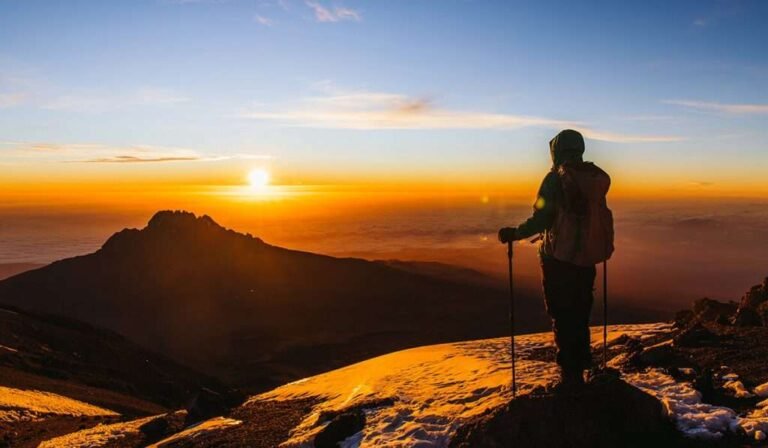
Best 1 Day Umbwe Route Hike From Arusha 2026-2027
Best 1 Day Umbwe Route Hike From Arusha is explained with current 2026-2027 planning, price, itinerary and booking information.
View package detailsBest 1 Day Rongai Route Hike From Arusha 2026-2027
Best 1 Day Rongai Route Hike From Arusha is explained with current 2026-2027 planning, price, itinerary and booking information.
View package detailsBest 1 Day Machame Route Hike From Arusha 2026-2027
Best 1 Day Machame Route Hike From Arusha is explained with current 2026-2027 planning, price, itinerary and booking information.
View package details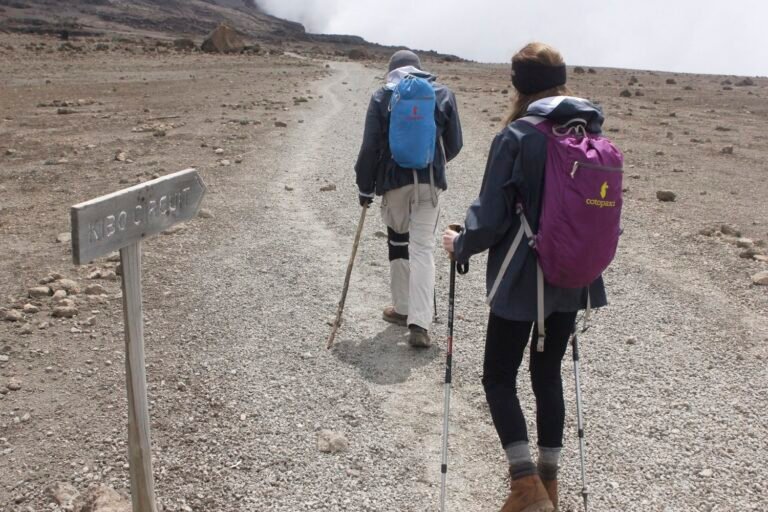
Best 1 Day Lemosho Route Hike From Arusha 2026-2027
Best 1 Day Lemosho Route Hike From Arusha, is explained with current 2026-2027 planning, price, itinerary and booking information.
View package detailsNo related package matches those filters. Clear one or more filters to see the other topic-matched options.



