A 10-day Northern Circuit trek on Kilimanjaro, including an overnight at Crater Camp, typically costs between $3,500 and $5,500 per person for 2026-2027 departures. This comprehensive itinerary offers the highest success rates and most stunning scenery, starting from Lemosho Gate, ascending via the Northern Circuit, and reaching Stella Point or Uhuru Peak before descending via Barafu Route and Mweka. Expect detailed daily stages, acclimatization, and a unique overnight experience near the summit within the crater itself.

The Ultimate 10-Day Kilimanjaro Northern Circuit with Crater Camp Experience
The Northern Circuit route on Mount Kilimanjaro is widely regarded as the most scenic and arguably the most comfortable trek, offering excellent acclimatization and a higher success rate for reaching the summit. Extending this to a 10-day itinerary, incorporating an unforgettable overnight stay at Crater Camp (also known as Fannie’s Hut or Crater Hut), elevates the adventure to an unparalleled level. This extended duration allows for slower, more deliberate ascents, crucial for acclimatization, and provides ample time to appreciate the diverse ecosystems and dramatic landscapes of Africa’s highest peak. For those planning their expedition in 2026 or 2027, understanding the intricacies of this specific itinerary, its costs, and what it entails is paramount to a successful and memorable climb.
This guide is designed for serious trekkers looking for the most rewarding Kilimanjaro experience. We will break down the typical itinerary, explore the factors influencing the cost of a 10-day Northern Circuit trek with Crater Camp, and provide practical advice for planning your 2026-2027 adventure with Climb 4 Africa.
Why Choose the 10-Day Northern Circuit with Crater Camp?
Several factors make this particular combination of route and duration a standout choice for Kilimanjaro climbers:
- Superior Acclimatization: The Northern Circuit is the longest route, circling the mountain. A 10-day schedule maximizes the time spent at higher altitudes, allowing your body to adapt gradually. This significantly reduces the risk of altitude sickness and increases your chances of reaching Uhuru Peak.
- Unrivaled Scenery: The circuit route traverses diverse landscapes, from lush rainforests to alpine deserts and the volcanic scree of the upper slopes. It offers unique viewpoints, including the remote northern slopes and the opportunity to see the crater’s interior.
- Crater Camp Experience: Spending a night at Crater Camp (around 5,700m / 18,700ft) is a highlight. It places you inside the caldera, offering a surreal environment and a dramatic starting point for your summit push, often avoiding the steepest, most taxing part of the ascent from Barafu Camp in the dark.
- Higher Success Rates: Due to the extended acclimatization and the strategic advantage of sleeping at Crater Camp, the success rate for reaching Uhuru Peak is considerably higher on this itinerary compared to shorter routes.
- Less Crowded: While the Northern Circuit is becoming more popular, it is still less trafficked than routes like Machame or Marangu, offering a more serene trekking experience.
Typical 10-Day Northern Circuit Itinerary with Crater Camp (2026-2027)
This itinerary is a detailed breakdown, designed to provide a clear understanding of the daily progression. Note that specific timings and distances can vary slightly based on the operator and daily conditions.
Day 1: Arrival in Moshi & Pre-Climb Briefing
Arrive at Kilimanjaro International Airport (JRO). You will be met and transferred to your hotel in Moshi. This evening, you’ll attend a comprehensive briefing with your Climb 4 Africa guides. They will go over the itinerary, gear checks, safety procedures, and answer any last-minute questions. This is also a great opportunity to meet your fellow climbers and finalize any rental equipment.
Accommodation: Comfortable hotel in Moshi
Meals: Dinner (included), Breakfast (if arriving early)
Activity: Arrival, briefing, gear check
Day 2: Lemosho Gate (2,100m/6,890ft) to Mti Mkubwa Camp (2,820m/9,250ft)
After breakfast, you’ll drive to the Lemosho Gate, the starting point for your trek. After park registration, you’ll begin your ascent through the lush rainforest. The trail is well-defined and relatively gentle, though can be muddy. Keep an eye out for colobus monkeys and diverse birdlife. The goal today is to reach Mti Mkubwa Camp, meaning ‘Big Tree’ camp, located within the forest zone.
Trekking Time: 3-4 hours
Distance: Approx. 5 km / 3 miles
Habitat: Rainforest
Meals: Breakfast, Lunch, Dinner
Day 3: Mti Mkubwa Camp (2,820m) to Shira 1 Camp (3,550m/11,650ft)
Today, you’ll leave the dense rainforest behind and enter the moorland zone. The path continues to ascend, with more open views as you gain altitude. You’ll cross a scenic ridge before descending slightly to the Shira Plateau, a vast, windswept area with stunning rock formations. Shira 1 Camp is located on this plateau.
Trekking Time: 5-7 hours
Distance: Approx. 10 km / 6 miles
Habitat: Moorland
Meals: Breakfast, Lunch, Dinner
Day 4: Shira 1 Camp (3,550m) to Lava Tower (4,600m/15,090ft) then to Karanga Camp (3,995m/13,110ft)
This is a crucial day for acclimatization. You will trek east towards the Lava Tower, a striking volcanic plug. After a lunch break near Lava Tower, you’ll begin your descent to Karanga Camp. This ‘climb high, sleep low’ strategy is fundamental for altitude adaptation. The landscape becomes increasingly arid and rocky.
Trekking Time: 7-8 hours
Distance: Approx. 12 km / 7.5 miles
Habitat: Semi-desert
Meals: Breakfast, Lunch, Dinner
Day 5: Karanga Camp (3,995m) to Barafu Camp (4,670m/15,320ft)
The trail continues through a dramatic semi-desert landscape, crossing scree slopes and valleys. You’ll have spectacular views of Kilimanjaro’s glaciers and the plains below. The final ascent to Barafu Camp is steep and demanding. Barafu means ‘ice’ in Swahili, and the camp is exposed and windswept, serving as the base for your summit attempt. You’ll have an early dinner and rest before the pre-dawn summit push.
Trekking Time: 4-5 hours
Distance: Approx. 7 km / 4.5 miles
Habitat: Alpine desert
Meals: Breakfast, Lunch, Dinner
Day 6: Barafu Camp (4,670m) to Summit (Uhuru Peak, 5,895m/19,341ft) via Crater Camp (5,700m/18,700ft)
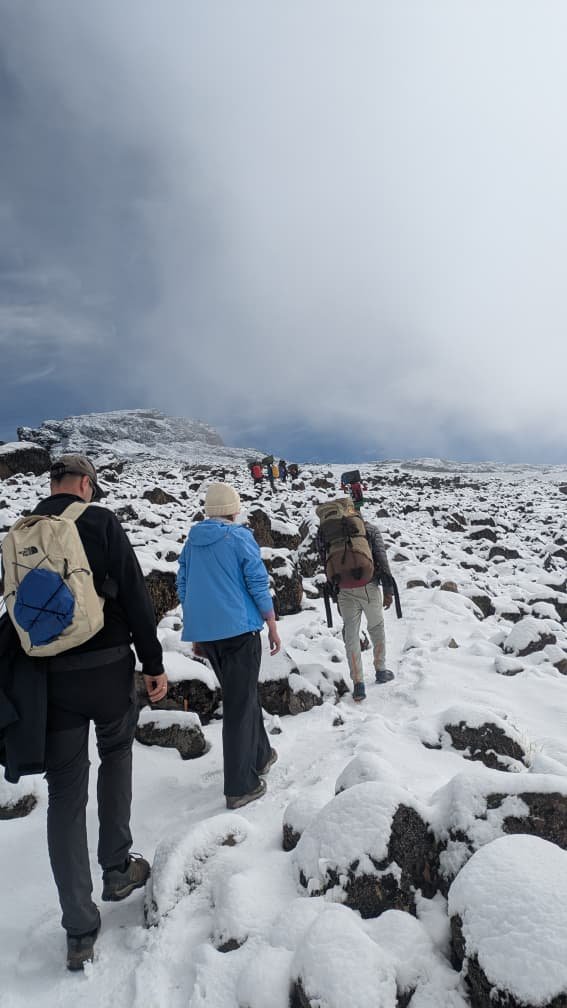
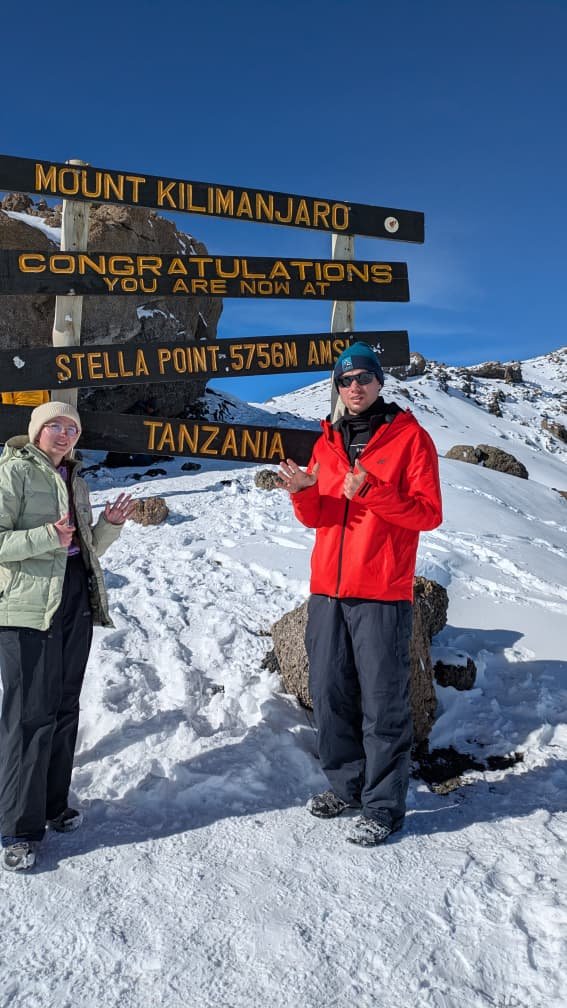
This is the most challenging and rewarding day. You’ll start your ascent around midnight, trekking up steep scree slopes towards Stella Point (5,756m). The cold and altitude are significant factors. From Stella Point, you’ll continue along the crater rim for about 1-1.5 hours to Uhuru Peak, the roof of Africa. After celebrating your achievement and taking photos, you’ll descend to the Crater Camp for an overnight stay within the caldera. This unique experience allows you to witness the volcanic crater and glaciers up close.
Trekking Time: 7-8 hours to summit, 1-2 hours to Crater Camp
Distance: Approx. 6 km / 3.7 miles to summit, 2 km / 1.2 miles to Crater Camp
Habitat: Arctic
Meals: Breakfast, Lunch, Dinner (at Crater Camp)
Day 7: Crater Camp (5,700m) to Mweka Camp (3,100m/10,170ft)
Wake up inside the crater, an extraordinary experience. After breakfast, you’ll descend from Crater Camp, passing the volcanic ash pit and the main crater. The descent is steep and requires careful footing. You’ll rejoin the Barafu route and continue down to Barafu Camp for a rest and lunch, before descending further to Mweka Camp, located in the upper forest zone. This is a very long descent day.
Trekking Time: 7-8 hours descent
Distance: Approx. 14 km / 8.7 miles
Habitat: Alpine desert to Forest
Meals: Breakfast, Lunch, Dinner
Day 8: Mweka Camp (3,100m) to Mweka Gate (1,640m/5,380ft) & Transfer to Moshi
Your final trekking day. Descend through the rainforest to Mweka Gate. At the gate, you’ll receive your summit certificates and say goodbye to your mountain crew. You’ll then be transferred back to your hotel in Moshi for a well-deserved hot shower and celebratory dinner.
Trekking Time: 3-4 hours
Distance: Approx. 10 km / 6 miles
Habitat: Forest
Meals: Breakfast, Lunch, Dinner
Day 9: Rest Day or Optional Excursion in Moshi
A day to relax and recover in Moshi. You can choose to explore the town, visit local markets, enjoy a massage, or opt for a cultural excursion like a coffee plantation tour or a visit to Materuni waterfalls. This is also a buffer day in case of minor delays on the mountain.
Accommodation: Comfortable hotel in Moshi
Meals: Breakfast, Lunch, Dinner
Activity: Relaxation or optional activities
Day 10: Departure
Enjoy a final breakfast in Tanzania before your transfer to Kilimanjaro International Airport (JRO) for your onward journey.
Meals: Breakfast
Activity: Departure
Cost Breakdown for a 10-Day Northern Circuit with Crater Camp Trek (2026-2027)
The cost of climbing Kilimanjaro, especially with a route as comprehensive as the 10-day Northern Circuit including Crater Camp, can vary significantly. Operators like Climb 4 Africa offer different packages, and several factors influence the final price. For 2026 and 2027 treks, expect prices to range from $3,500 to $5,500 per person for a reputable operator offering quality service.
Here are the key components that contribute to the overall cost:
Key Cost Factors:
- Park Fees: These are non-negotiable and set by the Tanzania National Parks Authority (TANAPA). They are a significant portion of the total cost and are subject to change annually. For 2026-2027, expect daily conservation fees, camping fees, and rescue fees to be substantial.
- Crater Camp Fee: An overnight stay at Crater Camp is significantly more expensive than standard camping fees due to its unique location and limited facilities. This is a major differentiator for this itinerary.
- Guide and Crew Salaries: A well-paid, experienced, and certified team is crucial for safety and success. Reputable operators ensure their guides and porters receive fair wages, proper gear, and adequate food.
- Food and Catering: Three nutritious meals per day, plus snacks and hot drinks, are provided on the mountain. The quality and variety of food contribute to climber energy levels and morale.
- Accommodation: This includes pre- and post-climb hotel stays in Moshi, typically in comfortable, mid-range to upper-mid-range hotels.
- Equipment: High-quality tents (mess tent, sleeping tents, toilet tent), sleeping bags, sleeping pads, cooking equipment, and oxygen cylinders (for emergencies) are provided.
- Transportation: Includes airport transfers and transport to and from the Kilimanjaro gates.
- Logistics and Operations: This covers permits, park entry procedures, emergency support, communication equipment, and the overall operational management of the trek.
- Group Size: While the Northern Circuit is a longer route, operators may offer varying group sizes. Smaller groups can sometimes command a slightly higher price due to fixed costs being spread over fewer people. Private climbs will be more expensive.
- Level of Service: This includes the quality of guides, the comfort of accommodation, the variety of food, and the overall support provided. Higher service levels naturally lead to higher costs.
Note on Pricing for 2026-2027: It’s important to get a detailed quote from operators for your specific 2026 or 2027 dates. Park fees are subject to annual review, and operators may adjust their pricing accordingly. Always look for a quote that is as inclusive as possible to avoid hidden costs.
What’s Typically Included in the Cost?
A comprehensive 10-day Northern Circuit with Crater Camp package from a reputable operator like Climb 4 Africa usually includes:
- All Kilimanjaro National Park entrance fees, camping fees, and rescue fees.
- Specific Crater Camp overnight fee.
- Professional, licensed, and experienced mountain guides.
- Support crew (assistant guides, cooks, porters).
- All meals as specified in the itinerary (3 meals a day on the mountain).
- Boiled water, coffee, and tea on the mountain.
- Accommodation in tents on the mountain (two-person tents, or single tents for an extra fee).
- Mess tent for dining, table, chairs, and cutlery.
- Portable chemical toilet.
- Campsite accommodation and meals as per itinerary.
- Pre- and post-climb hotel accommodation in Moshi (usually 2 nights).
- All transfers to and from Kilimanjaro International Airport (JRO) and between hotel and gate.
- Oxygen cylinders for emergency use.
- A duffel bag for your gear.
- A fair wage policy for all staff.
What’s Typically Excluded?
Understanding exclusions is vital for budgeting:
- International airfare to Kilimanjaro (JRO).
- Visa fees for Tanzania.
- Travel and rescue insurance (mandatory for all climbers).
- Personal climbing gear (e.g., hiking boots, warm clothing, sleeping bag – often available for rent).
- Tips for guides, porters, and cooks (a significant but customary expense).
- Lunches and dinners in Moshi (unless specified).
- Personal expenses (e.g., souvenirs, laundry, alcoholic beverages).
- Optional gratuities or tips for hotel staff.
- Any costs incurred due to unforeseen circumstances (e.g., early descent, medical evacuation beyond standard rescue).
Tips for Budgeting Your 2026-2027 Climb
- Get Detailed Quotes: Request comprehensive quotes from at least 2-3 reputable operators for 2026-2027. Compare inclusions carefully.
- Factor in Tips: Budget at least $250-$400 per climber for tipping the mountain crew. Operators usually provide guidelines.
- Gear Rental: If you don’t own all the necessary gear, factor in rental costs.
- Travel Insurance: Ensure your policy covers high-altitude trekking and emergency medical evacuation.
- Contingency: It’s wise to have a small buffer for unexpected expenses.
Preparing for Your 10-Day Northern Circuit with Crater Camp Trek
Success on Kilimanjaro, especially with the added complexity of Crater Camp, hinges on thorough preparation. This includes physical training, mental readiness, and proper gear selection.
Physical Training
The 10-day Northern Circuit requires a good level of fitness. Focus on:
- Cardiovascular Endurance: Engage in regular activities like hiking, running, cycling, or swimming for at least 3-4 times a week.
- Strength Training: Concentrate on leg strength (squats, lunges) and core stability.
- Hiking Practice: The most crucial preparation. Hike regularly with a weighted backpack, ideally on varied terrain and with significant elevation gain. Aim for longer hikes (4-6 hours) as your trek date approaches. Practice hiking on consecutive days if possible.
Gear Essentials
Proper gear is vital for comfort and safety. Here’s a checklist of key items:
- Layering System: Base layers (merino wool or synthetic), mid-layers (fleece or down jacket), and an outer shell (waterproof and windproof jacket and pants).
- Footwear: Broken-in, waterproof hiking boots. Camp shoes or comfortable trainers for evenings.
- Headwear: Warm hat, sun hat, balaclava or neck gaiter.
- Gloves: Warm, waterproof gloves and liner gloves.
- Sleep System: A warm sleeping bag (rated to -15°C / 0°F or lower) and a comfortable sleeping pad.
- Backpack: A comfortable daypack (30-40 liters) for essentials, and a larger duffel bag (80-100 liters) for porters.
- Trekking Poles: Highly recommended for stability and reducing knee strain.
- Headlamp: With extra batteries.
- Sun Protection: High SPF sunscreen, sunglasses, lip balm.
- Hydration: Water bottles or hydration reservoir (at least 3 liters capacity).
- Personal First-Aid Kit: Including blister treatment, pain relievers, and any personal medications.
Crater Camp Specific Gear Considerations:
While you’ll have your regular camping gear, remember that nights at Crater Camp can be extremely cold, potentially dropping well below freezing. Ensure your sleeping bag is rated for very low temperatures. Also, consider bringing a small, portable hand warmer for summit night and your stay at Crater Camp.
Altitude Sickness Prevention
Altitude sickness (Acute Mountain Sickness – AMS) is the primary concern on Kilimanjaro. The 10-day Northern Circuit is designed to mitigate this risk. However, climbers should:
- Ascend Slowly: Follow the itinerary’s gradual ascent.
- Hydrate Well: Drink plenty of water (3-4 liters per day).
- Eat Well: Maintain a good caloric intake.
- Avoid Alcohol and Smoking: These exacerbate altitude effects.
- Listen to Your Body: Report any symptoms (headache, nausea, dizziness) to your guide immediately.
- Consider Diamox: Consult your doctor about prescription medication like Acetazolamide (Diamox) to aid acclimatization.
The Unique Experience of Crater Camp
Spending a night at Crater Camp is a distinctive part of this 10-day Northern Circuit itinerary. Located at approximately 5,700 meters (18,700 feet) inside Kilimanjaro’s caldera, it offers an experience few trekkers have.
What to Expect at Crater Camp
- Location: You’ll be situated on the inner crater rim, offering surreal views of the volcanic ash pit and the surrounding glaciers. It’s a stark, otherworldly environment.
- Accommodation: Typically, basic huts or cabins are available, though conditions are very rustic. Expect minimal amenities.
- Temperature: It is extremely cold. Temperatures can drop to -10°C to -20°C (14°F to -4°F) or even lower at night.
- Summit Push Advantage: Waking up at Crater Camp means you are already at a high altitude. Your final push to Uhuru Peak (the actual summit at 5,895m) is shorter and less strenuous than starting from Barafu Camp. You can often reach the summit shortly after sunrise.
- Glacier Views: The proximity to Kilimanjaro’s remaining glaciers is unparalleled from Crater Camp.
Challenges of Crater Camp
- Extreme Cold: The primary challenge. Proper gear is non-negotiable.
- Altitude: Sleeping at nearly 5,700m is a significant physiological challenge. AMS symptoms are more likely at this altitude.
- Basic Facilities: Do not expect luxury. It’s a functional camp for those seeking an extraordinary experience.
- Logistics: Moving camp supplies to Crater Camp is a complex logistical feat for operators.
Is Crater Camp Worth the Extra Cost?
For many, the answer is a resounding yes. The unique experience, the advantage for the summit push, and the sheer bragging rights of sleeping inside the crater make it a worthwhile investment for those seeking the ultimate Kilimanjaro adventure. The cost premium is significant due to the logistical challenges and park fees associated with Crater Camp.
Choosing the Right Operator for Your 2026-2027 Trek
Selecting a reliable and experienced tour operator is crucial for a safe and enjoyable 10-day Northern Circuit with Crater Camp trek. Climb 4 Africa is committed to providing exceptional service, prioritizing climber safety, and ensuring fair treatment of our mountain crew.
When evaluating operators for your 2026 or 2027 climb, consider:
- Safety Record and Protocols: Do they have emergency oxygen, trained guides, and evacuation plans?
- Guide Qualifications: Are guides certified in wilderness first aid and experienced with Kilimanjaro?
- Crew Welfare: Do they pay fair wages, provide adequate food and gear for porters and guides? (Look for KPAP membership or similar ethical practices).
- Inclusions and Transparency: Is the pricing clear? What is included and excluded?
- Reviews and Reputation: Check independent reviews on platforms like TripAdvisor.
- Itinerary Design: Does the itinerary prioritize acclimatization (like the 10-day Northern Circuit)?
Why Climb with Climb 4 Africa?
At Climb 4 Africa, we specialize in Kilimanjaro climbs and Tanzanian adventures. Our 10-day Northern Circuit with Crater Camp package is meticulously planned to maximize your chances of success while ensuring safety and comfort. We pride ourselves on:
- Experienced, certified guides and a dedicated support team.
- A commitment to ethical treatment and fair wages for our porters and guides.
- High-quality equipment and nutritious meals on the mountain.
- Comprehensive safety measures, including emergency oxygen.
- Personalized service and support throughout your journey.
We are ready to help you plan your dream 2026 or 2027 Kilimanjaro expedition. Get in touch to discuss your options and receive a detailed quote.
Frequently Asked Questions (FAQs) about the 10-Day Northern Circuit with Crater Camp
Q1: Is the 10-day Northern Circuit with Crater Camp suitable for first-time Kilimanjaro climbers?
While the 10-day Northern Circuit offers excellent acclimatization and a higher success rate, the addition of Crater Camp makes it a demanding trek. It’s best suited for individuals who are physically fit, have prior hiking experience, and are well-prepared for the altitude and cold. First-time climbers might consider the standard 9-day Northern Circuit first if they have concerns about altitude or extreme cold.
Q2: When is the best time to climb Kilimanjaro on the Northern Circuit in 2026 or 2027?
The best times to climb Kilimanjaro are during the dry seasons: January to March and June to October. These periods offer clearer skies and more stable weather conditions, ideal for both the Northern Circuit and the Crater Camp experience. However, the Northern Circuit’s longer duration means it can be climbed year-round, with the shoulder months (like May and November) potentially offering fewer crowds but higher chances of rain.
Q3: What is the main difference between Crater Camp and Barafu Camp?
Barafu Camp (around 4,670m) is the standard base camp for the summit push on most routes, including the Northern Circuit. Crater Camp (around 5,700m) is located inside the volcanic caldera, significantly higher than Barafu. Sleeping at Crater Camp offers a unique experience and a strategic advantage for reaching Uhuru Peak, as it shortens the final summit climb and allows for better acclimatization for those who have spent time there.
Q4: How much should I budget for tips for the mountain crew in 2026-2027?
Tipping is customary and a significant part of the crew’s income. For a 10-day trek, a general guideline is around $250-$400 per climber. This is typically divided among guides, assistant guides, cooks, and porters. Your operator will provide specific tipping guidelines based on the number of crew members. Ensure you carry enough US dollars in small denominations for tipping at the end of the trek.
Q5: What are the risks of altitude sickness on this trek?
Altitude sickness is a risk on any high-altitude trek. The 10-day Northern Circuit is designed to minimize this risk through excellent acclimatization. However, symptoms can still occur. It’s crucial to ascend slowly, stay hydrated, report any symptoms to your guide immediately, and consider consulting your doctor about preventative medication like Diamox. The overnight stay at Crater Camp is at a very high altitude, so vigilance is key.
Q6: Can I rent gear for the 10-day Northern Circuit trek?
Yes, most reputable operators, including Climb 4 Africa, offer gear rental services for essential items like sleeping bags, trekking poles, warm jackets, and waterproofs. It’s advisable to book rental gear in advance to ensure availability for your 2026 or 2027 trek.
Q7: What is the success rate for the Northern Circuit with Crater Camp?
The 10-day Northern Circuit itself boasts one of the highest success rates among Kilimanjaro routes, often exceeding 90%. Adding the Crater Camp overnight, when well-executed with proper acclimatization, further enhances this. Climbers who are well-prepared physically and mentally, and who listen to their guides, have an excellent chance of reaching Uhuru Peak.
Planning Your 2026-2027 Kilimanjaro Adventure
Booking your 10-day Northern Circuit with Crater Camp trek requires careful planning, especially if you’re targeting the 2026 or 2027 season. Early booking is highly recommended, particularly for specific dates or private group departures.
Consider these steps:
- Choose Your Operator: Research and select a reputable company like Climb 4 Africa that aligns with your values for safety, crew welfare, and service quality.
- Select Your Dates: Identify your preferred travel window, keeping the dry seasons in mind for optimal conditions.
- Request a Detailed Quote: Obtain a comprehensive quote that clearly outlines all inclusions and exclusions for the 10-day Northern Circuit with Crater Camp.
- Book in Advance: Secure your spot, especially if you have a specific departure date in mind for 2026 or 2027. This also gives you ample time for training and preparation.
- Arrange Flights and Visas: Book your international flights to JRO and ensure you have the necessary visa for Tanzania.
- Purchase Travel Insurance: Obtain comprehensive travel and medical evacuation insurance that covers high-altitude trekking.
- Prepare Physically and Mentally: Begin your training regimen well in advance of your departure.
The 10-day Northern Circuit with Crater Camp offers a truly exceptional Kilimanjaro experience, combining the best acclimatization, scenery, and a unique summit-day advantage. By understanding the itinerary, costs, and preparation involved, you can set yourself up for an unforgettable adventure in 2026 or 2027. Contact Climb 4 Africa today to start planning your climb: WhatsApp +255 747 477 898 or Email climb4africa@gmail.com.
Check Availability for 10 Days Northern Circuit With Crater Camp: Cost & Itinerary For Treks
Ready to compare dates, prices, and the best option for your group? Send the package name and travel month so the team can reply with a clear quote, availability, and what is included.
Kilimanjaro Northern Circuit + 7 Days Safari: Cost, Itinerary & Expert
Combine the challenging Northern Circuit route on Kilimanjaro with an unforgettable 7-day Northern Circuit safari in Tanzania. This comprehensive guide details the costs, sample...
View package details
Kilimanjaro Crater Camp Cost: Prices, Fees & Itinerary For Climbs 2026-2027
Planning a Kilimanjaro climb to Crater Camp? This guide breaks down the 2026-2027 costs, including all associated fees and essential itinerary details. Learn what influences the price and...
View package details
9 Days Northern Circuit: Cost, Price & Full Itinerary 2026-2027
9 Days Northern Circuit: Cost, Price & Full Itinerary is explained with current 2026-2027 planning, price, itinerary and booking information.
View package details
8 Days Northern Circuit: Cost, Price & Itinerary 2026-2027
8 Days Northern Circuit: Cost, Price & Itinerary is explained with current 2026-2027 planning, price, itinerary and booking information.
View package details
18 Days Kilimanjaro, Safari & Zanzibar Package: Cost & Itinerary 2026-2027
Discover the ultimate 18-day adventure combining Mount Kilimanjaro's summit, thrilling Tanzanian safaris, and the tropical paradise of Zanzibar. This comprehensive guide details sample...
View package details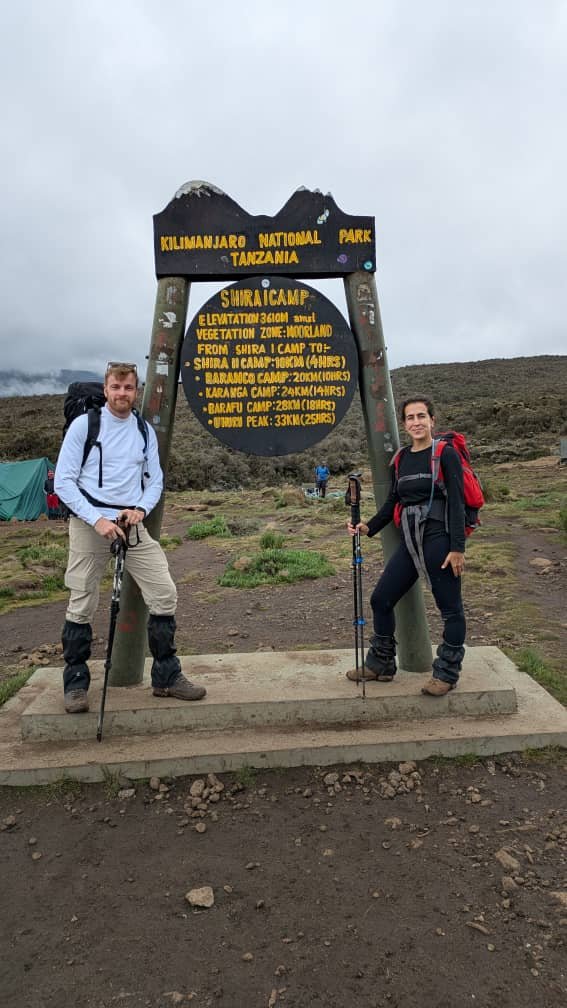
16 Days Kilimanjaro, Safari & Zanzibar Package: Cost & Itinerary Guide
Plan your ultimate 16-day adventure combining Mount Kilimanjaro's summit, a thrilling Tanzania safari, and the tropical paradise of Zanzibar. Discover detailed itineraries, cost breakdowns...
View package details15 Days Kilimanjaro, Safari & Zanzibar Package: Cost & Itinerary 2026-2027
Discover the ultimate 15-day adventure combining Mount Kilimanjaro's summit, thrilling Tanzanian safaris, and the exotic beaches of Zanzibar. This comprehensive guide details the itinerary...
View package details
14 Days Kilimanjaro, Safari & Zanzibar Package: Cost & Itinerary 2026-2027
14 Days Kilimanjaro, Safari & Zanzibar Package: Cost & Itinerary is explained with current 2026-2027 planning, price, itinerary and booking information.
View package details
Kilimanjaro Route Cost Comparison: Lemosho, Machame, Marangu, Rongai &
Kilimanjaro Route Cost Comparison: Lemosho, Machame, Marangu, Rongai & Northern Circuit is explained with current 2026-2027 planning, price, itinerary and.
View package detailsNorthern Circuit Vs Lemosho: Cost, Days & Value Comparison For Kilimanjaro
Choosing between the Northern Circuit and Lemosho routes for your Kilimanjaro climb? This comprehensive comparison details cost, days, acclimatization, scenery, and value to help you decide...
View package detailsPrivate Northern Circuit Cost: Price Per Person For Your Kilimanjaro Adventure
Discover the factors influencing the price per person for a private Northern Circuit climb on Kilimanjaro. This guide details costs for 2026-2027, inclusions, and how to get a tailored...
View package details
Northern Circuit Kilimanjaro Cost /: Prices & Packages 2026-2027
Northern Circuit Kilimanjaro Cost 2026/2027: Prices & Packages is explained with current 2026-2027 planning, price, itinerary and booking information.
View package detailsNo related package matches those filters. Clear one or more filters to see the other topic-matched options.



