
A Kilimanjaro group climb is generally more affordable, typically ranging from $1,800 to $3,500 USD per person, offering shared costs and a social atmosphere, while a private climb offers more flexibility and personalized attention but comes at a higher cost, usually starting from $2,500 to $5,000+ USD per person, depending on the route, operator, and inclusions for 2026-2027 departures.
Understanding Kilimanjaro Group vs Private Climb Dynamics
Mount Kilimanjaro, the Roof of Africa, beckons trekkers from around the globe. As you plan your ascent for 2026 or 2027, one of the primary decisions you’ll face is whether to join a group climb or opt for a private climb. This choice significantly impacts not only your budget but also your overall trekking experience, pace, and flexibility. Understanding the nuances between these two approaches is crucial for a successful and enjoyable expedition.
A group climb often involves joining a pre-scheduled departure, sharing the expedition with other trekkers who have booked independently. This model spreads the operational costs across more individuals, making it a more economical option. It’s ideal for solo travelers looking for companionship or those prioritizing cost savings. On the other hand, a private climb means your expedition is exclusively for your party – be it a family, a group of friends, or even a solo climber who desires undivided attention and a customized itinerary. While typically more expensive, it offers unparalleled flexibility in terms of start dates, climbing pace, and potentially even route adjustments.
This comprehensive comparison will guide you through the key differences, focusing on cost, package inclusions, operational aspects, and the experience each type of climb offers. Whether you’re targeting a 2026 climb or planning ahead for 2027, this information is vital for making an informed decision.
Kilimanjaro Group Climb: The Social and Budget-Friendly Option
Joining a Kilimanjaro group climb is a popular choice for many adventurers. It’s a fantastic way to share the challenge and the triumph of reaching Uhuru Peak with like-minded individuals. This option is particularly attractive for solo travelers who might feel more comfortable or secure trekking with others, and for those who are keen to keep their expedition costs as low as possible.
Cost Breakdown for Group Climbs (2026-2027)
The cost of a Kilimanjaro group climb can vary significantly based on the tour operator, the chosen route, the duration of the trek, and the quality of services provided. For 2026-2027 departures, you can generally expect prices to fall within the following range:
- Budget Operators: These may offer climbs starting from around $1,800 to $2,200 USD per person. They often focus on core inclusions and may have slightly larger group sizes.
- Mid-Range Operators: Most reputable operators fall into this category, with prices typically ranging from $2,300 to $3,500 USD per person. These packages usually offer a good balance of quality, comfort, and value.
- Premium Operators: Higher-end group climbs can cost between $3,000 and $4,000+ USD per person, offering enhanced services, smaller group sizes, and superior equipment.
It’s important to remember that these are estimates. Exact pricing for 2026 and 2027 will depend on the specific tour operator and the package details. Always request detailed quotes.
Typical Inclusions in a Group Climb Package
While package inclusions can differ, most reputable Kilimanjaro group climb operators will cover the following essentials:
- Park Fees: All mandatory national park entry fees, camping fees, and conservation fees are usually included. These are a significant portion of the total cost.
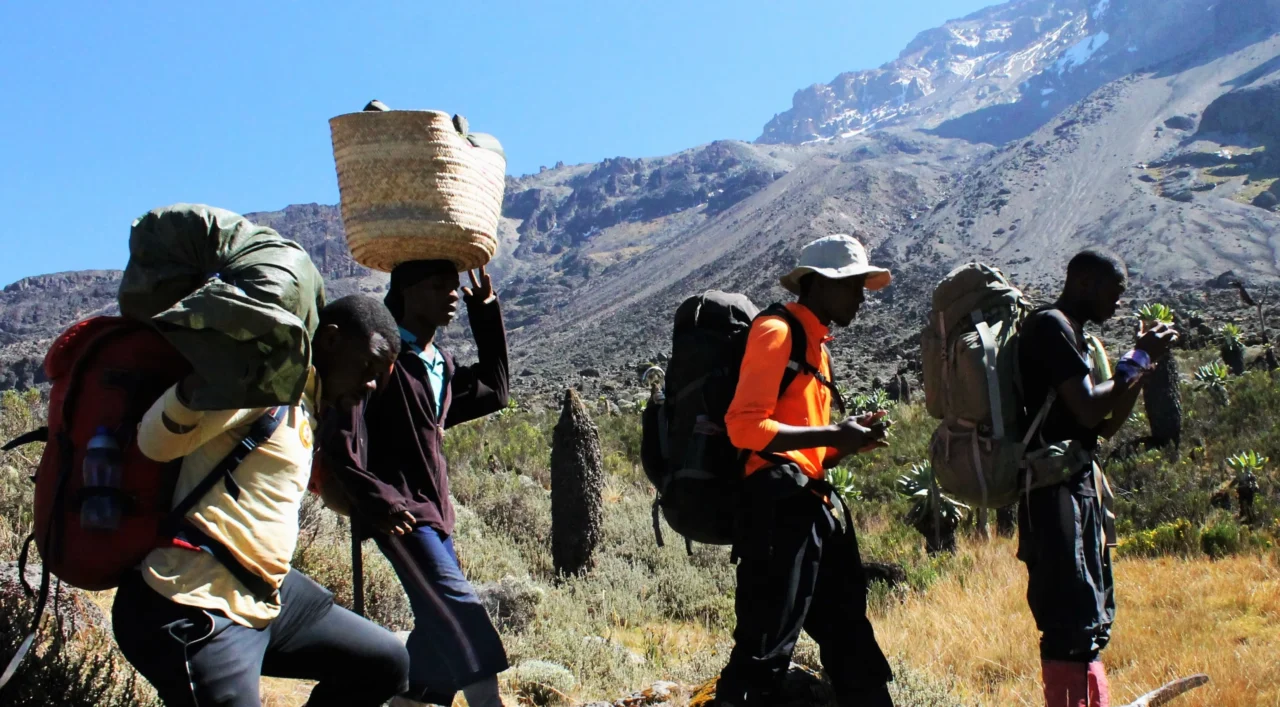
- Guides and Porters: Experienced, licensed guides and a sufficient number of porters to carry group gear and personal luggage (usually up to 15kg per trekker).
- Food: All meals are provided during the trek, prepared by dedicated cook staff. Expect hearty, nutritious meals designed for high-altitude trekking.
- Accommodation: Camping equipment (tents, sleeping mats) and tents for guides and porters.
- Safety Equipment: First-aid kits, oxygen cylinders (often carried by guides), and emergency evacuation arrangements (though the actual evacuation cost might be separate or require travel insurance).
- Ground Transportation: Transfers to and from Kilimanjaro International Airport (JRO) and the Kilimanjaro National Park gate.
- Tents: High-quality, four-season tents for trekkers.
What’s Usually Not Included?
To get a clear picture of the total cost, it’s vital to understand what’s typically excluded:
- Flights: International airfare to Tanzania.
- Visas: Visa fees for Tanzania.
- Travel Insurance: Comprehensive travel and medical insurance, including high-altitude trekking and emergency evacuation, is essential and usually mandatory.
- Personal Gear: Sleeping bags, hiking boots, warm clothing, backpacks, and other personal trekking equipment.
- Tips: Gratuities for guides, porters, and cooks. This is a significant and customary expense.
- Personal Expenses: Drinks (other than water during meals), snacks, souvenirs, and laundry.
- Pre/Post Climb Accommodation: Hotel stays before or after the trek.
- Optional Extras: Tips for hotel staff, optional excursions.
Advantages of a Group Climb
- Cost-Effectiveness: The primary advantage is the lower per-person cost due to shared operational expenses.
- Social Interaction: Trekking with others provides companionship, shared experiences, and a built-in support network.
- Established Departures: Group climbs often run on fixed schedules, making it easier to find a departure date that suits your availability, especially for popular 2026-2027 slots.
- Built-in Group Dynamics: For solo travelers, it eliminates the need to form their own group.
Disadvantages of a Group Climb
- Less Flexibility: You must adhere to the group’s pace, which might be too fast or too slow for your personal preference.
- Fixed Itineraries: Less room for spontaneous detours or extended stays at scenic spots.
- Potential for Slower Pace: The group’s pace is dictated by the slowest member, which can sometimes lead to longer trekking days or slower progress.
- Shared Resources: While generally well-managed, you share guides, porters, and campsite space with a larger group.
Kilimanjaro Private Climb: Tailored Experience and Flexibility
Opting for a Kilimanjaro private climb transforms the expedition into a bespoke adventure. This option is perfect for families, groups of friends, or even individuals who value privacy, control over their pace, and a more personalized service. For 2026-2027, securing a private climb requires early booking, especially during peak seasons.
Cost Considerations for Private Climbs (2026-2027)
The price for a Kilimanjaro private climb is invariably higher than a group climb because you are shouldering all the operational costs yourself. The cost will depend on the same factors as group climbs (operator, route, duration, service level), but the base price per person is higher.
- Starting Price: Private climbs often start from around $2,500 to $3,500 USD per person for standard packages on popular routes like Marangu or Machame.
- Mid-Range Private: Expect costs to be in the $3,500 to $5,000 USD per person range for operators offering a higher standard of service, better equipment, and more experienced guides.
- Luxury Private: High-end private climbs, perhaps with enhanced dining, private toilet tents, or specific guide requests, can exceed $5,000+ USD per person.
For solo trekkers wishing for a private experience, the cost can be substantially higher, sometimes doubling the per-person rate of a group climb, as they would be covering the full operational cost for a single participant. Operators often have a minimum number of participants (e.g., 2 or 4) to make a private climb financially viable for them, or a supplementary fee applies for solo private climbers.
Key Inclusions in a Private Climb Package
The inclusions for a private climb are often similar to group climbs but with added benefits:
- Park Fees: As with group climbs, all national park fees are covered.
- Dedicated Team: Your own dedicated team of guides, cooks, and porters, ensuring undivided attention and optimal support.
- Flexible Meals: While meals are provided, there might be more flexibility in meal times or specific dietary requests catered to more easily.
- Accommodation: High-quality camping gear, plus tents for your private team.
- Safety: Comprehensive first-aid, oxygen support, and emergency protocols tailored to your group.
- Private Transport: Transfers to and from the mountain gates.
- Customizable Start Dates: The ability to choose your preferred departure date, fitting your schedule perfectly for 2026 or 2027.
- Optional: Private Toilet Tent: Some premium private packages include a dedicated toilet tent for added comfort.
What’s Typically Excluded in Private Climbs?
Exclusions are generally the same as for group climbs:
- International flights
- Tanzanian visa
- Comprehensive travel insurance
- Personal trekking gear
- Gratuities for guides, porters, and cooks
- Personal expenses (drinks, snacks, souvenirs)
- Pre/post-climb accommodation and meals
Advantages of a Private Climb
- Ultimate Flexibility: You set the pace. Your guide will adjust the daily schedule to your group’s needs, ensuring comfort and acclimatization.
- Customizable Dates: Choose your exact departure date, offering significant planning advantage for 2026-2027 travel.
- Personalized Attention: Your dedicated team focuses solely on your group’s well-being and success.
- Privacy: Enjoy the journey with your own companions without the dynamics of a larger, mixed group.
- Ideal for Specific Needs: Perfect for families with children, groups with varying fitness levels, or those with specific celebration goals.
Disadvantages of a Private Climb
- Higher Cost: The most significant drawback is the increased per-person price due to shouldering all operational costs.
- Requires More Planning for Solo: Solo travelers seeking privacy will face a substantial price increase.
- Minimum Group Size: Many operators have a minimum of 2 or 4 people for a private climb to be cost-effective, or a surcharge applies.
Kilimanjaro Routes: Impact on Group vs. Private Costs and Experience
The route you choose for your Kilimanjaro climb significantly influences both the cost and the overall experience, whether you’re in a group or on a private expedition. Different routes offer varying acclimatization profiles, scenery, and difficulty levels, which in turn affect the number of days required and the associated park fees and operational costs.
Popular Routes and Their Cost Implications
For 2026-2027, understanding how routes affect pricing is key:
- Marangu Route (Coca-Cola Route): Often the most affordable, typically 5-6 days. It’s the only route with dormitory-style hut accommodation. Due to its popularity and shorter duration, it can feel crowded, especially for group climbs. Private climbs on Marangu are also popular for their simplicity and lower cost compared to other routes.
- Machame Route (Whiskey Route): Very popular, usually 6-7 days, known for its scenic beauty and good acclimatization profile. It’s a camping route. Group climbs are abundant here. Private climbs on Machame are highly sought after for the balance of scenery, success rates, and the ability to customize the 7-day itinerary.
- Lemosho Route: Generally considered one of the most scenic and best for acclimatization, typically 7-8 days. It’s a camping route and often more expensive due to its longer duration and remote starting point. Both group and private options are excellent, with private climbs offering more flexibility to extend the trek to 8 or 9 days for optimal acclimatization.
- Shira Route: Similar to Lemosho but starts at a higher altitude. Usually 7-8 days. Camping route, and often slightly more expensive than Lemosho.
- Rongai Route: The only route that approaches from the north, making it a good option during the rainy season. Typically 6-7 days. It’s generally less scenic than western routes but offers a different experience. Group and private climbs are available, often at a mid-range price point.
- Northern Circuit: The longest and most expensive route (9-10 days), offering the highest success rates due to its excellent acclimatization. It circles the mountain. Private climbs on the Northern Circuit are often preferred to maximize the experience and ensure a slow, steady pace. Group departures are less common than for shorter routes.
- Umbwe Route: The shortest, steepest, and most challenging route, typically 5-6 days. It requires excellent physical fitness and acclimatization skills. It is rarely offered as a standard group climb due to its difficulty and high risk. Private climbs are the norm for Umbwe, allowing for a highly controlled pace and dedicated support.
Route Choice and Group vs. Private
For Group Climbs: Shorter, more popular routes like Marangu and Machame are more common for group departures due to their accessibility and higher likelihood of filling a group. The fixed departure dates for group climbs often align with these routes.
For Private Climbs: You have the freedom to choose any route, including longer, more scenic, or challenging ones like Lemosho, Shira, or the Northern Circuit. This flexibility is a major draw for private expeditions, allowing trekkers to tailor their adventure to their interests and fitness levels. For those prioritizing acclimatization and success, a 9-day private Northern Circuit climb in 2026 or 2027 is an exceptional choice.
Comparing Package Inclusions: What Defines Value?
When comparing Kilimanjaro group vs private climb packages, the devil is truly in the details of what’s included. Simply looking at the price tag can be misleading. A cheaper package might skimp on essential safety equipment, porter welfare, or food quality, leading to a compromised experience or even safety risks. For 2026-2027 planning, scrutinizing inclusions is paramount.
Essential Inclusions to Look For
Crucial elements that distinguish a quality operator:
- Comprehensive Park & Rescue Fees: Ensure ALL mandatory park, camping, and crater fees are included. Confirm rescue fees are covered.
- Quality Equipment: Good quality, four-season tents, sturdy dining tents, tables, chairs, and proper cooking equipment.
- Adequate Porter Support: Operators should adhere to KPAP (Kilimanjaro Porter Assistance Project) standards for fair porter treatment and ensure enough porters for your group’s gear and personal bags (typically 1:3 guide-to-client ratio and 1:3 porter-to-client ratio for gear).
- Experienced & Certified Guides: Guides should have extensive experience, first-aid/wilderness medical training (WFR), and knowledge of acclimatization principles.
- Safety Protocols: Provision of supplementary oxygen, pulse oximeters, and a clear emergency evacuation plan.
- Nutritious Food: Varied, high-energy meals prepared by trained cooks. Check sample menus if possible.
- Water: Boiled or treated drinking water provided daily.
Common Areas Where Operators Cut Costs
Be wary of packages that seem too good to be true. Cost-cutting often occurs in:
- Porter Wages and Welfare: This is a major ethical concern. Reputable operators pay porters fairly and provide them with adequate food, shelter, and clothing.
- Food Quality and Quantity: Skimping on meals can lead to low energy levels and poor morale.
- Equipment Quality: Using old or inadequate tents and gear can be uncomfortable and risky in bad weather.
- Guide-to-Client Ratio: Lower ratios mean less individual attention and support from guides.
- Safety Equipment: Lack of oxygen, pulse oximeters, or inadequate first-aid supplies.
- Emergency Evacuation: Some budget operators may not include this or may use a less reliable service.
Group vs. Private: Value Proposition
Group Climbs: The value is in spreading fixed costs. The per-person price is lower, but you might have a slightly less personalized service. Look for operators who maintain high standards even for their group treks.
Private Climbs: The value is in the customization, flexibility, and dedicated attention. You pay a premium for these benefits, ensuring your expedition is precisely tailored to your needs. For a significant undertaking like Kilimanjaro, many find the added comfort and control of a private climb well worth the investment for their 2026-2027 adventure.
Operational Differences: Pace, Support, and Logistics
Beyond cost and inclusions, the operational execution of a Kilimanjaro group climb versus a private climb differs significantly in terms of pace, support structure, and logistical management.
Pace and Flexibility
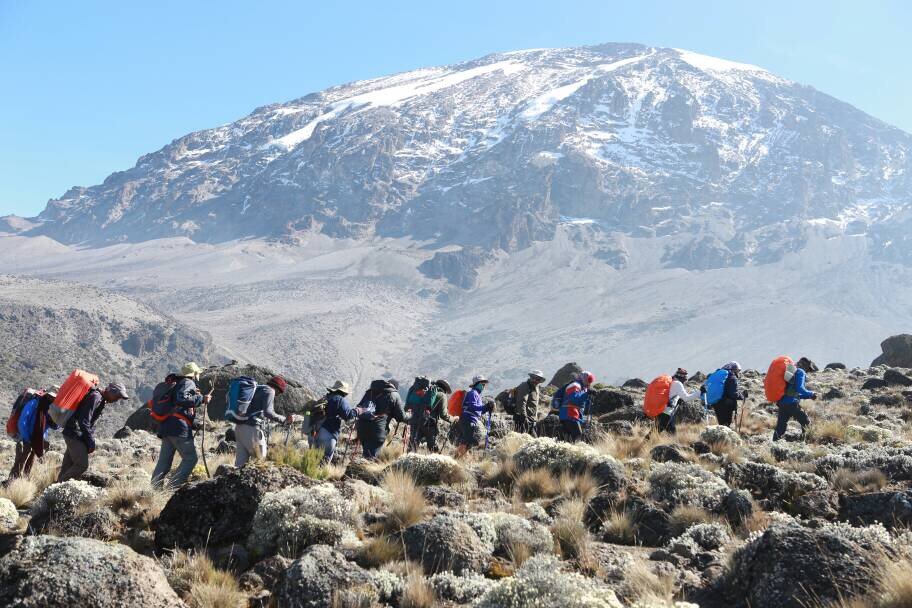
Group Climbs: The pace is dictated by the slowest member of the group. Guides will try to keep everyone together, but this can mean waiting for faster members or pushing slower ones. There’s limited flexibility to stop for extended photo opportunities or to simply rest longer at a scenic point without impacting the group’s schedule.
Private Climbs: Pace is entirely dictated by your group. If you need to go slower, you go slower. If you want to linger at a viewpoint, you can. Your guides are focused on your group’s acclimatization and enjoyment, making adjustments on the fly. This is particularly beneficial for groups with mixed fitness levels or for those who want to truly savor the journey.
Support Structure
Group Climbs: You share a team of guides, cooks, and porters with other trekkers. While the team is professional, their primary focus is managing the entire group. Support is distributed.
Private Climbs: You have a dedicated team solely for your party. This means more direct attention from guides, quicker response times to needs, and a more intimate relationship with your support crew. Cooks can often cater more precisely to your group’s preferences, and guides can offer more one-on-one advice on acclimatization and trekking techniques.
Logistics and Decision Making
Group Climbs: Logistics are pre-set. Departure dates are fixed, and the itinerary follows a standard schedule. Decision-making is centralized by the tour operator.
Private Climbs: You have significant input into logistics, especially the departure date. While the operator manages the core logistics (permits, park entries, food supplies), your group’s preferences can often be accommodated, such as meal requests or specific camping spot preferences (where available).
Who is Each Type of Climb Best Suited For?
The choice between a Kilimanjaro group climb and a private climb ultimately depends on your personal priorities, budget, and travel style. For 2026-2027, consider these profiles:
Ideal Candidates for a Group Climb
- Solo Travelers: Seeking companionship and a shared experience.
- Budget-Conscious Trekkers: Prioritizing cost savings without compromising on safety and basic quality.
- Social Adventurers: Enjoy meeting new people and trekking in a communal atmosphere.
- Those with Fixed Schedules: Who can commit to pre-set departure dates.
- First-Time Kilimanjaro Trekkers: Who may appreciate the social support and shared journey.
Ideal Candidates for a Private Climb
- Families: Wanting a private, controlled experience for all members.
- Groups of Friends: Seeking to celebrate a special occasion or bond during the trek.
- Couples: Desiring a more intimate and romantic adventure.
- Experienced Trekkers: Who want to set their own pace and enjoy the mountain’s solitude.
- Individuals with Specific Needs: Such as those requiring a very slow pace for acclimatization or those celebrating a milestone.
- Photographers/Videographers: Who need flexibility for capturing the best light and moments.
- Anyone Prioritizing Flexibility: For date selection, pace, and overall experience.
Choosing Your Operator: Group vs. Private Considerations
Selecting the right tour operator is paramount for both Kilimanjaro group vs private climb options. While the core criteria for a good operator remain the same, there are specific considerations for each type of climb.
For Group Climbs:
- Reputation and Reviews: Look for operators with consistently positive reviews regarding safety, guide quality, and porter welfare. Check platforms like TripAdvisor.
- Group Size: Inquire about the typical group size. Smaller groups (e.g., 6-12 people) often offer a better experience than very large ones (20+).
- Scheduled Departures: Ensure they offer multiple scheduled departure dates for 2026-2027 that align with your availability.
- Clear Inclusions: Understand exactly what is covered to avoid hidden costs.
For Private Climbs:
- Flexibility in Dates: Confirm their ability to accommodate your preferred start date for 2026 or 2027.
- Minimum Group Size/Solo Surcharge: Clarify their policy for private climbs, especially if you are a solo traveler or a small group.
- Customization Options: Discuss any specific requests regarding pace, meals, or itinerary adjustments.
- Dedicated Support: Ensure they highlight the benefits of a dedicated team for private expeditions.
Climb 4 Africa’s Approach
At Climb 4 Africa, we understand the distinct needs of both group and private trekkers. We are committed to providing high-quality, safe, and ethical expeditions for all our clients planning their 2026-2027 Kilimanjaro adventure.
- Group Climbs: We offer well-managed group departures on popular routes, ensuring excellent guide-to-client ratios and adherence to fair porter practices. Our group climbs provide a social yet focused experience.
- Private Climbs: We specialize in crafting bespoke private Kilimanjaro expeditions. Whether you’re a family, a small group, or a solo adventurer seeking personalized service, we tailor the itinerary, pace, and dates to your exact requirements. We ensure a dedicated, highly experienced team supports your private journey.
We pride ourselves on transparency regarding costs and inclusions for both Kilimanjaro group vs private climb options. Our goal is to help you choose the expedition that best matches your aspirations and budget.
Planning Your 2026-2027 Kilimanjaro Expedition: Key Takeaways
Deciding between a Kilimanjaro group vs private climb is a significant step in planning your African adventure. Here’s a summary to guide your decision for 2026-2027:
Key Decision Factors:
- Budget: Group climbs are more economical. Private climbs are an investment in flexibility and personalized service.
- Companionship: Groups offer built-in social interaction. Private climbs offer exclusivity with your chosen companions.
- Flexibility: Private climbs offer full control over dates and pace. Group climbs adhere to set schedules.
- Service Level: Private climbs provide dedicated attention. Group climbs offer excellent but shared support.
- Route Choice: Private climbs offer wider route options, including longer, less-trafficked paths. Group climbs often stick to the most popular routes.
For the 2026-2027 climbing seasons, early booking is highly recommended for both group and private expeditions, especially for peak months (January-March and June-October). Private climbs, in particular, require more lead time to secure your preferred dates and ensure optimal planning.
Making the Final Choice
Consider your personal travel style. If you thrive on social interaction and are budget-conscious, a group climb is likely the best fit. If you value control, privacy, and a tailor-made experience, a private climb is the way to go. For many, the ultimate Kilimanjaro experience is one that is perfectly aligned with their expectations, making the investment in a private climb a worthwhile consideration for their 2026 or 2027 journey.
Frequently Asked Questions about Kilimanjaro Group vs. Private Climbs
To further clarify the distinction between Kilimanjaro group vs private climb options for your 2026-2027 travel plans, here are answers to common questions:
Can I join a group climb if I’m a solo traveler?
Absolutely. Group climbs are an excellent option for solo travelers, providing companionship and safety in numbers. You’ll share the experience with other independent trekkers.
What is the typical group size for a Kilimanjaro group climb?
Group sizes can vary. Reputable operators often aim for groups between 8 to 12 trekkers, though some may be larger. It’s wise to inquire about the maximum group size when booking for 2026-2027.
Is it possible to change the start date for a group climb?
Generally, no. Group climbs operate on fixed departure dates. If you need flexibility, a private climb is the better option.
How much more expensive is a private climb than a group climb?
A private climb can be anywhere from 20% to 100% more expensive per person than a group climb, depending on the operator and the number of people in your private group. Solo private climbs can be significantly more costly than group rates.
What happens if I’m the slowest in a group climb?
Guides are trained to manage different paces. They will ensure you keep moving and acclimatize properly, often walking ‘pole pole’ (slowly, slowly). They will also monitor your health closely. In a private climb, the pace is entirely dictated by your group’s needs.
Are there any safety differences between group and private climbs?
Both should adhere to the highest safety standards. However, a private climb offers more personalized attention from guides regarding acclimatization and immediate response to any issues, potentially enhancing safety for individuals.
Can I request a specific route for a group climb?
Usually, group climbs are offered on specific, popular routes (like Machame or Marangu). If you desire a less common route or a custom itinerary, a private climb is necessary.
What is the tipping expectation for guides and porters?
Tipping is customary and a significant part of the crew’s income. Operators provide recommended tipping guidelines, which are generally similar for both group and private climbs, though the total amount distributed among the crew might differ based on the expedition’s duration and size.
When should I book my Kilimanjaro climb for 2026-2027?
It’s highly recommended to book at least 6-12 months in advance, especially for peak seasons. Private climbs, and specific group departure dates for 2026 and 2027, can fill up quickly.
Your Kilimanjaro Adventure Awaits: Choosing Wisely for 2026-2027
The decision between a Kilimanjaro group vs private climb is a cornerstone of your preparation for the 2026-2027 climbing seasons. Both offer a path to the summit, but the journey itself will feel distinct. A group climb provides camaraderie and cost-effectiveness, making the dream accessible to more adventurers. A private climb offers an exclusive, highly personalized experience, allowing you to tailor every aspect of your ascent to your desires.
At Climb 4 Africa, we are dedicated to ensuring your Kilimanjaro experience is safe, memorable, and aligns perfectly with your expectations. Whether you choose the vibrant energy of a group expedition or the tailored comfort of a private ascent, our expert team is here to guide you every step of the way. We meticulously plan each detail, from route selection and acclimatization strategies to ensuring the welfare of our guides and porters. Our commitment is to provide exceptional value, whether you’re joining one of our scheduled group departures or customizing a private trek for 2026 or 2027.
Don’t hesitate to reach out to our Kilimanjaro experts to discuss your options. We can help you compare specific packages, clarify inclusions, and find the perfect climb for your aspirations. Contact us today to start planning your ascent of Africa’s highest peak:
WhatsApp: +255 747 477 898
Email: climb4africa@gmail.com
Let Climb 4 Africa be your trusted partner in achieving your Kilimanjaro dream in 2026-2027.
Check Availability for Kilimanjaro Group Vs Private Climb: Cost & Package Comparison For 2026-2027
Ready to compare dates, prices, and the best option for your group? Send the package name and travel month so the team can reply with a clear quote, availability, and what is included.
Kilimanjaro Solo Climber Cost: Group Vs Private Prices 2026-2027
Planning a solo climb up Kilimanjaro? This guide breaks down the cost differences between joining a group trek and opting for a private climb. Discover what influences prices for 2026-2027...
View package details
Private Kilimanjaro Climb Cost /: Your Ultimate Guide 2026-2027
Planning a private Kilimanjaro climb in 2026 or 2027? This comprehensive guide breaks down the costs, helping you understand what influences your budget for an exclusive trek, from route...
View package details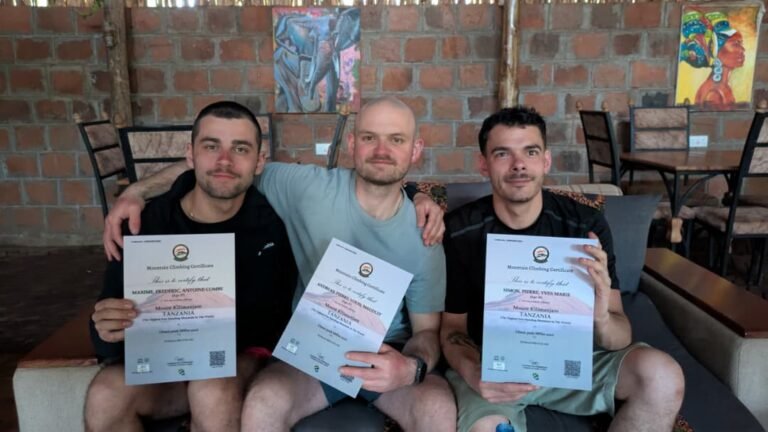
Kilimanjaro Price Per Person: Cost By Route, Days & Group Size In 2026-2027
Planning your Kilimanjaro climb involves understanding the Kilimanjaro price per person, which varies significantly based on the chosen route, the number of days on the mountain, and your...
View package details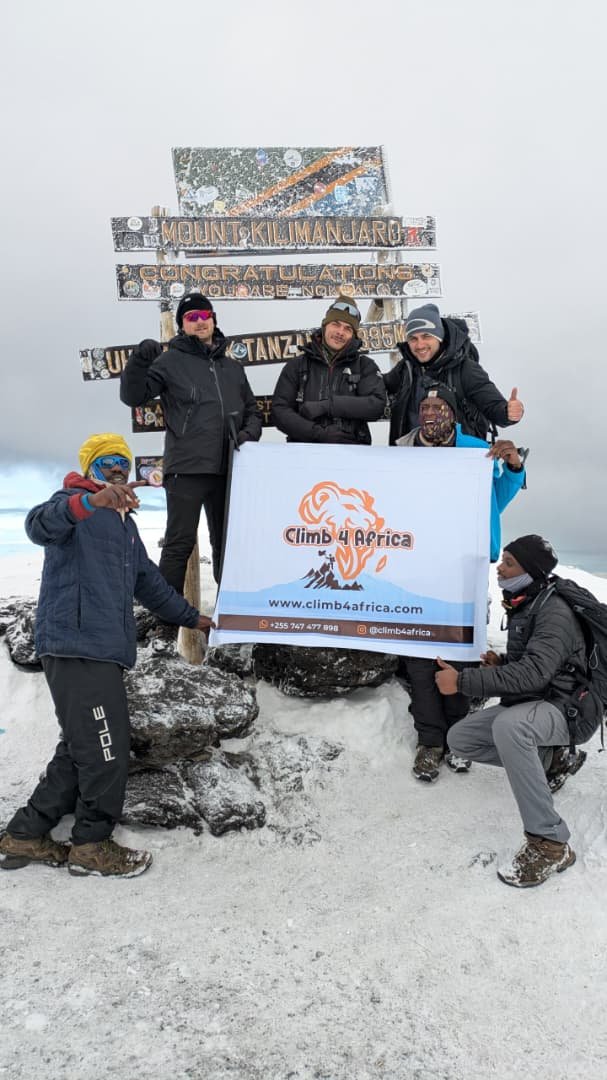
Lemosho Group Joining Prices & Departure Dates / | Climb 4 Africa 2026-2027
Planning a Kilimanjaro climb via the Lemosho route with a group? Discover 2026 and 2027 group joining prices and available departure dates with Climb 4 Africa, your expert guide to...
View package detailsKilimanjaro 6 Days Marangu Route Group Joining Trekking 2026-2027
Kilimanjaro 6 Days Marangu Route Group Joining Trekking is explained with current 2026-2027 planning, price, itinerary and booking information.
View package detailsKilimanjaro Tours From Moshi Group Departures: Your Expert Guide For 2026-2027
Planning a Kilimanjaro climb? Discover essential information on group tours departing from Moshi, Tanzania, covering routes, best times to go, costs, and what to expect for your 2026-2027...
View package detailsKilimanjaro 7 Days Join Groups Hiking Tour Package For Adventures 2026-2027
Plan your 7-day Kilimanjaro group hiking tour with Climb 4 Africa. This comprehensive guide covers itineraries, what's included, costs, and essential preparation for your 2026-2027...
View package detailsKilimanjaro 5 Days Marangu Route Group Joining Trekking 2026-2027
Kilimanjaro 5 Days Marangu Route Group Joining Trekking is explained with current 2026-2027 planning, price, itinerary and booking information.
View package detailsKilimanjaro Group Departures: Marangu, Machame, Lemosho Route Dates 2026-2027
Plan your Kilimanjaro adventure with our comprehensive guide to group departure dates for the Marangu, Machame, and Lemosho routes in 2026 and 2027. Discover the best times to climb...
View package details
Lemosho Route Cost /: Prices, Fees & Packages For Kilimanjaro Climbs 2026-2027
Planning a Kilimanjaro climb via the Lemosho Route in 2026 or 2027? This comprehensive guide breaks down the Lemosho Route cost, including typical prices, package inclusions, essential...
View package details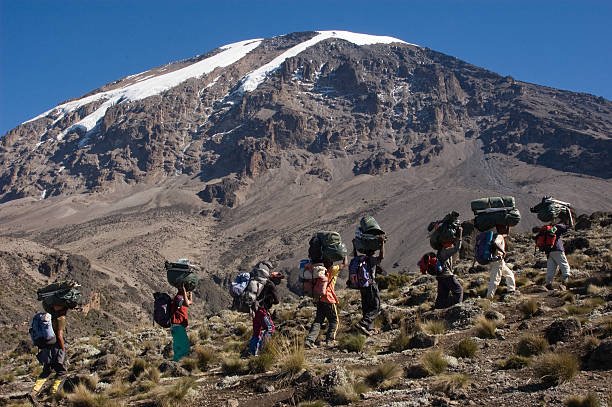
Kilimanjaro Climb Cost /: Prices, Fees & Complete Budget Guide 2026-2027
Planning your Kilimanjaro adventure for 2026 or 2027? This comprehensive guide breaks down the Kilimanjaro climb cost, detailing prices, essential fees, and how to budget effectively for...
View package detailsKilimanjaro Booking Deposit, Payment Schedule & Cancellation Costs For Climbs
Planning your Kilimanjaro climb involves understanding the financial commitments. This guide details typical booking deposit amounts, payment schedules, and the potential cancellation costs...
View package detailsNo related package matches those filters. Clear one or more filters to see the other topic-matched options.



