
Achieving a budget Kilimanjaro climb in 2026/2027 is possible by selecting cost-effective routes like Marangu or Rongai, opting for group treks, choosing reputable budget operators, and being mindful of inclusions and exclusions. Prices typically range from $1,200 to $2,500 per person for standard packages, depending on the route, duration, operator, and what’s included.

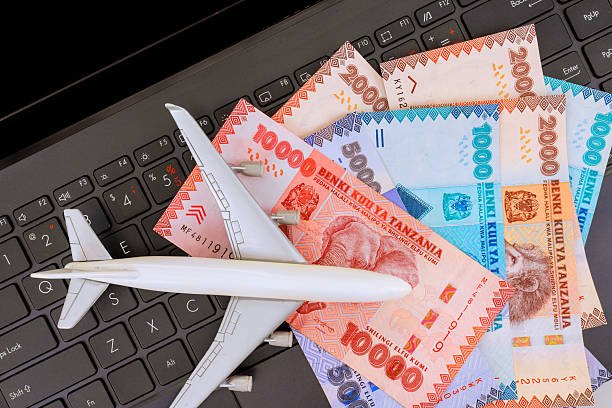
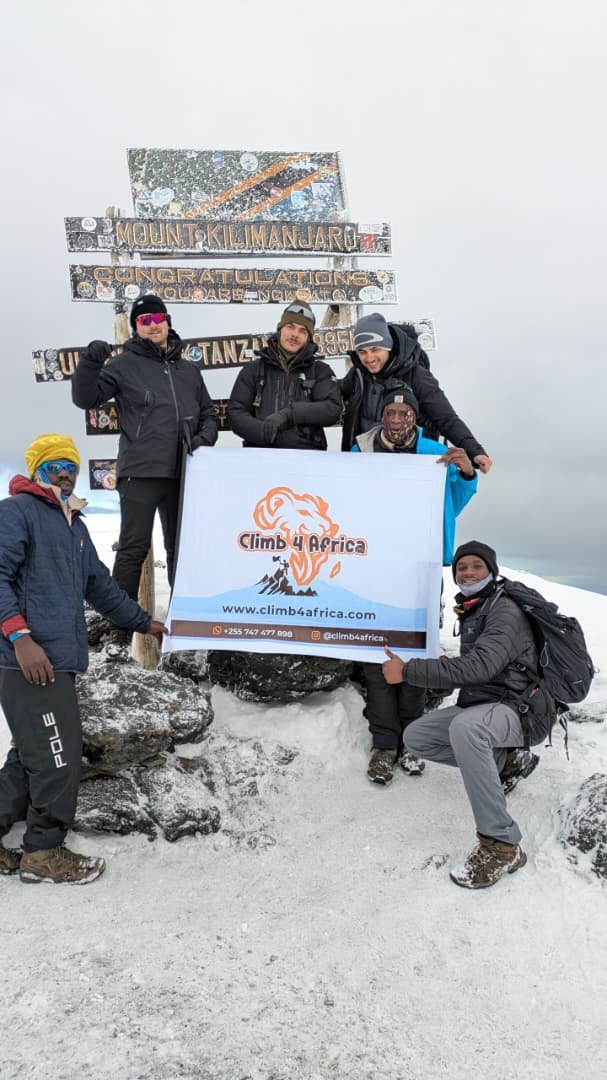
Your Guide to an Affordable Kilimanjaro Climb in 2026/2027
Mount Kilimanjaro, the Roof of Africa, calls to adventurers worldwide. Many dream of standing on its summit, Uhuru Peak, but the perceived cost can be a barrier. At Climb 4 Africa, we believe that climbing Kilimanjaro should be accessible, and we specialize in offering budget-friendly Kilimanjaro climb packages that don’t compromise on safety or the quality of your experience. This extensive guide is designed for aspiring climbers planning their expedition for 2026 and 2027, focusing specifically on how to find and book an affordable yet successful climb.
We’ll break down the factors influencing costs, compare different routes from a budget perspective, explain what makes a package affordable, and provide practical tips to help you save money while ensuring a safe and memorable journey to the roof of Africa. Understanding these elements is crucial for making an informed decision when booking your budget Kilimanjaro climb.
Understanding Kilimanjaro Climb Costs: What Influences the Price?
The price of a Kilimanjaro climb can vary significantly. While you might find some operators advertising extremely low prices, it’s essential to understand the underlying cost structure. Reputable operators like Climb 4 Africa operate with a keen awareness of fair pricing that covers essential services and supports their guides and porters. Here are the key factors that determine the cost of your budget Kilimanjaro climb package:
1. Route Selection: The Foundation of Your Budget
The route you choose is one of the most significant determinants of your climb’s cost. Longer routes require more days on the mountain, leading to higher fees for park permits, food, crew wages, and equipment. Shorter routes are generally cheaper but offer lower acclimatization profiles, which can reduce success rates.
- Marangu Route (Coca-Cola Route): Often the most affordable option due to its shorter duration (5-6 days) and the availability of dormitory-style huts. It’s less scenic and has a lower acclimatization rate, but its cost-effectiveness makes it popular for a budget Kilimanjaro climb.
- Machame Route (Whiskey Route): A popular choice offering good acclimatization and scenery over 6-7 days. While not the absolute cheapest, it provides a good balance of cost and success rate, making it a strong contender for a mid-range budget Kilimanjaro climb.
- Lemosho Route: Known for its excellent acclimatization and stunning scenery, Lemosho is typically longer (7-8 days) and therefore more expensive than Marangu. It’s a great option if you can stretch your budget slightly for a better experience.
- Rongai Route: Approaches from the north and is often considered a good budget alternative to Machame or Lemosho, especially in the shoulder seasons. It’s typically 6-7 days and offers a different perspective.
- Northern Circuit: The longest route (9-10 days), offering the best acclimatization and highest success rates. Consequently, it is the most expensive and less suited for a strict budget Kilimanjaro climb.
- Umbwe Route: The shortest and steepest route, often attempted in 5-6 days. It’s physically demanding with poor acclimatization, making it less recommended, especially for budget-conscious climbers prioritizing success and safety.
For a budget Kilimanjaro climb in 2026/2027, focusing on the 5-day Marangu or 6-day Rongai and Machame routes will likely offer the most cost-effective options.
2. Duration of the Climb: More Days, More Dollars
As mentioned, the number of days spent on the mountain directly impacts the cost. Park authorities charge daily fees. Longer treks mean more days of food, crew salaries, and camping/hut fees. While a 5-day climb is the cheapest, a 6-day or 7-day climb significantly improves acclimatization and success rates, often representing a better value for money, even on a budget. For 2026/2027 expeditions, consider that extending a 5-day climb to 6 or 7 days might be a worthwhile investment in your success.
3. Operator Choice: Budget vs. Mid-Range vs. Luxury
The type of tour operator you choose plays a crucial role. Operators are generally categorized by their service level and pricing:
- Budget Operators: These companies often cut costs by using fewer crew members, simpler equipment, less varied menus, and sometimes by paying lower wages. While they can offer the lowest prices, it’s vital to ensure they still meet safety standards. Climb 4 Africa offers competitive pricing while maintaining high safety and service standards, making us a top choice for a reliable budget Kilimanjaro climb.
- Mid-Range Operators: These operators strike a balance, offering good quality equipment, well-paid and experienced crews, varied menus, and robust safety protocols. They are often the best value for money.
- Luxury Operators: These focus on comfort, offering high-quality gear, gourmet food, private tents, and often smaller group sizes or private climbs at a premium price.
When looking for a budget Kilimanjaro climb package for 2026/2027, look for operators who are transparent about their pricing and what’s included. Avoid operators whose prices seem too good to be true, as they might be cutting corners on safety or crew welfare.
4. Inclusions and Exclusions: Know What You’re Paying For
The most significant difference between budget and higher-priced packages often lies in what is included. A comprehensive package is usually better value, even if the upfront cost is slightly higher.
Typical Inclusions in a Kilimanjaro Climb Package:
- Park Fees: Crater fees, conservation fees, and rescue fees. These are mandatory and a significant portion of the cost.
- Crew Wages: Salaries for guides, assistant guides, cooks, and porters. Fair wages are crucial for morale and safety.
- Food: Meals provided on the mountain (breakfast, lunch, dinner). Budget packages might have simpler menus.
- Accommodation: Hut fees on Marangu, or tents, sleeping mats, and mess tents on other routes.
- Equipment: Tents, cooking equipment, tables, chairs, oxygen cylinders (sometimes extra), first-aid kits.
- Transport: Transfers from Moshi/Arusha to the trailhead and back.
- Water: Boiled or purified water.
- Accommodation: One night in a hotel in Moshi/Arusha before and after the climb is often included.
Common Exclusions (and potential budget drains):
- Flights: International and domestic flights to Kilimanjaro International Airport (JRO).
- Visas: Visa fees for Tanzania.
- Travel Insurance: Essential for high-altitude trekking and medical evacuation.
- Personal Gear: Sleeping bags, hiking poles, waterproof clothing, boots, etc.
- Tips for Crew: This is a significant, expected expense, often amounting to several hundred dollars.
- Lunches/Dinners in Moshi/Arusha: Meals outside the mountain are usually not included.
- Snacks and Drinks: Energy bars, chocolates, bottled water (if preferred over boiled).
- Optional Activities: Pre- or post-climb tours, hot showers on the mountain (if available).
- Gratuities: For hotel staff, drivers, etc.
When comparing budget Kilimanjaro climb prices for 2026/2027, carefully scrutinize the inclusions. A package that includes tips or offers more meals might seem pricier initially but can save you money and hassle later.
5. Group Size: Shared Costs for a Budget Climb
Climbing in a group is almost always cheaper than a private climb. Operators can spread the cost of the crew, vehicle, and logistics across more people. Shared departures are the backbone of most budget Kilimanjaro climb packages. If you’re flexible with dates, joining a scheduled group departure is the most economical way to climb.
6. Seasonality: Timing Your Budget Expedition
While Kilimanjaro can be climbed year-round, certain seasons are more popular and thus potentially more expensive due to demand. The dry seasons (January-March and June-October) are peak times. Climbing during the shoulder seasons (April-May, November) might offer slightly lower prices, but weather conditions can be more unpredictable.
For 2026/2027, consider the less crowded, potentially more affordable periods if weather is less of a concern than budget.
Affordable Kilimanjaro Packages 2026/2027: What to Expect from Climb 4 Africa
Climb 4 Africa is committed to providing exceptional value for your budget Kilimanjaro climb. We understand the desire to reach the summit without breaking the bank, and our packages are structured to offer a balance of affordability, safety, and a high-quality trekking experience. We cater to climbers planning their ascent for the 2026 and 2027 seasons.
Standard Budget Kilimanjaro Climb Packages
Our standard packages are designed for the cost-conscious adventurer. These typically include:
- Route: Often Marangu (5 days), Rongai (6 days), or Machame (6 days) as the most budget-friendly options.
- Park Fees: All mandatory government fees are included.
- Crew: Experienced, licensed guides, assistant guides, cook, and porters, all paid fair wages.
- Food: Nutritious and varied meals prepared by our cooks on the mountain.
- Accommodation: Hut accommodation on Marangu, or quality tents, sleeping mats, and mess tents on other routes.
- Equipment: All necessary camping gear (tents, etc.) and safety equipment (oxygen, first-aid).
- Transfers: Return transfers from/to Kilimanjaro Airport (JRO) and your hotel in Moshi.
- Pre-Climb Briefing: Comprehensive briefing and gear check.
- Accommodation: 2 nights in a comfortable hotel in Moshi (1 before, 1 after).
Prices for these packages in 2026/2027 typically start from around $1,400 to $2,000 per person for group climbs, depending on the chosen route and duration. For example, a 6-day Machame climb might be around $1,750, while a 5-day Marangu could be closer to $1,400.
Value-Added Budget Options
To further enhance the value of our budget Kilimanjaro climb packages, we often include:
- Free Porter for Personal Gear: On certain routes like Machame, we may include a porter for your duffel bag, reducing your physical burden.
- Complimentary Bottled Water: On the first day or throughout the climb.
- Optional Hot Shower: Arranged at specific points on certain routes for a small extra fee, offering a touch of comfort.
We aim to provide transparent pricing. Any additional costs, such as optional items or tips, will be clearly communicated during the booking process for your 2026/2027 adventure.
Comparing Budget Kilimanjaro Routes for 2026/2027
Choosing the right route is paramount when planning a budget Kilimanjaro climb. Here’s a comparative look at the most budget-friendly options for 2026/2027:
Marangu Route (5-6 Days)
Pros for Budget Climbers:
- Lowest Cost: Generally the cheapest route due to shorter duration and hut accommodation.
- Hut Accommodation: No camping required, which simplifies logistics and can reduce gear rental needs.
- Two Ascents/Descents: Offers a unique experience with different paths up and down.
Cons for Budget Climbers:
- Lower Success Rate: The rapid ascent and less gradual acclimatization profile (especially on 5-day options) can lead to higher rates of altitude sickness and lower summit success.
- Less Scenic: The path is well-trodden, and much of it goes through the rainforest, offering fewer panoramic views compared to other routes.
- Crowded: Being the oldest and most popular route, it can be crowded.
Best for: Climbers prioritizing cost and hut accommodation over scenery and acclimatization. A 6-day Marangu option significantly improves acclimatization and success rates compared to the 5-day version, often at a small additional cost.
Rongai Route (6-7 Days)
Pros for Budget Climbers:
- Good Value: Often priced competitively, offering a good balance of cost and success.
- Excellent Acclimatization: The gradual ascent profile over 6-7 days leads to higher success rates.
- Less Crowded: Approaches from the north, offering a more remote feel.
- Scenic Variety: Travels through different ecological zones, including semi-arid landscapes.
Cons for Budget Climbers:
- Camping Only: Requires camping, which means carrying or renting camping gear.
- Less Established: Facilities are more basic compared to Marangu.
Best for: Climbers seeking a good acclimatization profile and higher success rates on a budget, particularly those who don’t mind camping. The 7-day Rongai offers even better acclimatization.
Machame Route (6-7 Days)
Pros for Budget Climbers:
- High Success Rate: Excellent acclimatization profile, often considered one of the best for reaching the summit.
- Stunning Scenery: Offers diverse and dramatic landscapes, including the Shira Plateau and Barranco Wall.
- Camping Only: Standard for this route, with good support infrastructure.
Cons for Budget Climbers:
- Slightly Higher Cost: Due to its popularity and longer duration (6-7 days), it’s usually a bit more expensive than Marangu or Rongai, but still very achievable for a budget Kilimanjaro climb.
- Crowded: Can be busy, especially during peak seasons.
Best for: Those who want a great balance of scenery, acclimatization, and success rate, and can afford a slightly higher budget than the absolute cheapest options. A 6-day Machame is very popular for its value.
For a budget Kilimanjaro climb in 2026/2027, the 6-day Machame or Rongai routes often represent the sweet spot for cost-effectiveness, safety, and success.
Tips for Maximizing Your Budget Kilimanjaro Climb Savings
Beyond choosing the right operator and route, several practical strategies can help you save money on your budget Kilimanjaro climb:
1. Travel in the Shoulder or Off-Season
As mentioned, avoiding the peak dry seasons (June-October, January-March) can sometimes lead to slightly lower prices from operators. While weather is less predictable, you’ll encounter fewer crowds, which can enhance the experience. Consider November, April, or May for your 2026/2027 climb if budget is your primary concern.
2. Join a Group Departure
This is arguably the most effective way to reduce costs. Operators offer lower per-person rates for group climbs because the fixed costs (guide salaries, vehicle hire, etc.) are shared among more participants. If you’re flexible with dates, look for scheduled group departures for 2026 or 2027.
3. Pack Smartly and Rent Gear Locally
While you need specific gear for Kilimanjaro, buying everything new can be expensive. Invest in essential items like good hiking boots and waterproof outer layers. For other items like sleeping bags, down jackets, and trekking poles, consider renting them from your tour operator or a reputable rental shop in Moshi. This is often significantly cheaper than purchasing. Climb 4 Africa offers quality gear rental options.
4. Be Mindful of Extra Costs
Crew Tips: This is a mandatory and significant expense. Research recommended tipping guidelines (typically $20-30 per day for guides, $10-15 for assistant guides, $8-10 for cooks, and $6-8 for porters, per climber). Factor this into your total budget. Some operators offer packages that include tips, which can simplify budgeting.
Personal Expenses: Budget for snacks, drinks, souvenirs, and any meals outside the mountain accommodation. A few extra dollars per day for these can add up.
5. Consider All-Inclusive Packages
While an all-inclusive package might have a higher initial price, it can prevent unexpected costs. If an operator includes tips, meals in town, and even hotel accommodation, it can provide peace of mind and a clearer overall budget for your budget Kilimanjaro climb.
6. Extend Your Stay Slightly for Better Acclimatization
This might seem counterintuitive for a budget trip, but extending a 5-day climb to 6 or 7 days can significantly increase your success rate. This means you’re less likely to need to pay for a second attempt, making the longer, better-acclimatized climb more cost-effective in the long run. For 2026/2027, prioritize success over the absolute shortest duration.
What to Expect on a Budget Kilimanjaro Climb with Climb 4 Africa
Choosing Climb 4 Africa for your budget Kilimanjaro climb means you’re opting for an operator that prioritizes your safety and experience while offering competitive pricing for 2026/2027 expeditions.
Our Commitment to Safety
Safety is paramount on Kilimanjaro. Even on budget trips, we ensure:
- Experienced Guides: Our guides are certified, highly experienced in high-altitude trekking, and trained in wilderness first aid and altitude sickness management.
- Sufficient Crew: We adhere to park regulations regarding the ratio of porters to climbers to ensure efficient support and load carrying.
- Emergency Oxygen: Portable Altitude Specific Oxygen (PASO) systems are carried on all our climbs.
- First-Aid Kits: Comprehensive kits are carried by guides.
- Regular Health Checks: Guides monitor climbers’ health and oxygen saturation levels throughout the trek.
- Communication: Satellite phones or similar devices are available for emergencies.
Quality of Service on a Budget
We understand that “budget” doesn’t mean sacrificing quality entirely. For your budget Kilimanjaro climb, you can expect:
- Nutritious Food: Our cooks prepare wholesome and delicious meals designed to provide energy for the climb. Menus are varied and cater to dietary needs.
- Quality Equipment: We use sturdy, waterproof tents, comfortable sleeping mats, and well-equipped mess tents for dining.
- Clean Water: We provide boiled and purified drinking water daily.
- Professional Crew: Our guides and porters are treated with respect, paid fairly, and are dedicated to making your climb successful and enjoyable.
Transparency in Pricing for 2026/2027
We believe in clear and honest pricing. When you receive a quote from Climb 4 Africa for your budget Kilimanjaro climb in 2026/2027, it will detail exactly what is included and what is not. We aim to provide comprehensive packages that minimize unexpected costs for our clients.
Booking Your Budget Kilimanjaro Climb: Next Steps for 2026/2027
Ready to plan your affordable Kilimanjaro adventure for 2026 or 2027? Here’s how to proceed:
- Choose Your Route and Dates: Decide which route best fits your budget and physical condition. Check our website for scheduled group departures or inquire about private climbs.
- Request a Quote: Contact us for a personalized quote based on your chosen route, duration, and any specific requirements. We are happy to discuss options for a budget Kilimanjaro climb.
- Review the Itinerary and Inclusions: Carefully read through the proposed itinerary and the list of inclusions to ensure it meets your expectations.
- Book Your Climb: Once you’re satisfied, we’ll guide you through the booking process, including deposit payments and necessary paperwork.
- Prepare for Your Trek: We provide detailed pre-departure information, including gear lists, training advice, and travel tips, to ensure you’re well-prepared for your Kilimanjaro climb.
Don’t let budget constraints prevent you from experiencing the incredible achievement of climbing Kilimanjaro. With careful planning and the right operator, a budget Kilimanjaro climb in 2026/2027 is within reach. Climb 4 Africa is here to help you every step of the way.
Contact us today to start planning your affordable Kilimanjaro adventure:
- WhatsApp: +255 747 477 898
- Email: climb4africa@gmail.com
Let Climb 4 Africa make your Kilimanjaro dream a reality in 2026 or 2027 with a climb that respects your budget without compromising on safety or your summit success.
“,
“faq_schema”: [
{
“question”: “What is the average price for a budget Kilimanjaro climb in 2026/2027?”,
“answer”: “The average price for a budget Kilimanjaro climb package in 2026/2027 typically ranges from $1,200 to $2,500 per person. This price depends heavily on the chosen route, duration, operator, and what is included in the package. Shorter routes like Marangu or Rongai, and group departures, are generally more affordable.”
},
{
“question”: “Which Kilimanjaro route is the most budget-friendly?”,
“answer”: “The Marangu Route (Coca-Cola Route) is generally the most budget-friendly option due to its shorter duration (5-6 days) and use of hut accommodations instead of camping. The Rongai Route, especially a 6-day itinerary, is also a very cost-effective choice with better acclimatization than Marangu.”
},
{
“question”: “What factors influence the cost of a Kilimanjaro climb?”,
“answer”: “Key factors include the chosen route (longer routes cost more), the duration of the trek (more days equal higher costs), the operator’s service level (budget vs. mid-range), and the inclusions/exclusions in the package (e.g., park fees, crew wages, food, tips, gear rental). Group size also plays a role, with group climbs being cheaper than private ones.”
},
{
“question”: “Are tips for the crew included in budget Kilimanjaro climb packages?”,
“answer”: “Typically, tips for guides, porters, and cooks are NOT included in budget Kilimanjaro climb packages. This is a significant additional cost that climbers should budget for, often amounting to several hundred dollars per person. Some operators may offer all-inclusive packages that do cover tips.”
},
{
“question”: “What should I prioritize when looking for a budget Kilimanjaro climb operator for 2026/2027?”,
“answer”: “When seeking a budget operator for 2026/2027, prioritize safety standards, the experience of guides, fair treatment of crew (porters), and transparency in pricing and inclusions. While cost is important, avoid operators who cut corners on essential safety measures or crew welfare, as this can jeopardize your climb and their livelihood.”
},
{
“question”: “Can I climb Kilimanjaro on a tight budget in 2026 or 2027?”,
“answer”: “Yes, it is possible to climb Kilimanjaro on a tight budget in 2026 or 2027. The key is to choose a cost-effective route (like Marangu or Rongai), join a group trek, rent gear locally instead of buying, and be mindful of all potential extra costs like tips. Booking with a reputable budget-friendly operator like Climb 4 Africa is also essential.”
},
{
“question”: “What is the best time of year for a budget Kilimanjaro climb?”,
“answer”: “While Kilimanjaro can be climbed year-round, the dry seasons (June-October and January-March) are peak times and may be more expensive. Climbing during the shoulder seasons (April-May, November) or even the wetter months can sometimes offer slightly lower prices and fewer crowds, making it more budget-friendly, though weather conditions are less predictable.”
}
]
}
“`
Check Availability for Budget Kilimanjaro Climb: Affordable Packages & Prices / 2026-2027
Ready to compare dates, prices, and the best option for your group? Send the package name and travel month so the team can reply with a clear quote, availability, and what is included.
Kilimanjaro Climb Cost /: Prices, Fees & Complete Budget Guide 2026-2027
Planning your Kilimanjaro adventure for 2026 or 2027? This comprehensive guide breaks down the Kilimanjaro climb cost, detailing prices, essential fees, and how to budget effectively for...
View package details
Lemosho Route Cost /: Prices, Fees & Packages For Kilimanjaro Climbs 2026-2027
Planning a Kilimanjaro climb via the Lemosho Route in 2026 or 2027? This comprehensive guide breaks down the Lemosho Route cost, including typical prices, package inclusions, essential...
View package details
Kilimanjaro Hidden Costs: Extra Expenses To Budget Before Your Climb 2026-2027
Planning a Kilimanjaro climb involves more than just the advertised tour price. This comprehensive guide details the often-overlooked Kilimanjaro hidden costs and extra expenses you need to...
View package details
Kilimanjaro Gear Rental Prices: Complete Equipment Cost List For Climbs
Understand the costs associated with renting essential gear for your Kilimanjaro climb. This guide details typical prices for tents, sleeping bags, jackets, and more, helping you budget...
View package details
Total Cost Of A Kilimanjaro Trip: Flights, Gear, Hotels & Climb Prices
Planning your Kilimanjaro adventure involves more than just the climb package. This comprehensive guide breaks down the total cost of a Kilimanjaro trip for 2026-2027, detailing expenses...
View package detailsKilimanjaro Solo Climber Cost: Group Vs Private Prices 2026-2027
Planning a solo climb up Kilimanjaro? This guide breaks down the cost differences between joining a group trek and opting for a private climb. Discover what influences prices for 2026-2027...
View package detailsKilimanjaro Climbing Packages & Prices / | Climb 4 Africa 2026-2027
Planning your 2026 or 2027 Kilimanjaro climb? This guide details packages, prices, routes, and essential tips from Climb 4 Africa, your expert partner for reaching Uhuru Peak.
View package details
Budget Vs Luxury Lemosho Route Packages: Price Comparison For Kilimanjaro
Choosing between a budget or luxury Lemosho Route package for your Kilimanjaro climb in 2026 or 2027 involves understanding what drives the price. This comparison breaks down cost factors...
View package detailsCheapest Way To Climb Kilimanjaro Safely In / 2026-2027
Planning a Kilimanjaro climb on a budget for 2026 or 2027? This guide reveals how to find the cheapest options while prioritizing safety, covering route choices, operator selection, and...
View package details
How Much Does It Cost To Climb Kilimanjaro In /? 2026-2027
Planning a Kilimanjaro climb for 2026 or 2027? This comprehensive guide breaks down the costs involved, from operator fees to park permits and essential gear. Learn what to budget for a...
View package detailsPrivate Kilimanjaro Climb Cost /: Your Ultimate Guide 2026-2027
Planning a private Kilimanjaro climb in 2026 or 2027? This comprehensive guide breaks down the costs, helping you understand what influences your budget for an exclusive trek, from route...
View package details
Lemosho Group Joining Prices & Departure Dates / | Climb 4 Africa 2026-2027
Planning a Kilimanjaro climb via the Lemosho route with a group? Discover 2026 and 2027 group joining prices and available departure dates with Climb 4 Africa, your expert guide to...
View package detailsNo related package matches those filters. Clear one or more filters to see the other topic-matched options.



