
Kilimanjaro weather in January is generally excellent, marking it as a prime month for climbing. You can expect dry conditions with clear skies, moderate temperatures across the various ecological zones, and relatively low rainfall. Daytime temperatures typically range from 20-27°C at the base and lower slopes, gradually dropping to around 5-15°C in the alpine desert zone, and then to -5 to -10°C near the summit, especially at night and during the early morning summit push. This makes January a highly sought-after period for trekkers aiming for Kilimanjaro in 2026 and 2027.

Kilimanjaro’s Climate in January: A Detailed Overview for 2026-2027 Trekkers
When planning a trek up Mount Kilimanjaro, understanding the weather is paramount. January falls squarely within one of Kilimanjaro’s two primary dry seasons, making it an incredibly popular and favorable time to attempt the climb. This period, stretching from late December through February, typically offers stable weather patterns, clearer skies, and reduced chances of precipitation compared to the rainy seasons. For trekkers looking ahead to 2026 and 2027 climbs, January presents a compelling option for a successful and enjoyable mountain experience.
The weather on Kilimanjaro is not uniform; it varies dramatically with altitude and the specific ecological zone you are traversing. The mountain is essentially a series of microclimates, each presenting unique conditions. In January, these variations are generally manageable and predictable, contributing to its appeal. From the lush rainforest at the base to the barren arctic-like summit, understanding these temperature and precipitation gradients is key to preparing adequately for your climb.
This guide will explore deep into what Kilimanjaro weather is like in January, covering temperature ranges, rainfall, wind conditions, and the overall experience for climbers. We will also discuss how these conditions might evolve slightly into the early months of 2026 and 2027, and what this means for your packing and preparation. Our aim at Top Guide Adventures is to ensure you are fully informed, allowing you to make the best decisions for your Kilimanjaro journey.
Understanding Kilimanjaro’s Climate Zones
Before diving into the specifics of January, it’s crucial to understand the distinct climate zones that Kilimanjaro traverses. These zones dictate the weather patterns and the landscape you will encounter:
- Cultivation Zone (approx. 800m – 1,800m): This is the lowest zone, characterized by fertile soil and higher temperatures. It’s where most local communities live and farm. Expect warm, humid conditions, similar to tropical lowland weather.
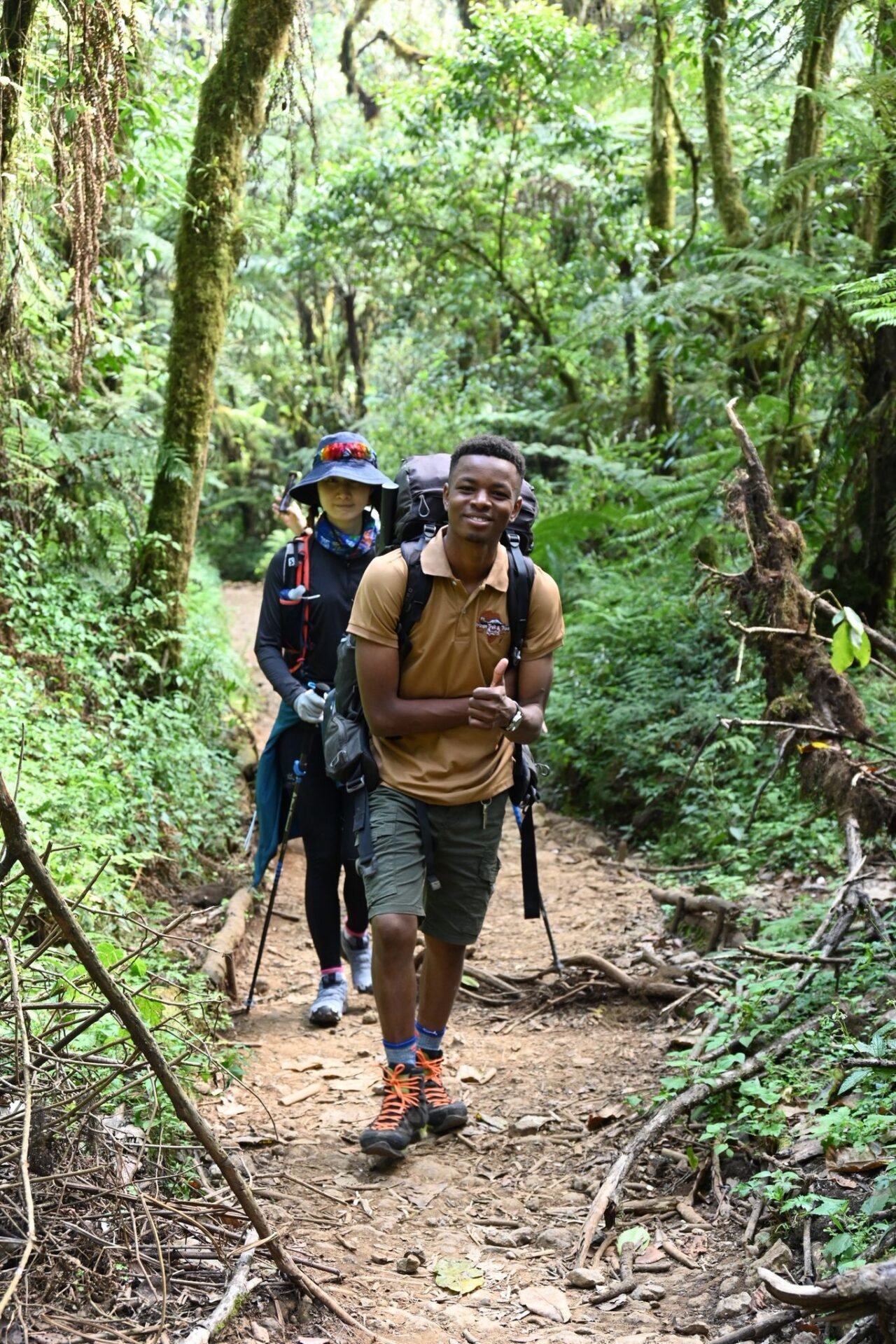
- Rainforest Zone (approx. 1,800m – 2,800m): As you ascend, you enter the dense, misty rainforest. This zone receives significant rainfall, and January, while dry, can still see brief showers here, especially in the early part of the month. Temperatures are cooler and more humid than the cultivation zone.
- Heath Zone (approx. 2,800m – 3,500m): The vegetation thins out, giving way to moorland, heather, grasses, and giant senecios. The air becomes noticeably cooler and drier. Days are generally pleasant, but nights can be cold.
- Alpine Desert Zone (approx. 3,500m – 4,500m): Above the treeline, this zone is characterized by sparse vegetation, rocky terrain, and a stark, desert-like landscape. Temperatures drop significantly, and the sun can be intense during the day, while nights are very cold.
- Arctic Zone (approx. 4,500m onwards to the summit): This is the summit region, including Uhuru Peak. It is an extremely cold, barren, and icy environment. Temperatures are consistently below freezing, and oxygen levels are significantly reduced.
January generally offers a more forgiving experience across these zones compared to the wet seasons. The transitions between zones are often clearer, and the challenges posed by weather are minimized.
January Temperatures on Kilimanjaro: What to Expect in 2026-2027
January is part of Kilimanjaro’s warm, dry season. This means you can anticipate generally pleasant temperatures, though significant variations occur with altitude. Understanding these ranges is vital for packing appropriate gear.
Base and Lower Slopes (Cultivation & Rainforest Zones)
At the start of your trek, around the base of the mountain and within the rainforest zone (roughly 800m to 2,800m), daytime temperatures in January typically hover between 20°C and 27°C. Nights will be cooler, often dropping to around 10°C to 15°C. The humidity can still be noticeable in the rainforest, making it feel warmer.
Mid-Altitudes (Heath & Alpine Desert Zones)
As you climb higher, into the heath and lower alpine desert zones (around 2,800m to 4,000m), temperatures decrease noticeably. Daytime temperatures might range from 10°C to 20°C. However, nights become significantly colder, often falling below freezing, with temperatures ranging from 0°C to -5°C. The air is much drier here, and the sun can be intense during clear daylight hours.
High Altitudes & Summit (Arctic Zone)
The highest reaches of Kilimanjaro, including the alpine desert above 4,500m and the summit area (including Stella Point and Uhuru Peak), experience freezing temperatures year-round. In January, you can expect daytime highs to be around -5°C to 5°C, but nighttime and summit temperatures will plummet, often reaching -10°C to -15°C, and sometimes even colder with wind chill. This is the most extreme temperature zone and requires the most specialized gear.
The consistent cold at the summit is a significant factor for your summit night, which usually begins around midnight. You will be ascending through the Arctic Zone in the coldest part of the 24-hour cycle. For Kilimanjaro climbs in January 2026 and 2027, preparation for these sub-zero temperatures is non-negotiable.
Rainfall and Precipitation in January on Kilimanjaro
January is classified as a dry season month for Kilimanjaro. This means significantly less rainfall compared to the wet seasons (March-May and November). However, ‘dry’ does not mean ‘no rain’.
- Lower Slopes: While generally dry, the rainforest zone can still experience occasional light showers, particularly in the early part of January. These are usually brief and don’t typically disrupt trekking for extended periods.
- Mid to High Altitudes: Precipitation at higher altitudes in January is much less common. If it occurs, it’s more likely to be in the form of sleet or light snow flurries rather than heavy rain.
- Summit: The summit is often covered in snow and ice, but this is persistent ice and snow, not typically from new snowfall in January, which is rare.
The reduced rainfall in January is a major advantage. It means trails are less muddy and slippery, especially in the rainforest, making the trek more comfortable and safer. The clearer skies also offer better visibility, enhancing the overall scenic experience.
Sunshine and Cloud Cover in January
January typically boasts a high number of sunny days on Kilimanjaro. The dry season generally brings stable atmospheric conditions, leading to fewer clouds, especially at higher altitudes.
- Clear Skies: Expect plenty of sunshine, particularly in the alpine desert and Arctic zones. This can be a double-edged sword: great for views, but intense UV radiation requires good sun protection.
- Morning Clarity: Mornings are often crystal clear, offering stunning sunrise views.
- Afternoon Clouds: While less common than in the wet season, some cloud build-up can occur in the afternoons, especially around the peak. These are usually not heavy rain clouds but can obscure views temporarily.
The prevalence of sunshine contributes to the appeal of a January climb. It allows for more consistent trekking without being frequently interrupted by weather. Good sunglasses, sunscreen, and hats are essential packing items for any Kilimanjaro trek in January 2026 or 2027.
Wind Conditions in January
Wind is a constant factor on any high mountain, and Kilimanjaro is no exception. January generally sees moderate winds, but conditions can change rapidly, especially at higher altitudes and near the summit.
- Lower Slopes: Winds are usually light to moderate in the rainforest and heath zones.
- Higher Altitudes: As you ascend, winds can become stronger and more persistent. The summit area, in particular, can experience significant winds, which dramatically increase the perceived cold (wind chill factor).
While January is not typically associated with extreme winds, it’s always wise to be prepared. Layering your clothing effectively, including windproof outer layers, is crucial for maintaining warmth and comfort, especially during the summit push. For Kilimanjaro adventures in January 2026-2027, ensure your gear includes robust wind protection.
Visibility and Views in January
One of the most significant advantages of climbing Kilimanjaro in January is the excellent visibility. The dry season, coupled with fewer clouds, typically offers:
- Panoramic Vistas: Clear skies mean you can enjoy unobstructed, sweeping views of the surrounding plains, Mount Meru, and the vast African landscape below.
- Summit Views: The summit area, including the crater rim and Uhuru Peak, is often clear, providing impressive perspectives and photo opportunities.
- Stargazing: At night, away from light pollution, the clear mountain air offers spectacular stargazing opportunities.
The potential for great views is a major draw for climbers. Seeing the curvature of the Earth from Uhuru Peak on a clear January morning is an unforgettable experience. Top Guide Adventures guides are adept at timing the summit push to maximize the chances of clear views.
The Experience of Climbing Kilimanjaro in January
Climbing Kilimanjaro in January offers a generally positive and rewarding experience due to the favorable weather conditions. However, it’s important to manage expectations and be prepared for mountain conditions.
Pros of Climbing in January:
- Dry Weather: Reduced rainfall makes trekking more comfortable and trails less challenging.
- Clear Skies: Excellent visibility and stunning panoramic views.
- Moderate Temperatures (lower/mid-altitudes): Days can be warm and pleasant in the lower zones.
- Popular Season: Many other trekkers are on the mountain, creating a sense of camaraderie.
- Good Acclimatization Conditions: Stable weather can aid in the acclimatization process, though altitude remains the primary challenge.
Cons of Climbing in January:
- Crowds: January is a peak season, meaning more trekkers on the popular routes. This can lead to busier campsites and trails.
- Cold at Altitude: While days might be pleasant, nights and summit conditions are very cold, requiring substantial gear.
- Potential for Ice: While dry, higher trails can still have icy patches, especially near the summit.
Despite the crowds, the benefits of the dry weather and clear views often outweigh the cons for many climbers planning their 2026 or 2027 Kilimanjaro adventure.
Popular Routes in January and Their Weather Nuances
All Kilimanjaro routes are generally accessible and suitable for climbing in January. However, some routes might offer slightly different weather experiences due to their specific gradients and exposure.
- Machame Route: Known for its scenic beauty and good acclimatization profile. The weather in January is typically excellent, with clear views and dry trails. It’s a popular choice, so expect company. Top Guide Adventures often sees many trekkers on the Machame Route in January.
- Lemosho Route: Another scenic route with a good acclimatization profile, often combined with the Machame route. January offers great conditions for this longer, more remote trek.
- Marangu Route: The only route with hut accommodation. January offers pleasant trekking, but the faster ascent profile means acclimatization can be a challenge regardless of the season. Views are generally good.
- Rongai Route: Approaches from the north, which can sometimes mean slightly drier conditions earlier in the rainy season, but in January, it benefits from the general dry spell. It’s often less crowded than southern routes.
- Northern Circuit & Western Breach: These longer routes offer excellent acclimatization and stunning, less-trafficked scenery. January’s good weather makes them ideal for those seeking a more comprehensive Kilimanjaro experience.
Regardless of the route chosen for your January 2026-2027 Kilimanjaro climb, the overall weather patterns described will apply. The key is choosing a route that suits your fitness, acclimatization needs, and desired experience.
Packing for Kilimanjaro in January: Essential Gear
Given the temperature variations and potential for cold, especially at night and on summit day, proper packing is crucial for a January climb. Layering is the most effective strategy.
Essential Clothing Layers:
- Base Layers: Moisture-wicking thermal tops and bottoms (merino wool or synthetic).
- Mid Layers: Fleece jackets or vests for insulation.
- Outer Layer (Insulation): A warm, puffy down or synthetic jacket for extreme cold.
- Outer Layer (Shell): Waterproof and windproof jacket and trousers (Gore-Tex or similar).
Headwear & Handwear:
- Warm hat (beanie) covering ears.
- Balaclava or neck gaiter for face protection.
- Gloves: Lightweight liner gloves and warm, waterproof outer gloves or mittens.
- Sun hat or cap for daytime.
Footwear:
- Broken-in hiking boots (waterproof).
- Warm hiking socks (wool or synthetic).
- Camp shoes or trainers for evenings.
- Gaiters to keep debris and snow out of boots.
Other Essentials:
- Sleeping Bag: A 4-season sleeping bag rated to at least -10°C or -20°C is recommended for January.
- Headlamp: With extra batteries. Essential for summit night.
- Sunglasses: High UV protection.
- Sunscreen: High SPF.
- Lip Balm: With SPF.
- Water Bottles/Hydration Reservoir: Insulated to prevent freezing.
- Trekking Poles: Highly recommended for stability and reducing joint strain.
- Duffel Bag: Waterproof, for porters to carry.
- Backpack: Daypack for personal items during the trek.
Remember to consult with your tour operator, like Top Guide Adventures, for a detailed packing list tailored to your specific climb and the expected conditions for Kilimanjaro climbs in January 2026-2027.
Acclimatization and Altitude Sickness in January
While January offers favorable weather, it does not negate the primary challenge of climbing Kilimanjaro: altitude. Altitude sickness (Acute Mountain Sickness – AMS) can affect anyone, regardless of the season or fitness level.
- Pace: The most critical factor for acclimatization is trekking at a slow, steady pace – “pole pole” (slowly, slowly). This allows your body to adapt to the decreasing oxygen levels.
- Hydration: Drinking plenty of fluids (3-4 liters per day) is essential.
- Rest: Adequate sleep and rest days (on longer routes) aid acclimatization.
- Avoid Alcohol and Smoking: These hinder acclimatization.
- Monitor Symptoms: Be aware of symptoms like headaches, nausea, dizziness, and fatigue. Inform your guide immediately if you experience any.
The clear weather in January can sometimes lead climbers to push harder than they should, thinking the conditions are easy. It’s crucial to remember that the altitude is the real challenge, not the weather. Guides from Top Guide Adventures are trained to monitor trekkers for AMS and make decisions in the interest of safety.
Comparing January with Other Months
To fully appreciate why January is a good choice, it helps to compare it with other months:
- vs. February: Very similar conditions. February is also dry and popular, often considered the coldest month of the dry season, so potentially slightly colder than January.
- vs. March-May (Long Rains): Avoid these months if possible. Heavy rainfall, mud, and low visibility make climbing significantly more difficult and less enjoyable.
- vs. June-October (Dry Season): This is another excellent dry season. June can still have some lingering rain in early weeks, but it quickly becomes dry. July-October are typically very dry, with cooler temperatures, especially at night, and can be more crowded than January. October is often considered the ‘shoulder’ month between dry and wet seasons.
- vs. November-December (Short Rains): November often sees the start of the short rains, leading to increased precipitation and cloud cover. December sees a mix, with conditions improving towards the end of the month as the dry season begins.
January offers a sweet spot: it’s reliably dry, offers good visibility, and while cold at the summit, the days are often pleasant at lower altitudes. It’s a great balance before the peak crowds of July-October and the colder conditions of mid-winter.
What to Expect from Tour Operators in January (2026-2027)
Reputable tour operators like Top Guide Adventures are well-equipped to handle climbs during January.
- Experienced Guides: Our guides are seasoned professionals who understand Kilimanjaro’s weather patterns and altitude challenges.
- Quality Equipment: We provide high-quality tents, cooking equipment, and ensure our porters and guides are well-equipped.
- Safety Protocols: Comprehensive safety measures, including oxygen monitoring and emergency procedures, are in place.
- Itinerary Planning: We craft itineraries designed for optimal acclimatization, even in good weather.
- Group Departures: We offer group departures, which can be a more economical and social option. Check our schedule for January 2026 and 2027 group climbs.
Booking with a trusted company ensures that logistical aspects are handled, allowing you to focus on the climb itself. We can provide personalized advice on routes and preparation for your January Kilimanjaro climb.
Booking Your Kilimanjaro Climb for January 2026-2027
January is a popular month, so booking in advance is highly recommended, especially if you have specific dates in mind for 2026 or 2027. Early booking allows for:
- Securing Dates: Popular dates, particularly around New Year, fill up quickly.
- Choosing Routes: Availability on preferred routes might be limited closer to the date.
- Logistics: Allows ample time for visa applications, vaccinations, and gear preparation.
- Peace of Mind: Knowing your climb is confirmed well in advance reduces pre-trip stress.
Top Guide Adventures offers flexible booking options. Whether you’re looking for a private climb or wish to join one of our group departures, contacting us early is the best approach. You can reach us via:
- WhatsApp: +255616946642
- Email: topguideadventures@gmail.com
- Backup Email: info@topguideadventures.com
We can help you select the best route, provide detailed itineraries, and answer all your questions regarding Kilimanjaro weather in January and what to expect for your 2026-2027 adventure.
Frequently Asked Questions about Kilimanjaro Weather in January
Is January a good month to climb Kilimanjaro?
Yes, January is considered one of the best months to climb Kilimanjaro. It falls within the dry season, offering clear skies, good visibility, and significantly less rainfall, making for more comfortable trekking conditions.
What are the typical temperatures on Kilimanjaro in January?
Temperatures vary greatly with altitude. At the base, expect 20-27°C. Mid-altitudes range from 10-20°C during the day and 0°C to -5°C at night. The summit area is consistently below freezing, with temperatures reaching -10°C to -15°C or colder at night and during the summit push.
Will it rain on Kilimanjaro in January?
January is a dry month, so heavy or prolonged rain is unlikely. However, brief, light showers can occur, especially in the rainforest zone at the beginning of the month. Higher altitudes are much drier.
Is it crowded on Kilimanjaro in January?
Yes, January is a peak season for Kilimanjaro climbs due to the favorable weather. You can expect to encounter a moderate to high number of other trekkers on the popular routes.
What gear is essential for a January Kilimanjaro climb?
Essential gear includes a 4-season sleeping bag, waterproof and windproof outer layers, warm insulating layers (fleece, down jacket), thermal base layers, warm hat and gloves, sturdy hiking boots, and high UV protection for sun and eyes. Layering is key.
What are the chances of reaching the summit in January?
The chances of reaching the summit are generally high in January due to the stable, dry weather. However, success ultimately depends on factors like acclimatization, fitness, and the individual climber’s response to altitude. The cold and potential winds on summit night remain the biggest challenges.
Final Thoughts on Your January Kilimanjaro Expedition (2026-2027)
January presents an exceptional opportunity for those dreaming of conquering Mount Kilimanjaro. The confluence of dry weather, clear skies, and manageable temperatures (with proper preparation) makes it a top choice for trekkers aiming for success and a memorable experience. While it is a popular month, leading to more company on the trails, the benefits of climbing during this period are significant.
At Top Guide Adventures, we are passionate about helping you achieve your mountain goals. Our experienced team is dedicated to providing personalized support, ensuring your safety and comfort throughout your journey. We have extensive experience guiding climbers in January and can offer insights and advice to make your Kilimanjaro climb in 2026 or 2027 a resounding success.
Don’t hesitate to reach out to us with any questions. Let us help you plan the Kilimanjaro adventure of a lifetime, tailored to your needs and ensuring you are fully prepared for the incredible experience that awaits you on Africa’s highest peak.
Contact Top Guide Adventures today to start planning your January 2026-2027 Kilimanjaro climb:
- WhatsApp: +255616946642
- Email: topguideadventures@gmail.com
- Website: www.topguideadventures.com
“,
“faq_schema”: [
{
“question”: “Is January a good month to climb Kilimanjaro?”,
“answer”: “Yes, January is considered one of the best months to climb Kilimanjaro. It falls within the dry season, offering clear skies, good visibility, and significantly less rainfall, making for more comfortable trekking conditions.”
},
{
“question”: “What are the typical temperatures on Kilimanjaro in January?”,
“answer”: “Temperatures vary greatly with altitude. At the base, expect 20-27°C. Mid-altitudes range from 10-20°C during the day and 0°C to -5°C at night. The summit area is consistently below freezing, with temperatures reaching -10°C to -15°C or colder at night and during the summit push.”
},
{
“question”: “Will it rain on Kilimanjaro in January?”,
“answer”: “January is a dry month, so heavy or prolonged rain is unlikely. However, brief, light showers can occur, especially in the rainforest zone at the beginning of the month. Higher altitudes are much drier.”
},
{
“question”: “Is it crowded on Kilimanjaro in January?”,
“answer”: “Yes, January is a peak season for Kilimanjaro climbs due to the favorable weather. You can expect to encounter a moderate to high number of other trekkers on the popular routes.”
},
{
“question”: “What gear is essential for a January Kilimanjaro climb?”,
“answer”: “Essential gear includes a 4-season sleeping bag, waterproof and windproof outer layers, warm insulating layers (fleece, down jacket), thermal base layers, warm hat and gloves, sturdy hiking boots, and high UV protection for sun and eyes. Layering is key.”
},
{
“question”: “What are the chances of reaching the summit in January?”,
“answer”: “The chances of reaching the summit are generally high in January due to the stable, dry weather. However, success ultimately depends on factors like acclimatization, fitness, and the individual climber’s response to altitude. The cold and potential winds on summit night remain the biggest challenges.”
}
]
}
“`
Check Availability for What Is Kilimanjaro Weather Like In January? 2026-2027
Ready to compare dates, prices, and the best option for your group? Send the package name and travel month so the team can reply with a clear quote, availability, and what is included.

Kilimanjaro Weather And Visibility In September 2026-2027
Kilimanjaro Weather and Visibility in September is explained with current 2026-2027 planning, price, itinerary and booking information.
View package details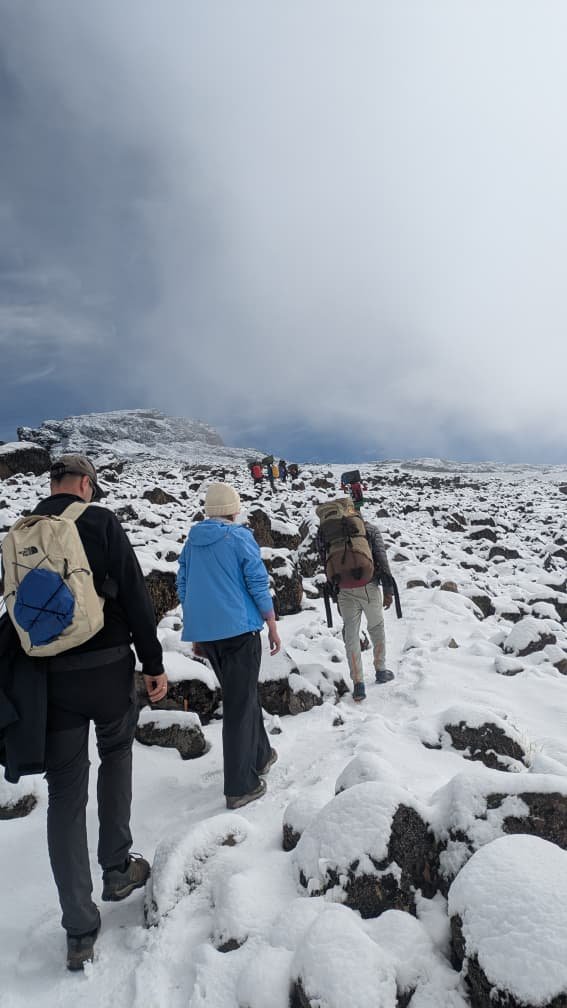
Kilimanjaro Weather And Temperature In August 2026-2027
Kilimanjaro Weather and Temperature in August is explained with current 2026-2027 planning, price, itinerary and booking information.
View package details
July Kilimanjaro Trail Crowd Levels: What To Expect In 2026-2027
July on Kilimanjaro typically falls within the dry season, making it a popular month for trekkers. While not as crowded as the absolute peak months of January-February or June-August, July...
View package details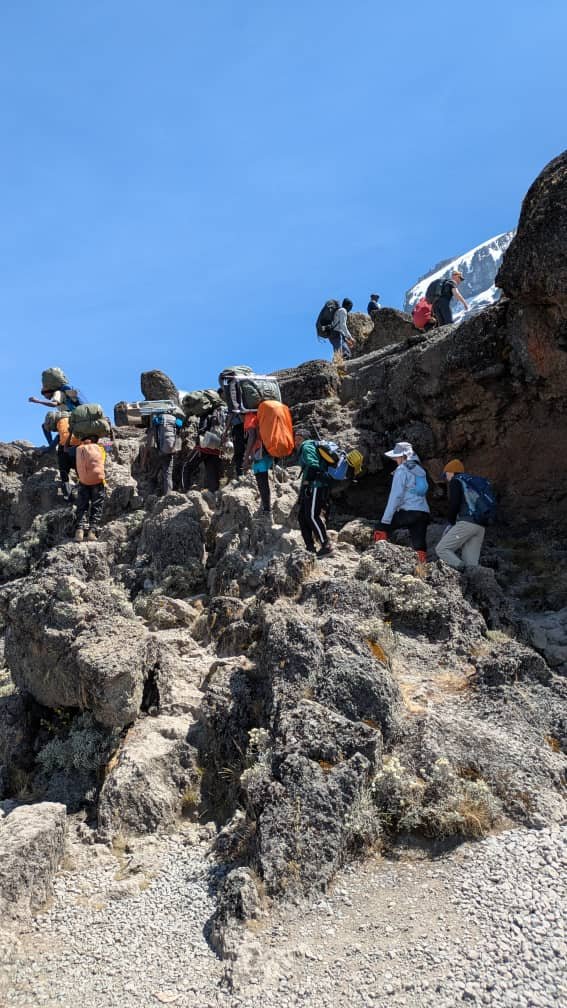
Kilimanjaro Climbing In July : Routes, Prices, And Weather | Top Guide
Planning a Kilimanjaro climb in July 2027? This comprehensive guide details the most suitable routes, provides realistic price expectations, and explains the weather patterns you can expect...
View package details
June Kilimanjaro Crowd Levels: What To Expect For Climbs 2026-2027
Planning a Kilimanjaro climb in June? Understand the crowd levels for 2026-2027. While not the absolute busiest, June offers a sweet spot for trekkers seeking good weather and manageable...
View package detailsJune Kilimanjaro Packing And Layering Guide: What To Wear For Success
Prepare for your June Kilimanjaro climb with our comprehensive packing and layering guide. We detail essential clothing, gear, and strategies to ensure comfort and safety on the mountain...
View package details
Kilimanjaro Weather At The Start Of Dry Season 2026-2027
Kilimanjaro Weather at the Start of the Dry Season is explained with current 2026-2027 planning, price, itinerary and booking information.
View package details
May Kilimanjaro Summit Temperature Guide: What To Expect In 2026-2027
Climbing Kilimanjaro in May offers a unique experience, with temperatures on the summit ranging from -7°C to -20°C (19°F to -4°F) and challenging conditions. This guide details what to...
View package detailsKilimanjaro Weather And Rainfall In May : Your Ultimate Guide 2026-2027
May typically marks the end of Kilimanjaro's 'long rains' season, offering a mixed bag for climbers. While rainfall decreases compared to April, expect lingering showers, particularly on...
View package details
April Kilimanjaro Photography In Cloudy Weather: Tips And Expectations
Climbing Kilimanjaro in April means embracing potentially cloudy weather. This guide offers practical photography advice for photographers aiming to capture memorable images despite...
View package details
April Kilimanjaro Summit Night Weather: Your Essential Guide For Climbs
Climbing Kilimanjaro in April? Understand the summit night weather conditions, including temperature ranges, precipitation risks, and wind chill. Expert advice for a successful 2026-2027...
View package details
September Kilimanjaro Climb With Extra Acclimatization 2026-2027
September Kilimanjaro Climb with Extra Acclimatization is explained with current 2026-2027 planning, price, itinerary and booking information.
View package detailsNo related package matches those filters. Clear one or more filters to see the other topic-matched options.



