
A January Kilimanjaro climb paired with a Zanzibar holiday offers a fantastic combination of challenging trekking and relaxing beach time, with generally favorable weather for both activities in Tanzania. January typically provides dry conditions on Kilimanjaro, making it an excellent month for reaching the summit, followed by the warm, sunny shores of Zanzibar for recovery and exploration. Booking for 2026-2027 is recommended well in advance, especially for peak season windows within January.

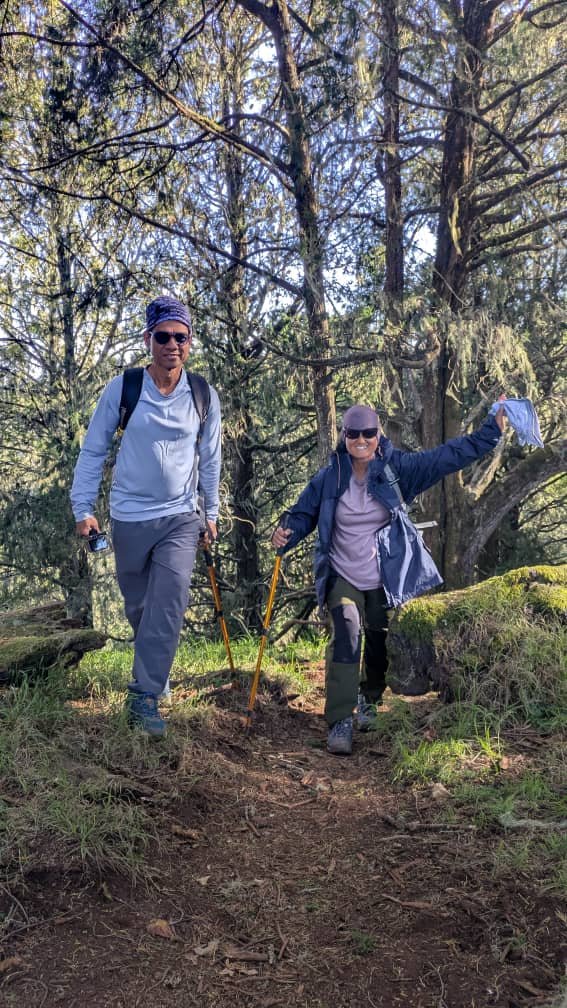

Why Choose January for Your Kilimanjaro Climb and Zanzibar Holiday
January stands out as a prime month for a dual adventure combining the iconic Mount Kilimanjaro climb with the idyllic beaches of Zanzibar. This period falls within Tanzania’s dry season, which generally stretches from December to March. This means you can anticipate clearer skies, less rainfall, and more stable weather conditions on the mountain, significantly improving your chances of a successful summit and a more enjoyable trekking experience. Following your Kilimanjaro ascent, the transition to Zanzibar offers a perfect contrast – warm sunshine, gentle sea breezes, and a laid-back island atmosphere ideal for rest and cultural discovery. Planning your January Kilimanjaro climb and Zanzibar holiday for 2026 or 2027 ensures you’re tapping into a period known for its excellent travel conditions across both destinations.
The allure of Kilimanjaro is its status as the highest peak in Africa and the world’s highest free-standing mountain. It’s a bucket-list item for many, offering a profound sense of accomplishment. Coupling this with Zanzibar, an archipelago renowned for its spice-scented air, historic Stone Town, and pristine turquoise waters, creates a well-rounded Tanzanian experience. This combination is particularly appealing for travelers looking to maximize their adventure and relaxation within a single trip. For 2026-2027, securing your spot early is crucial, as January is a popular time for both trekkers and those seeking tropical getaways.
January Weather on Kilimanjaro: What to Expect
Climbing Kilimanjaro in January generally offers favorable weather. This month is part of the mountain’s shorter dry season. While “dry” doesn’t mean zero precipitation, it signifies significantly less rain and snow compared to the rainy seasons (March-May and November). You can typically expect:
- Clearer Skies: More opportunities for stunning panoramic views from higher altitudes.
- Reduced Rainfall: Fewer rainy days, especially on the lower slopes, meaning trails are less muddy and slippery.
- Cold Temperatures: As you ascend, temperatures will drop dramatically, especially at night and on summit day. Expect sub-zero Celsius temperatures above the tree line and on the summit.
- Wind: Wind can be a significant factor, particularly at higher elevations and on the exposed summit plateau.
The weather on Kilimanjaro can be unpredictable and changes rapidly with altitude. Even in January, you could encounter rain, snow, or fog. However, statistically, January presents one of the best windows for a climb, contributing to its popularity for a January Kilimanjaro climb and Zanzibar holiday package.
Zanzibar in January: Tropical Paradise
January is an excellent time to visit Zanzibar. It falls within the island’s dry season, characterized by:
- Warm Temperatures: Expect average daily temperatures around 30°C (86°F).
- Sunshine: Plenty of sunshine perfect for beach activities and exploring the island.
- Lower Humidity: Compared to other times of the year, humidity is generally lower, making it more comfortable.
- Calm Seas: The ocean is often calmer, ideal for swimming, snorkeling, and diving.
This delightful weather makes Zanzibar a perfect post-climb destination to unwind and soak up the sun. The contrast between the rugged, cold ascent of Kilimanjaro and the warm, tropical ambiance of Zanzibar is what makes this combination so appealing for a January Kilimanjaro climb and Zanzibar holiday.
Planning Your January Kilimanjaro Climb
A successful Kilimanjaro climb requires careful planning, especially when considering a January ascent. The mountain’s altitude and demanding nature mean preparation is key. Here’s what you need to consider for your January Kilimanjaro climb and Zanzibar holiday planning in 2026-2027.
Choosing the Right Kilimanjaro Route for January
Several routes ascend Kilimanjaro, each with varying difficulty, scenery, and acclimatization profiles. For a January climb, the focus should be on routes that offer good acclimatization to maximize summit success rates. The most popular routes suitable for January include:
- Machame Route: Known as the “Whiskey Route,” it’s popular for its scenic beauty and excellent acclimatization profile, offering a good chance of success. It’s a 6-7 day trek.
- Lemosho Route: Similar to Machame but offers a longer, more remote, and scenic experience, typically 7-8 days. Its longer duration aids acclimatization.
- Marangu Route: The “Coca-Cola Route” is the only one with hut accommodations. It’s shorter (5-6 days) but has a steeper ascent profile, which can make acclimatization more challenging. It’s generally not recommended for first-time climbers or those prioritizing summit success.
- Northern Circuit: The longest route (9-10 days), offering the best acclimatization and highest success rates. It circles the mountain, providing diverse views. Ideal for those with more time and seeking a comfortable climb.
For a January Kilimanjaro climb and Zanzibar holiday, especially if you are aiming for higher success rates, the Machame, Lemosho, or Northern Circuit routes are highly recommended for 2026-2027. They offer better acclimatization, which is crucial in potentially cold January conditions.
Kilimanjaro Climb Duration and Acclimatization
The duration of your Kilimanjaro climb is directly linked to acclimatization. Rushing the ascent increases the risk of altitude sickness. For a January Kilimanjaro climb, a minimum of 6 days is advisable, with 7-8 days offering significantly better acclimatization and success rates. The Northern Circuit, at 9-10 days, provides the best possible acclimatization.
Acclimatization Strategy:
- “Pole Pole” (Slowly, Slowly): This Swahili phrase is the mantra for climbing Kilimanjaro. Walk at a slow, steady pace, especially on ascent days.
- Hydration: Drink plenty of water (3-4 liters per day) to help your body adjust to the altitude.
- Eat Well: Maintain your energy levels with regular meals and snacks.
- Ascend High, Sleep Low: On some routes, you’ll climb to a higher altitude during the day and descend to a lower camp to sleep. This is a proven method for acclimatization.
What to Pack for a January Kilimanjaro Climb
Packing correctly is vital for comfort and safety during a January climb. The temperatures can fluctuate dramatically from the base camp to the summit. Layering is key.
Essential Gear:
- Layered Clothing:
- Base Layers: Thermal tops and bottoms (merino wool or synthetic).
- Mid Layers: Fleece jacket or insulated jacket for warmth.
- Outer Layer: Waterproof and windproof jacket and pants (Gore-Tex or similar).
- Summit Gear:
- Down Jacket: A heavy-duty down jacket is essential for summit night.
- Warm Hat: Covers ears, made of fleece or wool.
- Gloves: Insulated waterproof gloves and thinner liner gloves.
- Footwear:
- Broken-in Hiking Boots: Waterproof, sturdy, and well-fitted.
- Socks: Wool or synthetic hiking socks (multiple pairs).
- Gaiters: To prevent snow and mud from entering boots.
- Sleeping Gear:
- Sleeping Bag: Rated to at least -10°C to -20°C (0°F to -4°F).
- Sleeping Bag Liner: For added warmth and hygiene.
- Trekking Poles: Crucial for stability and reducing strain on knees, especially on descents.
- Headlamp: With extra batteries for summit night and early morning starts.
- Sun Protection: High SPF sunscreen, lip balm with SPF, sunglasses (UV protection), and a wide-brimmed hat.
- Water Bottles/Hydration Reservoir: Insulated to prevent freezing. Carry at least 3 liters capacity.
- First-Aid Kit: Including personal medications and altitude sickness medication (consult your doctor).
- Backpack: A comfortable daypack (30-40 liters) for essentials and a larger duffel bag (80-100 liters) for your porters to carry.
Consulting with your tour operator for a detailed packing list is highly recommended for your January Kilimanjaro climb and Zanzibar holiday in 2026-2027.
Physical Fitness and Training for Kilimanjaro
While Kilimanjaro is not a technical climb, its altitude and duration demand a good level of physical fitness. Your training should focus on cardiovascular endurance and leg strength.
- Cardiovascular Exercise: Engage in activities like hiking, running, cycling, or swimming for at least 3-4 times a week. Aim for sessions of 45-60 minutes.
- Hiking: Practice hiking with a weighted backpack, preferably on hilly terrain, to simulate Kilimanjaro’s inclines.
- Strength Training: Focus on leg exercises like squats, lunges, and calf raises. Core strength is also important.
- Stamina Building: Long hikes on weekends are excellent for building endurance. Try to do at least one hike over 4-6 hours per month leading up to your climb.
Start your training at least 2-3 months before your climb. Remember that acclimatization is more important than peak physical fitness, but being fit will make the trek more enjoyable and less taxing.
Health and Altitude Sickness on Kilimanjaro
Altitude sickness (Acute Mountain Sickness – AMS) is the primary concern when climbing Kilimanjaro. Symptoms can include headaches, nausea, dizziness, fatigue, and loss of appetite. It’s crucial to be aware of the symptoms and how to manage them.
Prevention and Management:
- Slow Ascent: As mentioned, this is the most effective preventative measure.
- Hydration: Stay well-hydrated.
- Avoid Alcohol and Smoking: These can exacerbate altitude sickness.
- Medication: Consult your doctor about prescription medications like Diamox (acetazolamide), which can help with acclimatization.
- Listen to Your Body: Report any symptoms to your guide immediately. If symptoms worsen, descent is the only cure.
Your guides are trained to monitor climbers for signs of altitude sickness. Trust their judgment. For a January Kilimanjaro climb, being well-informed about altitude sickness is paramount.
Your Zanzibar Holiday: Relaxation and Exploration
After the physical challenge of Kilimanjaro, Zanzibar offers a perfect tropical antidote. Its unique blend of Swahili culture, history, and stunning natural beauty makes it an ideal complement to your climb. January is a superb month to experience Zanzibar.
Top Things to Do in Zanzibar
Zanzibar is more than just beaches. It offers a rich mix of experiences:
- Stone Town Exploration: Wander through the narrow, winding streets of this UNESCO World Heritage site. Discover its history, Arab architecture, vibrant markets, and the House of Wonders.
- Spice Tours: Zanzibar is famously known as the “Spice Island.” Visit a spice farm to learn about, smell, and taste exotic spices like cloves, nutmeg, cinnamon, and vanilla.
- Beaches: Relax on the white sandy beaches. Popular spots include Nungwi and Kendwa in the north (known for sunsets and swimming), Matemwe (ideal for diving and snorkeling), and Paje and Jambiani on the southeast coast (popular for kitesurfing and a more laid-back vibe).
- Snorkeling and Diving: The waters around Mnemba Atoll are world-renowned for their coral reefs and marine life. Mnemba Atoll is a marine conservation area offering fantastic opportunities for snorkeling and diving.
- Dolphin Tours: Take a boat trip to Kizimkazi to spot dolphins. Choose operators who practice responsible tourism.
- Prison Island (Changuu Island): Visit this small island to see giant tortoises and learn about its history as a former prison. It also offers good snorkeling opportunities.
A January Kilimanjaro climb and Zanzibar holiday provides the perfect balance of adventure and relaxation, with Zanzibar offering a vibrant cultural and natural escape.
Best Beaches in Zanzibar
Zanzibar’s coastline is dotted with spectacular beaches, each offering a different atmosphere:
- Nungwi: Located at the northwestern tip, Nungwi is famous for its impressive sunsets, lively atmosphere, and stunningly clear turquoise waters. It’s also known for its dhow building traditions.
- Kendwa: Just south of Nungwi, Kendwa offers a similar beautiful beach experience but is often a bit more tranquil. It’s known for its bioluminescent plankton in certain months, though January is typically less reliable for this phenomenon.
- Matemwe: On the northeast coast, Matemwe is a quieter, more authentic village experience. It’s the closest beach to the Mnemba Atoll, making it perfect for divers and snorkelers.
- Paje: On the southeast coast, Paje is a hub for kitesurfing due to its consistent winds and shallow, clear waters. It has a bohemian vibe with beachfront cafes and lodges.
- Jambiani: Adjacent to Paje, Jambiani offers a more traditional village feel with seaweed farming visible at low tide. It’s a peaceful beach with beautiful sandbanks at low tide.
For your Zanzibar holiday following a Kilimanjaro climb in January 2026 or 2027, selecting a beach that matches your preferred vibe – whether lively or serene – is key.
Accommodation Options in Zanzibar
Zanzibar offers a wide range of accommodation to suit all budgets and preferences, from luxury resorts to charming boutique hotels and budget-friendly guesthouses.
- Luxury Resorts: Found mostly in areas like Nungwi, Kendwa, and Matemwe, offering private beaches, infinity pools, fine dining, and spa services.
- Boutique Hotels: Many are located in Stone Town, offering stylish, unique stays within historic buildings, or along quieter beach stretches.
- Mid-Range Hotels & Guesthouses: Available across the island, providing comfortable stays with good amenities.
- Beach Bungalows: Simple, often charming, accommodations right on the sand, perfect for a rustic beach experience.
Climb 4 Africa can assist in arranging accommodation in Zanzibar that perfectly complements your Kilimanjaro adventure, ensuring a comfortable and memorable stay after your January Kilimanjaro climb.
Combining Kilimanjaro and Zanzibar: Itinerary Ideas for 2026-2027
A classic combination involves climbing Kilimanjaro first, then heading to Zanzibar for relaxation. The duration can be adjusted based on your preferences and available time.
Example 1: The Classic 10-Day Kilimanjaro + 4-Day Zanzibar
This popular itinerary offers a solid climb and a good amount of beach time.
- Day 1-7: Kilimanjaro Climb (e.g., Machame Route 7 days).
- Day 8: Descend Kilimanjaro, transfer to Arusha for overnight rest.
- Day 9: Fly from Arusha (ARK) or Kilimanjaro International Airport (JRO) to Zanzibar (ZNZ). Transfer to your chosen beach resort.
- Day 10-13: Zanzibar holiday – relax on the beach, explore Stone Town, optional spice tour or snorkeling.
- Day 14: Depart from Zanzibar.
Example 2: Extended Climb & Zanzibar Experience (12-Day Climb + 5-Day Zanzibar)
For those who prefer a more relaxed climb or longer stay in Zanzibar.
- Day 1-9: Kilimanjaro Climb (e.g., Lemosho Route 8 days or Northern Circuit 9 days).
- Day 10: Descend Kilimanjaro, transfer to Arusha.
- Day 11: Fly to Zanzibar, transfer to resort.
- Day 12-16: Zanzibar exploration and relaxation.
- Day 17: Depart from Zanzibar.
These are just examples; Climb 4 Africa specializes in tailoring itineraries for your January Kilimanjaro climb and Zanzibar holiday, ensuring the perfect balance for your 2026-2027 adventure.
Cost Considerations for Your January Kilimanjaro Climb and Zanzibar Holiday
The cost of a January Kilimanjaro climb and Zanzibar holiday can vary significantly based on the route chosen, duration, level of service, and accommodation preferences. It’s essential to get a clear understanding of what is included.
Kilimanjaro Climb Costs
Generally, Kilimanjaro climbs are priced per person and include:
- Park fees (significant portion of the cost)
- Camping fees or hut fees
- Crew salaries (guide, assistant guides, porters, cook)
- All meals during the climb
- Porters’ equipment and food
- Rescue fees
- Transport to and from the mountain
- Tents, cooking equipment
Factors influencing cost:
- Route: Longer routes (Lemosho, Northern Circuit) are more expensive due to more days and staff.
- Duration: More days on the mountain means higher park and crew costs.
- Operator Standard: Reputable operators with better safety records, higher quality equipment, and better-paid staff tend to be more expensive.
- Group Size: Private climbs are more expensive per person than joining a group.
For a 7-day Machame or Lemosho climb in January 2026-2027, expect costs to range from $1,800 to $3,500+ per person. Shorter or longer routes, or higher-end services, will adjust this range.
Zanzibar Holiday Costs
Zanzibar costs are more flexible and depend on your chosen accommodation and activities.
- Accommodation: Budget guesthouses ($30-$70/night), mid-range hotels ($80-$200/night), luxury resorts ($250-$1000+/night).
- Flights: Internal flights from Arusha/JRO to Zanzibar typically range from $150 to $300 per person round trip.
- Activities: Spice tours ($20-$50), Stone Town tours ($30-$60), snorkeling trips ($50-$100), diving ($100-$150 per dive).
- Food: Varies greatly, from $15-$30 per day for budget travelers to $70+ for fine dining.
Total Package Costs for 2026-2027
A comprehensive January Kilimanjaro climb and Zanzibar holiday package for 2026-2027, including a 7-day Kilimanjaro climb and a 4-day Zanzibar stay with mid-range accommodation and select activities, could range from $2,500 to $5,000+ per person, excluding international flights and personal expenses.
Important Note: Prices are indicative and can change. Always request a detailed quote from your tour operator. Climb 4 Africa provides transparent pricing for 2026-2027, with detailed breakdowns of inclusions and exclusions.
Why Book Your January Kilimanjaro Climb and Zanzibar Holiday with Climb 4 Africa?
Choosing the right tour operator is crucial for a safe, enjoyable, and memorable adventure. Climb 4 Africa is a trusted local company with extensive experience in organizing Kilimanjaro climbs and Zanzibar holidays.
Our Commitment to Your Adventure
- Expert Local Knowledge: We are based in Tanzania and have an intimate understanding of Kilimanjaro, Zanzibar, and the best ways to experience them.
- Safety First: Your safety is our top priority. We employ experienced, certified guides who are trained in wilderness first aid and altitude sickness management. We carry emergency oxygen and ensure our crews are well-equipped.
- Personalized Service: We offer dedicated support from your initial inquiry through your return home. We believe in personal attention and tailoring trips to your specific needs.
- Quality Equipment: We provide high-quality tents, sleeping bags (available for rent), and climbing gear to ensure your comfort and safety on the mountain.
- Ethical Trekking: We are committed to fair treatment of our mountain crew, ensuring they are well-paid, properly equipped, and cared for.
- Comprehensive Packages: We offer all-inclusive packages for Kilimanjaro climbs and can arrange smooth transitions to Zanzibar, including flights and accommodation.
What Makes Us Stand Out
As one of Tanzania’s trusted tour companies, Climb 4 Africa prides itself on offering complete travel experiences. We don’t just book a trip; we craft an adventure with personal attention, care, and dedicated support for every client. Whether it’s a challenging Kilimanjaro climb, a serene Zanzibar holiday, or a thrilling Serengeti safari, we ensure every detail is handled meticulously.
For your January Kilimanjaro climb and Zanzibar holiday in 2026-2027, choosing Climb 4 Africa means partnering with experts who are passionate about showcasing the best of Tanzania. We ensure your journey is not only adventurous but also culturally enriching and deeply rewarding.
Preparing for Your 2026-2027 Tanzanian Adventure
Beyond the specific training and packing for Kilimanjaro and Zanzibar, there are general preparations that apply to any trip to Tanzania.
Visa and Passport Requirements
Ensure your passport is valid for at least six months beyond your intended stay and has at least two blank pages. Most nationalities require a visa for Tanzania. You can apply for a visa online in advance or obtain one upon arrival at Kilimanjaro International Airport (JRO) or other major entry points. Check the latest requirements for your nationality well before your 2026-2027 travel dates.
Vaccinations and Health Precautions
Consult your doctor or a travel clinic 4-6 weeks before your trip regarding recommended vaccinations. These may include Hepatitis A, Typhoid, and Tetanus. Yellow Fever vaccination is often required if arriving from a country with a risk of Yellow Fever transmission. Malaria is present in Tanzania, including Zanzibar, so discuss malaria prevention medication with your doctor. Kilimanjaro itself is generally considered a low-malaria risk area due to its altitude, but precautions are still advised for the lower slopes and your time in Zanzibar and Arusha.
Travel Insurance
Comprehensive travel insurance is essential. It should cover:
- Medical Emergencies: Including emergency evacuation and repatriation. This is particularly important for Kilimanjaro climbs.
- Trip Cancellation/Interruption: To protect your investment if unforeseen circumstances prevent your travel.
- Lost or Damaged Luggage:
Ensure your policy specifically covers high-altitude trekking up to 6,000 meters (Kilimanjaro’s summit). This is a non-negotiable aspect of planning your January Kilimanjaro climb and Zanzibar holiday for 2026-2027.
Currency and Payment
The local currency is the Tanzanian Shilling (TZS). However, US Dollars are widely accepted, especially for tourist services like park fees, tour operator payments, and in Zanzibar. It’s advisable to carry a mix of USD (newer bills, preferably from 2009 onwards) and some Tanzanian Shillings for smaller purchases. ATMs are available in major towns like Arusha and Stone Town, but they can be unreliable. Credit cards are accepted in larger hotels and some tourist shops, but often with a surcharge.
Cultural Etiquette
Tanzania is a diverse country with rich cultural traditions. Respecting local customs is important.
- Dress Modestly: Especially when visiting villages or Stone Town. Shoulders and knees should generally be covered. Beachwear is acceptable on the coast.
- Ask Before Photographing: Always seek permission before taking photos of people.
- Learn Basic Swahili Phrases: Greetings like “Jambo” (Hello) and “Asante” (Thank you) are always appreciated.
Booking Your 2026-2027 January Kilimanjaro Climb and Zanzibar Holiday
Ready to plan your unforgettable adventure? January is an exceptional time to experience both the challenge of Kilimanjaro and the beauty of Zanzibar. The dry season conditions enhance the experience for both parts of your journey.
Climb 4 Africa is here to help you craft the perfect January Kilimanjaro climb and Zanzibar holiday for 2026 or 2027. We offer personalized itineraries, expert guidance, and a commitment to safety and quality that ensures a truly memorable trip.
Contact us today to start planning:
- WhatsApp: +255747477898
- Email: climb4africa@gmail.com
- Backup Email: climb4africa@gmail.com
Let us help you create an incredible Tanzanian adventure that balances the thrill of reaching Africa’s roof with the serene beauty of its spice island. Your January Kilimanjaro climb and Zanzibar holiday awaits!
“,
“faq_schema”: [
{
“question”: “What is the best time of year for a Kilimanjaro climb and Zanzibar holiday?”,
“answer”: “January is an excellent time for a combined Kilimanjaro climb and Zanzibar holiday. It falls within Tanzania’s dry season, offering clearer skies and better trekking conditions on Kilimanjaro, followed by warm, sunny weather in Zanzibar perfect for beach relaxation.”
},
{
“question”: “How difficult is climbing Kilimanjaro in January?”,
“answer”: “Kilimanjaro is a non-technical high-altitude trek, but it is physically demanding due to the altitude and duration. January’s weather is generally favorable with less rain, but temperatures can be very cold, especially at the summit. Proper training and acclimatization are crucial.”
},
{
“question”: “What is the average cost for a January Kilimanjaro climb and Zanzibar holiday package in 2026-2027?”,
“answer”: “A combined package for a 7-day Kilimanjaro climb and a 4-day Zanzibar holiday in 2026-2027 typically ranges from $2,500 to $5,000+ per person, depending on the Kilimanjaro route, duration, accommodation choices in Zanzibar, and inclusions. This usually excludes international flights.”
},
{
“question”: “Which Kilimanjaro route is best for a January climb?”,
“answer”: “For January climbs, routes that offer better acclimatization are recommended. The Machame (6-7 days), Lemosho (7-8 days), or Northern Circuit (9-10 days) routes are generally preferred over the shorter Marangu route for higher summit success rates.”
},
{
“question”: “What should I pack for a January Kilimanjaro climb?”,
“answer”: “Key items for a January Kilimanjaro climb include layered thermal clothing, a warm down jacket, waterproof outer layers, sturdy hiking boots, warm gloves and hat, a good sleeping bag (-10°C to -20°C rating), and trekking poles. Layering is essential due to significant temperature variations.”
},
{
“question”: “What is the weather like in Zanzibar in January?”,
“answer”: “January is part of Zanzibar’s dry season, offering warm temperatures (around 30°C/86°F), plenty of sunshine, lower humidity, and calm seas, making it ideal for beach activities, swimming, snorkeling, and diving.”
},
{
“question”: “How long should my combined Kilimanjaro and Zanzibar trip be?”,
“answer”: “A good balance typically requires at least 10-14 days. This usually includes 6-8 days for the Kilimanjaro climb, 1-2 days for travel and rest between the climb and the island, and 4-5 days for your Zanzibar holiday.”
},
{
“question”: “Do I need travel insurance for this trip?”,
“answer”: “Yes, comprehensive travel insurance is essential. It must cover high-altitude trekking up to 6,000 meters, emergency medical expenses, evacuation, repatriation, and trip cancellation/interruption.”
},
{
“question”: “How do I book a January Kilimanjaro climb and Zanzibar holiday for 2026-2027?”,
“answer”: “You can book by contacting reputable tour operators like Climb 4 Africa via WhatsApp (+255747477898) or email (climb4africa@gmail.com / climb4africa@gmail.com). Early booking for 2026-2027 is recommended, especially for January travel.”
}
]
}
“`
Check Availability for January Kilimanjaro Climb And Zanzibar Holiday 2026-2027
Ready to compare dates, prices, and the best option for your group? Send the package name and travel month so the team can reply with a clear quote, availability, and what is included.

June Kilimanjaro And Zanzibar Holiday: Your Ultimate Tanzania Adventure
Combine the thrill of climbing Mount Kilimanjaro with the serene beauty of Zanzibar in June. This guide covers everything you need for your 2026-2027 adventure, from trekking routes and...
View package detailsSeptember Kilimanjaro And Zanzibar Holiday: Your Ultimate Adventure Guide
Combine the thrill of climbing Mount Kilimanjaro with the tropical relaxation of Zanzibar in September. This guide provides comprehensive planning advice for your 2026-2027 adventure...
View package details
August Kilimanjaro And Zanzibar Beach Holiday: Your Ultimate Tanzania
Combine the thrill of conquering Mount Kilimanjaro with the serene beauty of Zanzibar's beaches for an unforgettable August adventure. This guide covers everything you need to know for your...
View package details
July Kilimanjaro And Zanzibar Package 2026-2027
July Kilimanjaro and Zanzibar Package is explained with current 2026-2027 planning, price, itinerary and booking information.
View package details
May Kilimanjaro And Zanzibar Package: Expert Guide For 2026-2027
Combine the thrill of climbing Mount Kilimanjaro with the relaxation of Zanzibar in a May package. This comprehensive guide covers itineraries, costs, best practices, and booking advice for...
View package detailsSeptember Kilimanjaro Climb With Extra Acclimatization 2026-2027
September Kilimanjaro Climb with Extra Acclimatization is explained with current 2026-2027 planning, price, itinerary and booking information.
View package details
September Kilimanjaro Climb For Seniors 2026-2027
September Kilimanjaro Climb for Seniors is explained with current 2026-2027 planning, price, itinerary and booking information.
View package details
Is September Good For Climbing Kilimanjaro? Your Guide 2026-2027
Discover why September is a prime month for ascending Mount Kilimanjaro. This guide details the weather, crowds, and what to expect for your 2026-2027 climb.
View package details
September Kilimanjaro Small-Group Climb 2026-2027
September Kilimanjaro Small-Group Climb is explained with current 2026-2027 planning, price, itinerary and booking information.
View package details
September Kilimanjaro Climb For Couples In : Your Ultimate Guide 2026-2027
A September Kilimanjaro climb offers couples dry weather, clear skies, and stunning views, making it an ideal time for a romantic and challenging adventure. This guide covers everything...
View package details
August Kilimanjaro Climb With River-Crossing Safari: Your Ultimate Tanzania
Combine the challenge of climbing Mount Kilimanjaro in August with the thrill of witnessing the Great Migration river crossings on a safari. This guide covers itineraries, routes, packing...
View package detailsAugust Kilimanjaro Charity Challenge: Plan Your Climb 2026-2027
Planning an August Kilimanjaro Charity Challenge for 2026 or 2027 involves understanding routes, preparation, and the unique benefits of climbing for a cause. Climb 4 Africa offers...
View package detailsNo related package matches those filters. Clear one or more filters to see the other topic-matched options.



