
A Nigeria safari guide for 2026-2027 focuses on exploring the country’s diverse national parks, wildlife reserves, and unique cultural landscapes, offering opportunities to see a range of mammals, birds, and reptiles, often combined with rich cultural heritage experiences rather than the vast savannahs typical of East or Southern Africa.
Understanding the Nigeria Safari Experience
When you think of an African safari, images of vast plains teeming with lions, elephants, and giraffes often come to mind, typically associated with countries like Kenya, Tanzania, Botswana, or South Africa. Nigeria, while not traditionally on the mainstream safari circuit for large game viewing in the same vein, offers a distinct and rewarding wildlife and cultural adventure. A Nigeria safari guide for 2026-2027 must acknowledge this difference and highlight the unique offerings that Nigeria presents to the intrepid traveler.
Nigeria’s appeal lies in its rich biodiversity, which includes significant populations of primates, antelopes, hippos, and a remarkable array of birdlife. The country is home to several national parks and game reserves, each with its own character and ecological importance. Beyond the wildlife, Nigeria is a cultural powerhouse, boasting a history of ancient kingdoms, diverse ethnic groups, vibrant traditions, and bustling urban centers. Therefore, a safari here is often a blend of nature observation and deep cultural immersion, providing a more holistic African travel experience.
For travelers planning a trip in 2026 or 2027, understanding the nuances of a Nigerian safari is key to setting expectations and preparing for a fulfilling journey. This guide aims to provide an in-depth look at what makes a Nigerian safari unique, where to go, what to see, and how to plan your adventure effectively.
Nigeria’s National Parks and Wildlife Reserves: Jewels of Biodiversity
Nigeria’s commitment to conservation has led to the establishment of numerous protected areas. While some may not possess the sheer density of megafauna found elsewhere on the continent, they are vital habitats for a variety of species and offer pristine natural landscapes.
Yankari National Park: The Crown Jewel
Without a doubt, Yankari National Park is Nigeria’s premier wildlife destination and the heart of any serious Nigeria safari itinerary. Located in the north-central part of the country, this vast park covers approximately 2,244 square kilometers and is renowned for its diverse ecosystems, including savannah, woodland, and riverine forests.
- Wildlife Highlights: Yankari is home to significant populations of elephants, baboons, hippos, waterbucks, hartebeest, and various species of antelope. While lions and cheetahs are present, they are elusive. Birdwatchers will find Yankari a paradise, with over 350 recorded species, including the yellow-billed stork, saddle-billed stork, and guinea fowl. The Yankari hippo pool is a must-visit, offering close-up views of these magnificent creatures.
- Key Attractions: Beyond wildlife viewing, Yankari boasts Wikki Warm Springs, a natural spring with a constant temperature of 31°C, providing a relaxing spot for visitors. The park also features ancient human settlements with rock carvings and historical sites, adding a layer of cultural interest.
- Infrastructure: The park has a safari lodge and chalets, offering accommodation within the reserve. Guided game drives, walking safaris, and visits to the warm springs are common activities.
- Best Time to Visit (2026-2027): The dry season, typically from November to May, is the best time for wildlife viewing as animals congregate around water sources. However, the park remains accessible year-round.
Gashaka-Gumti National Park: The Untamed Frontier
Nigeria’s largest national park, Gashaka-Gumti, is situated in the northeastern part of the country, bordering Cameroon. It is a land of dramatic landscapes, from high plateaus to dense forests and open grasslands, making it a prime location for exploring Nigeria’s more rugged wilderness.
- Wildlife Highlights: Gashaka-Gumti is known for its primate diversity, including chimpanzees, baboons, and various monkeys. It also supports populations of hartebeest, roan antelope, bushbuck, and is a critical habitat for the endangered African wild dog. Birdlife is also abundant and diverse due to the varied habitats.
- Activities: Trekking and hiking are popular activities, allowing visitors to explore the diverse terrains. Birdwatching and wildlife spotting are best done with experienced guides. The park’s remoteness adds to its allure for adventurous travelers seeking an off-the-beaten-path experience.
- Challenges: Due to its remote location and less developed infrastructure compared to Yankari, Gashaka-Gumti requires more robust planning. Access can be challenging, especially during the rainy season.
- Planning for 2026-2027: For those interested in Gashaka-Gumti, early booking of specialized tours and logistics is highly recommended. This park is ideal for travelers who prioritize wilderness exploration and are prepared for more rugged conditions.
Other Notable Protected Areas
While Yankari and Gashaka-Gumti are the most prominent, Nigeria has other areas worth considering for a comprehensive Nigeria safari guide:
- Okomu National Park: Located in the southern rainforest zone, Okomu is crucial for conserving the endangered white-throated monkey and offers a glimpse into Nigeria’s rainforest biodiversity. It’s less about large mammal safaris and more about unique forest species and birdlife.
- Kainji Lake National Park: This park is centered around Kainji Lake and offers opportunities for boat safaris and viewing aquatic life, as well as land-based wildlife like hartebeest, oribi, and hippos. It’s also a significant birding destination.
- Baturiya Island Wildlife Sanctuary: In the northeastern part of the country, this sanctuary is vital for migratory birds and offers excellent birdwatching opportunities, especially during the migration seasons.
Wildlife Encounters Beyond the Parks
While national parks are the core of wildlife viewing, Nigeria’s diverse landscapes mean that wildlife sightings can occur in other areas, particularly along riverbanks and in less disturbed rural regions. Birdwatching, in particular, is a rewarding activity that can be integrated into many travel plans, even outside the formal protected areas.
For instance, exploring the Niger Delta region, while primarily known for its unique cultural and ecological challenges, is also home to a variety of bird species and smaller mammals adapted to wetland environments. Many travelers seeking a Nigeria safari also incorporate visits to local markets and villages, where interactions with unique local fauna, such as specific breeds of livestock or even sacred animals in certain communities, can be part of the cultural fabric.
Planning Your Nigeria Safari: Essential Considerations for 2026-2027
Organizing a safari in Nigeria requires careful planning, especially for international travelers. Unlike more established safari destinations, Nigeria’s tourism infrastructure is still developing, and a personalized approach is often necessary.
Best Time to Travel
The ideal time for a Nigeria safari largely depends on the region you plan to visit and your specific interests. Generally, the dry season (November to May) is considered the best period for wildlife viewing across most parks, as animals tend to gather around permanent water sources. This period also offers more comfortable weather for travel, with less humidity and rain.
- November to February: Cooler temperatures, especially in the north, and clear skies. Excellent for game drives and outdoor activities.
- March to May: Temperatures start to rise, leading into the rainy season. Wildlife viewing remains good, but the heat can be intense.
- Rainy Season (June to October): Vegetation becomes lush, which can make spotting some animals more difficult. However, birdlife is vibrant, and the landscapes are stunning. Some roads may become impassable, especially in remote areas like Gashaka-Gumti. This period can be ideal for birdwatching enthusiasts and those seeking a more verdant, less crowded experience.
For specific plans in 2026 or 2027, it’s advisable to check weather patterns closer to the travel dates, as climate variations can occur year to year.
Visa and Entry Requirements
Most international visitors will require a visa to enter Nigeria. Requirements can vary based on nationality. It is crucial to check the latest visa regulations with the Nigerian embassy or consulate in your home country well in advance of your planned trip for 2026-2027. The process can sometimes take several weeks, so early application is advised.
Health and Vaccinations
Consult your doctor or a travel health clinic at least 4-6 weeks before your departure for Nigeria. Recommended vaccinations often include Yellow Fever (mandatory for entry), Hepatitis A and B, Typhoid, and Tetanus. Malaria prophylaxis is also highly recommended, as malaria is prevalent throughout the country. Taking precautions against mosquito bites is essential.
Getting Around Nigeria
Travel within Nigeria can be an adventure in itself. For safaris, hiring a 4×4 vehicle with an experienced driver/guide is the most practical and safest option. Many tour operators can arrange this as part of a package.
- Road Travel: Roads can vary significantly in condition. Major highways are generally passable, but roads within or leading to national parks can be rough, especially during the rainy season.
- Domestic Flights: For longer distances between major cities (e.g., Lagos to Abuja or Kano), domestic flights are available and can save considerable travel time.
- Guided Tours: For a stress-free and efficient safari experience, booking through a reputable tour operator is highly recommended. They handle logistics, accommodation, park permits, and guide arrangements, ensuring a smoother trip for your Nigeria safari.
Accommodation Options
Accommodation varies widely across Nigeria.
- National Park Lodges: Places like Yankari National Park offer lodges and chalets, providing basic but convenient lodging within the park boundaries. These are often the most practical choice for maximizing wildlife viewing time.
- Hotels: In major cities and towns, a range of hotels are available, from budget-friendly to luxury.
- Guesthouses and Homestays: In some rural areas, opportunities for more local experiences might exist, though these are less common for typical safari-goers.
For a Nigeria safari focused on wildlife, staying in or near the national parks is generally the best strategy. Booking accommodation in advance is advisable, especially for popular locations like Yankari, and particularly if planning for peak seasons in 2026 or 2027.
What to Pack
Packing appropriately is crucial for comfort and safety. Consider the following:
- Lightweight, neutral-colored clothing for game drives (long sleeves and trousers to protect from sun and insects).
- A warm layer for cooler mornings and evenings, especially in northern parks.
- Comfortable walking shoes.
- A wide-brimmed hat and sunglasses.
- High-SPF sunscreen and insect repellent (with DEET).
- A basic first-aid kit.
- Binoculars for wildlife viewing.
- Camera and extra batteries/memory cards.
- A headlamp or flashlight.
- Personal toiletries and any prescription medications.
- A reusable water bottle.
Wildlife Viewing and Photography Tips
Making the most of your wildlife encounters requires patience, the right equipment, and a good guide. A Nigeria safari offers unique photographic opportunities.
- Early Mornings and Late Afternoons: These are the prime times for wildlife activity, as animals are most active during the cooler parts of the day. The light is also best for photography during these golden hours.
- Respect Wildlife: Always maintain a safe distance from animals. Do not feed them or attempt to approach them. Listen to your guide’s instructions.
- Binoculars are Essential: Even with a good camera zoom, binoculars will significantly enhance your ability to spot wildlife at a distance.
- Patience Pays Off: Wildlife viewing is not always guaranteed. Sometimes, waiting quietly in a promising area can yield incredible sightings.
- Birdwatching: Nigeria is a birdwatcher’s paradise. Bring a good field guide and be prepared for a multitude of species. Many birds are best seen in the early morning.
Cultural Immersion: Beyond the Wildlife
A safari in Nigeria is incomplete without experiencing its rich cultural heritage. The country is home to over 250 ethnic groups, each with distinct traditions, languages, and customs.
Exploring Northern Nigeria
The northern regions, where many of the major national parks are located, are historically significant. Cities like Kano and Zaria were ancient centers of trade and Islamic learning. While not part of a typical safari route, exploring these cities before or after a park visit can offer profound cultural insights.
- Kano: Visit the ancient city walls, the Emir’s Palace, and the bustling Kurmi Market, one of West Africa’s oldest and largest traditional markets.
- Sokoto: Known for its historical significance as the seat of the Sokoto Caliphate and its beautiful mosques.
- Traditional Crafts: Look for opportunities to see traditional crafts like pottery, leatherwork, and weaving.
Southern Nigeria’s Rich Heritage
While rainforest parks like Okomu are in the south, this region is also home to the Yoruba, Igbo, and numerous other ethnic groups with unique traditions. Exploring Lagos, Nigeria’s vibrant commercial capital, offers a glimpse into contemporary Nigerian culture, art, and music.
- Festivals: If your travel dates for 2026 or 2027 align, attending a local festival can be an unforgettable cultural experience.
- Art and Music: Nigeria has a globally recognized contemporary art scene and is the birthplace of Afrobeat music.
Interacting with Local Communities
Responsible tourism includes respectful engagement with local communities. Many safari tours can incorporate visits to villages, allowing travelers to learn about daily life, traditions, and local crafts. It’s important to do this ethically, often through organized community visits that benefit the locals.
Safety and Security for Travelers in 2026-2027
Safety is a paramount concern for any traveler, and Nigeria, like many countries, has areas that require caution. Understanding the security landscape is vital for planning a Nigeria safari.
- Government Advisories: Always check your home country’s foreign travel advisories for Nigeria before planning your trip and before departure. These advisories provide up-to-date information on security risks.
- Stay Informed: Keep abreast of local news and conditions.
- Travel with Reputable Operators: For safaris and travel outside major cities, using experienced and reputable local tour operators is highly recommended. They have the knowledge and networks to navigate potential risks.
- Avoid Certain Regions: Be aware of regions with known security challenges, such as the far northeast (bordering Borno state) and specific areas in the north-central region. Stick to well-traveled tourist routes and national parks.
- Night Travel: It is generally advised to avoid unnecessary travel at night, especially outside of major urban centers.
- Personal Security: Be mindful of your surroundings, avoid displaying wealth, and secure your valuables.
While certain regions may present challenges, many parts of Nigeria, particularly the popular safari destinations like Yankari and tourist-friendly cities, are generally safe for visitors who take standard precautions and travel with reliable support.
The Future of Safaris in Nigeria: Trends for 2026-2027
The tourism sector in Nigeria is evolving. While it may not rival East or Southern Africa in terms of large-scale wildlife tourism, there is a growing appreciation for its unique offerings.
- Ecotourism Focus: There’s an increasing emphasis on ecotourism, highlighting Nigeria’s diverse natural environments and promoting conservation efforts.
- Cultural Tourism Growth: Nigeria’s rich cultural heritage is being recognized as a major draw for international visitors. Combining wildlife viewing with cultural experiences is becoming a standard offering.
- Infrastructure Development: Efforts are being made to improve infrastructure in key tourist areas, including national parks, to enhance visitor experience.
- Niche Tourism: Birdwatching, primate tracking, and adventure trekking are likely to gain more traction as niche safari experiences.
For travelers planning their Nigeria safari in 2026 and 2027, this evolving landscape means more opportunities for authentic and well-supported travel experiences. The focus is shifting towards sustainable tourism that benefits local communities and conserves natural resources.
Comparing Nigeria Safaris with Other African Destinations
It’s important for potential visitors to understand how a Nigeria safari differs from more traditional safari destinations.
| Feature | Nigeria Safari | East/Southern Africa Safari (e.g., Kenya, Tanzania, Botswana) |
|---|---|---|
| Primary Wildlife Focus | Primates, diverse birdlife, hippos, antelopes, elephants (Yankari). Less emphasis on “Big Five” density. | High density of “Big Five” (lion, leopard, elephant, rhino, buffalo), large herds, vast savannahs. |
| Landscape Diversity | Savannah, woodland, rainforests, wetlands, mountains (Gashaka-Gumti). | Predominantly savannah, bushveld, some desert or delta regions. |
| Cultural Component | Integral part of the experience; diverse ethnic groups, historical sites, vibrant traditions. | Often secondary, with visits to Maasai or Himba villages as common add-ons. |
| Infrastructure | Developing, with established lodges in key parks (Yankari) but less developed in remote areas. Requires more planning. | Highly developed, with a wide range of lodges, camps, and established tour operators. |
| Traveler Profile | Adventurous, culturally curious, interested in unique biodiversity, willing to plan carefully. | Wide range, from luxury seekers to budget backpackers, often focused primarily on wildlife. |
| Typical Duration | 3-7 days for park visits, longer if combined with cultural tours. | 5-14 days for multi-park safaris. |
Choosing between Nigeria and other safari destinations depends on your priorities. If the primary goal is to see the “Big Five” in large numbers across wide-open plains, then East or Southern Africa might be a better fit. However, if you seek a more multifaceted African experience that blends unique wildlife viewing with deep cultural immersion and a sense of discovery in less-trodden paths, then a Nigeria safari for 2026-2027 could be exceptionally rewarding.
Sample Itinerary Ideas for a Nigeria Safari
Creating a bespoke itinerary is best done with a local expert, but here are some conceptual ideas to illustrate what a Nigeria safari could look like in 2026-2027.
Option 1: Classic Yankari & Cultural North (5-7 Days)
- Day 1: Arrive in Abuja, Nigeria’s capital. Transfer to hotel. Brief city tour if time permits.
- Day 2: Drive from Abuja to Yankari National Park (approx. 6-7 hours). Check into Yankari Safari Lodge. Afternoon exploration of Wikki Warm Springs.
- Day 3: Full day game drives in Yankari National Park. Focus on spotting elephants, baboons, and various antelopes. Birdwatching.
- Day 4: Morning game drive. Visit the Marshall Caves and Iron Age sites. Afternoon relaxation or another visit to the warm springs.
- Day 5: Drive towards Kano or a nearby historical city (e.g., Bauchi). Visit local craft centers or historical sites.
- Day 6: Explore Kano’s ancient city walls, Emir’s Palace, and Kurmi Market.
- Day 7: Depart from Kano or drive back to Abuja for departure.
Option 2: Primate & Wilderness Adventure in Gashaka-Gumti (7-10 Days)
This option is for the more adventurous traveler prepared for remote travel and basic facilities.
- Day 1: Arrive in Yola, Adamawa State. Meet your guide and begin the overland journey towards Gashaka-Gumti National Park.
- Day 2-3: Travel to the park headquarters. Arrange local guides and permits. Begin exploring the park’s fringes, focusing on birdlife and smaller mammals.
- Day 4-6: Trekking and guided walks within Gashaka-Gumti. Search for primates like chimpanzees and various monkey species. Explore diverse habitats. This requires good physical fitness.
- Day 7: Visit a local community near the park to understand the relationship between people and the wilderness.
- Day 8: Begin the return journey towards Yola.
- Day 9: Arrive in Yola. Optional exploration of the city or local markets.
- Day 10: Depart from Yola.
Note: Travel to Gashaka-Gumti in 2026-2027 will require significant logistical planning, possibly including chartered flights or specialized vehicles, and pre-arranged camping or basic accommodation.
Making Your Booking for 2026-2027
Booking a Nigeria safari requires careful consideration of operators. Given the developing nature of tourism infrastructure and the need for local expertise, partnering with a specialized tour company is highly recommended.
- Research Operators: Look for companies with proven experience in Nigeria, particularly in organizing safaris and handling logistics for international clients. Check reviews and testimonials.
- Customization: Reputable operators can tailor itineraries to your interests, budget, and time frame. Whether you’re focused on wildlife, culture, or a mix, they can design a suitable trip for 2026 or 2027.
- Inclusions: Clarify what is included in your safari package: accommodation, park fees, guide services, vehicle hire, meals, and any cultural activities.
- Pricing: Safari costs in Nigeria can vary significantly based on the level of accommodation, duration, and type of activities. Expect prices to be competitive but reflective of the logistical effort involved. For detailed quotes for 2026-2027 safaris, it’s best to contact operators directly.
For assistance in planning your unique Nigeria safari adventure, whether focusing on the wildlife of Yankari or the cultural richness of the north, reaching out to experienced local operators is the best first step. They can provide tailored advice and create a memorable experience for your Nigeria safari guide needs in 2026-2027.
Consider contacting Climb 4 Africa for expert advice and tailor-made safari packages in Nigeria and across East Africa. Reach them via WhatsApp +255 747 477 898 or Email climb4africa@gmail.com.
“,
“faq_schema”: [
{
“question”: “What kind of wildlife can I expect to see on a Nigeria safari in 2026-2027?”,
“answer”: “On a Nigeria safari, particularly in Yankari National Park, you can expect to see a variety of wildlife including elephants, baboons, hippos, waterbucks, hartebeest, and numerous antelope species. While elusive, lions and cheetahs are also present. Birdlife is exceptionally rich with over 350 species. Gashaka-Gumti National Park is known for its primate diversity, including chimpanzees, as well as antelope species and the endangered African wild dog. Unlike safaris in East or Southern Africa, Nigeria’s strength is not in the density of ‘Big Five’ animals but in its diverse ecosystems and primate populations.”
},
{
“question”: “What is the best time of year for a Nigeria safari in 2026 or 2027?”,
“answer”: “The best time for a Nigeria safari is generally during the dry season, from November to May. This period offers more comfortable weather and makes wildlife viewing easier as animals congregate around water sources. November to February is cooler, while March to May can be hotter. The rainy season (June to October) offers lush landscapes and vibrant birdlife but can make travel in remote areas challenging and spotting larger mammals more difficult.”
},
{
“question”: “How do I arrange a safari in Nigeria, and what are the typical costs for 2026-2027?”,
“answer”: “Arranging a Nigeria safari is best done through a reputable local tour operator who can handle logistics, accommodation, park permits, and guide services. Costs vary significantly based on the duration, accommodation style (e.g., park lodges vs. hotels), and included activities. For a 5-7 day safari focusing on Yankari National Park with mid-range accommodation and guided tours, expect costs to range from approximately $1,500 to $3,000+ per person for 2026-2027, though custom itineraries can alter this. It’s recommended to get a personalized quote from operators.”
},
{
“question”: “What are the visa requirements for Nigeria, and what health precautions should I take for a 2026-2027 trip?”,
“answer”: “Most international visitors require a visa to enter Nigeria, which must be obtained in advance from a Nigerian embassy or consulate. Yellow Fever vaccination is mandatory for entry. It’s also recommended to consult a travel clinic for other vaccinations such as Hepatitis A, Typhoid, and Tetanus, and to obtain malaria prophylaxis. Using insect repellent and taking precautions against mosquito bites is crucial.”
},
{
“question”: “Is Nigeria a safe destination for a safari in 2026-2027?”,
“answer”: “While Nigeria has areas with security concerns, popular tourist destinations like Yankari National Park and major cities are generally safe for visitors who take standard precautions. It’s advisable to check your government’s travel advisories, travel with reputable local tour operators, avoid unnecessary night travel, and be aware of your surroundings. Sticking to established tourist routes and parks is recommended for a secure safari experience.”
}
]
}
“`
Check Availability for Nigeria Safari Guide 2026-2027
Ready to compare dates, prices, and the best option for your group? Send the package name and travel month so the team can reply with a clear quote, availability, and what is included.
Nigeria Nature & Wildlife: Unforgettable Safaris And Diverse Ecosystems
Nigeria, often overlooked for its natural beauty, boasts a surprisingly diverse range of ecosystems and wildlife. From lush rainforests in the south to arid savannas in the north, and home...
View package details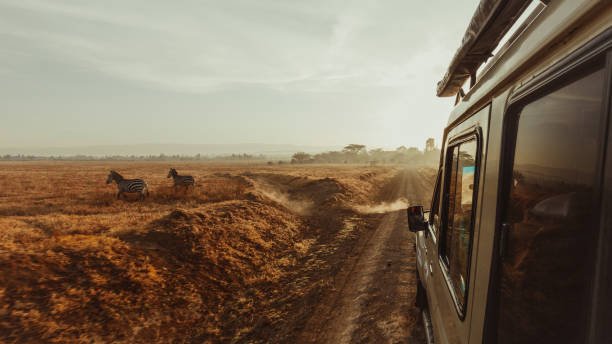
2 Days Saadani Safari From Zanzibar: Price, Itinerary & What To Expect
Discover the unique wildlife and coastal beauty of Saadani National Park on a 2-day safari from Zanzibar. This guide covers itinerary options, estimated pricing for 2026-2027, what to pack...
View package details
Saadani Safari From Zanzibar: Flight & Boat Packages For 2026-2027
Discover Saadani National Park, Tanzania's unique coastal wilderness, with smooth flight and boat packages from Zanzibar. This guide covers itineraries, inclusions, and planning for your...
View package details
Saadani National Park Safari Cost: Prices, Packages & Planning 2026-2027
Planning a safari to Saadani National Park? Understand the typical costs involved, from budget-friendly options to luxury experiences. This guide breaks down safari package prices, key...
View package details
Ruaha & Fanjove Island: Your Ultimate Luxury Safari And Private Beach Holiday
Experience the ultimate blend of thrilling wildlife encounters in Ruaha National Park and serene relaxation on Fanjove Island. This guide details luxury safari and private beach holiday...
View package details
Safari & Pemba Island Package: Tanzania Wildlife Meets Remote Beach Bliss
Discover the ultimate Tanzania adventure with a Safari & Pemba Island Package, blending thrilling wildlife encounters in the Serengeti and Ngorongoro with tranquil relaxation on Pemba's...
View package details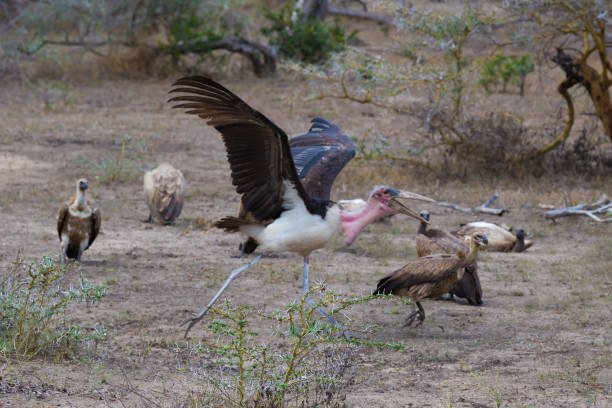
Mafia Island Honeymoon Package: Private Beach & Marine Safari 2026-2027
Experience an unparalleled honeymoon on Mafia Island with a bespoke package focusing on private beach seclusion and thrilling marine safaris. This guide details what to expect for your...
View package details
2 Days Mafia Island Whale Shark Safari From Zanzibar 2026-2027
Discover the magic of Mafia Island with a 2-day whale shark safari departing from Zanzibar. This adventure offers incredible opportunities to swim with whale sharks in their natural...
View package details
Nyerere Walking Safari – Private Guided Experience & Cost Guide
Explore the Nyerere Walking Safari, a unique private guided experience in Tanzania's vast wilderness. This guide details what to expect, estimated costs for 2026-2027, and essential...
View package details
Nyerere Boat Safari & Game Drive Package: Prices & Itinerary 2026-2027
Discover the ultimate Nyerere National Park experience with our comprehensive Boat Safari & Game Drive Packages. This guide details itineraries, pricing for 2026-2027, and essential...
View package details
3 Days Luxury Nyerere Fly-In Safari: Price & Itinerary For 2026-2027
Experience the wild heart of Tanzania with a 3-day luxury fly-in safari to Nyerere National Park (formerly Selous). This itinerary focuses on exclusive lodges, private game drives, and...
View package details2 Days Nyerere Safari From Zanzibar: Flight Package & Price Guide 2026-2027
Experience a thrilling 2-day safari adventure in Nyerere National Park (formerly Selous Game Reserve) starting from Zanzibar. This guide covers flight packages, estimated pricing for...
View package detailsNo related package matches those filters. Clear one or more filters to see the other topic-matched options.



