
A Mikumi and Udzungwa Mountains package typically costs between $1,500 to $4,000 per person for a 5-7 day trip in 2026-2027, depending on accommodation style, group size, and specific inclusions, offering a blend of classic wildlife viewing in Mikumi National Park and exceptional hiking and biodiversity in Udzungwa Mountains National Park.
Understanding the Mikumi + Udzungwa Mountains Package Appeal
The Mikumi and Udzungwa Mountains package represents a unique combination for travelers seeking more than just a typical Tanzanian safari. It merges the well-established wildlife viewing opportunities of Mikumi, often referred to as the ‘Serengeti of Central Tanzania,’ with the rugged, biodiverse landscapes and trekking opportunities of Udzungwa Mountains National Park, a true ecological island. This dual-destination approach caters to those who appreciate both iconic savannah wildlife and the thrill of exploring pristine montane forests.
For travelers planning their adventures in 2026 or 2027, understanding the components of such a package is crucial for budgeting and itinerary planning. These packages are designed to showcase the distinct ecological zones of Tanzania, providing a rich and varied experience that goes beyond the standard northern circuit safaris. The proximity of these two parks to each other, and their relative accessibility from Dar es Salaam, makes them a logistically sound choice for shorter trips or as an add-on to other Tanzanian destinations.
Why Combine Mikumi and Udzungwa?
- Biodiversity Hotspot: Udzungwa is a center of endemism, boasting unique primate species and plant life.
- Classic Safari Experience: Mikumi offers reliable sightings of the ‘Big Four’ (lion, leopard, elephant, buffalo) and diverse plains game.
- Varied Landscapes: Transition from open savannah to lush rainforests within a relatively short travel distance.
- Active Adventure: Udzungwa provides excellent trekking and hiking opportunities, a contrast to game drives.
- Accessibility: Both parks are accessible from Dar es Salaam, making them convenient for start or end points of a Tanzanian journey.
This combination offers a balanced introduction to Tanzania’s natural wonders, appealing to a wide range of interests, from dedicated birdwatchers and hikers to families and couples looking for an engaging and diverse travel experience. Planning for 2026-2027 means considering the best times to visit and understanding how different tour operators structure these packages.
Typical Itinerary Structures for Mikumi + Udzungwa Packages
When you book a Mikumi and Udzungwa Mountains package, the itinerary is carefully crafted to maximize your experience in both parks, considering travel times and the best activities for each location. While exact durations can vary, most packages range from 4 to 7 days. Here’s a breakdown of common itinerary flows, keeping in mind that flexibility is key for any Tanzanian adventure.
The 5-Day Classic Mikumi & Udzungwa Itinerary
This is a popular choice for those with limited time, offering a solid taste of both parks.
Day 1: Arrival in Dar es Salaam & Transfer to Mikumi
* Arrive at Julius Nyerere International Airport (DAR) in Dar es Salaam.
* Meet your guide and transfer directly to Mikumi National Park. This is a substantial drive (approximately 4-6 hours depending on road conditions and traffic).
* Check into your lodge or tented camp located just outside or within the park.
* Enjoy an afternoon game drive in Mikumi, focusing on areas known for elephants, zebras, wildebeest, and potentially lions.
Day 2: Full Day Game Drive in Mikumi
* Spend the entire day exploring Mikumi National Park. Your guide will take you to different sections of the park, including the hippo pool and areas frequented by predators.
* Picnic lunch will be served in a scenic spot within the park.
* Continue game viewing until late afternoon before returning to your accommodation.
Day 3: Morning Game Drive & Transfer to Udzungwa
* Enjoy a final morning game drive in Mikumi to catch any elusive wildlife.
* After breakfast, check out and begin your journey towards Udzungwa Mountains National Park (approximately 2-3 hours drive).
* Arrive at the Udzungwa gate, register, and meet your park ranger.
* Begin your first trek into the Udzungwa forest, perhaps to the Sanje Waterfalls, a moderate to challenging hike offering spectacular views and a refreshing dip.
* Overnight at a lodge or camp near the park entrance (e.g., in Mang’ula).
Day 4: Udzungwa Hiking & Transfer Back Towards Dar es Salaam
* After breakfast, start another hike in Udzungwa. Depending on your fitness and interest, you could explore the Mwanihana trail or other routes.
* Enjoy the unique montane flora and fauna, keeping an eye out for endemic primates like the Udzungwa red colobus monkey.
* After your hike, begin the drive back towards Dar es Salaam (approximately 5-6 hours).
* Optionally, you can spend the night closer to Dar es Salaam or continue to the city if flight schedules permit.
Day 5: Departure from Dar es Salaam
* Depending on your flight schedule, you might have time for some last-minute souvenir shopping or a city tour.
* Transfer to Julius Nyerere International Airport (DAR) for your departure.
The 7-Day Extended Mikumi & Udzungwa Experience
For those with more time, an extended package allows for deeper exploration of both parks.
Day 1-2: Mikumi National Park Exploration
* Similar to the 5-day itinerary, with two full days dedicated to game drives in Mikumi, allowing for more in-depth exploration and increased chances of spotting diverse wildlife, including predators.
Day 3: Mikumi to Udzungwa & Initial Trek
* Morning game drive in Mikumi.
* Transfer to Udzungwa Mountains National Park.
* Meet your ranger and undertake the hike to Sanje Waterfalls, enjoying the forest ecosystem.
* Overnight near Udzungwa.
Day 4: Deeper Udzungwa Trekking
* Dedicate a full day to trekking in Udzungwa. Options might include the hike to the Lumuguno waterfalls or exploring trails leading to viewpoints.
* Focus on birdwatching and searching for unique flora and fauna.
* Overnight near Udzungwa.
Day 5: Udzungwa Exploration & Cultural Visit
* Morning hike focusing on a different trail or revisiting a favorite spot.
* Option to visit a local community or cultural project near Udzungwa to understand the local way of life.
* Begin the drive back towards Morogoro, a town en route to Dar es Salaam, known for its scenic setting.
* Overnight in Morogoro.
Day 6: Morogoro to Dar es Salaam
* Enjoy a leisurely breakfast in Morogoro.
* Optional visit to the Uluguru Mountains foothills for a short nature walk or cultural interaction.
* Drive to Dar es Salaam (approximately 3-4 hours).
* Check into your hotel in Dar es Salaam and relax.
Day 7: Departure from Dar es Salaam
* Transfer to the airport for your onward flight.
These itineraries are flexible and can be customized. For 2026-2027 bookings, it’s advisable to discuss your preferences with your tour operator to tailor the pace and activities.
Cost Factors for Mikumi + Udzungwa Mountains Packages (2026-2027)
Understanding the cost of a Mikumi and Udzungwa Mountains package is key to planning your budget. Several factors influence the final price, and these can fluctuate slightly between 2026 and 2027, though major shifts are unlikely unless there are significant changes in park fees or fuel costs. The price is generally quoted per person, based on double occupancy.
Key Cost Determinants:
- Accommodation Level: This is often the most significant factor. Options range from budget-friendly guesthouses and basic tented camps to mid-range lodges and more luxurious tented camps or lodges. Higher-end accommodations naturally increase the package cost.
- Duration of the Package: Longer trips naturally incur higher costs due to more days of accommodation, meals, park fees, and vehicle/guide expenses.
- Number of Travelers: While private tours offer exclusivity, they are typically more expensive per person than joining a small group. Shared departures, where available, can offer cost savings.
- Vehicle Type: The type of safari vehicle used (e.g., 4×4 Land Cruiser vs. Land Rover, pop-top vs. pop-up roof) can influence pricing, though most reputable operators use well-maintained 4x4s.
- Inclusions: What is included in the package price is critical. Common inclusions are accommodation, park entrance fees, meals (full board is standard on safari), game drives, hiking with a ranger in Udzungwa, and transfers. Exclusions often include international flights, visas, travel insurance, tips for guides and staff, alcoholic beverages, and personal expenses.
- Seasonality: While not as pronounced as in some other destinations, travel during peak seasons (generally June-October and December-February) might see slightly higher demand and potentially higher lodge rates, though this is less common for these specific parks compared to the northern circuit. Planning for 2026-2027 should consider these periods.
- Operator’s Margin and Service Level: Different operators have different business models and service standards, which are reflected in their pricing. Highly reputable operators with excellent guides and well-maintained equipment may charge more.
Estimated Price Ranges (Per Person for 5-7 Days):
Budget/Mid-Range: $1,500 – $2,500 USD per person
- Includes basic but clean accommodation (lodges, tented camps, guesthouses).
- Standard safari vehicle.
- Likely group or shared departures.
- Focus on essential inclusions.
Mid-Range/Comfort: $2,500 – $3,500 USD per person
- Comfortable lodges and tented camps with better amenities.
- Potentially a private vehicle for game drives.
- Higher quality service and guide expertise.
- More flexibility in itinerary.
Luxury: $3,500 – $4,000+ USD per person
- High-end lodges and exclusive tented camps with premium services.
- Private 4×4 Land Cruiser, often with a dedicated chef.
- All-inclusive options might be available.
- Personalized service and bespoke experiences.
Important Note for 2026-2027 Planning: These are estimates. For the most accurate pricing, it is essential to request a personalized quote from tour operators like Climb 4 Africa, providing your specific travel dates, group size, and accommodation preferences.
Mikumi National Park: A Wildlife Spectacle
Mikumi National Park is a cornerstone of many Mikumi and Udzungwa Mountains packages, offering a classic Tanzanian safari experience. Located in the heart of Tanzania’s Selous Game Reserve ecosystem, it’s the fourth-largest park in the country and is renowned for its easily accessible wildlife and diverse landscapes.
Wildlife Highlights:
Mikumi is often called the “Great Serengeti of the South” due to its open plains and abundant wildlife. The park is famous for its large herds of herbivores, which in turn attract a healthy population of predators.
- Elephants: Mikumi is home to large herds of elephants, often seen grazing near the Mkata River or bathing in waterholes.
- Big Cats: Lions are commonly sighted, particularly in the open grasslands and near the park’s watering holes. Leopards are more elusive but present, especially in denser bush areas. Cheetahs can also be spotted on the plains.
- Buffalo: Large herds of buffalo are a common sight, often found near water sources.
- Giraffes: Graceful giraffes roam the acacia woodlands, their long necks making them easily visible.
- Zebras and Wildebeest: Thousands of zebras and wildebeest are present, especially during the dry season, forming impressive herds.
- Hippos: The hippo pool near the main road is a reliable spot to see large pods of hippos wallowing.
- Birds: Mikumi boasts over 400 bird species, making it a paradise for birdwatchers. Look out for lilac-breasted rollers, guinea fowl, secretary birds, and various storks and eagles.
Landscape and Vegetation:
The park’s landscape is characterized by the vast, open Mkata floodplain, acacia woodlands, and miombo woodlands. The terrain is relatively flat, making it ideal for game drives. The presence of the Mkata River and several smaller streams ensures water availability, supporting wildlife year-round.
Best Time to Visit Mikumi:
While Mikumi is a year-round destination, certain periods offer better wildlife viewing.
- Dry Season (June to October): This is generally considered the best time. Wildlife congregates around permanent water sources, making them easier to spot. Vegetation is less dense, improving visibility.
- Wet Season (November to May): The landscape is lush and green, offering beautiful scenery. Migratory birds are present. Wildlife is more dispersed, but game viewing is still possible, especially in the early mornings and late afternoons. Some roads might become challenging during heavy rains.
For 2026-2027 planning, the dry season offers the most predictable and rewarding game viewing.
Activities in Mikumi:
* Game Drives: The primary activity, conducted in open-sided 4×4 safari vehicles. Morning and afternoon drives are standard, with full-day options available.
* Walking Safaris: In some areas bordering the park or in specific concessions, guided walking safaris can be arranged, offering a different perspective on the environment.
* Night Game Drives: Available at some lodges, providing an opportunity to see nocturnal animals like genets, civets, and potentially leopards or lions on the hunt.
Udzungwa Mountains National Park: Trekking and Biodiversity
Udzungwa Mountains National Park is a unique gem within Tanzania’s park system, offering a stark contrast to Mikumi’s savannah. It’s a UNESCO World Heritage Site and part of the Eastern Arc Mountains, a biodiversity hotspot renowned for its montane forests, waterfalls, and endemic species.
Unique Ecosystem and Biodiversity:
Udzungwa is an ecological treasure trove. Its altitude ranges from 250 to 2,576 meters, creating diverse habitats from lowland rainforests to montane forests and grasslands. This variation supports an incredible array of life.
- Endemic Primates: Udzungwa is famously home to the Udzungwa red colobus monkey and the Sanje mangabey, both found nowhere else on Earth.
- Birdlife: It’s a critical area for bird conservation, with several endemic species like the Udzungwa partridge, forest buzzard, and various sunbirds and weavers.
- Plants and Insects: The park boasts a vast number of plant species, many of which are endemic. It’s also a significant area for butterfly diversity.
- Waterfalls: The park features impressive waterfalls, most notably the Sanje Waterfalls, which cascade over 100 meters in three stages.
Trekking and Hiking Opportunities:
Udzungwa is primarily a hiking destination. Trails vary in difficulty, catering to different fitness levels. A park ranger must accompany all hikes for safety and to provide information about the forest.
- Sanje Waterfalls Trail: The most popular trail. It’s a moderately challenging hike, typically taking 3-5 hours round trip, leading to the stunning Sanje Waterfalls. The path winds through the forest, offering chances to spot primates and birds.
- Prince Bernhard’s Trail: A shorter, easier walk that can be combined with other routes.
- Mwanihana Trail: A more challenging, multi-day trek to the summit of Mwanihana peak (2,100m), offering panoramic views. This is for experienced hikers and requires special arrangements.
- Lumuguno Waterfalls: Another beautiful waterfall accessible via a moderate hike.
Best Time to Visit Udzungwa:
Udzungwa is accessible year-round, but the best time for trekking is during the dry seasons.
- Dry Seasons (June to October and December to February): These periods offer the most favorable hiking conditions with less rain, making trails less slippery and more enjoyable.
- Wet Season (November to May): The forest is at its most lush and vibrant. However, trails can be muddy and slippery, and heavy rains can sometimes make certain routes impassable. Birding can be excellent during this time.
For a 2026-2027 Mikumi + Udzungwa Mountains package, planning hikes during the dry season is recommended for comfort and safety.
Activities in Udzungwa:
* Hiking/Trekking: The main activity, exploring various trails to waterfalls, viewpoints, and through diverse forest types.
* Birdwatching: Excellent opportunities to spot endemic and migratory bird species.
* Primate Spotting: Searching for the unique red colobus and Sanje mangabey monkeys.
* Nature Photography: Capturing the lush scenery, waterfalls, and unique flora and fauna.
Planning Your Mikumi + Udzungwa Mountains Package for 2026-2027
Successful planning for a Mikumi and Udzungwa Mountains package involves considering several logistical and personal preferences. As you look towards 2026 and 2027, here are key aspects to focus on.
Choosing the Right Tour Operator:
The choice of tour operator is paramount. For a destination like Mikumi and Udzungwa, where local knowledge and logistical expertise are vital, partnering with a reputable Tanzanian company is highly recommended.
- Local Expertise: Operators like Climb 4 Africa have deep knowledge of the parks, optimal routes, best lodges, and local conditions.
- Customization: A good operator can tailor your Mikumi + Udzungwa Mountains package to your specific interests, budget, and fitness level.
- Support: They provide essential support, including reliable transportation, experienced guides, and timely communication.
- Safety: Ensuring they adhere to safety protocols for both safari and trekking is crucial.
Booking Window for 2026-2027:
For popular travel times or specific accommodation requests, booking well in advance is advisable. For 2026-2027, consider booking at least 6-12 months ahead, especially if you are traveling during peak seasons or require private arrangements.
Visa and Health Requirements:
* Visas: Most nationalities require a visa for Tanzania. This can often be obtained online in advance or upon arrival at the airport. Check the latest requirements for your nationality well before your trip.
* Vaccinations: Consult your doctor or a travel clinic about recommended vaccinations and malaria prophylaxis. Yellow fever vaccination is often required if arriving from or transiting through a country with a risk of yellow fever.
* Travel Insurance: Comprehensive travel insurance is essential. Ensure it covers medical emergencies, evacuation (especially important for trekking in Udzungwa), trip cancellation, and lost belongings.
Packing Essentials:
Pack smart for a trip that combines safari and hiking.
- Clothing: Lightweight, neutral-colored clothing for safari (long sleeves and trousers for sun and insect protection). Comfortable hiking boots and moisture-wicking socks for Udzungwa. A light to medium jacket for cooler evenings or higher altitudes.
- Gear: Binoculars, camera with extra batteries and memory cards, a good quality backpack for day hikes, reusable water bottle, headlamp or flashlight, basic first-aid kit, sunscreen, insect repellent (with DEET), and a wide-brimmed hat.
- Documents: Passport, visa, flight details, insurance information, vaccination certificates, and copies of all important documents.
Comparing Mikumi & Udzungwa Packages: What to Look For
When comparing different Mikumi + Udzungwa Mountains package offers for 2026 or 2027, focus on the details that ensure a quality experience. Don’t just compare prices; compare value.
Key Comparison Points:
- Accommodation Quality: Research the specific lodges or camps included. Are they well-reviewed? Do they offer the amenities you desire?
- Vehicle and Guide: A reliable 4×4 safari vehicle and an experienced, knowledgeable guide are critical for safari success. For Udzungwa, a certified park ranger is mandatory.
- Itinerary Flexibility: Does the package allow for spontaneous stops or adjustments based on wildlife sightings or your energy levels?
- Group Size: If opting for a group tour, what is the maximum group size? Smaller groups generally offer a more personalized experience.
- Inclusions vs. Exclusions: Carefully review what’s included. Are park fees, meals, activities, and transfers all covered? Understanding exclusions helps avoid unexpected costs.
- Operator Reputation: Look for reviews on platforms like TripAdvisor or consult with the operator directly about their safety record and client satisfaction.
For 2026-2027 bookings, clarity on inclusions is especially important. For example, ensure that park fees for both Mikumi and Udzungwa, and the mandatory ranger fees for Udzungwa hikes, are clearly stated as included in your Mikumi + Udzungwa Mountains package quote.
Making the Most of Your Mikumi + Udzungwa Adventure
To ensure your Mikumi and Udzungwa Mountains package is everything you hope for, consider these tips for maximizing your enjoyment and experience.
For Mikumi:
- Early Mornings and Late Afternoons: These are the most active times for wildlife, offering the best chances for sightings, especially of predators.
- Communicate with Your Guide: Let your guide know your interests. If you’re keen on specific animals or bird species, they can tailor the game drive accordingly.
- Be Patient: Wildlife viewing often requires patience. Sometimes the best sightings come after a period of waiting.
- Enjoy the Scenery: Mikumi’s open plains and acacia trees create a classic African savannah landscape. Take time to appreciate the environment.
For Udzungwa:
- Fitness Preparation: If you plan on undertaking longer or more strenuous hikes, some level of physical preparation beforehand will significantly enhance your experience.
- Hydration and Snacks: Carry plenty of water and energy-boosting snacks, especially for longer treks like the Sanje Waterfalls hike.
- Appropriate Footwear: Sturdy, broken-in hiking boots are essential to prevent blisters and provide good traction on potentially slippery trails.
- Listen to Your Ranger: The park ranger is your guide to the forest’s safety and ecology. Follow their instructions carefully regarding wildlife and trail conditions.
- Embrace the Forest: Udzungwa offers a unique, humid forest environment. Be prepared for the sounds, smells, and sights of this rich ecosystem.
General Tips for Both Parks:
- Respect Wildlife: Maintain a safe distance from animals and never feed them.
- Minimize Your Impact: Stay on marked trails, avoid littering, and be mindful of noise levels.
- Stay Connected: While Wi-Fi might be limited, ensure your phone is charged for photos and emergencies. Consider a local SIM card if you need constant connectivity.
- Embrace Flexibility: Travel in Tanzania can sometimes involve unexpected delays or changes. An adaptable attitude will lead to a more enjoyable trip.
Planning a Mikumi and Udzungwa Mountains package for 2026-2027 offers an incredible opportunity to experience two distinct yet complementary facets of Tanzania’s natural beauty. From the abundant wildlife of Mikumi’s plains to the biodiverse rainforests and challenging treks of Udzungwa, this combination promises an adventure filled with discovery and unforgettable moments.
For expert guidance on crafting your perfect Mikumi + Udzungwa Mountains package, tailored to your interests and budget for 2026-2027, don’t hesitate to reach out to the specialists at Climb 4 Africa. You can connect with us via WhatsApp at +255 747 477 898 or send an email to climb4africa@gmail.com. Let us help you plan an extraordinary Tanzanian journey.
Check Availability for Mikumi + Udzungwa Mountains Package: Cost & Itinerary Guide
Ready to compare dates, prices, and the best option for your group? Send the package name and travel month so the team can reply with a clear quote, availability, and what is included.
Morogoro To Mikumi Transport Options: Your Guide 2026-2027
Planning your journey from Morogoro to Mikumi National Park? This comprehensive guide details all transport options, costs, travel times, and essential tips for a smooth trip in 2026-2027.
View package detailsMorogoro To Mikumi National Park 2026-2027
Morogoro to Mikumi National Park is explained with current 2026-2027 planning, price, itinerary and booking information.
View package details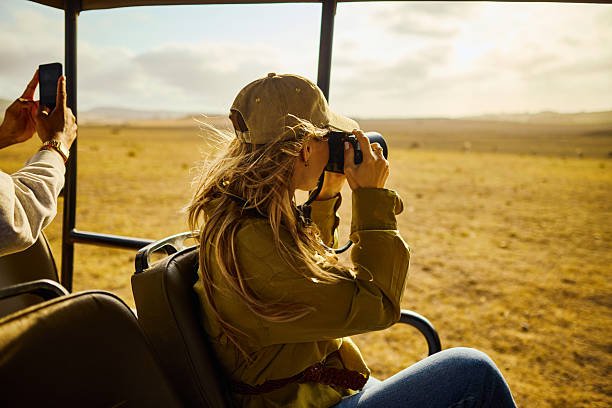
1 Day Nyerere Fly-In Safari From Zanzibar: Cost & Itinerary For 2026-2027
Experience a thrilling 1-day Nyerere Fly-In Safari from Zanzibar. This guide covers typical costs, a detailed itinerary, what to expect, and booking advice for 2026-2027.
View package details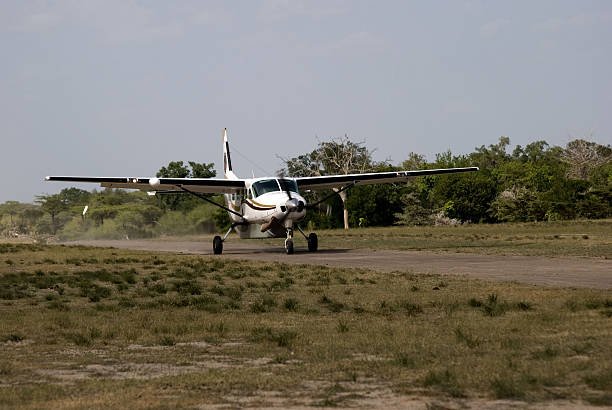
Rubondo Island Fly-In Safari From Serengeti: Cost, Itinerary & Guide 2026-2027
Discover the magic of a Rubondo Island fly-in safari from the Serengeti. This guide covers essential details on costs, sample itineraries for 2026-2027, what to expect, and how to book this...
View package details
Mahale Chimpanzee Safari From Dar Es Salaam – Cost & Itinerary 2026-2027
Discover the ultimate Mahale Mountains National Park chimpanzee safari experience starting from Dar es Salaam. This comprehensive guide covers essential details on 2026-2027 costs, ideal...
View package details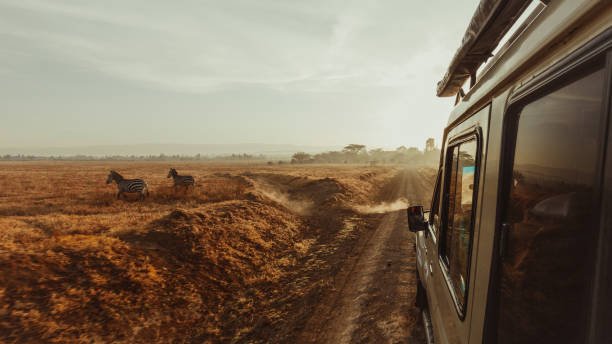
2 Days Saadani Safari From Zanzibar: Price, Itinerary & What To Expect
Discover the unique wildlife and coastal beauty of Saadani National Park on a 2-day safari from Zanzibar. This guide covers itinerary options, estimated pricing for 2026-2027, what to pack...
View package details
Saadani National Park Safari Cost: Prices, Packages & Planning 2026-2027
Planning a safari to Saadani National Park? Understand the typical costs involved, from budget-friendly options to luxury experiences. This guide breaks down safari package prices, key...
View package details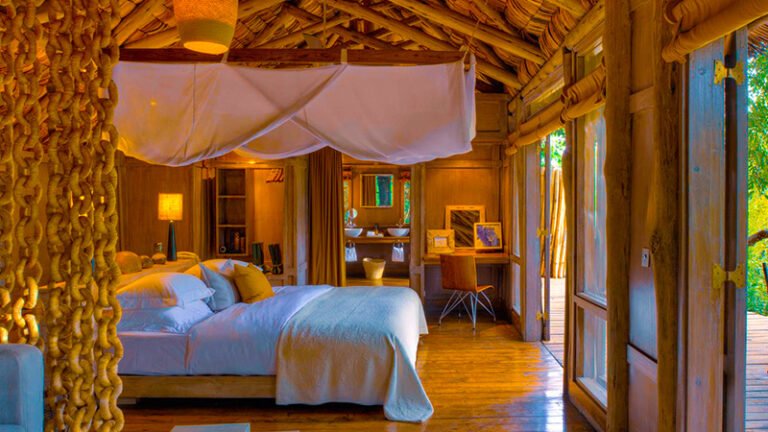
Nyerere & Fanjove Island Luxury Bush-To-Beach Package: Ultimate Itinerary
Discover the ultimate Nyerere & Fanjove Island Luxury Bush-to-Beach Package, expertly designed for 2026-2027. This unique itinerary blends the untamed wilderness of Nyerere National Park...
View package detailsNyerere Walking Safari – Private Guided Experience & Cost Guide
Explore the Nyerere Walking Safari, a unique private guided experience in Tanzania's vast wilderness. This guide details what to expect, estimated costs for 2026-2027, and essential...
View package details
Nyerere Boat Safari & Game Drive Package: Prices & Itinerary 2026-2027
Discover the ultimate Nyerere National Park experience with our comprehensive Boat Safari & Game Drive Packages. This guide details itineraries, pricing for 2026-2027, and essential...
View package details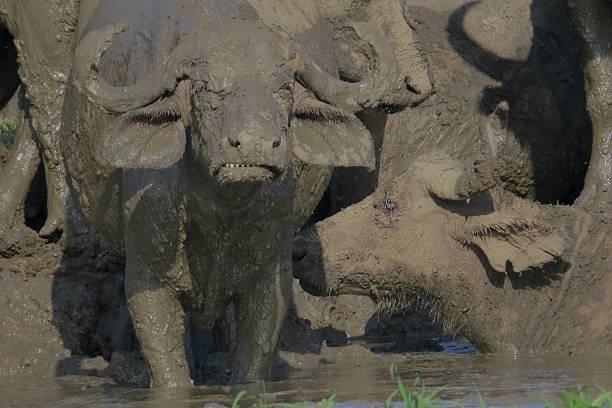
3 Days Luxury Nyerere Fly-In Safari: Price & Itinerary For 2026-2027
Experience the wild heart of Tanzania with a 3-day luxury fly-in safari to Nyerere National Park (formerly Selous). This itinerary focuses on exclusive lodges, private game drives, and...
View package details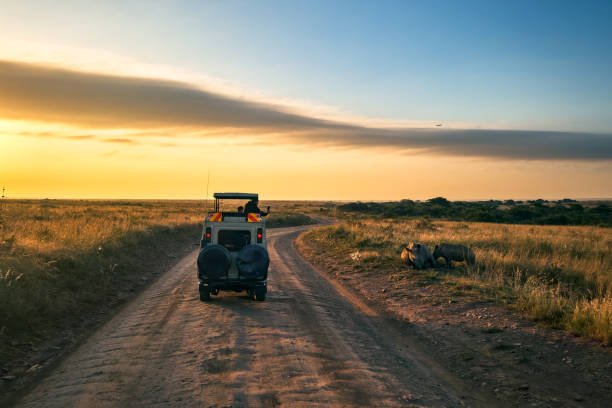
7 Days Ruaha & Nyerere Luxury Safari – Fly-In Itinerary For 2026-2027
Discover an exclusive 7-day luxury fly-in safari itinerary combining the vast wilderness of Ruaha National Park and the unique delta landscapes of Nyerere National Park (formerly Selous)...
View package detailsNo related package matches those filters. Clear one or more filters to see the other topic-matched options.



