Climbing Mount Meru from Arusha typically involves 3-day or 4-day trekking packages that include park fees, guide and porter services, accommodation on the mountain, and meals. Prices can range from approximately $700 to $1200 USD per person for standard packages, with variations based on group size, service level, and inclusions. Transfers from Arusha to the Momella Gate (starting point) are usually included in these packages, often via private vehicle.
Planning Your Mount Meru Climb from Arusha: An Expert Guide
Mount Meru, Tanzania’s second-highest peak, stands majestically at 4,566 meters (14,980 feet) and offers a challenging yet incredibly rewarding trekking experience. Located within Arusha National Park, it serves as an excellent acclimatization climb for those preparing for Mount Kilimanjaro, or as a spectacular trek in its own right. For travelers starting their Tanzanian adventure, Arusha is the most convenient gateway. This guide provides in-depth information on Mount Meru climbing packages, pricing structures, and the essential transfer logistics from Arusha, tailored for trekkers planning their expedition in 2026 and 2027.
Climb 4 Africa specializes in crafting memorable mountain experiences, and our approach to Mount Meru is no different. We understand that clarity on what’s included, the cost, and how you’ll get to the trailhead is crucial for your planning. Whether you’re looking for a budget-friendly option or a more comfortable, all-inclusive package, this guide will help you make an informed decision.
Understanding Mount Meru Trekking Options from Arusha
The ascent of Mount Meru is primarily undertaken via the Miriakamba Hut Route, which is the standard and most popular path. Treks are typically offered in two main durations: a 3-day itinerary and a more comfortable 4-day itinerary. The choice between these largely depends on your fitness level, acclimatization needs, and how much time you wish to spend enjoying the spectacular scenery and diverse wildlife of Arusha National Park.
The 3-Day Mount Meru Itinerary: A Brisk Challenge
The 3-day Mount Meru climb is designed for trekkers with good physical condition and some prior hiking experience. It’s a faster pace, focusing on reaching the summit and returning efficiently. While it’s achievable, it offers less time for acclimatization, making it more demanding for some.
Typical 3-Day Mount Meru Itinerary
- Day 1: Momella Gate to Miriakamba Hut
Begin with a transfer from Arusha to Momella Gate. After park formalities, the trek starts through lush montane forest, passing buffalo, giraffes, and various bird species. The hike is approximately 8-10 km and takes 4-6 hours, ascending to Miriakamba Hut at 2,100 meters. - Day 2: Miriakamba Hut to Saddle Hut
This is a steeper section of the climb, taking you through moorland and alpine zones. The hike is around 4-6 km and can take 3-5 hours, reaching Saddle Hut at 3,500 meters. This is a critical day for acclimatization, and many climbers will attempt a short side trip to the summit of Little Meru (3,800m) in the afternoon. - Day 3: Saddle Hut to Summit and Descent to Momella Gate
An early start (around 2-3 AM) for the summit push to Uhuru Peak (4,566m). The terrain is steep and rocky, often involving scree. The climb to the summit takes 3-5 hours. After enjoying the sunrise and panoramic views, you descend back to Saddle Hut for a short break, then continue down to Miriakamba Hut, and finally back to Momella Gate. The total descent can take 6-8 hours.
The 4-Day Mount Meru Itinerary: A More Relaxed Pace
The 4-day Mount Meru itinerary is generally recommended for most trekkers. It allows for a more gradual ascent, better acclimatization, and more time to appreciate the changing landscapes and reduce the risk of altitude sickness. This extended duration makes the summit attempt more comfortable and enjoyable.
Typical 4-Day Mount Meru Itinerary
- Day 1: Momella Gate to Miriakamba Hut
Transfer from Arusha to Momella Gate (1,500m). Registration and start trek through the forest. Spot wildlife like giraffes, zebras, and monkeys. Arrive at Miriakamba Hut (2,100m) after 4-6 hours of hiking (8-10 km). - Day 2: Miriakamba Hut to Saddle Hut
A more strenuous day ascending through the forest and into the moorland. This section is crucial for acclimatization. The hike takes 3-5 hours (4-6 km) to reach Saddle Hut (3,500m). In the afternoon, you can optionally hike to the summit of Little Meru (3,800m) for acclimatization and stunning views. - Day 3: Saddle Hut to Summit and Descent to Miriakamba Hut
An early morning start (around 2 AM) for the summit push to Uhuru Peak (4,566m). The path is steep and rocky. Reach the summit for sunrise (3-5 hours). After celebrating, descend back to Saddle Hut for breakfast, then continue down to Miriakamba Hut (2,100m) for the night. This descent takes approximately 4-6 hours. - Day 4: Miriakamba Hut to Momella Gate and Return to Arusha
After breakfast, descend from Miriakamba Hut to Momella Gate (4-5 hours, 8-10 km). This descent offers different views and opportunities to spot wildlife. Upon reaching the gate, you’ll be met and transferred back to your hotel in Arusha.
Mount Meru Climbing Package Inclusions and Exclusions
When reviewing Mount Meru climbing packages from Arusha, it’s vital to understand exactly what is covered. Reputable operators like Climb 4 Africa aim for transparency to prevent surprises. Here’s a breakdown of common inclusions and exclusions:
Common Inclusions in Mount Meru Packages:
- Park Entrance Fees: All necessary fees for Arusha National Park, including conservation fees and camping fees (if applicable).
- Accommodation: Overnight stays in mountain huts (Miriakamba Hut and Saddle Hut).
- Guides and Porters: Qualified, licensed mountain guides and a team of porters to carry group gear and personal luggage (usually up to a specified weight limit, e.g., 15 kg).
- Meals: All meals during the trek (breakfast, lunch, dinner) prepared by your trekking crew.
- Water: Boiled or purified water for drinking during the trek.
- Transfers: Round-trip transportation from Arusha to Momella Gate and back.
- Government Taxes: Relevant local government levies.
- Crater Fee: For the summit route.
Common Exclusions in Mount Meru Packages:
- Flights: International flights to and from Kilimanjaro International Airport (JRO) or Arusha Airport (ARK).
- Visas: Tanzanian visa fees.
- Travel Insurance: Comprehensive travel and medical evacuation insurance are mandatory.
- Personal Equipment: Sleeping bags, trekking poles, warm clothing, waterproofs, and personal first-aid kits.
- Tips: Gratuities for guides, porters, and cooks are customary and highly appreciated.
- Personal Expenses: Drinks (other than water), snacks, laundry, and souvenirs.
- Pre/Post Trek Accommodation: Hotels in Arusha before and after the climb.
- Emergency Evacuation: While often included in the package price or arranged by the operator, clarify if a separate fee applies or if it’s covered by your insurance.
Mount Meru Climbing Price Factors and Estimates for 2026-2027
The price of a Mount Meru climbing package from Arusha can vary significantly. Understanding these factors helps in budgeting for your 2026 or 2027 trek. Operators often structure their pricing based on the following:
- Duration: The 4-day itinerary is typically slightly more expensive than the 3-day due to an extra day of guide/porter fees and hut accommodation.
- Group Size: Private climbs are more expensive per person than joining a group climb. Shared or group departures offer a more economical option.
- Service Level: Higher-end operators may offer more experienced guides, better quality equipment, more diverse meal options, and higher porter-to-client ratios, which can increase the price.
- Inclusions: Packages that include more items, such as sleeping bag rental or trekking pole rental, will naturally cost more.
- Time of Year: While Mount Meru can be climbed year-round, peak seasons (generally drier months like January-February and June-October) might see slightly higher demand and potentially higher pricing from some operators, though it’s less pronounced than on Kilimanjaro.
Estimated Price Ranges for 2026-2027:
Based on current market trends and operator offerings, you can expect the following price ranges for a standard Mount Meru climbing package from Arusha:
| Package Type | Duration | Estimated Price Per Person (USD) | Notes |
|---|---|---|---|
| Standard Group/Shared Climb | 3 Days | $700 – $950 | Best value for budget-conscious trekkers. |
| Standard Group/Shared Climb | 4 Days | $800 – $1100 | Recommended for better acclimatization and comfort. |
| Private Climb (2-3 people) | 3 Days | $900 – $1200 | More flexibility and personalized service. |
| Private Climb (2-3 people) | 4 Days | $1000 – $1300 | Ideal for small groups wanting a tailored experience. |
| Higher-End/Luxury Package | 4 Days | $1200+ | May include higher guide ratios, better food, optional gear rental. |
Prices are estimates for 2026-2027 and can vary. Always request a detailed quote.
It’s crucial to get a detailed quote from your chosen tour operator. A reputable company like Climb 4 Africa will provide a clear breakdown of costs and what’s included in their Mount Meru climbing package from Arusha.
Transfers from Arusha to Momella Gate: Logistics and Options
The journey from Arusha to Momella Gate, the starting point for Mount Meru treks, is an integral part of the package. This transfer typically takes 1.5 to 2 hours, depending on road conditions and traffic. Most reputable tour operators, including Climb 4 Africa, will arrange this for you.
What to Expect with Transfers:
- Vehicle Type: You’ll usually travel in a private, sturdy 4×4 safari vehicle, ensuring a comfortable ride even on potentially rougher sections of the road.
- Pick-up Point: Your driver will pick you up directly from your hotel in Arusha. The pick-up time is typically in the morning, allowing ample time to reach the park gate, complete registration, and begin your trek by late morning.
- Driver/Guide: The driver is often your guide for the park introduction and can provide insights into the local area and wildlife as you travel.
- Return Transfer: The package price usually includes the return transfer from Momella Gate back to your Arusha hotel after you complete your descent.
- Booking Integration: Transfers are almost always part of the overall Mount Meru climbing package. You don’t typically book them separately unless you arrange your own independent trek, which is generally not recommended due to safety and logistical complexities.
When you book your Mount Meru climbing package from Arusha with Climb 4 Africa, the transfer logistics are handled seamlessly. We ensure you are picked up on time and transported safely to the trailhead, and back again after your successful climb.
Acclimatization and Altitude Sickness on Mount Meru
Mount Meru reaches 4,566 meters, a significant altitude. Altitude sickness (Acute Mountain Sickness – AMS) is a genuine risk, and proper acclimatization is key to a safe and successful climb. While Meru is lower than Kilimanjaro, its rapid ascent can still pose challenges.
Strategies for Acclimatization:
- Choose the 4-Day Itinerary: The extended duration of the 4-day climb allows for a slower ascent, giving your body more time to adjust to decreasing oxygen levels.
- Ascend Slowly: Stick to the recommended pace set by your guide. Avoid overexertion, especially on the first day.
- Hydrate Well: Drink plenty of fluids – water, herbal teas, or rehydration salts. Aim for 3-4 liters per day.
- Avoid Alcohol and Smoking: These can exacerbate altitude sickness symptoms.
- Eat Well: Consume high-carbohydrate meals, which are easier for your body to digest at altitude.
- Listen to Your Body: Report any symptoms (headache, nausea, dizziness, fatigue) to your guide immediately.
- Consider Pre-Acclimatization: If possible, spend a day or two in Arusha (1,400m) or at a higher altitude before starting the climb.
- Summiting Little Meru: The optional hike to Little Meru (3,800m) on Day 2 of the 4-day trek is an excellent acclimatization exercise.
Your guides are trained to recognize and manage altitude sickness. They will monitor your condition closely and make decisions regarding your trek’s progression based on your health and safety.
What to Pack for Your Mount Meru Climb
Proper gear is essential for comfort and safety on Mount Meru. While porters will carry the bulk of your equipment, you’ll need a daypack for essentials you’ll carry yourself. Below is a packing list, which can often be supplemented by rental services from operators like Climb 4 Africa.
Essential Gear for Mount Meru:
- Clothing:
- – Base layers (thermal tops and bottoms)
- – Mid-layers (fleece jacket or similar)
- – Outer layer (waterproof and windproof jacket and trousers)
- – Insulated jacket (down or synthetic) for summit night
- – Trekking trousers (quick-drying, not jeans)
- – T-shirts (moisture-wicking)
- – Warm hat and gloves
- – Sun hat or cap
- Footwear:
- – Broken-in hiking boots (waterproof recommended)
- – Camp shoes or trainers for evenings
- – Warm hiking socks (wool or synthetic)
- Sleeping:
- – 4-season sleeping bag (can often be rented)
- – Sleeping bag liner (optional, for extra warmth)
- Equipment:
- – Backpack (50-70 liters for porters)
- – Daypack (25-35 liters for essentials)
- – Trekking poles (highly recommended)
- – Headlamp or torch with spare batteries
- – Water bottles or hydration reservoir (at least 2-3 liters capacity)
- – Sunglasses (UV protection)
- – Sunscreen (SPF 30+) and lip balm
- – Basic First-Aid Kit (personal medications, blister treatment, pain relievers)
- – Toiletries (biodegradable soap, toothbrush, toothpaste, wet wipes)
- – Quick-dry towel
- – Camera and spare batteries/power bank
- – Snacks (energy bars, nuts, dried fruit)
- – Passport and necessary documents
- – Cash for tips and personal expenses
Many operators, including Climb 4 Africa, offer equipment rental for items like sleeping bags, trekking poles, and sometimes even jackets. This can be a convenient option if you prefer not to purchase everything new for a single trek. Confirm rental availability and costs when booking your Mount Meru package from Arusha.
Booking Your Mount Meru Climb: When and How for 2026-2027
Booking your Mount Meru climb from Arusha requires careful planning, especially if you’re aiming for specific dates in 2026 or 2027. While Mount Meru can be climbed year-round, certain periods offer better weather conditions.
Best Time to Climb Mount Meru:
- Dry Seasons: The driest and most pleasant months are generally January to February and June to October. During these times, you’ll experience clearer skies and less rainfall, making the trek more comfortable.
- Wet Seasons: March to May and November to December are the wetter periods. While you can still climb, expect more rain, mist, and potentially muddy trails. These months can offer fewer crowds and potentially lower prices.
Booking Timeline for 2026-2027:
- Ideal Window: For peak seasons in 2026 or 2027, it’s advisable to book at least 3-6 months in advance. This secures your preferred dates, especially if you’re joining a group departure or require a private climb.
- Last-Minute Bookings: While possible, last-minute bookings (within 1-2 months) can be more challenging, especially for specific dates or if you require certain accommodations or services. Availability might be limited.
- Group Departures: If you’re flexible and looking to join a shared climb, operators often publish group departure dates for 2026 and 2027 well in advance. Check their websites for schedules.
How to Book:
- Research Operators: Look for reputable tour operators with experience in Tanzanian mountain climbs. Check reviews and credentials. Climb 4 Africa is a trusted choice for Mount Meru climbs from Arusha.
- Request a Quote: Contact operators directly to request a detailed quote for your desired dates and itinerary (3-day or 4-day). Be specific about your needs.
- Review the Itinerary and Inclusions: Ensure the package meets your expectations and clearly outlines all costs and services.
- Make a Deposit: Most operators require a deposit (typically 20-30%) to confirm your booking.
- Final Payment: The remaining balance is usually due 30-60 days before your trek start date.
- Complete Forms: You’ll likely need to fill out booking forms, medical information, and emergency contact details.
For booking your Mount Meru climb from Arusha for 2026 or 2027, reaching out to Climb 4 Africa via WhatsApp +255 747 477 898 or Email climb4africa@gmail.com is a direct way to get personalized assistance and a quote.
Why Choose Mount Meru as a Kilimanjaro Acclimatization Climb?
Many trekkers preparing for Mount Kilimanjaro opt to climb Mount Meru first. This strategic choice offers significant advantages:
- Altitude Acclimatization: Meru’s summit at 4,566 meters provides excellent training for the higher altitudes of Kilimanjaro (5,895 meters). Successfully summiting Meru builds confidence and helps your body adapt to thinner air.
- Physical Conditioning: The steep ascents and varied terrain of Meru are a good test of your physical endurance and prepare you for the demands of a longer Kilimanjaro climb.
- Gear Testing: It’s an ideal opportunity to test your gear in real mountain conditions – from your boots and clothing to your sleeping bag and hydration system.
- Logistical Simplicity: Climbing Meru from Arusha is logistically straightforward and can be easily incorporated into a Tanzanian itinerary before heading to Kilimanjaro Base Camp.
- Stunning Scenery and Wildlife: Arusha National Park is teeming with wildlife, including buffalo, giraffes, and various antelope species. The trek offers unique opportunities to see these animals up close in their natural habitat, adding another dimension to your adventure.
By choosing a Mount Meru climbing package from Arusha as a precursor to Kilimanjaro, you significantly increase your chances of summit success on the higher peak while enjoying a spectacular trek in its own right.
Safety and Emergency Procedures on Mount Meru
Safety is paramount on any mountain expedition. Reputable operators prioritize the well-being of their clients, and Mount Meru is no exception. Understanding the safety measures and emergency protocols is crucial.
Key Safety Measures:
- Experienced Guides: Mount Meru treks are led by highly trained and certified mountain guides. They possess extensive knowledge of the mountain, first aid, and altitude sickness management. They are responsible for monitoring client health, pacing the group, and making critical decisions.
- Communication: Guides carry basic first-aid kits and communication devices. While mobile phone reception can be intermittent, guides are equipped to handle minor emergencies. For serious situations, emergency evacuation plans are in place.
- Emergency Evacuation: Most tour operators include or facilitate emergency evacuation services. This typically involves coordinating with park rangers and arranging for a helicopter or vehicle transfer to a medical facility in Arusha or Nairobi, depending on the severity. Ensure you have comprehensive travel insurance that covers high-altitude trekking and emergency medical evacuation.
- Porter Support: Porters not only carry gear but also provide assistance during descents, especially if a trekker is struggling.
- Park Rangers: Armed rangers patrol Arusha National Park and often accompany groups on Mount Meru, providing an added layer of security, particularly concerning wildlife encounters.
Recognizing Symptoms of Altitude Sickness:
It’s vital for climbers to be aware of the symptoms of AMS:
- Mild AMS: Headache, nausea, dizziness, fatigue, loss of appetite, difficulty sleeping.
- Moderate AMS: Worsening of mild symptoms, increased shortness of breath even at rest, reduced coordination (ataxia).
- Severe AMS (Life-threatening): Pulmonary edema (fluid in lungs) or cerebral edema (fluid in brain). Symptoms include severe headache, disorientation, hallucinations, inability to walk, coughing up frothy sputum, and extreme fatigue.
The cardinal rule for treating altitude sickness is: If symptoms are moderate to severe, descend immediately. Your guide will make this decision based on your condition.
Wildlife Encounters on Mount Meru
Arusha National Park is renowned for its abundant wildlife, and the lower slopes of Mount Meru offer fantastic opportunities for sightings. Keep your eyes peeled during your trek, especially on the first day.
Commonly Sighted Animals:
- Mammals: You are very likely to see Cape buffaloes, giraffes (especially Masai giraffes), colobus monkeys (black and white), Sykes monkeys, various antelope species (like bushbucks and dik-diks), and warthogs. Elephants are present but less frequently seen on the main trekking routes.
- Birds: The park is a birdwatcher’s paradise, with numerous species found in the montane forest, including turacos, hornbills, and various raptors.
Safety Note: While wildlife viewing is a highlight, always maintain a safe distance. Your guides are experienced in navigating the park and will ensure your safety around animals, particularly the formidable Cape buffalo.
Comparing Mount Meru with Other Treks
While Mount Meru is a unique experience, comparing it to other popular treks can help you decide if it’s the right choice for your 2026-2027 adventure.
- Mount Kilimanjaro: Meru is significantly shorter and less technically demanding than Kilimanjaro. It’s an excellent acclimatization climb for Kili, offering a similar but less extreme altitude challenge. Kilimanjaro requires more days (typically 6-9) and involves higher costs.
- Mount Kenya: Mount Kenya offers several trekking routes. Point Lenana (4,985m) is a popular trekking summit, comparable in altitude to Meru but often considered more scenic and varied in its lower sections. Technical climbing routes on Mount Kenya (Batian and Nelion) are for experienced mountaineers.
- Mount Toubkal (Morocco): North Africa’s highest peak at 4,167m. Toubkal is a popular trek, often completed in 2-3 days, and generally less expensive than Meru. It’s a good option for a shorter, high-altitude trek but lacks the unique wildlife and forest ecosystems of Mount Meru.
Mount Meru stands out due to its location within a vibrant national park, offering a blend of challenging trekking and accessible wildlife viewing, all easily accessible from Arusha.
Why Book Your Mount Meru Climb from Arusha with Climb 4 Africa?
Choosing the right tour operator is crucial for a safe, enjoyable, and memorable Mount Meru climb. Climb 4 Africa brings years of experience and local expertise to every trek.
Our Commitment to Your Mount Meru Adventure:
- Expert Local Guides: Our guides are highly trained, certified, and passionate about sharing their knowledge of Mount Meru and Tanzania’s natural beauty. They prioritize your safety and success.
- Comprehensive Packages: We offer clear, all-inclusive Mount Meru climbing packages from Arusha, detailing everything from park fees and meals to transfers and guide services. We strive for transparency in our pricing for 2026-2027.
- Safety First: Your well-being is our top priority. We adhere to strict safety protocols, ensure proper acclimatization guidance, and have robust emergency procedures in place.
- Tailored Experiences: Whether you prefer a 3-day or 4-day trek, a group climb, or a private expedition, we can customize your Mount Meru experience to suit your needs and budget.
- Excellent Value: We provide competitive pricing for our Mount Meru climbing packages, ensuring you receive high-quality service and support without compromising on safety or experience.
- smooth Logistics: From your pick-up in Arusha to the transfers to Momella Gate and your return, we manage all the logistical details so you can focus on the climb.
- Community Support: We believe in responsible tourism and ensure our guides and porters are treated fairly and ethically.
Ready to plan your 2026 or 2027 Mount Meru adventure? Connect with our team for personalized advice and a detailed quote. Let Climb 4 Africa help you conquer Mount Meru!
Contact us today:
WhatsApp: +255 747 477 898
Email: climb4africa@gmail.com
Check Availability for Mount Meru From Arusha: Climbing Packages, Prices & Transfers 2026-2027
Ready to compare dates, prices, and the best option for your group? Send the package name and travel month so the team can reply with a clear quote, availability, and what is included.

Mahale Fly-In Safari From Arusha – Flights, Chimp Trekking & Prices Guide
Discover the magic of Mahale Mountains National Park with a fly-in safari from Arusha. This guide covers essential details on flights, the unforgettable experience of trekking with...
View package details
Katavi Fly-In Safari From Arusha – Your Complete Private Package 2026-2027
Discover the ultimate Katavi fly-in safari from Arusha with Climb 4 Africa's comprehensive private package. This guide details itineraries, what's included, pricing considerations for...
View package details
5 Days Mahale Mountains Chimpanzee Safari – Complete Package For 2026-2027
Discover the ultimate 5 Days Mahale Mountains Chimpanzee Safari. This complete package from Climb 4 Africa offers an unparalleled opportunity to witness wild chimpanzees in Tanzania's...
View package details
4 Days Mahale Chimpanzee Safari: Itinerary & Price Guide 2026-2027
Explore a concise 4-day itinerary for Mahale Mountains National Park, focusing on chimpanzee trekking. This guide covers typical costs, what's included, and essential planning tips for your...
View package detailsPrivate Katavi & Mahale Chimpanzee Safari: Prices, Itinerary & Planning
Discover the ultimate private safari experience in Tanzania's remote Katavi and Mahale Mountains National Parks. This guide details exclusive chimpanzee trekking, wildlife viewing, typical...
View package details
Gombe Chimpanzee Trekking Fees – Total Cost Explained 2026-2027
Gombe Chimpanzee Trekking Fees – Total Cost Explained is explained with current 2026-2027 planning, price, itinerary and booking information.
View package details
Gombe Safari From Kigoma – Chimp Trekking, Boat & Accommodation Guide
Discover the magic of Gombe Stream National Park with this comprehensive guide to planning your safari from Kigoma. Learn about chimp trekking, boat excursions, accommodation choices, and...
View package details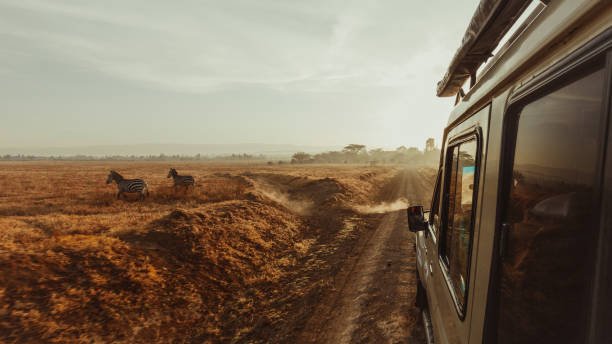
3 Days Gombe Chimpanzee Trekking: Cost, Itinerary & Expert Tips For 2026-2027
Discover the magic of Gombe Stream National Park with a 3-day chimpanzee trekking experience. This guide covers the essential itinerary, estimated costs for 2026-2027, and practical advice...
View package details
Katavi & Mahale Safari Cost /: Flights, Lodges & Chimp Trekking Explained
Understand the estimated costs for a 2026/2027 safari to Katavi and Mahale National Parks in Tanzania, covering flights, accommodation, chimp trekking permits, and essential budget...
View package detailsKilimanjaro Deaths 2026-2027
Kilimanjaro Deaths 2026 is explained with current 2026-2027 planning, price, itinerary and booking information.
View package detailsYanga Africans : Your Ultimate Tanzania Safari And Kilimanjaro Adventure
Your comprehensive guide to planning a Yanga Africans 2026 adventure, covering Kilimanjaro climbs, Tanzania safaris, Zanzibar holidays, and essential travel tips for 2026-2027.
View package detailsYanga Day /: Planning Your Celebration And Travel In Tanzania 2026-2027
Yanga Day, celebrated annually on February 2nd, is a significant cultural event in Tanzania, particularly in the coastal regions. This article explores its meaning, traditions, and how to...
View package detailsNo related package matches those filters. Clear one or more filters to see the other topic-matched options.



