
The choice between a 3-day and 4-day Mount Meru trek primarily hinges on your acclimatization needs, fitness level, and desire for a more relaxed pace; the 4-day itinerary offers significantly better acclimatization and a higher success rate, especially for those new to altitude, while the 3-day trek is faster but more demanding and potentially riskier due to quicker ascent. Costs typically differ by around $100-$200 per person, reflecting the additional day of guiding, porterage, meals, and accommodation. For most trekkers aiming for enjoyment and success in 2026-2027, the 4-day Mount Meru itinerary is generally the better and recommended option.
Understanding Mount Meru Trek Durations: 3 Days vs. 4 Days
Mount Meru, standing at 4,566 meters (14,980 feet), is Tanzania’s fifth-highest peak and a popular trek, often used as preparation for Mount Kilimanjaro. The decision between a 3-day and a 4-day trek is crucial for managing altitude sickness and ensuring an enjoyable experience. While both routes ascend the same mountain, the difference in duration profoundly impacts the physical demands and acclimatization process. This guide will dissect the specifics of each duration, focusing on cost, itinerary, and which is the superior choice for your adventure in 2026 or 2027.
Key Differences at a Glance
- Pace: 4-day is slower, allowing better acclimatization; 3-day is rapid and strenuous.
- Acclimatization: Significantly better on the 4-day trek.
- Success Rate: Higher for the 4-day itinerary.
- Cost: 4-day trek is approximately $100-$200 more expensive per person.
- Physical Demand: 3-day trek is much more demanding due to rapid ascent.
The 3-Day Mount Meru Itinerary: A Race Against Altitude
The 3-day Mount Meru trek is designed for those with limited time or excellent acclimatization capabilities. It’s a direct and challenging ascent, aiming to get you to the summit and back within a tight timeframe. This itinerary is often chosen by individuals who have recently trekked at high altitudes or are very confident in their physical condition.
Typical 3-Day Mount Meru Route Breakdown
This itinerary typically follows the most direct path, often starting from the Momella Gate and progressing rapidly.
- Day 1: Momella Gate (1,500m) to Miriakamba Hut (2,514m)
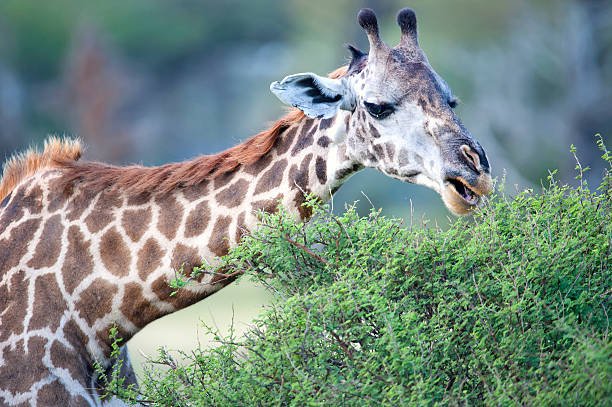
The trek begins at Momella Gate, where you’ll register and meet your guides. The initial hike is through lush montane forest, often teeming with wildlife like giraffes, zebras, and various monkeys. The trail is steep in sections but offers beautiful views. The ascent to Miriakamba Hut takes approximately 4-6 hours. - Day 2: Miriakamba Hut (2,514m) to Saddle Hut (3,570m)
This is a significant day of ascent. The path becomes more rugged as you climb above the treeline into moorland. The air thins considerably. You’ll pass the Saddle Hut, which is often used as a base for the final summit push. Some 3-day itineraries might involve reaching Saddle Hut and immediately preparing for a late-night summit attempt, or resting briefly before an early morning start. The trek duration is around 3-5 hours. - Day 3: Saddle Hut (3,570m) to Summit (Socialism Peak, 4,566m) and Descent to Momella Gate
This is the longest and most challenging day. The summit attempt usually begins around 1-2 AM. The path is steep, scree-covered, and requires using your hands in places, especially on the final ridge to Socialism Peak. You aim to reach the summit by sunrise for spectacular views over Kilimanjaro and the surrounding plains. After celebrating at the top, you’ll descend back to Saddle Hut for a short rest, then continue all the way down to Miriakamba Hut, and finally to Momella Gate. This descent is long and can be tough on the knees, taking 8-12 hours in total.
Pros of the 3-Day Mount Meru Trek
- Time Efficient: Ideal for those with a tight schedule.
- Cost-Effective (Slightly): Shorter duration means fewer operational days, leading to a marginally lower cost.
- Sense of Accomplishment: Completing a rapid ascent can be very rewarding.
Cons of the 3-Day Mount Meru Trek
- High Risk of Altitude Sickness: The rapid ascent gives the body very little time to acclimatize, increasing the chances of developing Acute Mountain Sickness (AMS).
- Physically Demanding: The long summit day combined with a quick approach makes it extremely strenuous.
- Lower Success Rate: Due to altitude sickness and fatigue, fewer people successfully reach the summit on the 3-day itinerary compared to the 4-day.
- Less Enjoyable: The rush and physical strain can detract from the overall experience and the appreciation of the mountain’s beauty.
The 4-Day Mount Meru Itinerary: Prioritizing Acclimatization and Enjoyment
The 4-day Mount Meru trek is the more common and recommended itinerary by experienced guides and operators. It builds in crucial rest and acclimatization time, significantly improving the chances of reaching the summit comfortably and safely. This is the preferred choice for most trekkers, especially those planning a Mount Kilimanjaro climb in 2026-2027.
Typical 4-Day Mount Meru Route Breakdown
This itinerary also starts from Momella Gate but spreads the ascent over an extra day, incorporating a night at a higher camp before the summit push.
- Day 1: Momella Gate (1,500m) to Miriakamba Hut (2,514m)
Identical to the 3-day itinerary. The trek begins through the rainforest, offering wildlife viewing opportunities and a steady, albeit steep, climb to Miriakamba Hut. This day helps start the acclimatization process. Duration: 4-6 hours. - Day 2: Miriakamba Hut (2,514m) to Saddle Hut (3,570m)
Also similar to the 3-day trek, this day involves a steeper ascent through the moorland zone. The scenery changes dramatically as you gain altitude. Reaching Saddle Hut provides a good base camp for the summit attempt. Duration: 3-5 hours. - Day 3: Saddle Hut (3,570m) – Acclimatization and Short Hike
This is the key differentiator. Instead of proceeding directly to the summit, this day is dedicated to acclimatization. Trekkers often undertake a short hike towards the summit or to Little Meru (3,801m) in the morning. This helps the body adjust to the altitude, and they return to Saddle Hut for a full day of rest, hydration, and preparation for the main summit push on Day 4. This rest and acclimatization are invaluable. - Day 4: Saddle Hut (3,570m) to Summit (Socialism Peak, 4,566m) and Descent to Momella Gate
The summit attempt begins in the early hours (around 2 AM). The climb is challenging, involving steep, rocky, and scree sections. Reaching the summit by sunrise is a highlight, offering panoramic views. After summiting, the descent is made back to Saddle Hut for a brief rest, and then continues all the way down past Miriakamba Hut to Momella Gate. This is still a long day, but the acclimatization gained the previous day makes it more manageable. Duration: 10-14 hours.
Pros of the 4-Day Mount Meru Trek
- Superior Acclimatization: The extra day significantly aids the body’s adaptation to altitude, reducing AMS risk.
- Higher Success Rate: More trekkers reach the summit due to better acclimatization and a more manageable pace.
- More Enjoyable Experience: Allows for a more relaxed pace, better appreciation of scenery, and reduced physical strain.
- Better Preparation for Kilimanjaro: Provides a more realistic simulation of high-altitude trekking for those preparing for Kilimanjaro in 2026-2027.
Cons of the 4-Day Mount Meru Trek
- Slightly Higher Cost: Involves an additional day of guiding, food, and support, making it more expensive than the 3-day option.
- Requires More Time: If you have extremely limited time, this itinerary might not fit.
Comparing the Costs: 3 Days vs. 4 Days Mount Meru
The cost difference between the 3-day and 4-day Mount Meru treks is a significant factor for many travelers planning their 2026-2027 adventures. While both itineraries utilize the same park fees and entry requirements, the operational costs vary due to the additional day of service provided on the longer trek.
Factors Influencing Mount Meru Trek Costs
The overall cost of a Mount Meru trek is determined by several components, regardless of duration:
- Park Fees: These are government-mandated and fixed per day. For Mount Meru, expect conservation fees, camping fees, and rescue fees. These are usually the largest portion of the cost.
- Guide and Porter Fees: You are required to have at least one licensed guide. Porters are also mandatory for carrying equipment. The longer the trek, the more days these personnel are employed.
- Accommodation: Hut fees are charged per person per night. A 4-day trek involves one extra night of accommodation.
- Food and Water: Meals and purified water are provided by the tour operator. An extra day means an extra day of provisions.
- Equipment: While you bring personal gear, operators provide tents (if camping is an option, though Meru uses huts), cooking equipment, and first-aid kits.
- Transport: Transport from Arusha to Momella Gate and back.
- Overhead Costs: Tour operator’s administrative costs, insurance, and profit margin.
Estimated Cost Differences (2026-2027)
For 2026 and 2027, a typical estimate for the 3-day Mount Meru trek might range from $600 to $900 per person, depending on the operator and inclusions. The 4-day Mount Meru trek will generally be $100 to $200 more expensive, placing it in the range of $700 to $1100 per person.
Why the difference?
- One Extra Day of Guide/Porter Wages: This is a direct labor cost.
- One Extra Night of Hut Fees: Charged per person.
- Additional Food and Water: For one extra day for the client and support crew.
- Slightly Increased Logistics: Managing the crew for an additional day.
It’s crucial to understand what is included in the price. Reputable operators like Climb 4 Africa will clearly outline inclusions such as park fees, guide/porter salaries, meals, accommodation, and transport. Exclusions typically include tips for the crew, personal gear, travel insurance, and visa fees.
Cost Comparison Summary (Estimated Per Person for 2026-2027)
| Itinerary Duration | Estimated Cost Range (USD) | Key Cost Drivers |
|---|---|---|
| 3-Day Mount Meru | $600 – $900 | Fewer operational days, less food/water, fewer guide/porter days. |
| 4-Day Mount Meru | $700 – $1100 | Includes one extra day of park fees, hut fees, guide/porter wages, food, and logistics. |
Note: Prices are estimates and can vary based on operator, group size, and specific inclusions. Always request a detailed quote.
Which Itinerary Is Better for You? Making the Decision
The “better” itinerary is subjective and depends entirely on your personal circumstances, goals, and physical condition. Here’s a breakdown to help you decide for your 2026-2027 trek:
Choose the 3-Day Itinerary If:
- Time is extremely limited: You only have 3 days available for the entire trek experience, including travel to/from the gate.
- You have recent high-altitude experience: You’ve successfully trekked above 4,000m recently and acclimatized well.
- You are very fit and acclimatize quickly: You are confident in your body’s ability to handle rapid altitude gain.
- Budget is a primary concern, and you accept the risks: You understand the higher risk of AMS and are prepared for a more strenuous challenge.
Choose the 4-Day Itinerary If:
- Your priority is success and enjoyment: You want the best chance of reaching the summit and having a positive experience.
- You are new to high-altitude trekking: This is your first mountain trek or you have limited experience above 3,000m.
- You are preparing for Mount Kilimanjaro: This itinerary provides better acclimatization and a more realistic training experience for Kili.
- You prefer a more relaxed pace: You want to enjoy the scenery and the journey without excessive rush or fatigue.
- You want to minimize the risk of altitude sickness: Acclimatization is key to a safe and successful trek.
Expert Recommendation for 2026-2027
For the vast majority of trekkers planning a Mount Meru climb in 2026 or 2027, the 4-day itinerary is the superior choice. The incremental cost is minimal compared to the significant benefits in acclimatization, safety, and overall enjoyment. Mount Meru is a beautiful but challenging mountain, and respecting its altitude by allowing adequate acclimatization is paramount. A successful and memorable trek is far more valuable than saving a small amount of money at the expense of comfort and achievement.
Preparing for Your Mount Meru Trek: Regardless of Duration
Whether you choose the 3-day or 4-day option, thorough preparation is key to a successful trek. Here are essential considerations for 2026-2027:
Physical Fitness
Mount Meru is steep. Focus on cardiovascular fitness (running, cycling, hiking with a pack) and leg strength (squats, lunges). Practice hiking on uneven terrain with a weighted backpack.
Acclimatization Strategy
While the 4-day trek offers built-in acclimatization, understanding the principles is vital. Ascend slowly, hydrate well, avoid alcohol and smoking, and listen to your body. If symptoms of AMS appear, communicate them to your guide immediately.
Gear and Packing
Essential gear includes:
- Layered clothing (base, mid, outer shell)
- Waterproof and windproof jacket and trousers
- Warm hat and gloves
- Sturdy hiking boots (broken in)
- Headlamp with extra batteries
- Sunscreen, sunglasses, and lip balm
- Water bottles or hydration reservoir
- Personal first-aid kit
- Trekking poles (highly recommended)
Your tour operator will provide a detailed packing list.
Mental Preparation
Trekking at altitude is as much a mental challenge as a physical one. Be prepared for potentially uncomfortable conditions, steep ascents, and early starts. A positive attitude and determination are crucial.
The Role of Tour Operators in Your Mount Meru Experience
Choosing the right tour operator is as important as selecting the correct itinerary duration. For your 2026-2027 Mount Meru adventure, consider operators with a strong track record, experienced guides, and a commitment to safety.
Why Climb 4 Africa for Your Mount Meru Trek?
At Climb 4 Africa, we specialize in creating unforgettable trekking experiences in Tanzania. We understand the nuances of altitude, acclimatization, and client safety. For Mount Meru, we strongly advocate for the 4-day itinerary because we prioritize our clients’ success and well-being. Our packages are designed to offer excellent value, including:
- Experienced, certified guides trained in wilderness first aid and altitude management.
- Quality meals prepared by our camp cooks.
- Reliable transport to and from the mountain.
- Supportive and efficient porter teams.
- Transparent pricing with clear inclusions and exclusions.
We can help you tailor your Mount Meru trek to fit your specific needs, whether you are using it as a standalone trek or as vital preparation for climbing Mount Kilimanjaro in 2026 or 2027.
Frequently Asked Questions about 3 vs. 4 Day Mount Meru Treks
Here are answers to common questions potential trekkers have regarding the 3-day versus 4-day Mount Meru itineraries:
Is the 3-day Mount Meru trek dangerous?
The 3-day Mount Meru trek is not inherently dangerous if undertaken by individuals with excellent fitness, prior high-altitude experience, and a good understanding of their body’s response to altitude. However, the rapid ascent significantly increases the risk of Acute Mountain Sickness (AMS), which can range from mild discomfort to severe, life-threatening conditions if not managed properly. The accelerated pace leaves less room for acclimatization, making it riskier than the 4-day option.
Can I do Mount Meru in 2 days?
While technically possible for extremely fit and acclimatized individuals, a 2-day Mount Meru trek is highly discouraged by all reputable operators and park authorities. It would involve an extremely rapid ascent with virtually no acclimatization, making it exceptionally dangerous and likely to result in severe altitude sickness and failure to reach the summit. The minimum recommended duration is 3 days, with 4 days being the standard and safest option.
Which itinerary is better for Kilimanjaro preparation?
The 4-day Mount Meru itinerary is significantly better for preparing for Mount Kilimanjaro. It provides a more realistic simulation of high-altitude trekking, including crucial acclimatization periods. Experiencing the summit push after a night at Saddle Hut and completing the long descent will give you invaluable insight into your body’s response to altitude and the physical demands of climbing a major peak. The 3-day trek is too rushed to offer effective preparation.
What is the typical success rate for each itinerary?
While exact figures vary, the success rate for the 4-day Mount Meru trek is considerably higher, often estimated at 70-85%. The 3-day itinerary typically sees a success rate closer to 40-60%, largely due to higher instances of AMS and exhaustion.
Are park fees different for 3 vs. 4 days on Mount Meru?
Yes, park fees are calculated daily. Both the conservation fee and the camping/hut fee are charged per person per day. Therefore, a 4-day trek will incur one additional day of these mandatory fees compared to a 3-day trek. This is a primary reason for the cost difference.
What should I pack for either itinerary?
Packing essentials are similar for both, focusing on layers for changing temperatures, waterproofs, good hiking boots, a warm hat and gloves, a headlamp, sun protection, and trekking poles. Your specific operator will provide a comprehensive packing list tailored to Mount Meru.
Conclusion: Prioritize Safety and Success with the 4-Day Mount Meru Trek
When comparing the 3 vs. 4 days Mount Meru options, the choice boils down to risk tolerance, time constraints, and the desire for a successful, enjoyable experience. While the 3-day trek offers a faster, slightly cheaper alternative, it comes with significantly increased risks of altitude sickness and a lower success rate. The 4-day Mount Meru itinerary, at a modest additional cost of approximately $100-$200 per person, provides the crucial acclimatization needed for a safer and more rewarding climb. For trekkers planning their adventures in 2026-2027, especially those using Mount Meru as preparation for Mount Kilimanjaro, the 4-day trek is unequivocally the recommended path.
At Climb 4 Africa, we are committed to providing you with a safe, memorable, and successful Mount Meru experience. We believe the 4-day itinerary is the best way to achieve this. Let us help you plan your climb.
For inquiries or to request a personalized quote for your 2026-2027 Mount Meru adventure, please contact us:
WhatsApp: +255 747 477 898
Email: climb4africa@gmail.com
We look forward to helping you conquer Mount Meru!
Check Availability for 3 Vs 4 Days Mount Meru: Cost & Which Itinerary Is Better? | Climb 4 Africa
Ready to compare dates, prices, and the best option for your group? Send the package name and travel month so the team can reply with a clear quote, availability, and what is included.
5 Days Mahale Mountains Chimpanzee Safari – Complete Package For 2026-2027
Discover the ultimate 5 Days Mahale Mountains Chimpanzee Safari. This complete package from Climb 4 Africa offers an unparalleled opportunity to witness wild chimpanzees in Tanzania's...
View package details
4 Days Mahale Chimpanzee Safari: Itinerary & Price Guide 2026-2027
Explore a concise 4-day itinerary for Mahale Mountains National Park, focusing on chimpanzee trekking. This guide covers typical costs, what's included, and essential planning tips for your...
View package details
3 Days Gombe Chimpanzee Trekking: Cost, Itinerary & Expert Tips For 2026-2027
Discover the magic of Gombe Stream National Park with a 3-day chimpanzee trekking experience. This guide covers the essential itinerary, estimated costs for 2026-2027, and practical advice...
View package details
Gombe Chimpanzee Trekking Fees – Total Cost Explained 2026-2027
Gombe Chimpanzee Trekking Fees – Total Cost Explained is explained with current 2026-2027 planning, price, itinerary and booking information.
View package details
Private Katavi & Mahale Chimpanzee Safari: Prices, Itinerary & Planning
Discover the ultimate private safari experience in Tanzania's remote Katavi and Mahale Mountains National Parks. This guide details exclusive chimpanzee trekking, wildlife viewing, typical...
View package details
Katavi & Mahale Safari Cost /: Flights, Lodges & Chimp Trekking Explained
Understand the estimated costs for a 2026/2027 safari to Katavi and Mahale National Parks in Tanzania, covering flights, accommodation, chimp trekking permits, and essential budget...
View package details
Gombe Safari From Kigoma – Chimp Trekking, Boat & Accommodation Guide
Discover the magic of Gombe Stream National Park with this comprehensive guide to planning your safari from Kigoma. Learn about chimp trekking, boat excursions, accommodation choices, and...
View package details
Katavi Fly-In Safari From Arusha – Your Complete Private Package 2026-2027
Discover the ultimate Katavi fly-in safari from Arusha with Climb 4 Africa's comprehensive private package. This guide details itineraries, what's included, pricing considerations for...
View package detailsMahale Fly-In Safari From Arusha – Flights, Chimp Trekking & Prices Guide
Discover the magic of Mahale Mountains National Park with a fly-in safari from Arusha. This guide covers essential details on flights, the unforgettable experience of trekking with...
View package detailsKilimanjaro Deaths 2026-2027
Kilimanjaro Deaths 2026 is explained with current 2026-2027 planning, price, itinerary and booking information.
View package detailsYanga Africans : Your Ultimate Tanzania Safari And Kilimanjaro Adventure
Your comprehensive guide to planning a Yanga Africans 2026 adventure, covering Kilimanjaro climbs, Tanzania safaris, Zanzibar holidays, and essential travel tips for 2026-2027.
View package detailsYanga Day /: Planning Your Celebration And Travel In Tanzania 2026-2027
Yanga Day, celebrated annually on February 2nd, is a significant cultural event in Tanzania, particularly in the coastal regions. This article explores its meaning, traditions, and how to...
View package detailsNo related package matches those filters. Clear one or more filters to see the other topic-matched options.



