Updated planning guide for 2026-2027
6-Day Serengeti Migration Photography Safari: Best Guide 2026-2027
Discover how to plan and execute a successful 6-Day Serengeti Migration Photography Safari. This comprehensive guide covers everything from choosing the best time to capture the action to packing the right gear and understanding the logistics.
WhatsApp +255616946642 | topguideadventures@gmail.com | info@topguideadventures.com

6-Day Serengeti Migration Photography Safari: Your Essential Planning Guide
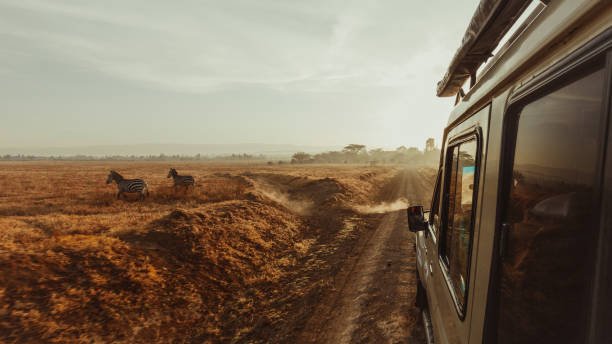
The Great Migration in the Serengeti is one of nature’s most dramatic spectacles. For photographers, it offers unparalleled opportunities to capture breathtaking wildlife action. A 6-day Serengeti Migration Photography Safari is an excellent way to immerse yourself in this phenomenon, focusing your time on the prime locations and moments. This guide provides everything you need to know to plan an unforgettable photography expedition in 2026-2027.
Table of Contents
- Quick Facts
- Overview: The Serengeti Migration
- Why a Dedicated Photography Safari?
- Best Time for a 6-Day Migration Safari
- Serengeti Migration Route Overview
- Sample 6-Day Serengeti Migration Itinerary
- What to Expect on Your Safari
- Photography Gear and Tips
- Packing List for Your Safari
- Common Mistakes to Avoid
- Who is This Safari Best Suited For?
- Alternatives to a 6-Day Safari
- Planning Your 2026-2027 Safari
- Booking Your Safari
- Frequently Asked Questions
Quick Facts
| Aspect | Details |
|---|---|
| Duration | 6 Days / 5 Nights |
| Focus | Great Migration, Wildlife Photography |
| Primary Location | Serengeti National Park, Tanzania |
| Accommodation | Tented Camps, Lodges (various comfort levels) |
| Best Months | Varies by migration location (see ‘Best Time’ section) |
| Typical Activities | Game drives, wildlife viewing, photography |
| Travel Style | Private vehicle, specialized photography vehicle (optional) |
Overview: The Great Migration
The Serengeti ecosystem is home to the largest terrestrial mammal migration on Earth. Over 1.5 million wildebeest, along with hundreds of thousands of zebras and gazelles, traverse the plains in a continuous, circular journey. This epic movement is driven by the search for fresh grazing land and water, dictated by the seasonal rains. The migration is not a single event but a year-round cycle, with different stages offering unique photographic opportunities, from dramatic river crossings to calving seasons and predator-prey interactions.
A 6-day safari allows for focused exploration of a specific region where the migration is known to be present. This concentrated timeframe means less travel time between distant areas and more time in the field, maximizing your chances of capturing compelling images. It’s an opportunity to witness and photograph the raw power and beauty of the African wilderness.
Why a Dedicated Photography Safari?
While any safari in the Serengeti offers incredible wildlife viewing, a dedicated photography safari is tailored to the needs of photographers. This often means:
- Early morning and late afternoon departures: Maximizing the ‘golden hours’ for soft, dramatic light.
- Flexible game drives: Staying longer at sightings, or returning to a location if conditions improve.
- Specially adapted vehicles: Open-sided vehicles for unobstructed views, sometimes with low seating or beanbags for camera support.
- Experienced guides: Guides knowledgeable about animal behavior and prime photographic locations, often with photography experience themselves.
- Smaller group sizes: Ensuring everyone has space and clear views without jostling for positions.
- Focus on composition and light: The pace is set by photographic opportunities, not just ticking off sightings.
For those serious about capturing high-quality images of the migration, a specialized photography safari elevates the experience beyond a standard tourist trip.
Best Time for a 6-Day Migration Safari
The timing of your 6-day Serengeti Migration Photography Safari is crucial, as the location and activity of the herds change throughout the year. Here’s a breakdown by season:
Migration Timing and Photography Opportunities
| Period | Location | Key Activity | Photographic Highlights |
|---|---|---|---|
| December – March | Southern Serengeti (Ndutu Area) | Calving Season | Vast herds on the plains, newborn wildebeest, predator action (lions, cheetahs, hyenas hunting) around the vulnerable young. Soft morning light on the open plains. |
| April – May | Central & Western Serengeti | Wildebeest dispersal, moving north | Herds spread out, fewer concentrated dramatic events but still abundant wildlife. Can be a quieter time for photography with fewer crowds. Rains can create lush green backdrops. |
| June – July | Western Corridor (Grumeti River) | River Crossings (potential) | The most iconic and dramatic river crossings. Crocodiles and hippos await. Highly unpredictable timing, but the spectacle is immense if you catch it. Lush green scenery. |
| August – October | Northern Serengeti (Mara River) | River Crossings (most likely) | The most famous and predictable river crossings of the Mara River. Massive herds, intense predator-prey drama, high photographic action. This is often considered the prime time for migration photography. |
| November | Central/Eastern Serengeti | Moving South | Herds are on the move again, often in scattered groups. Can offer good photography as they head towards the southern plains. |
For a 6-day safari, focusing on either the Southern Serengeti (December-March) for calving or the Northern Serengeti (August-October) for river crossings offers the highest probability of witnessing spectacular events. However, any time can yield incredible sightings. Consult with your tour operator for the most current migration reports when planning for 2026-2027.
Serengeti Migration Route Overview
The Serengeti National Park is vast, and understanding the general movement of the migration helps in planning your safari. While the exact path varies year to year, the cycle is relatively consistent.
Serengeti Migration Cycle (Simplified)
Note: This is a general guide. Actual locations depend on rainfall and local conditions.
- December – March: Southern Plains & Ndutu Area (bordering Ngorongoro Conservation Area). Herds graze and calve here.
- April – May: Moving North-West. Herds disperse across the central and western Serengeti.
- June – July: Western Corridor. Herds converge for the Grumeti River crossings.
- July – October: Northern Serengeti. Herds gather and cross the Mara River.
- November: Moving South-East. Herds head back towards the southern plains.
A 6-day safari is best spent focusing on one or two of these key areas to minimize travel time and maximize photographic opportunities within that specific phase of the migration.
Sample 6-Day Serengeti Migration Itinerary
This sample itinerary focuses on the Northern Serengeti during the peak river crossing season (August-October). It can be adapted for other migration phases and locations.
Sample 6-Day Northern Serengeti Photography Safari
Focus: Mara River Crossings & Northern Serengeti Wildlife
Best for: August – October
| Day | Morning Activity | Afternoon Activity | Evening | Overnight Location |
|---|---|---|---|---|
| Day 1 | Arrive Kilimanjaro (JRO), transfer to Arusha for overnight or direct flight to Seronera Airstrip (SEU), Serengeti. Meet guide, drive towards Northern Serengeti. | First game drive en route to camp/lodge. Look for general wildlife and landscape shots. | Dinner and overnight at your chosen camp/lodge. | Northern Serengeti Camp/Lodge |
| Day 2 | Full day dedicated to photography around the Mara River. Search for herds gathering and potential crossings. Focus on predator action. | Continue game drives, focusing on wildlife behavior and interactions. | Sundowners and dinner. Review photos. | Northern Serengeti Camp/Lodge |
| Day 3 | Early morning game drive focusing on the Mara River crossings. Patience is key. | Picnic lunch by the river. Afternoon game drive exploring the northern plains for resident wildlife and migration herds. | Dinner and overnight. Discuss tomorrow’s strategy. | Northern Serengeti Camp/Lodge |
| Day 4 | Another full day in the Northern Serengeti. Explore different river tributaries or areas where herds are congregating. | Focus on landscape photography with the migration in the foreground, or specific predator encounters. | Relax at camp, share experiences. | Northern Serengeti Camp/Lodge |
| Day 5 | Morning game drive in the Northern Serengeti, perhaps heading slightly south to capture herds in different habitats. | Drive towards the central Serengeti (Seronera area) with game viewing en route. | Dinner and overnight in the central Serengeti. | Central Serengeti Lodge/Camp |
| Day 6 | Early morning game drive in the central Serengeti, known for its resident predators. | Transfer to Seronera Airstrip (SEU) for your flight back to Kilimanjaro (JRO) or Arusha (ARK) for your onward journey. | Departure | N/A |
Customization Note: This itinerary can be adjusted. For example, if focusing on the calving season, days 1-5 would be spent in the Southern Serengeti/Ndutu area, and day 6 would involve a drive back towards Arusha or a flight from a southern airstrip.
What to Expect on Your Safari
A 6-day Serengeti Migration Photography Safari is an immersive experience. Here’s what you can generally anticipate:
- Early Starts: Most photography is best done during the ‘golden hours’ of dawn and dusk. Expect to be up before sunrise.
- Long Hours in the Vehicle: You will spend significant time on game drives, often for several hours at a time.
- Dust: The Serengeti is dusty, especially during the dry season. Protect your camera gear.
- Unpredictability: Wildlife is wild. River crossings are never guaranteed. Patience and flexibility are essential.
- Varying Light Conditions: From the soft glow of sunrise to the harsh midday sun, you’ll encounter diverse lighting.
- Abundant Wildlife: Beyond the migration, the Serengeti is home to lions, leopards, cheetahs, elephants, giraffes, rhinos, and countless bird species.
- Remote Locations: Depending on the migration’s location, you might be quite far from major towns. Mobile camps are common, offering a true wilderness feel.
- Comfort Levels: Accommodation ranges from basic but comfortable tented camps to luxury lodges. Choose based on your budget and preferences.
Photography Gear and Tips
To make the most of your 6-day Serengeti Migration Photography Safari, consider the following:
Essential Photography Gear
- Camera Bodies: At least one reliable DSLR or mirrorless camera. A backup body is advisable for longer trips or critical shoots.
- Lenses:
- Telephoto Lens: A 100-400mm, 150-600mm, or a 300mm/400mm prime lens is crucial for wildlife.
- Mid-Range Zoom: A 24-70mm or 24-105mm is useful for wider shots, landscapes, or when animals are close.
- Wide-Angle Lens (Optional): For dramatic landscapes or large herds filling the frame.
- Tripod/Monopod: Often impractical in vehicles. A sturdy beanbag is more useful for camera support in the vehicle.
- Extra Batteries & Memory Cards: You’ll be shooting a lot! Ensure you have plenty of storage and power.
- Cleaning Kit: Lens cloths, blower, sensor cleaning kit (if comfortable using). Dust is everywhere.
- Camera Bag: A comfortable, padded bag to protect your gear.
- Rain Cover: For your camera and bag, especially during the wet season.
- Laptop/Tablet: For backing up photos and reviewing them.
- Power Bank: To charge devices on the go.
Photography Tips for the Migration:
- Know Your Gear: Practice before you go. Understand your camera’s settings for different light and action.
- Shoot in RAW: This gives you maximum flexibility in post-processing.
- Focus on the Action: Look for interactions between predators and prey, dramatic river crossings, and the sheer scale of the herds.
- Capture the Scale: Use wide-angle lenses or include elements like trees or distant horizons to show the vastness of the migration.
- Look for Details: The texture of the wildebeest coats, the expression of an animal, or the patterns in the dust kicked up by hooves can make compelling images.
- Be Patient: Great shots often require waiting for the right moment.
- Respect Wildlife: Maintain a safe distance. Never disturb animals. Your guide will ensure this.
- Utilize Golden Hours: Early mornings and late afternoons provide the best light.
- Experiment with Shutter Speed: Use fast speeds to freeze action, and slower speeds (with a stable camera) to show movement, especially in river crossings.
Packing List for Your Safari
Packing smart is essential for comfort and practicality. Layers are key, as temperatures can vary significantly between day and night.
Safari Packing Essentials
- Clothing:
- Neutral-colored clothing (khaki, beige, olive green) – Avoid bright colors and dark blue/black (can attract tsetse flies).
- Long-sleeved shirts and trousers (for sun protection and evenings).
- T-shirts and comfortable shorts/trousers for daytime.
- A warm fleece or jacket for cold early mornings and evenings.
- A light waterproof jacket or poncho.
- Comfortable walking shoes or hiking boots (if planning any bush walks).
- Sandals or flip-flops for relaxing at camp.
- Socks.
- Accessories:
- Sun hat with a wide brim.
- Sunglasses.
- Scarf or bandana (for dust).
- Insect repellent (with DEET).
- Sunscreen (high SPF).
- Lip balm with SPF.
- Small backpack or daypack.
- Water bottle (reusable is encouraged).
- Health:
- Personal first-aid kit.
- Any personal medications.
- Malaria prophylaxis (consult your doctor).
- Hand sanitizer.
- Other:
- Binoculars (essential for spotting wildlife).
- Camera gear (as listed above).
- Travel adapter and power bank.
- Headlamp or flashlight (useful in camps).
- Book or journal.
- Copies of important documents (passport, visa, insurance).
Common Mistakes to Avoid
To ensure your 6-day Serengeti Migration Photography Safari is a success, be aware of these common pitfalls:
- Poor Timing: Not researching the migration’s location and activity for the specific month you plan to travel.
- Over-Packing: Especially if flying between camps, luggage weight limits apply. Stick to soft bags if possible.
- Underestimating Travel Time: The Serengeti is huge. Distances can be long, and game drives take time. A 6-day trip means you can’t see everything.
- Not Preparing for Dust: Not protecting camera gear or having bandanas can lead to frustration.
- Expecting Guarantee: River crossings are natural events and cannot be guaranteed. Be prepared to enjoy other aspects of the migration and Serengeti wildlife.
- Not Informing Your Operator: If you are a keen photographer, tell your tour operator upfront. They can arrange specialized vehicles and guides.
- Ignoring Your Guide: Guides have invaluable knowledge. Listen to their advice on wildlife, photography, and safety.
- Focusing Only on the Migration: The Serengeti has incredible resident wildlife. Don’t miss opportunities to photograph lions, leopards, or other animals just because they aren’t part of the main herd.
- Forgetting Binoculars: Essential for spotting distant animals and appreciating the details.
Who is This Safari Best Suited For?
A 6-Day Serengeti Migration Photography Safari is ideal for:
- Passionate Wildlife Photographers: Those who want to dedicate time to capturing high-quality images of the migration and its associated wildlife.
- Nature Enthusiasts: Anyone fascinated by the scale and drama of the Great Migration and wanting to witness it up close.
- Travelers with Limited Time: A 6-day trip offers a significant experience without requiring an extended vacation.
- Those Seeking Focused Experiences: Individuals who prefer to concentrate on one key wildlife event rather than trying to cover too much ground.
- Couples and Small Groups: The intimate nature of a private safari works well for these arrangements.
It may be less suitable for travelers who want to see multiple diverse ecosystems in Tanzania within a short period, or those who prefer a very fast-paced trip with constant movement.
Alternatives to a 6-Day Safari
If a 6-day dedicated photography safari doesn’t quite fit your plans, consider these alternatives:
- Longer Migration Safaris (8-10 Days): Allows for exploring multiple regions of the Serengeti or combining the Serengeti with other parks like the Ngorongoro Crater or Tarangire. This offers a broader perspective and more flexibility.
- Standard Serengeti Safaris (3-5 Days): For a general wildlife experience without the intense focus on photography, shorter trips are available. These might not concentrate on a specific migration phase but offer excellent sightings.
- Migration & Zanzibar Combo: Combine a shorter Serengeti safari (3-4 days) with a few days relaxing on the beaches of Zanzibar. This offers both adventure and relaxation.
- Fly-in Safaris: For maximum time in the bush and minimal travel, fly-in safaris to remote camps significantly reduce driving times, making the most of even a short 6-day trip.
- Tanzania’s Northern Circuit: Combine Serengeti with Ngorongoro Crater, Tarangire, and Lake Manyara for a diverse wildlife experience over 7-10 days, not solely focused on the migration.
Planning Your 2026-2027 Safari
Planning a trip for 2026 or 2027 requires foresight, especially for peak migration seasons. Here are key considerations:
Key Planning Steps for 2026-2027
- Define Your Goals: Are you primarily after river crossings, calving, or general migration action? This dictates the time of year and location.
- Choose Your Travel Dates: Based on migration patterns, select your 6-day window. Remember that popular months book up fast.
- Select Your Operator: Research and choose a reputable local tour operator. Look for experience with photography safaris.
- Book Accommodation: Camps and lodges in prime migration areas, especially during peak season, get booked up 9-12 months in advance for 2026-2027.
- Arrange Flights: International flights to Kilimanjaro International Airport (JRO) should be booked well in advance. Internal flights within Tanzania (e.g., to Serengeti airstrips) are also best booked early.
- Visa and Vaccinations: Check visa requirements for Tanzania and consult your doctor about necessary vaccinations and malaria precautions well before your departure.
- Photography Gear Check: Ensure your equipment is in good working order. Consider any necessary upgrades or rentals for 2026-2027.
- Budgeting: Factor in international flights, internal flights, park fees, accommodation, guides, vehicles, meals, and any personal expenses. Photography-focused safaris, especially with private vehicles, can be more expensive.
- Travel Insurance: Comprehensive travel insurance is non-negotiable. Ensure it covers medical emergencies, trip cancellation, and lost/damaged equipment.
Booking early for 2026-2027 is highly recommended, particularly if you have specific dates or accommodation preferences. This ensures availability and often better pricing.
Booking Your Safari
Choosing the right tour operator is paramount for a successful 6-Day Serengeti Migration Photography Safari. Here’s how to approach booking:
Tips for Booking Your Safari
- Work with a Local Expert: Tanzanian tour operators have on-the-ground knowledge, better access to guides and vehicles, and often more competitive pricing than international agents.
- Be Specific About Your Needs: Clearly state that you are interested in a 6-Day Serengeti Migration Photography Safari. Mention if you require a specialized vehicle, a guide with photography knowledge, or specific photographic priorities.
- Ask About Inclusions: Understand what is covered. Typically, this includes vehicle, driver-guide, park fees, accommodation, meals, and water. Exclusions might be drinks, tips, and personal expenses.
- Inquire About Vehicle Options: For photography, a pop-up roof vehicle is standard. Some operators offer open-sided vehicles or vehicles with specific camera mounts. A private vehicle is highly recommended for flexibility.
- Read Reviews (but be discerning): Look for reviews that specifically mention photography or migration experiences.
- Communication is Key: Ensure your operator is responsive and answers all your questions clearly.
- Confirm Itinerary Details: Ensure the proposed itinerary aligns with the migration timing for your chosen dates.
- Payment Schedule: Most operators require a deposit to confirm booking and the balance closer to the travel date. Understand their cancellation policy.
For a personalized 6-Day Serengeti Migration Photography Safari in 2026 or 2027, get in touch with us. We specialize in creating tailored photographic experiences.
Ready to Plan Your Photography Safari?
Let us craft your perfect 6-Day Serengeti Migration Photography Safari. We offer expert advice, custom itineraries, and dedicated photography vehicles and guides to ensure you capture the magic of the migration.
Contact us today:
WhatsApp: +255616946642
Email: topguideadventures@gmail.com
Backup Email: info@topguideadventures.com
We look forward to helping you plan an unforgettable 6-Day Serengeti Migration Photography Safari for 2026-2027!
Frequently Asked Questions
Your Questions Answered
Q1: Is a 6-day safari long enough to see the Great Migration?
A1: Yes, a 6-day safari is excellent for focusing on a specific phase and location of the Great Migration. It allows you to immerse yourself in one area where the herds are concentrated, maximizing your chances of witnessing key events like river crossings or calving, and dedicating ample time to photography without excessive travel.
Q2: What is the best time of year for a 6-Day Serengeti Migration Photography Safari?
A2: The ‘best’ time depends on what you want to photograph. For dramatic river crossings, August to October in the Northern Serengeti is prime. For the calving season and predator action, December to March in the Southern Serengeti (Ndutu) is ideal. For 2026-2027, it’s important to check current migration reports closer to your travel date, but these periods generally hold true.
Q3: Do I need a special camera for a photography safari?
A3: You don’t need a specific ‘special’ camera, but a DSLR or mirrorless camera with interchangeable lenses is highly recommended. A good telephoto lens (e.g., 100-400mm or longer) is essential. Ensure you have plenty of memory cards and spare batteries, as you’ll be shooting extensively.
Q4: Can I get close to the animals for photos?
A4: Your guide will position the vehicle at a safe and respectful distance. The goal is to observe natural behavior. Telephoto lenses are crucial for filling the frame with wildlife from these distances. Never ask your guide to chase or disturb animals.
Q5: What if I’m not a professional photographer?
A5: A photography safari is still very rewarding! You’ll benefit from the extra time and focus on light and composition. Even with a good phone camera or a basic DSLR, you can capture stunning images. The guides are excellent at spotting wildlife and positioning the vehicle for good views.
Q6: Are photography safaris more expensive?
A6: They can be. This is often due to the provision of private vehicles (for flexibility), specialized guides with photography knowledge, and potentially custom-built vehicles. However, the value in terms of photographic opportunities is significant for enthusiasts.
Q7: What are the accommodation options?
A7: Options range from luxury lodges with en-suite bathrooms and amenities to comfortable tented camps (often with en-suite facilities) and even basic mobile camps that move with the migration. Your choice will depend on your budget and desired comfort level for 2026-2027.
Q8: How much luggage can I bring?
A8: If you are flying between camps within Tanzania, there are strict weight limits (usually 15-20 kg per person, including hand luggage) and a preference for soft-sided bags. If you are driving, limits are more flexible, but packing light is always practical.
Q9: Is it safe to travel to the Serengeti?
A9: Tanzania is a safe country for tourists, and the Serengeti is a well-managed national park. Your safari operator will ensure your safety by following park rules, using experienced guides, and maintaining safe distances from wildlife.
Q10: How do I book a 6-Day Serengeti Migration Photography Safari for 2026-2027?
A10: The best way is to contact a reputable local tour operator like Best Tanzania Tour Operator directly. You can reach us via WhatsApp at +255616946642 or email us at topguideadventures@gmail.com or info@topguideadventures.com. We can discuss your specific photography needs and tailor an itinerary for your 2026-2027 trip.
September Kilimanjaro And Serengeti Migration Safari : Your Ultimate Guide
Combining a Kilimanjaro climb with a Serengeti Migration safari in September offers unparalleled wildlife viewing and trekking opportunities. This guide details the best of both experiences...
View package details
July Kilimanjaro Climb With Northern Serengeti Safari In 2026-2027
Combine the challenge of climbing Mount Kilimanjaro with the unparalleled wildlife spectacle of a Northern Serengeti safari during July. This guide details everything you need to know for...
View package details
June Kilimanjaro And Serengeti Safari Guide
start a dual adventure in June, conquering Mount Kilimanjaro and experiencing the magic of a Serengeti safari. This guide details the best of Tanzania in June, covering weather, wildlife...
View package details
August Kilimanjaro And Migration Safari: Your Ultimate Tanzania Adventure
Combine a Kilimanjaro trek with witnessing the Great Migration in August for an unforgettable Tanzania adventure. This guide covers everything you need to know for your 2026-2027 trip.
View package details
July Kilimanjaro And Great Migration Safari: Expert Guide 2026-2027
Combine a Kilimanjaro ascent with witnessing the Great Migration in Tanzania during July. This guide covers everything from optimal routes and safari lodges to packing lists and essential...
View package details
August Kilimanjaro Climb With River-Crossing Safari: Your Ultimate Tanzania
Combine the challenge of climbing Mount Kilimanjaro in August with the thrill of witnessing the Great Migration river crossings on a safari. This guide covers itineraries, routes, packing...
View package detailsJune Kilimanjaro Climb After A Safari: Your Ultimate Guide 2026-2027
Combining a Tanzania safari with a Kilimanjaro climb in June is an unforgettable adventure. This guide covers everything you need to know for a successful 2026-2027 trip, from weather...
View package details
June Kilimanjaro Climb Before A Tanzania Safari In 2026-2027
Combining a Mount Kilimanjaro climb with a Tanzania safari is a dream for many adventurers. June offers excellent conditions for both, making it a prime month to experience these iconic...
View package details
May Kilimanjaro Climb And Wildlife Safari Guide
Combine the thrill of summiting Mount Kilimanjaro with an unforgettable wildlife safari in Tanzania during May. This guide covers everything you need to know for an epic adventure in...
View package details
April Kilimanjaro And Tanzania Safari Package 2026-2027
April Kilimanjaro and Tanzania Safari Package is explained with current 2026-2027 planning, price, itinerary and booking information.
View package detailsNo related package matches those filters. Clear one or more filters to see the other topic-matched options.
Plan your 6-Day Serengeti Migration Photography Safari with Top Guide Adventures
Tell us your travel dates, group size, comfort level, and dream experience. We will help you shape a clear, realistic, and memorable Tanzania itinerary.



