
Updated planning guide for 2026-2027
5-Day Guided Wildlife Research Experience For Students: Complete Guide
Discover an immersive 5-day guided wildlife research experience designed for students in Tanzania. This comprehensive guide covers everything from planning and itinerary to what to expect and how to book your adventure for 2026-2027.
WhatsApp +255747477898 | climb4africa@gmail.com | climb4africa@gmail.com
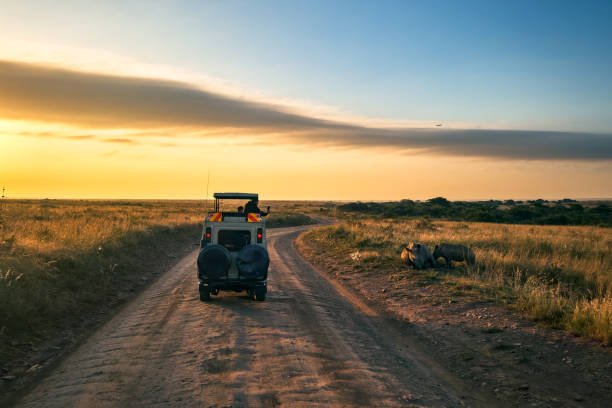
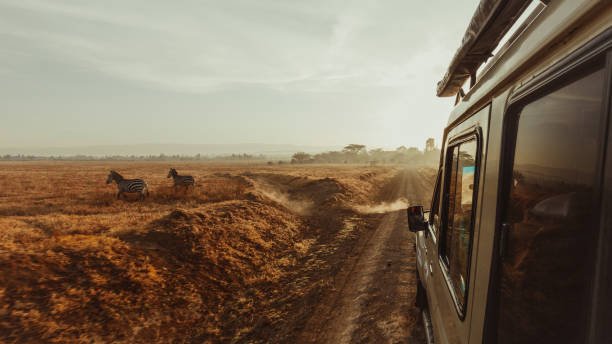
Are you a student passionate about wildlife and eager to contribute to conservation efforts? A 5-day guided wildlife research experience for students in Tanzania offers an unparalleled opportunity to gain hands-on knowledge in one of the world’s most biodiverse regions. This isn’t just a safari; it’s an educational journey where you’ll work alongside experienced researchers, learn critical field techniques, and witness the raw beauty of African wildlife in its natural habitat. From tracking elusive species to understanding ecological data collection, this program is designed to provide a foundational understanding of wildlife research and conservation science.
This guide provides a complete overview for students considering such an experience in 2026 or 2027. We will cover what to expect, essential preparation, itinerary details, safety considerations, and how to choose the right program and operator. Tanzania, renowned for its vast plains, iconic wildlife, and dedicated conservation initiatives, serves as the perfect backdrop for this intensive learning adventure.
Table of Contents
- Quick Facts
- Overview of the Experience
- Why Choose a Wildlife Research Experience?
- Best Time for Wildlife Research in Tanzania
- Key Research Areas and Ecosystems
- Sample 5-Day Itinerary
- What to Expect on Your Research Trip
- Typical Inclusions and Exclusions
- Packing and Preparation Checklist
- Safety and Health Considerations
- Who is This Experience Best Suited For?
- Alternatives to a 5-Day Research Experience
- Planning Your 2026-2027 Trip
- Booking Your Research Experience
- Frequently Asked Questions
Quick Facts
| Aspect | Details |
|---|---|
| Duration | 5 Days |
| Target Audience | Students (High School, University), Young Professionals |
| Focus | Wildlife research, data collection, conservation practices |
| Location | Various Tanzania National Parks & Reserves (e.g., Serengeti, Tarangire, Ngorongoro Conservation Area) |
| Activities | Field observation, tracking, data recording, species identification, habitat assessment, ranger collaboration |
| Accommodation | Field camps, lodges, or tented camps (varies by program) |
| Key Skills Learned | Ecological monitoring, research methodology, data analysis basics, wildlife behavior observation |
Overview of the Experience
A 5-day guided wildlife research experience for students is an intensive, educational program focused on the practical aspects of wildlife conservation. Unlike a standard tourist safari, this experience places participants directly into the research process. You will likely spend your days in the field, often early mornings and late afternoons when wildlife is most active, assisting researchers with tasks such as:
- Observing and recording animal behavior.
- Identifying and counting wildlife species.
- Collecting data on animal populations, distribution, and movements.
- Assisting with camera trap deployment and retrieval.
- Learning about habitat assessment and its impact on wildlife.
- Understanding the challenges and successes of conservation efforts in Tanzania.
- Collaborating with local rangers and conservationists.
Evenings are typically spent debriefing, analyzing collected data, and learning about conservation science through presentations or discussions. The goal is to provide a comprehensive, hands-on introduction to wildlife research that goes beyond passive observation.
Why Choose a Wildlife Research Experience?
For students, this type of experience offers significant advantages for academic and career development:
- Real-World Application: See theoretical concepts in biology, ecology, and conservation applied in practice.
- Skill Development: Acquire practical skills in data collection, observation, and field research methods.
- Career Exploration: Gain insight into potential career paths in wildlife biology, conservation, environmental science, and related fields.
- Resume/CV Enhancement: Demonstrates initiative, passion, and practical experience to future employers or academic institutions.
- Personal Growth: Develop resilience, problem-solving abilities, teamwork skills, and a deeper appreciation for the natural world and conservation challenges.
- Contribution to Science: Your participation, even as an assistant, can contribute valuable data to ongoing research projects.
This focused approach allows students to move from being a spectator to an active participant in understanding and protecting wildlife.
Best Time for Wildlife Research in Tanzania
The best time for any wildlife-focused activity in Tanzania, including research experiences, often aligns with the dry seasons, as wildlife tends to congregate around water sources, making them easier to find and observe. However, research needs can vary, and some programs might operate year-round.
| Period | Conditions | Wildlife Observation | Research Considerations |
|---|---|---|---|
| June – October (Dry Season) | Cooler temperatures, dry landscapes, sparse vegetation. | Excellent. Animals are concentrated around waterholes. Easier to spot. The Great Migration is often in the Serengeti. | Ideal for population counts, tracking, and behavioral studies due to accessibility and animal concentration. Vegetation is less dense. |
| November – May (Rainy Season) | Warmer temperatures, lush vegetation, occasional heavy rains (short rains in Nov, long rains Mar-May). | Can be more challenging as animals disperse into thicker vegetation. However, newborn animals are common, offering unique observation opportunities. Birdlife is abundant. | May be suitable for specific studies like breeding behavior, bird surveys, or research in areas less affected by rain. Accessibility can be an issue in some regions. |
For students planning a 5-day guided wildlife research experience for students, the dry season (June-October) is generally preferred for optimal wildlife viewing and logistical ease. However, always check with your tour operator about specific research project requirements and optimal timing.
Key Research Areas and Ecosystems
Tanzania offers diverse ecosystems, each supporting unique research opportunities. A 5-day program might focus on one or two areas to maximize field time.
Tanzania’s Prime Wildlife Regions for Research
- Serengeti National Park: Famous for the Great Migration, vast plains, and diverse predator-prey interactions. Research here often involves tracking wildebeest, zebras, lions, cheetahs, and hyenas.
- Tarangire National Park: Known for its large elephant herds, baobab trees, and diverse birdlife. Research might focus on elephant social structures, migration patterns, or avian populations.
- Ngorongoro Conservation Area (NCA): A UNESCO World Heritage Site featuring the Ngorongoro Crater, a caldera with high wildlife density. Research can involve predator-prey dynamics within the crater, primate studies on the crater rim, or monitoring of specific species like black rhinos.
- Selous Game Reserve (Nyerere National Park): One of the largest reserves, offering a different landscape with miombo woodlands, rivers, and lakes. Research can focus on large mammals like wild dogs, elephants, and hippos, as well as aquatic ecosystems.
- Lake Manyara National Park: Famous for its tree-climbing lions and large baboon troops. Research might involve primate behavior, predator-prey dynamics, or flamingo populations.
The specific location for your research experience will depend on the focus of the program and the ongoing needs of conservation projects. Operators often partner with research institutions or park authorities to identify areas where student assistance is most valuable.
Sample 5-Day Itinerary
This is a hypothetical itinerary for a 5-day guided wildlife research experience for students, focusing on a mix of field research and learning. Actual schedules will vary significantly based on the operator and the specific research project.
| Day | Morning (Approx. 6:00 AM – 12:00 PM) | Afternoon (Approx. 1:00 PM – 5:00 PM) | Evening (Approx. 6:00 PM onwards) |
|---|---|---|---|
| Day 1: Arrival & Introduction | Arrive at Kilimanjaro International Airport (JRO). Transfer to Arusha for orientation and briefing. Meet your lead researcher/guide. | Introduction to research methodologies, safety protocols, and the week’s objectives. Travel to the research base camp or accommodation near the chosen park (e.g., Tarangire or Serengeti). | Welcome dinner. Overview of local ecology and conservation challenges. Initial data entry training. |
| Day 2: Field Data Collection | Early morning game drive focused on species identification and initial population counts. Learn to use binoculars and field guides effectively. | Habitat assessment: identifying plant species, assessing vegetation density, and noting signs of human impact. Practice transect surveys. | Debrief session: Discuss observations, challenges, and preliminary findings. Lecture on wildlife behavior patterns. |
| Day 3: Behavioral Observation & Tracking | Focus on observing a specific species (e.g., elephants in Tarangire, lions in Serengeti). Record social interactions, feeding habits, and movement patterns. Learn basic tracking signs. | Assist with camera trap checks (if applicable) or set up new observation points. Continue recording behavioral data. | Data consolidation and analysis session. Presentation on a case study in wildlife research. |
| Day 4: Conservation Challenges & Community Interaction | Visit a conservation project site or community initiative related to wildlife management. Understand human-wildlife conflict mitigation strategies. | Advanced data collection techniques or a specific research task assigned by the lead researcher. Potential for a scenic game drive to observe different habitats. | Final data review and discussion on conservation successes and failures. Q&A with researchers. |
| Day 5: Wrap-up & Departure | Final morning field session (e.g., bird survey, checking camera traps). Consolidate all collected data. | Final debriefing session. Receive a certificate of participation (if offered). Transfer back to Arusha or Kilimanjaro International Airport for departure. | Departure. |
What to Expect on Your Research Trip
This experience is designed for active participation, not passive tourism. Be prepared for:
- Early Mornings: Wildlife research often starts before dawn to capitalize on animal activity.
- Long Days: Fieldwork can be physically demanding, involving walking, sitting for long periods during observation, and enduring varying weather conditions.
- Basic Accommodation: Depending on the program, you might stay in field camps with basic amenities, shared tents, or simple lodges. Luxury is usually not the priority.
- Diet: Meals are typically hearty and prepared to sustain energy levels, often served at set times. Dietary restrictions should be communicated well in advance.
- Limited Connectivity: Expect limited or no mobile phone service and internet access in remote research areas. This is an opportunity to disconnect and focus.
- Close Proximity to Wildlife: You will be in areas with wild animals. Safety protocols are paramount, and you will be guided by experienced professionals.
- Intellectual Engagement: The program involves significant learning, data analysis, and discussion. You’ll be expected to engage critically.
- Teamwork: You’ll be working as part of a research team, requiring cooperation and communication.
This is an educational and potentially challenging experience that offers immense rewards for those committed to learning about wildlife and conservation.
Typical Inclusions and Exclusions
While specific inclusions vary by operator, a typical 5-day program often covers:
| Includes | Excludes |
|---|---|
| Accommodation for 4 nights | International flights |
| All meals during the program | Visa fees |
| Park entrance fees and conservation levies | Travel insurance (mandatory) |
| Guided field activities and research support | Personal expenses (souvenirs, drinks, laundry) |
| Transfers to/from designated meeting points (e.g., Arusha/JRO) | Vaccinations and medical supplies |
| Expert guidance from researchers/field staff | Tips for guides, researchers, and camp staff |
| Research equipment usage | Optional activities not part of the research program |
Always carefully review the detailed itinerary and inclusions/exclusions provided by the tour operator before booking.
Packing and Preparation Checklist
Proper preparation is key to a comfortable and productive research experience. Focus on practicality and layers.
Essential Gear:
- Clothing:
- Lightweight, breathable long-sleeved shirts (2-3)
- Long trousers (2-3 pairs, quick-drying material)
- T-shirts (3-4)
- Warm fleece or jacket (for cool mornings/evenings)
- Waterproof/windproof jacket
- Comfortable walking/hiking shoes (broken-in)
- Sandals or flip-flops for camp
- Socks (moisture-wicking, several pairs)
- Hat with a wide brim for sun protection
- Bandana or buff
- Gear:
- Binoculars (essential for wildlife observation)
- Notebook and pens/pencils (waterproof recommended)
- Camera with extra batteries/power bank
- Reusable water bottle
- Small backpack for day use
- Headlamp or flashlight with extra batteries
- Sunscreen (high SPF)
- Insect repellent (with DEET or Picaridin)
- Personal first-aid kit (band-aids, antiseptic wipes, pain relievers, any personal medications)
- Hand sanitizer
- Sunglasses
- Travel adapter/converter
- Small towel (quick-dry)
- Documents:
- Passport (valid for at least 6 months) and visa (if required)
- Copies of passport, visa, and travel insurance
- Flight details
- Emergency contact information
Preparation:
- Vaccinations & Health: Consult your doctor or a travel clinic 4-6 weeks before your trip regarding recommended vaccinations (e.g., Yellow Fever, Hepatitis A/B, Typhoid) and malaria prophylaxis.
- Travel Insurance: Ensure your policy covers medical emergencies, evacuation, and trip cancellation.
- Physical Fitness: While not an extreme trek, good general fitness will enhance your experience.
- Research Briefing: Read any pre-departure materials provided by the operator about the specific research focus and location.
- Mindset: Be prepared for an educational, hands-on, and potentially challenging experience. Embrace the adventure and learning opportunities.
Safety and Health Considerations
Safety is paramount in wildlife research. Operators adhere to strict protocols:
- Wildlife Encounters: Maintain a safe distance from animals. Never feed wildlife. Follow your guide’s instructions precisely. Guides are trained to handle wildlife encounters.
- Health: Drink only bottled or purified water. Wash hands frequently. Be aware of potential risks like malaria and dengue fever; use repellent and consider prophylaxis as advised by your doctor.
- Camp Safety: Secure your camp area as instructed. Be aware of your surroundings, especially after dark.
- Vehicle Safety: Remain seated when the vehicle is moving. Keep hands and arms inside the vehicle.
- Communication: In remote areas, communication might be limited. Emergency procedures will be in place, often involving satellite phones or radio communication with park authorities.
- Guides: Your guides are experienced professionals. Trust their judgment and follow their lead.
It is mandatory to have comprehensive travel insurance that includes medical evacuation.
Who is This Experience Best Suited For?
A 5-day guided wildlife research experience for students is ideal for:
- University Students: Studying biology, zoology, environmental science, conservation, ecology, or related fields.
- High School Students: Seeking advanced, experiential learning opportunities beyond the standard curriculum.
- Aspiring Researchers/Conservationists: Individuals considering a career in wildlife management or research.
- Gap Year Students: Looking for meaningful, educational travel experiences.
- Enthusiastic Learners: Anyone with a strong interest in wildlife and conservation who is willing to participate actively and learn.
It requires a good level of physical fitness, a willingness to be outdoors in various conditions, and an eagerness to learn and contribute. It is less suited for those seeking a purely relaxed, luxury safari experience.
Alternatives to a 5-Day Research Experience
If a 5-day research experience isn’t the right fit, consider these alternatives:
- Standard Tanzania Safari: Focuses on wildlife viewing with comfortable accommodation and less emphasis on active research. Many operators offer excellent 5-day safari packages.
- Volunteer Conservation Programs: Longer-term programs (weeks to months) that involve more extensive conservation work, such as anti-poaching patrols, habitat restoration, or community outreach.
- Photography Safaris: Led by photography experts, these tours focus on capturing high-quality wildlife images, often with modified vehicles for better shooting positions.
- Ecotourism Lodges with Research Components: Some lodges partner with researchers and offer guests opportunities to learn about or participate in limited data collection during their stay.
While these alternatives offer unique experiences, the 5-day guided wildlife research experience provides a more focused and immersive introduction to scientific fieldwork.
Planning Your 2026-2027 Trip
Planning ahead is crucial, especially for specialized experiences like wildlife research. For trips in 2026 and 2027, consider the following:
| Timing | Action | Notes for 2026-2027 |
|---|---|---|
| 12-18 Months Prior | Research potential operators, programs, and destinations. Define your interests (specific species, research type). | Start researching operators specializing in student/research programs. Look for reviews and affiliations with research institutions. Early booking for peak seasons (June-Oct) is advisable. |
| 9-12 Months Prior | Contact operators, request detailed itineraries and quotes. Confirm program specifics and inclusions. | Inquire about COVID-19 or other health-related travel advisories that might affect 2026-2027 travel. Confirm booking terms and cancellation policies. |
| 6-9 Months Prior | Book your chosen program. Secure flights. | Ensure your chosen operator has a clear COVID-19 policy for 2026-2027 bookings. Check passport validity (at least 6 months beyond your return date). |
| 4-6 Months Prior | Consult your doctor for vaccinations and malaria prophylaxis. Arrange travel insurance. | Some vaccinations require multiple doses, so start early. Research visa requirements for Tanzania for your nationality. |
| 2-3 Months Prior | Purchase necessary gear and clothing. Begin physical preparation if needed. | Start packing and ensure all items are suitable for the climate and activities. Test any equipment like cameras or binoculars. |
| 1 Month Prior | Confirm all travel arrangements. Make final payments. Pack your bags. | Double-check flight times, accommodation details, and meeting points. Inform your bank about your travel dates. |
| Week of Departure | Final health checks. Exchange currency. Share itinerary with family/friends. | Ensure you have all necessary documents. Charge all electronic devices. Final review of packing list. |
Booking Your Research Experience
Choosing the right operator is crucial for a successful and safe experience. When booking your 5-day guided wildlife research experience for students:
- Reputation and Experience: Look for operators with a proven track record in offering educational and research-focused tours, especially for students. Check reviews and testimonials.
- Program Specificity: Ensure the program clearly outlines its research objectives, the type of data collected, and the role students will play. It should align with your learning goals.
- Researcher Qualifications: Inquire about the qualifications and experience of the lead researchers or guides who will be supervising the student activities.
- Safety Standards: Ask about their safety protocols, emergency procedures, and required insurance.
- Inclusions: Get a detailed breakdown of what is included in the price (accommodation, meals, park fees, activities, transfers, etc.).
- Communication: A good operator will be responsive to your questions and provide clear information.
- Ethical Practices: Ensure the operator practices responsible tourism and contributes positively to local conservation efforts and communities.
Contact Us: For a reliable and well-organized 5-day guided wildlife research experience for students in Tanzania, get in touch with our team. We work with experienced researchers and conservation partners to offer meaningful educational trips. Reach us via WhatsApp at +255747477898 or email us at climb4africa@gmail.com. For backup, use climb4africa@gmail.com.
Frequently Asked Questions
General Questions
Q1: Is this experience suitable for high school students?
A1: Yes, many 5-day guided wildlife research experiences are designed for students aged 16 and above, including high school students. The program will be tailored to provide foundational knowledge and practical skills suitable for younger participants, with a strong emphasis on safety and guidance.
Q2: What level of physical fitness is required?
A2: A moderate level of fitness is recommended. You should be comfortable with early mornings, spending extended periods outdoors, walking on uneven terrain, and potentially enduring warm weather. It is not a strenuous trek, but active participation is expected.
Q3: Will I be collecting real scientific data?
A3: Yes, the data collected during these experiences is often used in ongoing research projects. You will be trained by experienced researchers on proper data collection techniques, ensuring the data’s validity and contributing to real conservation efforts.
Q4: What happens if there is bad weather?
A4: Field activities may be modified or postponed in case of severe weather. Operators have contingency plans, which might include indoor lectures, data analysis sessions, or alternative research tasks that can be conducted safely despite the weather.
Q5: Can I choose which animals I want to research?
A5: While you may express preferences, the specific research focus is usually determined by the ongoing needs of conservation projects, the season, and the location. You will likely work on projects that are currently active and require assistance.
Q6: What kind of accommodation should I expect?
A6: Accommodation varies. It can range from basic tented camps with shared facilities to more comfortable lodges or research stations. The focus is on practicality and proximity to research sites, not luxury.
Q7: How much free time will I have?
A7: Free time is typically limited. The schedule is intensive, focused on fieldwork and learning. Evenings are usually dedicated to debriefing, data analysis, and educational sessions.
Q8: What are the visa requirements for Tanzania for 2026-2027?
A8: Visa requirements depend on your nationality. Many nationalities can obtain a visa upon arrival or an e-visa in advance. It is essential to check the latest requirements with the Tanzanian embassy or consulate in your country well before your planned travel in 2026 or 2027.
Q9: Is it safe to travel to Tanzania for this type of experience?
A9: Tanzania is generally safe for tourists, especially when traveling with reputable operators who prioritize safety. Your 5-day guided wildlife research experience for students will be conducted under the strict supervision of experienced professionals who follow established safety protocols for wildlife encounters and field operations.
Ready for Your Wildlife Research Adventure?
A 5-day guided wildlife research experience for students in Tanzania is more than a trip; it’s a chance to make a tangible contribution to conservation while gaining invaluable skills and experiences. If you’re ready to engage deeply with wildlife and conservation science, we can help you plan this unique educational journey for 2026 or 2027.
Contact us today to discuss your interests and find the perfect research program:
WhatsApp: +255747477898
Email: climb4africa@gmail.com
Backup Email: climb4africa@gmail.com
Let’s plan your impactful Tanzania adventure!
Plan your 5-Day Guided Wildlife Research Experience for Students with Climb 4 Africa
Tell us your travel dates, group size, comfort level, and dream experience. We will help you shape a clear, realistic, and memorable Tanzania itinerary.



