
Updated planning guide for 2026-2027
2-Day Short Cultural Orientation — Juba & Nearby Villages: Complete Guide
Discover the heart of South Sudan with a focused 2-day cultural orientation in Juba and its surrounding villages. This guide provides practical insights for planning your immersive experience.
WhatsApp +255747477898 | climb4africa@gmail.com | climb4africa@gmail.com

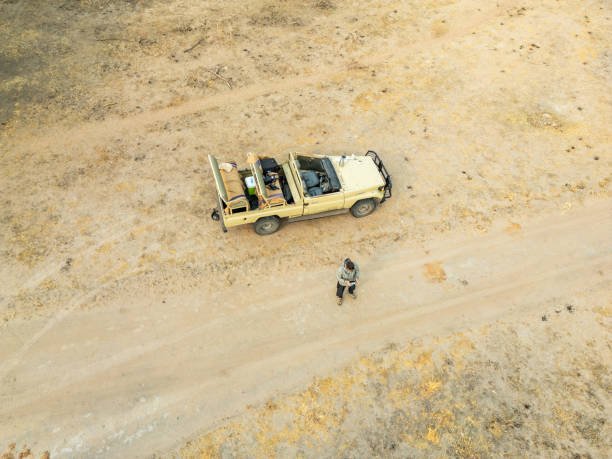
A 2-day short cultural orientation in Juba and nearby villages offers a concentrated yet profound glimpse into the rich heritage and vibrant life of South Sudan. While many travelers associate Tanzania with safaris and Kilimanjaro climbs, understanding the broader East African cultural landscape, including nations like South Sudan, provides a more complete travel perspective. This specialized orientation is designed for those seeking to connect with local traditions, understand historical contexts, and witness daily life beyond the typical tourist trails. It’s an opportunity to engage directly with communities, learn about their customs, and appreciate the resilience and spirit of the South Sudanese people.
For travelers interested in unique cultural immersion, this short program focuses on Juba, the capital city, and extends to accessible rural communities. It’s a compact introduction, making it feasible for individuals with limited time who still wish to gain significant cultural insights. We will explore what this experience entails, how to best prepare, and what to expect during your visit, ensuring you make the most of this brief but impactful journey.
Table of Contents
- Quick Facts: Juba Cultural Orientation
- Overview of the 2-Day Cultural Orientation
- Why a Short Cultural Orientation Matters
- Best Time to Visit Juba for Cultural Immersion
- Juba and Nearby Village Areas Overview
- Sample 2-Day Itinerary: Juba & Villages
- What to Expect: Daily Life and Interactions
- Preparation and Packing Essentials
- Common Mistakes to Avoid
- Who is This 2-Day Cultural Orientation Best For?
- Alternatives to a Juba-Focused Orientation
- Planning Your Trip for 2026-2027
- Booking Your Cultural Orientation
- Frequently Asked Questions
Quick Facts: Juba Cultural Orientation
| Aspect | Details |
|---|---|
| Duration | 2 Days / 1 Night |
| Primary Location | Juba, South Sudan |
| Secondary Locations | Selected nearby villages (e.g., Konyo Konyo market area, specific rural communities accessible within day trip distance) |
| Focus | Local culture, traditions, history, daily life, community interaction |
| Travel Style | Immersive, educational, community-based |
| Best For | Culturally curious travelers, researchers, those with limited time seeking authentic experiences |
| Key Activities | Market visits, community center interactions, traditional craft observation, historical site visits, local meals |
| Visa Requirements | Mandatory for most nationalities; apply in advance. |
| Health Precautions | Consult doctor for vaccinations (Yellow Fever mandatory for entry), malaria prophylaxis recommended. |
| Currency | South Sudanese Pound (SSP) |
Overview of the 2-Day Cultural Orientation
This focused 2-day cultural orientation in Juba and its surrounding villages is crafted for travelers who want to understand the essence of South Sudan’s cultural fabric within a short timeframe. It’s not about covering vast distances or ticking off numerous landmarks; instead, it prioritizes meaningful engagement and learning. The program typically involves guided visits to key cultural and historical sites within Juba, followed by an excursion to a nearby village to observe and interact with rural communities. The emphasis is on authenticity, respect, and providing a platform for genuine cultural exchange. You’ll gain insights into the diverse ethnic groups, their customs, languages, and the challenges and triumphs they face.
The orientation is designed to be educational, offering context on South Sudan’s complex history, its journey to independence, and the ongoing efforts in nation-building. By visiting local markets, perhaps a community project, and engaging with local guides, participants can form a nuanced understanding of the country’s present and future aspirations. This experience is about listening, observing, and learning, rather than passive sightseeing.
Why a Short Cultural Orientation Matters
In a world increasingly focused on rapid travel and curated experiences, a short cultural orientation serves a vital purpose. For South Sudan, a nation with a rich but often underrepresented cultural narrative, such programs offer a window into its soul. This specific 2-day format is particularly valuable for several reasons:
- Time Efficiency: It caters to travelers with tight schedules, proving that impactful cultural learning doesn’t always require extended periods.
- Focused Immersion: By concentrating on Juba and nearby villages, the program allows for deeper exploration of specific cultural elements rather than a superficial overview of a wider region.
- Understanding Nuance: South Sudan is incredibly diverse. A focused approach helps in understanding the complexities of one or two specific cultural contexts, fostering a more profound appreciation than a broad, rushed tour.
- Supporting Local Communities: Well-organized cultural tours ensure that local guides and communities benefit directly from tourism, providing economic incentives for cultural preservation.
- Challenging Perceptions: This orientation can help dispel common misconceptions about South Sudan by offering direct, personal experiences and interactions that highlight the country’s humanity and cultural richness.
- Foundation for Further Exploration: For those considering longer trips to South Sudan or neighboring regions in the future, this short program can serve as an excellent introduction, helping to refine interests and expectations.
This short cultural orientation is more than just a trip; it’s an educational journey that fosters cross-cultural understanding and appreciation, particularly relevant for those planning travel in 2026 or 2027 when interest in unique, off-the-beaten-path destinations is expected to grow.
Best Time to Visit Juba for Cultural Immersion
The climate in Juba is tropical, characterized by distinct wet and dry seasons. Understanding these seasons is crucial for planning a comfortable and enjoyable cultural orientation.
| Season | Months | Conditions & Impact on Cultural Travel |
|---|---|---|
| Dry Season (Cooler) | December – February | Pleasant temperatures, low humidity, minimal rain. Ideal for outdoor activities, market visits, and village excursions. Roads are generally in better condition. This is often considered the best time for a 2-day short cultural orientation in Juba & nearby villages. |
| Hot Season | March – May | High temperatures and humidity. Can be challenging for extended outdoor activities. Still feasible for shorter, focused orientations, but requires good hydration and heat management. |
| Wet Season (Rainy) | June – November | Frequent rainfall, can be heavy at times. Higher humidity. Roads to villages can become difficult or impassable, potentially impacting access. However, it’s also a time of lush landscapes and can offer a different perspective on rural life. Flexibility is key during this period. Cultural activities within Juba are generally unaffected. |
For a 2-day short cultural orientation, the dry season (December to February) is generally preferred due to the most stable weather conditions and ease of access to surrounding areas. However, if your travel plans fall outside these months, it is still entirely possible to undertake this orientation, with adjustments made for weather conditions. Always check local conditions closer to your travel dates.
Juba and Nearby Village Areas Overview
Juba, the capital of South Sudan, is situated on the banks of the White Nile River. Its urban landscape is a mix of bustling city life, administrative centers, and areas showing signs of development and post-conflict recovery. The immediate surroundings offer a glimpse into rural South Sudanese life, with villages dotting the landscape.
Key Areas within Juba for Cultural Interest:
- Konyo Konyo Market: A vibrant, central market where local commerce thrives. It’s a hub for social interaction and a place to observe daily life, local produce, crafts, and diverse people.
- Juba Stadium Area: Often a focal point for community gatherings and events.
- Government Buildings & Monuments: While access might be restricted, understanding the administrative heart of the nation provides context.
- Nile Riverfront: Offers insights into local fishing activities and transportation.
Nearby Village Excursions:
Villages accessible within a short drive from Juba (typically 1-2 hours, depending on road conditions) offer a stark contrast to the urban environment. These might include communities representing various ethnic groups prominent in the region, such as the Dinka, Bari, or Mundari. The focus of these visits is usually on:
- Traditional housing and settlement patterns.
- Agricultural practices and livelihoods.
- Local crafts and artisanal skills.
- Social structures and community life.
- Interactions with elders and community leaders.
Illustrative Route/Area (Text-Based):
| Juba City Center (Konyo Konyo Market, historical points) | — Road (approx. 1-2 hours) — | Selected Nearby Village (e.g., a Bari or Mundari community accessible from Juba) |
The exact village chosen for an excursion will depend on accessibility, community engagement protocols, and the specific cultural insights sought. Safety and respectful engagement are paramount in selecting these locations.
Sample 2-Day Itinerary: Juba & Villages
This sample itinerary provides a framework for a 2-day short cultural orientation in Juba and nearby villages. It balances urban exploration with rural immersion.
| Day | Morning (approx. 9 AM – 1 PM) | Afternoon (approx. 1 PM – 5 PM) | Evening (approx. 6 PM onwards) |
|---|---|---|---|
| Day 1: Juba Cultural Immersion | Arrival & City Orientation: Meet your local guide. Visit the John Garang Mausoleum (exterior view and historical context). Briefing on South Sudan’s history and current affairs. Konyo Konyo Market Visit: Explore one of East Africa’s most vibrant markets. Observe local trade, crafts, produce, and daily interactions. Engage with vendors (with guide’s assistance). |
Cultural Center/Museum (if available and accessible): Gain deeper insights into South Sudan’s ethnic diversity and cultural heritage. Lunch: Enjoy a local meal at a reputable eatery, experiencing South Sudanese cuisine. Nile Riverfront: Observe local life along the White Nile, potentially seeing fishing activities or local transport. |
Welcome Dinner: Traditional South Sudanese dinner with your guide, discussing the day’s experiences and preparing for Day 2. Briefing on cultural etiquette for village visit. |
| Day 2: Village Experience & Departure | Travel to Village: Depart Juba for a pre-arranged visit to a nearby rural community (e.g., Bari or Mundari area). The journey offers views of the South Sudanese countryside. Community Welcome: Formal introduction to village elders or community representatives. Understanding of their social structure and daily routines. |
Village Exploration: Observe traditional housing, agricultural practices, and local crafts (e.g., pottery, beadwork). Engage in respectful conversations with residents, learning about their way of life. Shared Meal/Refreshments: Participate in a simple, traditional meal or refreshment offering with the community, a key element of cultural exchange. Return to Juba. |
Debriefing Session: With your guide, reflect on the cultural insights gained over the two days. Departure from Juba or preparation for onward travel. |
Note: This itinerary is a sample and can be customized. All visits, especially to villages, are conducted with respect for local customs and require prior arrangement and community consent.
What to Expect: Daily Life and Interactions
A 2-day short cultural orientation in Juba and nearby villages is an immersion into a reality that is often different from mainstream global experiences. Expect a dynamic environment, particularly in Juba, characterized by a blend of traditional and modern influences, ongoing development, and a palpable sense of resilience.
- Vibrant Markets: Konyo Konyo market is a sensory experience. It’s crowded, noisy, and full of activity. Be prepared for vendors calling out, the smell of spices and local foods, and a wide array of goods. Your guide will be essential for navigating this space respectfully and safely.
- Community Hospitality: In the villages, you can expect a warm, albeit sometimes reserved, welcome. Hospitality is deeply ingrained in South Sudanese culture. Interactions will likely be facilitated by your guide, who can bridge language and cultural gaps. Be prepared for simple living conditions and a focus on community ties.
- Daily Rhythms: Life in the villages follows natural cycles – farming, herding, domestic chores. Activities are often communal. In Juba, the rhythm is more urban, with a mix of formal work, market activity, and social gatherings.
- Language: Arabic and English are official languages, but numerous local languages and dialects are spoken. Your guide will likely speak English and a local language, facilitating communication. Learning a few basic greetings in a local dialect can be greatly appreciated.
- Photography: Always ask for permission before taking photos of people, especially in villages. Some individuals may be uncomfortable being photographed, and respecting their wishes is paramount.
- Simplicity and Authenticity: Do not expect luxury amenities. The focus is on authentic experiences. Accommodation in Juba will be comfortable but may not be Western-standard luxury. Village experiences are about observing and participating in local life, which is inherently simple.
- Resilience and Spirit: You will encounter people who have lived through significant challenges. Their strength, adaptability, and warmth are often striking aspects of the experience.
This orientation is designed to provide a genuine connection, so embracing the unexpected and maintaining an open mind are key to a rewarding experience.
Preparation and Packing Essentials
Proper preparation is crucial for any trip, especially to a destination like South Sudan. For a 2-day short cultural orientation, focus on practicalities that ensure comfort, respect, and safety.
Health and Safety Preparations:
- Consult Your Doctor: Well in advance of your travel, consult a travel health professional. Discuss necessary vaccinations (Yellow Fever is mandatory for entry and requires proof), malaria prophylaxis, and any other health concerns.
- Travel Insurance: Ensure you have comprehensive travel insurance that covers medical emergencies and evacuation.
- First-Aid Kit: Pack a personal kit with essentials like pain relievers, antiseptic wipes, bandages, anti-diarrhea medication, and any personal prescriptions.
- Hand Sanitizer: Essential for maintaining hygiene, especially when access to clean water might be limited.
- Insect Repellent: Particularly important for malaria prevention, especially during evenings and in rural areas.
Clothing and Personal Items:
- Lightweight, Breathable Clothing: Cotton or linen fabrics are best for the tropical climate. Pack loose-fitting trousers, long skirts, and shirts with sleeves to protect from the sun and insects, and to show respect for local customs.
- Modest Attire: South Sudan is a conservative country. Both men and women should dress modestly, covering shoulders and knees, especially when visiting villages or religious sites.
- Comfortable Walking Shoes: You will be doing a fair amount of walking, especially in markets and villages.
- Hat and Sunglasses: For sun protection.
- Rain Gear: A lightweight, packable rain jacket or umbrella, especially if traveling during or near the wet season.
- Reusable Water Bottle: To stay hydrated. Ensure you have a reliable way to purify water or rely on bottled water provided by your tour operator.
Documents and Money:
- Passport and Visa: Ensure your passport is valid for at least six months beyond your stay and has sufficient blank pages. Obtain your South Sudanese visa in advance.
- Copies of Documents: Keep digital and physical copies of your passport, visa, flight details, and insurance separate from the originals.
- Cash: USD is widely accepted for exchange, but have some local currency (South Sudanese Pounds) for smaller purchases. ATMs can be unreliable.
- Power Bank: For charging your devices, as power outages can occur.
Cultural Sensitivity Items:
- Small Gifts (Optional): If appropriate and arranged with your guide, small, practical gifts for community members (e.g., school supplies for children, basic medicines) can be a thoughtful gesture, but should not be expected or demanded. Your guide will advise on what is suitable.
- Open Mind and Respect: The most important items to pack are a willingness to learn, observe, and engage respectfully.
Common Mistakes to Avoid
To ensure your 2-day short cultural orientation in Juba and nearby villages is as enriching and respectful as possible, be aware of common pitfalls:
- Underestimating the Need for a Local Guide: South Sudan’s complex social and logistical landscape makes a knowledgeable, trusted local guide indispensable for safety, cultural understanding, and smooth navigation.
- Ignoring Dress Codes: Arriving in Juba or visiting villages in overly casual or revealing clothing is disrespectful. Always opt for modest attire.
- Taking Photos Without Permission: This is a significant cultural faux pas. Always ask before photographing people or their property.
- Making Assumptions or Generalizations: South Sudan is incredibly diverse. Avoid making broad statements about its people or culture based on limited exposure.
- Not Being Prepared for Basic Conditions: Especially in villages, expect simple amenities. Roads can be rough, and services basic.
- Disregarding Health Advice: Not taking malaria precautions or drinking unpurified water can lead to serious illness.
- Expecting Western-Style Services: Internet access, banking, and transport may not function with the reliability you are accustomed to. Patience and flexibility are key.
- Being Insensitive to History and Current Affairs: South Sudan has a complex and sensitive history. Approach discussions with respect, listen more than you speak, and avoid making judgments.
- Not Arranging Logistics in Advance: Given the infrastructure, attempting to organize such a trip spontaneously is highly impractical and potentially unsafe. Pre-booking with a reputable operator is essential.
- Focusing Only on Negative Aspects: While acknowledging challenges is important, remember to also appreciate the resilience, culture, and positive aspects of daily life.
Avoiding these mistakes will pave the way for a more meaningful and respectful cultural exchange.
Who is This 2-Day Cultural Orientation Best For?
This specific 2-day short cultural orientation in Juba and nearby villages is tailored for a particular type of traveler. It’s ideal for:
- Culturally Curious Individuals: Those who are genuinely interested in learning about different ways of life, traditions, and the social fabric of a nation.
- Time-Constrained Travelers: Professionals, researchers, or tourists with limited vacation time who want to gain significant cultural understanding in a short period.
- First-Time Visitors to South Sudan: It serves as an excellent, focused introduction to the country’s people and culture, providing context before potentially exploring other regions.
- Students and Researchers: Individuals studying anthropology, sociology, political science, or international development who need a brief, direct exposure to local realities.
- Travelers Seeking Authenticity: Those who prefer immersive experiences over conventional sightseeing and want to connect with local communities.
- Adventurous Spirits: Travelers willing to step outside their comfort zone and embrace a different cultural environment with an open mind.
- Those Planning Longer Trips: This orientation can be a valuable precursor to a more extended stay in South Sudan or the wider East African region, helping to set expectations and refine interests.
It is less suited for travelers seeking luxury resorts, extensive historical sightseeing, or adventure activities like safaris, as the focus is strictly on cultural immersion.
Alternatives to a Juba-Focused Orientation
While a 2-day short cultural orientation in Juba and nearby villages offers a unique perspective, other destinations and tour types within East Africa, particularly those offered by a Tanzania-based operator like us, provide different kinds of cultural experiences. These might appeal depending on your interests and available time:
- Maasai Village Visit (Tanzania/Kenya): A very popular cultural experience, often integrated into safari itineraries. It offers insights into the semi-nomadic lifestyle, traditions, and social structure of the Maasai people. This is more accessible and frequently visited than South Sudanese villages.
- Zanzibar Cultural Tours: Explore Stone Town’s rich history and Swahili culture, visit spice farms, and interact with local communities on the island. Zanzibar offers a blend of history, culture, and beautiful beaches.
- Local Market Tours in Arusha/Dar es Salaam (Tanzania): These offer a glimpse into daily commerce and local life, similar to Juba’s markets but within a different national context.
- Homestays in Rural Tanzania: Programs that allow travelers to stay with local families provide a deep immersion into daily life, agriculture, and community customs. This offers a more extended and intimate cultural experience than a day trip.
- Cultural Heritage Centers (e.g., Mto wa Mbu, Tanzania): These managed sites often showcase the traditions of various ethnic groups living in the area, offering a structured cultural introduction.
- Extended Safaris with Community Interactions: While primarily focused on wildlife, longer safari trips in Tanzania or Kenya can often include opportunities to visit cultural heritage sites or engage respectfully with local communities, providing a broader travel experience.
Each of these alternatives offers a distinct cultural lens. The Juba orientation is for those specifically seeking to understand South Sudan’s unique heritage and contemporary life, particularly when time is limited. If your primary interest is East African culture broadly, these other options might be more logistically straightforward or align better with other travel goals.
Planning Your Trip for 2026-2027
Planning a trip to South Sudan, even a short 2-day cultural orientation, requires careful consideration, especially when looking ahead to 2026 and 2027. Travel to South Sudan is not as routine as to many other destinations, and preparation is key.
- Visa Applications: Start the visa application process as early as possible. Requirements and processing times can vary. Ensure you have all necessary supporting documents. For 2026-2027 travel, check the latest visa regulations from the South Sudanese embassy or consulate responsible for your region.
- Health Consultations: Schedule your travel health appointments at least 2-3 months before your planned departure. This allows time for vaccinations to take effect and for any necessary medications to be prescribed.
- Booking with Reputable Operators: Given the logistical challenges and safety considerations, booking through a trusted tour operator is highly recommended. Look for companies with experience in South Sudan or similar challenging destinations. Confirm their local contacts and safety protocols for 2026-2027.
- Travel Advisories: Stay informed about the latest travel advisories from your country’s foreign office. These advisories can change and provide crucial information on safety and security.
- Flexibility: While a 2-day itinerary is fixed, be prepared for minor adjustments due to local conditions, weather, or unforeseen circumstances. A flexible attitude is essential.
- Currency Exchange: Research the best ways to obtain South Sudanese Pounds (SSP) upon arrival. USD is often needed for initial exchanges.
- Communication: Ensure your mobile phone is unlocked if you plan to purchase a local SIM card for communication. Confirm with your operator about local SIM availability and coverage in Juba and surrounding areas for your 2026-2027 travel.
By planning ahead and working with experienced partners, your 2-day short cultural orientation in Juba & nearby villages in 2026-2027 can be a well-organized and deeply rewarding experience.
Booking Your Cultural Orientation
Booking a 2-day short cultural orientation in Juba and nearby villages requires diligence to ensure a safe, respectful, and enriching experience. As a Tanzania tour operator, while our primary focus is East Africa, we can facilitate or advise on arrangements for such specialized trips, or recommend partners who can. Here’s how to approach booking:
- Choose an Experienced Operator: Look for tour companies that explicitly offer cultural tours in South Sudan or have a proven track record of handling complex logistical and safety requirements in challenging destinations. Verify their credentials and any local partnerships they have.
- Confirm Inclusions and Exclusions: Clearly understand what your tour package covers. This typically includes: guide services, transportation within South Sudan, accommodation (usually 1 night), arranged community visits, and possibly some meals. Exclusions might be: international flights, visa fees, travel insurance, personal expenses, and tips.
- Discuss Customization: While this is a short orientation, discuss if any specific cultural aspects or communities you are interested in can be incorporated, provided they are feasible and respectful.
- Safety Protocols: Inquire about the operator’s safety measures, emergency contacts, and contingency plans. Ensure they have experienced local guides who are well-versed in navigating the region and its potential challenges.
- Payment Terms: Understand the deposit requirements, balance payment deadlines, and cancellation policies. For unique destinations like South Sudan, booking well in advance is often necessary.
- Visa Assistance: Ask if the operator provides any assistance with visa applications or documentation.
- Get Everything in Writing: All agreements, itineraries, inclusions, and policies should be clearly documented in your booking confirmation.
For those seeking expert guidance on cultural immersion in East Africa, including potential connections for specialized trips like a 2-day short cultural orientation in Juba & nearby villages, reaching out to us is a good first step. We can provide advice and potentially connect you with the right resources.
Contact Us:
WhatsApp: +255747477898
Email: climb4africa@gmail.com
Backup Email: climb4africa@gmail.com
Frequently Asked Questions
Is South Sudan safe for tourists, especially for a short cultural orientation?
Safety in South Sudan requires careful planning and local guidance. While Juba is relatively more stable than some other regions, it’s essential to stay informed about the current security situation through official travel advisories and your tour operator. A well-organized 2-day short cultural orientation in Juba & nearby villages, led by experienced local guides, significantly enhances safety. Avoid traveling alone or venturing into unfamiliar areas without guidance.
What is the visa process for South Sudan for a 2-day trip in 2026?
Visa requirements for South Sudan must be met by all foreign nationals. It is highly recommended to apply for your visa well in advance through the South Sudanese embassy or consulate in your home country or a designated processing center. For 2026 travel, check the latest application procedures and required documents, which typically include a passport, application form, passport photos, and sometimes an invitation letter from a tour operator. Processing times can vary, so start early.
Can I interact directly with local people during the orientation?
Yes, direct interaction is a core component of the cultural orientation. Your local guide will facilitate respectful introductions and conversations with community members in Juba and the villages. It’s important to approach these interactions with genuine curiosity, respect, and an understanding of cultural etiquette. Always ask permission before taking photos.
What kind of accommodation can I expect for a 2-day trip?
For a 2-day short cultural orientation, accommodation in Juba typically involves a comfortable, mid-range hotel. If the itinerary includes an overnight stay outside Juba (less common for a 2-day trip, but possible), it would likely be in basic guesthouse facilities or potentially arranged homestays if specifically requested and available. The focus is on functionality and safety rather than luxury.
Is it possible to visit specific ethnic groups during the orientation?
Yes, the orientation can be tailored to focus on specific ethnic groups prominent in the Juba region, such as the Bari or Mundari, depending on accessibility and community willingness to host visitors. Your tour operator will arrange these visits in advance, ensuring they are conducted respectfully and with the community’s consent. Advance notice is crucial for such arrangements.
What are the main health risks in South Sudan?
The primary health risks include malaria, other vector-borne diseases (like dengue fever), and waterborne illnesses. Yellow Fever vaccination is mandatory for entry. It is crucial to consult your doctor for recommended vaccinations and malaria prophylaxis well before your trip. Practicing good hygiene, drinking only purified or bottled water, and using insect repellent are essential preventive measures during your 2-day short cultural orientation in Juba & nearby villages.
What currency is used in South Sudan?
The official currency is the South Sudanese Pound (SSP). USD is widely accepted for exchange and sometimes for larger transactions, especially in Juba. It’s advisable to carry USD in smaller denominations for initial exchanges and to have some SSP for smaller purchases, market vendors, and tips. ATMs are not widely available or reliable.
How important is it to have a local guide for this trip?
A local guide is not just important; it is essential for a 2-day short cultural orientation in Juba & nearby villages. They provide invaluable knowledge of the local culture, history, and customs, facilitate communication, navigate logistical challenges, and ensure your safety and respectful engagement with communities. Traveling without a guide is strongly discouraged.
Can I use my mobile phone and internet in Juba?
Mobile phone coverage and internet access are available in Juba, though reliability can vary. You can purchase a local SIM card for calls and data. Wi-Fi is typically available in hotels, but it might be slow or intermittent. For travel in 2027, expect similar connectivity levels, with limited or no service in remote villages.
What should I do if I have specific dietary requirements?
When booking, inform your tour operator about any dietary restrictions or allergies well in advance. While local cuisine is often simple and based on staples like grains, vegetables, and sometimes meat or fish, operators can liaise with hotels and community hosts to accommodate specific needs where possible. Be prepared for limited options in more remote settings.
Ready for Your Cultural Journey?
A 2-day short cultural orientation in Juba & nearby villages offers a unique opportunity to connect with the heart of South Sudan. It’s a journey of learning, respect, and genuine human connection. If you are seeking an authentic cultural experience that goes beyond the surface, this program is designed for you.
As experienced tour operators, we understand the intricacies of arranging travel to destinations like South Sudan. Whether you are planning for 2026, 2027, or beyond, we can help guide you through the process, connect you with trusted local partners, or advise on how to best prepare for such an immersive cultural exploration.
Don’t miss the chance to gain a profound understanding of South Sudan’s rich heritage and the vibrant spirit of its people. Contact us today to discuss your cultural orientation plans.
Get in touch:
WhatsApp: +255747477898
Email: climb4africa@gmail.com
Backup Email: climb4africa@gmail.com

June Kilimanjaro And Zanzibar Holiday: Your Ultimate Tanzania Adventure
Combine the thrill of climbing Mount Kilimanjaro with the serene beauty of Zanzibar in June. This guide covers everything you need for your 2026-2027 adventure, from trekking routes and...
View package detailsNo related package matches those filters. Clear one or more filters to see the other topic-matched options.
Plan your 2-Day Short Cultural Orientation — Juba & Nearby Villages with Climb 4 Africa
Tell us your travel dates, group size, comfort level, and dream experience. We will help you shape a clear, realistic, and memorable Tanzania itinerary.



