
A 1-day Mto wa Mbu cooking class offers a vibrant, hands-on introduction to authentic Tanzanian Swahili cuisine, typically involving a market visit to select fresh ingredients, followed by guided preparation of several traditional dishes, and culminating in a shared meal of your creations, all within a single day, often based near Arusha or Moshi.
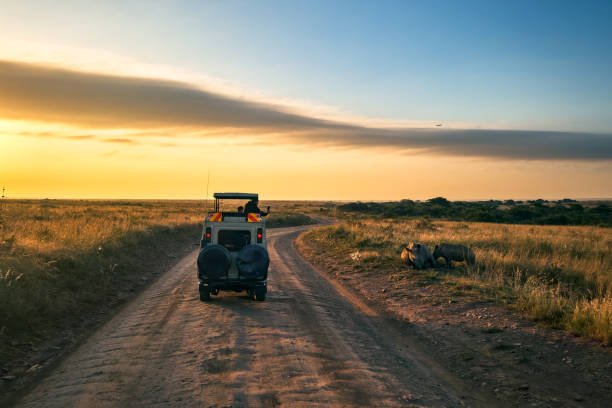

Discovering the Heart of Tanzania Through Its Flavors: Your 1-Day Mto wa Mbu Cooking Class Adventure
Tanzania is a land of incredible diversity, from the vast plains of the Serengeti to the snow-capped peak of Kilimanjaro. Yet, beyond the iconic landscapes and wildlife, lies a rich cultural heritage expressed vibrantly through its food. A 1-Day Mto wa Mbu Cooking Class provides an unparalleled opportunity to connect with this heritage on a deeply personal and delicious level. It’s more than just a meal; it’s an interactive journey into the heart of Swahili culinary traditions, designed for travelers seeking authentic experiences that go beyond the typical safari itinerary.
Imagine starting your day by navigating the bustling energy of a local market, selecting fragrant spices and the freshest produce. Then, under the guidance of experienced local chefs, you’ll learn the secrets behind preparing dishes that have been enjoyed for generations. This isn’t a passive demonstration; it’s an active, engaging experience where you’ll chop, stir, and cook, truly getting your hands dirty (in the best way possible!). By the end of the day, you’ll not only have a deeper appreciation for Tanzanian culture but also the skills to recreate some of its most beloved flavors at home. For those planning travel in 2026 or 2027, incorporating such a unique cultural activity is a fantastic way to enrich your Tanzanian adventure.
Why Choose a 1-Day Mto wa Mbu Cooking Class?
The allure of a 1-Day Mto wa Mbu Cooking Class lies in its ability to offer a concentrated, authentic taste of Tanzanian life. Unlike longer courses, this format is perfect for travelers on a tighter schedule, perhaps between safari game drives or before a Kilimanjaro trek. It’s an accessible way to engage with local culture, meet local people, and gain insights that are often missed by simply observing from a distance.
Key benefits include:
- Authenticity: Experience genuine Swahili cooking, using traditional methods and ingredients.
- Cultural Immersion: Connect with local chefs and communities, learning about the stories behind the food.
- Hands-on Experience: Actively participate in the entire cooking process, from market to plate.
- Delicious Results: Enjoy a freshly prepared, authentic Tanzanian meal that you helped create.
- Flexibility: Fits easily into most Tanzanian itineraries, offering a refreshing break from standard tours.
What to Expect: A Typical Day of Culinary Exploration
While the specifics can vary, a typical 1-Day Mto wa Mbu Cooking Class experience is designed to be comprehensive and engaging. The day usually begins in the morning, often around 9:00 AM, setting a relaxed yet productive pace.
The Market Visit: A Feast for the Senses
Your culinary journey almost always starts at a local market. This is where the vibrant heart of Tanzanian daily life beats strongest. Accompanied by your instructor, you’ll navigate stalls overflowing with colorful produce, aromatic spices, and fresh meats and fish. This is not just about shopping; it’s an educational experience. You’ll learn to identify key ingredients, understand their uses, and perhaps even pick up a few Swahili phrases for haggling or asking about specific items.
Expect to see:
- Staples: Maize (for ugali), rice, beans, cassava, bananas, and plantains.
- Vegetables: A wide array of greens, tomatoes, onions, garlic, okra, and local varieties you might not recognize.
- Fruits: Mangoes, papayas, pineapples, passion fruit, and more, depending on the season.
- Spices: Cardamom, cloves, cinnamon, turmeric, chili, and the essential Swahili spice blends.
- Proteins: Fresh fish from nearby lakes or the coast, chicken, and sometimes goat meat.
Your instructor will guide you in selecting the best quality ingredients for the dishes you’ll be preparing, explaining why certain choices are made. This interaction provides invaluable insights into local food culture and the importance of fresh, seasonal produce.
The Cooking Session: Hands-On Swahili Mastery
After the market visit, you’ll head to a designated cooking area, which might be a traditional kitchen, an outdoor setup, or a dedicated culinary school. Here, the real work begins. Your instructor will introduce the menu for the day, which typically includes a selection of popular Swahili dishes.
Commonly featured dishes often include:
- Ugali: The quintessential Tanzanian staple, a stiff porridge made from maize flour, served with virtually every meal. Learning to make it perfectly smooth is an art!
- Pilau: A fragrant rice dish cooked with spices, often including meat (beef, chicken, or goat) and vegetables. It’s a celebratory dish, rich in flavor and aroma.
- Wali wa Nazi (Coconut Rice): Rice cooked in coconut milk, offering a subtly sweet and creamy base for many meals.
- Kuku wa Kupaka (Swahili Chicken Curry): Chicken simmered in a rich, flavorful coconut milk-based sauce, infused with aromatic spices.
- Samaki wa Nazi (Fish in Coconut Sauce): Fresh fish cooked in a similar coconut sauce, often with added vegetables like okra or spinach.
- Mchuzi wa Nyama (Meat Stew): A hearty stew, typically beef or goat, slow-cooked with tomatoes, onions, and spices.
- Chapati: A popular unleavened flatbread, similar to Indian roti, perfect for scooping up stews and curries.
- Kachumbari: A fresh tomato and onion salsa, often with chili and cilantro, providing a bright, refreshing contrast.
You’ll be guided step-by-step through each recipe. This involves learning about the correct spice combinations, cooking times, and techniques. Don’t be shy to ask questions – your instructors are passionate about sharing their knowledge. You’ll participate in chopping vegetables, grinding spices, marinating meats, and managing the cooking process. The atmosphere is usually lively, encouraging conversation and shared learning.
The Grand Finale: Savoring Your Culinary Creations
The culmination of the cooking class is, of course, the meal. Once all the dishes are prepared, you’ll sit down, often with your instructor and fellow participants, to enjoy the feast you’ve collectively created. This is a moment to relax, reflect on the day’s learning, and truly appreciate the authentic flavors of Tanzania.
The meal is typically served family-style, allowing you to sample everything. It’s a chance to taste the difference fresh ingredients and traditional methods make. This communal dining experience is a highlight, fostering a sense of accomplishment and shared enjoyment. You’ll leave with a full stomach and a wealth of new culinary knowledge.
Who is This Class For?
A 1-Day Mto wa Mbu Cooking Class is an ideal activity for a wide range of travelers, particularly those visiting northern Tanzania (Arusha/Moshi region) as part of a larger trip. It perfectly suits:
- Food Enthusiasts: Anyone with a passion for exploring new cuisines and learning cooking techniques.
- Cultural Explorers: Travelers who want to go beyond surface-level tourism and connect with local life.
- Short-Stay Visitors: Those who have limited time but want a memorable, authentic experience.
- Couples and Small Groups: A fun and interactive activity to share, creating lasting memories.
- Solo Travelers: A welcoming environment to meet new people and engage with local culture.
- Pre/Post-Trekker: A great way to refuel and experience local culture before or after climbing Mount Kilimanjaro.
It’s a fantastic addition to a Tanzania safari, a Kilimanjaro trek, or a visit to Zanzibar (though classes are more common on the mainland). Even if you’re just on a short visit to Arusha or Moshi, this day trip offers immense value.
Planning Your 1-Day Mto wa Mbu Cooking Class in 2026-2027
When planning your trip to Tanzania for 2026 or 2027, consider booking your 1-day cooking class in advance, especially if you are traveling during peak seasons. This ensures availability and allows operators to make the necessary arrangements, including sourcing specific ingredients and scheduling instructors.
Choosing the Right Operator
Climb 4 Africa specializes in creating authentic Tanzanian experiences. We understand the importance of genuine cultural immersion and culinary exploration. Our 1-Day Mto wa Mbu Cooking Class is carefully curated to provide an unforgettable day.
When selecting an operator, look for:
- Local Expertise: An operator with deep roots in Tanzania, ensuring authentic experiences and knowledgeable guides.
- Positive Reviews: Check platforms like TripAdvisor for feedback on their cultural and culinary tours.
- Inclusions: Clarify what is included – market tour, all ingredients, cooking instruction, the meal, and transfers.
- Customization: Some operators may offer flexibility for dietary needs or specific dish requests.
At Climb 4 Africa, we pride ourselves on offering personalized service. We can help you integrate this cooking class seamlessly into your broader Tanzanian itinerary. Whether you’re planning a Tanzania safari group departure or a custom private tour, we can arrange this enriching activity.
Dietary Considerations
Swahili cuisine is diverse, but it often features common allergens like peanuts and coconut. If you have specific dietary restrictions (vegetarian, vegan, gluten-free, allergies), it is crucial to inform your tour operator well in advance. Most reputable operators, including Climb 4 Africa, are adept at accommodating these needs. They can adjust recipes, suggest alternative ingredients, or ensure that separate cooking stations are used to prevent cross-contamination. Early communication is key to a successful and safe culinary experience.
What to Bring
While most items will be provided, here are a few things you might want to bring:
- Comfortable Clothing: Light, breathable clothing suitable for a warm climate.
- Closed-toe Shoes: Essential for navigating the market and for safety in the kitchen.
- Apron: While often provided, you might prefer your own.
- Camera: To capture the vibrant market scenes and your culinary creations.
- Reusable Water Bottle: Stay hydrated throughout the day.
- An Open Mind and Appetite: The most important items!
The Swahili Kitchen: Understanding Key Ingredients and Techniques
To truly appreciate a 1-Day Mto wa Mbu Cooking Class, it helps to understand some of the foundational elements of Swahili cuisine. This coastal-influenced cooking is characterized by its use of spices, coconut milk, and fresh produce.
The Spice Route
Tanzania’s coastal history is deeply intertwined with the spice trade. This influence is evident in the generous use of aromatic spices in Swahili cooking. Common spices include:
- Cardamom: Adds a warm, pungent aroma, often used in pilau and rice dishes.
- Cloves: Pungent and sweet, used sparingly to add depth.
- Cinnamon: Warm and comforting, found in both savory and sweet dishes.
- Turmeric: Provides a vibrant yellow color and earthy flavor, often used in curries.
- Cumin and Coriander: Earthy and slightly citrusy, forming the base of many spice blends.
- Chili Peppers: Add heat, used according to preference.
- Ginger and Garlic: Essential aromatics, forming the flavor base for countless dishes.
Learning how these spices are combined is a key takeaway from any cooking class.
The Magic of Coconut Milk
Coconut milk is a cornerstone of Swahili cuisine, especially in coastal regions and Zanzibar, but its use extends inland. It provides a creamy texture and a subtly sweet flavor that complements both seafood and poultry. Dishes like Kuku wa Kupaka (chicken in coconut sauce) and Samaki wa Nazi (fish in coconut sauce) are prime examples. The class will teach you how to use fresh coconut milk, or a good quality store-bought version, effectively.
Staples and Accompaniments
Ugali, as mentioned, is the national starch. Made from maize flour (or sometimes millet or cassava), it’s cooked to a stiff consistency. It’s not eaten on its own but used as a utensil to scoop up flavorful stews and sauces. Getting the texture right – smooth and firm, not lumpy or too soft – is a skill taught in the class.
Other common accompaniments include:
- Wali wa Nyama/Samaki: Rice served with meat or fish dishes.
- Chapati: A soft, layered flatbread, perfect for dipping.
- Kachumbari: A fresh, chopped salad of tomatoes, onions, and chili, offering a cooling counterpoint to rich dishes.
- Various Stews and Curries: Providing the main flavor component of the meal.
Beyond the Plate: The Cultural Significance of Food in Tanzania
Food in Tanzania is deeply connected to social life, celebrations, and hospitality. Sharing a meal is a fundamental way of building community and showing respect. A 1-Day Mto wa Mbu Cooking Class offers a glimpse into this cultural fabric.
Hospitality: Tanzanians are known for their warmth and generosity. Offering food to guests is a tradition, and participating in a cooking class allows you to experience this firsthand, both as a learner and as someone who will soon be sharing the fruits of your labor.
Celebrations: Special occasions, holidays, and family gatherings are marked by elaborate meals. Dishes like Pilau and various meat stews are often prepared for celebrations. Learning to make these dishes connects you to the celebratory spirit of Tanzanian culture.
Daily Life: Even simple daily meals are prepared with care. The ingredients used, the cooking methods, and the way food is shared all reflect cultural norms. The market visit, in particular, shows the vital role local markets play in the daily lives of Tanzanians.
Integrating Your Cooking Class into a 2026-2027 Tanzania Itinerary
A 1-Day Mto wa Mbu Cooking Class is incredibly versatile and can enhance various types of Tanzanian trips planned for 2026 or 2027.
With a Northern Circuit Safari
If you’re visiting the famous parks like Serengeti, Ngorongoro Crater, Tarangire, or Lake Manyara, you’ll likely be based in or around Arusha or Moshi. This makes a cooking class a perfect day trip. You could schedule it:
- On your arrival day in Arusha/Moshi, before your safari begins.
- On a rest day between safari legs.
- After your safari concludes, before departing from Kilimanjaro International Airport (JRO).
Consider checking our Tanzania Safari Group Departures for 2026-2027 to see how you can fit this in.
Before or After Kilimanjaro Trekking
For Kilimanjaro climbers, the days immediately before or after the trek can be physically demanding or require acclimatization/recovery. A cooking class offers a gentle, engaging activity:
- Pre-Trek: A few days before starting your climb, a cooking class can be a relaxed way to experience local culture and enjoy a hearty meal.
- Post-Trek: After descending, a celebratory meal you helped prepare can be incredibly rewarding.
Our Machame Route Kilimanjaro Group Departures and other climb options can be combined with this experience.
With Zanzibar Holidays
While the primary focus of Swahili cuisine is on the coast, a 1-day class is most readily available on the mainland near Arusha/Moshi. If your trip focuses heavily on Zanzibar, you might explore local cooking experiences there, though mainland classes often offer a broader range of traditional dishes and a more structured market-to-table format.
Custom Travel Experiences
Climb 4 Africa excels at crafting custom itineraries. We can tailor a 1-Day Mto wa Mbu Cooking Class into any travel plan, ensuring it aligns with your interests, pace, and budget for 2026-2027. Whether it’s a standalone activity or part of a larger Tanzanian exploration, we make it happen.
Comparing Cooking Class Options
While the core concept of a 1-Day Mto wa Mbu Cooking Class remains similar, there can be variations in the experience offered by different providers. Understanding these differences can help you choose the best fit for your needs.
Group vs. Private Classes
Group classes are generally more budget-friendly and offer a social atmosphere, allowing you to interact with other travelers. They are ideal if you enjoy a communal learning environment. The cost is typically lower per person.
Private classes offer a more personalized experience, with the instructor’s full attention focused on you or your group. This allows for greater flexibility in terms of pace, specific dish requests, and deeper Q&A. Private classes are ideal for couples, families, or individuals seeking a tailored experience. The cost will be higher but reflects the dedicated attention.
Location and Facilities
Classes may be held in different settings:
- Traditional Homes: Offers a very authentic, intimate glimpse into local life.
- Dedicated Culinary Schools: Often provide well-equipped kitchens and a structured learning environment.
- Outdoor Kitchens: Can offer a rustic, charming ambiance, especially in good weather.
Consider the comfort and practicality of the facilities when making your choice.
Menu Variety
Some classes offer a set menu, while others allow for some choice or customization. If you have specific Swahili dishes you’re eager to learn, inquire about the menu in advance. A good class will cover a range of dishes, from staples like Ugali to flavorful mains and accompaniments.
The Economic and Social Impact of Culinary Tourism
Choosing a 1-Day Mto wa Mbu Cooking Class with a local operator like Climb 4 Africa contributes positively to the local economy and community. Culinary tourism provides:
- Direct Income: Supports local chefs, market vendors, and transportation providers.
- Cultural Preservation: Encourages the continuation and sharing of traditional culinary practices.
- Cross-Cultural Understanding: Fosters positive interactions between tourists and locals, breaking down barriers.
- Sustainable Tourism: Offers an alternative tourism product that highlights local culture and skills, often with a lower environmental footprint than some mass-market activities.
By participating, you become an active participant in supporting sustainable and culturally rich tourism in Tanzania.
Frequently Asked Questions about 1-Day Mto wa Mbu Cooking Classes
Here are some common questions travelers have:
What does “Mto wa Mbu” mean?
Mto wa Mbu translates to “Mosquito River” in Swahili. It’s a town located between Arusha and Lake Manyara, known for its agricultural significance and proximity to tourist routes. While the class is often named after this region, the experience itself is about broader Swahili cuisine.
Is the class suitable for beginners?
Absolutely. The classes are designed for all skill levels, from complete beginners to experienced home cooks. Instructors provide clear, step-by-step guidance.
How long does the cooking class typically last?
Most 1-day classes run from morning to early afternoon, usually around 4-6 hours in total, including the market visit and the meal.
What if I have dietary restrictions?
It’s essential to communicate any dietary needs (vegetarian, vegan, allergies, gluten-free) to your tour operator well in advance. Reputable operators can usually accommodate these requests.
What is the typical cost of a 1-day cooking class?
Prices can vary depending on the operator, inclusions, and whether it’s a group or private class. Expect costs to range roughly from $50 to $150 USD per person. This usually includes the market tour, all ingredients, instruction, the meal, and sometimes transfers. For specific pricing for 2026-2027, it’s best to get a direct quote.
Can I learn to make specific Tanzanian dishes?
Most classes cover popular dishes like Ugali, Pilau, and a coconut-based curry. If you have a particular dish in mind, inquire with the operator beforehand to see if it can be included in the menu.
Ready to Taste Tanzania? Book Your 1-Day Mto wa Mbu Cooking Class
A 1-Day Mto wa Mbu Cooking Class is more than just a culinary lesson; it’s a vibrant cultural exchange, a sensory adventure, and a delicious way to connect with the heart of Tanzania. Whether you’re planning your travels for 2026 or 2027, this experience offers a unique perspective that complements any safari, trek, or holiday.
Let Climb 4 Africa guide you through the flavors of Tanzania. We are dedicated to providing authentic, memorable experiences that showcase the best of our country. From the bustling markets to the fragrant kitchens, we invite you to discover the joy of Swahili cooking.
Contact us today to learn more or to book your 1-Day Mto wa Mbu Cooking Class:
- WhatsApp: +255747477898
- Email: climb4africa@gmail.com
- Backup Email: climb4africa@gmail.com
Explore more about our offerings and see what other travelers say:
- Discover our Tanzania Safari Blog for more travel inspiration.
- Read reviews on TripAdvisor.
- Follow us on Instagram: @climb4africa
We look forward to helping you create an unforgettable culinary adventure in Tanzania!
Check Availability for 1-Day Mto Wa Mbu Cooking Class: Taste Of Tanzania In One Day 2026-2027
Ready to compare dates, prices, and the best option for your group? Send the package name and travel month so the team can reply with a clear quote, availability, and what is included.
 1-Day Mto Wa Mbu Banana Farm Tour: A Taste Of Tanzanias Agricultural HeartDiscover the vibrant agricultural heart of Tanzania with a 1-day Mto wa Mbu banana farm tour. This unique experience offers a genuine glimpse…View packageYour 1-Day Mto Wa Mbu Tuk-Tuk Experience: A Complete Guide For 2026-2027Discover the vibrant local life and unique culture of Mto wa Mbu on an unforgettable 1-day tuk-tuk tour. This guide covers everything you need…View package1-Day Mto Wa Mbu Local Food Tour: A Taste Of Tanzanias Heart 2026-2027start a flavorful journey with our 1-Day Mto wa Mbu Local Food Tour. This in-depth experience introduces you to the authentic tastes and…View package
 1-Day Mto Wa Mbu Cycling Adventure: A Thrilling Tanzanian Experience 2026-2027start a unique 1-Day Mto wa Mbu Cycling Adventure, exploring the heart of Tanzania's rural life. This tour offers a chance to connect with local…View package
 Experience A Half-Day Mto Wa Mbu Village Tour With Climb 4 AfricaExplore the vibrant culture of Mto wa Mbu village on an enriching half-day tour. This experience offers a genuine glimpse into Tanzanian daily…View package
 Mto Wa Mbu: Your Gateway To Tanzanias Cultural Heart And Natural WondersExplore Mto wa Mbu, a vital stop for travelers in Tanzania. Learn about its rich culture, local life, and its strategic position for safaris and…View package
 Lake Manyara Family Safari: An Unforgettable Adventure In Tanzania 2026-2027Plan an unforgettable Lake Manyara family safari in Tanzania with Climb 4 Africa. This guide covers wildlife, activities, best times to…View package
 Lake Manyara Tree-Climbing Lion Safari: Your Ultimate Guide 2026-2027A detailed 2026-2027 guide to Lake Manyara Tree-Climbing Lion Safari, with clear planning and booking information for travelers.View package
 Lake Manyara Canoeing Adventure: Your Ultimate Guide For 2026-2027Discover the tranquility and wildlife encounters of a Lake Manyara canoeing adventure. This guide explores why paddling on this soda lake offers…View packageLake Manyara Night Game Drive: A Unique Tanzania Safari Experience 2026-2027Experience the thrill of a Lake Manyara night game drive, a unique opportunity to witness the park's nocturnal inhabitants. This guide details…View package
 2-Day Lake Manyara And Ngorongoro Safari: Your Essential Tanzania ItineraryDiscover the magic of Tanzania's northern circuit with a concise yet impactful 2-day safari, focusing on the unique ecosystems of Lake Manyara…View package
 2-Day Lake Manyara And Tarangire Tour: Essential Tanzania Safari ItineraryDiscover the magic of a 2-day Lake Manyara and Tarangire tour, a perfect short safari adventure in Tanzania. This itinerary focuses on two…View package


