Updated planning guide for 2026, 2027-2028
Kilimanjaro Trekking Deals, This July To December: Expert Guide 2026-2027-2028
Planning a Kilimanjaro trek between July and December 2026-2027? This comprehensive guide covers everything you need to know, from choosing the right route and understanding costs to packing essentials and booking your adventure. Discover the best deals and tips for a successful climb.
WhatsApp +255747477898 | climb4africa@gmail.com | climb4africa@gmail.com
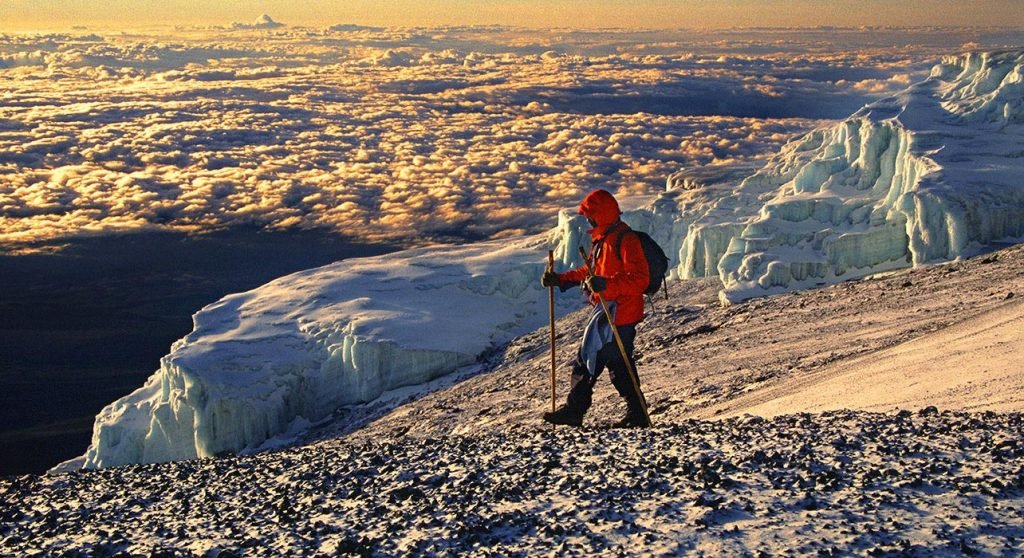
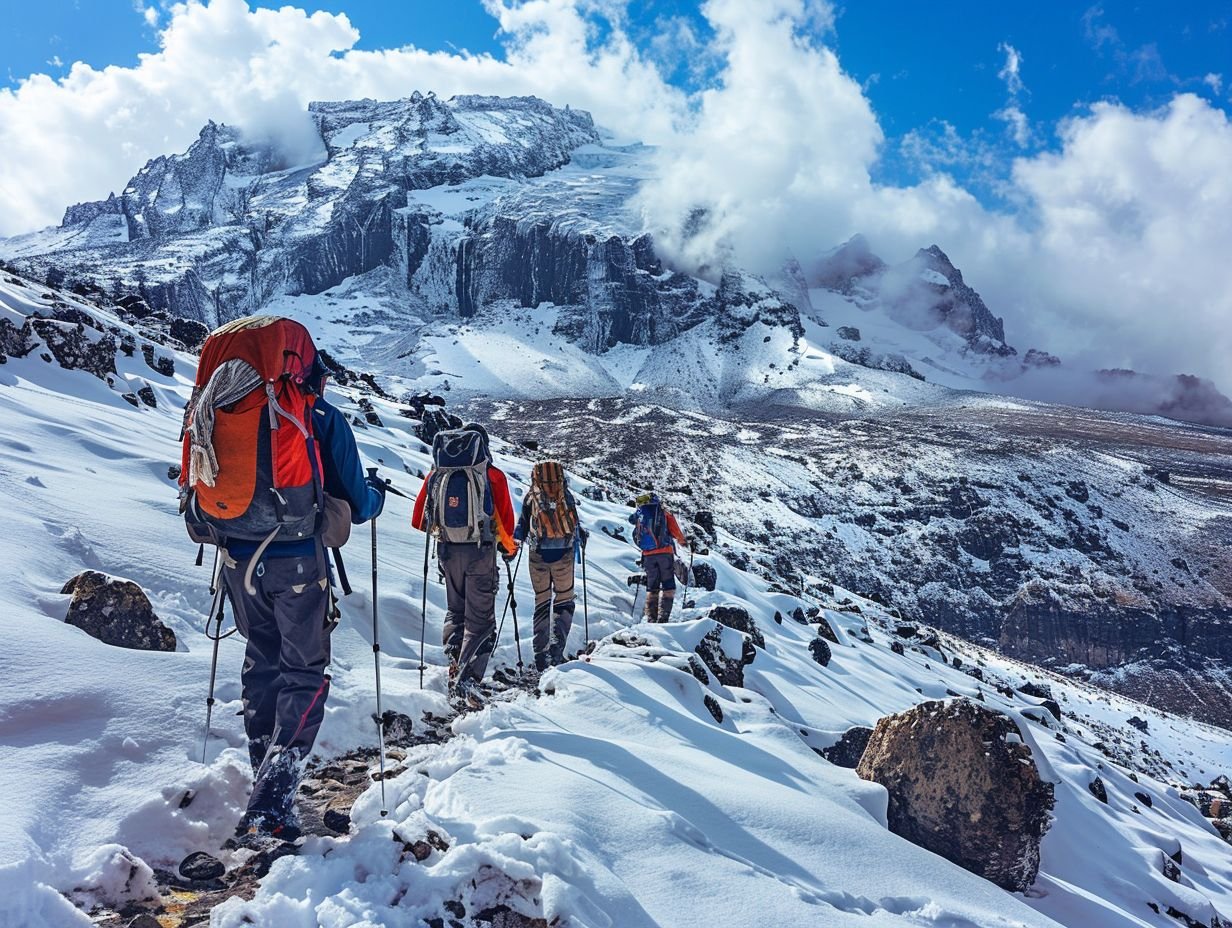
The allure of standing on the Roof of Africa is a powerful one, and many adventurers dream of conquering Mount Kilimanjaro. If you’re considering a trek between July and December, you’re in for a treat. This period offers some of the most stable weather conditions for climbing, making it a popular choice. Finding the right Kilimanjaro trekking deals this July to December requires careful planning and an understanding of what goes into a successful expedition. This guide is designed to provide you with all the essential information, from selecting the best route and understanding the costs to preparing your gear and making a wise booking decision for your 2026 or 2027 adventure.
Quick Facts: Kilimanjaro Trekking
| Fact | Details |
|---|---|
| Mountain | Mount Kilimanjaro |
| Location | Tanzania, East Africa |
| Elevation | 5,895 meters (19,341 feet) |
| Highest Point | Uhuru Peak |
| Best Trekking Season | January-March and June-October. July to December is generally good with clear skies and cooler temperatures. |
| Popular Routes | Machame, Lemosho, Marangu, Rongai, Northern Circuit, Shira |
| Typical Trek Duration | 5 to 9 days (depending on route) |
| Difficulty | Moderate to Strenuous (primarily due to altitude) |
| Park Fees | Mandatory, set by Tanzania National Parks Authority (TANAPA) |
| Guides/Porters | Mandatory for all climbers |
Kilimanjaro Trekking: An Overview
Mount Kilimanjaro, a dormant volcano in Tanzania, is Africa’s highest peak and one of the world’s highest free-standing mountains. Its iconic snow-capped summit, Uhuru Peak, draws thousands of trekkers annually from across the globe. The climb is not technically demanding, meaning no ropes or specialized climbing gear are usually required. However, its significant altitude presents a considerable challenge, making acclimatization the most critical factor for success. Trekking Kilimanjaro is an unforgettable journey through diverse ecological zones, from lush rainforests at the base to alpine deserts and finally, the arctic summit zone. Choosing the right operator and understanding the best time to climb are crucial for a safe and enjoyable experience.
Why Choose July to December for Your Kilimanjaro Trek?
The period from July to December falls within Kilimanjaro’s dry seasons, though there are nuances within this timeframe. Generally, this six-month window offers excellent trekking conditions:
- July to October: This is considered the main dry season. Skies are typically clear, offering spectacular views of the mountain and the surrounding landscape. Rainfall is minimal, making trails easier to navigate. Temperatures are cooler, especially at higher altitudes, which many trekkers find more comfortable for strenuous climbing. This is a peak season, so expect more fellow trekkers on the mountain.
- November to December: This period marks the start of the short rainy season. While it’s not as consistently dry as the July-October window, rainfall is often in the form of brief afternoon showers. The advantage here is fewer crowds and potentially lower prices for Kilimanjaro trekking deals this July to December. The landscape can be greener, and the air cleaner after the rains. Sunrise views can be particularly dramatic with lingering clouds below.
For those looking for Kilimanjaro trekking deals this July to December, this entire period offers a good balance of favorable weather and the possibility of finding competitive pricing, especially if you book in advance for 2026 or 2027. The cooler temperatures can be a significant advantage for sustained effort on the ascent.
Kilimanjaro Routes: Which One is Right for You?
Choosing the right route is fundamental to your Kilimanjaro experience. Each route has its own characteristics regarding scenery, difficulty, acclimatization profile, and crowd levels. For treks happening between July and December, all routes are generally accessible, but some offer better acclimatization and views.
- Machame Route: Often called the “Whiskey Route,” it’s popular for its scenic beauty and excellent acclimatization profile. It’s a challenging trek with a high success rate due to its “climb high, sleep low” opportunities. It typically takes 6 or 7 days. This is a great option for finding Kilimanjaro trekking deals this July to December as it’s a popular choice with frequent departures. You can find group departures for the Machame Route here: Machame Route Kilimanjaro Group Departures Dates.
- Lemosho Route: Known for its stunning scenery and remote wilderness feel, Lemosho is one of the most beautiful routes. It offers superb acclimatization and typically takes 7 to 8 days. It’s a longer, more expensive option but highly recommended for its success rates and experience.
- Northern Circuit: The longest route, offering the best acclimatization and highest success rates. It circles the mountain, providing diverse views and a true sense of wilderness. It requires at least 9 days. This route is ideal for those seeking a more relaxed pace and maximum acclimatization, making it suitable for the July-December period.
- Marangu Route: The “Coca-Cola Route,” it’s the oldest and most established. It’s unique for its hut accommodation instead of camping. It’s the shortest route (5 days) and therefore has a lower success rate due to rapid ascent and poor acclimatization. While it might seem like a good deal, the lower success rate can make it a false economy.
- Rongai Route: The only route that approaches from the north, Rongai is a good alternative during the rainy season (though November-December can have light showers). It’s less crowded and offers a different perspective. It typically takes 6 or 7 days and has good acclimatization.
- Shira Route: Similar to Lemosho but starts at a higher altitude, meaning less walking through the rainforest. It’s scenic but has slightly poorer acclimatization at the start compared to Lemosho.
For the July to December period, Machame and Lemosho are excellent choices due to their scenic beauty and good acclimatization profiles. The Northern Circuit is ideal if you have more time and prioritize success. When searching for Kilimanjaro trekking deals this July to December, consider routes that offer longer durations for better acclimatization.
Kilimanjaro Route Overview (Textual Illustration)
Understanding the general path of the most popular routes can help visualize the journey:
| Route | General Direction of Travel | Key Features |
|---|---|---|
| Marangu | Southeast to Summit, then descend same path | Huts, shorter, faster ascent, less scenic |
| Machame | Southwest, circles north, then east to summit | Camping, scenic, good acclimatization, popular |
| Lemosho | West, then circles north, then east to summit | Camping, very scenic, remote start, excellent acclimatization |
| Shira | West, then circles north, then east to summit | Camping, starts higher, scenic, good acclimatization |
| Rongai | North to Summit, then descend via Marangu or Machame | Camping, less crowded, drier approach, good acclimatization |
| Northern Circuit | West, then full circle north, then east to summit | Camping, longest, best acclimatization, highest success rate, remote |
Sample Itineraries for Popular Routes (July-December)
Here are sample itineraries for two of the most sought-after routes during the July to December trekking season. These are typical durations; longer options are often available and recommended for better acclimatization.
7-Day Machame Route Itinerary (Example)
Day 1: Machame Gate (1,800m) to Machame Camp (3,050m)
Trek: 5-6 hours. Distance: 11 km. Zone: Rainforest.
Day 2: Machame Camp (3,050m) to Shira 2 Camp (3,850m)
Trek: 4-5 hours. Distance: 5 km. Zone: Moorland. Enjoy scenic views.
Day 3: Shira 2 Camp (3,850m) to Barranco Camp (3,950m)
Trek: 5-6 hours. Distance: 10 km. Zone: Semi-desert. This day involves “climb high, sleep low” as you cross the Lava Tower (4,600m) before descending to Barranco.
Day 4: Barranco Camp (3,950m) to Karanga Camp (4,000m)
Trek: 3-4 hours. Distance: 5 km. Zone: Alpine Desert. A shorter day, but you must conquer the Barranco Wall.
Day 5: Karanga Camp (4,000m) to Barafu Camp (4,650m)
Trek: 3-4 hours. Distance: 4 km. Zone: Alpine Desert. Reach Barafu, the base camp for summit night.
Day 6: Summit Day! Barafu Camp (4,650m) to Uhuru Peak (5,895m) and descend to Mweka Camp (3,100m)
Trek: 7-8 hours to summit, 4-5 hours descent. Distance: 5 km up, 12 km down. Zone: Arctic Summit Zone. Start around midnight, reach Stella Point, then Uhuru Peak. Descend past Barafu to Mweka Camp.
Day 7: Mweka Camp (3,100m) to Mweka Gate (1,650m)
Trek: 3-4 hours. Distance: 10 km. Zone: Rainforest. Celebrate your achievement at the gate.
8-Day Lemosho Route Itinerary (Example)
Day 1: Londorossi Gate (2,360m) to Mti Mkubwa Camp (2,800m)
Drive to gate, then 3-4 hours trek. Distance: 6 km. Zone: Rainforest.
Day 2: Mti Mkubwa Camp (2,800m) to Shira 1 Camp (3,500m)
Trek: 5-6 hours. Distance: 8 km. Zone: Moorland. Enjoy views of the plains.
Day 3: Shira 1 Camp (3,500m) to Shira 2 Camp (3,850m)
Trek: 4-5 hours. Distance: 5 km. Zone: Moorland. Acclimatization focus.
Day 4: Shira 2 Camp (3,850m) to Barranco Camp (3,950m)
Trek: 5-6 hours. Distance: 10 km. Zone: Semi-desert. Cross Lava Tower (4,600m) before descending.
Day 5: Barranco Camp (3,950m) to Karanga Camp (4,000m)
Trek: 3-4 hours. Distance: 5 km. Zone: Alpine Desert. Ascend the Barranco Wall.
Day 6: Karanga Camp (4,000m) to Barafu Camp (4,650m)
Trek: 3-4 hours. Distance: 4 km. Zone: Alpine Desert. Prepare for summit night.
Day 7: Summit Day! Barafu Camp (4,650m) to Uhuru Peak (5,895m) and descend to Mweka Camp (3,100m)
Trek: 7-8 hours up, 4-5 hours down. Distance: 5 km up, 12 km down. Summit bid via Stella Point to Uhuru Peak, then descend.
Day 8: Mweka Camp (3,100m) to Mweka Gate (1,650m)
Trek: 3-4 hours. Distance: 10 km. Zone: Rainforest. Final descent and celebration.
What to Expect on the Mountain
Trekking Kilimanjaro is a significant undertaking. Here’s what you can anticipate:
- Altitude Sickness (AMS): This is the biggest risk. Symptoms include headache, nausea, dizziness, and fatigue. Proper acclimatization (longer routes, gradual ascent, “pole pole” – slowly slowly) is key. Your guides are trained to monitor you and manage AMS.
- Varying Weather: Even in the dry season, weather can change rapidly. Expect sunshine, wind, and potentially rain or even snow at the summit. Temperatures can range from warm in the rainforest to well below freezing at the summit.
- Basic Camping: Unless you choose Marangu, you’ll be camping. Campsites are usually basic but functional, with tents for sleeping, a mess tent for meals, and pit toilets.
- Food: Your trekking crew will prepare nutritious and filling meals. Expect a mix of local and international cuisine, including porridge, eggs, pasta, rice, vegetables, and fruits. Hydration is critical; drink plenty of water.
- Physical Exertion: Daily treks can range from 3 to 8 hours, sometimes more on summit night. The terrain varies from forest paths to rocky scree. The altitude makes even easy climbs feel strenuous.
- Crew: You’ll be accompanied by a team of experienced guides, porters, and cooks. They are essential for your safety, comfort, and success. They carry your gear, set up camp, prepare meals, and offer encouragement.
- Scenery: The landscapes are breathtaking and diverse, changing dramatically as you gain altitude. From lush rainforests teeming with wildlife to the stark, lunar-like landscapes of the alpine desert and the glaciated summit, the visual journey is as rewarding as the physical one.
Typical Inclusions and Exclusions in Trekking Packages
When comparing Kilimanjaro trekking deals this July to December, it’s vital to understand what’s included in the price. Reputable operators will be transparent about this.
Common Inclusions:
- Park entry fees (Kilimanjaro National Park, TANAPA fees)
- Camping fees or hut fees (Marangu)
- Rescue fees
- Professional, licensed mountain guides (usually 2 for groups)
- Porters to carry group gear and your duffel bag (usually up to 15kg)
- Cook and cooking equipment
- All meals on the mountain (breakfast, lunch, dinner)
- Boiled drinking water on the mountain
- Accommodation before and after the climb (often in a mid-range hotel in Moshi or Arusha)
- Tents, sleeping mats, mess tent, table, chairs
- Transfer from/to Kilimanjaro International Airport (JRO) or your hotel in Moshi/Arusha to the park gate and back
- Government taxes and local levies
Common Exclusions:
- International flights to/from Tanzania
- Visa fees
- Travel insurance (mandatory)
- Personal climbing gear (boots, clothing, sleeping bag, etc.)
- Tips for guides, porters, and cooks (a significant part of their income)
- Lunches and dinners in town before/after the trek
- Alcoholic beverages and soft drinks
- Personal expenses (souvenirs, laundry)
- Vaccinations and medications
- Optional hot shower fees (on Marangu route)
- Summit pole (sometimes an extra charge)
Always clarify these points with your tour operator. For example, Climb 4 Africa typically includes accommodation before and after the trek, airport transfers, park fees, guides, porters, cooks, all meals on the mountain, and camping equipment. You can contact them via WhatsApp at +255747477898 or email climb4africa@gmail.com.
Essential Packing List and Preparation
Proper preparation and packing are crucial for a safe and comfortable Kilimanjaro climb, especially during the July to December period when temperatures can vary significantly.
Key Gear Categories:
- Clothing: Layering is essential. Think moisture-wicking base layers, insulating mid-layers (fleece), and a waterproof/windproof outer shell. Include thermal underwear, t-shirts, long-sleeved shirts, trousers (hiking and warmer ones), and a warm hat and gloves.
- Footwear: Broken-in waterproof hiking boots are non-negotiable. Bring comfortable camp shoes or sandals for evenings. Several pairs of good quality hiking socks are vital.
- Headwear: A warm hat that covers your ears, a sun hat with a brim, and sunglasses.
- Sleeping Gear: A warm sleeping bag rated to at least -10°C (0°F) is recommended. A sleeping bag liner can add warmth.
- Backpack: A comfortable daypack (30-40 liters) for essentials you need during the day (water, snacks, camera, rain gear). Your main gear goes in a waterproof duffel bag (80-100 liters) carried by porters.
- Trekking Poles: Highly recommended for stability and reducing strain on your knees.
- Hydration: Water bottles or a hydration reservoir (2-3 liters capacity). Water purification tablets or a filter can be a backup.
- Health and First Aid: Personal medications, sunscreen (high SPF), lip balm, insect repellent, hand sanitizer, blister treatment, pain relievers, and any personal items recommended by your doctor.
- Headlamp: Essential for summit night and navigating camp in the dark. Bring extra batteries.
- Other Essentials: Camera, power bank, toiletries, quick-dry towel, snacks.
Physical Preparation:
- Cardiovascular Fitness: Engage in regular aerobic activities like hiking, running, cycling, or swimming for at least 3-4 months before your trek.
- Hiking: Practice hiking with a weighted backpack on varied terrain, including hills and stairs.
- Strength Training: Focus on leg strength (squats, lunges) and core strength.
- Mental Preparation: Understand the challenges of altitude and be prepared for discomfort. A positive attitude is crucial.
Consult with your tour operator for a detailed packing list. Climb 4 Africa provides comprehensive advice to their clients.
Common Mistakes to Avoid When Booking Kilimanjaro Trekking Deals
To ensure you get the best value and experience when looking for Kilimanjaro trekking deals this July to December, be aware of common pitfalls:
- Choosing the Cheapest Option: The lowest price often means cutting corners on guide quality, porter welfare, food, or safety equipment. This can compromise your safety and success rate. A slightly higher price for a reputable operator is usually a wise investment.
- Ignoring Acclimatization: Opting for shorter routes (like a 5-day Marangu) significantly reduces your chances of reaching the summit due to poor acclimatization. Longer routes (7+ days) are always recommended.
- Inadequate Preparation: Underestimating the physical and mental demands of climbing Kilimanjaro. Lack of training and preparation is a common reason for failure.
- Not Researching the Operator: Look for reviews, check their safety protocols, and ensure they treat their staff ethically. Check traveler feedback on platforms like TripAdvisor: Climb 4 Africa Reviews.
- Packing Incorrect Gear: Bringing unsuitable footwear, not enough warm layers, or forgetting essentials like a headlamp can make the trek miserable or even impossible.
- Ignoring Travel Insurance: Ensure your policy covers high-altitude trekking and emergency evacuation. This is non-negotiable.
- Not Understanding Inclusions/Exclusions: Being surprised by hidden costs like park fees or mandatory tips can strain your budget.
Who is Kilimanjaro Trekking Best Suited For?
Kilimanjaro is often considered a “walkable” mountain, but it’s a serious high-altitude trek. It’s best suited for:
- Reasonably Fit Individuals: You don’t need to be an elite athlete, but a good level of cardiovascular fitness and stamina is required.
- Adventurous Travelers: Those who enjoy the outdoors, camping, and challenging themselves physically and mentally.
- First-Time High-Altitude Climbers: With proper preparation and a longer route, Kilimanjaro is an excellent introduction to high-altitude trekking.
- Anyone Seeking a Significant Achievement: Reaching Uhuru Peak is a monumental accomplishment that offers incredible personal satisfaction.
- Travelers with Time for Acclimatization: Individuals who understand the importance of a longer trek (7+ days) to maximize their chances of success.
It is generally not recommended for individuals with serious pre-existing medical conditions, especially heart or lung issues, without thorough consultation with their doctor. Children under 10 are usually not permitted.
Alternatives to Kilimanjaro Trekking
While Kilimanjaro is iconic, Tanzania offers other incredible trekking and adventure opportunities. If Kilimanjaro isn’t the right fit, or if you’re looking for complementary experiences, consider:
- Mount Meru: A beautiful, less crowded volcano near Kilimanjaro. It’s a fantastic acclimatization climb and offers diverse wildlife viewing in Arusha National Park. It typically takes 4-5 days.
- Mount Kenya: Africa’s second-highest peak. It offers more technical climbing routes (like the Chogoria and Sirimon routes to Point Lenana) and stunning alpine scenery. Day trips to lower peaks are also possible.
- Usambara Mountains: Located in northeastern Tanzania, these mountains offer lush forests, rolling hills, and opportunities for cultural tourism and hiking. It’s a much lower altitude and more relaxed trekking experience.
- Tanzania Safaris: For a different kind of adventure, explore the world-renowned national parks like Serengeti, Ngorongoro Crater, Tarangire, and Lake Manyara. You can find group safari departures and dates here: All Tanzania Safaris Group Departures Dates & Best Shared Tours. More planning articles are available in the Tanzania Safari Tours Blog.
- Zanzibar Holidays: Combine your safari or trek with a relaxing beach holiday on the spice island of Zanzibar.
Planning Your Kilimanjaro Trek for 2026-2027
Booking your Kilimanjaro trekking deals this July to December for 2026 or 2027 requires foresight. Here’s a planning timeline:
2026-2027 Planning Checklist:
- 12-18 Months Prior: Research routes, operators, and the best time to climb. Start general fitness training. Book time off work.
- 9-12 Months Prior: Select your operator and book your trek. This is especially important for peak season (July-October) in 2026-2027 to secure preferred dates and potentially better deals.
- 6-9 Months Prior: Intensify your fitness training. Start researching and purchasing essential gear (boots, backpack, warm clothing).
- 3-6 Months Prior: Continue training. Finalize gear purchases. Consult your doctor about necessary vaccinations and medications for Tanzania. Arrange travel insurance.
- 1-3 Months Prior: Practice hiking with your full gear. Confirm all travel arrangements (flights, visas). Pack your duffel bag and daypack.
- 1-2 Weeks Prior: Final gear check. Relax and get rest.
- During the Trek: Follow guide instructions, “pole pole,” stay hydrated, and enjoy the experience!
Booking early for 2026-2027 allows you to secure your spot on popular routes and potentially take advantage of early bird offers if available. It also gives you ample time for physical preparation and gear acquisition.
What Our Trekkers Say
Don’t just take our word for it. Hear from adventurers who have experienced Kilimanjaro with us:
“Climbing Kilimanjaro with Climb 4 Africa was the trip of a lifetime! The guides were incredibly knowledgeable and supportive, the food was surprisingly good, and the porters made it all possible. I reached Uhuru Peak thanks to their excellent planning and care.” – Sarah K.
“We booked a 7-day Machame route trek for September 2025 and found the team at Climb 4 Africa to be very professional. They answered all our questions promptly and ensured we had a safe and memorable climb. Highly recommend checking them out for any Kilimanjaro trekking deals this July to December.” – David L.
See more recent photos and updates from our expeditions on Instagram: @climb4africa.
Booking Your Kilimanjaro Trekking Deals
When you’re ready to book your Kilimanjaro trekking deals this July to December, whether for 2026 or 2027, here’s how to proceed:
- Choose Your Operator Wisely: Look for operators with a strong reputation for safety, ethical treatment of staff, and a proven track record. We, at Climb 4 Africa, pride ourselves on these aspects.
- Select Your Route and Duration: Based on your fitness, budget, and desired experience, choose a route and duration (7+ days recommended).
- Contact Us: Reach out to us directly to discuss your plans. We can provide tailored advice, current package details, and answer any specific questions you might have about trekking Kilimanjaro between July and December.
- Confirm Inclusions: Double-check what is included in the price, especially park fees, guide/porter costs, accommodation, and transfers.
- Payment: Understand the deposit and final payment schedule.
- Pre-Trip Support: A good operator will offer pre-trip support, including detailed packing lists and training advice.
Contact Climb 4 Africa today to plan your Kilimanjaro adventure. We are committed to providing exceptional experiences and helping you achieve your summit dreams. You can reach us via:
- WhatsApp: +255747477898
- Email: climb4africa@gmail.com
- Backup Email: climb4africa@gmail.com
For more information about our other services, please visit our main website: www.climb4africa.com.
Frequently Asked Questions (FAQs)
1. What is the best month for Kilimanjaro trekking between July and December?
July, August, September, and October are typically the driest months with clear skies, making them ideal. November and December are part of the short rainy season, meaning occasional showers but fewer crowds and potentially greener landscapes.
2. How much does Kilimanjaro trekking cost for July to December 2026-2027?
Prices vary significantly based on the operator, route duration, and inclusions. Generally, expect packages to range from approximately $1500 to $3000+ USD per person for a standard 7-day trek. Longer routes and more premium services will cost more. Always check what’s included, especially park fees and porter wages.
3. Is Kilimanjaro safe to climb in July to December?
Yes, it is safe when undertaken with a reputable operator who prioritizes safety. This includes using experienced guides trained in altitude sickness management, ensuring proper equipment, and adhering to park regulations. The main risks are altitude sickness and weather-related issues, which are managed through careful planning and execution.
4. What is the success rate for climbing Kilimanjaro?
Success rates vary depending on the route, duration, and operator. Longer routes (7+ days) with good acclimatization, like Lemosho or Northern Circuit, generally have higher success rates (often 80-90% or more). Shorter routes (like 5-day Marangu) have significantly lower rates (around 40-60%).
5. Do I need special climbing skills for Kilimanjaro?
No, Kilimanjaro is a trekking peak, not a technical climbing mountain. No ropes or ice axes are typically required. The challenge is primarily due to altitude and the physical exertion involved.
6. What is the most important factor for reaching the summit?
Acclimatization is paramount. This means choosing a longer route (at least 7 days), ascending slowly (“pole pole”), staying hydrated, and listening to your body and guides. Proper physical fitness is also crucial.
7. Can I find Kilimanjaro trekking deals for late 2026 or early 2027?
Yes, booking in advance for late 2026 or early 2027 is advisable, especially for the popular dry season months. While specific “deals” depend on the operator and booking time, early booking often secures preferred dates and can sometimes offer slight advantages. Contacting operators directly like Climb 4 Africa is the best way to inquire about current offers for Kilimanjaro trekking deals this July to December.
8. What kind of food is served on Kilimanjaro?
Your trekking crew will prepare three meals a day: breakfast, lunch, and dinner. Expect a varied menu including porridge, eggs, toast, pancakes, soups, rice, pasta, chicken, beef, vegetables, and fruits. It’s designed to be nutritious and energy-rich.
9. How much should I tip the Kilimanjaro crew?
Tipping is customary and a significant part of the crew’s income. While amounts vary, a common guideline is around $250-$350 USD per trekker for a 7-day climb, distributed among guides, assistant guides, cooks, and porters. Your operator will provide specific recommendations.
10. What is the weather like in December on Kilimanjaro?
December is the start of the short rainy season. While you can expect clear, sunny mornings and beautiful views, there’s a higher chance of afternoon showers, which can be brief but heavy. Temperatures will be cold at higher altitudes, especially on summit night, typically ranging from -10°C to 5°C (14°F to 41°F).
Complete Kilimanjaro Trekking Deals, This July to December Planning Details for 2026- 2027-2028
Kilimanjaro Trekking Deals, This July to December needs more than a quick description because travelers normally want to understand timing, route logic, comfort level, inclusions, local support, safety, and how the trip fits with the rest of a Tanzania journey. For 2026- 2027-2028, the best plan is to compare the route, travel month, daily pace, accommodation style, and transport arrangement before confirming.
A strong plan should explain where the trip starts, what happens each day, how long transfers may take, what travelers should prepare, and which parts can be customized. This makes the page useful for families, couples, solo travelers, private groups, budget travelers, mid-range guests, and luxury travelers.
Important things to confirm before booking
- Exact starting point and pickup time.
- Accommodation level or day-trip timing.
- Transport type and guide arrangement.
- Park fees, activities, meals, drinking water, and transfers.
- Best travel month for weather, wildlife, trekking, beaches, or photography.
- Payment plan, deposit, cancellation terms, and changes if travel dates move.
Kilimanjaro Trekking Deals, This July to December Sample Structure and Route Logic
Most travelers choose Kilimanjaro Trekking Deals, This July to December because they want a clear experience that is easy to understand and simple to book. The structure should feel practical: arrival or pickup, main activity, important stops, relaxed timing, overnight or return plan, and final drop-off. When the topic involves safari, the route should respect park distance and game drive time. When it involves Kilimanjaro, the route should respect acclimatization and safe pacing. When it involves Zanzibar, the plan should balance ocean activities, culture, relaxation, and transfer time.
| Planning Area | What to Check | Why It Matters |
|---|---|---|
| Timing | Season, pickup time, daily pace, and activity duration | Helps avoid rushed travel and gives better value |
| Comfort | Budget, mid-range, luxury, private, or shared style | Matches the trip with the traveler expectation |
| Logistics | Transfers, vehicle, guide, permits, and entry rules | Prevents surprises during the trip |
| Booking | Deposit, availability, route, inclusions, and final balance | Makes confirmation smooth and transparent |
Climb 4 Africa Recommendation
Best Tanzania Tour operator recommends treating Kilimanjaro Trekking Deals, This July to December as a complete travel plan rather than only a title. A good operator should explain the route, guide support, what is included, what is excluded, how timing works, and what can be adjusted. Travelers can also compare Tanzania safari group departures and shared tours, check Machame Route Kilimanjaro group departures, or read more articles in the Tanzania safari tours blog.
For a more personal look at current trips and field updates, travelers may follow Climb 4 Africa on Instagram, review traveler feedback on Tripadvisor, or visit our another website.
Kilimanjaro Trekking Deals, This July to December FAQs for 2026- 2027-2028
How early should I book Kilimanjaro Trekking Deals, This July to December?
Booking early is better for 2026- 2027-2028, especially for high season, family travel, group departures, Kilimanjaro routes, Serengeti safaris, Zanzibar holidays, and private customized tours.
Can this trip be customized?
Yes. The route, accommodation level, pace, pickup point, and add-ons can usually be adjusted depending on availability and the travel dates.
Is Kilimanjaro Trekking Deals, This July to December suitable for first-time travelers?
Yes, when the itinerary is explained clearly and the guide support is reliable. First-time travelers should ask for a simple day-by-day plan, inclusions, exclusions, and preparation notes.
What should I ask before confirming?
Ask about transport, guide, meals, park or activity fees, accommodation, payment plan, cancellation terms, and what happens if weather or travel timing changes.
Kilimanjaro Trekking Deals, This July to December Detailed Cost and Value Notes
Cost can change by season, accommodation level, group size, park rules, transfer distance, and activity style. A useful page should explain what usually affects price rather than only giving one short number. Travelers comparing this topic for 2026-2027 should check whether transport, guide, meals, drinking water, accommodation, park fees, permits, and airport transfers are included.
Kilimanjaro Trekking Deals, This July to December should be explained with enough detail for a traveler to understand the route, timing, comfort level, inclusions, exclusions, preparation, and booking steps. Repeating the focus topic naturally in helpful planning areas makes the article stronger without stuffing keywords.
Kilimanjaro Trekking Deals, This July to December Best Traveler Type for This Plan
This plan can work for different travelers when the details are adjusted correctly. Families may need softer timing and private transport, couples may prefer better rooms and scenic pacing, group travelers may focus on shared departures and value, while photographers may need more time in key locations.
Kilimanjaro Trekking Deals, This July to December should be explained with enough detail for a traveler to understand the route, timing, comfort level, inclusions, exclusions, preparation, and booking steps. Repeating the focus topic naturally in helpful planning areas makes the article stronger without stuffing keywords.
Kilimanjaro Trekking Deals, This July to December Common Booking Mistakes to Avoid
Common mistakes include choosing only by the cheapest price, ignoring transfer time, booking without checking inclusions, using a rushed itinerary, not confirming accommodation names, and failing to ask how changes are handled if flights, weather, or park timing changes.
Kilimanjaro Trekking Deals, This July to December should be explained with enough detail for a traveler to understand the route, timing, comfort level, inclusions, exclusions, preparation, and booking steps. Repeating the focus topic naturally in helpful planning areas makes the article stronger without stuffing keywords.
Kilimanjaro Trekking Deals, This July to December What Makes a Strong Itinerary
A strong itinerary has a clear start point, realistic daily timing, enough activity time, transparent inclusions, simple communication, and a guide or operations team that understands local routes. It should also leave space for comfort, photos, meals, and unexpected delays.
Kilimanjaro Trekking Deals, This July to December should be explained with enough detail for a traveler to understand the route, timing, comfort level, inclusions, exclusions, preparation, and booking steps. Repeating the focus topic naturally in helpful planning areas makes the article stronger without stuffing keywords.
Kilimanjaro Trekking Deals, This July to December Final Planning Advice for 2026-2027
For 2026-2027, travelers should book early for busy seasons, compare the exact route carefully, ask for written inclusions and exclusions, and choose an operator who can explain the trip in practical language. This helps the page become useful for both planning and booking intent.
Kilimanjaro Trekking Deals, This July to December should be explained with enough detail for a traveler to understand the route, timing, comfort level, inclusions, exclusions, preparation, and booking steps. Repeating the focus topic naturally in helpful planning areas makes the article stronger without stuffing keywords.

July Kilimanjaro Climb With Northern Serengeti Safari In 2026-2027
Combine the challenge of climbing Mount Kilimanjaro with the unparalleled wildlife spectacle of a Northern Serengeti safari during July. This guide details everything you need to know for...
View package details
July Kilimanjaro Small-Group Climb: Your Essential Guide | Top Adventures
start a July Kilimanjaro small-group climb with Climb 4 Africa. This comprehensive guide covers everything you need for a successful 2026-2027 trek, from choosing the best route to...
View package details
July Kilimanjaro Premium Luxury Expedition: Your Ultimate Guide 2026-2027
Your definitive guide to a premium luxury Kilimanjaro expedition in July 2026-2027. Explore optimal routes, essential preparations, and what makes a luxury climb with Climb 4 Africa...
View package details
July Kilimanjaro Route Availability And Planning For Climbs 2026-2027
Planning a Kilimanjaro climb in July? This guide details route availability, weather patterns, and essential planning tips for your 2026-2027 adventure, ensuring you choose the best path...
View package details
July Kilimanjaro Summit Night Clothing Guide
Summiting Kilimanjaro in July means preparing for extreme cold on summit night. This guide details the essential clothing layers and gear needed to stay warm and safe, ensuring your...
View package details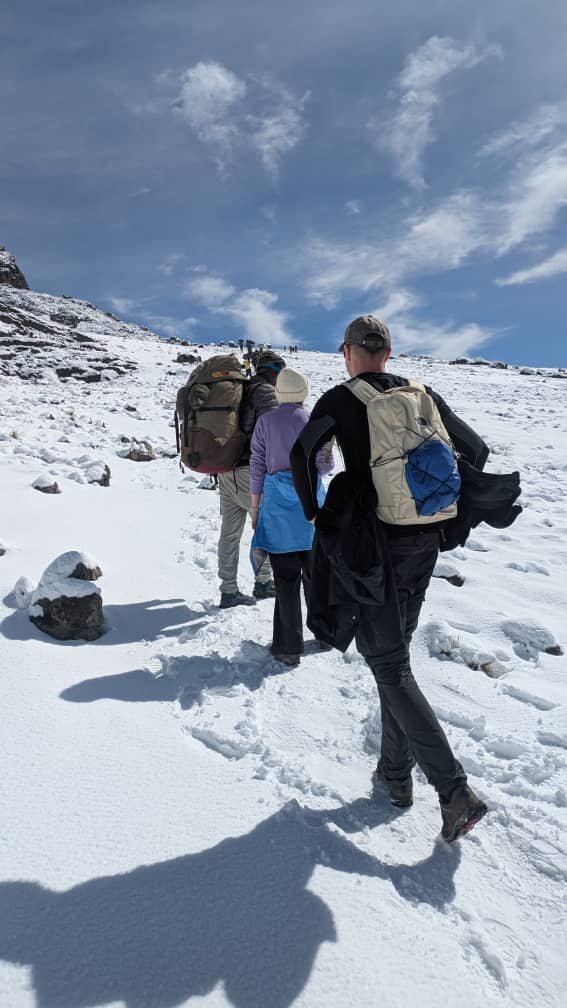
How Cold Is Kilimanjaro In July? Your Expert Guide For 2026-2027
Kilimanjaro in July offers a dry, cooler trekking experience. Temperatures can range from mild days to freezing nights, especially at higher altitudes. This guide details what to expect and...
View package details
Is July A Good Month To Climb Kilimanjaro? Your Guide 2026-2027
Discover why July is an excellent time for your Kilimanjaro climb, with detailed insights into weather, crowds, and what to expect for your 2026-2027 adventure.
View package details
July Kilimanjaro Climbing Prices And Peak-Season Availability 2026-2027
Planning a Kilimanjaro climb in July? This guide breaks down typical pricing for 2026-2027, discusses peak season availability, and offers insights from Climb 4 Africa to help you...
View package details
July Kilimanjaro Private Climb For Couples: Your Guide 2026-2027
Planning a romantic and adventurous Kilimanjaro climb for two in July? This guide covers everything couples need to know, from choosing the best route and packing essentials to...
View package details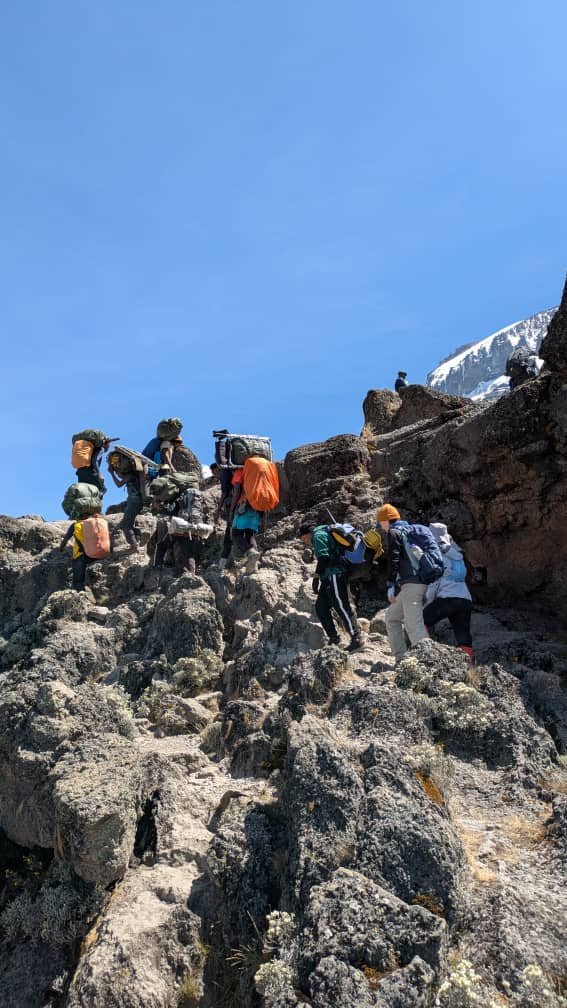
July Kilimanjaro Full-Moon Expedition: Your Ultimate Guide For 2026-2027
Climb Mount Kilimanjaro under the magical glow of the full moon in July. This guide covers everything you need to know for a 2026-2027 expedition, from choosing the best route to packing...
View package details
7-Day Rongai Route Kilimanjaro Climb In July: Your Expert Guide For 2026-2027
start a 7-Day Rongai Route Kilimanjaro climb in July, a prime month for trekking. This guide details the itinerary, essential gear, acclimatization, and what to expect for your 2026-2027...
View package details9-Day Northern Circuit Kilimanjaro Climb In July : Your Expert Guide 2026-2027
A detailed 2026-2027 guide to 9-Day Northern Circuit Kilimanjaro Climb in July, with clear planning and booking information for travelers.
View package detailsNo related package matches those filters. Clear one or more filters to see the other topic-matched options.
Plan your Kilimanjaro Trekking Deals, This July to December with Climb 4 Africa
Tell us your travel dates, group size, comfort level, and dream experience. We will help you shape a clear, realistic, and memorable Tanzania itinerary.



