Who Should Book a Kilimanjaro Day Trip?
While Kilimanjaro is famous for full‑scale treks, a day trip offers a condensed yet breathtaking experience for many travelers. It’s ideal for:
- Adventure seekers looking for a quick challenge without months of planning.
- Business travelers who can’t leave the city for weeks but still want a memorable activity.
- Wedding or honeymoon parties that want a unique photo‑op in the same day.
- Families with older children who can handle a long day of walking but not a multi‑week trek.
- Photographers who want the iconic sunrise photos over the summit.
It’s also a fantastic way for first‑time visitors to taste the mountain’s grandeur before committing to a full expedition.
Why Choose a Day Trip to Kilimanjaro?
A day trip cuts down the logistics and costs associated with a week‑long climb while still delivering:
- Stunning panoramic views from the summit plateau.
- Expert guidance from certified guides and porters.
- All‑in transportation, meals, and permits.
- An opportunity to experience the mountain’s diverse ecosystems—from rainforest to alpine desert—within a single day.
Even if you’re an experienced mountaineer, a day tour offers a concentrated dose of altitude, scenery, and adventure that can boost confidence for future treks.
Best Time to Visit
Timing is crucial for clear skies, optimal temperatures, and a safe ascent. Kilimanjaro’s climate is split into two main seasons that impact a day trip:
- Dry Season (Mid‑January to March & Mid‑May to July) – the most popular window, offering crisp, bright mornings and excellent summit conditions. Expect lower humidity and cooler temperatures, which help reduce the risk of altitude sickness.
- Wet Season (August to October & December) – less crowded but wetter, with higher chances of rain. The mountain’s snow cap may be deeper, but the route can be slick and less scenic.
For day trips, the dry season is recommended, especially the period between February and April or June and July, when the weather is most predictable. Book at least three months in advance to secure a spot during these peak times.
What to Expect on the Day
Our day trip is a structured yet flexible excursion that balances rigorous ascent with ample rest. The itinerary is designed to:
- Maximize summit exposure during clear sunrise hours.
- Offer a comfortable descent, reducing fatigue before the return journey.
- Provide educational moments about the mountain’s flora, fauna, and cultural significance.
All activities are led by a certified local guide and a porter, ensuring safety and a smooth experience.
Sample Itinerary
Early Morning: Departure & Ascent
5:00 a.m. – Pickup from your hotel in Arusha. The journey to the trailhead takes roughly 30 minutes, depending on traffic. On arrival, the guide welcomes you, checks gear, and reviews the day’s agenda.
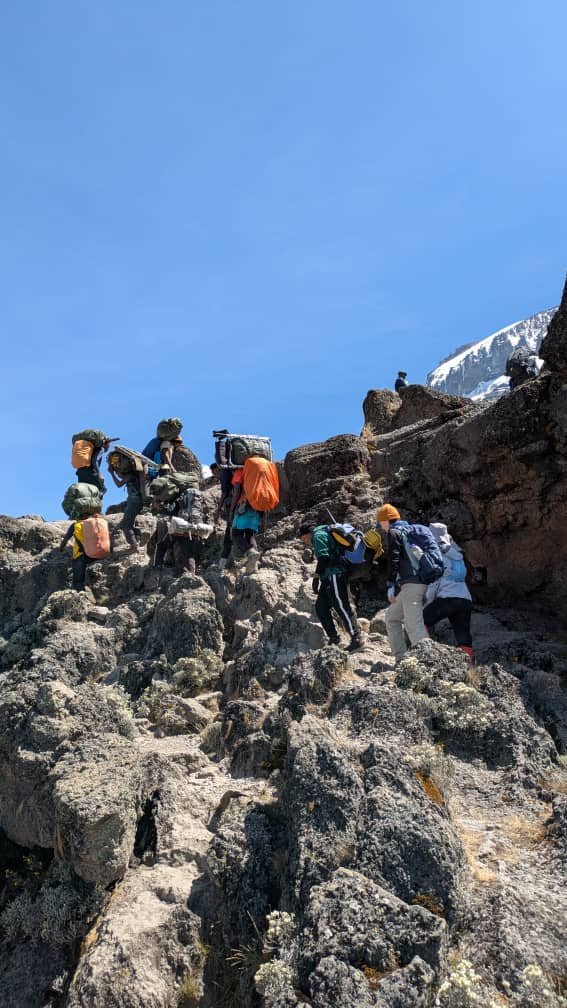
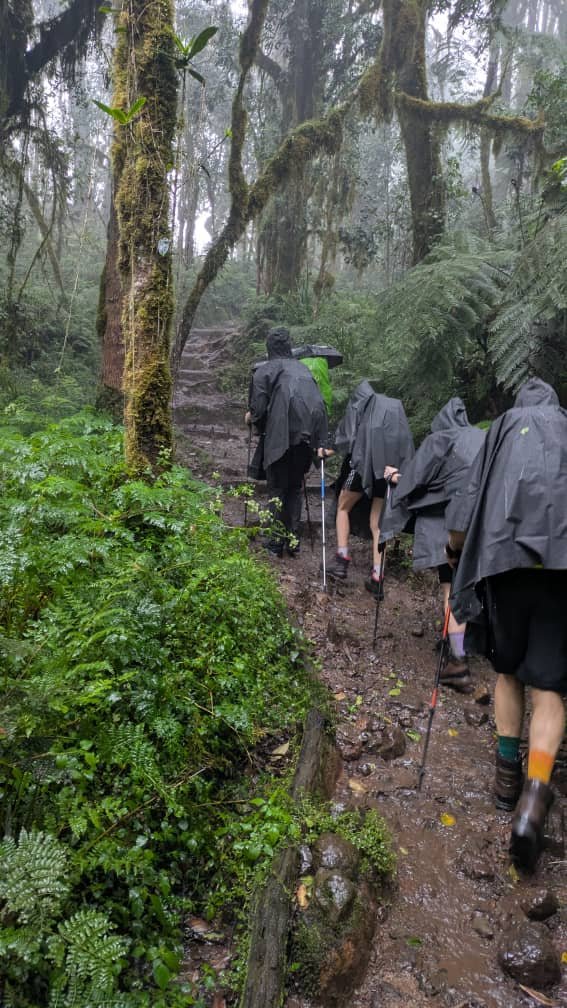
5:45 a.m. – Start the ascent via the Rongai route (the most direct path to the summit). The first hour focuses on acclimatization, moving through lush rainforest and spotting wildlife such as monkeys and duikers.
Midday: Summit & Panorama
8:30 a.m. – Reach the Summit Plateau (4,842 m / 15,854 ft). Judges the weather and, if conditions are clear, ignite the famous sunrise. The guide will point out key landmarks—such as the Mlimani craters and the Snowcap—while you snap the star‑studded panorama.
After a brief medal ceremony, a light snack and hot coffee cushion the climb’s weariness.
Afternoon: Descent & Sunset
12:00 p.m. – Begin descending through the Ardi Valley, a corridor of volcanic rock and ancient forest. The guide explains the mountain’s geological history and the significance of the Huntress’s Meadow, a rare alpine orchid habitat.
3:30 p.m. – Reach the Trailhead at 3,000 m. The guide provides a final safety briefing and reviews the summit experience with you.
Evening: Return & Relaxation
4:00 p.m. – Return to Arusha in a comfortable coach, stopping for a gourmet dinner with local Tanzanian cuisine. The guide shares anecdotes about past expedition teams and their lessons.
6:30 p.m. – Arrival at your hotel, handoff of souvenirs (signed guide booklet, digital summit photo), and a brief debrief on next steps if you’re interested in a full trek.
Inclusions & What’s Not Covered
Included
- Round‑trip private transportation from Arusha to the trailhead.
- Certified guide, porter, and safety equipment.
- All entrance permits and one‑way transport to and from the summit.
- Full board (breakfast, lunch, dinner, and snacks). Meals are prepared by the guide and feature local flavors.
- Hydration packs, high‑altitude trekking poles, and a basic first aid kit.
- Post‑trip debrief and complimentary digital photo of your summit moment.
Exclusions
- Flights to Tanzania.
- Travel insurance (highly recommended).
- Personal items such as personal medication, specialized gear, or extra camera lenses.
- Anything beyond the official itinerary (e.g., optional detours or longer stays).
Practical Packing & Preparation Tips
Clothing
- Layered clothing system: base layer (moisture‑wicking), mid layer (fleece or down), and wind‑ and waterproof shell.
- Sturdy hiking boots (break them in before the trip), wool socks, and a hat for sun protection.
- Gloves and a neck gaiter for the summit cold.
Gear
- Lightweight trekking poles (helps with knee strain).
- Reusable water bottle with a built‑in filtration system.
- Power bank for electronics.
- Compact first aid kit (plasters, painkillers, anti‑nausea medication).
- Backpack (30 L) comfortable for a day’s load.
Health & Safety
- Consult your doctor about altitude sickness if you have a medical history.
- Stay hydrated: at least 2–3 litres of water per day.
- Take a short walk or light jog before departure to acclimatize.
- Respect the guide’s pace; do not push beyond your limits.
Travel & Trekking Etiquette
- Respect wildlife: observe from a distance and never feed animals.
- Leave nothing behind: pack out everything you bring in.
- Support local communities: purchase souvenirs from local artisans and eat at local restaurants.
- Maintain silence in designated quiet zones to preserve the natural soundscape.
Frequently Asked Questions
What is the altitude of the Kilimanjaro summit?
The summit, known as Uhuru Peak, stands at 4,842 meters (15,854 feet) above sea level.
Do I need climbing experience for a day trip?
No formal climbing experience is required, but a reasonable level of fitness and comfort with hiking is essential. Our guide will adjust the pace to your ability.
Will I see snow at the summit?
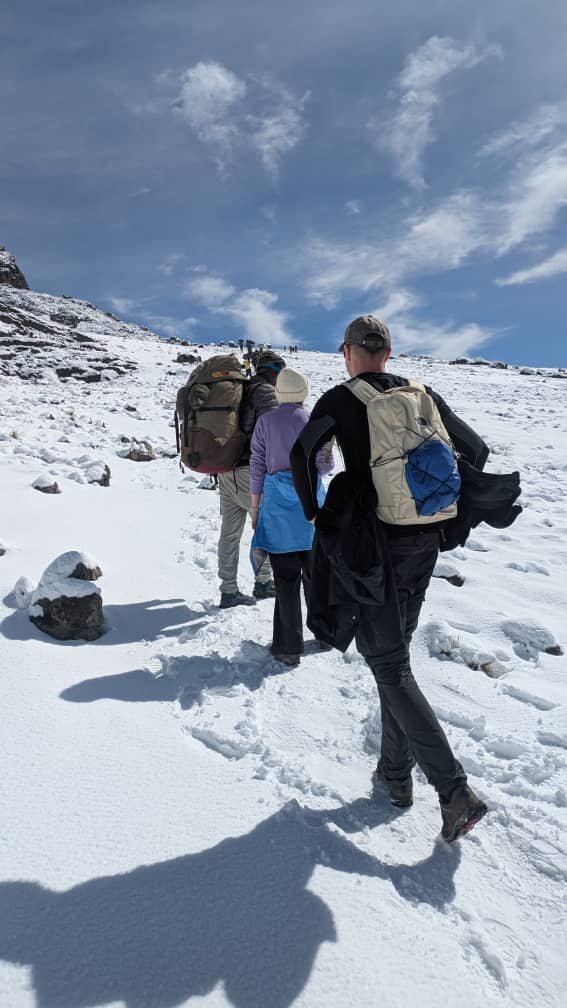
Yes, a permanent snowcap covers the summit, though its height varies with the season. Snow can also be present on the Arti‑Mimana ridge during the wet season.
How long is the climb to the summit?
The ascent and descent together cover approximately 14 kilometers (8.7 miles) and take 10–12 hours.
Is it safe for pregnant travelers?
High altitude can be risky during pregnancy. Consult a physician before booking. We recommend alternatives like a sunset view tour for higher safety.
Do I need any permits before the trip?
All necessary permits are handled by the guide and included in your package, so you don’t have to worry about paperwork.
Ready to Book?
Book your Kilimanjaro day trip today and experience the thrill of Africa’s highest peak without the time commitment of a multi‑week trek. For quotes, availability, or custom itineraries, contact us or email us now. Your summit awaits!