Combining a Mount Kilimanjaro climb, a Tanzanian wildlife safari, and a relaxing holiday in Zanzibar offers the quintessential East African adventure, typically requiring 14-21 days for a comprehensive experience. For 2026-2027, planning involves selecting the best Kilimanjaro route (like Machame or Lemosho), choosing a safari circuit (Serengeti, Ngorongoro, Tarangire), and deciding on Zanzibar’s beaches and activities, with costs varying significantly based on chosen services, duration, and season.

The Trifecta of Tanzania: Kilimanjaro, Safari, and Zanzibar
Tanzania is a land of dramatic contrasts and unparalleled natural beauty. For travelers seeking a truly comprehensive African experience, combining the iconic ascent of Mount Kilimanjaro, the thrilling wildlife encounters of a classic safari, and the serene, exotic allure of Zanzibar’s beaches is the ultimate journey. This is not just a trip; it’s an expedition that touches the highest point in Africa, immerses you in the heart of wild nature, and concludes with sun-drenched relaxation. Planning this grand adventure for 2026 or 2027 requires careful consideration of each element, from trekking routes and safari parks to island resorts and logistical coordination. Climb 4 Africa specializes in crafting these multi-faceted Tanzanian experiences, ensuring a smooth transition between your mountain conquest, your wildlife explorations, and your beachside bliss.
Conquering Kili: Your Kilimanjaro Climb Adventure
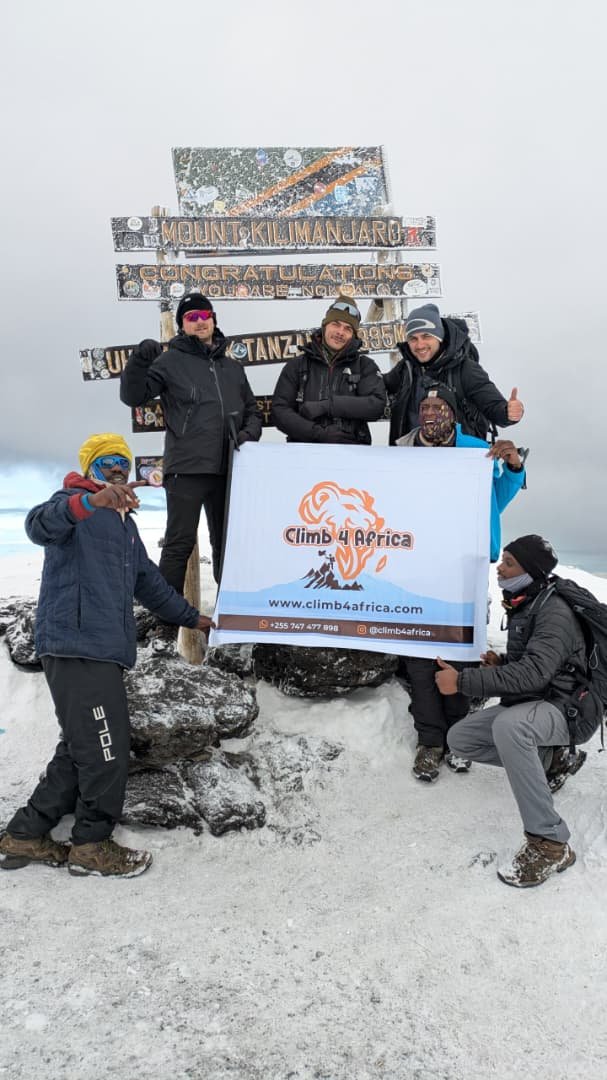
Mount Kilimanjaro, standing at 5,895 meters (19,341 feet), is the Roof of Africa and the world’s highest free-standing mountain. It draws adventurers from across the globe, not just for its height, but for the incredible journey it offers. The ascent is a test of endurance and spirit, rewarded with impressive views and a profound sense of accomplishment. For your 2026-2027 Kilimanjaro climb, choosing the right route is paramount.
Choosing Your Kilimanjaro Route: A Comparative Look
Each route up Kilimanjaro offers a different experience, varying in difficulty, scenery, acclimatization profiles, and success rates. Understanding these differences is key to selecting the best path for your fitness level and expectations.
- Marangu Route (Coca-Cola Route): The oldest and most popular route, known for its gentler slope and dormitory-style accommodation in huts. It’s often completed in 5 days, but this shorter duration can lead to poorer acclimatization and lower success rates. While it offers a unique hut experience, its scenic beauty is less varied than other routes.
- Machame Route (Whiskey Route): Arguably the most scenic route, Machame is a challenging trek that takes 6-7 days. It features a “climb high, sleep low” profile, which significantly aids acclimatization and leads to higher success rates. The varied landscapes, from rainforest to arctic desert, are stunning. This is a popular choice for many 2026-2027 trekkers seeking a good balance of scenery and success.
- Lemosho Route: Considered by many to be the most beautiful route, Lemosho begins in the remote western side of the mountain, offering excellent wildlife viewing opportunities in the early stages. It typically takes 7-8 days, providing superior acclimatization and thus very high success rates. Its longer duration and remote starting point make it a premium option for those prioritizing scenery and summit success.
- Shira Route: Similar to Lemosho, Shira starts on the western side but at a higher altitude, beginning on the Shira Plateau. It’s often combined with Lemosho or used as a shorter, high-altitude starting point. It’s best suited for those already well-acclimatized.
- Rongai Route: This route approaches Kilimanjaro from the north, in Kenya, making it a good option during the rainy seasons as it is drier. It’s a gradual ascent, often taking 6-7 days, and offers a different perspective of the mountain, with potential for wildlife sightings.
- Northern Circuit: The longest and most expensive route, taking 9-10 days. It circumnavigates the mountain, offering the best acclimatization profile and the highest success rates. It provides unparalleled views and a more relaxed pace for trekkers who want to maximize their experience.
- Umbwe Route: The shortest and steepest route, offering a direct and challenging ascent. It requires excellent physical condition and prior high-altitude trekking experience. Due to its rapid ascent, acclimatization is poor, leading to very low success rates and is not recommended for most trekkers, especially those combining it with safari and Zanzibar.
For a 2026-2027 trip aiming for success and a memorable experience, the Machame or Lemosho routes, typically lasting 7 days, are highly recommended by Climb 4 Africa. They offer the best acclimatization, stunning scenery, and higher chances of reaching Uhuru Peak.
What to Expect on Your Kilimanjaro Climb
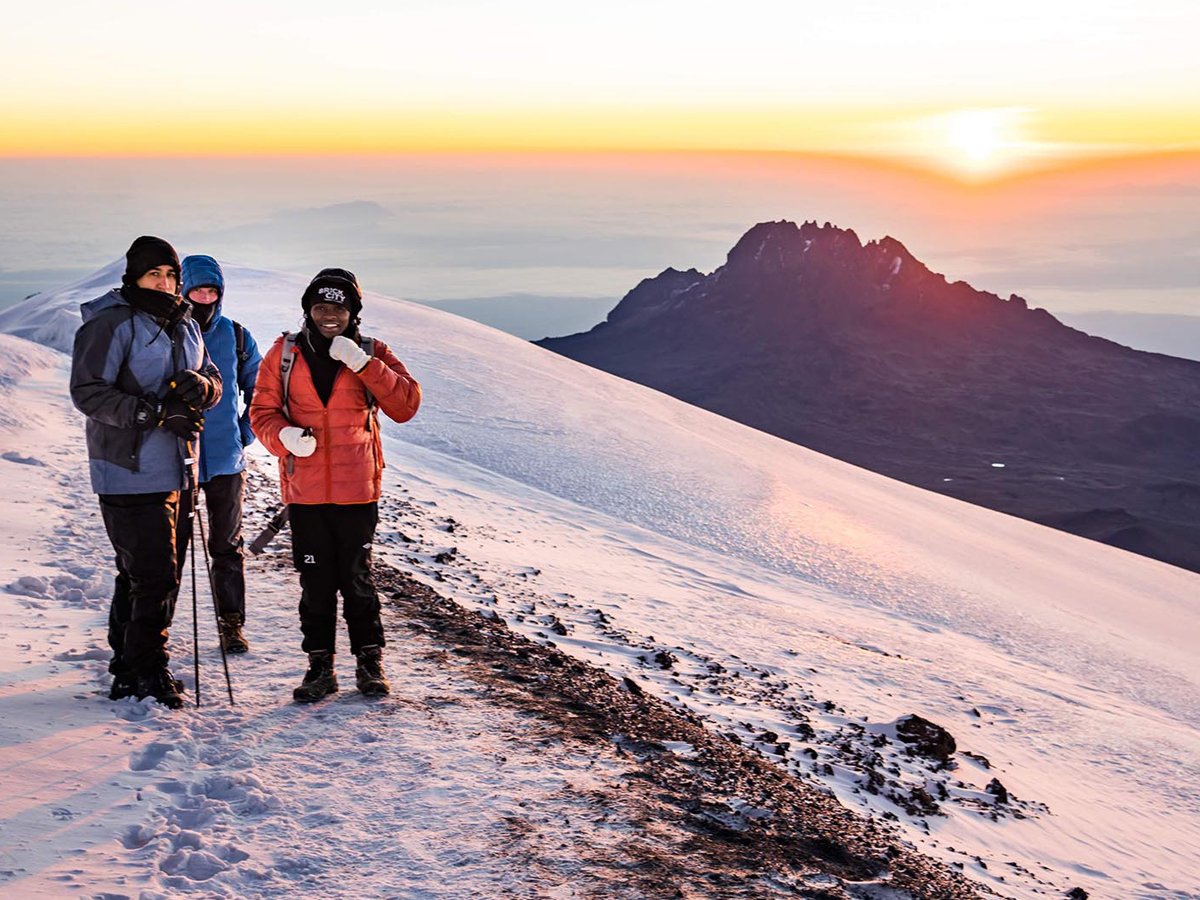
A Kilimanjaro climb is a serious undertaking. It involves trekking for 5-10 days, depending on the route chosen, with daily hiking durations ranging from 4 to 12 hours. The terrain varies dramatically, from lush rainforests at the base to alpine meadows, rocky scree, and finally, glacial zones near the summit. You’ll be accompanied by a team of experienced guides, porters, and cooks who handle all logistics, from carrying gear and setting up camp to preparing delicious and nutritious meals. Summit night is the most challenging part, beginning around midnight and involving a steep ascent in the cold and dark, aiming to reach the crater rim by sunrise.
Kilimanjaro 2026-2027 Trekking Seasons
The best times to climb Kilimanjaro are during the dry seasons:
- January to March: Generally dry, with good visibility. Can be cold at the summit.
- June to October: The longest dry season, with clear skies and moderate temperatures. This is peak season, so booking well in advance for 2026 or 2027 is advised.
The rainy seasons (April-May and November) are less ideal due to muddy trails and potential cloud cover, though they offer fewer crowds and lower prices.
Kilimanjaro Climb Costs for 2026-2027
The cost of a Kilimanjaro climb varies significantly based on the operator, route length, group size, and inclusions. Generally, expect prices to range from $1,800 to $3,500+ per person for a reputable, safety-conscious operator like Climb 4 Africa. This typically includes park fees, camping/hut fees, all meals on the mountain, guides, porters, and basic equipment. Flights to Kilimanjaro International Airport (JRO) are usually additional. For 2026-2027 bookings, early inquiry is recommended, especially for peak season dates.
Kilimanjaro Planning Tip:
Prioritize acclimatization and success rates by choosing a 7-day or longer route like Machame or Lemosho. Book your 2026-2027 climb at least 6-9 months in advance, especially for peak seasons, to secure your preferred dates and operators.
The Wild Heart of Tanzania: Your Safari Experience
After descending Kilimanjaro, the adventure continues onto the plains of Tanzania, home to some of the most spectacular wildlife viewing opportunities on Earth. A Tanzanian safari is an unforgettable encounter with nature’s grandest spectacles, from the vast Serengeti to the unique ecosystem of the Ngorongoro Crater.
Iconic Safari Destinations in Tanzania
Tanzania’s Northern Circuit is the most popular and for good reason. It offers a condensed yet incredibly diverse safari experience.
- Serengeti National Park: World-renowned for the Great Migration, where millions of wildebeest, zebras, and gazelles traverse the plains in search of greener pastures. The Serengeti offers exceptional predator sightings year-round, with vast open grasslands dotted with acacia trees. Planning your safari in 2026-2027 to coincide with specific migration movements can be a highlight.
- Ngorongoro Conservation Area: A UNESCO World Heritage Site featuring the Ngorongoro Crater, a massive volcanic caldera teeming with wildlife. It boasts one of the highest densities of predators in Africa, including lions, leopards, cheetahs, and hyenas, alongside large herds of wildebeest, zebras, and elephants. The crater floor offers a unique, contained ecosystem.
- Tarangire National Park: Famous for its large elephant herds and iconic baobab trees. During the dry season, the Tarangire River becomes a vital water source, attracting a huge concentration of wildlife, including giraffes, buffaloes, and various antelope species.
- Lake Manyara National Park: Known for its tree-climbing lions (though sightings are not guaranteed), large troops of baboons, and abundant birdlife. The park’s compact size makes it ideal for a shorter safari experience or a day trip.
- Arusha National Park: Located near Kilimanjaro, this park is home to Mount Meru and offers diverse landscapes, including alkaline lakes, savannah, and montane forest. It’s a great place for walking safaris and canoeing, and often serves as an introduction or conclusion to a safari.
Crafting Your 2026-2027 Tanzania Safari Itinerary
A typical safari combining Kilimanjaro and Zanzibar might last 3-5 days, focusing on the Northern Circuit highlights. A 4-day safari, for instance, could include:
- Day 1: Drive from Arusha to Tarangire National Park, game drive. Overnight near Tarangire.
- Day 2: Full day game drive in Tarangire or drive to the Ngorongoro Conservation Area. Overnight at the crater rim or Karatu.
- Day 3: Descend into the Ngorongoro Crater for a morning game drive, then drive to the Serengeti National Park. Overnight in the Serengeti.
- Day 4: Morning game drive in the Serengeti before driving back to Arusha.
For those wanting a deeper dive, a 7-10 day safari allows for more extensive exploration of the Serengeti, including tracking the migration if timed correctly for 2026-2027. Climb 4 Africa can tailor these itineraries to your interests, whether it’s bird watching, photography, or simply maximizing wildlife sightings.
Safari Accommodation Styles
Safari accommodation ranges from budget-friendly camping to luxurious lodges and tented camps. Choose based on your comfort level and budget:
- Budget Camping: Basic but clean campsites, often shared facilities. A true wilderness experience.
- Mid-Range Lodges/Tented Camps: Comfortable en-suite facilities, good amenities, and excellent locations.
- Luxury Lodges/Tented Camps: High-end comfort, fine dining, private verandas, and often swimming pools.
The choice of accommodation significantly impacts the safari cost. For 2026-2027, booking popular lodges and camps, especially those inside the parks, should be done well in advance.
Safari Costs for 2026-2027
Safari costs in Tanzania are typically quoted per person per day and vary based on accommodation level, vehicle type (shared vs. private), and duration. A 4-day mid-range safari can range from $250 to $500+ per person per day. This usually includes park fees, a 4×4 safari vehicle with a professional driver-guide, fuel, and accommodation. For 2026-2027, securing your safari package early is advisable, especially if you have specific dates in mind.
Sample 3-Day Northern Circuit Safari Itinerary (Post-Kilimanjaro)
Day 1: Arusha to Tarangire National Park. Morning pick-up from your Arusha hotel. Drive to Tarangire for a full day of game viewing, focusing on elephants and baobab trees. Overnight in a lodge/camp near Tarangire.
Day 2: Tarangire to Ngorongoro Crater. After breakfast, drive to the Ngorongoro Conservation Area. Descend into the crater for an incredible game drive. Look for the Big Five. Ascend in the afternoon and drive to your lodge/camp in Karatu or at the crater rim.
Day 3: Ngorongoro to Arusha. Enjoy a leisurely breakfast, perhaps with a final view of the crater. Drive back to Arusha, arriving in the afternoon for your onward journey to Zanzibar or your departure.
The Spice Island: Your Zanzibar Beach Holiday
After the physical exertion of climbing Kilimanjaro and the thrilling intensity of safari, Zanzibar offers a perfect respite. This tropical archipelago, famed for its spice plantations, historic Stone Town, and stunning white-sand beaches, provides a serene and exotic conclusion to your Tanzanian adventure.
Zanzibar’s Diverse Offerings
Zanzibar is more than just beaches; it’s a destination rich in history, culture, and natural beauty.
- Stone Town: A UNESCO World Heritage Site, Stone Town is a labyrinth of narrow streets, bustling markets, historic buildings, and vibrant culture. Explore its ancient doors, visit the House of Wonders, and soak in the unique Swahili-Arab history.
- Spice Tours: Discover why Zanzibar is called the “Spice Island” by visiting a local farm. Learn about the cultivation and uses of cloves, cinnamon, nutmeg, vanilla, and exotic fruits.
- Beaches: From the lively northern coast of Nungwi and Kendwa, known for stunning sunsets and swimming, to the quieter eastern shores of Paje and Jambiani, famous for kite surfing and pristine sands, there’s a beach for every preference. Matemwe offers excellent diving and snorkeling near the Mnemba Atoll.
- Water Activities: Snorkeling, diving, deep-sea fishing, dhow cruises, and swimming with dolphins (responsibly) are popular activities.
- Jozani Forest: Home to the endangered Red Colobus Monkey, this is the only national park on Zanzibar.
Choosing Your Zanzibar Beach Destination
The choice of beach resort depends on the vibe you’re seeking:
- Nungwi & Kendwa (North): Lively atmosphere, beautiful sunsets, great for swimming due to minimal tides.
- Paje & Jambiani (East): Ideal for kite surfing and windsurfing, long stretches of white sand, tidal variations. Offers a more laid-back feel.
- Matemwe (Northeast): Quieter, excellent for diving and snorkeling due to proximity to Mnemba Atoll.
- Kizimkazi (South): Known for dolphin tours, though ethical concerns surround some tours.
Zanzibar Holiday Duration and Timing for 2026-2027
A Zanzibar holiday typically lasts 3-7 days, providing ample time for relaxation and exploration. The best time to visit Zanzibar is during the dry seasons, which largely coincide with the dry periods on the mainland:
- June to October: Pleasant temperatures, low humidity, and sunny skies.
- December to February: Hot and sunny, ideal for beach lovers.
The long rains occur from March to May, and shorter rains in November, which can bring humidity and overcast skies. For 2026-2027, these seasons remain the primary considerations.
Zanzibar Holiday Costs for 2026-2027
Zanzibar accommodation ranges widely. Expect to pay from $80-$150 per night for comfortable mid-range beachfront bungalows to $250-$600+ per night for luxury resorts. Activities like spice tours, snorkeling trips, and diving are additional costs. Transfers from Zanzibar Airport (ZNZ) or the ferry port to your hotel are also separate. For 2026-2027, booking flights and popular accommodations in advance is recommended.
Zanzibar Relaxation Tip:
Allow at least 3-4 full days on Zanzibar to truly unwind. Consider a Spice Tour and a visit to Stone Town for a taste of local culture beyond the beaches.
Combining the Elements: Your Ultimate K. Kilimanjaro + Safari + Zanzibar Itinerary
The true magic of a K. Kilimanjaro + Safari + Zanzibar trip lies in its smooth integration. Climb 4 Africa excels at creating these multi-part adventures, ensuring smooth transitions and unforgettable experiences for your 2026-2027 travels.
Sample 16-Day Itinerary (Kilimanjaro, Safari, Zanzibar)
This is a popular duration for experiencing all three highlights:
- Day 1: Arrive at Kilimanjaro International Airport (JRO). Transfer to your hotel in Moshi.
- Day 2: Pre-climb briefing, gear check, and rest.
- Day 3-9: 7-Day Machame Route Kilimanjaro climb.
- Day 9: Descend from Kilimanjaro, transfer back to your hotel in Moshi.
- Day 10: Drive from Moshi to Tarangire National Park for an afternoon game drive. Overnight near Tarangire.
- Day 11: Full day game drive in Tarangire or drive to Ngorongoro. Overnight Karatu/Crater rim.
- Day 12: Ngorongoro Crater game drive, then drive to Serengeti National Park. Overnight in Serengeti.
- Day 13: Morning game drive in Serengeti, then fly from Serengeti airstrip to Zanzibar. Transfer to your beach hotel.
- Day 14: Zanzibar beach relaxation.
- Day 15: Optional Spice Tour or Stone Town visit. Zanzibar beach relaxation.
- Day 16: Transfer to Zanzibar Airport (ZNZ) for your departure.
Logistical Considerations for 2026-2027
Successfully combining these destinations requires careful planning:
- Flights: International flights into JRO and out of ZNZ (or vice versa). Internal flights (e.g., Serengeti to Zanzibar) are often the most efficient way to save time.
- Transfers: Reliable transfers between airports, hotels, trailheads, and safari start/end points are crucial.
- Visas: Ensure you have the necessary Tanzanian visa.
- Vaccinations & Health: Consult your doctor regarding recommended vaccinations (e.g., Yellow Fever) and malaria precautions.
- Travel Insurance: Comprehensive travel insurance covering high-altitude trekking and adventure activities is essential.
Why Choose Climb 4 Africa for Your 2026-2027 Adventure?
As a local Tanzanian tour operator, Climb 4 Africa offers unparalleled expertise and practical support for your K. Kilimanjaro + Safari + Zanzibar adventure. We understand the intricacies of combining these experiences, ensuring:
- Expert Guides: Highly trained and certified guides for Kilimanjaro and experienced safari driver-guides.
- Safety First: Emphasis on proper acclimatization, emergency oxygen, and communication equipment on Kilimanjaro.
- Tailor-Made Itineraries: We customize trips to fit your budget, interests, and time frame.
- Local Knowledge: Deep understanding of park regulations, wildlife behavior, and the best times to visit.
- Competitive Pricing: Offering excellent value without compromising on quality or safety.
- Practical Support: Assistance with all logistical aspects, from booking to on-the-ground support.
For your 2026-2027 travels, let us handle the complexities so you can focus on the incredible experiences awaiting you. We are committed to providing authentic, memorable, and safe adventures across Tanzania.
Budgeting for Your Combined 2026-2027 Tanzania Trip
A comprehensive K. Kilimanjaro + Safari + Zanzibar trip for 14-16 days, using mid-range services, can typically cost between $4,000 to $7,000+ per person, excluding international flights. This estimate includes:
- Kilimanjaro Climb: 7-day Machame or Lemosho route ($2,000 – $3,000)
- Safari: 4-day Northern Circuit mid-range safari ($1,200 – $2,000)
- Zanzibar: 4-5 days mid-range accommodation & transfers ($800 – $1,500)
- Internal Flights: Serengeti to Zanzibar (approx. $300 – $400)
- Miscellaneous: Tips, personal expenses, visas, travel insurance.
Luxury options will significantly increase these figures, while budget camping on safari and simpler accommodations in Zanzibar can lower them. Early booking for 2026-2027, especially for peak seasons, is crucial for securing better rates and availability.
Preparing for Your Tanzanian Adventure in 2026-2027
Preparation is key to a successful and enjoyable trip. Here’s what you need to consider:
Physical Fitness
Kilimanjaro requires a good level of cardiovascular fitness. Train by hiking with a backpack, climbing stairs, and engaging in regular aerobic exercise for several months leading up to your climb. For safari and Zanzibar, good physical health is sufficient.
Packing Essentials
Packing smartly is vital. For Kilimanjaro, layers are essential due to extreme temperature variations. Key items include waterproof outer layers, warm mid-layers, thermal base layers, a good sleeping bag, sturdy hiking boots, and sun protection. For safari, light, neutral-colored clothing, a hat, sunglasses, and insect repellent are important. Zanzibar requires beachwear, light clothing, and sun protection.
Health and Safety
Consult your doctor about necessary vaccinations and malaria prophylaxis. Carry a basic first-aid kit. On Kilimanjaro, listen to your guides regarding acclimatization and hydration. For safari, follow your guide’s instructions regarding wildlife encounters. In Zanzibar, drink bottled water and be mindful of food hygiene.
Booking Your 2026-2027 Trip
Booking your K. Kilimanjaro + Safari + Zanzibar adventure with a reputable operator like Climb 4 Africa is the first step. We recommend booking at least 6-12 months in advance, particularly for 2026-2027 peak season dates, to ensure availability and allow ample time for your own preparations.
Your journey to the Roof of Africa, through its legendary wildlife parks, and ending on the idyllic shores of Zanzibar is a special experience. Let Climb 4 Africa help you craft the perfect K. Kilimanjaro + Safari + Zanzibar adventure for 2026-2027. For inquiries or to start planning your dream trip, please contact us via WhatsApp at +255 747 477 898 or email us at climb4africa@gmail.com.
We look forward to helping you experience the very best of Tanzania!
Check Availability for K. Kilimanjaro + Safari + Zanzibar Guide
Ready to compare dates, prices, and the best option for your group? Send the package name and travel month so the team can reply with a clear quote, availability, and what is included.

18 Days Kilimanjaro, Safari & Zanzibar Package: Cost & Itinerary 2026-2027
Discover the ultimate 18-day adventure combining Mount Kilimanjaro's summit, thrilling Tanzanian safaris, and the tropical paradise of Zanzibar. This comprehensive guide details sample...
View package details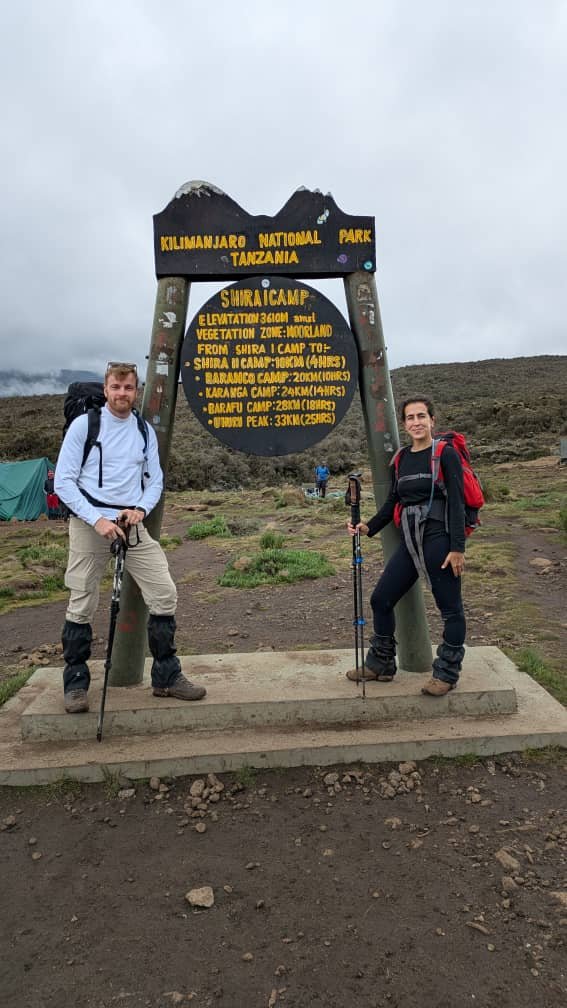
16 Days Kilimanjaro, Safari & Zanzibar Package: Cost & Itinerary Guide
Plan your ultimate 16-day adventure combining Mount Kilimanjaro's summit, a thrilling Tanzania safari, and the tropical paradise of Zanzibar. Discover detailed itineraries, cost breakdowns...
View package details
15 Days Kilimanjaro, Safari & Zanzibar Package: Cost & Itinerary 2026-2027
Discover the ultimate 15-day adventure combining Mount Kilimanjaro's summit, thrilling Tanzanian safaris, and the exotic beaches of Zanzibar. This comprehensive guide details the itinerary...
View package details
14 Days Kilimanjaro, Safari & Zanzibar Package: Cost & Itinerary 2026-2027
14 Days Kilimanjaro, Safari & Zanzibar Package: Cost & Itinerary is explained with current 2026-2027 planning, price, itinerary and booking information.
View package details
Luxury Kilimanjaro, Safari & Zanzibar Package: Your Ultimate Adventure
Discover the pinnacle of Tanzanian travel with a luxury Kilimanjaro, Safari & Zanzibar package. This comprehensive guide details how to combine an iconic climb with thrilling wildlife...
View package details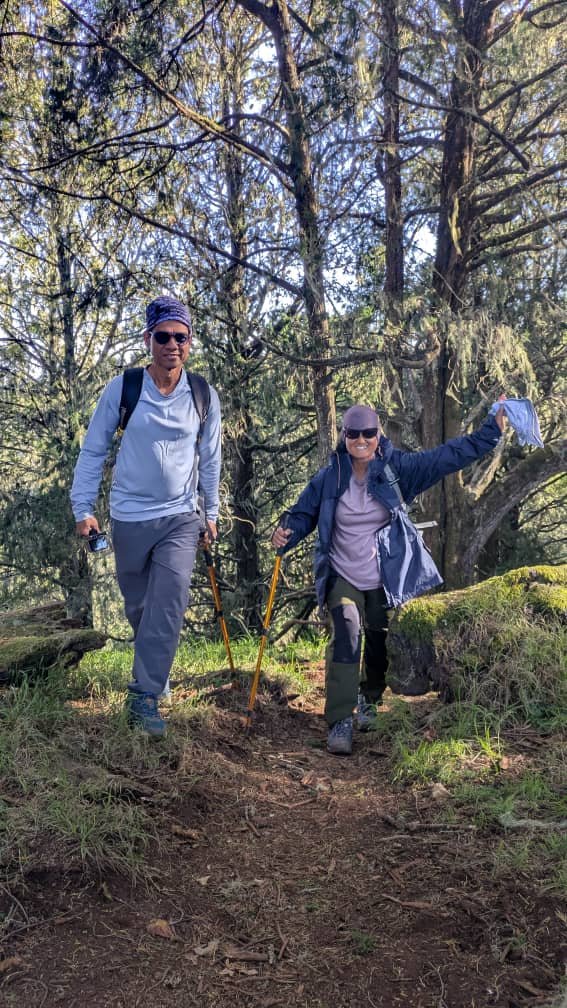
Budget Kilimanjaro, Safari & Zanzibar Package Deals For 2026-2027
Plan your dream Tanzanian adventure with our guide to budget-friendly Kilimanjaro climbs, safaris, and Zanzibar getaways. We cover cost factors, itinerary options, and booking tips for...
View package details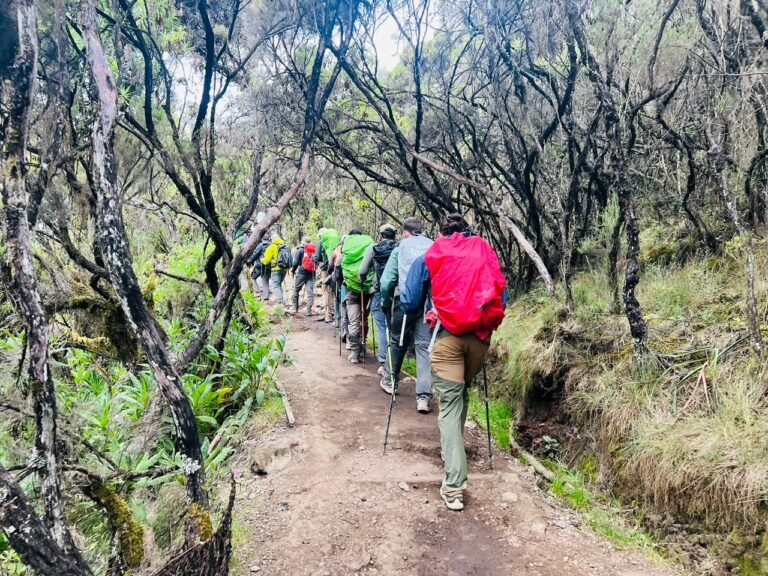
Kilimanjaro, Safari & Zanzibar Packages /: Prices & Itineraries 2026-2027
Plan your dream Tanzanian adventure with comprehensive details on Kilimanjaro, Safari, and Zanzibar packages for 2026 and 2027. Discover itineraries, understand pricing factors, and learn...
View package details
Kilimanjaro, Serengeti & Zanzibar: Complete Tanzania Trip Cost 2026-2027
Understand the full cost of a Tanzania adventure combining Mount Kilimanjaro, the Serengeti plains, and the exotic beaches of Zanzibar. This guide breaks down expenses for 2026-2027 trips...
View package details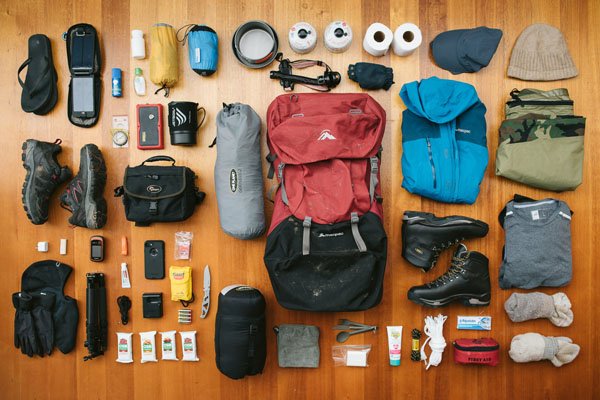
8 Days Kilimanjaro + Zanzibar Package: Complete Holiday Cost For 2026-2027
Planning an epic 8-day adventure combining Mount Kilimanjaro and the tropical beaches of Zanzibar? This comprehensive guide details the complete holiday cost for 2026-2027, covering trek...
View package details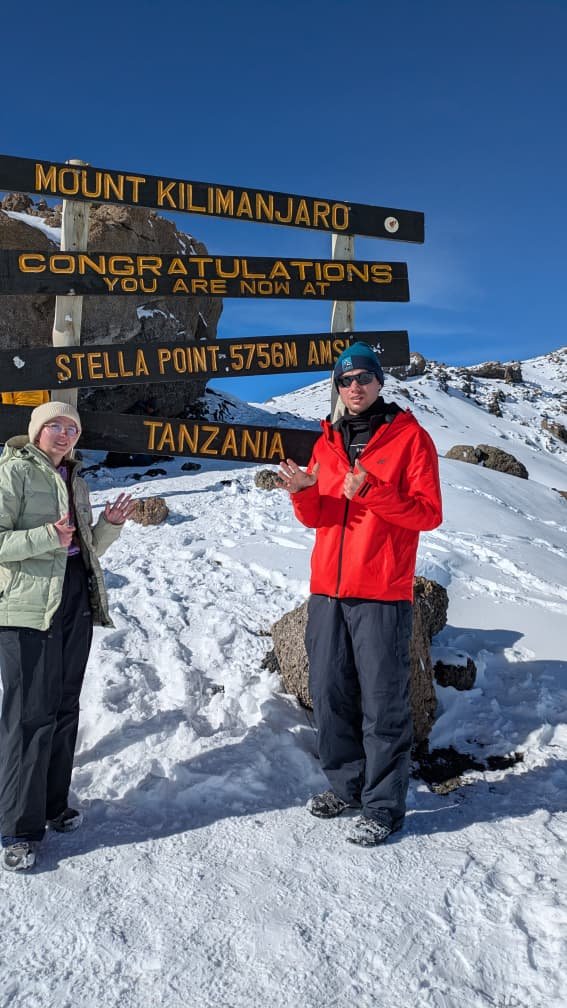
7 Days Kilimanjaro + Zanzibar Package: Complete Holiday Cost Guide 2026-2027
Planning a combined Kilimanjaro and Zanzibar adventure? This comprehensive guide breaks down the complete holiday cost for a 7-day Kilimanjaro + Zanzibar package in 2026-2027, covering...
View package detailsKilimanjaro Honeymoon & Zanzibar Package: Prices, Itinerary & Guide 2026-2027
Combine the thrill of conquering Mount Kilimanjaro with the serene beauty of Zanzibar for an unforgettable honeymoon. This guide covers package details, pricing, itineraries, and planning...
View package details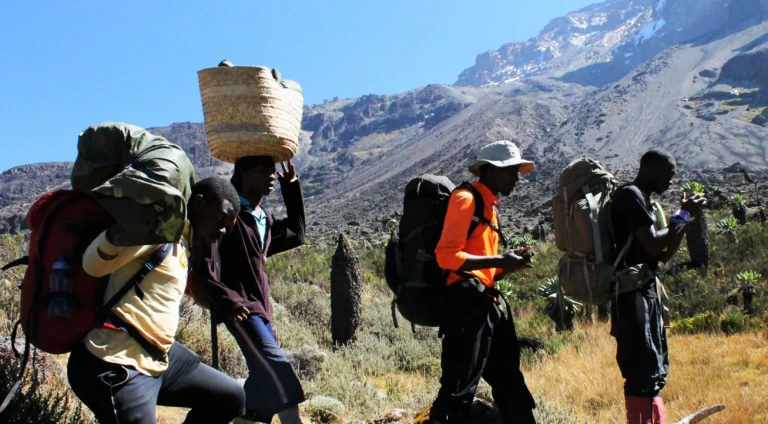
Luxury Kilimanjaro & Zanzibar Package: Cost & Accommodation 2026-2027
Luxury Kilimanjaro & Zanzibar Package: Cost & Accommodation is explained with current 2026-2027 planning, price, itinerary and booking information.
View package detailsNo related package matches those filters. Clear one or more filters to see the other topic-matched options.



