The cost for a solo Kilimanjaro climber typically ranges from $1,800 to $4,500+ per person. Joining a group trek offers a lower Kilimanjaro solo climber cost, often starting around $1,800-$2,500 for a standard 7-day climb, while a private climb for a solo adventurer will be significantly higher, potentially starting from $2,800 to $4,500 or more, due to the need to cover the full operational costs for a dedicated team. Prices for 2026-2027 climbs depend heavily on the route chosen, duration, company, and the level of service and inclusions provided, with private climbs offering more flexibility and personalized attention.
Understanding Kilimanjaro Solo Climber Cost: Group Departures vs. Private Treks
Climbing Kilimanjaro is a dream for many, and for solo travelers, the question of cost is paramount. When planning your expedition for 2026 or 2027, understanding the financial differences between joining a group and opting for a private climb is crucial. A solo Kilimanjaro climber might initially feel daunted by the prospect of higher costs, as tour operators often price based on shared resources. However, by carefully comparing options, you can find an expedition that fits your budget and desired experience. This guide will break down the typical Kilimanjaro solo climber cost, detailing what influences pricing and how to make an informed decision.
The core difference in pricing for a solo climber boils down to shared versus dedicated resources. Group climbs distribute the costs of guides, porters, cooks, park fees, and logistics among multiple participants. This economy of scale makes them inherently more affordable. A private climb, on the other hand, means a solo climber is essentially footing the bill for the entire support crew and associated operational expenses, leading to a higher per-person price. However, the benefits of a private climb – flexibility, pace, and personalized service – might justify the increased Kilimanjaro solo climber cost for some adventurers.
Factors Influencing Kilimanjaro Solo Climber Cost in 2026-2027
Before diving into specific price comparisons, it’s essential to understand the variables that affect the overall cost of any Kilimanjaro climb, especially for a solo traveler. These factors apply whether you’re joining a group or arranging a private trek:
1. Route Selection
Kilimanjaro has several official climbing routes, each with varying lengths, difficulty levels, and scenic beauty. Longer routes generally mean more days on the mountain, which translates to higher costs due to increased park fees, food, and staff wages. Popular routes for solo climbers include:
- Marangu Route: Often the most budget-friendly due to its shorter duration (5-6 days) and unique hut accommodation, but with lower acclimatization rates.
- Machame Route: A popular choice for its scenic beauty and good acclimatization profile, typically taking 6-7 days. It’s often available on group departures.
- Lemosho Route: Known for its stunning scenery and excellent acclimatization, usually 7-8 days.
- Northern Circuit: The longest route (9-10 days), offering the best acclimatization and panoramic views, but also the most expensive.
- Rongai Route: Approaches from the north, good for drier conditions and less crowded.
For a solo Kilimanjaro climber, choosing a longer, more scenic route like Lemosho or Northern Circuit on a private basis will significantly increase the Kilimanjaro solo climber cost compared to a 5-day Marangu trek on a group basis.
2. Duration of the Climb
As mentioned, longer routes require more days on the mountain. Each additional day incurs costs for park entry fees, food, and porters/guides. While longer treks offer better acclimatization and higher summit success rates, they naturally increase the overall Kilimanjaro solo climber cost.
3. Operator’s Inclusions and Service Level
This is perhaps the most significant differentiator in pricing. Reputable operators offer varying levels of service. Key inclusions to look for that impact cost include:
- Accommodation: Pre- and post-climb hotel stays (quality varies).
- Meals: Quality and variety of food on the mountain.
- Equipment: Rental of tents, sleeping bags, and other gear.
- Staff: Ratio of guides to climbers, experienced guides, and adequate porters.
- Park Fees: These are fixed by the Tanzanian government but are included in the tour package.
- Oxygen Systems: Some operators provide supplemental oxygen for safety, especially on longer routes or for private climbs.
- Transfers: Transportation to and from Kilimanjaro International Airport (JRO) and the mountain gate.
- Emergency Evacuation: Usually included, but check the specifics.
A budget operator might offer basic services, while a premium operator will include more comfortable accommodations, better quality food, more experienced guides, and potentially additional safety equipment, all contributing to a higher Kilimanjaro solo climber cost.
4. Group Size (for Group Treks)
While you are a solo climber, the size of the group you join directly impacts your share of the costs. Smaller group departures might have a slightly higher per-person rate than larger ones, as the fixed costs are spread over fewer people. However, smaller groups often offer a more intimate experience.
5. Private vs. Group Departure
This is the core of our discussion. A private climb is exclusively for your party (in this case, just you). A group climb means you join other independent travelers. The Kilimanjaro solo climber cost for a private trek is always higher than for a group trek because you bear the full expense of the guide team and logistics, which would normally be shared.
6. Time of Year
Kilimanjaro has distinct climbing seasons. Peak seasons (typically January-March and June-October) see higher demand and may have slightly higher prices from some operators. Shoulder seasons can offer better value, though weather can be less predictable.
Kilimanjaro Solo Climber Cost: The Price of Joining a Group
Joining a group departure is generally the most cost-effective way for a solo traveler to climb Kilimanjaro. This approach leverages the power of shared resources to reduce the per-person Kilimanjaro solo climber cost.
Typical Inclusions for Group Climbs (2026-2027)
When you sign up for a group climb, you can expect the following to be included in the quoted price:
- Park Fees: All necessary daily conservation fees, camping/hut fees, and forest/rescue fees. These are substantial and a major component of the overall cost.
- Guides, Porters, and Cook: A professional team to support the entire group.
- All Meals on the Mountain: Three cooked meals a day, plus snacks and purified water.
- Camping Equipment: Tents (including a mess tent and toilet tent), sleeping mats.
- Climbing Equipment: Trekking poles, basic first-aid kits.
- Accommodation: Usually 2 nights in a hotel/lodge in Moshi or Arusha before and after the climb.
- Transfers: Airport transfers and transport to/from the mountain gate.
- Emergency Evacuation: Coverage by a local emergency rescue service.
Estimated Kilimanjaro Solo Climber Cost for Group Treks (2026-2027)
The Kilimanjaro solo climber cost for group departures can vary significantly based on the operator’s reputation, the route, and the duration. Here are general estimates:
- Budget Operators: Might start from $1,800 – $2,200 USD per person for a 6-7 day climb (e.g., Machame or Lemosho). These often have larger groups and more basic inclusions.
- Mid-Range Operators: Typically range from $2,300 – $3,000 USD per person for a 7-8 day climb. They offer better food, more experienced guides, and slightly smaller group sizes.
- Premium Operators: Can range from $3,000 – $4,000+ USD per person for a 7-9 day climb. These offer superior service, higher guide-to-climber ratios, excellent food, and sometimes additional safety features like pulse oximeters or supplemental oxygen.
Important Note for Solo Climbers in Groups: While you are part of a group, most reputable operators will not charge a solo supplement for accommodation on the mountain. You will likely share a tent with another climber of the same gender. If you specifically request a single tent, this may incur an additional fee, effectively increasing your Kilimanjaro solo climber cost.
Example: A 7-day Machame Route group climb with a mid-range operator in 2027 might cost around $2,600 USD per person. This price would cover all the standard inclusions listed above.
Tips for Solo Climbers Joining Groups:
- Check Group Size: Smaller groups (under 12) often provide a better experience.
- Read Reviews: Look for operators with consistent positive feedback, especially regarding safety and guide quality.
- Understand Inclusions: Clarify exactly what is covered (e.g., pre-climb hotel nights, gear rental).
- Single Tent Request: If you require a private tent, inquire about the extra cost well in advance.
Kilimanjaro Solo Climber Cost: The Price of a Private Expedition
Opting for a private climb as a solo traveler offers unparalleled flexibility and personalization. However, this comes at a higher Kilimanjaro solo climber cost. You are essentially chartering the entire support team for yourself.
Why Choose a Private Climb?
- Control Your Pace: Go as fast or as slow as you need, without pressure from other group members.
- Personalized Attention: Your guides can focus entirely on your well-being, acclimatization, and needs.
- Flexibility: You can often adjust meal times or rest stops more easily.
- Privacy: Enjoy the solitude and intimacy of the mountain experience.
- Specific Dates: Choose your exact departure date, rather than fitting into a pre-set group schedule.
Typical Inclusions for Private Climbs (2026-2027)
The inclusions are generally the same as for group climbs, but the service level might be enhanced:
- Park Fees: All government-mandated fees.
- Dedicated Support Crew: Your own team of guides, cook, and porters.
- All Meals on the Mountain: Often with a wider menu selection.
- Camping Equipment: High-quality tents, sleeping mats, and a private toilet tent.
- Accommodation: Pre- and post-climb hotel stays.
- Transfers: All necessary transport.
- Emergency Evacuation: Standard coverage.
- Optional Enhancements: Some operators may include items like oxygen systems, higher quality sleeping bags, or more experienced lead guides as standard on private treks.
Estimated Kilimanjaro Solo Climber Cost for Private Treks (2026-2027)
The Kilimanjaro solo climber cost for a private expedition is significantly higher because you are covering the full operational cost. Operators often have a minimum group size (e.g., 2 people) for their standard private pricing, so a solo climber pays a ‘minimum group rate’ or a ‘solo supplement’ on top of the base private price.
- Entry-Level Private: Might start around $2,800 – $3,500 USD per person for a 7-day climb. This is often for operators who might have a slightly higher base private price but absorb some costs for solo travelers.
- Mid-Range Private: Typically ranges from $3,500 – $4,500 USD per person for a 7-8 day climb. This offers a good balance of service, quality, and personalized attention.
- Premium Private: Can range from $4,500 – $6,000+ USD per person for a 7-9 day climb. This level includes top-tier service, highly experienced guides, excellent food, and often advanced safety equipment.
The higher cost reflects the fact that the operator must cover the wages, equipment, and logistics for a full support team (typically 1 lead guide, 1-2 assistant guides, 1 cook, and 3-4 porters per climber for longer routes) even though there is only one client.
Example: A 7-day Lemosho Route private climb with a reputable mid-range operator in 2027 might cost approximately $3,900 USD for a solo traveler. This would include all the standard inclusions and the flexibility of a private expedition.
Kilimanjaro Solo Climber Cost Comparison: Group vs. Private (Estimated for 7-Day Machame/Lemosho Route, Mid-Range Operator, 2027)
| Feature | Group Climb (Solo Traveler) | Private Climb (Solo Traveler) |
|---|---|---|
| Estimated Cost | $2,300 – $3,000 USD | $3,500 – $4,500 USD |
| Pace Control | Standard group pace; can communicate needs to guide | Full control; set your own pace |
| Guide Attention | Shared among group members | Dedicated solely to you |
| Flexibility | Limited by group needs | High; adaptable to your preferences |
| Accommodation (Tent) | Likely shared tent (same gender) or single supplement fee | Private tent |
| Group Size | 6-16 climbers | 1 climber (your party) |
| Ideal For | Budget-conscious travelers, those comfortable in groups, first-time trekkers | Those prioritizing comfort, flexibility, personalized service, or specific dates |
What’s NOT Typically Included in the Kilimanjaro Solo Climber Cost?
Regardless of whether you choose a group or private climb, there are common expenses that are usually not factored into the tour operator’s price. Being aware of these will help you budget accurately for your 2026-2027 expedition:
- International Flights: Flights to and from Kilimanjaro International Airport (JRO).
- Visa Fees: For Tanzania.
- Travel Insurance: Essential for any adventure travel, covering medical emergencies, evacuation, and trip cancellation.
- Vaccinations and Medications: Costs associated with necessary health precautions.
- Personal Gear: Sleeping bag, hiking boots, warm clothing, backpack, etc. (though some operators offer rentals).
- Tips for the Crew: This is a significant and customary expense. Operators provide guidelines, but it’s a discretionary amount. For a solo climber on a private trek, this cost is borne entirely by you.
- Lunches and Drinks in Town: Meals and beverages during your stay in Moshi or Arusha outside of the included hotel nights.
- Personal Porter: If you wish to hire a porter to carry your personal duffel bag (in addition to the porters carrying group gear), this incurs an extra fee, typically around $20-$30 per day.
- Summit Pole and Crew Gratitude Gifts: Optional but appreciated.
Tipping the Crew: A Significant Factor for Solo Climbers
Tipping is a vital part of the culture on Kilimanjaro and a significant portion of the support crew’s income. As a solo climber, especially on a private trek, you will be responsible for tipping your entire dedicated team. Operators usually provide a recommended tipping structure per climber, which you will need to multiply by the number of crew members. For a solo climber, this can range from $300 to $500+ USD, depending on the crew size and the duration of the climb.
For example, a typical crew might include:
- 1 Lead Guide
- 1-2 Assistant Guides
- 1 Cook
- 3-5 Porters (carrying tents, food, equipment)
This means you could be tipping 6-9 individuals. On a group climb, this cost is shared, making it much more manageable for a solo traveler.
Choosing the Right Operator for Your Kilimanjaro Solo Climb
Selecting a trustworthy and experienced tour operator is paramount for a safe and enjoyable Kilimanjaro solo climb. Look for companies that:
- Are Locally Based or Have Strong Local Partnerships: This often means better support, fair wages for staff, and a deeper understanding of the mountain. Climb 4 Africa is a prime example of a company deeply rooted in Tanzania, offering practical local support.
- Prioritize Safety: Check their safety protocols, guide training (e.g., Wilderness First Responder certification), and availability of emergency equipment.
- Provide Clear Inclusions/Exclusions: A transparent pricing structure is essential.
- Have Positive Reviews: Look at platforms like TripAdvisor (e.g., reviews for Climb 4 Africa, a partner of Climb 4 Africa) to gauge customer satisfaction.
- Offer Both Group and Private Options: This allows flexibility for your specific needs and budget.
When contacting operators for quotes for your 2026 or 2027 climb, be specific about whether you are seeking a group departure or a private expedition. This will ensure you receive accurate pricing that reflects the Kilimanjaro solo climber cost for your preferred travel style.
Maximizing Value: Getting the Best Kilimanjaro Solo Climber Cost
To get the most value for your Kilimanjaro solo climber cost, consider these strategies:
- Book in Advance: Especially for peak seasons in 2026-2027, booking 6-12 months ahead can secure your spot and sometimes better rates, particularly for group departures.
- Travel in Shoulder Seasons: If your schedule allows, consider climbing during the less crowded months (e.g., March-May, November) for potentially lower prices and a more serene experience.
- Compare Multiple Operators: Obtain quotes from at least 3-4 reputable companies, ensuring you compare like-for-like inclusions.
- Be Wary of Extremely Low Prices: If a quote seems too good to be true, it often is. Very cheap tours may compromise on guide quality, food, safety equipment, or porter welfare, which can be dangerous. Ensure the operator adheres to fair wages and ethical practices.
- Consider Group Departures: If budget is a primary concern, joining a group is the most economical route. Many solo travelers find it a great way to meet like-minded people.
- Leverage Local Expertise: Companies like Climb 4 Africa, with deep roots in Tanzania, can offer competitive pricing while maintaining high standards of service and safety.
Solo Climbing: Safety and Support Considerations
Safety is paramount on Kilimanjaro. As a solo climber, whether in a group or on a private trek, you must feel confident in your operator’s ability to handle emergencies.
Key Safety Features to Inquire About:
- Guide Qualifications: Are guides certified in wilderness first aid and experienced with altitude sickness?
- Emergency Protocols: What is the procedure for evacuation? Do they have oxygen on the mountain?
- Communication: How will the team communicate in case of an emergency? (Satellite phones are often used).
- Medical Kits: What is included in the on-mountain medical kit?
For solo travelers, a private climb can offer an added layer of reassurance, knowing that the entire team is focused solely on your well-being. However, reputable group operators also maintain high safety standards and will ensure all members are looked after.
Planning Your 2026-2027 Kilimanjaro Solo Climb
Embarking on a solo Kilimanjaro climb is an incredible personal achievement. The planning process, especially regarding the Kilimanjaro solo climber cost, should be thorough.
For those looking to join shared adventures in 2026 or 2027, exploring options like the Machame Route group departures can be a great starting point. If a safari is also on your mind, many operators offer combined packages, like group safaris, which can sometimes be bundled with a Kilimanjaro climb for a comprehensive Tanzanian experience.
Whether you choose the camaraderie of a group or the personalized service of a private expedition, understanding the factors that contribute to the Kilimanjaro solo climber cost will empower you to make the best choice for your adventure in 2026 or 2027. Remember to factor in all potential expenses, including tips and personal gear, to create a realistic budget.
Ready to plan your Kilimanjaro solo climb? For expert advice tailored to your needs and a clear understanding of the Kilimanjaro solo climber cost for both group and private options in 2026-2027, reach out to our experienced team at Climb 4 Africa. You can contact us via WhatsApp at +255 747 477 898 or email us at climb4africa@gmail.com. Let us help you achieve your dream of standing on the Roof of Africa.
Check Availability for Kilimanjaro Solo Climber Cost: Group Vs Private Prices 2026-2027
Ready to compare dates, prices, and the best option for your group? Send the package name and travel month so the team can reply with a clear quote, availability, and what is included.
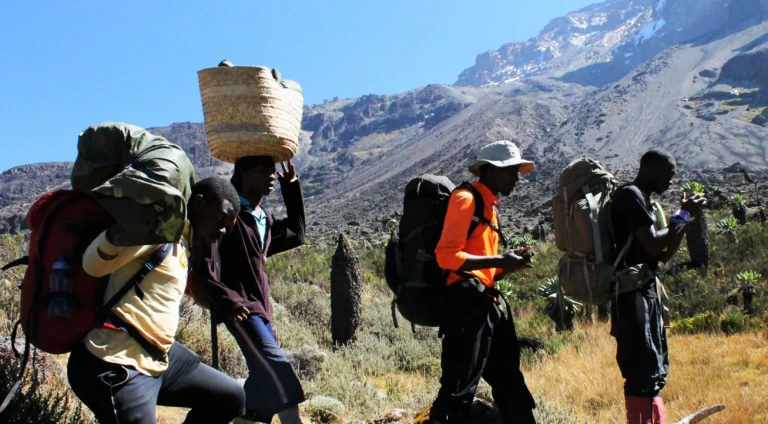
Kilimanjaro Group Vs Private Climb: Cost & Package Comparison For 2026-2027
Choosing between a group and private Kilimanjaro climb in 2026-2027 involves weighing costs, flexibility, and the overall experience. This guide breaks down the differences to help you...
View package details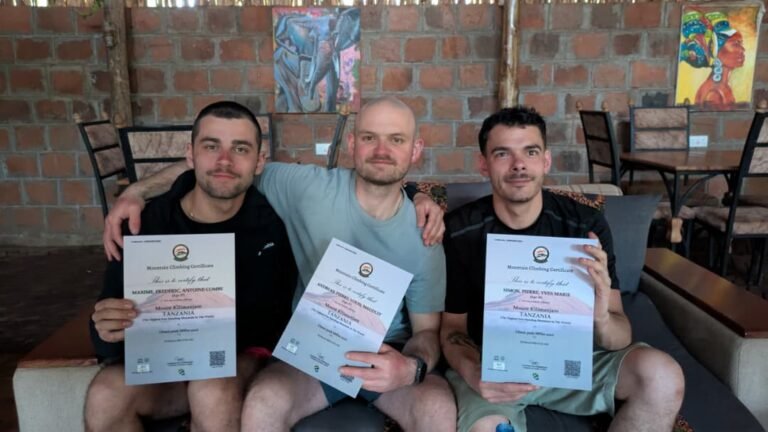
Kilimanjaro Price Per Person: Cost By Route, Days & Group Size In 2026-2027
Planning your Kilimanjaro climb involves understanding the Kilimanjaro price per person, which varies significantly based on the chosen route, the number of days on the mountain, and your...
View package details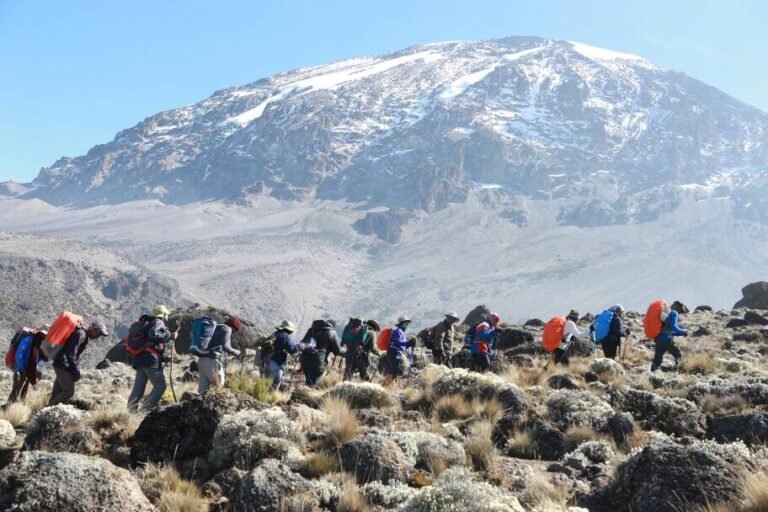
Kilimanjaro Group Joining Prices & Departure Dates / 2026-2027
Kilimanjaro Group Joining Prices & Departure Dates 2026/2027 is explained with current 2026-2027 planning, price, itinerary and booking information.
View package details
Private Kilimanjaro Climb Cost /: Your Ultimate Guide 2026-2027
Planning a private Kilimanjaro climb in 2026 or 2027? This comprehensive guide breaks down the costs, helping you understand what influences your budget for an exclusive trek, from route...
View package details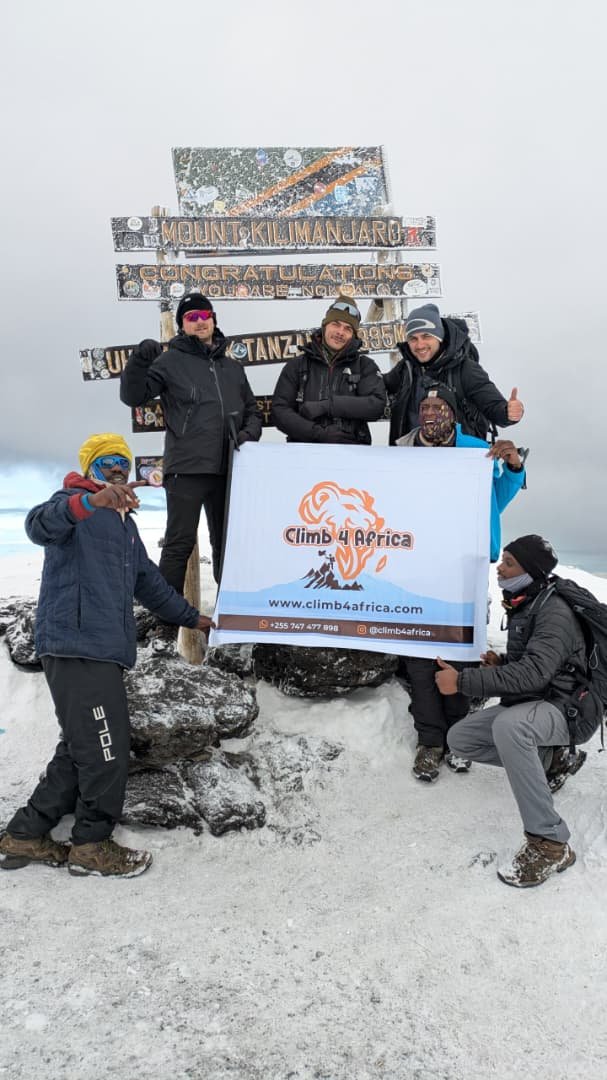
Lemosho Group Joining Prices & Departure Dates / | Climb 4 Africa 2026-2027
Planning a Kilimanjaro climb via the Lemosho route with a group? Discover 2026 and 2027 group joining prices and available departure dates with Climb 4 Africa, your expert guide to...
View package detailsKilimanjaro 6 Days Marangu Route Group Joining Trekking 2026-2027
Kilimanjaro 6 Days Marangu Route Group Joining Trekking is explained with current 2026-2027 planning, price, itinerary and booking information.
View package detailsKilimanjaro Tours From Moshi Group Departures: Your Expert Guide For 2026-2027
Planning a Kilimanjaro climb? Discover essential information on group tours departing from Moshi, Tanzania, covering routes, best times to go, costs, and what to expect for your 2026-2027...
View package detailsKilimanjaro 7 Days Join Groups Hiking Tour Package For Adventures 2026-2027
Plan your 7-day Kilimanjaro group hiking tour with Climb 4 Africa. This comprehensive guide covers itineraries, what's included, costs, and essential preparation for your 2026-2027...
View package detailsKilimanjaro 5 Days Marangu Route Group Joining Trekking 2026-2027
Kilimanjaro 5 Days Marangu Route Group Joining Trekking is explained with current 2026-2027 planning, price, itinerary and booking information.
View package detailsKilimanjaro Group Departures: Marangu, Machame, Lemosho Route Dates 2026-2027
Plan your Kilimanjaro adventure with our comprehensive guide to group departure dates for the Marangu, Machame, and Lemosho routes in 2026 and 2027. Discover the best times to climb...
View package details
Lemosho Route Cost /: Prices, Fees & Packages For Kilimanjaro Climbs 2026-2027
Planning a Kilimanjaro climb via the Lemosho Route in 2026 or 2027? This comprehensive guide breaks down the Lemosho Route cost, including typical prices, package inclusions, essential...
View package details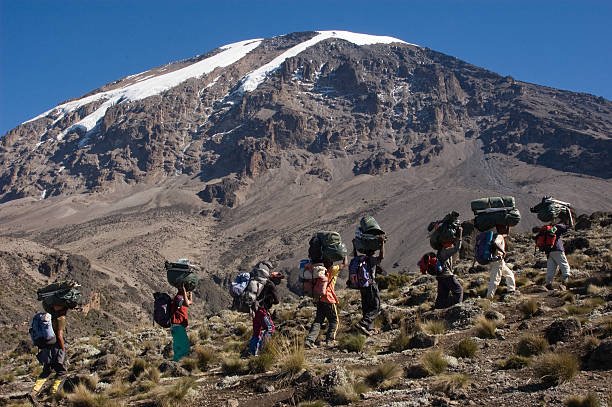
Kilimanjaro Climb Cost /: Prices, Fees & Complete Budget Guide 2026-2027
Planning your Kilimanjaro adventure for 2026 or 2027? This comprehensive guide breaks down the Kilimanjaro climb cost, detailing prices, essential fees, and how to budget effectively for...
View package detailsNo related package matches those filters. Clear one or more filters to see the other topic-matched options.



