Kilimanjaro climbing packages for 2026 and 2027 typically range from $1,800 to $4,500+ per person, depending on the route, duration, group size, and inclusions. Climb 4 Africa offers a variety of packages designed for different budgets and preferences, covering essential services like park fees, guides, porters, accommodation, and meals, with options for private and group climbs. The final price reflects the quality of service, safety standards, and logistical support provided for your ascent of Mount Kilimanjaro.
Understanding Kilimanjaro Climbing Packages & Prices for 2026/2027
Mount Kilimanjaro, the Roof of Africa, beckons adventurers from around the globe. For those planning an expedition in 2026 or 2027, understanding the nuances of Kilimanjaro climbing packages and prices is crucial for a successful and memorable journey. At Climb 4 Africa, we specialize in crafting experiences that balance adventure with safety, offering transparent pricing and comprehensive packages tailored to meet your needs. This guide will break down what influences the cost, what you can expect in different price brackets, and how to choose the best package for your climb.
Factors Influencing Kilimanjaro Package Prices
The cost of a Kilimanjaro climb is not arbitrary; it’s a reflection of several critical components that ensure your safety, comfort, and the overall quality of your expedition. When evaluating Kilimanjaro climbing packages and prices for 2026/2027, consider these key factors:
- Route Choice: Different routes have varying durations, difficulty levels, and popularity, which directly impacts park fees and logistical costs. Longer routes like the 8-day Lemosho or the 9-day Northern Circuit are generally more expensive due to the extended time on the mountain.
- Duration of Climb: The longer you spend on the mountain, the higher the costs associated with park fees, guide and porter wages, and food supplies. Ascents of 5 or 6 days have lower price points than 7, 8, or 9-day expeditions.
- Operator Type (Local vs. International): Local operators like Climb 4 Africa often provide more competitive pricing while maintaining high standards, as they have direct access to resources and local expertise. International operators may add layers of overhead, potentially increasing costs.
- Inclusions: This is perhaps the most significant differentiator. A comprehensive package will include park entry fees, camping or hut fees, rescue fees, salaries for guides and porters, all meals on the mountain, purified water, tents, cooking equipment, and transfer to/from the mountain. Some budget options might exclude certain fees or require you to rent equipment.
- Group Size: Climbing in a private group versus joining a scheduled group departure can affect the per-person price. Scheduled group climbs often offer lower prices due to shared costs.
- Service Level: The quality of equipment (tents, sleeping mats), the variety and quantity of food, and the guide-to-client ratio can vary. Higher service levels, including more experienced guides and better amenities, command higher prices.
- Time of Year: While Kilimanjaro is climbable year-round, the peak seasons (January-March and June-October) may see slightly higher demand and potentially more structured group departures, though prices are generally consistent. Shoulder seasons can offer good value.
- Pre- and Post-Climb Arrangements: Packages that include airport transfers, hotel stays before and after the climb, or add-on safaris and Zanzibar tours will naturally increase the total price.
Typical Price Ranges for Kilimanjaro Climbing Packages (2026/2027)
When budgeting for your Kilimanjaro climb in 2026 or 2027, it’s helpful to understand the general price spectrum. These figures are estimates and can vary based on the operator and specific inclusions.
Estimated Kilimanjaro Package Price Breakdown (Per Person)
- Budget Operators: $1,800 – $2,500. These packages focus on covering the essentials. They often use shorter routes, may have a lower guide-to-client ratio, and might offer fewer amenities. Park fees and basic meals are usually included.
- Mid-Range Operators (e.g., Climb 4 Africa): $2,500 – $3,500. These packages offer a strong balance of quality and value. They typically include all necessary fees, well-trained guides and sufficient porters, quality camping equipment, varied meals, and pre- and post-climb accommodation. This is where most reputable operators fall.
- Premium/Luxury Operators: $3,500 – $4,500+. These packages prioritize comfort and exceptional service. They often feature longer routes, private toilet tents, gourmet meals, higher guide-to-client ratios, and more experienced lead guides.
Note: Prices do not typically include flights to Kilimanjaro International Airport (JRO), visa fees, travel insurance, personal gear rental, tips for guides and porters, or personal expenses.
Choosing the Right Kilimanjaro Route: Impact on Packages and Price
The route you choose is fundamental to your Kilimanjaro experience and significantly influences the duration, difficulty, scenery, and ultimately, the cost of your Kilimanjaro climbing package in 2026/2027. Each route offers a unique journey, with varying acclimatization profiles and success rates.
Popular Kilimanjaro Routes and Their Cost Implications
Marangu Route (Coca-Cola Route)
- Duration: 5 or 6 days
- Price Impact: Generally one of the more affordable options due to its shorter duration and standard hut accommodation.
- Pros: The only route with dormitory-style hut accommodation, making it feel less rugged for some.
- Cons: Lower acclimatization profile (higher failure rate on 5-day), less scenic than other routes, can be crowded.
Machame Route (Whiskey Route)
- Duration: 6 or 7 days
- Price Impact: Mid-range pricing, common for 6-day climbs. 7-day offers better acclimatization and success rates, increasing the cost slightly.
- Pros: Excellent acclimatization profile (especially 7-day), beautiful scenery, high success rates.
- Cons: Camping only, can be steep and challenging in sections.
Lemosho Route
- Duration: 7, 8, or 9 days
- Price Impact: Higher end of mid-range to premium pricing due to its longer duration and exceptional acclimatization.
- Pros: Stunning scenery, excellent acclimatization, high success rates, less crowded initially.
- Cons: More expensive, longer commitment.
Shira Route
- Duration: 7, 8, or 9 days
- Price Impact: Similar to Lemosho, due to longer duration and excellent acclimatization.
- Pros: Offers incredible views from the start, good acclimatization.
- Cons: Starts at a higher altitude, potentially challenging for some on day one.
Rongai Route
- Duration: 6 or 7 days
- Price Impact: Mid-range pricing, often comparable to Machame.
- Pros: Climbs from the drier northern side, offering a different perspective and potentially better weather outside of rainy seasons. Less crowded.
- Cons: Less scenic than western routes, less gradual acclimatization on the 6-day version.
Northern Circuit
- Duration: 9 days
- Price Impact: Generally the most expensive route due to its 9-day duration and the extensive circuit it covers, offering the best acclimatization.
- Pros: Best acclimatization profile, highest success rates, unparalleled views, least crowded.
- Cons: Longest and most expensive option.
Umbwe Route
- Duration: 6 or 7 days
- Price Impact: Can be similar to other routes of the same duration, but often offered by operators focusing on challenging climbs.
- Pros: Steepest and most direct route, challenging for experienced trekkers.
- Cons: Very rapid ascent, poor acclimatization, lowest success rates, not recommended for most climbers.
For Kilimanjaro climbing packages in 2026/2027, choosing a longer route (7 days or more) is highly recommended for better acclimatization and significantly higher success rates. While it increases the package price, the investment in safety and the likelihood of reaching Uhuru Peak is well worth it.
What’s Typically Included in Kilimanjaro Climbing Packages?
When comparing Kilimanjaro climbing package prices for 2026/2027, scrutinizing the inclusions is paramount. Reputable operators like Climb 4 Africa provide comprehensive packages to ensure a safe and enjoyable trek. Here’s a detailed look at common inclusions:
Standard Inclusions in a Quality Kilimanjaro Package:
- Park Fees: This is a significant portion of the cost and includes entry fees, camping/hut fees, and conservation fees for Kilimanjaro National Park. For 2026/2027, these fees are set by the Tanzanian government and are non-negotiable.
- Rescue Fees: A mandatory fee for emergency rescue services.
- Salaries for Guides and Porters: Fair wages for the dedicated crew who support your climb. This includes lead guides, assistant guides, cooks, and porters. Ethical operators ensure their staff are well-compensated and treated fairly.
- Accommodation: Camping equipment (tents, sleeping mats, mess tents) for camping routes, or hut accommodation for Marangu.
- Meals: All meals on the mountain, typically prepared by a dedicated cook. Meals are usually nutritious and high-energy, catering to various dietary needs.
- Purified Drinking Water: Safe, potable water provided throughout the trek.
- Logistics and Support: All necessary cooking equipment, fuel, and transportation of gear by porters.
- Transfers: Transportation from Kilimanjaro International Airport (JRO) to your hotel in Moshi or Arusha, and transfers to/from the park gate.
- Briefing: Pre-climb briefing to go over the itinerary, gear, and safety procedures.
- Experienced Guides: Certified and experienced guides trained in first aid and mountain rescue.
Potential Exclusions to Watch For:
It’s equally important to know what might *not* be included, as these are additional costs you’ll need to budget for:
- International Flights: Flights to and from Kilimanjaro International Airport (JRO).
- Visa Fees: If required for your nationality.
- Travel Insurance: Comprehensive travel and medical evacuation insurance is mandatory.
- Personal Gear: Items like sleeping bags, hiking boots, warm clothing, backpacks, and trekking poles are usually not included and need to be purchased or rented.
- Tips for Crew: Tipping is customary and expected for guides, porters, and cooks. This can add a significant amount to your total cost.
- Personal Expenses: Souvenirs, alcoholic beverages, laundry, and extra snacks.
- Pre/Post-Climb Accommodation: Unless specified, hotel nights before and after the climb are often separate.
- Optional Activities: Such as hot springs visits or cultural tours.
Budgeting for Your Kilimanjaro Climb in 2026/2027: Tips and Considerations
Successful budgeting for your Kilimanjaro climbing package involves more than just looking at the advertised price. Here’s how to create a realistic budget for your 2026 or 2027 expedition:
Key Budgeting Tips:
- Factor in All Inclusions: Carefully review what each operator’s package includes. A slightly more expensive package with more inclusions might save you money overall.
- Estimate Crew Tips: This is a significant variable cost. A common guideline is around $250-$350 per climber for the entire crew (guides, porters, cooks) for a standard 7-day climb. Operators will provide specific tipping guidelines.
- Budget for Gear Rental: If you don’t own all the necessary gear, factor in the cost of renting items like sleeping bags, down jackets, and trekking poles.
- Consider Pre/Post-Climb Hotels: Most operators include one night of accommodation before the climb and often one night after. If you plan to extend your stay in Tanzania, book additional nights.
- Factor in Flights and Visas: Research flight costs to JRO and any visa requirements well in advance.
- Contingency Fund: It’s wise to have a small buffer for unexpected expenses.
Tipping Guidelines for Kilimanjaro Crew (2026/2027)
Tipping is a vital part of supporting the local economy and acknowledging the hard work of your mountain crew. While specific amounts can vary, here are general guidelines that are widely accepted for Kilimanjaro climbing packages. These are typically paid in USD or Tanzanian Shillings at the end of the climb.
Recommended Tipping Amounts Per Climber (Approximate for a 7-day climb):
- Lead Guide: $20-25 per day
- Assistant Guide(s): $15-20 per day (per assistant guide)
- Cook: $10-15 per day
- Porters: $8-12 per day (per porter)
For a typical 7-day climb, this can amount to approximately $250 – $350 per climber for the entire crew. Operators will provide a detailed breakdown of how to divide tips among the team.
Important: Ensure your operator is committed to fair wages, as tips should be seen as a bonus for excellent service, not a substitute for fair pay.
Why Choose Climb 4 Africa for Your 2026/2027 Kilimanjaro Climb?
Selecting the right tour operator is as important as choosing the right route. At Climb 4 Africa, we pride ourselves on offering exceptional Kilimanjaro climbing packages and prices that prioritize safety, sustainability, and an unforgettable mountain experience. Here’s why climbers choose us for their 2026 and 2027 expeditions:
Our Commitment to You:
- Safety First: Your well-being is our top priority. We employ highly experienced guides with extensive first-aid training and ensure adequate oxygen supplies and emergency protocols are in place.
- Ethical Operations: We are committed to fair treatment and wages for our guides, porters, and cooks, adhering to the guidelines set by organizations like the Kilimanjaro Porters Assistance Project (KPAP).
- Quality Equipment: We use high-quality, well-maintained tents, sleeping mats, and cooking equipment to ensure your comfort and safety on the mountain.
- Expert Local Knowledge: As a Tanzanian-based company, we have intimate knowledge of Kilimanjaro and the surrounding region, allowing us to offer authentic and well-managed experiences.
- Tailor-Made Itineraries: While we offer standard packages, we excel at creating custom itineraries to match your specific needs, fitness level, and budget for your 2026/2027 Kilimanjaro climb.
- Transparent Pricing: Our Kilimanjaro climbing package prices are clear and comprehensive, with no hidden costs. We aim to provide the best value without compromising on safety or quality.
- Success-Oriented Approach: We focus on routes and itineraries that maximize your acclimatization and chances of reaching Uhuru Peak, especially for Kilimanjaro climbing packages in 2026/2027.
Planning Your 2026/2027 Kilimanjaro Climb: Essential Steps
A successful Kilimanjaro climb requires careful planning and preparation. Here’s a step-by-step guide to help you prepare for your Kilimanjaro expedition in 2026 or 2027:
Steps to Planning Your Kilimanjaro Adventure:
- Choose Your Operator: Research reputable companies like Climb 4 Africa, compare Kilimanjaro climbing packages and prices, and read reviews.
- Select Your Route and Dates: Decide on the route that best suits your fitness and desired experience. Consider the time of year for weather patterns. Early booking for 2026/2027 is recommended, especially for popular dates.
- Book Your Package: Contact your chosen operator to confirm availability and book your climb. A deposit is usually required.
- Obtain Travel Insurance: Ensure your policy covers high-altitude trekking and emergency medical evacuation.
- Start Training: Begin a consistent fitness program focusing on cardiovascular health and strength training, especially leg strength. Practice hiking with a weighted backpack.
- Gather Your Gear: Compile a comprehensive packing list. Purchase or rent necessary equipment well in advance.
- Arrange Flights and Visas: Book your flights to Kilimanjaro International Airport (JRO) and check visa requirements for Tanzania.
- Get Vaccinations and Medical Advice: Consult your doctor about necessary vaccinations and altitude sickness medication.
- Finalize Details: Confirm all arrangements with your tour operator, including airport transfers and pre-climb briefings.
Physical Preparation for Kilimanjaro
The most critical factor for a successful climb is physical preparation. Kilimanjaro is a non-technical trek, but its altitude and duration demand a good level of fitness. Your training should focus on:
- Cardiovascular Endurance: Activities like running, cycling, swimming, and hiking build stamina. Aim for at least 3-4 sessions per week.
- Leg Strength: Squats, lunges, and step-ups will prepare your leg muscles for sustained uphill and downhill trekking.
- Hiking Practice: Regularly go on long hikes (4-6 hours) with a backpack similar in weight to what you’ll carry on the mountain. Include varied terrain and elevation changes.
- Mental Toughness: Long days on the trail, potential discomfort, and the altitude require mental resilience. Visualize your success and prepare for challenges.
Frequently Asked Questions About Kilimanjaro Climbing Packages & Prices
Here are answers to common questions regarding Kilimanjaro climbing packages and prices for 2026/2027:
Q1: What is the average cost of a Kilimanjaro climb in 2026/2027?
A: The average cost for a standard Kilimanjaro climbing package typically falls between $2,500 and $3,500 per person. Budget options can be found for around $1,800, while premium packages may exceed $4,500. This price usually covers park fees, crew wages, meals, and camping gear.
Q2: Are Kilimanjaro park fees included in the package price?
A: Yes, reputable operators like Climb 4 Africa always include Kilimanjaro National Park fees, rescue fees, and camping/hut fees in their Kilimanjaro climbing package prices. These fees are substantial and represent a significant portion of the total cost.
Q3: What is the best route for acclimatization and success?
A: For optimal acclimatization and the highest success rates, the Northern Circuit (9 days) and the Lemosho Route (8 or 9 days) are highly recommended. Longer routes allow your body more time to adjust to the altitude.
Q4: Do I need travel insurance for my Kilimanjaro climb?
A: Absolutely. Comprehensive travel insurance that covers high-altitude trekking and emergency medical evacuation is mandatory for all climbers. Ensure it covers up to 6,000 meters.
Q5: What is the best time of year to climb Kilimanjaro in 2026/2027?
A: The best climbing seasons are generally January-March and June-October, offering drier conditions and clearer skies. However, Kilimanjaro can be climbed year-round, with shoulder seasons potentially offering fewer crowds.
Q6: How much should I tip my Kilimanjaro guides and porters?
A: A common guideline for tipping the entire crew (guides, cooks, porters) for a 7-day climb is around $250 – $350 per climber. Your operator will provide a detailed breakdown.
Q7: Can I book a private Kilimanjaro climb in 2026/2027?
A: Yes, most operators, including Climb 4 Africa, offer private Kilimanjaro climbing packages. These provide flexibility in scheduling and a more personalized experience but typically come at a higher per-person cost compared to group departures.
Ready to Ascend Kilimanjaro in 2026/2027?
Your dream of standing on the Roof of Africa is within reach. Understanding the details of Kilimanjaro climbing packages and prices for 2026/2027 is the first step towards a successful and fulfilling adventure. At Climb 4 Africa, we are dedicated to providing exceptional service, ensuring your safety, and offering competitive pricing that reflects the quality of our expeditions.
Whether you’re seeking a challenging ascent on a lesser-known route or a comfortable journey with excellent acclimatization, we have a package tailored for you. Our team of experts is ready to guide you through every step of the planning process, from choosing the ideal route and dates to preparing you for the physical and mental demands of the climb.
Don’t leave your Kilimanjaro adventure to chance. Partner with experienced local experts who are passionate about sharing the magic of Tanzania’s highest peak. We invite you to explore our range of Kilimanjaro climbing packages and discover why climbers trust Climb 4 Africa for their special journey.
Contact us today to discuss your Kilimanjaro climbing plans for 2026/2027. Let us help you craft an unforgettable expedition to Uhuru Peak. You can reach us via WhatsApp at +255 747 477 898 or by emailing us at climb4africa@gmail.com.
Check Availability for Kilimanjaro Climbing Packages & Prices / | Climb 4 Africa 2026-2027
Ready to compare dates, prices, and the best option for your group? Send the package name and travel month so the team can reply with a clear quote, availability, and what is included.

Lemosho Route Cost /: Prices, Fees & Packages For Kilimanjaro Climbs 2026-2027
Planning a Kilimanjaro climb via the Lemosho Route in 2026 or 2027? This comprehensive guide breaks down the Lemosho Route cost, including typical prices, package inclusions, essential...
View package details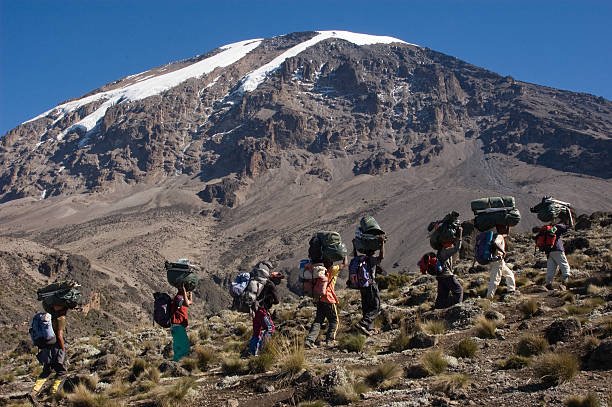
Kilimanjaro Climb Cost /: Prices, Fees & Complete Budget Guide 2026-2027
Planning your Kilimanjaro adventure for 2026 or 2027? This comprehensive guide breaks down the Kilimanjaro climb cost, detailing prices, essential fees, and how to budget effectively for...
View package details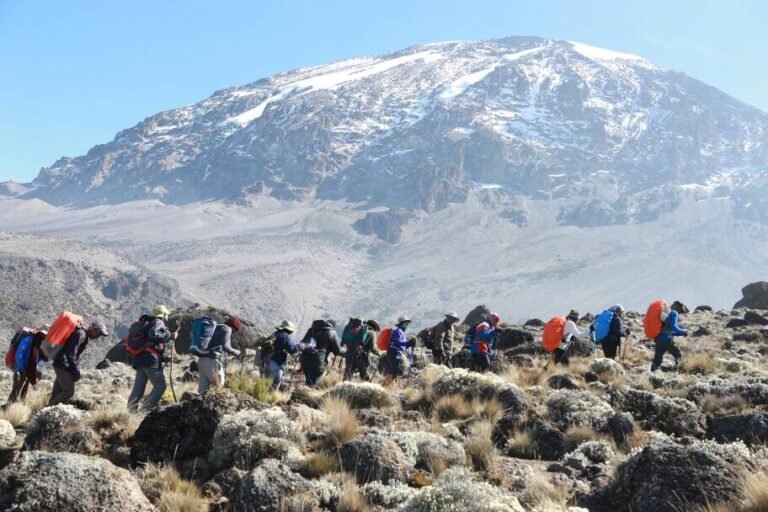
Kilimanjaro Gear Rental Prices: Complete Equipment Cost List For Climbs
Understand the costs associated with renting essential gear for your Kilimanjaro climb. This guide details typical prices for tents, sleeping bags, jackets, and more, helping you budget...
View package details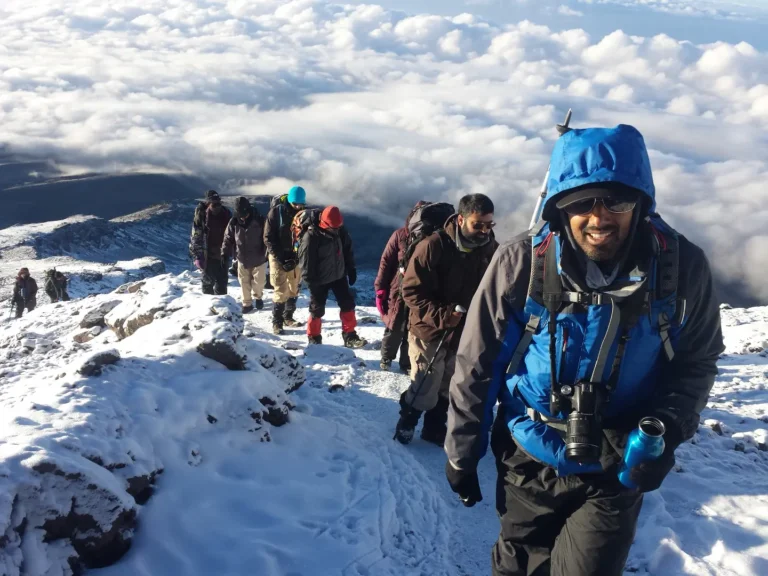
Kilimanjaro Route Prices Compared: Which Offers The Best Value For Climbs?
Choosing the right Kilimanjaro route is crucial for both your experience and your budget. This guide compares Kilimanjaro route prices, detailing what influences costs and which routes...
View package details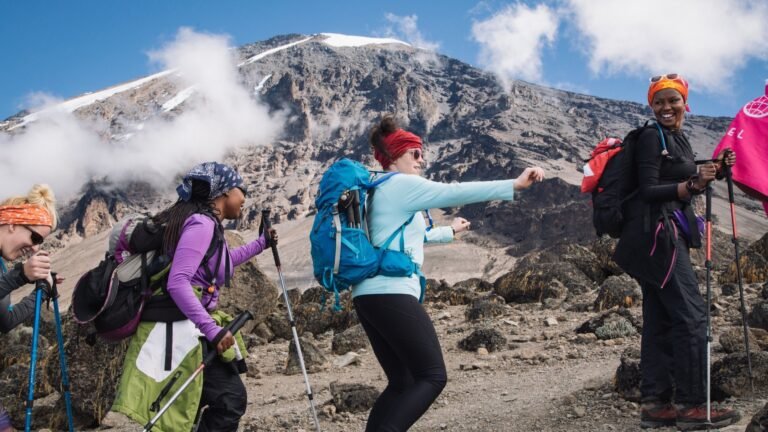
Total Cost Of A Kilimanjaro Trip: Flights, Gear, Hotels & Climb Prices
Planning your Kilimanjaro adventure involves more than just the climb package. This comprehensive guide breaks down the total cost of a Kilimanjaro trip for 2026-2027, detailing expenses...
View package detailsKilimanjaro Solo Climber Cost: Group Vs Private Prices 2026-2027
Planning a solo climb up Kilimanjaro? This guide breaks down the cost differences between joining a group trek and opting for a private climb. Discover what influences prices for 2026-2027...
View package details
Budget Kilimanjaro Climb: Affordable Packages & Prices / 2026-2027
Budget Kilimanjaro Climb: Affordable Packages & Prices 2026/2027 is explained with current 2026-2027 planning, price, itinerary and booking information.
View package detailsKilimanjaro Group Joining Prices & Departure Dates / 2026-2027
Kilimanjaro Group Joining Prices & Departure Dates 2026/2027 is explained with current 2026-2027 planning, price, itinerary and booking information.
View package detailsKilimanjaro Climbing Tours And Trekking Packages For | Climb 4 Africa
Plan your Kilimanjaro adventure with comprehensive tours and trekking packages from Climb 4 Africa. Discover detailed route information, essential preparation tips, and booking guidance for...
View package details
Budget Vs Luxury Lemosho Route Packages: Price Comparison For Kilimanjaro
Choosing between a budget or luxury Lemosho Route package for your Kilimanjaro climb in 2026 or 2027 involves understanding what drives the price. This comparison breaks down cost factors...
View package details
Lemosho Group Joining Prices & Departure Dates / | Climb 4 Africa 2026-2027
Planning a Kilimanjaro climb via the Lemosho route with a group? Discover 2026 and 2027 group joining prices and available departure dates with Climb 4 Africa, your expert guide to...
View package details
6 Days Lemosho Route Kilimanjaro: Itinerary, Cost & Planning 2026-2027
The 6-day Lemosho Route on Kilimanjaro offers a balance of acclimatization and scenic beauty, though it is one of the shorter options for this route, making it more challenging. This guide...
View package detailsNo related package matches those filters. Clear one or more filters to see the other topic-matched options.



