
A 9-day Northern Circuit climb on Kilimanjaro in September 2026 or 2027 offers the best chance for success, providing exceptional acclimatization and stunning scenery. This route is ideal for those seeking a less crowded experience and a higher summit success rate due to its gradual ascent, typically taking you through diverse ecosystems before reaching Uhuru Peak. Expect dry, cooler weather with clear skies, making it a prime month for trekking.

Why Choose September for Your 9-Day Northern Circuit Climb?
September marks the end of Kilimanjaro’s dry season, offering some of the most favorable trekking conditions of the year. The weather is typically characterized by clear skies, moderate temperatures, and minimal rainfall. This makes it an ideal month for undertaking the 9-day Northern Circuit climb, a route renowned for its scenic beauty and excellent acclimatization profile, significantly increasing your chances of reaching the summit. For those planning their adventure in 2026 or 2027, September presents a compelling window of opportunity.
The Northern Circuit, often an extension of the Lemosho route, is the longest trek on Kilimanjaro, taking a minimum of eight days and ideally nine for optimal acclimatization. Its extended duration allows for a much slower and more consistent ascent, following the ‘climb high, sleep low’ principle effectively. This is particularly beneficial at high altitudes, reducing the risk of altitude sickness. When combined with the stable, dry weather of September, it creates a near-perfect scenario for a Kilimanjaro expedition.
September Weather on Kilimanjaro
The weather on Kilimanjaro varies dramatically with altitude and season. In September, the mountain experiences the tail end of its dry season. This means:
- Temperatures: Daytime temperatures can range from pleasant in the lower rainforest zones (around 20-25°C or 68-77°F) to cold and freezing at higher altitudes and on summit night (ranging from -5°C to 15°C or 23°F to 59°F, potentially dropping much lower on the summit).
- Precipitation: Rainfall is minimal. You can expect dry conditions for most of your trek, with occasional light showers possible, especially in the lower rainforest belt early in the month. The higher alpine desert and arctic zones are typically very dry.
- Visibility: Skies are usually clear, offering spectacular views of the surrounding landscape and the summit cone. This is a significant advantage for appreciating Kilimanjaro’s diverse ecosystems and for photography.
- Wind: While generally less windy than during the rainy seasons, strong winds can still occur, especially at higher elevations and on summit night. Proper layering and windproof gear are essential.
The combination of dry weather, clear skies, and moderate temperatures makes September a peak season for Kilimanjaro climbs, including the 9-day Northern Circuit. It’s wise to book your trek well in advance, especially if you are targeting popular dates in 2026 or 2027.
The 9-Day Northern Circuit: A Detailed Itinerary for September
The 9-day Northern Circuit is the longest route on Kilimanjaro, circumnavigating the mountain’s upper reaches. This extended duration is key to its high success rate and offers unparalleled scenic diversity. Here’s a typical day-by-day breakdown for a September climb:
Day 1: Lemosho Gate to Mti Mkubwa Camp
Start Point: Lemosho Gate (2,100m / 6,890ft)
End Point: Mti Mkubwa Camp (2,820m / 9,250ft)
Trek Duration: 3-4 hours
Distance: Approximately 6 km / 3.7 miles
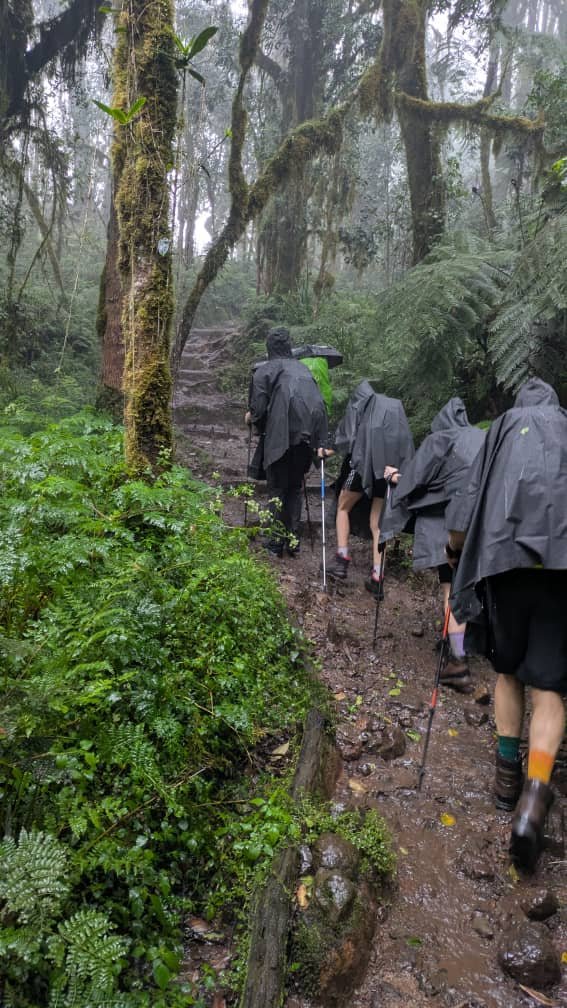
Your adventure begins after a scenic drive from Moshi or Arusha to the Lemosho Gate. After completing registration and meeting your mountain crew, you’ll start your trek through the lush montane forest. The trail is relatively gentle, and you’ll likely hear and see various bird species, and perhaps even monkeys. The goal for day one is a relaxed start, focusing on getting into the rhythm of trekking and enjoying the forest environment before reaching Mti Mkubwa (Big Tree) camp for your first night.
Day 2: Mti Mkubwa Camp to Shira 1 Camp
Start Point: Mti Mkubwa Camp (2,820m / 9,250ft)
End Point: Shira 1 Camp (3,500m / 11,480ft)
Trek Duration: 5-6 hours
Distance: Approximately 10 km / 6.2 miles
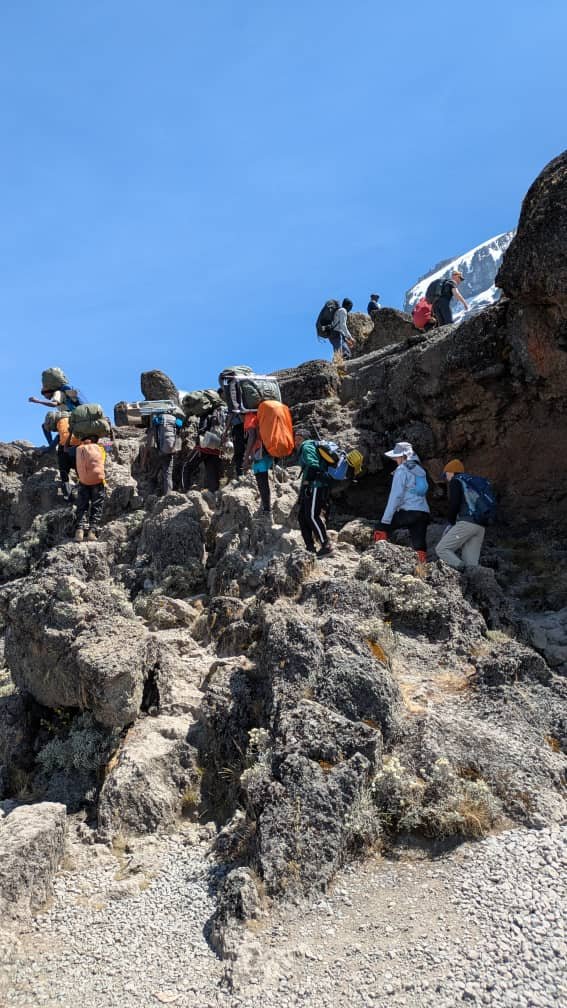
Today, you’ll continue ascending through the forest, which gradually thins out as you gain altitude. You’ll emerge onto the Shira Plateau, a vast, open moorland landscape with stunning views. The trek is more challenging today as you gain significant altitude. Shira 1 Camp is situated on this exposed plateau, offering impressive panoramas. It’s crucial to drink plenty of water and move slowly to aid acclimatization.
Day 3: Shira 1 Camp to Shira 2 Camp
Start Point: Shira 1 Camp (3,500m / 11,480ft)
End Point: Shira 2 Camp (3,850m / 12,630ft)
Trek Duration: 3-4 hours
Distance: Approximately 7 km / 4.3 miles
This is a relatively short trekking day, designed to help you acclimatize further. You’ll traverse the Shira Plateau, enjoying the wide-open spaces and increasingly dramatic views of Kilimanjaro’s western side. The path is generally easy, with a gentle incline. Shira 2 Camp is located at a higher altitude on the plateau, closer to the Lava Tower. The views from Shira 2 are exceptional, often including Kibo’s icy glaciers.
Day 4: Shira 2 Camp to Lava Tower to Barranco Camp
Start Point: Shira 2 Camp (3,850m / 12,630ft)
End Point: Barranco Camp (3,950m / 12,960ft)
Trek Duration: 6-7 hours
Distance: Approximately 10 km / 6.2 miles
This is a critical acclimatization day. You’ll ascend towards the Lava Tower (4,600m / 15,090ft), a prominent volcanic plug. After reaching Lava Tower, you’ll descend significantly to Barranco Camp. This ‘climb high, sleep low’ strategy is vital for acclimatization. The landscape changes dramatically from alpine desert to a more rugged, rocky terrain. Barranco Camp is located at the base of the impressive Barranco Wall.
Day 5: Barranco Camp to Karanga Camp
Start Point: Barranco Camp (3,950m / 12,960ft)
End Point: Karanga Camp (4,035m / 13,240ft)
Trek Duration: 4-5 hours
Distance: Approximately 5 km / 3.1 miles
Today involves conquering the famous Barranco Wall, a challenging but rewarding scramble. It’s not technically difficult, but requires steady hands and feet. The views from the top are spectacular. After the wall, the trail continues through a rocky landscape with some ups and downs, leading to Karanga Valley and then ascending to Karanga Camp. This camp is situated in a beautiful, albeit exposed, location with great views.
Day 6: Karanga Camp to Barafu Camp
Start Point: Karanga Camp (4,035m / 13,240ft)
End Point: Barafu Camp (4,650m / 15,250ft)
Trek Duration: 4-5 hours
Distance: Approximately 6 km / 3.7 miles
The terrain becomes increasingly barren and rocky as you ascend towards Barafu Camp. This camp is located on a narrow, exposed ridge, offering little shelter but dramatic views. The day’s trek is steady but involves significant altitude gain. You’ll have an early dinner and try to get some rest before the challenging summit attempt on the following night. Hydration and energy are paramount today.
Day 7: Summit Day! Barafu Camp to Uhuru Peak and down to Mweka Camp
Start Point: Barafu Camp (4,650m / 15,250ft)
End Point: Uhuru Peak (5,895m / 19,341ft), descent to Mweka Camp (3,100m / 10,170ft)
Trek Duration: 10-12 hours to summit, 6-7 hours descent
Distance: Approximately 5 km / 3.1 miles ascent, 12 km / 7.5 miles descent
This is the most demanding day. You’ll start your ascent around midnight, trekking in the dark with headlamps. The trail is steep and rocky, winding up towards Stella Point (5,756m / 18,885ft) on the crater rim. Reaching Stella Point is a significant achievement. From there, it’s a gradual walk along the rim to Uhuru Peak, the highest point in Africa. After celebrating your success and taking photos, you’ll begin the long descent, passing Barafu Camp and continuing down to Mweka Camp in the moorland and forest zones. This descent is tough on the knees but offers relief from the altitude.
Day 8: Mweka Camp to Mweka Gate and transfer to Moshi
Start Point: Mweka Camp (3,100m / 10,170ft)
End Point: Mweka Gate (1,640m / 5,380ft)
Trek Duration: 3-4 hours
Distance: Approximately 10 km / 6.2 miles
Your final day on the mountain. You’ll descend through the lower forest zone, often enjoying warmer temperatures and a more lush environment. The trail can be muddy, especially in September, so waterproof boots are essential. Upon reaching Mweka Gate, you’ll be greeted by your guides and drivers, receive your climbing certificates, and then be transferred back to your hotel in Moshi for a well-deserved rest and celebration.
Day 9: Rest Day / Optional Activities in Moshi
This day is for recovery and relaxation in Moshi. You can choose to rest, explore local markets, or arrange for optional activities such as a visit to a coffee plantation or a day trip to Materuni waterfalls. This provides a buffer day before continuing your travels in Tanzania or heading home.
Why the 9-Day Northern Circuit is Superior for Acclimatization
The extended duration of the 9-day Northern Circuit is its most significant advantage, especially for those concerned about altitude sickness. Unlike shorter routes that rush climbers to higher altitudes quickly, the Northern Circuit allows for a much more gradual ascent. This aligns perfectly with the body’s need to adapt to lower oxygen levels at increasing elevations. Here’s how it works:
- Gradual Ascent: The route spends more days in the lower and middle camps (e.g., Shira Plateau, Barranco Camp). This allows your body more time to produce red blood cells, which are essential for carrying oxygen.
- ‘Climb High, Sleep Low’: The itinerary, particularly days 4 and 5, incorporates significant ascents to high points (like Lava Tower) followed by descents to sleep at lower camps. This physiological challenge stimulates acclimatization more effectively than simply staying at a high altitude.
- Lower Daily Ascents: The longer trek means shorter daily distances and less strenuous climbs on most days, conserving energy and reducing the physical stress that can exacerbate altitude symptoms.
- Reduced Crowds: The Northern Circuit starts from the Lemosho side, which is generally less crowded than the Marangu or Machame routes. This provides a more peaceful trekking experience, allowing for better rest and focus on acclimatization.
For a September 2026 or September 2027 9-day Northern Circuit climb, this superior acclimatization profile translates directly into a higher probability of reaching Uhuru Peak comfortably and safely.
Comparing the 9-Day Northern Circuit with Shorter Routes
While Kilimanjaro can be climbed via several routes, the 9-day Northern Circuit stands out, particularly for its balance of scenery, acclimatization, and success rates. Let’s compare it briefly to some other popular options:
- Marangu Route (Coca-Cola Route): The shortest option (5-7 days). It’s popular due to its hut accommodation but has a lower success rate because it offers poor acclimatization. Not recommended for first-time high-altitude trekkers.
- Machame Route (Whiskey Route): A popular 6-7 day route. It’s scenic and offers good acclimatization on longer variations (7 days), but the 6-day option can feel rushed. The 9-day Northern Circuit builds upon the Machame’s scenic beauty but extends it for better acclimatization.
- Lemosho Route: The 7-day Lemosho route is very similar to the Northern Circuit’s initial days and is also highly scenic with good acclimatization. The 9-day Northern Circuit is essentially an extended Lemosho, adding an extra day on the Shira Plateau and often an extra day before the summit push, further enhancing acclimatization and reducing crowds.
- Rongai Route: Approaches from the north, making it a good option during the rainy seasons. It’s generally less scenic than western routes like Lemosho or Northern Circuit. Usually a 6-7 day climb.
For those targeting a September 2026 or September 2027 9-day Northern Circuit climb, the decision is often driven by the desire for the highest possible success rate and the most rewarding, unhurried experience. The route’s circumnavigation offers diverse landscapes rarely seen on shorter treks.
Preparing for Your 9-Day Northern Circuit Climb in September
Successful preparation is key to enjoying your 9-day Northern Circuit climb and maximizing your chances of reaching the summit. This involves physical training, mental readiness, and packing the right gear.
Physical Training
While you don’t need to be an elite athlete, a good level of cardiovascular fitness is essential. Focus on:
- Hiking: Regularly hike with a weighted backpack (10-15 kg / 20-30 lbs) on varied terrain, including hills and stairs. Aim for hikes of 3-5 hours on weekends.
- Cardio: Engage in activities like running, cycling, swimming, or using an elliptical machine 3-4 times a week.
- Strength Training: Focus on leg strength (squats, lunges) and core stability.
- Altitude Simulation (Optional): If possible, spend time at higher altitudes before your climb.
Start your training at least 3-4 months before your planned climb in September 2026 or September 2027.
Mental Preparation
Climbing Kilimanjaro is as much a mental challenge as a physical one. Be prepared for:
- Long days: Summit night is particularly demanding.
- Cold temperatures: Especially at night and on the summit.
- Basic conditions: Camping and limited facilities.
- Potential discomfort: Altitude symptoms, fatigue.
A positive attitude, perseverance, and the ability to push through discomfort are vital. Remind yourself of the stunning views and the incredible achievement awaiting you.
Essential Gear for September
Layering is crucial. You’ll need gear for warm, wet conditions at the bottom and freezing, windy conditions at the top. For a September 9-day Northern Circuit climb, consider the following:
Clothing Layers:
- Base Layers: Moisture-wicking thermal tops and bottoms (merino wool or synthetic).
- Mid Layers: Fleece jacket or vest for insulation.
- Outer Layer: Waterproof and windproof jacket (Gore-Tex or similar) and trousers.
- Insulated Jacket: A warm down or synthetic puffy jacket for evenings and summit night.
Headwear & Handwear:
- Warm, waterproof gloves or mittens.
- Liner gloves for dexterity.
- Warm woolly hat covering the ears.
- Sun hat or cap for daytime.
- Balaclava or neck gaiter for face protection.
Footwear:
- Boots: Broken-in, waterproof hiking boots with good ankle support.
- Socks: Several pairs of warm wool or synthetic hiking socks.
- Camp shoes or trainers for evenings.
Sleeping Gear:
- A warm sleeping bag rated to at least -10°C (0°F) or -20°C (-4°F).
- Sleeping bag liner for extra warmth.
- Optional: Inflatable sleeping mat (though tents and thicker mats are usually provided).
Trekking Equipment:
- Backpack: A comfortable daypack (30-40L) for essentials.
- Trekking Poles: Highly recommended for stability and reducing knee strain.
- Headlamp with extra batteries.
- Water bottles or hydration reservoir (minimum 3L capacity).
- Water purification tablets or filter (though boiled water is usually provided).
- Sunglasses (UV protection essential).
- Sunscreen (high SPF).
- Lip balm with SPF.
- Personal first-aid kit with blister treatment.
- Toiletries, including wet wipes and hand sanitizer.
- Camera and spare batteries/power bank.
Acclimatization Tips for September
Even with the best route, proper acclimatization is crucial:
- Hydrate: Drink at least 3-4 liters of water per day. Avoid alcohol and caffeine.
- Eat Well: Consume high-carbohydrate meals to maintain energy.
- Ascend Slowly: Follow your guide’s pace (‘pole pole’ – slowly, slowly).
- Listen to Your Body: Report any symptoms of altitude sickness to your guide immediately.
- Get Enough Sleep: Rest is vital for recovery and adaptation.
The Role of Your Guide and Crew
Your guides and support crew are integral to the success and safety of your 9-day Northern Circuit climb. For your September 2026 or 2027 expedition, partnering with a reputable company like Top Guide Adventures ensures you have experienced professionals:
- Experienced Guides: Certified Kilimanjaro guides are trained in high-altitude trekking, first aid, and recognizing symptoms of altitude sickness. They make critical decisions regarding your safety and pace.
- Support Staff: Porters carry the bulk of your gear, setting up camp and ensuring you have meals and water. Cooks prepare nutritious meals to keep your energy levels up.
- Safety First: Your crew carries a comprehensive medical kit, including a portable oxygen cylinder and a Gamow bag, for emergencies.
- Local Knowledge: They provide insights into the mountain’s environment, culture, and history.
Top Guide Adventures prides itself on its highly trained and dedicated teams. We ensure our guides and porters are well-equipped, well-paid, and treated with respect, which translates into the best possible service for our clients. When booking your 9-day Northern Circuit climb, inquire about the experience and qualifications of the trekking crew.
Costs and Inclusions for a 9-Day Northern Circuit Climb
The cost of a 9-day Northern Circuit climb can vary significantly based on the tour operator, group size, and inclusions. For September 2026 and September 2027 climbs, expect prices to range from approximately $2,200 to $4,000+ per person for a reputable, professionally run trek.
When comparing prices, it’s crucial to understand what is included. Top Guide Adventures aims to provide comprehensive packages for your 9-day Northern Circuit climb. A typical package should include:
Typical Inclusions:
- Park and camping fees (these are substantial and mandatory).
- Professional, licensed Kilimanjaro guides (typically 1 guide per 2 climbers for safety).
- Assistant guides, cooks, and porters.
- All meals on the mountain (breakfast, lunch, dinner).
- Boiled drinking water.
- Tents (4-season mountain tents).
- Campsite facilities (mess tent, toilet tent).
- Portable oxygen cylinder and comprehensive first-aid kit.
- Transfer from Moshi/Arusha to the mountain gate and back.
- Climbing certificate.
Typical Exclusions:
- Flights to Kilimanjaro International Airport (JRO).
- Visa fees.
- Travel and rescue insurance (mandatory).
- Tips for guides, porters, and cooks (a significant portion of the crew’s income).
- Personal gear (sleeping bag, trekking poles, clothing, etc.).
- Lunches and drinks in Moshi/Arusha before and after the climb.
- Personal expenses (souvenirs, laundry).
- Optional activities.
- Summit bonus for porters (often included in reputable companies’ pricing).
When budgeting for your 9-day Northern Circuit climb in 2026 or 2027, factor in the cost of gear rental if you don’t own everything, and importantly, budget for crew tips. Reputable companies like Top Guide Adventures are transparent about their pricing and what’s included. We recommend comparing not just price, but also the quality of service, safety standards, and ethical treatment of staff.
Tips for Budgeting in 2026-2027
Park fees are set by the Tanzanian government and tend to increase periodically. It’s wise to check current fee structures when planning for 2026-2027. While cheaper options exist, they often compromise on safety, crew welfare, or the quality of equipment. Investing in a reputable operator for your 9-day Northern Circuit climb is an investment in your safety and overall experience.
Booking Your 9-Day Northern Circuit Climb with Top Guide Adventures
Choosing the right tour operator is paramount for a successful and enjoyable 9-day Northern Circuit climb. Top Guide Adventures is a trusted Tanzanian company committed to providing personalized service, safety, and an unforgettable Kilimanjaro experience. We specialize in tailored treks and ensure our clients are well-prepared and supported every step of the way.
Why choose Top Guide Adventures for your September 2026 or September 2027 climb:
- Experienced and Certified Guides: Our guides are among the most experienced on Kilimanjaro, with extensive training in high-altitude medicine and rescue.
- Ethical Crew Treatment: We prioritize fair wages, proper gear, and respectful treatment for all our porters and support staff.
- Safety Standards: We adhere to the highest safety protocols, including carrying sufficient oxygen and medical equipment.
- Personalized Itineraries: We can customize aspects of your trek to suit your needs.
- Comprehensive Support: From initial inquiry to your return from the mountain, our team provides dedicated support.
To discuss your 9-day Northern Circuit climb or to get a personalized quote for September 2026 or 2027, please reach out to us:
- WhatsApp: +255616946642
- Email: topguideadventures@gmail.com
- Backup Email: info@topguideadventures.com
We are committed to helping you achieve your dream of summiting Kilimanjaro. Let us help you plan the perfect 9-day Northern Circuit climb.
Frequently Asked Questions about the 9-Day Northern Circuit in September
Is September a good month for Kilimanjaro?
Yes, September is considered one of the best months to climb Kilimanjaro. It falls within the dry season, offering clear skies, moderate temperatures, and minimal rainfall, making it ideal for trekking the 9-day Northern Circuit.
What is the success rate for the 9-day Northern Circuit?
The 9-day Northern Circuit has one of the highest success rates among Kilimanjaro routes, often cited as over 85-90%. This is due to its longer duration, gradual ascent, and excellent acclimatization profile, especially when compared to shorter routes.
What kind of altitude sickness symptoms should I watch for?
Common symptoms include headache, nausea, dizziness, fatigue, and shortness of breath. If you experience mild symptoms, your guide will likely advise you to descend slightly or rest. Persistent or severe symptoms require immediate descent. The 9-day Northern Circuit’s acclimatization strategy significantly reduces the risk.
Do I need to be very fit to climb Kilimanjaro?
While you don’t need to be an elite athlete, a good level of cardiovascular fitness is necessary. Regular hiking and cardio exercise in the months leading up to your climb are highly recommended. The 9-day Northern Circuit, being longer, requires good endurance but its gradual nature makes it manageable for fit individuals.
What is the cost of a 9-day Northern Circuit climb in 2026-2027?
For a reputable operator like Top Guide Adventures, expect costs for a 9-day Northern Circuit climb in 2026-2027 to range from approximately $2,200 to $4,000+ per person, depending on inclusions and group size. Always check detailed inclusions and exclusions.
Can I book a private 9-day Northern Circuit climb?
Yes, private climbs are available and offer more flexibility. Top Guide Adventures can arrange private 9-day Northern Circuit climbs for individuals, families, or groups. Contact us for a personalized quote for your preferred dates in 2026 or 2027.
Final Thoughts on Your September Kilimanjaro Adventure
Embarking on a 9-day Northern Circuit climb on Kilimanjaro in September 2026 or 2027 is an exceptional choice. The combination of the mountain’s most scenic and best-acclimatizing route with the favorable dry weather of September sets the stage for a truly memorable adventure. This extended trek provides ample time for your body to adjust to the altitude, significantly boosting your chances of reaching the Roof of Africa while allowing you to fully appreciate the diverse landscapes Kilimanjaro offers.
From the lush rainforests at the base to the stark, icy beauty of the summit, the Northern Circuit is a trip. With thorough preparation, the right gear, and the support of an experienced and ethical operator like Top Guide Adventures, your 9-day Northern Circuit climb will be a safe, rewarding, and life-changing experience. We are passionate about Kilimanjaro and dedicated to making your trek a success. Contact us today to start planning your ultimate Kilimanjaro adventure!
Check Availability for 9-Day Northern Circuit Climb In September : Your Ultimate Guide 2026-2027
Ready to compare dates, prices, and the best option for your group? Send the package name and travel month so the team can reply with a clear quote, availability, and what is included.

9-Day Northern Circuit Climb In August: Your Ultimate Kilimanjaro Guide
The 9-day Northern Circuit (also known as the Lemosho or Machame route combined) offers the highest success rate for climbing Kilimanjaro in August, providing stunning scenery and excellent...
View package details
9-Day Northern Circuit Kilimanjaro Climb In July : Your Expert Guide 2026-2027
A detailed 2026-2027 guide to 9-Day Northern Circuit Kilimanjaro Climb in July, with clear planning and booking information for travelers.
View package details9-Day Northern Circuit Climb In June : Your Ultimate Guide 2026-2027
start a 9-day Kilimanjaro adventure via the Northern Circuit in June 2026 or 2027. This comprehensive guide covers everything from weather expectations and route details to essential gear...
View package details
8-Day Lemosho Route Climb In September: Your Expert Guide For 2026-2027
Discover the ultimate guide to an 8-Day Lemosho Route climb on Mount Kilimanjaro during September 2026-2027. This comprehensive resource covers everything from weather patterns and optimal...
View package details
7-Day Machame Route Climb In September 2026-2027
7-Day Machame Route Climb in September is explained with current 2026-2027 planning, price, itinerary and booking information.
View package details
8-Day Lemosho Route Kilimanjaro Climb In August 2026-2027
8-Day Lemosho Route Kilimanjaro Climb in August is explained with current 2026-2027 planning, price, itinerary and booking information.
View package details
7-Day Machame Route Kilimanjaro Climb In August: Your Expert Guide 2026-2027
The 7-day Machame Route Kilimanjaro climb in August offers excellent weather for reaching Uhuru Peak. This guide provides essential details for your 2026-2027 adventure, covering itinerary...
View package details
7-Day Rongai Route Kilimanjaro Climb In July: Your Expert Guide For 2026-2027
start a 7-Day Rongai Route Kilimanjaro climb in July, a prime month for trekking. This guide details the itinerary, essential gear, acclimatization, and what to expect for your 2026-2027...
View package details
8-Day Lemosho Route Kilimanjaro Climb In July | Top Guide Adventures 2026-2027
The 8-day Lemosho Route is a highly recommended option for climbing Kilimanjaro in July, offering excellent acclimatization and stunning scenery. This guide covers everything you need to...
View package details
7-Day Machame Route Kilimanjaro Climb In July : Your Expert Guide 2026-2027
Planning a 7-Day Machame Route Kilimanjaro climb in July? This comprehensive guide covers everything from weather expectations and optimal packing lists to detailed itinerary breakdowns and...
View package details8-Day Lemosho Route Kilimanjaro Climb In June | Top Guide Adventures 2026-2027
The 8-day Lemosho Route offers a balanced approach to climbing Kilimanjaro in June, providing excellent acclimatization and stunning scenery. This guide details the itinerary, challenges...
View package details7-Day Machame Route Kilimanjaro Climb In June : Your Expert Guide 2026-2027
A comprehensive guide to undertaking a 7-day Machame Route Kilimanjaro climb in June, detailing itinerary, weather, gear, and preparation for 2026-2027.
View package detailsNo related package matches those filters. Clear one or more filters to see the other topic-matched options.



