
A May Kilimanjaro budget camping trek offers a fantastic opportunity to climb Africa’s highest peak during a shoulder season with generally good weather and fewer crowds than peak months, providing a cost-effective yet rewarding experience. Expect temperatures to be cool to cold, especially at higher altitudes, with a mix of sunshine and potential rain showers, making preparation crucial for success. Budget camping treks typically utilize shared campsites and basic but functional equipment, focusing on essential comforts to keep costs down while ensuring safety and a memorable climb, with popular routes like the Marangu and Machame often being good choices for budget-conscious trekkers in 2026 and 2027.

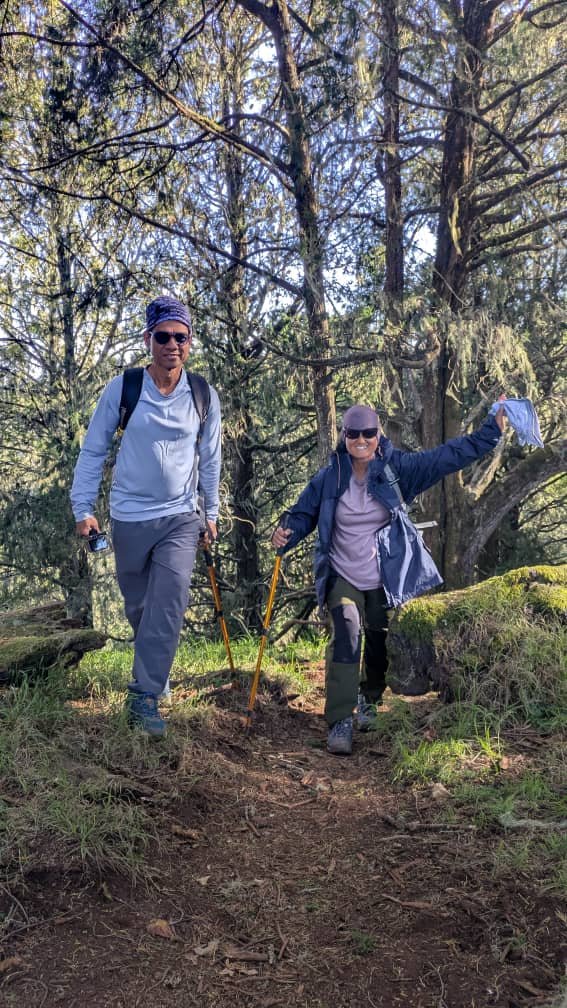

Understanding Your May Kilimanjaro Budget Camping Trek
Choosing a May Kilimanjaro budget camping trek is a smart decision for many adventurers looking to conquer the Roof of Africa without breaking the bank. May falls within the ‘shoulder season’ for Kilimanjaro climbs, generally meaning fewer trekkers on the mountain compared to the peak dry seasons of January-March and June-October. This reduced demand can translate into more competitive pricing from tour operators, making it an ideal time for a budget-focused expedition. While ‘budget’ often implies compromises, when done right, it means efficient planning and smart choices rather than sacrificing safety or the core experience of reaching Uhuru Peak.
Climb 4 Africa specializes in organizing such treks, understanding the delicate balance between affordability and providing a high-quality, safe, and memorable mountain experience. Our focus is on offering comprehensive packages that cover all the essentials for a successful climb, allowing you to concentrate on the adventure itself. For your 2026 or 2027 climb, understanding what a budget camping trek entails is the first step towards a well-prepared journey.
What ‘Budget Camping Trek’ Means on Kilimanjaro
When we talk about a budget camping trek on Kilimanjaro, we’re referring to a style of expedition that prioritizes value and essential comfort. This doesn’t mean sleeping in the open or foregoing nutritious meals. Instead, it involves:
- Camping Accommodation: You’ll be sleeping in sturdy, waterproof tents pitched at designated campsites along the mountain routes. These are typically 3-season tents suitable for the conditions.
- Shared Facilities: While you have your own tent for sleeping, communal areas might be set up for dining. Toilets are usually basic long-drop or chemical toilets provided at campsites.
- Experienced Crew: A budget trek absolutely includes a full support crew: licensed guides, assistant guides, a cook, and porters. Safety and proper mountain management are non-negotiable, regardless of budget.
- Nutritious Meals: Your cook will prepare hot, nutritious meals at designated meal stops. These are designed to provide the energy needed for trekking. Expect a mix of local and international dishes.
- Essential Gear Provision: The tour operator typically provides tents, sleeping mats, cooking equipment, and mess tents. You will need to bring your own sleeping bag, warm clothing, and personal items.
- Route Selection: Certain routes might be more economical due to shorter durations or less complex logistics, making them popular for budget treks.
The ‘budget’ aspect is primarily achieved through efficient operations, optimizing group sizes, and selecting cost-effective yet reliable equipment and services. Climb 4 Africa ensures that even our most budget-friendly packages meet stringent safety and quality standards for your 2026-2027 climb.
Why May is a Strategic Month for Budget Trekkers
May presents a unique advantage for those planning a Kilimanjaro budget camping trek. It sits between the main dry season and the wetter season, offering a sweet spot for several reasons:
- Fewer Crowds: With fewer trekkers on the mountain, you’ll experience a more serene and personal journey. Campsites are less congested, and the trails offer more space.
- Potential Cost Savings: As mentioned, lower demand can lead to better pricing from tour operators. This is especially true for group departures or if you’re flexible with dates within May.
- Moderate Weather: While not as consistently dry as June-October, May often provides a good balance. You can expect sunny periods, but also a higher chance of rain showers, particularly in the lower rainforest sections. The higher altitudes are typically drier but colder. Proper gear is essential to manage these conditions.
- Lush Scenery: The mountain is often at its most vibrant and green in May, thanks to the preceding rains. The rainforest section, in particular, is spectacular.
For your 2026 or 2027 Kilimanjaro adventure, selecting May allows you to potentially save money and enjoy a less crowded experience, enhancing your overall enjoyment of the trek.
Choosing the Right Route for Your May Budget Camping Trek
The route you select significantly impacts your budget, duration, acclimatization profile, and overall experience on Kilimanjaro. For a budget camping trek in May, some routes are naturally more economical than others due to their length and logistical requirements. Climb 4 Africa recommends routes that balance cost-effectiveness with a high success rate, especially for budget-conscious travelers in 2026-2027.
The Marangu Route: The ‘Coca-Cola’ Route for Budget Trekkers
Often called the ‘Coca-Cola’ route, Marangu is Kilimanjaro’s oldest and most established path. It’s also the only route that offers dormitory-style accommodation in huts rather than camping, but it can still be part of a budget package if the operator structures it efficiently. However, for those specifically looking for a May Kilimanjaro budget camping trek, it’s important to clarify with your operator. While Marangu is historically known for being quicker and potentially cheaper due to its shorter duration (5-6 days), it has a lower success rate due to its rapid ascent and poor acclimatization profile. If camping is a strict requirement, Marangu is not the route. If budget is the primary driver and hut accommodation is acceptable, it might be considered, but we generally advise against it for optimal success.
The Machame Route: A Popular Choice for Budget Camping
The Machame Route is arguably the most popular route on Kilimanjaro, and for good reason. It offers excellent acclimatization, stunning scenery, and a higher success rate due to its longer duration (typically 6-7 days). It is a camping route, making it a perfect fit for a May Kilimanjaro budget camping trek.
- Duration: Usually 6 or 7 days. The 7-day option significantly improves acclimatization and success rates.
- Scenery: Explores diverse ecosystems, including the rainforest, moorland, alpine desert, and arctic zone.
- Acclimatization: Excellent, with the ‘climb high, sleep low’ strategy employed effectively.
- Cost-Effectiveness: While slightly longer than Marangu, its higher success rate and better acclimatization make it a better value for money for a budget trek aiming for the summit.
Climb 4 Africa frequently organizes Machame treks for budget travelers in 2026 and 2027, ensuring all essential camping gear and support are provided.
The Lemosho Route: Extended Budget Option
The Lemosho Route is known for its beauty and excellent acclimatization profile, typically taking 7 to 8 days. While generally considered a slightly more premium route due to its longer duration and stunning western approach, it can still be managed as a budget camping trek, especially if you opt for a longer itinerary (8 days) for better acclimatization.
- Duration: 7-8 days. An 8-day trek is highly recommended for optimal acclimatization.
- Scenery: Offers some of the most impressive views, starting in the lush rainforest and traversing the Shira Plateau.
- Acclimatization: Superb, making it a strong contender for summit success.
- Budget Consideration: The longer duration means more days of guide, cook, and porter services, which can increase the overall cost. However, for those prioritizing acclimatization and success on a budget, an 8-day Lemosho in May 2026 or 2027 is a viable and excellent choice.
Other Budget-Friendly Routes (with caveats)
Routes like Shira and Rongai can also be considered for budget treks. Shira is similar to Lemosho but starts at a higher altitude, potentially impacting acclimatization. Rongai approaches from the north, offering a different perspective and often drier conditions, making it a good option, especially if you are concerned about rain in May.
For a May Kilimanjaro budget camping trek, Climb 4 Africa often recommends the 7-day Machame or the 8-day Lemosho for the best balance of cost, acclimatization, and success rates. Always discuss your specific needs and budget with your chosen operator to find the best fit for your 2026 or 2027 climb.
Budgeting for Your May Kilimanjaro Climb: Costs and Inclusions
Understanding the costs associated with a May Kilimanjaro budget camping trek is crucial for planning. Prices can vary significantly between tour operators, and it’s essential to look beyond the headline figure to understand what is included and what constitutes genuine value. Climb 4 Africa prides itself on transparency and offering competitive pricing for quality treks.
Typical Cost Range for a Budget Trek (2026-2027)
For a 6-day Machame or 7-day Lemosho budget camping trek in May, you can expect prices to range from approximately $1,200 to $1,800 USD per person. This range is indicative and can fluctuate based on the operator’s inclusions, group size, and specific services offered. Longer treks (7-8 days) or routes with more complex logistics might fall slightly higher but offer better acclimatization.
Key factors influencing price:
- Duration of the trek: Longer treks mean more operational days and thus higher costs.
- Route chosen: Some routes are logistically more complex or require more park fees.
- Number of climbers: While group treks are generally more budget-friendly, very small private groups might have a slightly higher per-person cost.
- Inclusions: What is covered (e.g., accommodation before/after the climb, gear rental, tips)?
- Operator’s overheads and profit margin: Reputable companies invest in experienced staff, quality equipment, and safety protocols, which are reflected in their pricing.
What’s Typically Included in a Budget Package?
A reputable May Kilimanjaro budget camping trek package from a company like Climb 4 Africa usually includes:
- Park Fees: Mount Kilimanjaro National Park entry fees, camping fees, and crater fees (if applicable). These are significant costs.
- Crew Services: Salaries for your licensed guides, assistant guides, cook, and porters.
- Food: All meals and drinking water during the trek.
- Camping Equipment: Tents (sleeping tents, mess tent, toilet tent), sleeping mats, cooking equipment.
- Accommodation: Usually 2 nights in a basic hotel/lodge in Moshi or Arusha before and after the climb (often on a B&B basis).
- Safety Equipment: First-aid kit, portable oxygen cylinders, and communication devices.
- Trekking Poles: Often provided for use during the trek.
Common Exclusions (What You’ll Need to Budget Separately)
It’s crucial to be aware of what is NOT included to avoid surprises:
- Flights: International flights to Kilimanjaro International Airport (JRO).
- Visas: Tanzania visa fees.
- Travel Insurance: Comprehensive travel and medical evacuation insurance is mandatory.
- Personal Gear: Sleeping bag, warm clothing, hiking boots, backpack, etc. (some operators offer rental options).
- Tips for the Crew: This is a significant and customary expense. Budget around $250-$350 USD per trekker for the entire crew.
- Lunches and Dinners in Town: Meals consumed before and after the trek in Moshi/Arusha are usually not included.
- Beverages: Alcoholic drinks, bottled water (beyond what’s provided), and sodas.
- Personal Expenses: Souvenirs, laundry, etc.
- Optional: Summit pole, extra oxygen if needed (beyond standard safety provisions).
When comparing quotes for your 2026 or 2027 May Kilimanjaro budget camping trek, always ask for a detailed breakdown of inclusions and exclusions. Climb 4 Africa provides comprehensive quotes, ensuring you know exactly what your investment covers.
Budgeting Tip for 2026-2027 Treks:
Factor in at least $300-$400 USD per person for crew tips. This is a significant part of the overall cost and is essential for showing appreciation to your hardworking team.
Preparing for Your May Kilimanjaro Budget Camping Trek: Gear Essentials
Successful preparation is key to enjoying your May Kilimanjaro budget camping trek. While the ‘budget’ aspect might lead you to think about cutting corners on gear, this is where you should invest wisely. Quality gear ensures comfort, safety, and better acclimatization. Climb 4 Africa provides a detailed packing list, but here are the absolute essentials, with a focus on what you’ll need for May’s variable conditions.
Clothing: Layering is Paramount
Kilimanjaro’s weather changes dramatically with altitude. Layering is the most effective strategy. Aim for synthetic or wool materials that wick moisture and insulate even when damp.
- Base Layers: Moisture-wicking thermal tops and bottoms (2-3 sets).
- Mid Layers: Fleece jacket or insulated jacket for warmth.
- Outer Layer (Shell): Waterproof and windproof jacket and trousers. Essential for May’s potential rain and wind.
- Insulation Layer: A warm down or synthetic insulated jacket for summit night and cold evenings.
- Trekking Shirts: 2-3 quick-drying shirts.
- Trekking Trousers: 2 pairs of comfortable, durable hiking trousers (convertible ones are versatile). Avoid jeans.
- Warm Hat: Fleece or wool hat that covers your ears.
- Gloves: Liner gloves and a pair of warm, waterproof outer gloves or mittens.
- Socks: 4-6 pairs of wool or synthetic hiking socks.
- Gaiters: To keep mud, stones, and snow out of your boots.
Footwear: The Foundation of Your Trek
Your feet are your most important asset on Kilimanjaro. Invest in good quality, broken-in boots.
- Hiking Boots: Mid-to-high cut waterproof hiking boots with good ankle support. Ensure they are well broken-in before your trek to avoid blisters.
- Camp Shoes: Comfortable sandals or lightweight trainers for wearing around camp.
Sleeping Gear: Staying Warm at Night
While operators provide sleeping mats, a good sleeping bag is crucial for warmth, especially during a May Kilimanjaro budget camping trek when temperatures can plummet.
- Sleeping Bag: A 4-season sleeping bag rated to at least -10°C (14°F) or -20°C (-4°F) is highly recommended for Kilimanjaro, especially for summit night.
- Sleeping Bag Liner: Adds warmth and keeps your sleeping bag cleaner.
Backpacks and Storage
- Duffel Bag: A large, durable waterproof duffel bag (80-100 liters) for porters to carry your main gear.
- Daypack: A comfortable 30-40 liter daypack for essentials you need during the day’s trek (water, snacks, camera, rain gear, warm layer).
- Waterproof Covers: For both your duffel bag and daypack.
Other Essential Items
- Headlamp: With extra batteries. Crucial for summit night and early mornings.
- Water Bottles/Hydration Reservoir: Capacity for 2-3 liters. Insulated bottles or reservoir covers are recommended for May to prevent freezing.
- Sun Protection: High SPF sunscreen, lip balm with SPF, sunglasses, and a wide-brimmed hat.
- Personal First-Aid Kit: Include blister treatment, pain relievers, antiseptic wipes, and any personal medications.
- Toiletries: Biodegradable soap, toothbrush, toothpaste, wet wipes, hand sanitizer.
- Camera and Power Bank: To capture memories and keep devices charged.
- Trekking Poles: Highly recommended for stability and reducing strain on joints.
- Snacks: Energy bars, nuts, dried fruit for extra energy boosts.
Gear Rental Option:
If purchasing all new gear is prohibitive for your budget camping trek, inquire about gear rental options from Climb 4 Africa. We can arrange rentals for sleeping bags, trekking poles, and even down jackets, helping you save costs while ensuring you have the necessary equipment for your 2026-2027 climb.
The Kilimanjaro Experience in May: Weather and Acclimatization
Understanding the specific conditions you’ll encounter during a May Kilimanjaro budget camping trek is vital for both preparation and managing expectations. May is a transitional month, offering a blend of weather patterns that can make it an exciting, though sometimes challenging, time to climb.
May Weather Patterns on Kilimanjaro
May typically marks the end of the ‘long rains’ season (March-May). This means you can expect:
- Variable Rainfall: While the heaviest rains usually subside by late May, you should still be prepared for rain showers, especially in the lower rainforest zone. These can range from light drizzles to heavier downpours.
- Cloud Cover: Expect cloud cover, particularly in the mornings and evenings. This can sometimes obscure views but also provides shade during ascents.
- Temperature Fluctuations: Temperatures vary significantly with altitude. In the rainforest (around 1,800-2,800m), expect cool to mild conditions (10-20°C / 50-68°F). As you ascend through moorland and alpine desert (2,800-4,500m), temperatures drop significantly, especially at night (0-10°C / 32-50°F). On summit night and morning, temperatures can be well below freezing (-5°C to -15°C / 23°F to 5°F), with wind chill making it feel even colder.
- Wind: Higher altitudes can be very windy, especially near the summit.
Despite the potential for rain, May often offers clear, crisp mornings and beautiful sunsets. The key is to be prepared with waterproofs and warm layers, which are essential for any Kilimanjaro climb, but particularly important in May.
Acclimatization Strategies for Success
Acclimatization is the most critical factor for reaching the summit of Kilimanjaro, regardless of the month or budget. Altitude sickness (Acute Mountain Sickness – AMS) is a serious risk and can affect anyone. For a May Kilimanjaro budget camping trek, employing sound acclimatization strategies is paramount.
- Choose a Longer Route: Opt for a 7-day Machame or 8-day Lemosho route. These itineraries allow for slower ascent and the ‘climb high, sleep low’ principle, which is vital for your body to adapt to decreasing oxygen levels.
- Ascend Gradually: Listen to your guides. They are trained to monitor your symptoms and will adjust the pace if necessary. Never ascend too quickly.
- Stay Hydrated: Drink plenty of water (3-4 liters per day). Dehydration can exacerbate altitude sickness symptoms.
- Eat Well: Consume nutritious meals provided by your cook. Your body needs fuel to cope with the demands of the climb and altitude.
- Avoid Alcohol and Smoking: These can hinder acclimatization.
- Rest: Get as much sleep as possible, though it can be difficult at altitude.
- Monitor Symptoms: Be honest with your guides about how you feel. Headaches, nausea, dizziness, and fatigue are common symptoms of AMS. If symptoms worsen, descent is usually the only cure.
Climb 4 Africa prioritizes safety and acclimatization on all our treks, including budget options for 2026 and 2027. Our guides are experienced in managing altitude sickness and ensuring the best possible chance of summit success for every trekker.
May Kilimanjaro Trekking Checklist:
- Waterproof Jacket & Trousers (essential for rain)
- Warm Down/Insulated Jacket (for summit night)
- Multiple Layers (base, mid, outer)
- Warm Hat & Gloves (including waterproof outer gloves)
- Broken-in Waterproof Hiking Boots
- 4-Season Sleeping Bag (rated to -10°C or lower)
- Headlamp with Extra Batteries
- Water Bottles/Reservoir (consider insulation)
- Sun Protection (sunscreen, sunglasses, hat)
- Personal First-Aid Kit
- High-Energy Snacks
Training and Physical Preparation for Your Trek
A successful May Kilimanjaro budget camping trek requires more than just booking a trip; it demands physical and mental preparation. While you don’t need to be an elite athlete, a good level of cardiovascular fitness will significantly enhance your experience and chances of reaching the summit in 2026 or 2027.
Cardiovascular Fitness is Key
The primary training focus should be on building cardiovascular endurance. This means activities that elevate your heart rate for extended periods.
- Hiking: The best preparation is hiking itself. Aim for regular hikes, ideally 2-3 times a week, including at least one longer hike (3-5 hours) on weekends. Try to incorporate hills or stairs to simulate ascents.
- Running/Jogging: Excellent for building aerobic capacity. Aim for 3-4 times a week.
- Cycling: A low-impact option that builds leg strength and cardiovascular fitness.
- Swimming: A great full-body workout that is easy on the joints.
Start your training at least 2-3 months before your trek. Gradually increase the duration and intensity of your workouts.
Strength Training for Mountain Legs
While cardio is king, some strength training will help your legs and core cope with the demands of carrying a daypack and navigating uneven terrain.
- Leg Exercises: Squats, lunges, calf raises.
- Core Exercises: Planks, crunches, back extensions.
- Upper Body: Light weights for arms and shoulders can help with carrying your daypack.
Mental Preparation
Kilimanjaro is as much a mental challenge as a physical one. The summit night, in particular, can be grueling.
- Visualize Success: Imagine yourself reaching the summit and enjoying the experience.
- Develop Resilience: Understand that there will be tough moments. Focus on taking it one step at a time.
- Embrace the Outdoors: Spend time in nature to build comfort with outdoor conditions.
- Learn About Altitude Sickness: Knowledge reduces fear and helps you manage symptoms better.
Training Considerations for a May Trek
Since May can bring rain, try to incorporate some training in less-than-ideal weather conditions. Hiking in the rain with your waterproof gear on will help you get used to the feel and ensure your gear is adequate. This practice is invaluable for your May Kilimanjaro budget camping trek.
Training Pace:
Aim for consistency rather than intensity. Regular, moderate exercise is more beneficial than sporadic, high-intensity bursts. Listen to your body and avoid overtraining, especially in the weeks leading up to your 2026-2027 climb.
The Summit Night and Day Experience
Summit night is the ultimate challenge of your May Kilimanjaro budget camping trek. It’s a test of physical endurance, mental fortitude, and the effectiveness of your preparation and acclimatization. Understanding what to expect is crucial for success.
The Journey to Uhuru Peak
Your summit attempt typically begins around midnight from the last camp (e.g., Barafu Camp on Machame/Lemosho, Kibo Huts on Marangu). The ascent is steep, often on scree (loose gravel), and takes place in the dark, guided only by your headlamp and the stars.
- Pace: You’ll walk at a very slow, steady pace, often described as ‘pole pole’ (slowly, slowly). Your guides will ensure you maintain this pace.
- Temperature: Temperatures will be extremely cold, often dropping to -15°C (5°F) or lower with wind chill. This is where your warm gear is critical.
- Breathing: Oxygen levels are significantly lower, making breathing difficult. Focus on deep, controlled breaths.
- Mental Game: This is where mental resilience is tested. Pushing through fatigue, cold, and the feeling of exhaustion requires immense willpower.
Key Points on Summit Night:
- Start Warm: Layer up fully before you begin. You’ll warm up with exertion, but starting cold makes it hard to recover.
- Stay Hydrated: Sip water regularly, even if you don’t feel thirsty.
- Eat Snacks: Small, frequent energy snacks are vital.
- Listen to Your Guides: They will monitor you closely for signs of altitude sickness and fatigue.
Reaching Uhuru Peak
The final push to Stella Point (the crater rim) is the hardest part. From Stella Point, it’s a relatively gentle walk along the crater rim to Uhuru Peak (5,895m / 19,341ft), the highest point in Africa.
The sunrise from the crater rim is an unforgettable reward. Take photos, soak in the achievement, but remember that the descent is still challenging and requires concentration.
The Descent
The descent is often faster but can be tough on the knees and requires careful footing, especially on scree slopes. You’ll typically descend back to your last camp for a short rest before continuing down to the next campsite. Many trekkers feel a sense of relief and renewed energy on the descent as they return to lower altitudes.
Completing your May Kilimanjaro budget camping trek with a successful summit is an incredible accomplishment. Climb 4 Africa ensures that our summit night protocols are robust, with guides carrying essential safety equipment and making informed decisions about your ascent.
Post-Trek Considerations and Recovery
After successfully completing your May Kilimanjaro budget camping trek, whether you reached the summit or not, recovery and reflection are important. You’ll likely be tired, sore, and exhilarated.
Immediate Post-Trek
Upon descending to Marangu Gate, you’ll complete park formalities and meet your driver. The journey back to your hotel in Moshi or Arusha will feel different after days on the mountain.
- Rest: Your first priority will be rest. A hot shower and a comfortable bed will feel luxurious.
- Hydration and Nutrition: Continue to drink plenty of fluids and eat well to help your body recover.
- Celebrate: Enjoy a well-deserved meal and perhaps a celebratory drink.
Potential Lingering Effects
Some trekkers experience mild symptoms of altitude sickness for a day or two after descending, such as headaches or fatigue. This is usually temporary. You might also experience sore muscles, especially in your legs and feet.
Reflecting on Your Journey
Take time to reflect on your Kilimanjaro adventure. Consider writing a review for Climb 4 Africa to share your experience, which helps other trekkers planning their 2026-2027 trips. Your feedback is invaluable.
Extending Your Trip
Many visitors combine their Kilimanjaro climb with a safari in Tanzania’s famous national parks (Serengeti, Ngorongoro, Tarangire) or a relaxing beach holiday on the spice island of Zanzibar. Climb 4 Africa can help you arrange these extensions for a complete Tanzanian experience.
A May Kilimanjaro budget camping trek is a demanding but incredibly rewarding experience. Proper planning, preparation, and choosing the right operator are key to a safe and successful climb. Climb 4 Africa is dedicated to making your dream of climbing Kilimanjaro a reality, offering expert guidance and support every step of the way for your 2026-2027 adventure.
Booking Your May Kilimanjaro Budget Camping Trek with Climb 4 Africa
Ready to plan your May Kilimanjaro budget camping trek? Climb 4 Africa is your trusted partner for an unforgettable and safe climb. We understand the nuances of budget travel and are committed to providing exceptional value without compromising on safety, quality, or the overall experience for your 2026 or 2027 expedition.
We offer transparent pricing, detailed itineraries, and a dedicated team of experienced guides and support staff. Whether you’re looking for a group departure or a private trek, we can tailor an option to suit your needs and budget.
Why Choose Climb 4 Africa?
- Local Expertise: As a leading Tanzanian tour operator, we have in-depth knowledge of Kilimanjaro and the best practices for climbing.
- Safety First: Your safety is our utmost priority. We adhere to strict safety protocols, carry essential medical equipment, and employ highly trained guides.
- Value for Money: We strive to offer competitive pricing for our budget camping treks, ensuring you get excellent service and inclusions for your investment.
- Personalized Attention: We believe in providing personal attention and dedicated support to every client, from your initial inquiry to your successful descent.
- Sustainability: We are committed to responsible tourism practices that benefit local communities and protect the mountain environment.
Get Your Personalized Quote for 2026-2027
To get started and receive a detailed quote for your May Kilimanjaro budget camping trek, please reach out to us. We can discuss your preferred dates, route, group size, and any specific requirements you may have.
Contact us today:
- WhatsApp: +255747477898
- Email: climb4africa@gmail.com
- Backup Email: climb4africa@gmail.com
Let Climb 4 Africa be your guide to the Roof of Africa. We look forward to helping you plan an incredible May Kilimanjaro budget camping trek for 2026 or 2027!
Check Availability for May Kilimanjaro Budget Camping Trek: Your Ultimate Guide 2026-2027
Ready to compare dates, prices, and the best option for your group? Send the package name and travel month so the team can reply with a clear quote, availability, and what is included.
September Kilimanjaro Full-Moon Summit Trek Guide
Discover the magic of a September Kilimanjaro full-moon summit trek. This comprehensive guide covers everything from planning and routes to what to expect during your 2026-2027 lunar...
View package details
May Kilimanjaro Climb With Extra Acclimatization Guide
Planning a Kilimanjaro climb in May? Adding extra acclimatization significantly boosts your chances of reaching Uhuru Peak. This guide covers the best routes for May, why extra days matter...
View package details
May Kilimanjaro Flexible Booking Package: Your Adventure Guide 2026-2027
Plan your May Kilimanjaro climb with confidence using Climb 4 Africa' flexible booking packages for 2026 and 2027. This comprehensive guide covers everything from route selection and...
View package detailsMay Kilimanjaro Luxury Private Expedition: Your Ultimate Guide 2026-2027
Discover the unparalleled experience of a May Kilimanjaro luxury private expedition. This guide details everything you need to know for a successful 2026-2027 climb, focusing on premium...
View package details
May Kilimanjaro Trail Conditions By Route: A Guide 2026-2027
Planning a Kilimanjaro climb in May 2026 or 2027? This comprehensive guide details the trail conditions for each route, helping you choose the best path for your adventure.
View package details
May Kilimanjaro Summit Temperature Guide: What To Expect In 2026-2027
Climbing Kilimanjaro in May offers a unique experience, with temperatures on the summit ranging from -7°C to -20°C (19°F to -4°F) and challenging conditions. This guide details what to...
View package details
May Kilimanjaro Climb And Wildlife Safari Guide
Combine the thrill of summiting Mount Kilimanjaro with an unforgettable wildlife safari in Tanzania during May. This guide covers everything you need to know for an epic adventure in...
View package detailsMay Kilimanjaro Climb For Couples: Your Ultimate Adventure Guide 2026-2027
Planning a May Kilimanjaro climb for couples? This comprehensive guide covers the best routes, essential packing, training advice, and what to expect for your romantic 2026-2027 adventure...
View package details
May Kilimanjaro Climb With Fewer Hikers: Your Expert Guide For 2026-2027
Discover how to experience a May Kilimanjaro climb with significantly fewer hikers. This guide details the advantages of climbing in May, including optimal weather, quieter trails, and the...
View package details
May Kilimanjaro Low-Season Climbing Package: Your Expert Guide For 2026-2027
Planning a Kilimanjaro climb in May? This guide explores low-season advantages, package details for 2026-2027, route recommendations, and essential preparation tips from Top Guide...
View package details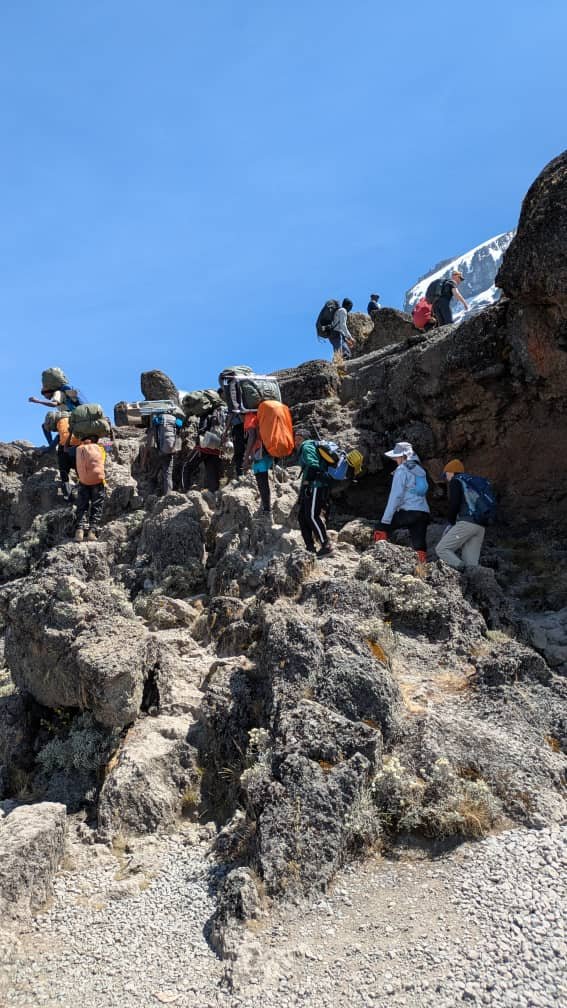
May Kilimanjaro Full-Moon Summit Climb: Your Ultimate Guide 2026-2027
This comprehensive guide details planning a May Kilimanjaro full-moon summit climb, covering routes, weather, gear, and expert advice for a memorable 2026-2027 adventure.
View package details
6-Day Marangu Route Kilimanjaro Climb In May | Climb 4 Africa 2026-2027
start a 6-day Marangu Route Kilimanjaro climb in May 2026-2027. This guide details the itinerary, weather expectations, essential packing, and what makes May an excellent time to ascend...
View package detailsNo related package matches those filters. Clear one or more filters to see the other topic-matched options.



