February on Kilimanjaro typically offers some of the best summit night conditions of the year, with drier weather and clearer skies compared to the preceding months. Expect freezing temperatures, often well below 0°C (32°F), especially at the summit (Uhuru Peak) around 5,895 meters (19,341 feet). While generally clear, sudden weather changes are always possible, so preparation for wind, light snow, and extreme cold is vital for a successful 2026-2027 climb.

Understanding February Kilimanjaro Summit Night Conditions in Detail
Embarking on a Kilimanjaro climb is a significant undertaking, and understanding the specific conditions you’ll face is paramount to success and safety. February stands out as a highly favorable month for ascending Africa’s highest peak. Following the short rains of December and January, February typically marks the beginning of the dry season, offering a window of relatively stable weather. However, ‘stable’ on Kilimanjaro is a relative term. The mountain’s microclimates mean conditions can change rapidly, and summit night, in particular, demands meticulous preparation. For those planning their climb in 2026 or 2027, grasping the nuances of February summit night conditions will be key to your planning.
This comprehensive guide aims to provide you with an in-depth look at what to expect on Kilimanjaro summit night during February. We’ll cover everything from temperature fluctuations and precipitation probabilities to visibility, wind, and the critical gear you’ll need to ensure a safe and memorable experience. Top Guide Adventures, as one of Tanzania’s most trusted tour operators, has guided countless climbers to Uhuru Peak and understands the critical factors that contribute to a successful summit bid, especially during this popular month.
Kilimanjaro’s Climate: A Month-by-Month Overview (Focus on February)
Kilimanjaro experiences distinct seasons, influenced by its equatorial location and immense altitude. Understanding these general patterns helps contextualize February’s specific conditions. The mountain features five distinct ecological zones, each with its own climate:
- Cultivation Zone (800-1800m): Sub-tropical, warm, and wet.
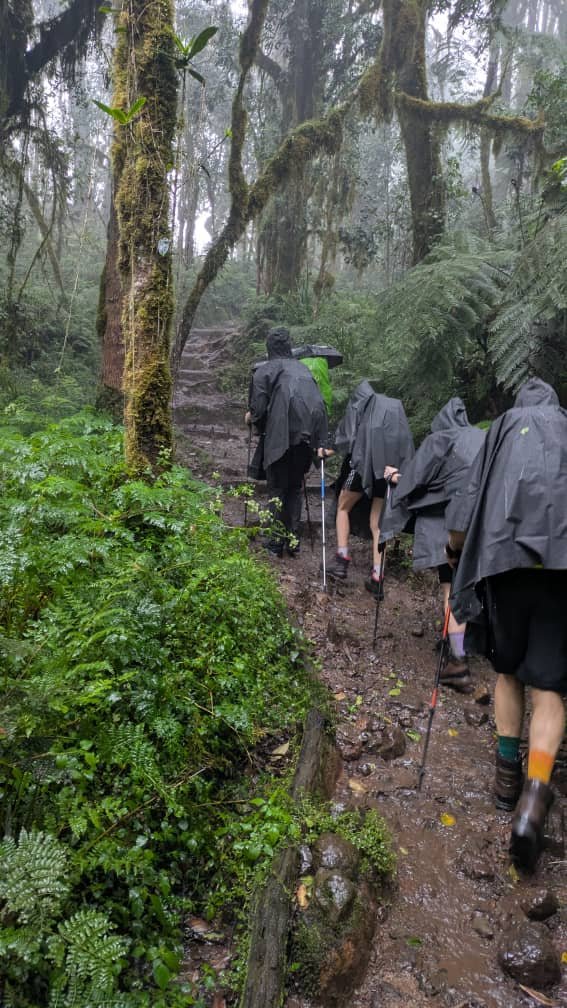
- Rainforest Zone (1800-2800m): Humid, cooler, significant rainfall.
- Heath/Moorland Zone (2800-4000m): Wetter, cooler, with more exposure.
- Alpine Desert Zone (4000-5000m): Arid, cold, significant temperature swings between day and night.
- Arctic Zone (above 5000m): Extreme cold, low oxygen, minimal vegetation.
February falls squarely within Kilimanjaro’s long dry season, which generally runs from late December through February. This period is characterized by:
- Lower Precipitation: Significantly less rainfall and snowfall compared to the rainy seasons (March-May and November).
- Clearer Skies: Higher likelihood of clear views from lower slopes up to the summit, offering spectacular vistas.
- Cold Temperatures: While drier, the altitude means temperatures remain consistently low, dropping dramatically at night and on the summit.
The preceding months (December and January) might still see lingering effects of the short rains, but by mid-February, the weather patterns usually stabilize into a drier, colder regime, making it an excellent choice for trekkers aiming for the summit in 2026-2027.
February Summit Night: Temperature Expectations
The most critical factor for summit night is temperature. As you ascend, temperatures drop significantly with altitude. On Kilimanjaro, summit night typically begins very late on the final day of your trek, often around midnight or 1 AM, to reach the summit by sunrise. This means you are climbing through the coldest hours of the night.
For February Kilimanjaro summit night conditions, expect the following temperature ranges:
- At Barafu Camp (around 4,600m / 15,090ft), where most climbers start their summit push: Temperatures can be around -5°C to 5°C (23°F to 41°F) when you depart.
- During the ascent from Barafu to Stella Point (5,756m / 18,885ft): Temperatures will drop considerably. Expect readings between -10°C and -15°C (14°F to 5°F).
- At Uhuru Peak (5,895m / 19,341ft): The summit itself is the coldest point. Temperatures can plummet to -15°C to -20°C (5°F to -4°F).
- Wind Chill Factor: This is crucial. Even if the air temperature is -15°C, a moderate wind can make it feel like -25°C (-13°F) or even colder. Wind chill is a significant factor on summit night, especially on the exposed scree slopes and the final ascent to Uhuru Peak.
These figures are averages for February. It’s entirely possible for temperatures to be slightly milder or significantly colder, depending on specific weather patterns for that particular night in 2026 or 2027. Always prepare for the colder end of the spectrum.
Precipitation and Weather Patterns in February
February is generally considered one of the driest months on Kilimanjaro. The long dry season means:
- Low Rainfall: You are unlikely to encounter significant rainfall on the upper slopes or at the summit. The lower rainforest zone might still be lush and green from previous rains, but precipitation on summit night is rare.
- Possibility of Light Snow: While not common, light snow flurries can occur at higher altitudes, especially near the summit, even during the dry season. This usually adds to the magical, wintry feel of the peak.
- Clear Skies Dominant: The defining characteristic of February is often clear skies. This means you have an excellent chance of witnessing a spectacular sunrise from the crater rim or the summit, with unobstructed views across the plains of Tanzania.
- Sudden Changes: Despite the dry season, Kilimanjaro is a mountain. Weather can change unexpectedly. A clear night can develop into clouds or mist rapidly, especially as dawn approaches. Being prepared for all eventualities is wise.
For climbers in 2026-2027, the probability of experiencing a dry, clear summit night in February is high, but never guaranteed. This makes it an attractive month for many, balancing good weather prospects with fewer crowds than the peak summer months.
Visibility on Summit Night in February
Visibility is a significant aspect of summit night, impacting both the experience and safety. In February:
- Excellent Visibility is Common: Due to the dry season, the air is generally clear. This means you can often see the curvature of the Earth, the vastness of the African continent below, and the iconic glaciers clinging to the summit.
- Stunning Sunrise Views: The clear skies provide an unparalleled opportunity to witness the sunrise from the roof of Africa. This is a truly unforgettable moment, enhanced by the clarity of the atmosphere.
- Headlamp Use is Essential: Regardless of visibility, summit night is dark. You will be climbing using headlamps for the majority of the ascent. Your guide will use their experience to navigate.
- Potential for Clouds: While less common than in other months, cloud cover can still form, especially at lower altitudes or if a weather system moves in. If clouds are present, visibility will be reduced, but the experience remains profound.
The clarity of February skies significantly enhances the sense of achievement and the sheer beauty of reaching Uhuru Peak.
Wind Conditions on Kilimanjaro in February
Wind is a constant factor on Kilimanjaro, especially at higher altitudes and on summit night. In February:
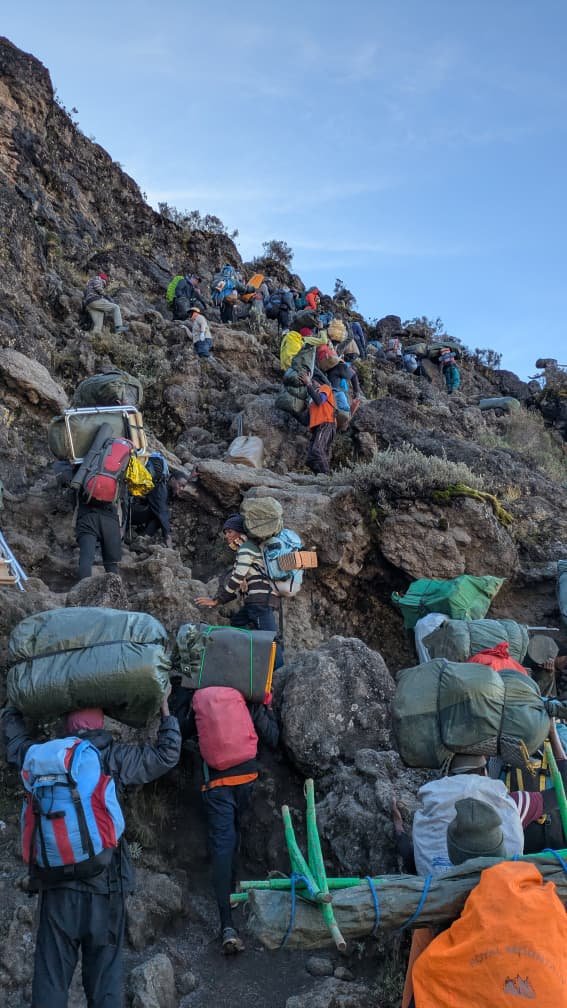
- Winds Can Be Strong: While the dry season often brings clear skies, it doesn’t necessarily mean calm conditions. Winds can be brisk to strong, particularly on the exposed scree slopes between Barafu Camp and Stella Point, and along the crater rim towards Uhuru Peak.
- Wind Chill Impact: As mentioned, wind significantly increases the perceived cold due to wind chill. Proper layering and windproof outer gear are absolutely essential.
- Direction of Wind: The prevailing winds can sometimes blow snow or dust, reducing visibility. Guides monitor wind conditions closely.
It’s not uncommon for winds to reach 30-50 km/h (19-31 mph) or more on summit night, even in February. This is why robust wind protection is a non-negotiable part of your packing list for a 2026-2027 climb.
Oxygen Levels and Acclimatization
Regardless of the month, altitude sickness (Acute Mountain Sickness – AMS) is the primary challenge on Kilimanjaro. February’s conditions, while generally favorable, do not negate the need for proper acclimatization.
- Low Oxygen: At the summit (5,895m), the air contains about 50% of the oxygen available at sea level. This is the main reason why acclimatization is crucial.
- Acclimatization Strategy: The best strategy is to climb slowly (“pole pole”), drink plenty of fluids, and ascend gradually. Longer routes like the Lemosho or Machame routes (7-8 days) offer better acclimatization profiles than shorter ones (e.g., Marangu 5-day).
- February’s Role: The dry and clear conditions in February can sometimes make climbers feel energetic and push too hard, potentially leading to AMS. It’s vital to listen to your body and your guide, even when conditions seem perfect.
Proper acclimatization is key to enjoying summit night and increasing your chances of reaching Uhuru Peak, irrespective of the month you climb, including your planned 2026-2027 expedition.
What to Pack for a February Kilimanjaro Summit Night
Given the expected conditions – extreme cold, potential wind, and darkness – packing the right gear is critical for February Kilimanjaro summit night. Layering is the key principle.
Essential Clothing Layers:
- Base Layers: Moisture-wicking thermal underwear (merino wool or synthetic). Bring at least two sets for summit night.
- Mid Layers: Fleece jackets or trousers. A heavy fleece is recommended for summit night.
- Insulation Layer: A warm down or synthetic insulated jacket is essential for summit night. This is your primary warmth layer.
- Outer Shell (Waterproof & Windproof): A high-quality waterproof and windproof jacket and trousers are non-negotiable. These protect you from wind chill and any unexpected precipitation.
Head and Extremities:
- Warm Hat: A thick wool or fleece hat that covers your ears.
- Balaclava or Buff: For protecting your face and neck from wind and cold.
- Gloves: Bring multiple pairs. Thin liner gloves, warm fleece or insulated gloves, and a pair of waterproof/windproof outer gloves or mittens. Mittens are generally warmer than gloves.
- Warm Socks: Several pairs of thick wool hiking socks.
- Gaiters: To prevent snow, scree, and dirt from entering your boots.
Footwear:
- Hiking Boots: Well broken-in, waterproof, sturdy hiking boots. Ensure they are large enough to accommodate thick socks and prevent toe-banging on descents.
- Camp Shoes/Sandals: For use around camp, allowing your feet to breathe.
Summit Night Gear:
- Headlamp: A reliable LED headlamp with extra batteries. Bring a spare headlamp as a backup.
- Sunglasses: High-quality UV protection, especially important if there’s snow or ice.
- Ski Goggles: Highly recommended for summit night to protect your eyes from wind and cold.
- Water Bottles/Hydration Pack: At least 2-3 liters capacity. Insulated carriers or wrapping bottles in socks prevent water from freezing.
- Trekking Poles: Essential for stability on steep, loose terrain and for reducing strain on your knees.
Top Guide Adventures recommends a detailed gear list specific to your chosen route and the time of year. We can provide this upon booking your 2026 or 2027 climb.
Choosing the Right Route for February
While February offers good conditions across all routes, some are better suited for acclimatization and offer a more rewarding experience. The longer routes are generally preferred for their higher success rates.
- Machame Route (7 Days): Very popular, known for its scenic beauty and good acclimatization profile. It follows a “climb high, sleep low” strategy effectively.
- Lemosho Route (7-8 Days): Considered one of the most scenic routes, offering excellent acclimatization and a higher success rate due to its length and gradual ascent.
- Northern Circuit (9 Days): The longest route, it circles the mountain, providing the best acclimatization and highest success rates. It offers incredible views and a less crowded experience.
- Marangu Route (5-6 Days): Known as the ‘Coca-Cola’ route, it’s the only one with hut accommodation. However, its faster ascent profile means poorer acclimatization and lower success rates, especially for summit night. It might be considered by those with prior high-altitude experience.
For a February climb in 2026-2027, aiming for a route of at least 7 days is highly advisable to maximize your chances of summiting comfortably. The Machame and Lemosho routes are excellent choices for balancing scenery, acclimatization, and good weather prospects.
The Summit Night Itinerary: A Typical Flow
Understanding the timeline of summit night can help manage expectations and prepare mentally.
- Early Evening: Arrive at Barafu Camp (or Kibo Huts on Marangu). Have an early dinner, hydrate, and try to rest for a few hours. Your guides will brief you on the summit push.
- Midnight – 1:00 AM: Wake up. Get dressed in your warmest layers, eat a light, energy-rich breakfast, and prepare your daypack. Final gear check.
- 1:00 AM – 2:00 AM: Begin the ascent from Barafu Camp. This is the most challenging part, climbing steep scree slopes in the dark.
- Sunrise (approx. 6:00 AM – 7:00 AM): Reach Stella Point on the crater rim around sunrise. This is a significant achievement. You’ll have a brief rest, enjoy the views, and assess your condition.
- Crater Rim Traverse: Continue along the crater rim towards Uhuru Peak. This section can be icy and windy.
- Uhuru Peak (approx. 8:00 AM – 9:00 AM): Reach the summit! Take photos, celebrate, but don’t linger too long due to the extreme cold and altitude.
- Descent to Barafu Camp: The descent is long and arduous. You’ll descend past Stella Point and down the scree slopes. Many find the descent as challenging as the ascent.
- Rest at Barafu Camp: Arrive back at Barafu Camp for a short rest and a meal.
- Descent to Mweka Camp: Continue descending through the moorland and rainforest zones to Mweka Camp (approx. 3,100m / 10,170ft), where you’ll spend your final night on the mountain.
This entire process can take 10-15 hours or more, depending on your pace and the route. The February weather often allows for a more straightforward execution of this demanding schedule in 2026-2027.
Potential Challenges on February Summit Night
While February is favorable, challenges can still arise:
- Extreme Cold: Even in February, the cold can be intense. Frostbite is a risk if extremities are not adequately protected.
- Altitude Sickness (AMS): The primary concern. Symptoms include headache, nausea, dizziness, and fatigue. Prompt recognition and descent are key.
- Physical Exhaustion: The sheer physical demand of summit night is immense.
- Mental Fatigue: Climbing through the night in harsh conditions tests mental fortitude.
- Wind and Ice: While less likely to be blizzard conditions, strong winds and icy patches can make the final ascent treacherous.
- Crowds (less common in Feb): While February is less crowded than peak season, popular routes like Machame can still see groups on summit night. This can slow progress.
Tips for Success on February Summit Night
To maximize your chances of a successful summit in February 2026-2027, consider these tips:
- Acclimatize Properly: Choose a longer route (7+ days).
- Hydrate: Drink 3-4 liters of water daily in the days leading up to and during the climb.
- Eat Well: Maintain energy levels with nutritious meals and snacks.
- Sleep Well: Get as much rest as possible, especially in the days before summit night.
- Layer Wisely: Use the layering system effectively. Adjust layers as you ascend or if you stop.
- Protect Extremities: Ensure your hands, feet, and head are warm and dry at all times.
- Use Trekking Poles: They provide stability and reduce fatigue.
- Go Slowly (Pole Pole): This is the most critical advice for avoiding altitude sickness.
- Listen to Your Guide: Your guide’s experience is invaluable. Trust their judgment regarding weather, your health, and pacing.
- Positive Mental Attitude: Stay focused, break the climb into smaller segments, and keep a positive outlook.
- Pre-Acclimatize (Optional): If possible, spend a few days at a moderate altitude (e.g., 2,500-3,000m) before starting your climb.
Why February is a Great Choice for Kilimanjaro Climbs
Despite the intense cold on summit night, February offers compelling advantages for trekkers:
- Dry Season: Significantly reduces the risk of rain or snow impacting your trek.
- Clear Skies: Offers stunning panoramic views and excellent sunrise opportunities.
- Fewer Crowds: Generally less busy than the peak months of July-September or December-January, leading to a more serene experience.
- Moderate Temperatures (lower slopes): While summit night is freezing, the lower and middle altitudes can be more pleasant during the day compared to the hotter dry season months.
For those who can handle the cold and are well-prepared with appropriate gear, February presents an ideal window for a Kilimanjaro expedition in 2026-2027.
Comparing February to Other Months
Understanding February’s conditions is best done by comparison:
- vs. March-May (Long Rains): February is vastly superior. March-May sees heavy rainfall, fog, and muddy trails, making climbing difficult and dangerous. Summit success rates are much lower.
- vs. June (Transition): June marks the transition from the wet to the dry season. It can be a mixed bag, with some rain possible, but generally improving conditions. Temperatures start to drop significantly.
- vs. July-September (Peak Dry Season): These are also excellent months with dry weather and clear skies. However, they are busier and can be colder overall than February, particularly at night.
- vs. October (Transition): October sees the end of the dry season and the beginning of the short rains. Conditions are generally good but can become unpredictable towards the end of the month.
- vs. November-December (Short Rains & Start of Dry Season): November can be wet, but December typically marks the start of the long dry season, offering good conditions, though sometimes with lingering rain from November. It’s also a very popular month.
February offers a sweet spot: good dry weather without the peak crowds of July-September or December-January, and generally clearer skies than the transition month of June. The cold on summit night is a constant, but manageable with proper preparation for any dry season month.
Safety on Kilimanjaro: The Role of Guides and Porters
Your safety on Kilimanjaro, especially on summit night in February, is paramount and heavily reliant on your guide team. At Top Guide Adventures, we prioritize:
- Experienced Guides: Our guides are certified, highly experienced in high-altitude trekking, and trained in wilderness first aid. They constantly monitor weather, trail conditions, and climber health.
- Adequate Porter Support: Porters carry the bulk of your gear, allowing you to focus on walking and acclimatizing. They ensure you have necessary equipment and supplies.
- Communication: Guides carry satellite phones or radios for emergencies.
- Emergency Protocols: Clear procedures are in place for dealing with altitude sickness or other medical emergencies, including immediate descent when necessary.
Trusting your guides and communicating openly about how you feel is essential for a safe and successful February 2026-2027 climb.
Booking Your February Kilimanjaro Climb with Top Guide Adventures
Planning a Kilimanjaro climb for February 2026 or 2027 requires careful consideration and booking with a reputable operator. Top Guide Adventures is committed to providing exceptional experiences with personal attention, care, and dedicated support.
We offer comprehensive packages that include:
- All Park Fees
- Experienced, Certified Guides and Support Crew
- Quality Tents and Camping Equipment
- Nutritious Meals prepared by our cooks
- 24/7 Support throughout your trek
We highly recommend routes of 7 days or longer for February climbs to ensure optimal acclimatization and success rates.
To discuss your February Kilimanjaro summit night plans, check availability for 2026-2027, or request a personalized quote, please reach out to us:
- WhatsApp: +255616946642
- Email: topguideadventures@gmail.com
- Backup Email: info@topguideadventures.com
Let Top Guide Adventures help you prepare for an unforgettable Kilimanjaro adventure, ensuring you’re ready for the February summit night conditions.
Key Takeaways for February Summit Night
February on Kilimanjaro offers a strong chance of dry and clear summit night conditions, ideal for reaching Uhuru Peak. However, expect extreme cold, often dropping to -15°C to -20°C (-4°F to -4°F), amplified by wind chill. Proper layering, windproof gear, and protecting your extremities are non-negotiable. While weather is typically stable, always be prepared for rapid changes. Prioritize acclimatization by choosing longer routes (7+ days) for your 2026-2027 climb. Partnering with an experienced operator like Top Guide Adventures ensures your safety and maximizes your success.
Frequently Asked Questions about February Kilimanjaro Climbs
Here are some common questions regarding climbing Kilimanjaro in February:
Is February a good month to climb Kilimanjaro?
Yes, February is considered one of the best months to climb Kilimanjaro. It falls within the long dry season, offering generally clear skies and less precipitation, which is ideal for summit attempts. The main consideration is the extreme cold on summit night.
What are the typical temperatures on Kilimanjaro summit night in February?
Temperatures at Uhuru Peak (5,895m) in February typically range from -15°C to -20°C (5°F to -4°F). This does not include the wind chill factor, which can make it feel significantly colder.
Will it snow on Kilimanjaro in February?
Snow is not common in February, as it is the dry season. However, light snow flurries can occur at very high altitudes, particularly near the summit. The glaciers at the top are permanent ice formations.
Is Kilimanjaro crowded in February?
February is generally less crowded than the peak months of July-September and December-January. While popular routes will still have trekkers, you can expect a more serene experience compared to busier periods.
What is the best route for a February climb?
For February climbs in 2026-2027, longer routes like the Lemosho (7-8 days) or Northern Circuit (9 days) are highly recommended for their superior acclimatization profiles, leading to higher success rates. The Machame Route (7 days) is also a very popular and suitable choice.
What gear is essential for February summit night?
Essential gear includes multiple warm layers (base, mid, insulation), a waterproof and windproof outer shell, warm gloves and hat, insulated boots, a reliable headlamp with extra batteries, and sun protection (sunglasses/goggles). Proper layering is key to managing the extreme cold.
What are the risks of climbing in February?
The primary risks are altitude sickness (AMS) due to insufficient acclimatization, and the extreme cold leading to hypothermia or frostbite if not properly managed. Physical exhaustion and mental fatigue are also significant factors.
Preparing thoroughly for February Kilimanjaro summit night conditions, including understanding the temperatures, weather, and packing essential gear, is crucial for a safe and successful ascent. For personalized advice and to book your 2026-2027 Kilimanjaro adventure with trusted experts, contact Top Guide Adventures.
”
}
“`
Check Availability for February Kilimanjaro Summit Night Conditions 2026-2027
Ready to compare dates, prices, and the best option for your group? Send the package name and travel month so the team can reply with a clear quote, availability, and what is included.
September Kilimanjaro Summit Night Temperature 2026-2027
September Kilimanjaro Summit Night Temperature is explained with current 2026-2027 planning, price, itinerary and booking information.
View package details
July Kilimanjaro Summit Night Clothing Guide
Summiting Kilimanjaro in July means preparing for extreme cold on summit night. This guide details the essential clothing layers and gear needed to stay warm and safe, ensuring your...
View package details
April Kilimanjaro Summit Night Weather: Your Essential Guide For Climbs
Climbing Kilimanjaro in April? Understand the summit night weather conditions, including temperature ranges, precipitation risks, and wind chill. Expert advice for a successful 2026-2027...
View package details
September Kilimanjaro Full-Moon Summit Trek Guide
Discover the magic of a September Kilimanjaro full-moon summit trek. This comprehensive guide covers everything from planning and routes to what to expect during your 2026-2027 lunar...
View package details
August Kilimanjaro Luxury Summit Package: Your Ultimate Guide 2026-2027
Plan your August Kilimanjaro climb with a luxury summit package. This comprehensive guide covers the best routes for August, premium inclusions, expected costs for 2026-2027, and expert...
View package details
August Kilimanjaro Guaranteed Summit Departures With Top Guide Adventures
Planning a Kilimanjaro climb in August? Top Guide Adventures offers guaranteed summit departures for 2026 and 2027. Learn about the best routes, essential preparations, and what makes...
View package details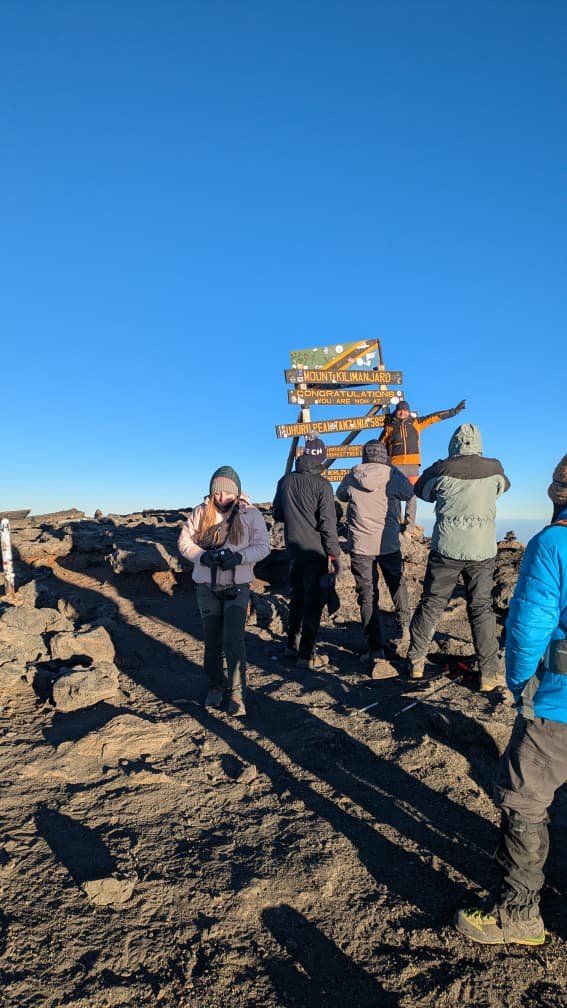
June Kilimanjaro Summit Temperature 2026-2027
June Kilimanjaro Summit Temperature is explained with current 2026-2027 planning, price, itinerary and booking information.
View package details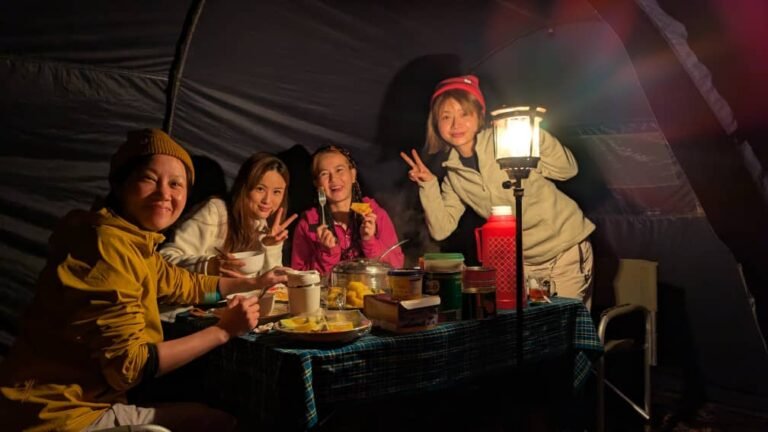
June Kilimanjaro Private Summit Package 2026-2027
June Kilimanjaro Private Summit Package is explained with current 2026-2027 planning, price, itinerary and booking information.
View package details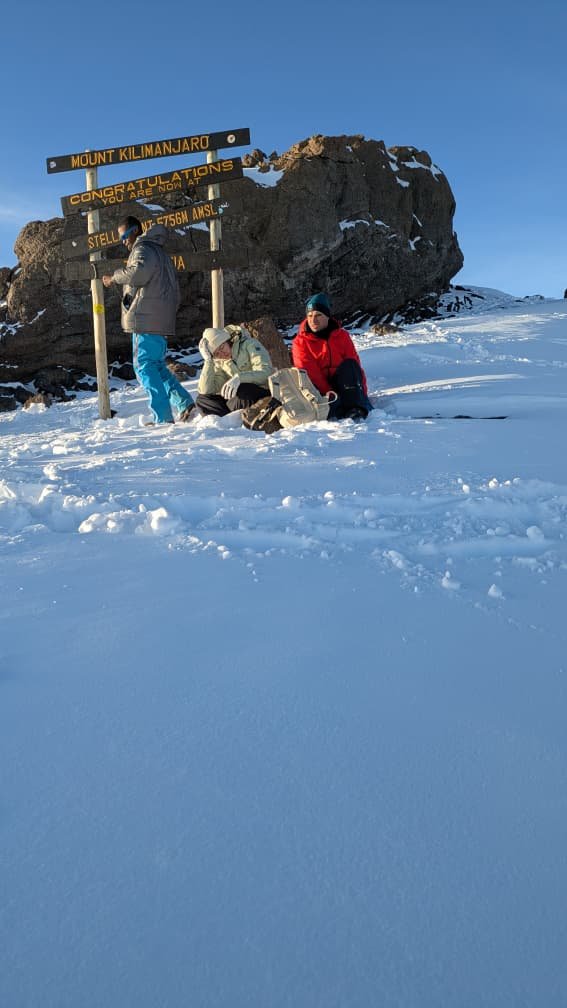
Late June Kilimanjaro Summit Expeditions: Your Ultimate Guide For 2026-2027
Discover the best conditions and crucial planning tips for a Late June Kilimanjaro summit expedition in 2026 and 2027. This comprehensive guide covers weather, routes, packing, and how to...
View package details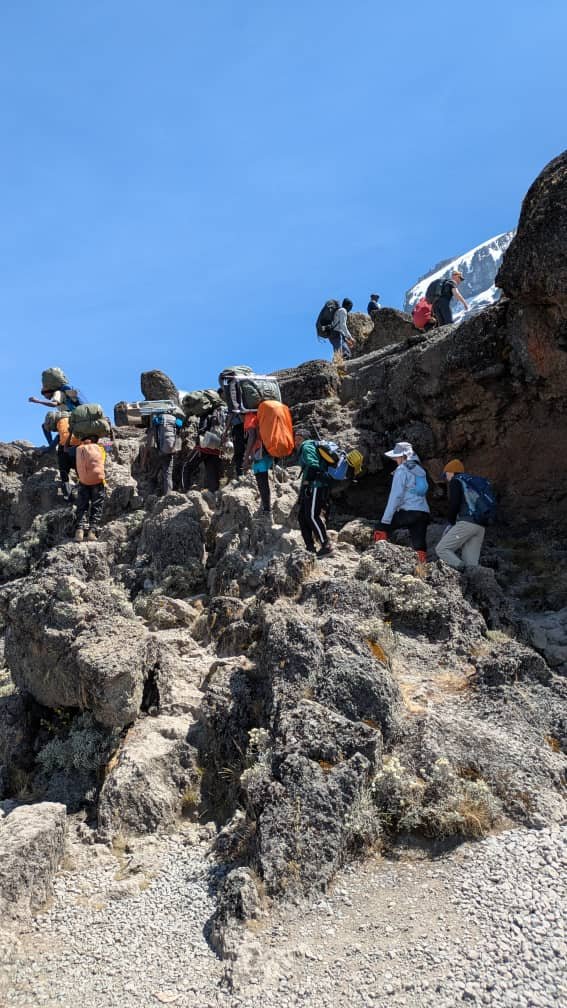
Early June Kilimanjaro Climbing Packages: Your Guide To Summiting In 2026-2027
Planning an early June Kilimanjaro climb in 2026 or 2027? This comprehensive guide from Top Guide Adventures covers everything you need to know, from ideal routes and weather patterns to...
View package details
May Kilimanjaro Trail Conditions By Route: A Guide 2026-2027
Planning a Kilimanjaro climb in May 2026 or 2027? This comprehensive guide details the trail conditions for each route, helping you choose the best path for your adventure.
View package details
May Kilimanjaro Summit Temperature Guide: What To Expect In 2026-2027
Climbing Kilimanjaro in May offers a unique experience, with temperatures on the summit ranging from -7°C to -20°C (19°F to -4°F) and challenging conditions. This guide details what to...
View package detailsNo related package matches those filters. Clear one or more filters to see the other topic-matched options.



