
January on Kilimanjaro typically offers moderate crowd levels, fewer than the peak months of July-September, with generally favorable trail conditions and weather, making it a solid choice for climbers in 2026-2027. While not as busy as the absolute peak seasons, you can expect to encounter other trekkers, especially on popular routes. The trails are usually in good shape, with minimal snow and ice at lower to mid-altitudes, though conditions can change rapidly as you ascend. January falls within Kilimanjaro’s short dry season, promising clearer skies and more stable weather compared to the rainy periods.

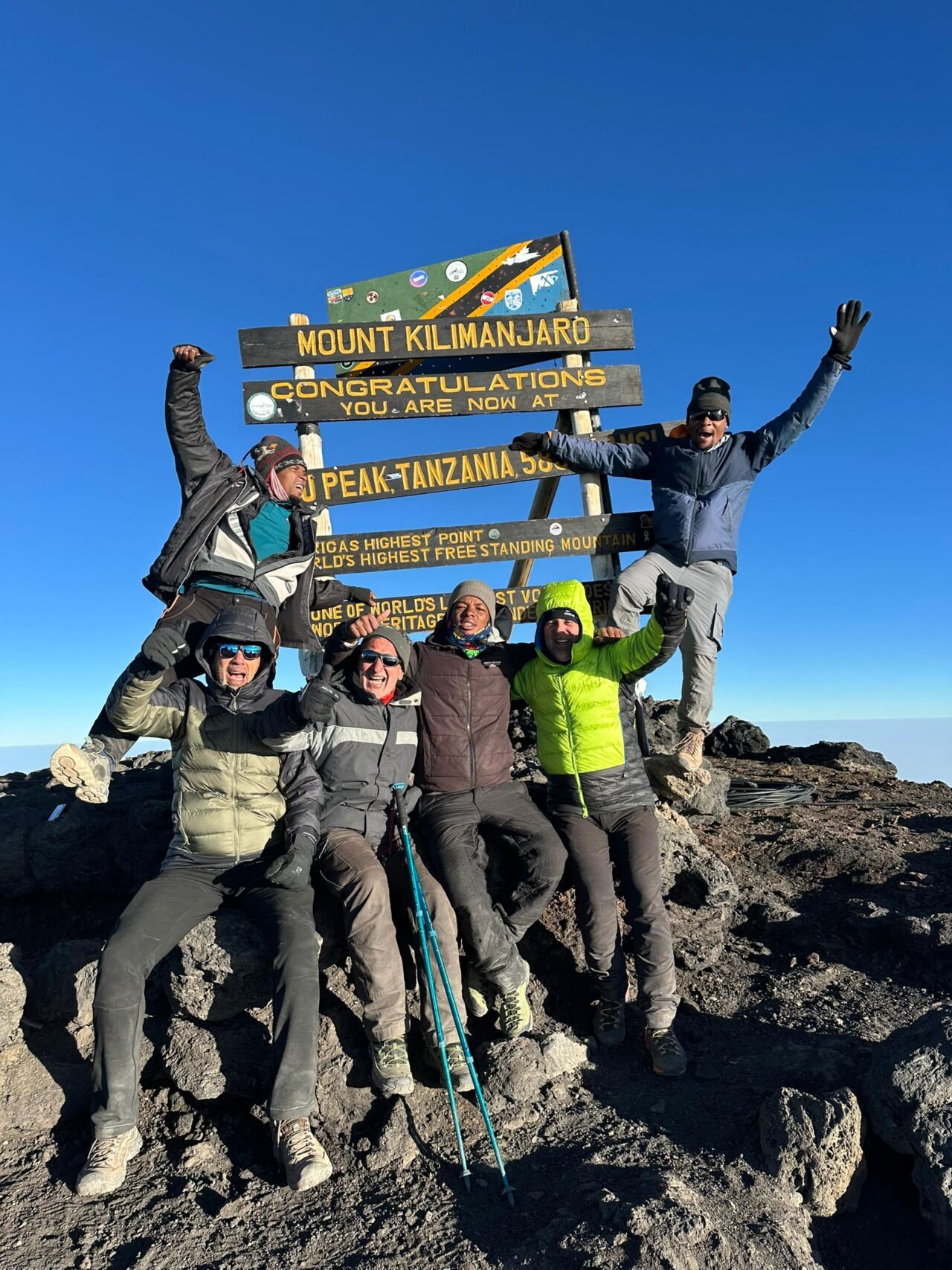

Understanding January on Kilimanjaro: A Balanced Perspective for 2026-2027
Choosing when to ascend Africa’s highest peak is a crucial decision for any aspiring Kilimanjaro climber. The mountain’s weather patterns, crowd dynamics, and overall trekking experience vary significantly throughout the year. For those considering a climb in January 2026 or 2027, understanding the specific conditions, crowd levels, and potential challenges is paramount to a successful and enjoyable expedition. January sits within one of Kilimanjaro’s two main dry seasons, offering a compelling mix of advantages and considerations.
At Climb 4 Africa, we’ve guided countless climbers to Uhuru Peak during January, and we’ve observed consistent patterns that help trekkers plan effectively. Unlike the intensely crowded months of the main dry season (June to September), January presents a more relaxed atmosphere on the trails. However, it’s vital to remember that Kilimanjaro is a popular destination year-round, and ‘moderate crowds’ still mean encountering other groups, particularly on the more frequented routes. This guide aims to provide an in-depth look at what you can realistically expect regarding January Kilimanjaro crowd levels and trail conditions, equipping you with the knowledge to make informed decisions for your 2026-2027 climb.
Kilimanjaro Weather in January: The Short Dry Season Advantage
January is part of Kilimanjaro’s ‘short dry season,’ which typically spans from late December to mid-March. This period is characterized by relatively stable weather, cooler temperatures, and significantly less rainfall compared to the monsoon seasons (April-May and November). However, it’s crucial to manage expectations regarding mountain weather. Kilimanjaro is a massive, isolated mountain that generates its own microclimates, meaning conditions can change dramatically from the base to the summit, and even within a single day.
Temperature Ranges by Altitude
As you ascend Kilimanjaro, temperatures drop considerably. In January, you can expect the following approximate temperature ranges:
- Base Camp (Moshi): Expect warm, tropical temperatures, often in the mid-20s to low 30s Celsius (77-86°F).
- Lower Slopes (Rainforest Zone): Temperatures might range from 15-25°C (59-77°F), with higher humidity and potential for light showers.
- Moorland and Alpine Desert Zones: Temperatures can vary widely, from near freezing at night to pleasant during the day, perhaps 5-15°C (41-59°F).
- Arctic Summit Zone (Uhuru Peak): This is where the real cold sets in. Expect temperatures to be well below freezing, typically ranging from -7°C to -20°C (19°F to -4°F), and can feel even colder with wind chill.
Precipitation Patterns in January
While January is considered a dry season, it is not entirely without rain or snow. The ‘dryness’ refers to a lower probability of prolonged, heavy rainfall. You might encounter:
- Occasional Showers: Light to moderate rain is possible, especially in the rainforest zone during the early days of your trek. These are usually short-lived.
- Snow at the Summit: The summit area (Uhuru Peak, below the glacial remnants) can receive snowfall, particularly during the colder nights. This is normal and part of the Kilimanjaro experience.
- Clearer Skies: Generally, January offers more days with clear skies and good visibility, which is ideal for enjoying the stunning scenery and for summit attempts.
The critical factor for success in January is preparedness for variable conditions. Layers are essential, as you’ll transition from warm, humid conditions at the start to freezing temperatures at the top. For January 2026-2027 climbs, packing appropriate waterproof and warm gear is non-negotiable.
January Kilimanjaro Crowd Levels: A Moderate Season
Compared to the peak months of July, August, and September, January sees a noticeable decrease in the number of trekkers on Kilimanjaro. This makes it an attractive option for those who prefer a less congested mountain experience. However, it’s important to understand what ‘moderate crowds’ means in practical terms.
Comparing January to Peak Seasons
- Peak Season (July-September): These months are the busiest, with hundreds of climbers on the mountain each day. Trails can feel crowded, especially on popular routes like Marangu and Machame. Campsites can be quite full.
- Shoulder Seasons (June, October, December): These months offer a good balance, with fewer people than the peak but still reliable weather. January falls into this category, leaning towards the drier side.
- Low Season (April-May, November): These are the wettest months, leading to significantly fewer climbers due to challenging conditions.
In January, you can expect to see other groups on the trails and at campsites, but it will rarely feel overwhelmingly crowded. This allows for a more personal experience, with opportunities to interact with guides and porters without feeling rushed. For 2026-2027 Kilimanjaro treks, January offers a sweet spot for those seeking good weather without the peak season throngs.
Route-Specific Crowd Observations in January
Crowd levels can also vary depending on the chosen route:
- Marangu Route (Coca-Cola Route): This is often the busiest route due to its hut accommodation and shorter duration. Even in January, you’ll likely see a consistent number of trekkers here.
- Machame Route (Whiskey Route): One of the most popular routes, known for its scenic beauty and high success rate. Expect a moderate number of groups on Machame in January.
- Lemosho and Shira Routes: These routes are longer and offer more scenic variety. They tend to be slightly less crowded than Machame, even in January, as they are typically booked for longer durations.
- Rongai Route: This route approaches from the north and is known for being drier. It generally sees fewer people than Machame or Marangu, making it a good option for a quieter January experience.
- Northern Circuit and Umbwe Routes: These are the least crowded routes overall. The Northern Circuit is the longest and offers the best acclimatization, while Umbwe is the most challenging. You are likely to encounter very few other groups on these routes in January.
For those prioritizing solitude, choosing a less popular route like Rongai or the Northern Circuit for their January 2026-2027 Kilimanjaro climb can significantly reduce encounters with other trekkers.
Kilimanjaro Trail Conditions in January
The condition of the trails in January is generally very good. The short dry season means less mud and fewer slippery sections compared to the rainy months. However, ‘good condition’ on Kilimanjaro is relative, as it remains a challenging mountain trek.
Trail Surfaces and Terrain
The trails on Kilimanjaro vary dramatically:
- Rainforest Zone: Expect well-trodden paths, often muddy and slippery, especially after rain. Roots and rocks can be present. In January, mud is less of an issue than during the rainy seasons, but it’s still wise to wear waterproof boots.
- Moorland and Heath Zones: Trails become rockier and more exposed. Paths are generally clear, though can be uneven.
- Alpine Desert Zone: The terrain becomes scree-like, with loose rocks and gravel. This can be challenging for footing, especially on descent.
- Arctic Zone: The paths here are often rocky, with some sections of ice and snow, particularly on the final ascent to Stella Point and Uhuru Peak. The scree slopes can be particularly demanding.
Snow and Ice on the Summit Route
While January is dry, the summit area is consistently cold enough for ice and snow to form. Expect icy patches and potentially a dusting of snow on the trails leading to Stella Point and Uhuru Peak, especially during the pre-dawn summit push. This is normal and why crampons or microspikes are often recommended for the summit night, particularly for routes like Barafu (on Machame/Lemosho) and Kibo Huts. Your guide will assess the conditions daily and advise on the necessity of traction devices. For January 2026-2027 climbs, packing these is a prudent measure.
Trail Congestion and Pace
While crowds are moderate, certain sections, like the switchbacks on the Mweka descent or the main path approaching Kibo Huts, can still see multiple groups moving. However, the pace on Kilimanjaro is dictated by the slowest climber, and guides manage group movement to ensure safety and enjoyment. The moderate number of trekkers in January means less likelihood of ‘traffic jams’ on the trails compared to peak season.
Planning Your January Kilimanjaro Climb for 2026-2027
Successful planning is key to a rewarding Kilimanjaro experience, especially when climbing in January. Here are crucial aspects to consider:
Choosing the Right Route
For January, routes that offer good acclimatization and scenic variety are excellent choices. Consider:
- Machame Route: A popular choice for its excellent acclimatization profile and stunning views. 7 days is recommended for a higher success rate.
- Lemosho Route: Offers superior acclimatization and a more remote trekking experience. 8 days is ideal.
- Rongai Route: A good option if you’re concerned about rain, as it approaches from the drier northern side. 7 days is common.
- Northern Circuit: The longest route, providing the best acclimatization and a truly in-depth experience. 9 or 10 days are standard.
For January 2026-2027 climbs, prioritizing longer routes (7 days or more) significantly increases your chances of reaching the summit due to better acclimatization, which is always crucial regardless of the season.
Booking Your Expedition
It’s advisable to book your Kilimanjaro climb well in advance, even for January. While not the absolute peak, popular operators and specific departure dates can fill up. Booking 6-12 months ahead is recommended for 2026-2027 expeditions to secure your preferred dates and operator.
Climb 4 Africa offers comprehensive Kilimanjaro packages for January. We focus on safety, quality equipment, experienced guides, and excellent support. You can find our group departure dates and learn more about our treks at Machame Route Kilimanjaro Group Departures and explore our Tanzania Safari & Kilimanjaro Group Tours.
Packing Essentials for January
Your packing list needs to cater to a wide range of temperatures and conditions:
- Layering System: Base layers (merino wool or synthetic), mid-layers (fleece), and an outer layer (waterproof and windproof jacket and trousers).
- Insulated Jacket: A warm down or synthetic puffy jacket for evenings and summit night.
- Headwear: Warm beanie, balaclava, and sun hat.
- Handwear: Warm, waterproof gloves or mittens, and liner gloves.
- Footwear: Broken-in, waterproof hiking boots. Consider waterproof gaiters.
- Sleeping Bag: A 4-season sleeping bag rated to at least -10°C (14°F) or -20°C (-4°F).
- Trekking Poles: Essential for stability and reducing strain on knees, especially on descents.
- Headlamp: With extra batteries for summit night and camp.
- Sun Protection: High SPF sunscreen, sunglasses, lip balm with SPF.
- Hydration: Water bottles or hydration reservoir (ensure it’s insulated to prevent freezing).
- First-Aid Kit: Personal medications and basic supplies. Your guides will carry a comprehensive kit.
- Crampons/Microspikes: Highly recommended for January summit attempts due to potential ice and snow.
A detailed packing list will be provided upon booking with Climb 4 Africa.
Pros and Cons of Climbing Kilimanjaro in January
Every month on Kilimanjaro has its advantages and disadvantages. For January, here’s a summary:
Advantages of a January Climb
- Moderate Crowds: Significantly fewer people than the peak summer months.
- Good Weather Window: Generally falls within the short dry season, offering clearer skies and less rain than other times of the year.
- Pleasant Temperatures (Lower Altitudes): The lower slopes can be quite warm and pleasant, making the initial days enjoyable.
- Stunning Scenery: Clearer skies often mean better views of the mountain’s grandeur and the surrounding landscape.
- Post-Holiday Timing: For some, January offers a chance to start an adventure after the holiday season.
Disadvantages of a January Climb
- Cold Summit Temperatures: While generally dry, January can be very cold, especially at the summit, with a higher likelihood of ice and snow on the final ascent.
- Variable Weather: Mountain weather is unpredictable. While typically dry, short showers or unexpected weather shifts can still occur.
- Potential for Bushfires: In dry conditions, the risk of brush fires in the lower forest zone can sometimes increase, though these are usually managed and don’t typically impact treks.
- Post-New Year Rush: The very beginning of January might still see a slight carry-over from late December holiday bookings, but this quickly subsides.
Overall, the advantages of climbing in January often outweigh the disadvantages for many trekkers, particularly those who are well-prepared for the cold and variable conditions at altitude.
Safety and Acclimatization in January
Safety and proper acclimatization are paramount on any Kilimanjaro climb, regardless of the month. In January, the principles remain the same, but the cold adds an extra layer of consideration.
Importance of Acclimatization
Altitude sickness (Acute Mountain Sickness – AMS) is the most significant risk on Kilimanjaro. January’s weather doesn’t inherently make acclimatization easier or harder, but the cold can mask early symptoms. It’s crucial to:
- Choose a Longer Route: Opt for a 7-day or longer itinerary. Longer routes allow your body more time to adjust to the decreasing oxygen levels.
- Ascend Slowly: ‘Pole Pole’ (slowly, slowly) is the mantra. Avoid rapid ascents.
- Hydrate: Drink plenty of water (3-4 liters per day).
- Eat Well: Maintain energy levels with regular meals.
- Avoid Alcohol and Smoking: These hinder acclimatization.
- Communicate Symptoms: Immediately report any signs of AMS (headache, nausea, dizziness, fatigue) to your guide.
Guides’ Role in Safety
Your guides are highly trained in recognizing and managing altitude sickness. They monitor climbers constantly, assess conditions, and make critical decisions regarding safety. In January, they will be particularly vigilant about:
- Monitoring Symptoms: Paying close attention to any signs of AMS, which can be exacerbated by the cold.
- Assessing Trail Conditions: Evaluating the safety of trails, especially the summit route, for ice and snow.
- Managing Cold Exposure: Ensuring climbers are adequately dressed and hydrated to prevent hypothermia.
- Summit Decision: Making the final call on whether to proceed with the summit attempt based on weather, trail conditions, and climber well-being.
Climb 4 Africa employs highly experienced guides who prioritize your safety above all else. For your January 2026-2027 Kilimanjaro climb, trust in their expertise.
Comparing January to Other Months for Kilimanjaro Climbs
To solidify why January might be the right choice for you, let’s briefly compare it to other popular months:
- February: Similar to January, often considered part of the short dry season. Can be slightly warmer. Crowds are still moderate.
- March: The end of the short dry season. Weather can start to become more unpredictable with increasing chances of rain as April approaches.
- April & May: The main rainy season. Trails are very wet, muddy, and often slippery. Visibility is poor. Significantly fewer crowds, but conditions are challenging.
- June: The start of the main dry season. Weather improves significantly, but crowds begin to increase.
- July, August, September: Peak dry season. Best weather, clearest skies, but also the busiest months on the mountain. High crowd levels.
- October: Shoulder month. Weather is still generally good, but rain chances increase towards the end of the month. Crowds start to decrease after September.
- November: Start of the short rainy season. Trail conditions deteriorate, and crowds are low.
- December: Start of the short dry season. Weather improves, and crowds increase towards the end of the month for New Year’s climbs.
For a balance of decent weather, manageable crowds, and good trail conditions, January Kilimanjaro climbs stand out as a strong contender for 2026-2027, especially when compared to the very wet or extremely crowded periods.
Is January the Best Month to Climb Kilimanjaro for You?
The ‘best’ month is subjective and depends on your priorities. If your ideal climb involves:
- Avoiding the biggest crowds
- Experiencing generally stable, dry weather
- Enjoying clearer views
- Being prepared for cold temperatures at altitude
- Having a slightly more relaxed trek experience
Then, January Kilimanjaro crowd levels and trail conditions make it an excellent choice for your 2026-2027 adventure.
If your absolute top priority is the highest probability of clear skies and the least chance of rain, then the peak dry season (July-September) might be preferable, but be prepared for more company on the mountain. If budget is your primary concern and you don’t mind challenging conditions, the low season offers lower prices but significantly wetter trails.
Preparing for Your January Kilimanjaro Expedition with Climb 4 Africa
Choosing Climb 4 Africa means partnering with a trusted local operator committed to providing a safe, memorable, and well-supported Kilimanjaro climb. For your January 2026-2027 climb, we offer:
- Experienced Guides: Certified, knowledgeable guides with extensive experience in January conditions.
- Quality Equipment: Well-maintained tents, sleeping bags (rental available), and essential safety gear.
- Nutritious Meals: Delicious and energizing food prepared by our camp chefs.
- Logistical Support: We handle all park fees, permits, transportation, and accommodation in Moshi.
- Personalized Attention: We pride ourselves on offering dedicated support and a personal touch to every client.
We understand the nuances of climbing Kilimanjaro in January and will guide you through every step of the preparation process. From detailed packing lists to acclimatization strategies, our team is here to help.
Get in Touch for Your 2026-2027 Kilimanjaro Adventure
Ready to plan your Kilimanjaro climb in January 2026 or 2027? We invite you to connect with our team at Climb 4 Africa. Let us help you craft the perfect expedition, tailored to your needs and preferences. Whether you have questions about January Kilimanjaro crowd levels, specific trail conditions, or the best routes for the season, we’re here to provide expert advice.
Contact us today:
- WhatsApp: +255747477898
- Email: climb4africa@gmail.com
- Backup Email: climb4africa@gmail.com
Explore more about our Tanzania adventures and group departures on our website: Climb 4 Africa. You can also see reviews from our happy clients on TripAdvisor: Climb 4 Africa Reviews and follow us on Instagram: @climb4africa.
We look forward to helping you achieve your dream of climbing Kilimanjaro in January 2026-2027!
Check Availability for January Kilimanjaro Crowd Levels And Trail Conditions For Climbs 2026-2027
Ready to compare dates, prices, and the best option for your group? Send the package name and travel month so the team can reply with a clear quote, availability, and what is included.

July Kilimanjaro Trail Crowd Levels: What To Expect In 2026-2027
July on Kilimanjaro typically falls within the dry season, making it a popular month for trekkers. While not as crowded as the absolute peak months of January-February or June-August, July...
View package details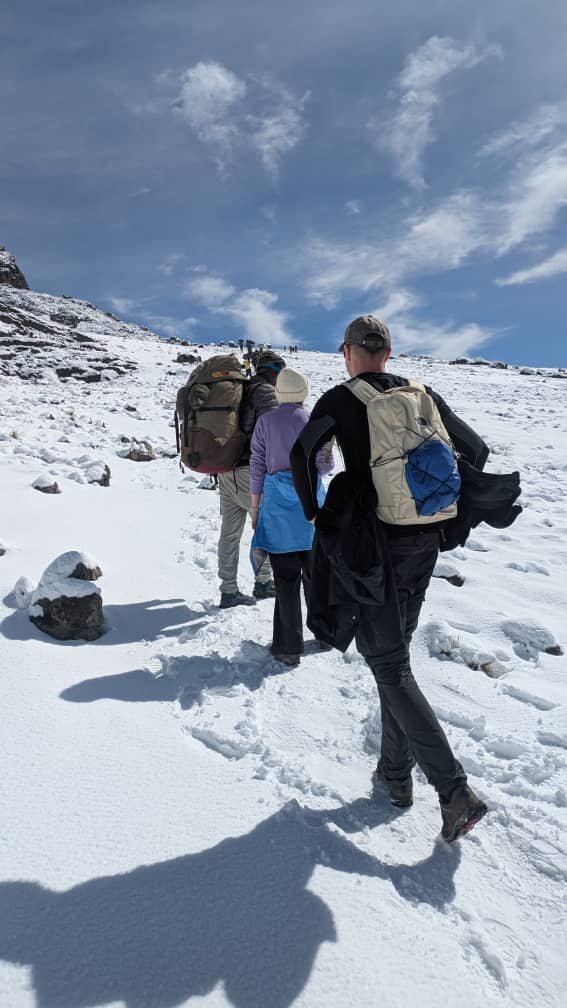
September Kilimanjaro Crowd Levels 2026-2027
September Kilimanjaro Crowd Levels is explained with current 2026-2027 planning, price, itinerary and booking information.
View package details
August Kilimanjaro Trail Crowd Guide 2026-2027
August Kilimanjaro Trail Crowd Guide is explained with current 2026-2027 planning, price, itinerary and booking information.
View package details
June Kilimanjaro Crowd Levels: What To Expect For Climbs 2026-2027
Planning a Kilimanjaro climb in June? Understand the crowd levels for 2026-2027. While not the absolute busiest, June offers a sweet spot for trekkers seeking good weather and manageable...
View package details
May Kilimanjaro Trail Conditions By Route: A Guide 2026-2027
Planning a Kilimanjaro climb in May 2026 or 2027? This comprehensive guide details the trail conditions for each route, helping you choose the best path for your adventure.
View package details
April Kilimanjaro Trail And Mud Conditions: Your Expert Guide For 2026-2027
Climbing Kilimanjaro in April presents unique challenges and rewards. This guide details the trail conditions, mud prevalence, weather patterns, and essential preparation for your 2026-2027...
View package details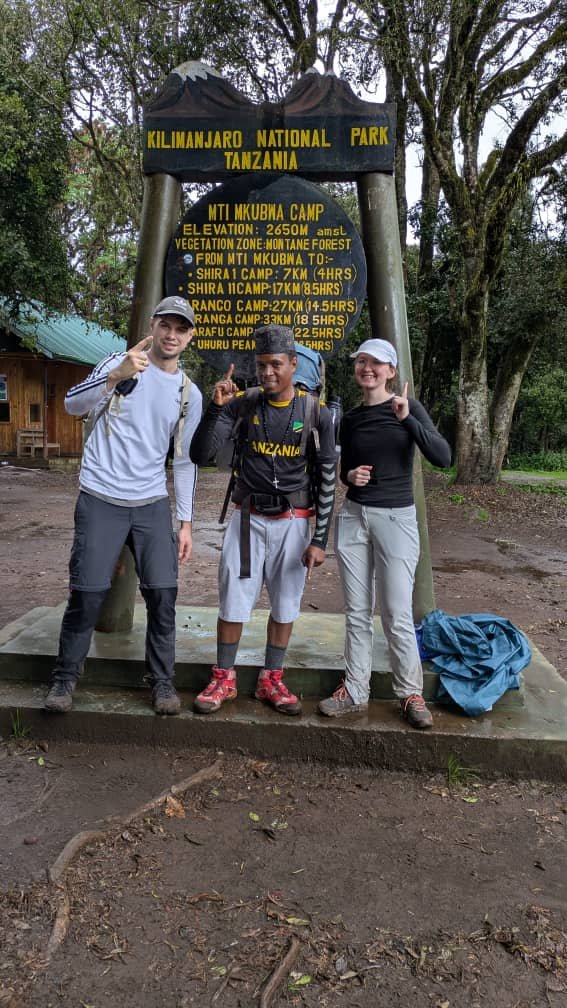
Kilimanjaro Climbing In May : Routes, Conditions, And Preparation 2026-2027
Climbing Kilimanjaro in May 2027 offers a prime window with moderate weather and fewer crowds. This guide details the most suitable routes like Machame and Lemosho, expected conditions, and...
View package details
September Kilimanjaro Climb With Extra Acclimatization 2026-2027
September Kilimanjaro Climb with Extra Acclimatization is explained with current 2026-2027 planning, price, itinerary and booking information.
View package details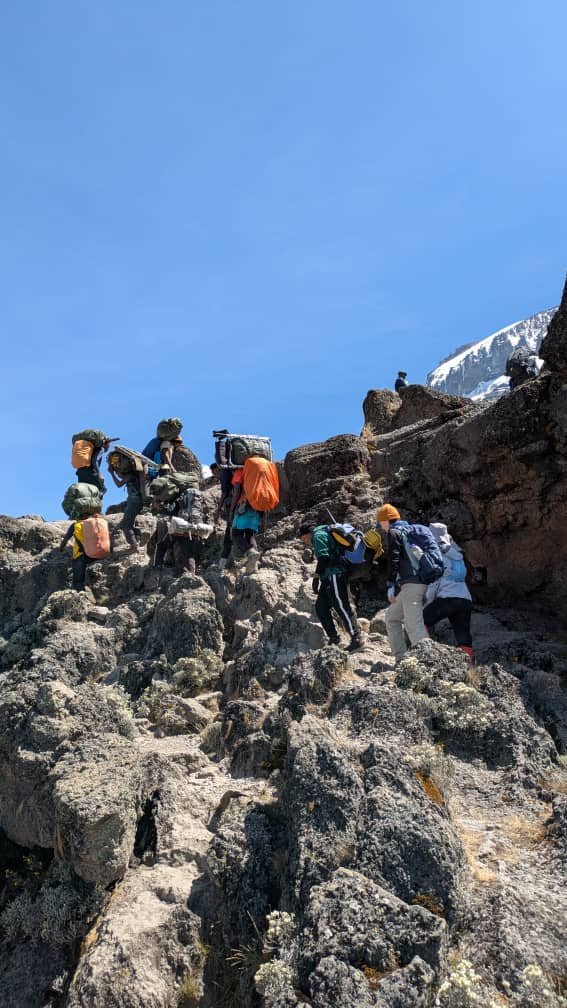
September Kilimanjaro Climb For Seniors 2026-2027
September Kilimanjaro Climb for Seniors is explained with current 2026-2027 planning, price, itinerary and booking information.
View package details
September Kilimanjaro Sunrise Photography Tour 2026-2027
September Kilimanjaro Sunrise Photography Tour is explained with current 2026-2027 planning, price, itinerary and booking information.
View package detailsSeptember Kilimanjaro Packing Guide 2026-2027
September Kilimanjaro Packing Guide is explained with current 2026-2027 planning, price, itinerary and booking information.
View package details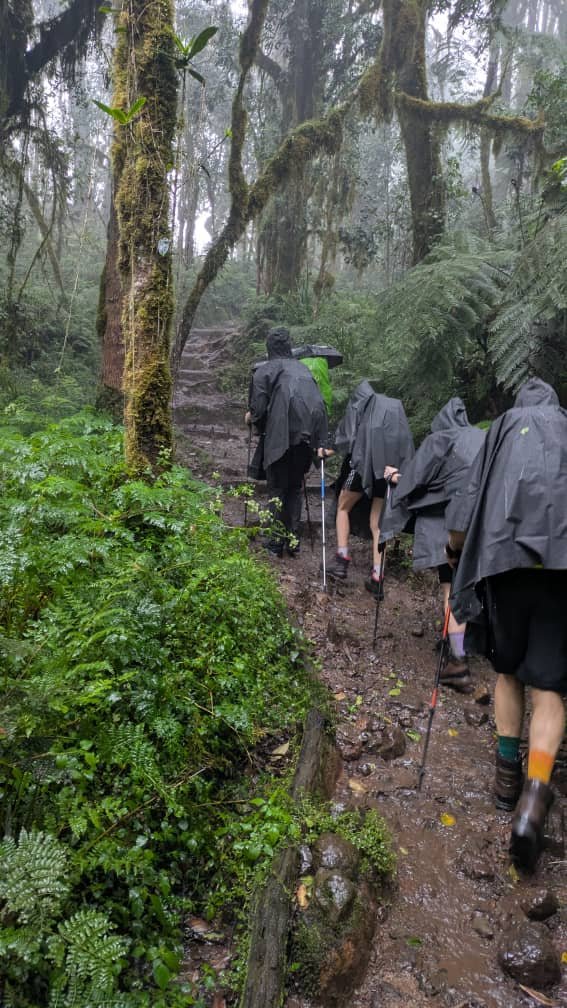
September Kilimanjaro Summit Night Temperature 2026-2027
September Kilimanjaro Summit Night Temperature is explained with current 2026-2027 planning, price, itinerary and booking information.
View package detailsNo related package matches those filters. Clear one or more filters to see the other topic-matched options.



