
A 3-day Lemosho Route trek from Arusha to Kilimanjaro is an exceptionally fast and highly challenging ascent, typically requiring a minimum of 7 days for acclimatization and success. While technically possible to attempt a rapid climb via Lemosho starting from Arusha, it is strongly discouraged due to severe altitude sickness risks and extremely low summit success rates. Professional operators like Climb 4 Africa focus on safer, longer itineraries for Kilimanjaro, usually 7 days or more, to ensure client safety and a better chance of reaching Uhuru Peak. For those determined to attempt a shorter trek, alternative routes like Marangu or Rongai might be considered for 5-day options, but even these carry significant risks if rushed. Always prioritize safety and acclimatization when planning your Kilimanjaro adventure for 2026-2027.


Understanding the Lemosho Route and Its Typical Duration
The Lemosho Route is widely celebrated as one of Kilimanjaro’s most scenic and rewarding paths. It’s known for its gradual ascent, offering excellent acclimatization opportunities and passing through diverse ecological zones, from lush rainforests to alpine deserts and the arctic summit zone. However, its beauty comes with a longer commitment. The Lemosho Route is generally recommended for a minimum of 7 days, with 8 days being even more ideal for maximizing acclimatization and enjoyment. This extended duration is crucial for allowing the body to adapt to the rapidly increasing altitude, significantly reducing the risk of Acute Mountain Sickness (AMS) and improving the chances of reaching Uhuru Peak, the summit of Kilimanjaro.
When considering a trek from Arusha, it’s important to understand that Arusha is the gateway city, not the starting point of the trek itself. The actual trek begins at the Lemosho Glades, a significant drive from Arusha. The concept of a ‘3 Day Lemosho Route Trek From Arusha’ is highly unusual and, frankly, not a recommended or standard offering by reputable tour operators. The Lemosho route is designed for a minimum of 7 days to ensure safety and success. Attempting it in 3 days would involve an extremely aggressive pace, skipping essential acclimatization days, and essentially guaranteeing a very high likelihood of failure and severe altitude sickness. This guide will explore why such a short duration is problematic and what a more realistic and safe Kilimanjaro trekking experience from Arusha looks like, focusing on options that prioritize your well-being and success for 2026-2027 expeditions.
Why a 3-Day Lemosho Route Trek is Not Advised
The primary reason a 3-day Lemosho Route trek is not advisable, especially starting from Arusha, is the fundamental principle of high-altitude trekking: acclimatization. Kilimanjaro’s summit, Uhuru Peak, stands at 5,895 meters (19,341 feet). Ascending this rapidly is physiologically dangerous. Here’s a breakdown of why such a short timeframe is problematic:
- Altitude Sickness (AMS): AMS is caused by ascending too quickly, preventing the body from adjusting to the lower oxygen levels at higher altitudes. Symptoms can range from mild headaches and nausea to severe, life-threatening conditions like HAPE (High Altitude Pulmonary Edema) and HACE (High Altitude Cerebral Edema). A 3-day trek offers virtually no time for acclimatization, making AMS almost inevitable.
- Physiological Demands: Kilimanjaro is a serious mountain. Even on the longer routes, the trek is physically demanding. Compressing this into 3 days means extremely long hiking days with minimal rest, pushing the body beyond its limits, especially when combined with altitude.
- Low Summit Success Rate: Routes that are rushed have notoriously low success rates. For a 3-day trek on any Kilimanjaro route, the chances of reaching the summit are extremely slim, often below 10-20%. The focus shifts from enjoying the climb and reaching the summit to simply surviving the descent.
- Lemosho Route’s Nature: The Lemosho Route is specifically chosen for its scenic beauty and gradual ascent, which aids acclimatization. Shortening it defeats its purpose and turns it into a dangerous race against altitude.
- Logistical Challenges: Even reaching the Lemosho starting point from Arusha takes several hours. Fitting in the actual trekking, camping, and descent within 3 days is logistically improbable and unsafe.
Reputable operators, including Climb 4 Africa, prioritize client safety above all else. This means recommending routes and durations that have proven successful and safe. For Kilimanjaro, this typically means 7 days or more for the Lemosho Route.
Realistic Kilimanjaro Itinerary Options From Arusha (Focusing on Safety and Success)
Given that a 3-day Lemosho trek is not feasible or safe, let’s explore what realistic and highly recommended Kilimanjaro trekking itineraries look like when starting your journey from Arusha. Arusha serves as the base for all Kilimanjaro treks, providing accommodation, gear rental, and briefing opportunities before you head to the mountain gate. Climb 4 Africa specializes in crafting safe and successful Kilimanjaro expeditions.
The 7-Day Lemosho Route Itinerary: A Top Choice for 2026-2027
The 7-day Lemosho Route is perhaps the most popular choice for trekkers aiming for a balance of scenic beauty, good acclimatization, and a respectable summit success rate. It offers a fantastic introduction to Kilimanjaro’s diverse landscapes.
Day 1: Lemosho Gate (2,100m/6,890ft) to Mti Mkubwa Camp (2,800m/9,186ft)
Drive: Approximately 3-4 hours from Arusha to Lemosho Gate.
Trek: 3-4 hours, ~6 km / 3.7 miles.
Description: After registration at the park gate, you begin your trek through the dense rainforest. The trail is relatively gentle, and you might spot colobus monkeys and various bird species. The goal is to reach Mti Mkubwa (‘Big Tree’) camp, your first night’s resting place.
Acclimatization: Gradual ascent into the montane forest zone.
Accommodation: Camping.
Day 2: Mti Mkubwa Camp (2,800m/9,186ft) to Shira 1 Camp (3,500m/11,483ft)
Trek: 5-7 hours, ~8 km / 5 miles.
Description: The path continues to ascend, leaving the forest behind and entering the heather and moorland zone. You’ll cross a ridge and descend into the Shira Plateau, a vast, ancient volcanic caldera. Shira 1 camp is situated on this plateau.
Acclimatization: Significant increase in altitude, exploring the Shira Plateau.
Accommodation: Camping.
Day 3: Shira 1 Camp (3,500m/11,483ft) to Barranco Camp (3,950m/12,960ft)
Trek: 6-8 hours, ~10 km / 6.2 miles.
Description: This is a crucial acclimatization day. You’ll traverse the Shira Plateau eastward, with the option to visit the Shira Cathedral (a prominent rock formation). The trail then climbs steadily towards the Lava Tower (4,600m/15,092ft) before descending to Barranco Camp. This ‘climb high, sleep low’ strategy is vital for acclimatization.
Acclimatization: Reaching high altitude at Lava Tower and descending to sleep lower.
Accommodation: Camping.
Day 4: Barranco Camp (3,950m/12,960ft) to Karanga Camp (4,200m/13,780ft)
Trek: 4-5 hours, ~5 km / 3.1 miles.
Description: The day begins with the famous Barranco Wall, a steep but manageable scramble that requires using hands and feet. While challenging, it’s a highlight of the Lemosho route. After conquering the wall, you’ll continue through a series of ascents and descents, eventually reaching Karanga Valley and then climbing to Karanga Camp.
Acclimatization: Navigating the Barranco Wall and reaching a higher camp.
Accommodation: Camping.
Day 5: Karanga Camp (4,200m/13,780ft) to Barafu Camp (4,650m/15,256ft)
Trek: 3-5 hours, ~4 km / 2.5 miles.
Description: A shorter trekking day allows for rest and preparation for the summit push. You’ll trek across alpine desert, with increasingly barren landscapes. The trail ascends to Barafu Camp, a base camp situated on a rocky ridge. You’ll have an early dinner and try to get some sleep before the midnight summit attempt.
Acclimatization: Reaching a high camp before the summit push.
Accommodation: Camping.
Day 6: Summit Day! Barafu Camp (4,650m/15,256ft) to Uhuru Peak (5,895m/19,341ft) and down to Mweka Camp (3,100m/10,171ft)
Trek: 10-15 hours total (summit push + descent).
Description: This is the most challenging day. You’ll start hiking around midnight towards Stella Point (5,752m/18,871ft) on the crater rim. The ascent is steep and slow, often in the cold and dark. From Stella Point, you’ll continue for another hour or so along the crater rim to Uhuru Peak, the highest point in Africa. After celebrating your achievement, you’ll descend back past Barafu Camp to Mweka Camp, a significant descent that helps with acclimatization.
Acclimatization: Summiting and then descending significantly.
Accommodation: Camping.
Day 7: Mweka Camp (3,100m/10,171ft) to Mweka Gate (1,640m/5,381ft) and transfer to Arusha
Trek: 3-5 hours, ~10 km / 6.2 miles.
Description: After breakfast, you’ll complete the final descent through the rainforest to Mweka Gate. Here, you’ll receive your summit certificates. A vehicle will be waiting to transfer you back to your hotel in Arusha.
Description: Final descent and return to Arusha.
Accommodation: Hotel in Arusha.
The 8-Day Lemosho Route: Enhanced Acclimatization for 2026-2027
For even better acclimatization and a higher chance of success, the 8-day Lemosho Route is highly recommended. It adds an extra day, usually between Shira Camp and Barranco Camp, allowing for a more gradual ascent and more ‘climb high, sleep low’ opportunities.
- Day 1: Lemosho Gate to Mti Mkubwa Camp (as above)
- Day 2: Mti Mkubwa Camp to Shira 1 Camp (as above)
- Day 3: Shira 1 Camp to Shira 2 Camp (3,850m/12,631ft) – This day allows for more exploration of the Shira Plateau and a higher sleep, but a gentler overall ascent.
- Day 4: Shira 2 Camp to Barranco Camp (3,950m/12,960ft) – This day is shorter, allowing for better acclimatization before the Barranco Wall.
- Day 5: Barranco Camp to Karanga Camp (as above)
- Day 6: Karanga Camp to Barafu Camp (as above)
- Day 7: Summit Day! Barafu Camp to Uhuru Peak and down to Mweka Camp (as above)
- Day 8: Mweka Camp to Mweka Gate and return to Arusha (as above)
The 8-day itinerary is often considered the optimal Lemosho experience for trekkers aiming for a successful summit without undue risk. For planning your Kilimanjaro adventure in 2026-2027, consider this extended duration.
Other Kilimanjaro Routes: Alternatives to Lemosho
While Lemosho is excellent, other routes exist, some of which are more suitable for shorter durations (though still not 3 days) or offer different experiences.
Marangu Route (Coca-Cola Route)
The Marangu Route is the oldest and most established route. It’s known for being the only route that offers dormitory-style accommodation in huts rather than camping. It can be completed in 5 or 6 days.
- 5-Day Marangu: Very rushed, low success rate, high risk of AMS. Not recommended.
- 6-Day Marangu: Offers slightly better acclimatization but still has a lower success rate compared to longer routes like Lemosho or Machame.
Starting Point: Marangu Gate.
Pros: Huts offer comfort, easier descent (often walked down both ways).
Cons: Less scenic, less gradual acclimatization, lower summit success rate.
Machame Route
Often called the ‘Whiskey Route’, Machame is similar to Lemosho in its scenic beauty and acclimatization profile. It’s typically done over 6 or 7 days.
- 6-Day Machame: Good acclimatization, decent success rate.
- 7-Day Machame: Excellent acclimatization, very high success rate.
Starting Point: Machame Gate.
Pros: Highly scenic, excellent acclimatization on longer options, high success rate.
Cons: Camping only, can be crowded.
Rongai Route
The Rongai Route approaches Kilimanjaro from the north, near the Kenyan border. It’s a good alternative, especially during the rainy season, as the northern side receives less rainfall.
- 6-Day Rongai: Good acclimatization and success rate.
- 7-Day Rongai: Enhanced acclimatization, higher success rate.
Starting Point: Nale Muru Gate.
Pros: Less crowded, good success rate, better in rainy season.
Cons: Less varied scenery compared to Lemosho or Machame.
Preparing for Your Kilimanjaro Trek From Arusha (2026-2027 Planning)
Regardless of the route chosen, thorough preparation is key to a safe and successful Kilimanjaro climb. For your 2026-2027 expeditions, start planning early.
Physical Fitness
Kilimanjaro is a demanding trek. You don’t need to be an elite athlete, but good cardiovascular fitness is essential. Focus on:
- Aerobic Exercise: Hiking, running, cycling, swimming for at least 3-4 times a week.
- Strength Training: Focus on legs and core strength.
- Hiking Practice: Undertake long hikes (4-6 hours) with a daypack, ideally with some elevation gain. Practice hiking with the gear you intend to use.
Gear and Equipment
Proper gear is crucial for comfort and safety. Key items include:
- Layering System: Base layers (merino wool or synthetic), mid-layers (fleece), and an outer layer (waterproof and windproof jacket and pants).
- Footwear: Broken-in, waterproof hiking boots.
- Headwear: Warm hat, sun hat, balaclava/buff.
- Gloves: Warm waterproof gloves and liner gloves.
- Sleeping Bag: A 4-season sleeping bag rated to at least -15°C (0°F).
- Trekking Poles: Highly recommended for reducing knee strain and aiding stability.
- Headlamp: With extra batteries.
- Sun Protection: High SPF sunscreen, sunglasses, lip balm.
- Hydration: Water bottles or hydration reservoir (Camelbak). Consider insulated options for cold weather.
- First-Aid Kit: Personal medications, blister treatment, pain relievers.
Climb 4 Africa can provide detailed packing lists and assist with gear rental. You can also find quality gear in Arusha before your trek.
Altitude Sickness Prevention
The best prevention is slow and steady ascent, which is why longer routes are recommended. Other measures include:
- Hydration: Drink plenty of water (3-4 liters per day).
- Avoid Alcohol and Caffeine: These can contribute to dehydration.
- Eat Well: High-carbohydrate meals are recommended.
- Diamox (Acetazolamide): Consult your doctor about prophylactic medication. It can help speed up acclimatization but does not prevent AMS entirely and has side effects.
- Listen to Your Body: Report any symptoms to your guide immediately.
Mental Preparation
Kilimanjaro is as much a mental challenge as a physical one. Be prepared for:
- Cold Temperatures: Especially on summit night.
- Long Hiking Days: Some days can be 8+ hours.
- Basic Camping Conditions: While crews work hard, facilities are minimal.
- Patience: ‘Pole pole’ (slowly, slowly) is the mantra on Kilimanjaro.
Cost Considerations for Kilimanjaro Treks (2026-2027)
The cost of a Kilimanjaro trek varies significantly based on the route, duration, operator, and inclusions. A 3-day Lemosho route trek is not a standard offering, so pricing for such a trip is not applicable. For standard, safe itineraries like the 7-day Lemosho Route, you can expect pricing to range from $2,000 to $4,000+ per person for reputable operators in 2026-2027. This range typically includes:
- Park fees (entry, camping, rescue)
- Experienced, licensed guides and support crew
- All meals on the mountain
- Accommodation (camping or huts)
- Porters to carry group gear and personal gear (usually up to a certain weight limit)
- Tents, cooking equipment
- Bottled water (or purification system)
- Pre- and post-trek accommodation in Arusha (sometimes)
- Transfers to and from the mountain gate
What is usually NOT included:
- Flights to/from Kilimanjaro International Airport (JRO)
- Visa fees
- Travel insurance (mandatory, must cover high-altitude trekking and emergency evacuation)
- Personal gear (clothing, sleeping bag, boots, etc.)
- Tips for guides, porters, and cooks (a significant part of their income)
- Lunches and dinners in Arusha (unless specified)
- Personal expenses (souvenirs, drinks)
- Optional summit climbing pole
When comparing prices for your 2026-2027 trek, always check what is included. Cheaper options often cut corners on crew welfare, safety equipment, or food quality, which can compromise your experience and safety.
Typical Cost Factors for Kilimanjaro Treks (2026-2027)
| Factor | Impact on Cost | Notes |
|---|---|---|
| Route Length | Higher cost for longer routes (e.g., 8-day Lemosho vs. 5-day Marangu) | Longer routes offer better acclimatization and success rates. |
| Operator Type | Budget operators are cheapest, high-end operators are most expensive | Reputable operators ensure safety, fair wages, and quality service. |
| Group Size | Private treks are more expensive per person than group treks | Shared group departures can significantly reduce costs. |
| Inclusions | More inclusions (e.g., pre/post-trek hotel, gear rental) increase cost | Always verify what’s covered. Park fees are a major component. |
| Season | Peak season (Jan-Mar, Jun-Oct) can be slightly higher | Shoulder seasons may offer better value. |
Choosing a Reputable Tour Operator from Arusha
Selecting the right tour operator is paramount for a safe and enjoyable Kilimanjaro climb. From Arusha, numerous companies operate, but quality varies. Climb 4 Africa is a locally-owned and operated company with a strong reputation for safety, ethical treatment of porters, and excellent customer service.
When choosing an operator for your 2026-2027 Kilimanjaro adventure:
- Check Reviews: Look for reviews on platforms like TripAdvisor.
- Safety Record: Inquire about their safety protocols, emergency equipment, and guide training.
- Crew Welfare: Ensure they pay fair wages and provide good conditions for their guides and porters.
- Inclusions: Understand exactly what is included in the price.
- Communication: How responsive and helpful are they during the planning phase?
Climb 4 Africa is committed to providing unforgettable Kilimanjaro experiences. You can reach them directly for personalized advice and quotes:
- WhatsApp: +255747477898
- Email: climb4africa@gmail.com
- Backup Email: climb4africa@gmail.com
Frequently Asked Questions About Kilimanjaro Treks
Here are some common questions prospective trekkers ask:
Q: Is Kilimanjaro dangerous?
A: Kilimanjaro can be dangerous if not approached with respect and proper preparation. The main risks are altitude sickness, weather conditions, and falls. Choosing a reputable operator and a suitable route duration significantly mitigates these risks. Summit success rates are also heavily influenced by acclimatization and operator quality.
Q: What is the best route for beginners?
A: For beginners, the Lemosho or Machame routes over 7 or 8 days are highly recommended due to their gradual ascent and scenic beauty, which aids acclimatization and makes the trek more enjoyable.
Q: How much should I tip the crew?
A: Tipping is customary and a significant part of the crew’s income. A general guideline for a 7-day trek is around $250-$300 per trekker, distributed among guides, assistant guides, cooks, and porters. Your operator will provide specific recommendations.
Q: Can I climb Kilimanjaro in 2026 or 2027?
A: Absolutely! 2026 and 2027 are excellent years to plan your Kilimanjaro climb. Booking in advance is recommended, especially for peak seasons (June-October and December-February).
Q: What is the weather like on Kilimanjaro?
A: Weather varies dramatically with altitude. Expect hot and humid conditions in the rainforest, cooler temperatures in the moorland and alpine desert, and freezing temperatures at the summit, especially at night and on summit day. Snow is common at the summit year-round.
Q: Do I need travel insurance?
A: Yes, comprehensive travel insurance is mandatory for all Kilimanjaro treks. It must cover high-altitude trekking and emergency helicopter evacuation from the mountain.
Conclusion: Prioritize Safety and Success for Your Kilimanjaro Adventure
While the idea of a 3 Day Lemosho Route Trek From Arusha might sound appealing for its brevity, it represents a significant misunderstanding of Kilimanjaro’s challenges and the importance of acclimatization. For any trekker planning a Kilimanjaro expedition in 2026-2027, the focus must be on safety, proper acclimatization, and maximizing your chances of reaching Uhuru Peak. Routes like the 7-day or 8-day Lemosho, or the 7-day Machame, offer the best balance of these factors.
Starting your journey from Arusha, you have access to experienced operators like Climb 4 Africa who are dedicated to providing well-organized, safe, and memorable Kilimanjaro climbs. Don’t compromise on your health or your summit success by attempting an impossibly short trek. Instead, invest in a well-planned expedition that respects the mountain and your body. For expert advice, custom itineraries, and booking information for your 2026-2027 Kilimanjaro adventure, contact Climb 4 Africa via WhatsApp at +255747477898 or email them at climb4africa@gmail.com or climb4africa@gmail.com.
Check Availability for 3 Day Lemosho Route Trek From Arusha – Kilimanjaro Hiking Itinerary…
Ready to compare dates, prices, and the best option for your group? Send the package name and travel month so the team can reply with a clear quote, availability, and what is included.
Best 1 Day Machame Route Hike From Arusha City: Short Trek Trip 2026-2027
Discover the ultimate 1-day Machame Route hike starting from Arusha City. This short trek offers an incredible glimpse into Kilimanjaro's lower slopes, ideal for 2026-2027 adventurers...
View package details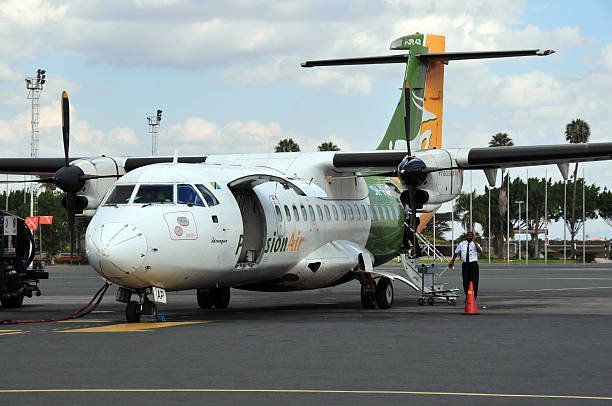
8-Day Lemosho Route Kilimanjaro Climb In August 2026-2027
8-Day Lemosho Route Kilimanjaro Climb in August is explained with current 2026-2027 planning, price, itinerary and booking information.
View package details
8-Day Lemosho Route Kilimanjaro Climb In July | Climb 4 Africa 2026-2027
The 8-day Lemosho Route is a highly recommended option for climbing Kilimanjaro in July, offering excellent acclimatization and stunning scenery. This guide covers everything you need to...
View package details
8-Day Lemosho Route Kilimanjaro Climb In June | Climb 4 Africa 2026-2027
The 8-day Lemosho Route offers a balanced approach to climbing Kilimanjaro in June, providing excellent acclimatization and stunning scenery. This guide details the itinerary, challenges...
View package details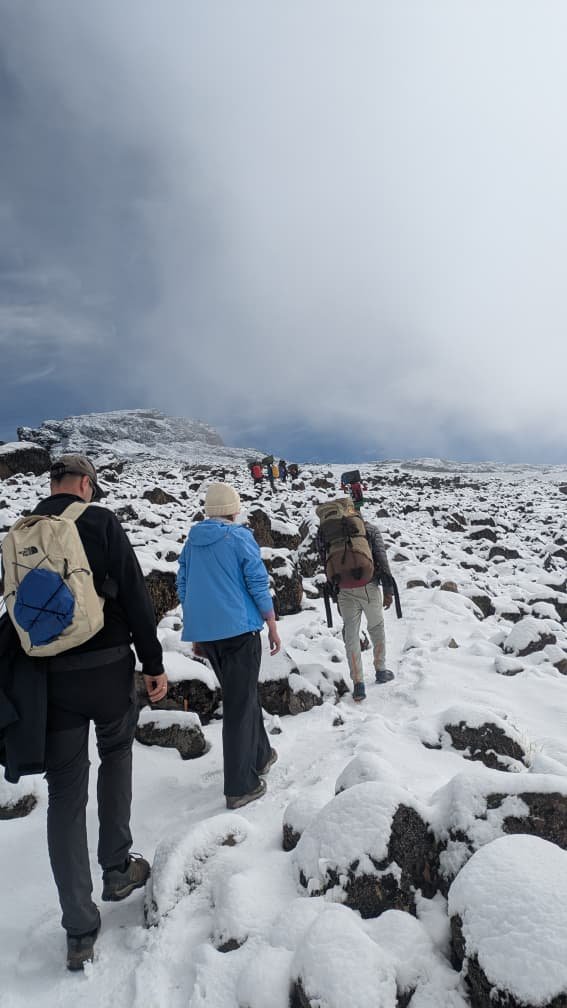
8-Day Lemosho Route Kilimanjaro Climb In May 2026-2027
An in-depth guide to the 8-day Lemosho Route Kilimanjaro climb during May, detailing itineraries, weather, costs, and preparation for your 2026-2027 adventure.
View package details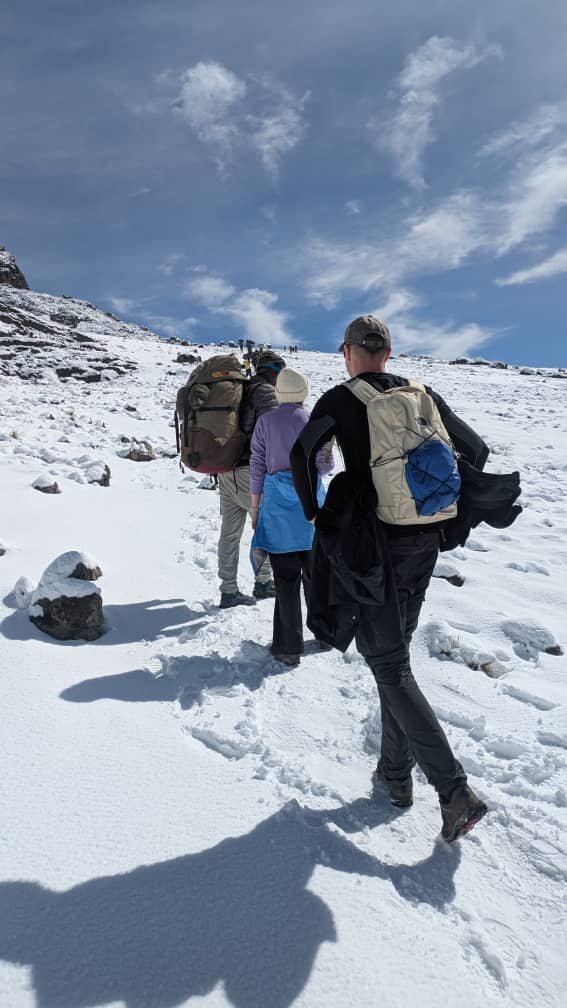
September Kilimanjaro Full-Moon Summit Trek Guide
Discover the magic of a September Kilimanjaro full-moon summit trek. This comprehensive guide covers everything from planning and routes to what to expect during your 2026-2027 lunar...
View package details8-Day Lemosho Route Climb In September: Your Expert Guide For 2026-2027
Discover the ultimate guide to an 8-Day Lemosho Route climb on Mount Kilimanjaro during September 2026-2027. This comprehensive resource covers everything from weather patterns and optimal...
View package details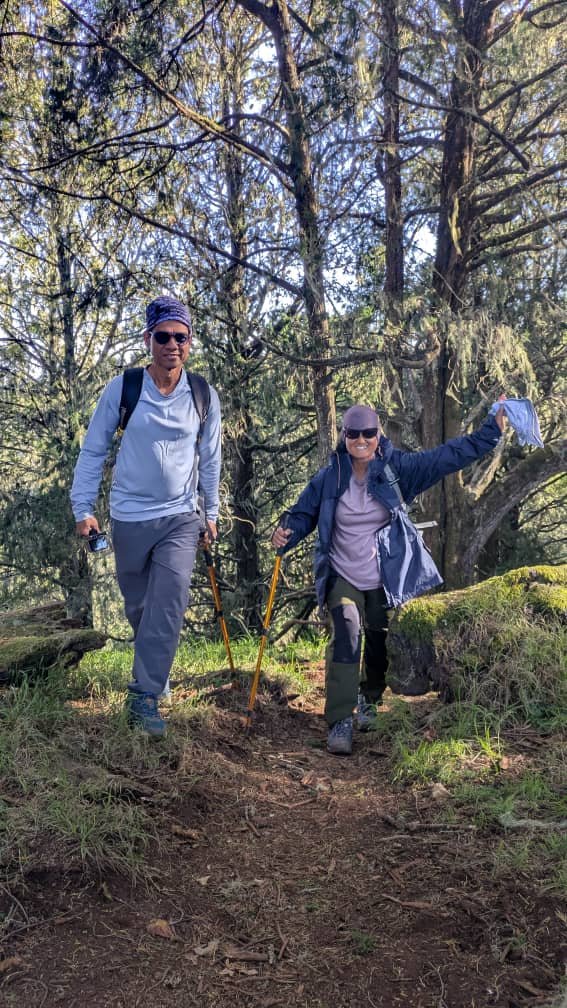
7-Day Machame Route Kilimanjaro Climb In August: Your Expert Guide 2026-2027
The 7-day Machame Route Kilimanjaro climb in August offers excellent weather for reaching Uhuru Peak. This guide provides essential details for your 2026-2027 adventure, covering itinerary...
View package details
Best Kilimanjaro Routes For August : Your Ultimate Guide 2026-2027
Planning a Kilimanjaro climb in August? This guide breaks down the best routes, considering weather, crowds, and success rates for your 2026-2027 adventure.
View package details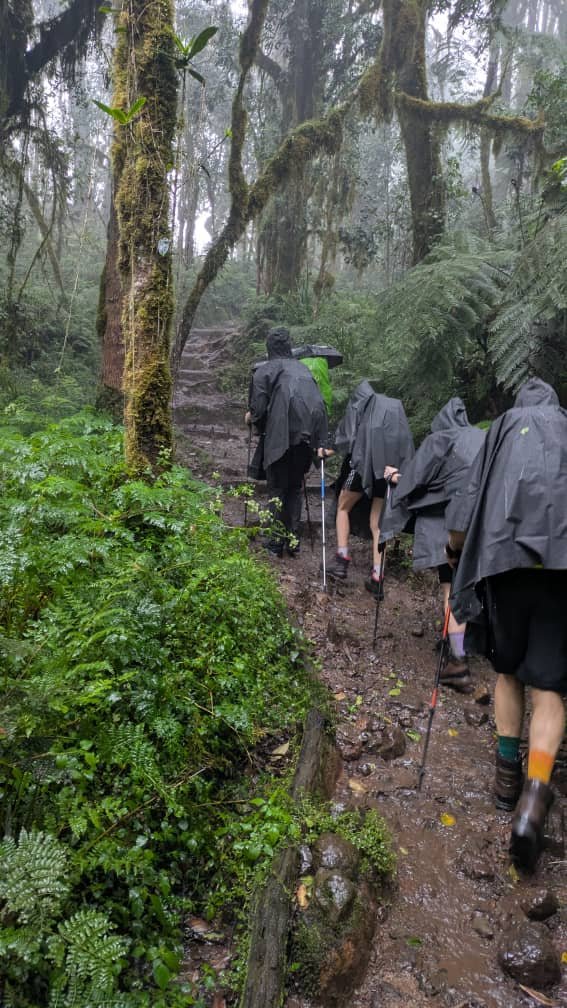
Best August Kilimanjaro Group Departures : ClimbING Routes 2026-2027
Discover the best August Kilimanjaro group departures for 2027 with Climb 4 Africa. This comprehensive guide covers everything you need to know to plan your trek during this prime...
View package details
July Kilimanjaro Route Availability And Planning For Climbs 2026-2027
Planning a Kilimanjaro climb in July? This guide details route availability, weather patterns, and essential planning tips for your 2026-2027 adventure, ensuring you choose the best path...
View package details
7-Day Rongai Route Kilimanjaro Climb In July: Your Expert Guide For 2026-2027
start a 7-Day Rongai Route Kilimanjaro climb in July, a prime month for trekking. This guide details the itinerary, essential gear, acclimatization, and what to expect for your 2026-2027...
View package detailsNo related package matches those filters. Clear one or more filters to see the other topic-matched options.



