
A Mikindani Slave Trade Heritage Tour offers a profound and somber journey into Tanzania’s complex past, focusing on the historical significance of Mikindani as a major hub for the East African slave trade. This immersive experience typically involves guided walks through the old town, visits to former slave holding sites, and educational insights into the human impact of this dark chapter in history, providing a critical understanding of coastal African heritage and its enduring legacies. Planning for such a tour in 2026 or 2027 allows for deeper engagement with local guides and potentially more tailored historical explorations.



Understanding the Mikindani Slave Trade Heritage Tour
The Mikindani Slave Trade Heritage Tour is more than just a historical excursion; it is a journey of remembrance, education, and reflection. Located in the Mtwara Region of southern Tanzania, Mikindani was once a pivotal port on the Swahili coast, deeply entangled with the brutal realities of the Indian Ocean slave trade. For centuries, this picturesque coastal town, with its distinctive architecture and serene harbor, served as a crucial transit point for enslaved people captured from the interior of East Africa and destined for markets in Zanzibar, Arabia, Persia, and beyond.
This tour aims to bring this often-overlooked history to life. It moves beyond textbook accounts to offer a tangible connection to the past, allowing visitors to walk the same paths, see the remnants of the infrastructure that facilitated this trade, and hear the stories that echo through the town’s ancient alleyways. It’s an essential experience for anyone seeking to understand the deep historical currents that have shaped Tanzania and the wider East African coastline.
### The Historical Context: Mikindani’s Role in the Slave Trade
Mikindani, originally known as Mikindani Bay, rose to prominence during the 18th and 19th centuries. Its strategic location provided a natural harbor, making it an attractive base for traders. While legitimate trade in goods like ivory and cloves also occurred, the illicit and devastating trade in human beings became its most defining, albeit tragic, characteristic. Arab and Swahili traders, often operating with European complicity or indifference, organized extensive slave raiding expeditions into the mainland’s interior. Captives, subjected to unimaginable suffering on long marches, were brought to coastal depots like Mikindani to await their fate.
Key figures and routes played significant roles. The Luba, Yao, and Makua peoples from the inland regions were frequently targeted. The journeys to the coast were perilous, with many succumbing to exhaustion, disease, or violence. Upon arrival in Mikindani, survivors were often held in compounds or dungeons before being transported across the sea. The economic prosperity of Mikindani, for a time, was tragically built upon this immense human suffering. Understanding this context is crucial to appreciating the weight and significance of the heritage sites visited on the tour.
### Why Choose a Heritage Tour in Mikindani?
Choosing a Mikindani Slave Trade Heritage Tour is a deliberate act of seeking deeper knowledge and a more meaningful travel experience. Unlike typical tourist destinations, Mikindani offers a raw, authentic encounter with history. It provides:
* Unvarnished Truth: The tour doesn’t shy away from the brutality and human cost of the slave trade. It presents a factual, often emotional, account of events.
* Cultural Immersion: Beyond the historical sites, visitors engage with the present-day community, understanding how the legacy of the past continues to influence local life and identity.
* Educational Value: For students, historians, and culturally curious travelers, the tour is an invaluable learning opportunity, offering perspectives often absent from mainstream historical narratives.
* Respectful Commemoration: The tour serves as a platform for remembering the victims and acknowledging the resilience of those who survived and their descendants.
For travelers planning for 2026 or 2027, this tour offers a chance to connect with a vital, yet often overlooked, aspect of African history. It’s a journey that challenges perceptions and fosters a profound sense of empathy and historical understanding.
Key Sites and Experiences on the Mikindani Slave Trade Heritage Tour
The Mikindani Slave Trade Heritage Tour is designed to be comprehensive, taking visitors to the most significant locations associated with the era and providing context through expert narration. The experience is often curated by local guides who possess intimate knowledge of the town’s history and its people.
### The Old Town and its Architecture
Mikindani’s old town is a living museum. Its narrow, winding streets are lined with buildings that bear the imprint of Omani Arab and Swahili architectural styles, reflecting the period of intense trade and cultural exchange. Many of these structures, though weathered by time, still stand, whispering tales of their past inhabitants and the activities that once took place within their walls. Exploring these streets offers a visual journey back in time, with guides pointing out specific houses or buildings that served critical roles during the slave trade era. You’ll see coral stone buildings, intricately carved wooden doors, and courtyards that once witnessed the comings and goings of traders, captives, and merchants.
### Former Slave Holding Sites and Dungeons
Perhaps the most poignant and emotionally charged sites are the former slave holding areas. These could include specific compounds, cellars, or even dungeons where enslaved individuals were kept before being shipped out. Visiting these sites is a sobering experience. Guides will explain the conditions under which people were held – the lack of space, sanitation, and the sheer despair that must have permeated these places. While many original structures may be gone or altered, the locations themselves hold immense historical weight. Some tours may include visits to sites like the former German Boma (fortress), which, while serving administrative purposes, also played a role in the broader control and movement of people during colonial and pre-colonial times.
### The Mikindani Bay Waterfront
The waterfront of Mikindani Bay was the crucial point of departure for countless souls. Standing by the shore, visitors can imagine the scene: the crowded dhows (traditional sailing vessels) and ships, the desperate cries, and the finality of being forced onto a vessel bound for an unknown future. Guides will often use this vantage point to describe the logistics of the slave ships, the routes they took, and the destinations they served. The calm waters of the bay today belie the immense sorrow and suffering they once carried. Understanding the bay’s role as a point of embarkation is central to grasping the scale of the trade originating from Mikindani.
### Local Museums and Cultural Centers (if available)
While Mikindani is a smaller town, any local historical collections or cultural centers can provide valuable context. These might house artifacts, photographs, or oral histories related to the slave trade and Swahili coastal life. Even if formal museums are limited, local community elders or historical societies may offer invaluable insights through oral traditions and personal accounts passed down through generations. These interactions are often the most powerful part of the heritage tour, offering a human connection to the historical narrative.
### Interactions with Descendants and Local Communities
A truly impactful heritage tour goes beyond visiting sites; it involves connecting with the people whose ancestors were directly affected by the slave trade. Guides, often members of the local community, can facilitate respectful interactions with descendants or community leaders. These conversations provide living testimony to the resilience of the human spirit and the enduring impact of history on present-day life. Understanding how the legacy of slavery continues to shape social structures, traditions, and identity in Mikindani adds a crucial dimension to the tour.
### Educational Narratives and Storytelling
The heart of the tour lies in the narrative provided by knowledgeable guides. They weave together historical facts, oral traditions, and personal anecdotes to create a vivid and engaging account of the slave trade era. This storytelling approach makes the history relatable and memorable. Guides will explain the different roles played by various ethnic groups, the economic incentives behind the trade, the resistance faced, and the eventual abolitionist movements that sought to end this inhumane practice. The depth of understanding offered by these local experts is unparalleled and forms the core of the educational value of the Mikindani Slave Trade Heritage Tour.
## Planning Your Mikindani Slave Trade Heritage Tour in 2026-2027
Organizing a trip to Mikindani requires careful planning, especially if you aim to visit in the coming years, such as 2026 or 2027. While Mikindani is a destination rich in history, it is less developed in terms of tourism infrastructure compared to major hubs like Zanzibar or the northern safari circuits. This means a more hands-on approach to planning is often necessary.
### Best Time to Visit
Southern Tanzania, including Mikindani, experiences distinct wet and dry seasons. The best time for a heritage tour is generally during the dry seasons:
* June to October: This period offers pleasant temperatures, low humidity, and minimal rainfall, making exploration comfortable.
* December to February: Another dry spell, though it can be hotter than the June-October period.
The rainy seasons (March-May and November) can see heavy downpours, which might disrupt travel and limit accessibility to certain historical sites, especially those requiring travel over unpaved roads. For 2026 and 2027, aiming for the dry months will ensure a smoother and more enjoyable experience.
### Getting to Mikindani
Reaching Mikindani typically involves a combination of flights and road travel:
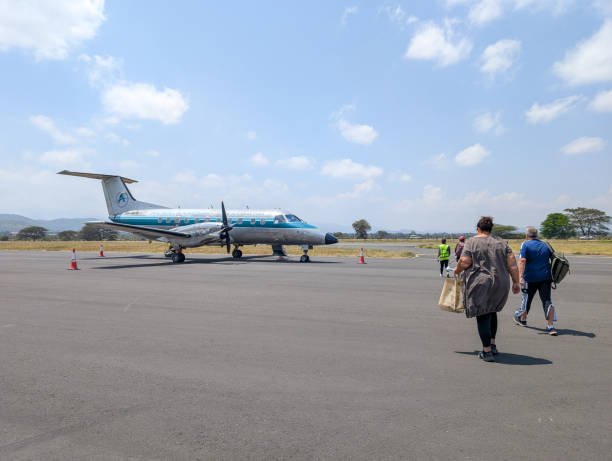
1. Flights: The most common route is to fly into Julius Nyerere International Airport (JNIA) in Dar es Salaam. From Dar es Salaam, you can take a domestic flight to Mtwara Airport (MYW), which is the closest airport to Mikindani.
2. Road Transfer: From Mtwara Airport, Mikindani is approximately a 1-1.5 hour drive. This transfer can be arranged in advance, often as part of a tour package.
Alternatively, for the adventurous, it’s possible to travel from Dar es Salaam to Mtwara by bus, though this is a significantly longer journey (10-12 hours or more) and less comfortable.
### Accommodation Options
Accommodation in Mikindani is more limited than in major tourist centers. Options typically range from:
* Guesthouses and Small Hotels: These offer basic but clean and comfortable lodging, often run by local families. They provide an authentic experience.
* Mid-Range Hotels: A few establishments offer slightly more amenities, potentially including air conditioning and en-suite bathrooms.
* Beach Lodges: Depending on the specific location around Mikindani Bay, there might be some lodges offering beachfront stays.
Booking accommodation in advance is highly recommended, especially if you are traveling during peak seasons or if you are part of a group planning for 2026 or 2027.
### Duration of the Tour
A dedicated Mikindani Slave Trade Heritage Tour can range from half a day to a full day, depending on the depth of exploration desired. However, to truly appreciate Mikindani and its surroundings, it’s advisable to spend at least 1-2 full days in the area. This allows time for:
* Thorough exploration of the old town.
* Visiting key historical sites with detailed explanations.
* Engaging with local community members.
* Experiencing the natural beauty of the bay.
* Potentially visiting nearby cultural attractions.
Many visitors combine a heritage tour with other experiences in the Mtwara region, such as exploring the nearby coastline, visiting fishing villages, or engaging in cultural exchanges.
### What to Pack
Given the tropical climate and the nature of the tour, packing smart is essential:
* Lightweight Clothing: Breathable fabrics like cotton or linen are ideal.
* Comfortable Walking Shoes: You’ll be doing a lot of walking on potentially uneven surfaces.
* Sun Protection: A wide-brimmed hat, sunglasses, and high-SPF sunscreen are crucial.
* Insect Repellent: Especially important for evenings.
* Camera: To capture the unique architecture and landscapes.
* Notebook and Pen: For taking notes during educational sessions.
* Small Backpack: For carrying water, snacks, and personal items.
* Modest Attire: When visiting local communities or religious sites, dressing modestly is respectful.
### Booking Your Tour
Given the specialized nature of this heritage tour, it’s best to book through a reputable local tour operator. Companies specializing in Tanzanian tours can arrange knowledgeable guides, transportation, and accommodation. For those planning for 2026 or 2027, early booking is advisable to secure preferred dates and ensure the best local guides are available. Contacting operators well in advance allows for customized itineraries that match your specific interests in history and culture.
A Note on Sensitivity and Respect
It is important to approach the Mikindani Slave Trade Heritage Tour with a sense of respect and solemnity. This is not a typical sightseeing tour but a journey into a period of immense human suffering. Visitors are encouraged to listen attentively, ask thoughtful questions, and be mindful of the emotional weight of the sites and stories shared. Engaging with local communities should always be done with sensitivity and a genuine desire to learn and understand.
The Broader Significance of Coastal Swahili History
Mikindani’s story is intrinsically linked to the broader narrative of the Swahili coast, a region that has been a crossroads of cultures and trade for centuries. Understanding Mikindani’s role in the slave trade provides a window into the complex dynamics of this historical period.
### The Swahili Coast: A Melting Pot of Cultures
For over a millennium, the Swahili coast, stretching from present-day Somalia down to Mozambique, has been a vibrant zone of interaction between African, Arab, Persian, Indian, and later European influences. The Swahili people, an ethnic group with a distinct language and culture, emerged from this fusion. Their civilization was built on maritime trade, with cities like Kilwa, Zanzibar, Lamu, and Mombasa becoming centers of wealth, learning, and artistic expression. Mikindani, though perhaps smaller than these metropolises, was an integral part of this interconnected coastal world.
### The Economics of the Slave Trade
The slave trade was not merely a historical event; it was a deeply entrenched economic system that fueled the prosperity of many coastal cities and their trading partners. Enslaved individuals were a commodity, bought and sold, and their labor was exploited in various forms – on plantations (especially for cloves in Zanzibar), as domestic servants, sailors, soldiers, and artisans across the Indian Ocean world. The demand for enslaved people created powerful incentives for raiding and trading, perpetuating the cycle of violence and exploitation for generations. Understanding these economic drivers is key to comprehending why the trade persisted for so long.
### Resistance and Abolition
While the slave trade was a dominant force, it’s important to acknowledge that it was met with resistance. Enslaved people themselves resisted in numerous ways, from individual acts of defiance to organized rebellions. Furthermore, abolitionist movements, both within Africa and internationally, gradually gained momentum. European colonial powers, driven by a mix of humanitarian concerns and geopolitical interests, eventually played a significant role in suppressing the trade, though their own colonial practices often involved forms of forced labor. The legacy of abolition is complex, marking a turning point but not erasing the deep scars left by centuries of enslavement.
### Mikindani’s Post-Slave Trade Era
After the abolition of the slave trade, Mikindani, like other coastal towns, had to redefine its economic and social identity. The German colonial administration, and later the British, brought new forms of governance and economic activity, often focused on agriculture and resource extraction. Mikindani continued to be a port, but its primary function shifted. The town retains much of its historical character, a testament to its past, but also a place where the community looks towards the future, carrying the weight of its history with resilience.
## Making the Most of Your Heritage Tour Experience
To ensure your Mikindani Slave Trade Heritage Tour is as enriching and impactful as possible, consider these recommendations:
### Choose Your Guide Wisely
The quality of your experience hinges significantly on your guide. Look for operators who employ local guides with deep historical knowledge and a passion for sharing their heritage. A good guide will not only recite facts but will tell stories, offer cultural insights, and facilitate meaningful interactions. For trips planned for 2026 or 2027, inquire about guides who have been providing tours for several years or who are recognized within the community for their historical expertise.
### Engage with the Local Community
Beyond the formal tour, take time to interact with the people of Mikindani. Visit local markets, sample traditional foods, and engage in respectful conversations. Many residents are descendants of families who lived through or were affected by the slave trade, and their perspectives are invaluable. Remember to always seek permission before taking photographs of people.
### Combine with Other Local Attractions
While the slave trade heritage is a primary draw, Mikindani and the Mtwara region offer other attractions. Consider extending your stay to explore:
* Mikindani Bay: Enjoy the natural beauty, perhaps through a boat trip.
* Local Fishing Villages: Observe traditional livelihoods.
* Ruins of Kilwa Kisiwani and Songo Mnara: These UNESCO World Heritage Sites, significant trading centers from the medieval period, are accessible from the Mtwara region and offer a broader perspective on Swahili coastal history.
### Support Sustainable Tourism
When planning your trip, choose tour operators and accommodations that practice sustainable tourism. This means supporting local businesses, respecting cultural norms, and minimizing your environmental impact. Your patronage can contribute positively to the community’s economy and help preserve its heritage.
### Prepare for the Emotional Impact
This tour deals with sensitive and often disturbing historical events. Be prepared for the emotional weight of the experience. It can be confronting to learn about the immense suffering endured by enslaved people. Allow yourself time for reflection and processing.
## Booking Your Mikindani Slave Trade Heritage Tour with Experts
Embarking on a Mikindani Slave Trade Heritage Tour is a journey that demands careful consideration and expert guidance. As a leading Tanzania tour operator, we are dedicated to providing authentic, educational, and respectful travel experiences. Our team understands the historical significance of Mikindani and is committed to showcasing its complex past in a way that honors the memory of those affected while educating visitors.
For travelers planning their trip for 2026 or 2027, we offer custom-tailored itineraries that can incorporate the Mikindani Slave Trade Heritage Tour alongside other Tanzanian adventures, such as safaris in the Serengeti or Selous (Nyerere National Park), treks up Mount Kilimanjaro, or relaxing holidays in Zanzibar. We work with experienced local guides in Mikindani who possess unparalleled knowledge of the region’s history and culture.
To discuss your interest in a Mikindani Slave Trade Heritage Tour or to begin planning your personalized itinerary for 2026 or 2027, please do not hesitate to contact us. You can reach us via WhatsApp at +255616946642, email us at topguideadventures@gmail.com, or use our backup email info@topguideadventures.com. We are here to help you craft a memorable and meaningful journey into Tanzania’s rich and often challenging history.
Ready to Explore Mikindani’s History?
Let us help you plan an unforgettable Mikindani Slave Trade Heritage Tour. We specialize in creating deep, insightful journeys that connect you with Tanzania’s past and present. Whether you’re looking for a standalone heritage experience or want to integrate it into a larger Tanzanian adventure for 2026 or 2027, our experts are ready to assist. Contact us today to start planning!
WhatsApp: +255616946642
Email: topguideadventures@gmail.com
Website: www.topguideadventures.com
Check Availability for Mikindani Slave Trade Heritage Tour: A Deep Look At Tanzanias History
Ready to compare dates, prices, and the best option for your group? Send the package name and travel month so the team can reply with a clear quote, availability, and what is included.
 3-Day Mikindani Heritage Adventure: Explore Historic Swahili Coast 2026-2027A detailed 2026-2027 guide to 3-Day Mikindani Heritage Adventure, with clear planning and booking information for travelers.View package
 1-Day Mikindani Old Town Tour: A Journey Through Zanzibars Rich HistoryA detailed 2026-2027 guide to 1-Day Mikindani Old Town Tour, with clear planning and booking information for travelers.View package
 Mtwara Fishing Adventure: Your Ultimate Guide To Coastal Tanzanias Deep SeaPlan your Mtwara fishing adventure with expert insights on deep sea fishing, sport fishing, and the best locations along Tanzania's coast. Get…View package
 Ruvuma Estuary Boat Tour: Wildlife, Mangroves & Coastal Charm 2026-2027Discover the serene beauty and rich biodiversity of the Ruvuma Estuary on a captivating boat tour. Explore mangrove forests, spot diverse bird…View package
 Msimbati Beach Escape: Your Ultimate Guide To Zanzibars Less Crowded PlaceDiscover Msimbati Beach, Zanzibar's tranquil paradise. This guide covers everything from pristine shores and activities to accommodation and…View package
 Mtwara Cashew Farm Experience: A Deep Look At Tanzanias Nutty HeartlandsExplore the unique Mtwara Cashew Farm Experience, a journey into the heart of Tanzania's cashew nut production. This guide details what to…View package
 Mtwara Swahili Food Tour: A Culinary Journey Through Southern TanzaniasExplore the vibrant culinary scene of Mtwara with a dedicated Swahili food tour. This guide details the unique flavors, essential dishes, and…View package
 Mtwara Mangrove Kayaking Tour: Explore Tanzanias Coastal Wilderness 2026-2027Discover the serene beauty of Tanzania's coast with a Mtwara mangrove kayaking tour. Paddle through intricate waterways, spot diverse birdlife…View package


