
Updated planning guide for 2026, 2027-2028
Kilimanjaro Lemosho And Safari From Moshi: Expert Trekking Guide
Discover the ultimate guide to combining a Kilimanjaro Lemosho climb with an unforgettable safari experience, starting your journey in Moshi. This comprehensive resource provides all the essential planning details for your 2026-2027 adventure.
WhatsApp +255747477898 | climb4africa@gmail.com | climb4africa@gmail.com
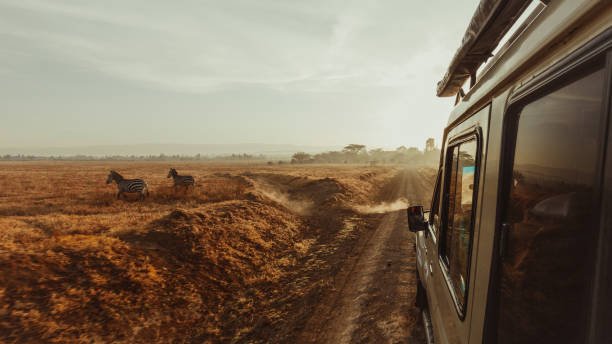

Kilimanjaro Lemosho and Safari From Moshi: The Ultimate Planning Guide
The dream of standing atop Africa’s highest peak, Mount Kilimanjaro, followed by an exhilarating safari across Tanzania’s iconic landscapes, is a journey many travelers aspire to. For those seeking a well-rounded experience, combining the Lemosho route for Kilimanjaro with a subsequent safari, all beginning from the vibrant town of Moshi, offers a logical and deeply rewarding adventure. This guide provides a comprehensive look at planning your Kilimanjaro Lemosho and safari from Moshi, covering everything from initial considerations to the practicalities of booking and execution for your 2026-2027 travels.
Kilimanjaro Lemosho and Safari From Moshi: Quick Facts
| Aspect | Details |
|---|---|
| Kilimanjaro Route | Lemosho (known for its scenic beauty and high success rates) |
| Starting Point (Trek) | Moshi, Tanzania |
| Trek Duration | Typically 7-8 days for Lemosho |
| Safari Starting Point | Moshi or Arusha |
| Common Safari Destinations | Serengeti National Park, Ngorongoro Crater, Tarangire National Park, Lake Manyara National Park |
| Safari Duration | Typically 3-5 days |
| Best Time to Travel | January-March and June-October (dry seasons) |
| Key Considerations | Altitude acclimatization, physical fitness, appropriate gear, experienced guides, booking in advance |
| Target Years | 2026, 2027, 2028 |
Table of Contents
- Overview of Kilimanjaro Lemosho and Safari from Moshi
- Why Choose the Lemosho Route and Safari from Moshi?
- Best Time to Trek Kilimanjaro Lemosho and Safari
- Kilimanjaro Lemosho Route: A Step-by-Step Itinerary
- Tanzania Safari Options from Moshi
- What to Expect on Kilimanjaro (Lemosho Route)
- What to Expect on Your Tanzania Safari
- Essential Preparation and Packing List
- Physical Fitness for Kilimanjaro and Safari
- Common Mistakes to Avoid
- Who is This Kilimanjaro Lemosho and Safari Trip Best For?
- Alternatives to the Lemosho Route
- Planning Your Kilimanjaro Lemosho and Safari for 2026-2027
- Booking Your Kilimanjaro Lemosho and Safari Tour
- Frequently Asked Questions
- Begin Your Kilimanjaro Lemosho and Safari Adventure
Overview of Kilimanjaro Lemosho and Safari from Moshi
Moshi, a bustling town nestled at the foothills of Mount Kilimanjaro, serves as the primary gateway for many Kilimanjaro expeditions and a convenient starting point for Tanzania’s renowned safaris. The Lemosho route is widely regarded as one of the most beautiful and successful paths to the summit of Kilimanjaro. It offers a gradual ascent, allowing for better acclimatization, and traverses diverse landscapes, from lush rainforests to stark alpine deserts. Following your Kilimanjaro climb, transitioning to a safari from the same region minimizes travel time and logistical complexities. This integrated approach allows you to experience the raw power of nature on the mountain and the breathtaking wildlife spectacles of the African savanna in a single, unforgettable journey.
This combination is particularly appealing for travelers who want to maximize their time in Tanzania, experiencing two of its most iconic offerings. The Lemosho route’s longer duration (typically 7-8 days) enhances acclimatization, a critical factor for summit success and overall enjoyment of the trek. Afterward, a safari adventure typically lasts between 3 to 5 days, exploring the Northern Circuit’s famous parks like the Serengeti, Ngorongoro Crater, Tarangire, and Lake Manyara. Starting and ending this adventure from Moshi or the nearby city of Arusha streamlines transfers and operations, making it a practical choice for many international visitors.
Why Choose the Lemosho Route and Safari from Moshi?
Several compelling reasons make the Lemosho route combined with a safari, originating from Moshi, an excellent choice for your Tanzanian adventure:
- Scenic Beauty of Lemosho: The Lemosho route is celebrated for its stunning vistas. It starts on the western side of Kilimanjaro, offering panoramic views of the mountain and the surrounding plains. The early days traverse pristine montane forests and offer opportunities to spot wildlife.
- Higher Success Rates: Due to its longer duration and gradual ascent profile, the Lemosho route typically allows for better acclimatization. This is a crucial factor in increasing the chances of reaching Uhuru Peak safely and comfortably.
- Less Crowded Start: Compared to some other routes, the initial days of Lemosho are generally less crowded, providing a more serene trekking experience.
- Logistical Convenience from Moshi: Moshi is the hub for most Kilimanjaro operations. It’s where you’ll arrange your trek, meet your guides, and often begin your briefings. Its proximity to Arusha Airport (ARK) and Kilimanjaro International Airport (JRO) makes arrivals and departures efficient.
- Seamless Transition to Safari: After descending Kilimanjaro, you’ll likely be based in Moshi or Arusha. This positions you perfectly to begin your safari without extensive travel. Tour operators based in these towns specialize in both trekking and safari packages, allowing for a coordinated and often more cost-effective booking.
- Diverse Tanzanian Experience: This combination provides a profound contrast – the challenge and solitude of high-altitude trekking followed by the excitement of wildlife encounters in world-renowned national parks.
- Comprehensive Tour Operator Support: Reputable tour operators in Moshi and Arusha are experienced in managing both Kilimanjaro treks and safaris, ensuring a well-organized and safe expedition from start to finish.
Best Time to Trek Kilimanjaro Lemosho and Safari
Tanzania experiences distinct dry and wet seasons, which significantly impact trekking conditions on Kilimanjaro and wildlife viewing on safari. For the best experience combining the Lemosho route and a safari, aim for the dry seasons:
Kilimanjaro Lemosho & Safari: Ideal Travel Seasons
| Season | Months | Kilimanjaro Conditions | Safari Conditions | Notes |
|---|---|---|---|---|
| Dry Season 1 (Long Rains End) | June – October | Clear skies, cool temperatures, dry trails. Can be windy and cold at higher altitudes. Generally considered the best time for trekking. | Excellent wildlife viewing as animals congregate around water sources. Vegetation is less dense. Peak safari season. | Popular months mean more trekkers and higher prices. Book well in advance for 2026-2027. |
| Short Rains / Shoulder Season | November – December | Intermittent short rains, can be humid. Trails can be muddy. Less crowded. | Rains are usually brief, can offer dramatic skies and lush landscapes. Good for birdwatching. | Good value, fewer crowds. Rain is usually not a complete deterrent. |
| Dry Season 2 (Short Rains End) | January – March | Warmest temperatures, dry conditions. Clear skies are common. | Excellent game viewing. The Great Migration may be calving in the southern Serengeti (Jan-Feb). | Another peak season, especially for safari. Good for trekking too. |
| Wet Season (Long Rains) | April – May | Heavy rainfall, frequent cloudy days. Trails can be very muddy, slippery, and prone to landslides. Higher risk of illness. Not recommended for trekking. | Landscapes are lush and green. Fewer tourists, lower prices. Wildlife is dispersed. Roads can be challenging. | Generally avoided for Kilimanjaro treks. Safari can be an option for budget travelers who don’t mind rain. |
For a Kilimanjaro Lemosho and safari from Moshi, the periods from June to October and January to March are ideal. These months offer the most favorable weather conditions for both activities.
Kilimanjaro Lemosho Route: A Step-by-Step Itinerary
The Lemosho route is typically offered in durations of 7 or 8 days. The 8-day version provides an extra day for acclimatization, significantly improving your chances of success and enjoyment. Here is a sample 8-day Lemosho route itinerary:
Sample 8-Day Lemosho Route Itinerary
-
Day 1: Londorossi Gate to Mti Mkubwa Camp
After breakfast in Moshi, you’ll be driven to the Londorossi Gate (approx. 2-3 hours). After park formalities, you’ll begin a 2-3 hour hike through the rainforest to Mti Mkubwa Camp (2,895m / 9,500ft). Keep an eye out for Colobus monkeys and diverse birdlife.
-
Day 2: Mti Mkubwa Camp to Shira 2 Camp
Continue trekking for 4-6 hours, ascending out of the rainforest into the moorland zone. The trail offers increasingly spectacular views. You’ll reach Shira 1 Camp (3,500m / 11,500ft) for lunch, then continue to Shira 2 Camp (3,850m / 12,630ft), situated on a plateau with stunning vistas.
-
Day 3: Shira 2 Camp to Barranco Camp
A day of acclimatization and scenic beauty. You’ll trek eastwards across the Shira plateau for 5-7 hours, with a gradual ascent towards Kilimanjaro’s southern glaciers. You’ll reach Barranco Camp (3,970m / 13,025ft) with views of the iconic Barranco Wall.
-
Day 4: Barranco Camp to Karanga Camp
Today involves crossing the formidable Barranco Wall. This is a challenging but rewarding scramble, not technical climbing. After descending the wall, you’ll trek through alpine desert to Karanga Camp (4,200m / 13,780ft) for the night (4-5 hours).
-
Day 5: Karanga Camp to Barafu Camp
A shorter but steep day of trekking, ascending through alpine desert. You’ll reach Barafu Camp (4,640m / 15,220ft), the base camp for your summit attempt. You’ll rest and prepare for the summit push after an early dinner.
-
Day 6: Summit Day! Barafu Camp to Uhuru Peak and Mweka Camp
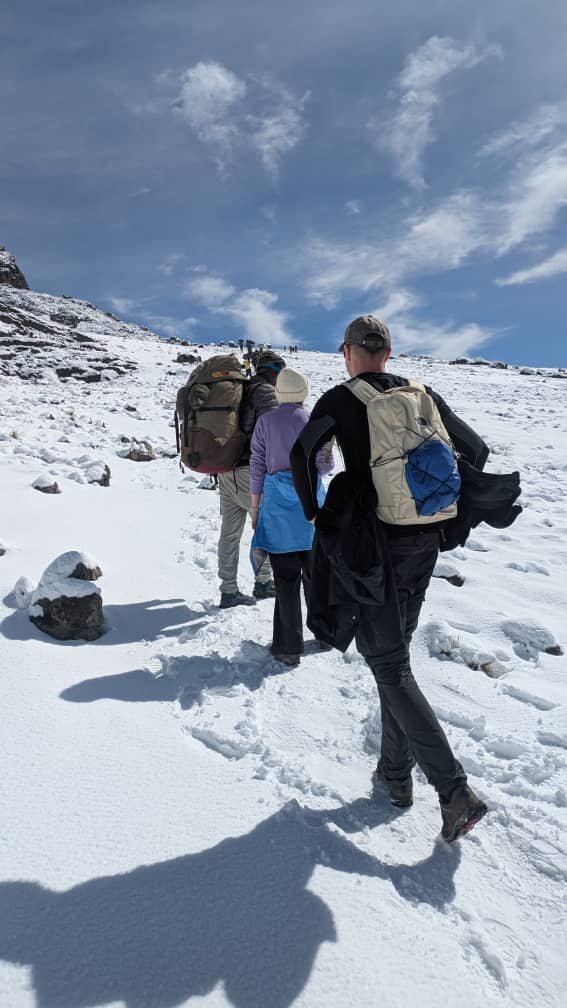
The summit night begins around midnight. You’ll trek slowly up steep scree slopes towards Stella Point (5,756m / 18,885ft) on the crater rim, arriving around sunrise. Continue for another 1-2 hours to Uhuru Peak (5,895m / 19,341ft), the highest point in Africa. After celebrating, you’ll descend back to Barafu Camp for a short rest, then continue down to Mweka Camp (3,100m / 10,170ft) for the night (10-15 hours total).
-
Day 7: Mweka Camp to Mweka Gate and Moshi
A gentle descent through the rainforest for 3-4 hours brings you to Mweka Gate (1,640m / 5,380ft). Here, you’ll receive your summit certificates. You’ll then be transferred back to your hotel in Moshi for a well-deserved rest and celebration.
-
Day 8: Rest Day or Safari Transfer
Enjoy a relaxing day in Moshi, or prepare for your onward journey. Many opt to begin their safari adventure today, or the following morning.
Tanzania Safari Options from Moshi
After your Kilimanjaro Lemosho and safari from Moshi, you can choose from various safari itineraries. The most popular circuit for a short to medium-length safari is the Northern Circuit, easily accessible from Moshi/Arusha.
Popular Tanzania Northern Circuit Safari Itineraries
| Duration | Parks Included | Highlights | Typical Starting Point |
|---|---|---|---|
| 3 Days | Lake Manyara, Tarangire | Tree-climbing lions (Manyara), large elephant herds (Tarangire), diverse birdlife. | Moshi/Arusha |
| 4 Days | Lake Manyara, Tarangire, Ngorongoro Crater | Includes the unique Ngorongoro Crater, a UNESCO World Heritage site teeming with wildlife. | Moshi/Arusha |
| 5 Days | Tarangire, Lake Manyara, Ngorongoro Crater, Serengeti (Central) | Extends into the vast Serengeti plains, offering incredible game viewing and the chance to see the Great Migration (season dependent). | Moshi/Arusha |
| 6+ Days | Tarangire, Lake Manyara, Ngorongoro Crater, Serengeti (multiple areas), optional: Maasai Mara (Kenya border) or Lake Natron | Deeper exploration of Serengeti, varied landscapes, more opportunities for unique sightings. | Moshi/Arusha |
The Serengeti National Park is world-famous for its vast plains and the annual Great Migration of wildebeest and zebras. The Ngorongoro Crater, a collapsed volcano caldera, offers an unparalleled density of wildlife, including the Big Five, in a contained ecosystem. Tarangire National Park is known for its large elephant herds and baobab trees, while Lake Manyara National Park is famed for its tree-climbing lions and diverse birdlife.
What to Expect on Kilimanjaro (Lemosho Route)
Trekking Kilimanjaro, especially the Lemosho route, is a significant physical and mental challenge. Understanding what lies ahead is crucial for preparation.
- Altitude Sickness: This is the most significant risk. Symptoms can range from mild headaches and nausea to severe conditions like HAPE and HACE. The Lemosho route’s gradual ascent and the inclusion of acclimatization days are designed to mitigate this. Listen to your body and your guides.
- Physical Demands: While you don’t need to be an elite athlete, good cardiovascular fitness is essential. Days involve 5-10 hours of walking, often uphill, on varied terrain. The summit night is particularly grueling, with a long, steep ascent in the cold and dark.
- Weather: Kilimanjaro’s weather is unpredictable and changes rapidly with altitude. Expect everything from hot and humid conditions in the rainforest to freezing temperatures, strong winds, and snow at the summit.
- Camping: The Lemosho route is a camping trek. You’ll sleep in tents, and a dedicated crew will set up camp, cook meals, and carry your gear. Basic but comfortable facilities are provided.
- Guides and Porters: You will be accompanied by a team of experienced guides, cooks, and porters. They are trained in first aid, mountain rescue, and responsible tourism. Your guides are your lifeline and your source of information.
- Scenery: The Lemosho route offers breathtaking and diverse scenery. You’ll pass through rainforest, moorland, alpine desert, and arctic zones, with spectacular views of the surrounding plains and the mountain’s volcanic features.
- Food: Your crew will prepare nutritious and varied meals, typically served in a mess tent. Expect a mix of local and international dishes, including porridge, eggs, pasta, rice, chicken, vegetables, and fruits.
What to Expect on Your Tanzania Safari
A Tanzanian safari is a completely different, yet equally awe-inspiring, experience. After the physical exertion of Kilimanjaro, the safari offers a chance to relax, observe, and be amazed by the wildlife.
- Wildlife Encounters: Tanzania is home to an incredible diversity of wildlife. You can expect to see elephants, lions, leopards, cheetahs, rhinos, giraffes, zebras, wildebeest, hippos, crocodiles, and a vast array of bird species. The Great Migration in the Serengeti is a spectacular phenomenon if timed correctly.
- Game Drives: Safaris are conducted in specially adapted 4×4 safari vehicles with pop-up roofs, allowing for excellent viewing and photography opportunities. Your experienced driver-guide will use their knowledge to find the best wildlife sightings.
- Accommodation: Safari accommodation ranges from comfortable tented camps that offer a rustic yet luxurious experience, to lodges with more amenities. Options cater to various budgets and preferences.
- Scenery: The landscapes are as varied as the wildlife, from the endless plains of the Serengeti to the unique ecosystem of the Ngorongoro Crater and the baobab-dotted savannas of Tarangire.
- Guides: Your safari guide is a wealth of knowledge about animal behavior, local flora, and fauna. They are trained to spot animals and ensure a safe and informative experience.
- Pace: Safaris are generally more relaxed than trekking. Days involve early morning game drives, returning to camp for lunch and a midday rest, followed by afternoon game drives.
Essential Preparation and Packing List
Thorough preparation and the right gear are vital for a successful Kilimanjaro Lemosho and safari trip.
Kilimanjaro Lemosho & Safari Packing Checklist
On the Mountain (Kilimanjaro)
- Clothing:
- Moisture-wicking base layers (thermals)
- Mid-layer fleece jackets or down jacket
- Waterproof and windproof outer shell jacket and pants
- Insulated, waterproof gloves or mittens
- Warm hat (beanie)
- Sun hat with a wide brim
- Hiking socks (wool or synthetic, several pairs)
- Camp clothes (comfortable trousers, t-shirts)
- Gaiters (to keep debris out of boots)
- Footwear:
- Broken-in hiking boots (waterproof and sturdy)
- Camp shoes or sandals (lightweight)
- Gear:
- Backpack (40-60 liters, for personal items)
- Duffel bag (80-100 liters, for porters to carry)
- Sleeping bag (rated to -10°C / 0°F or colder)
- Sleeping bag liner (for extra warmth and hygiene)
- Trekking poles (highly recommended for ascents and descents)
- Headlamp with extra batteries
- Water bottles or hydration reservoir (at least 3 liters capacity)
- Water purification tablets or filter
- Sunscreen (SPF 30+) and lip balm with SPF
- Sunglasses (UV protection)
- Personal first-aid kit (including blister treatment, pain relievers, personal medications)
- Toiletries (biodegradable soap, toothbrush, toothpaste, wet wipes)
- Quick-drying towel
- Snacks (energy bars, nuts, dried fruit)
- Camera and spare batteries/power bank
- Book or journal
- Small amount of cash for tips
- Documents:
- Passport and visa
- Travel insurance details
- Yellow Fever vaccination certificate (if required)
On Safari
- Lightweight, neutral-colored clothing (khaki, beige, green)
- Long-sleeved shirts and trousers (for sun and insect protection)
- T-shirts and shorts
- Sweater or fleece for cooler evenings/early mornings
- Comfortable walking shoes or sneakers
- Sandals or flip-flops for camp/lodge
- Sunscreen, hat, sunglasses
- Insect repellent
- Binoculars (highly recommended)
- Camera with zoom lens
- Personal medications
- Small backpack for day use
Pre-trip Preparation:
- Fitness Training: Start a consistent fitness program at least 3-6 months before your trek. Focus on cardiovascular endurance (hiking, running, cycling) and strength training, especially for your legs and core.
- Gear Testing: Ensure your hiking boots are well broken in. Test your backpack and other gear to make sure they are comfortable and functional.
- Medical Check-up: Consult your doctor about altitude sickness medication (like Diamox) and any other health concerns. Get necessary vaccinations.
- Travel Insurance: Ensure your policy covers high-altitude trekking and emergency evacuation.
Physical Fitness for Kilimanjaro and Safari
Kilimanjaro: The primary requirement for Kilimanjaro is good cardiovascular fitness. You don’t need to be an experienced mountaineer, but you should be able to walk for extended periods (5-10 hours) on uneven terrain, uphill, with a daypack. Training should include:
- Hiking: Regular hikes, ideally with elevation gain, carrying a weighted backpack.
- Cardio: Running, cycling, swimming, or using an elliptical machine 3-4 times a week.
- Strength Training: Focus on legs (squats, lunges), core (planks, twists), and back muscles.
Safari: Physical fitness is not a major concern for safaris. The main activities involve getting in and out of vehicles and walking short distances. However, being able to handle long days in a vehicle and the heat is beneficial.
Common Mistakes to Avoid
Many trekkers and safari-goers make common errors that can detract from their experience. Be aware of these:
- Insufficient Training: Underestimating the physical demands of Kilimanjaro is a frequent mistake.
- Poor Acclimatization: Rushing the ascent or ignoring symptoms of altitude sickness can lead to serious problems or forced descent.
- Inadequate Gear: Trekking in cotton, wearing un-broken-in boots, or not having adequate warm layers can lead to discomfort, blisters, or hypothermia.
- Dehydration: Not drinking enough water is a common oversight that exacerbates altitude sickness.
- Choosing the Wrong Operator: Opting for the cheapest operator can mean compromising on safety, guide quality, equipment, and ethical treatment of porters.
- Overpacking for the Trek: While you need essentials, porters have weight limits. Pack smart and light.
- Ignoring Environmental Guidelines: Not following Leave No Trace principles on the mountain or respecting wildlife viewing rules on safari.
- Not Booking in Advance: Especially for peak seasons in 2026 and 2027, popular lodges and permits get booked up quickly.
Who is This Kilimanjaro Lemosho and Safari Trip Best For?
This combined Kilimanjaro Lemosho and safari trip from Moshi is ideal for:
- Adventurous Travelers: Those seeking a blend of physical challenge and wildlife exploration.
- Nature Enthusiasts: Individuals who appreciate diverse landscapes, from alpine environments to savanna ecosystems.
- First-Time Kilimanjaro Climbers: The Lemosho route is often recommended for its scenic beauty and higher success rates due to better acclimatization.
- Travelers with Limited Time: This itinerary efficiently combines two major Tanzanian highlights, maximizing a typical 10-14 day trip.
- Those Seeking a Complete Tanzanian Experience: It offers a taste of the country’s most iconic natural wonders.
- Travelers Prioritizing Scenery and Acclimatization: The Lemosho route’s gradual ascent and stunning views are a significant draw.
It is generally not suitable for individuals with severe mobility issues, very young children, or those who are not prepared for the physical and environmental challenges of high-altitude trekking.
Alternatives to the Lemosho Route
While Lemosho is an excellent choice, other Kilimanjaro routes offer different experiences:
Kilimanjaro Route Comparison
| Route | Duration (Days) | Scenery | Acclimatization | Crowds | Success Rate |
|---|---|---|---|---|---|
| Marangu (Coca-Cola Route) | 5-6 | Less scenic, mostly forest and alpine desert. Hut accommodation. | Poorest | High | Lower |
| Machame (Whiskey Route) | 6-7 | Very scenic, varied terrain. Camping. | Good | High | Good |
| Lemosho | 7-8 | Most scenic, diverse landscapes. Camping. | Excellent | Moderate (starts low) | Highest |
| Shira | 6-8 | Similar to Lemosho but starts at higher altitude. Camping. | Good (but higher start) | Moderate | Good |
| Northern Circuit | 9-10 | Most scenic, traverses entire mountain. Camping. | Best | Lowest | Highest |
| Rongai | 6-7 | Drier side of the mountain, less varied initially. Camping. | Moderate | Low (approaches from north) | Good |
For those who prefer not to trek Kilimanjaro, or want a purely wildlife-focused trip, a Tanzania safari from Moshi can be booked independently. Alternatively, consider combining a Zanzibar beach holiday with a safari.
Planning Your Kilimanjaro Lemosho and Safari for 2026-2027
Planning your adventure for 2026-2027 requires foresight, especially if you aim for peak seasons. Here’s a strategic approach:
- Book Early: For the prime trekking months (June-Oct 2026, Jan-Mar 2027), secure your spot 6-12 months in advance. This ensures availability of permits, guides, and preferred accommodation for your safari portion.
- Choose a Reputable Operator: Research tour companies based in Moshi or Arusha. Look for those with strong safety records, experienced guides, fair porter treatment, and positive reviews. Request detailed itineraries and inclusions.
- Select Your Trek Duration: An 8-day Lemosho trek is highly recommended over a 7-day one for better acclimatization and a more enjoyable experience.
- Customize Your Safari: Decide on the parks you want to visit and the duration of your safari. Discuss your interests (e.g., specific animals, photography) with your operator to tailor the itinerary.
- Budget Accordingly: Factor in the costs for the trek, safari, flights, visas, vaccinations, gear rental, tips, and personal expenses. Quality operators are not the cheapest, but they offer better value and safety.
- Health Preparations: Consult your doctor 2-3 months before departure regarding vaccinations and altitude sickness medication for your 2026-2027 trip.
- Visa and Passport: Ensure your passport is valid for at least six months beyond your intended stay and that you have the necessary visa for Tanzania.
Booking Your Kilimanjaro Lemosho and Safari Tour
When booking your Kilimanjaro Lemosho and safari package, consider the following:
- Direct Communication: Contact tour operators directly via email or WhatsApp. This allows for personalized service and clarification of details.
- Inclusions and Exclusions: Clearly understand what is included in your package. Typically, Kilimanjaro packages include park fees, guide and porter salaries, food, tents, and transfers. Safari packages usually include park fees, vehicle, guide, accommodation, and meals. Flights, tips, personal gear, and visas are usually extra.
- Safety Standards: Inquire about emergency procedures, oxygen cylinder availability, and guide training. Reputable operators prioritize safety.
- Porter Welfare: Ensure the operator adheres to ethical trekking guidelines, ensuring porters are treated fairly regarding wages, food, and gear.
- Payment Schedule: Most operators require a deposit to confirm your booking, with the balance due closer to your departure date.
- Flexibility: Discuss options for customizing your itinerary. Can you add an extra day to the trek? Are there specific lodges or camps you prefer for the safari?
- Travel Insurance: Confirm your policy covers high-altitude trekking and emergency evacuation. Provide your operator with your policy details.
For a reliable and well-organized Kilimanjaro Lemosho and safari from Moshi, consider reaching out to experienced local operators.
Contact Us for Your Adventure
Ready to plan your unforgettable Kilimanjaro Lemosho and safari from Moshi for 2026 or 2027? We specialize in creating tailor-made adventures that balance challenge with incredible experiences. Get in touch for expert advice and a personalized quote.
WhatsApp: +255747477898
Email: climb4africa@gmail.com
Backup Email: climb4africa@gmail.com
Frequently Asked Questions
FAQs about Kilimanjaro Lemosho and Safari from Moshi
Q1: How difficult is the Lemosho route compared to other Kilimanjaro routes?
A1: The Lemosho route is considered one of the more scenic and gradual routes, offering excellent acclimatization opportunities. While still challenging due to altitude, its longer duration (7-8 days) generally leads to higher success rates and a more comfortable experience for many trekkers compared to shorter, steeper routes like Marangu or Machame (6 days).
Q2: What is the best time of year for Kilimanjaro Lemosho and Safari in 2026-2027?
A2: The prime seasons for both trekking Kilimanjaro Lemosho and going on safari in Tanzania are the dry periods: June to October and January to March. These months offer clear skies, minimal rain, and good visibility, making them ideal for both mountain climbing and wildlife viewing.
Q3: Do I need to be an experienced hiker to do the Lemosho route?
A3: You do not need to be an experienced mountaineer, but good cardiovascular fitness is essential. The Lemosho route requires endurance for long days of walking (5-10 hours) at altitude. Consistent training focusing on hiking and cardio for several months prior is highly recommended.
Q4: How long should my safari be after climbing Kilimanjaro?
A4: A 3-5 day safari is common and allows you to visit key parks like the Serengeti and Ngorongoro Crater. A 3-day trip might cover Lake Manyara and Tarangire, while a 4-day trip would typically add the Ngorongoro Crater. For more in-depth exploration, especially of the Serengeti, consider 5-7 days.
Q5: What is the typical cost for a Kilimanjaro Lemosho and Safari package?
A5: Prices vary significantly based on the operator’s quality, inclusions, and the length of the trek and safari. Generally, expect to pay more for reputable operators who prioritize safety and ethical practices. A combined Kilimanjaro Lemosho trek (8 days) and a 4-day safari package from a quality operator could range from $2500 to $5000+ per person, excluding international flights.
Q6: What are the main risks of climbing Kilimanjaro?
A6: The primary risk is altitude sickness, which can range from mild symptoms to life-threatening conditions (HAPE and HACE). Other risks include weather exposure (cold, wind, rain), injuries from falls, and exhaustion. Proper acclimatization, experienced guides, and carrying necessary safety equipment (like oxygen) are crucial.
Q7: Can I combine Kilimanjaro Lemosho and Safari with a Zanzibar trip?
A7: Absolutely. Many travelers combine a Kilimanjaro trek and safari with a relaxing beach holiday in Zanzibar. This requires a longer trip, typically 14-21 days, and involves domestic flights between the safari airstrip/Arusha and Zanzibar.
Q8: What is the role of porters on Kilimanjaro?
A8: Porters are essential members of the trekking team. They carry the majority of your gear (in duffel bags), tents, food, and cooking equipment, allowing you to focus on walking with just a daypack. Responsible operators ensure porters are well-equipped, fed, and paid fairly.
Q9: How much should I tip the Kilimanjaro and Safari crew?
A9: Tipping is customary and greatly appreciated. For Kilimanjaro, a general guideline for an 8-day trek is around $250-$350 per climber, distributed among guides, assistant guides, cook, and porters. For safari, a guide tip of $20-$30 per day per vehicle is common. Your operator will provide specific recommendations for 2026-2027.
Q10: What kind of accommodation can I expect on safari?
A10: Safari accommodation varies from comfortable mid-range lodges to luxury tented camps and lodges. Tented camps offer an immersive experience with canvas tents on permanent platforms, often with en-suite bathrooms. Lodges typically offer more traditional brick-and-mortar structures with full amenities. The choice depends on your budget and preference.
Begin Your Kilimanjaro Lemosho and Safari Adventure
Combining the majestic Lemosho route trek on Mount Kilimanjaro with an exhilarating safari through Tanzania’s wildlife-rich parks, all orchestrated from the convenient base of Moshi, offers an unparalleled African adventure. This journey promises breathtaking landscapes, incredible wildlife encounters, and a profound sense of accomplishment. Planning is key to ensuring a safe, enjoyable, and memorable experience for your 2026-2027 travels.
We are passionate about creating exceptional travel experiences in Tanzania. Our expertise in Kilimanjaro Lemosho and Safari from Moshi, combined with our commitment to safety and client satisfaction, makes us the ideal partner for your adventure. Let us help you craft the perfect itinerary.
Contact us today to start planning your Kilimanjaro Lemosho and safari from Moshi:
WhatsApp: +255747477898
Email: climb4africa@gmail.com
Backup Email: climb4africa@gmail.com
September Kilimanjaro And Serengeti Migration Safari : Your Ultimate Guide
Combining a Kilimanjaro climb with a Serengeti Migration safari in September offers unparalleled wildlife viewing and trekking opportunities. This guide details the best of both experiences...
View package details
August Kilimanjaro Climb With River-Crossing Safari: Your Ultimate Tanzania
Combine the challenge of climbing Mount Kilimanjaro in August with the thrill of witnessing the Great Migration river crossings on a safari. This guide covers itineraries, routes, packing...
View package details
August Kilimanjaro And Migration Safari: Your Ultimate Tanzania Adventure
Combine a Kilimanjaro trek with witnessing the Great Migration in August for an unforgettable Tanzania adventure. This guide covers everything you need to know for your 2026-2027 trip.
View package details
July Kilimanjaro Climb With Northern Serengeti Safari In 2026-2027
Combine the challenge of climbing Mount Kilimanjaro with the unparalleled wildlife spectacle of a Northern Serengeti safari during July. This guide details everything you need to know for...
View package details
July Kilimanjaro And Great Migration Safari: Expert Guide 2026-2027
Combine a Kilimanjaro ascent with witnessing the Great Migration in Tanzania during July. This guide covers everything from optimal routes and safari lodges to packing lists and essential...
View package detailsJune Kilimanjaro Climb After A Safari: Your Ultimate Guide 2026-2027
Combining a Tanzania safari with a Kilimanjaro climb in June is an unforgettable adventure. This guide covers everything you need to know for a successful 2026-2027 trip, from weather...
View package details
June Kilimanjaro Climb Before A Tanzania Safari In 2026-2027
Combining a Mount Kilimanjaro climb with a Tanzania safari is a dream for many adventurers. June offers excellent conditions for both, making it a prime month to experience these iconic...
View package details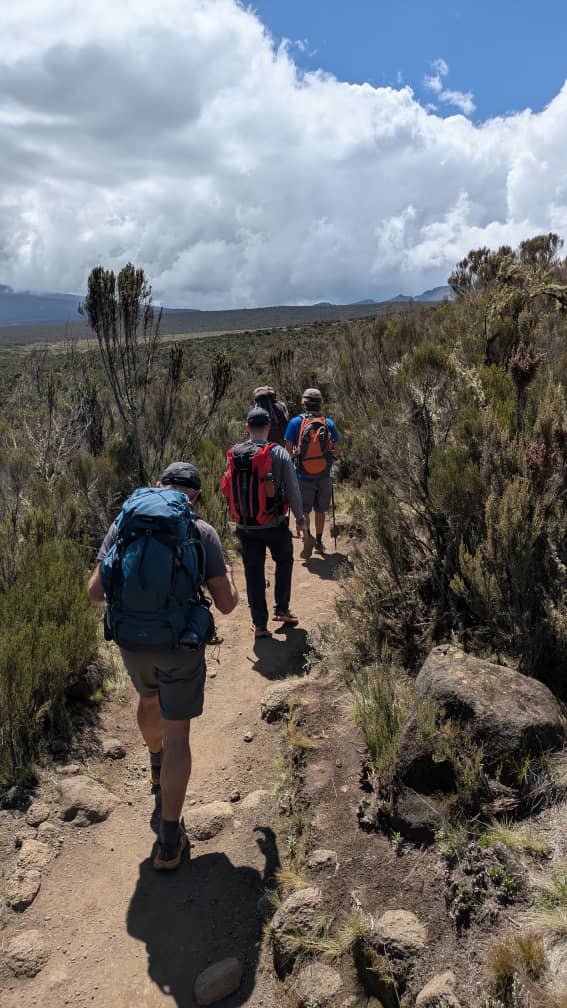
June Kilimanjaro And Serengeti Safari Guide
start a dual adventure in June, conquering Mount Kilimanjaro and experiencing the magic of a Serengeti safari. This guide details the best of Tanzania in June, covering weather, wildlife...
View package details
May Kilimanjaro Climb And Wildlife Safari Guide
Combine the thrill of summiting Mount Kilimanjaro with an unforgettable wildlife safari in Tanzania during May. This guide covers everything you need to know for an epic adventure in...
View package details
8-Day Lemosho Route Kilimanjaro Climb In August 2026-2027
8-Day Lemosho Route Kilimanjaro Climb in August is explained with current 2026-2027 planning, price, itinerary and booking information.
View package details
8-Day Lemosho Route Kilimanjaro Climb In July | Climb 4 Africa 2026-2027
The 8-day Lemosho Route is a highly recommended option for climbing Kilimanjaro in July, offering excellent acclimatization and stunning scenery. This guide covers everything you need to...
View package details8-Day Lemosho Route Kilimanjaro Climb In June | Climb 4 Africa 2026-2027
The 8-day Lemosho Route offers a balanced approach to climbing Kilimanjaro in June, providing excellent acclimatization and stunning scenery. This guide details the itinerary, challenges...
View package detailsNo related package matches those filters. Clear one or more filters to see the other topic-matched options.
Plan your Kilimanjaro Lemosho and Safari From Moshi with Climb 4 Africa
Tell us your travel dates, group size, comfort level, and dream experience. We will help you shape a clear, realistic, and memorable Tanzania itinerary.



