Updated planning guide for 2026, 2027-2028
Camping Safari From Moshi: Best Guide 2026-2027-2028
Discover the magic of a camping safari starting from Moshi. This detailed guide provides everything you need to know for an incredible wildlife adventure in Tanzania, from planning and packing to choosing the right itinerary for 2026-2027.
WhatsApp +255747477898 | climb4africa@gmail.com | climb4africa@gmail.com
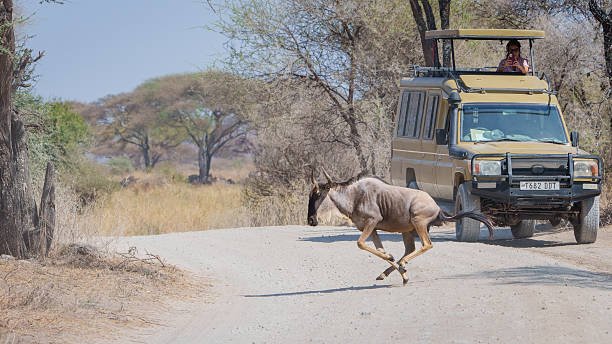
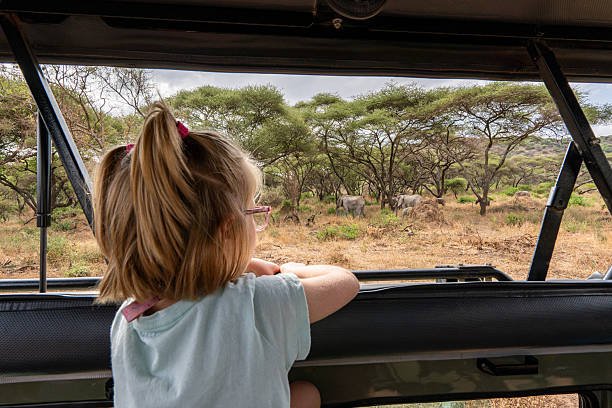
Moshi, a vibrant town nestled at the foot of Mount Kilimanjaro, serves as a pivotal gateway for many Tanzanian adventures. Among the most sought-after experiences is a camping safari from Moshi. This type of safari offers an intimate connection with nature, allowing travelers to sleep under the vast African sky, surrounded by the sounds of the wild. Unlike lodge safaris, camping safaris provide a more raw, authentic, and often more affordable way to explore Tanzania’s world-renowned national parks.
This comprehensive guide is designed for travelers looking to organize their camping safari experience from Moshi. We will cover everything from understanding what a camping safari entails, the best parks to visit, sample itineraries, what to pack, how to choose a reputable tour operator, and essential planning tips for 2026 and 2027. Whether you are a seasoned traveler or embarking on your first African adventure, this guide aims to equip you with the knowledge needed for an unforgettable journey.
Table of Contents
- Quick Facts About Camping Safaris from Moshi
- What Exactly Is a Camping Safari?
- Why Choose Moshi as Your Safari Starting Point?
- Popular National Parks for Camping Safaris from Moshi
- Sample Camping Safari Itineraries from Moshi
- What to Expect on a Camping Safari
- Typical Inclusions and Exclusions
- Packing Essentials for Your Camping Safari
- Preparing for Your Tanzania Camping Safari
- Common Mistakes to Avoid When Planning
- Who is a Camping Safari Best Suited For?
- Alternatives to Camping Safaris
- Planning Your Safari for 2026-2027
- Booking Your Camping Safari from Moshi
- Frequently Asked Questions
Quick Facts About Camping Safaris from Moshi
| Feature | Details |
|---|---|
| Starting Point | Moshi, Tanzania |
| Primary Activity | Wildlife viewing in national parks |
| Accommodation | Tented camps (public or private campsites) |
| Vehicle Type | 4×4 safari vehicle with pop-up roof |
| Typical Duration | 3 days to 10+ days |
| Key Parks Accessible | Serengeti, Ngorongoro Crater, Tarangire, Lake Manyara, Arusha National Park |
| Best Time to Travel | June to October (dry season), January to February (short rains) |
| Budget Level | Generally more budget-friendly than lodge safaris |
What Exactly Is a Camping Safari?
A camping safari, also known as a budget safari or tented safari, is an immersive way to experience Tanzania’s wildlife and landscapes. Instead of staying in permanent lodges or tented camps with en-suite facilities, you’ll be staying in basic, yet comfortable, tents pitched at designated campsites within or near national parks. These campsites can range from public, shared facilities to more exclusive private campsites, depending on your chosen tour operator and budget.
Key characteristics include:
- Accommodation: You’ll sleep in dome tents, usually provided with sleeping mats and sleeping bags. Some operators might offer a comfortable mattress and even bedrolls. Campsites typically have shared ablution blocks with basic toilets and showers.
- Meals: Most camping safaris include meals prepared by a dedicated safari chef or cook. Expect hearty, delicious meals cooked over a campfire or on a portable stove. This communal dining experience is a highlight for many travelers.
- Facilities: While basic, campsites are equipped with essential facilities. You’ll find a common dining area (often a mess tent), a kitchen area for the cook, and the ablution blocks. The tour company provides all camping gear, including tents, sleeping bags, cooking equipment, and coolers.
- Guides and Staff: A professional safari guide will drive you in a specially equipped 4×4 safari vehicle. A cook often accompanies the group to prepare meals and manage the camp.
- Experience: The appeal lies in its authenticity. You are closer to nature, hearing the sounds of the bush at night, and waking up to the sunrise in the heart of the wilderness. It fosters a sense of adventure and camaraderie among fellow travelers.
Why Choose Moshi as Your Safari Starting Point?
Moshi’s strategic location makes it an ideal starting point for exploring northern Tanzania’s iconic safari destinations. Its proximity to Arusha, the main safari hub, and its own unique attractions contribute to its popularity.
- Proximity to Parks: Moshi is relatively close to Arusha National Park and offers convenient access to the road networks leading to Tarangire, Lake Manyara, and the Serengeti.
- Gateway to Kilimanjaro: Many travelers arrive in Moshi to prepare for or recover from climbing Mount Kilimanjaro. This often leads them to extend their trip with a safari, making Moshi a natural starting point.
- Established Infrastructure: As a significant town, Moshi has a range of accommodation options, from budget guesthouses to comfortable hotels, and a well-established tourism sector with many reputable tour operators.
- Cultural Experience: Moshi offers a glimpse into local Tanzanian life, distinct from the more bustling Arusha. You can explore local markets, interact with the Chagga people, and learn about coffee farming.
- Cost-Effectiveness: For some, starting from Moshi might offer slightly more competitive pricing for safari packages compared to directly booking from Arusha, though this depends heavily on the operator.
Popular National Parks for Camping Safaris from Moshi
The Northern Circuit of Tanzania is legendary for its wildlife density and diverse landscapes. A typical camping safari from Moshi will likely include some of these gems:
1. Serengeti National Park
The Serengeti is arguably the most famous safari destination in the world, renowned for its vast plains and the annual Great Migration of wildebeest and zebras. A camping safari here offers unparalleled opportunities to witness large predator-prey interactions and vast herds. Staying in campsites within the Serengeti allows for early morning and late evening game drives when wildlife is most active.
2. Ngorongoro Conservation Area (including the Crater)
The Ngorongoro Crater, a UNESCO World Heritage Site, is a collapsed volcano caldera teeming with wildlife. It’s a unique ecosystem where you can often see the Big Five (lion, leopard, elephant, rhino, buffalo) in a single day. Camping is typically done on the crater rim or just outside the conservation area, offering stunning views and easy access to the crater floor.
3. Tarangire National Park
Famous for its large elephant herds and iconic baobab trees, Tarangire is a must-visit, especially during the dry season (June-October) when animals congregate around the Tarangire River. It’s an excellent park for birdwatching as well. Camping within or near Tarangire provides a tranquil bush experience.
4. Lake Manyara National Park
This park is known for its tree-climbing lions, large troops of baboons, and diverse birdlife, including thousands of flamingos (seasonal). The park is relatively small but offers a varied landscape of groundwater forest, savannah, and lake shores. It’s often included as a shorter stop on longer itineraries.
5. Arusha National Park
Closer to Moshi, Arusha National Park is a beautiful park featuring Mount Meru, the Momella Lakes, and the Ngurdoto Crater. It’s ideal for shorter safaris or as an introductory experience. You can often do walking safaris here (with an armed ranger), which is a unique activity not commonly found in other parks.
Sample Camping Safari Itineraries from Moshi
The duration and specific parks included in a camping safari from Moshi can vary greatly. Here are a few sample itineraries to illustrate the possibilities:
Sample Itinerary 1: 5-Day Northern Circuit Explorer
This is a popular option for those with limited time, covering key highlights.
| Day | Route/Area | Activities | Accommodation Area |
|---|---|---|---|
| Day 1 | Moshi to Tarangire NP | Morning pick-up from Moshi, drive to Tarangire, afternoon game drive. | Campsite near Tarangire |
| Day 2 | Tarangire NP to Serengeti NP | Morning game drive in Tarangire, drive to Serengeti with picnic lunch, stop at Olduvai Gorge (optional). | Campsite in Central Serengeti |
| Day 3 | Serengeti National Park | Full day game drive in Serengeti, exploring different regions based on wildlife movements. | Campsite in Central Serengeti |
| Day 4 | Serengeti NP to Ngorongoro Area | Morning game drive in Serengeti, drive to Ngorongoro Conservation Area, optional visit to Maasai village. | Campsite on Ngorongoro Crater Rim or Karatu |
| Day 5 | Ngorongoro Crater to Moshi | Early morning descent into Ngorongoro Crater for game drive, ascend and drive back to Moshi. | N/A (Return to Moshi) |
Sample Itinerary 2: 7-Day Classic Northern Circuit
This itinerary offers a more in-depth experience of the Serengeti and includes Lake Manyara.
| Day | Route/Area | Activities | Accommodation Area |
|---|---|---|---|
| Day 1 | Moshi to Lake Manyara NP | Pick-up from Moshi, drive to Lake Manyara, afternoon game drive. | Campsite near Lake Manyara |
| Day 2 | Lake Manyara NP to Tarangire NP | Morning game drive in Lake Manyara, drive to Tarangire, afternoon game drive. | Campsite near Tarangire |
| Day 3 | Tarangire NP to Serengeti NP | Morning game drive in Tarangire, drive to Serengeti with picnic lunch, game drive en route. | Campsite in Central Serengeti |
| Day 4 | Serengeti National Park | Full day game drive in Serengeti, focusing on predator sightings and herd movements. | Campsite in Central Serengeti |
| Day 5 | Serengeti National Park (Migration focus) | Full day game drive in Serengeti, potentially moving to different areas to track the Great Migration (seasonal). | Campsite in Serengeti (location depends on migration) |
| Day 6 | Serengeti NP to Ngorongoro Area | Morning game drive in Serengeti, drive to Ngorongoro Conservation Area, optional cultural visit. | Campsite on Ngorongoro Crater Rim or Karatu |
| Day 7 | Ngorongoro Crater to Moshi | Morning game drive in Ngorongoro Crater, ascend and drive back to Moshi. | N/A (Return to Moshi) |
Sample Itinerary 3: 3-Day Arusha & Tarangire Introduction
Ideal for a very short trip or as an add-on to a Kilimanjaro climb.
| Day | Route/Area | Activities | Accommodation Area |
|---|---|---|---|
| Day 1 | Moshi to Arusha National Park | Pick-up from Moshi, drive to Arusha NP, game drive (e.g., Momella Lakes, Ngurdoto Crater), optional walking safari. | Campsite in Arusha NP or nearby |
| Day 2 | Arusha NP to Tarangire NP | Morning drive to Tarangire, afternoon game drive. | Campsite near Tarangire |
| Day 3 | Tarangire NP to Moshi | Morning game drive in Tarangire, drive back to Moshi. | N/A (Return to Moshi) |
What to Expect on a Camping Safari
A camping safari is an adventure that offers a unique perspective on the African wilderness. It’s important to have realistic expectations:
- Proximity to Nature: You are truly in the wild. Expect to hear the sounds of animals at night – lions roaring, hyenas calling, insects buzzing. This is part of the magic.
- Basic Comforts: While tours aim for comfort, facilities are basic. Showers might be cold (though often a welcome refreshment), and toilets are standard bush toilets. The focus is on the experience, not luxury amenities.
- Communal Living: You’ll be sharing tents (if not solo travelers), dining areas, and common spaces with other travelers and the safari crew. It’s a great way to meet people and share experiences.
- Early Mornings: Safaris often start early to catch animals when they are most active. Expect to be up before sunrise for morning game drives.
- Dust and Heat: Tanzania can be dusty and hot, especially during the dry season. Your clothes and gear will likely get dusty.
- No Wi-Fi/Limited Connectivity: Expect limited or no internet access and phone signal at campsites. This is an opportunity to disconnect and be present.
- Delicious Meals: Safari cooks are skilled at preparing surprisingly gourmet meals with limited resources. Expect fresh ingredients, well-seasoned dishes, and plenty of food.
Typical Inclusions and Exclusions
Understanding what your safari package covers is crucial for budgeting and avoiding surprises. Always confirm with your tour operator.
Common Inclusions:
- All park entrance fees
- Accommodation in tents at campsites
- All meals as per itinerary (usually breakfast, lunch, dinner)
- Drinking water during game drives
- A professional English-speaking safari guide/driver
- A safari chef/cook
- Transportation in a 4×4 safari vehicle with pop-up roof
- Crater service fees (for Ngorongoro)
- Government taxes and levies
- Game drives as specified in the itinerary
Common Exclusions:
- International flights
- Visa fees
- Travel insurance (mandatory)
- Gratuities for guide, cook, and other staff
- Soft drinks, alcoholic beverages, and bottled water (unless specified)
- Personal expenses (souvenirs, laundry, etc.)
- Optional activities (e.g., Maasai village visits, walking safaris unless included)
- Camping gear rental (usually included, but confirm)
- Tips for guides and staff
Packing Essentials for Your Camping Safari
Packing smart is key to enjoying your camping safari. Focus on lightweight, practical items.
Clothing:
- Lightweight Trousers/Hiking Pants: 2-3 pairs. Quick-drying materials are best.
- Shorts: 1-2 pairs, for relaxing at camp or warm days.
- T-shirts/Tops: 4-5. Breathable fabrics.
- Long-sleeved Shirts: 1-2. For sun protection and cooler evenings.
- Fleece Jacket or Warm Sweater: Essential for cool mornings and evenings, especially in the Crater or Serengeti.
- Lightweight Waterproof Jacket: For unexpected rain showers, even in the dry season.
- Underwear and Socks: Plenty of pairs. Wool or synthetic socks are good for hiking.
- Swimsuit: If your accommodation has a pool (unlikely at campsites, but possible in towns).
- Pajamas: Comfortable sleepwear.
Footwear:
- Comfortable Walking Shoes/Hiking Boots: Broken-in and suitable for light walking.
- Sandals or Flip-flops: For wearing around camp.
Gear & Accessories:
- Sun Hat: Wide-brimmed for maximum protection.
- Sunglasses: With UV protection.
- Sunscreen: High SPF.
- Insect Repellent: With DEET or Picaridin.
- Personal First-Aid Kit: Include any personal medications, pain relievers, antiseptic wipes, bandages, blister treatment.
- Camera and Extra Batteries/Memory Cards: You’ll take a lot of photos! A zoom lens is highly recommended.
- Binoculars: Essential for spotting distant wildlife.
- Headlamp or Flashlight: With extra batteries. Crucial for navigating camp at night.
- Reusable Water Bottle: To refill with purified water provided by your tour.
- Power Bank/Portable Charger: For charging electronics when away from power sources.
- Small Backpack/Daypack: For carrying essentials during game drives (water, camera, sunscreen, jacket).
- Dry Bag: To protect electronics and valuables from dust and moisture.
- Toiletries: Biodegradable options are preferred. Travel-sized items.
- Hand Sanitizer: Very useful.
- Wet Wipes: For quick clean-ups.
- Book or Journal: For downtime at camp.
- Adapter: Tanzania uses Type G plugs (UK style).
- Passport, Visa, Copies: Keep copies separate from originals.
- Cash: For tips and small purchases. USD is widely accepted for safari-related payments, but Tanzanian Shilling is useful for local markets.
Note on Tents and Sleeping Gear: Most reputable operators provide tents, sleeping bags, and mats. Confirm this when booking. If you have specific comfort needs, you might consider bringing your own lightweight sleeping bag liner.
Preparing for Your Tanzania Camping Safari
Proper preparation ensures a smooth and enjoyable experience.
1. Health and Vaccinations:
- Consult your doctor or a travel clinic 4-6 weeks before your trip regarding recommended vaccinations (e.g., Yellow Fever, Hepatitis A, Typhoid) and malaria prophylaxis.
- Carry a personal first-aid kit with any necessary prescription medications.
2. Visas:
- Check the visa requirements for your nationality. Many nationalities can obtain a visa on arrival or apply online in advance.
3. Travel Insurance:
- Comprehensive travel insurance is mandatory. Ensure it covers medical emergencies, evacuation, trip cancellation, and lost baggage.
4. Currency:
- The local currency is the Tanzanian Shilling (TZS). US Dollars are widely accepted for safari payments and some tourist purchases, but it’s good to have local currency for smaller expenses. ATMs are available in major towns.
5. Physical Fitness:
- A camping safari does not require extreme fitness. However, being able to walk short distances, get in and out of vehicles, and generally be comfortable with basic camping conditions is beneficial. If you’re combining your safari with Kilimanjaro, your fitness level will be much higher.
6. Cultural Sensitivity:
- Tanzania is a diverse country with rich cultural traditions. Dress modestly when visiting villages or towns. Ask permission before taking photos of people. Be respectful of local customs.
Common Mistakes to Avoid When Planning
Planning a safari can seem daunting. Here are common pitfalls to steer clear of:
- Not Researching Tour Operators Thoroughly: The quality of your safari heavily depends on your operator. Look for reviews, ask for references, and ensure they are licensed and experienced. Don’t just go for the cheapest option.
- Underestimating Durations: Tanzania is vast. Rushing through parks means less time for wildlife viewing. A minimum of 5 days for the Northern Circuit is recommended.
- Ignoring Seasonality: Wildlife viewing and the Great Migration are seasonal. Choose your travel dates based on what you want to see. The dry season offers easier game viewing, while the green season has fewer crowds and stunning landscapes.
- Packing Too Much: Luggage space in safari vehicles is limited. Pack light and stick to essentials. Soft-sided duffel bags are often preferred over hard suitcases.
- Forgetting Essential Gear: Items like binoculars, a good camera with zoom, a headlamp, and insect repellent are crucial and can be hard to replace in remote areas.
- Not Budgeting for Extras: Factor in tips, drinks, souvenirs, and any optional activities. These can add up.
- Ignoring Health Precautions: Not consulting a doctor about vaccinations or malaria prevention can lead to serious health issues.
- Assuming All Camping Safaris Are the Same: There’s a big difference between public campsites and private campsites, and the quality of guides and cooks varies significantly between operators.
Who is a Camping Safari Best Suited For?
Camping safaris from Moshi are an excellent choice for several types of travelers:
- Budget-Conscious Travelers: This is the most affordable way to experience Tanzania’s premier parks.
- Adventure Seekers: Those who enjoy a more rustic, immersive experience and don’t mind basic amenities.
- Nature Enthusiasts: Individuals who want to feel closer to the natural environment and enjoy the sounds and sights of the bush at night.
- Younger Travelers and Backpackers: Often looking for authentic experiences without breaking the bank.
- Groups of Friends: The communal aspect of camping safaris makes them fun for groups.
- Experienced Campers: Those comfortable with basic camping facilities.
- Travelers on Shorter Trips: Shorter itineraries (3-5 days) can be very effective and affordable.
Alternatives to Camping Safaris
If a full camping safari isn’t quite your style, Tanzania offers other safari options:
1. Mid-Range Lodge Safaris:
These safaris involve staying in comfortable lodges or tented camps with private bathrooms, amenities like swimming pools, and restaurants. This offers more comfort and privacy than camping but is more expensive.
2. Luxury Safaris:
For the ultimate comfort and exclusivity, luxury safaris feature high-end lodges, private conservancies, gourmet dining, and personalized service. This is the most expensive option.
3. Fly-in Safaris:
These safaris minimize driving time by flying between national parks. They are very efficient for covering large distances quickly but are significantly more expensive due to the cost of internal flights.
4. Day Trips from Moshi:
If you are based in Moshi and have limited time, day trips to nearby attractions like Arusha National Park or local cultural sites are possible, though they don’t offer the immersive wildlife experience of an overnight safari.
Planning Your Safari for 2026-2027
Booking your camping safari from Moshi for 2026 or 2027 requires timely planning, especially if you have specific dates or wish to travel during peak seasons. Here’s a guide:
1. Book Early:
For peak seasons (June-October 2026/2027), it’s advisable to book 6-12 months in advance. This secures your preferred tour operator, vehicle, and campsites, especially for popular private campsites.
2. Consider the Great Migration:
If witnessing the Great Migration is a priority, research its expected location for your chosen dates in 2026 or 2027. The wildebeest herds move in a predictable, circular pattern throughout the year, typically crossing the Grumeti River (May-July) and the Mara River (July-October) in the northern Serengeti.
3. Weather Patterns:
While the dry season (June-October) is popular for game viewing, the green season (November-May) offers lush landscapes, fewer crowds, and lower prices. The short rains (November-December) can offer good game viewing with occasional showers, while the long rains (March-May) can make some roads impassable and impact wildlife viewing.
4. Flexibility:
Be prepared for some flexibility. Wildlife sightings are never guaranteed, and park conditions or migration movements can influence daily game drives.
5. Tour Operator Selection:
For 2026-2027, prioritize operators with a proven track record for camping safaris. Look for those who emphasize safety, sustainability, and provide experienced guides. Request sample itineraries and compare what’s included.
6. Budgeting:
While camping safaris are budget-friendly, prices can fluctuate. Research general cost ranges for your desired itinerary length and compare quotes from different operators. Be aware of potential price increases for 2026-2027 travel.
Booking Your Camping Safari from Moshi
Choosing the right tour operator is paramount. Here’s how to approach booking:
1. Research and Shortlist Operators:
Look for Tanzanian-based operators who specialize in camping safaris. Check their websites, read independent reviews on platforms like TripAdvisor, and ask for recommendations from fellow travelers or travel forums. TopGuideAdventures is a reputable local operator known for its excellent service and customized camping safari experiences.
2. Request Detailed Itineraries and Quotes:
Once you have a shortlist, request detailed itineraries for your desired dates and duration. Ask for a breakdown of costs, including what is and isn’t included. Be specific about your interests (e.g., birdwatching, photography, specific animals).
3. Ask Questions:
Don’t hesitate to ask numerous questions. Key areas to inquire about include:
- Vehicle maintenance and condition
- Guide experience and qualifications
- Type of campsites used (public vs. private)
- Food quality and dietary accommodations
- Safety protocols
- Group size
- Payment terms and cancellation policy
4. Compare Apples to Apples:
When comparing quotes, ensure they cover the same parks, number of days, and similar inclusions. The cheapest option is not always the best value.
5. Confirm Inclusions and Exclusions:
Double-check what is included in the price. Are park fees, meals, accommodation, water, and guide fees all covered? What about park bed fees (a fee for camping within the park boundaries)?
6. Payment and Confirmation:
Reputable operators typically require a deposit (e.g., 30-50%) to confirm your booking, with the balance due closer to your travel date. Ensure you receive a formal confirmation and booking voucher.
7. Communication:
Good communication is a sign of a reliable operator. They should be responsive to your emails and queries. For direct communication and booking inquiries, you can reach out to TopGuideAdventures via:
- WhatsApp: +255747477898
- Email: climb4africa@gmail.com
- Backup Email: climb4africa@gmail.com
Frequently Asked Questions
What is the difference between public and private campsites on a safari?
Public campsites are managed by the park authorities and are generally more basic, with shared facilities and potentially more people. Private campsites are owned or leased by tour operators, offering more exclusivity, often better facilities, and a more secluded experience. They are typically more expensive but provide a higher level of comfort and privacy.
Is a camping safari safe?
Yes, camping safaris are generally very safe when organized by reputable operators. Guides are trained in wildlife behavior and safety protocols. Campsites are chosen for their safety, and you’ll be advised on how to behave at night (e.g., staying inside your tent after dark unless accompanied by staff). Standard safety precautions apply, similar to any wilderness camping.
What kind of food can I expect on a camping safari?
You can expect delicious, hearty meals prepared by a dedicated safari cook. This typically includes breakfast (eggs, toast, fruit), packed lunches (sandwiches, salads, snacks), and dinners (stews, grilled meats or vegetables, rice, pasta, ugali, served with fresh salads and fruits). Dietary requirements can usually be accommodated if communicated in advance.
Can I do a solo camping safari from Moshi?
Yes, solo travelers can join group camping safaris, which is a great way to share costs and meet people. Alternatively, you can book a private camping safari for yourself, though this will be significantly more expensive than joining a group.
What are the best months for a camping safari in 2026?
The dry season from June to October 2026 is ideal for game viewing as animals congregate around water sources, and the vegetation is less dense. January and February also offer good game viewing with short rains. The peak migration months are typically July to October, with river crossings often occurring between July and September.
How much luggage can I bring on a camping safari?
Luggage space in safari vehicles is limited. Most operators recommend a soft-sided duffel bag weighing no more than 15-20 kg (33-44 lbs). Hard suitcases are often not accepted. Always check your operator’s specific luggage policy.
Do I need to tip the safari crew?
Tipping is customary and highly appreciated for good service. A general guideline is to tip your guide and cook/driver at the end of the safari. Your tour operator can provide specific recommendations, but a common range might be $10-20 per day per traveler for the guide and cook combined, to be divided amongst the crew.
What if I have dietary restrictions?
Most reputable safari operators are very accommodating of dietary restrictions, including vegetarian, vegan, gluten-free, or allergies. You must inform them of your specific needs well in advance when booking your safari.
Is it possible to combine a camping safari with Kilimanjaro trekking?
Absolutely! Moshi is the base for both Kilimanjaro climbs and safaris. Many travelers combine a trek with a safari, often doing the safari after the climb to relax and see wildlife. This is a very popular combination.
Can I charge my electronics at the campsite?
Charging facilities at campsites are usually limited. Some operators might have a power inverter in the safari vehicle for charging during drives, or a generator that runs for a few hours in the evening. It is highly recommended to bring a power bank or portable charger to ensure your devices stay powered.
Ready for Your Adventure?
A camping safari from Moshi offers an unparalleled opportunity to experience the wild heart of Tanzania in an authentic and memorable way. From the vast plains of the Serengeti to the unique ecosystem of the Ngorongoro Crater, this journey promises incredible wildlife encounters and a deep connection with nature.
Don’t let the planning overwhelm you. Our team at Best Tanzania Tour Operator is dedicated to crafting bespoke camping safari experiences that meet your interests and budget. We focus on providing knowledgeable guides, reliable vehicles, and well-organized logistics to ensure your adventure is safe, comfortable, and unforgettable.
Whether you are planning for 2026, 2027, or beyond, we are here to help you create the perfect itinerary. Get in touch with our safari experts today to start planning your dream camping safari from Moshi:
WhatsApp: +255747477898
Email: climb4africa@gmail.com
Backup Email: climb4africa@gmail.com
Let us help you create lasting memories on the plains of Africa.
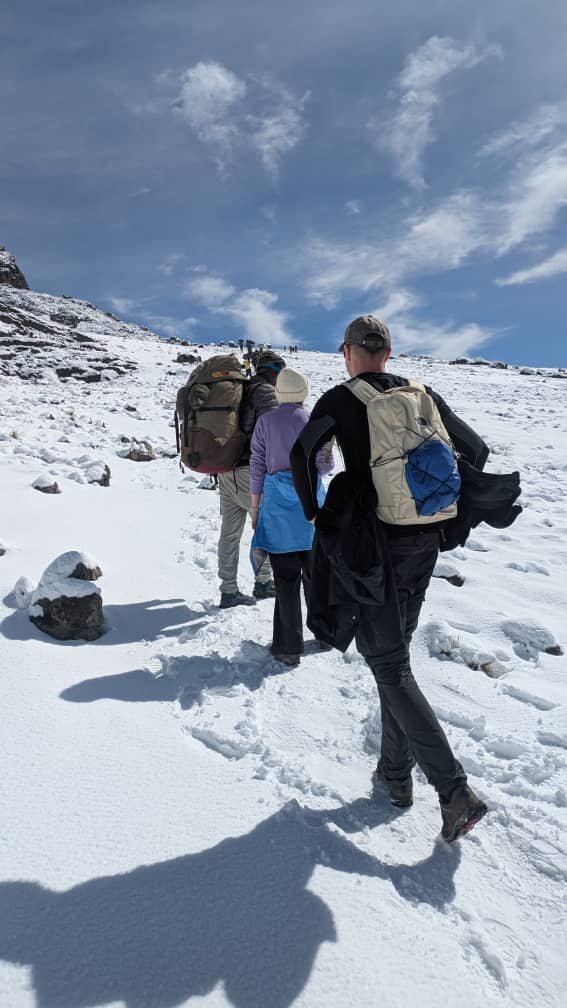
September Kilimanjaro And Serengeti Migration Safari : Your Ultimate Guide
Combining a Kilimanjaro climb with a Serengeti Migration safari in September offers unparalleled wildlife viewing and trekking opportunities. This guide details the best of both experiences...
View package details
August Kilimanjaro Climb With River-Crossing Safari: Your Ultimate Tanzania
Combine the challenge of climbing Mount Kilimanjaro in August with the thrill of witnessing the Great Migration river crossings on a safari. This guide covers itineraries, routes, packing...
View package details
August Kilimanjaro And Migration Safari: Your Ultimate Tanzania Adventure
Combine a Kilimanjaro trek with witnessing the Great Migration in August for an unforgettable Tanzania adventure. This guide covers everything you need to know for your 2026-2027 trip.
View package details
July Kilimanjaro Climb With Northern Serengeti Safari In 2026-2027
Combine the challenge of climbing Mount Kilimanjaro with the unparalleled wildlife spectacle of a Northern Serengeti safari during July. This guide details everything you need to know for...
View package details
July Kilimanjaro And Great Migration Safari: Expert Guide 2026-2027
Combine a Kilimanjaro ascent with witnessing the Great Migration in Tanzania during July. This guide covers everything from optimal routes and safari lodges to packing lists and essential...
View package detailsJune Kilimanjaro Climb After A Safari: Your Ultimate Guide 2026-2027
Combining a Tanzania safari with a Kilimanjaro climb in June is an unforgettable adventure. This guide covers everything you need to know for a successful 2026-2027 trip, from weather...
View package details
June Kilimanjaro Climb Before A Tanzania Safari In 2026-2027
Combining a Mount Kilimanjaro climb with a Tanzania safari is a dream for many adventurers. June offers excellent conditions for both, making it a prime month to experience these iconic...
View package details
June Kilimanjaro And Serengeti Safari Guide
start a dual adventure in June, conquering Mount Kilimanjaro and experiencing the magic of a Serengeti safari. This guide details the best of Tanzania in June, covering weather, wildlife...
View package details
May Kilimanjaro Climb And Wildlife Safari Guide
Combine the thrill of summiting Mount Kilimanjaro with an unforgettable wildlife safari in Tanzania during May. This guide covers everything you need to know for an epic adventure in...
View package detailsNo related package matches those filters. Clear one or more filters to see the other topic-matched options.
Plan your Camping Safari From Moshi with Climb 4 Africa
Tell us your travel dates, group size, comfort level, and dream experience. We will help you shape a clear, realistic, and memorable Tanzania itinerary.



