Updated planning guide for 2026-2027
6-Day Kilimanjaro Machame Route Intensive: Expert Trekking Guide 2026-2027
Your comprehensive guide to the 6-Day Kilimanjaro Machame Route, detailing every aspect from initial planning and preparation to the trek itself and booking advice for 2026-2027. Discover why this route is a favorite for trekkers aiming for Uhuru Peak.
WhatsApp +255616946642 | topguideadventures@gmail.com | info@topguideadventures.com

The 6-Day Kilimanjaro Machame Route Intensive: Your Expert Trekking Guide
The 6-Day Kilimanjaro Machame Route Intensive offers a challenging yet rewarding ascent of Africa’s highest peak. Known for its scenic beauty and relatively high success rates, this route is a popular choice for trekkers seeking a comprehensive Kilimanjaro experience. This guide provides an in-depth look at what to expect, how to prepare, and essential planning details for your 2026-2027 adventure.
Choosing the right Kilimanjaro route is a critical first step in planning your climb. The Machame Route, often called the ‘Whiskey Route’ due to its more challenging nature compared to the ‘Coca-Cola Route’ (Marangu), is celebrated for its stunning vistas and the advantage of ‘climb high, sleep low’ acclimatization principles. The 6-day variation is a condensed version, demanding good physical condition and a focused approach to acclimatization. This intensive itinerary means covering more ground each day, making preparation even more vital.
Table of Contents
- Quick Facts: 6-Day Machame Route
- Route Overview: The Machame Experience
- Why Choose the 6-Day Machame Route Intensive?
- Best Time to Trek the Machame Route (2026-2027)
- Machame Route Area Overview
- Detailed 6-Day Kilimanjaro Machame Route Itinerary
- What to Expect on the Trail
- Acclimatization and Altitude Sickness
- Typical Inclusions and Exclusions
- Packing and Preparation Checklist
- Common Mistakes to Avoid on the Machame Route
- Who is the 6-Day Machame Route Best Suited For?
- Alternatives to the 6-Day Machame Route
- Planning Your 2026-2027 Kilimanjaro Climb
- Booking Your 6-Day Machame Route Trek
- Frequently Asked Questions (FAQs)
- Ready to Climb? Contact Us!
Quick Facts: 6-Day Machame Route
| Feature | Details |
|---|---|
| Route Name | Machame Route |
| Duration | 6 Days / 5 Nights on the mountain |
| Starting Point | Machame Gate (1,800m / 5,900ft) |
| Ending Point | Mweka Gate (1,640m / 5,380ft) |
| Difficulty | Moderate to Difficult |
| Scenery | Excellent, diverse landscapes |
| Acclimatization | Good, with ‘climb high, sleep low’ opportunities |
| Accommodation | Camping |
| Success Rate | Generally higher than shorter routes, but 6-day requires good fitness. |
Route Overview: The Machame Experience
The Machame Route is renowned for its spectacular scenery, traversing diverse ecological zones from lush rainforests to alpine deserts and the arctic summit zone. It is one of the most popular routes due to its excellent acclimatization profile, though the 6-day version is a more rapid ascent than its 7-day counterpart, requiring trekkers to push themselves a bit harder on certain days.
The route begins at Machame Gate, southwest of Kilimanjaro, and ascends through the dense rainforest. You’ll encounter varied terrain, including steep ascents and descents, particularly on the Lava Tower and Barranco Wall sections. The path is generally well-maintained, and the camping spots are strategically located to maximize acclimatization. The 6-day itinerary compresses the typical 7-day Machame into a tighter schedule, meaning longer trekking days or shorter rest periods at some camps.
Why Choose the 6-Day Machame Route Intensive?
The 6-Day Kilimanjaro Machame Route Intensive is chosen by many for several compelling reasons:
- Scenery: It offers some of the most dramatic and varied landscapes on Kilimanjaro, including the Great Barranco Wall and Shira Plateau.
- Acclimatization: While intensive, the route still allows for the ‘climb high, sleep low’ principle, which is crucial for altitude adaptation. The 6-day version maximizes this where possible within the condensed timeframe.
- Success Rates: Generally, Machame has good success rates, and the 6-day variant, when tackled by well-prepared individuals, can be very successful.
- Camping Experience: It’s a camping-only route, offering a more immersive wilderness experience compared to the hut accommodation on the Marangu Route.
- Cost-Effectiveness: While not the cheapest, it often provides good value for the experience and acclimatization benefits.
The intensive nature of the 6-day trek means you’ll cover more ground and potentially have longer trekking days. This route demands a good level of physical fitness and mental fortitude. For those who can manage it, it provides a significant sense of accomplishment in a shorter period.
Best Time to Trek the Machame Route (2026-2027)
Kilimanjaro can be climbed year-round, but certain periods offer more favorable weather conditions. The best times to consider for your 6-Day Kilimanjaro Machame Route Intensive in 2026-2027 are:
- Dry Seasons: January to March and June to October. These months typically have clear skies, less rain, and lower humidity.
- Shoulder Seasons: April, May, and November can be unpredictable with increased chances of rain, especially April and May, which are the wettest months. However, these periods often see fewer crowds and potentially lower prices.
For the 6-Day Kilimanjaro Machame Route Intensive, aiming for the dry seasons in 2026 or 2027 will significantly improve your chances of a comfortable trek and clearer summit views. The months of July, August, and September are particularly popular and offer stable weather.
Machame Route Area Overview
The Machame Route approaches Kilimanjaro from the southwest. The trail is known for its dramatic ascents and descents, offering varied views of the mountain’s landscape.
| Stage | Start | End | Approx. Distance | Approx. Time | Altitude Gain/Loss |
|---|---|---|---|---|---|
| Day 1 | Machame Gate (1,800m) | Machame Camp (3,050m) | ~11 km / 6.8 mi | 5-7 hours | +1,250m / +4,100ft |
| Day 2 | Machame Camp (3,050m) | Shira 2 Camp (3,850m) | ~5 km / 3.1 mi | 4-6 hours | +800m / +2,620ft |
| Day 3 | Shira 2 Camp (3,850m) | Barranco Camp (3,950m) | ~10 km / 6.2 mi | 6-8 hours | +100m / +330ft (via Lava Tower 4,600m) |
| Day 4 | Barranco Camp (3,950m) | Karanga Camp (4,000m) | ~5 km / 3.1 mi | 4-5 hours | +50m / +170ft (over Barranco Wall) |
| Day 5 | Karanga Camp (4,000m) | Barafu Camp (4,650m) | ~4 km / 2.5 mi | 3-5 hours | +650m / +2,130ft |
| Day 6 | Barafu Camp (4,650m) | Uhuru Peak (5,895m) then Mweka Camp (3,100m) | ~17 km / 10.6 mi (summit push) | 7-8 hours to summit, 4-5 hours to Barafu, 3-4 hours to Mweka | +1,245m / +4,085ft (to summit), -2,795m / -9,170ft (to Mweka) |
Detailed 6-Day Kilimanjaro Machame Route Itinerary
This intensive itinerary prioritizes reaching the summit efficiently while attempting to maintain acclimatization. It’s a demanding schedule that requires good preparation.
Day 1: Machame Gate to Machame Camp
Distance: Approximately 11 km / 6.8 miles
Time: 5-7 hours trekking
Altitude Gain: 1,250m / 4,100ft
Description: Your trek begins at Machame Gate (1,800m). After completing park formalities, you’ll enter the dense rainforest. The trail is well-defined but can be muddy. You’ll ascend steadily, listening to the sounds of the forest and looking out for colobus monkeys and various bird species. Your first camp, Machame Camp, is situated at 3,050m, offering your first taste of camping on the mountain.
Day 2: Machame Camp to Shira 2 Camp
Distance: Approximately 5 km / 3.1 miles
Time: 4-6 hours trekking
Altitude Gain: 800m / 2,620ft
Description: Today’s trek takes you out of the rainforest and into moorland. The path is steep in places. You’ll cross a river gorge and continue ascending. You’ll reach Shira 2 Camp (3,850m) which is located on the Shira Plateau, offering spectacular views of the Shira Ridge and Mount Meru in the distance. The shorter distance allows for better acclimatization before reaching higher altitudes.
Day 3: Shira 2 Camp to Barranco Camp
Distance: Approximately 10 km / 6.2 miles
Time: 6-8 hours trekking
Altitude Gain: 100m / 330ft (via Lava Tower)
Description: This is a crucial day for acclimatization. You will ascend towards Lava Tower (4,600m), the highest point of the day, before descending to Barranco Camp (3,950m). This ‘climb high, sleep low’ strategy is vital. The landscape becomes more alpine desert-like. The descent to Barranco Camp is significant, helping your body adjust to the altitude. This day is often considered one of the most scenic.
Day 4: Barranco Camp to Karanga Camp
Distance: Approximately 5 km / 3.1 miles
Time: 4-5 hours trekking
Altitude Gain: 50m / 170ft
Description: Today’s highlight is the ascent of the Great Barranco Wall, a challenging but rewarding scramble. Reaching the top offers magnificent views. After the scramble, you’ll trek across alpine desert terrain towards Karanga Camp (4,000m), situated in a valley. This is another day where the short distance aids acclimatization, allowing your body to recover and prepare for the final push.
Day 5: Karanga Camp to Barafu Camp
Distance: Approximately 4 km / 2.5 miles
Time: 3-5 hours trekking
Altitude Gain: 650m / 2,130ft
Description: This is the final approach to the summit zone. You’ll trek across a barren, rocky landscape. The ascent to Barafu Camp (4,650m) is steady. Barafu Camp is exposed and windy, serving as the base for your summit attempt. You’ll have an early dinner and rest for a few hours before beginning the summit climb late in the evening.
Day 6: Summit Attempt and Descent to Mweka Camp
Distance: Approximately 17 km / 10.6 miles (summit push)
Time: 7-8 hours to summit, 4-5 hours to Barafu, 3-4 hours to Mweka
Altitude Gain: 1,245m / 4,085ft (to summit)
Altitude Loss: 2,795m / 9,170ft (to Mweka)
Description: The summit night begins around midnight. You’ll ascend steeply towards Stella Point (5,756m) on the crater rim, often in the dark, using headlamps. From Stella Point, you’ll continue along the crater rim to Uhuru Peak (5,895m), the highest point in Africa. Witnessing the sunrise from the summit is an unforgettable experience. After celebrating your achievement, you’ll descend back to Barafu Camp for a short rest before continuing the long descent to Mweka Camp (3,100m) through the alpine and moorland zones. This is a very long and tiring day.
What to Expect on the Trail
Trekking the 6-Day Kilimanjaro Machame Route Intensive involves a range of experiences:
- Terrain: Expect varied terrain, from muddy rainforest paths and rocky scree to exposed alpine deserts and the frozen, windswept summit zone.
- Weather: Weather can change rapidly. You might experience sunshine, rain, mist, and even snow, especially at higher altitudes. Temperatures can vary drastically from day to night.
- Daily Routine: Days typically involve waking up early, having breakfast, packing up camp, trekking for several hours, lunch on the trail, continuing to the next camp, setting up camp, and having dinner. Summit night is an exception, starting very late and continuing through the night.
- Camping: You will be camping in tents throughout the trek. Campsites are basic but functional, usually with pit toilets. Your crew will set up your tent, cook your meals, and manage camp logistics.
- Crew: You will be accompanied by a team of experienced guides, cooks, and porters who are essential for your safety and comfort.
- Food: Expect nutritious and filling meals prepared by your cook, including breakfast, lunch, dinner, and snacks. Dietary requirements can usually be accommodated with advance notice.
Acclimatization and Altitude Sickness
Altitude sickness (Acute Mountain Sickness – AMS) is the primary concern when climbing Kilimanjaro. The 6-day Machame itinerary offers a decent acclimatization profile, but it is still considered aggressive. Key strategies include:
- Pacing: ‘Pole pole’ (slowly, slowly) is the mantra. Walk at a pace that allows you to hold a conversation without becoming breathless.
- Hydration: Drink plenty of fluids (3-4 liters per day) to help your body acclimatize. Water, herbal teas, and rehydration salts are good options.
- ‘Climb High, Sleep Low’: The Machame route facilitates this principle on Day 3, where you ascend to Lava Tower and then descend to Barranco Camp. This is crucial for adaptation.
- Medication: Diamox (acetazolamide) can be prescribed by your doctor to aid acclimatization. It is not a substitute for proper pacing and hydration.
- Recognizing Symptoms: Be aware of symptoms like headache, nausea, dizziness, fatigue, and loss of appetite. Report any symptoms to your guide immediately.
- Descent: The only cure for severe AMS is descent. Your guides are trained to assess the situation and make critical decisions for your safety.
The 6-day Machame Route is a more rapid ascent than the 7-day version, so paying close attention to acclimatization is paramount. Listen to your body and communicate openly with your guide.
Typical Inclusions and Exclusions
When booking your 6-Day Kilimanjaro Machame Route Intensive, understanding what is included is vital. Most reputable tour operators will offer packages that typically include:
| Included | Typically Excluded |
|---|---|
| Park fees (Kilimanjaro National Park, concession fees) | International flights |
| Camping fees | Visa fees |
| Experienced, licensed mountain guides | Travel insurance (mandatory) |
| Cook and porters | Personal climbing gear (boots, clothing, sleeping bag, etc.) |
| All meals on the mountain | Tips for guides, cook, and porters |
| Tented accommodation on the mountain | Lunches and dinners before and after the trek (unless specified) |
| Drinking water, boiled and filtered | Personal expenses (souvenirs, drinks) |
| Temporary shelters at campsites | Vaccinations and medications |
| Rescue fees | Oxygen cylinders (usually available for rent or emergency use) |
| Transportation to/from Machame Gate and Mweka Gate | Optional activities (e.g., pre/post-trek safaris) |
Always confirm the exact inclusions and exclusions with your chosen tour operator. Tips are a significant part of the porters’ and guides’ income, so budget accordingly.
Packing and Preparation Checklist
Thorough preparation is key to a successful and enjoyable 6-Day Kilimanjaro Machame Route Intensive. This involves both physical training and packing the right gear.
Physical Training
- Cardiovascular Fitness: Focus on activities like hiking with a backpack, running, cycling, and swimming. Aim for 3-4 sessions per week, starting at least 2-3 months before your trek.
- Strength Training: Strengthen your legs (squats, lunges) and core muscles.
- Hiking Practice: The most crucial training is hiking on varied terrain, ideally with hills or stairs. Practice hiking for extended periods (4-6 hours) and carrying a weighted backpack (5-10 kg).
- Acclimatization: While you can’t fully replicate Kilimanjaro’s altitude, hiking at higher elevations if possible can be beneficial.
Gear Checklist
You’ll need specialized gear for Kilimanjaro. Quality and layering are essential.
Clothing (Layering System)
- Base Layers: Moisture-wicking thermal tops and bottoms (merino wool or synthetic).
- Mid Layers: Fleece jacket or insulated jacket for warmth.
- Outer Layer (Shell): Waterproof and windproof jacket and pants (Gore-Tex or similar).
- Insulation Layer: Down or synthetic insulated jacket for cold evenings and summit night.
- Trekking Pants: Comfortable, quick-drying trekking trousers (avoid jeans).
- Trekking Shirts: Moisture-wicking short and long-sleeved shirts.
- Headwear: Warm woolen hat, sun hat with a brim, balaclava or neck gaiter.
- Gloves: Warm waterproof gloves and lighter liner gloves.
Footwear
- Hiking Boots: Waterproof, broken-in, sturdy hiking boots with ankle support.
- Camp Shoes: Comfortable shoes or sandals for wearing at camp.
- Socks: Several pairs of thick woolen or synthetic hiking socks. Liner socks can prevent blisters.
Equipment
- Backpack: Daypack (25-35 liters) for essentials during the day’s trek.
- Duffel Bag: Large, waterproof duffel bag (80-100 liters) for porters to carry.
- Sleeping Bag: Rated to at least -10°C to -20°C (0°F to -4°F).
- Sleeping Pad: Insulated for comfort and warmth (though often provided).
- Trekking Poles: Highly recommended for stability and reducing knee strain.
- Headlamp: With extra batteries.
- Water Bottles/Bladder: At least 2-3 liters capacity. Insulated sleeve to prevent freezing.
- Sun Protection: High SPF sunscreen, lip balm with SPF, sunglasses.
- Personal Items: Toiletries (biodegradable), wet wipes, hand sanitizer, quick-dry towel.
- First-Aid Kit: Personal medications, blister treatment, pain relievers, antiseptic wipes.
- Snacks: High-energy snacks like nuts, dried fruit, energy bars.
- Camera & Power Bank: For photos and keeping devices charged.
Common Mistakes to Avoid on the Machame Route
Many trekkers make similar errors that can affect their climb. Avoid these common pitfalls:
- Inadequate Physical Preparation: Underestimating the physical demands and not training sufficiently is the most common mistake.
- Poor Acclimatization Pace: Rushing uphill, not listening to your body, and not drinking enough water can lead to altitude sickness. Remember ‘pole pole’.
- Incorrect Gear: Wearing cotton, not having waterproof gear, or using poorly broken-in boots can lead to discomfort and injury.
- Not Drinking Enough Water: Dehydration exacerbates altitude sickness symptoms and impairs performance.
- Overpacking/Underpacking: Porters have weight limits for duffel bags. Ensure you pack essentials but avoid unnecessary items. Conversely, forgetting critical items like warm gloves can be miserable.
- Ignoring Symptoms of Altitude Sickness: Trying to ‘tough it out’ can be dangerous. Always communicate with your guide.
- Not Protecting Yourself from the Sun: The sun is intense at high altitudes, even on cloudy days. Sunburn and heatstroke are risks.
- Choosing the Cheapest Operator: While budget is a consideration, extremely low prices often mean cutting corners on guide experience, safety equipment, food quality, or porter welfare.
Who is the 6-Day Machame Route Best Suited For?
The 6-Day Kilimanjaro Machame Route Intensive is an excellent choice for:
- Fit Hikers: Individuals with good cardiovascular fitness and experience hiking for several hours a day on varied terrain.
- Adventurous Trekkers: Those who enjoy camping and a more rugged, immersive mountain experience.
- Scenery Enthusiasts: People who want to witness diverse and dramatic landscapes from rainforest to arctic zones.
- Time-Constrained Climbers: Travelers with limited vacation time who want to summit Kilimanjaro efficiently.
- Those Seeking a Challenge: Hikers looking for a rewarding trek that tests their endurance and mental strength.
It is generally not recommended for:
- Complete beginners with no prior hiking experience.
- Individuals with significant health issues that could be exacerbated by altitude.
- Those who prefer more comfortable accommodation and a more relaxed pace.
Alternatives to the 6-Day Machame Route
If the 6-day Machame route doesn’t seem like the perfect fit, consider these alternatives:
- 7-Day Machame Route: This is the most popular variation, offering an extra day for better acclimatization, increasing success rates and making the trek more comfortable. It follows the same path as the 6-day but adds a day, usually between Shira 2 and Barranco or between Karanga and Barafu.
- 8-Day Lemosho Route: Known for its stunning scenery and excellent acclimatization profile, Lemosho is often considered the most beautiful route. The 8-day version provides ample time to adapt to the altitude.
- 7-Day Marangu Route: The ‘Coca-Cola Route’ is the only one offering dormitory-style hut accommodation. It’s less scenic and has a lower success rate due to a poorer acclimatization profile, but it’s popular for its comfort.
- 7-Day Rongai Route: This route approaches from the north, offering a different perspective and often drier conditions. It’s a good option during the rainy season.
The 6-day Machame is intensive. If you have the flexibility, extending to 7 days on Machame or choosing a longer route like Lemosho significantly improves comfort and acclimatization.
Planning Your 2026-2027 Kilimanjaro Climb
Planning ahead is essential, especially for a trip like Kilimanjaro. For 2026-2027, consider these planning steps:
- Choose Your Route and Duration: Decide on the 6-Day Kilimanjaro Machame Route Intensive or an alternative, considering your fitness and time.
- Select a Reputable Operator: Research tour operators carefully. Look for experienced guides, good safety records, fair porter treatment, and positive reviews.
- Book in Advance: Kilimanjaro permits and operator spots can fill up, especially during peak seasons (2026-2027). Booking 6-12 months in advance is recommended.
- Obtain Travel Insurance: Ensure your policy covers high-altitude trekking and emergency medical evacuation. This is non-negotiable.
- Consult Your Doctor: Discuss your plans, get advice on altitude sickness medication (like Diamox), and ensure you are medically fit for the climb.
- Start Training: Begin your physical training regimen at least 3 months prior to your climb date in 2026 or 2027.
- Gather Gear: Purchase or rent your equipment well in advance to test it out during training.
- Visa and Passport: Ensure your passport is valid for at least six months beyond your return date and obtain any necessary visas for Tanzania.
Proactive planning for your 2026-2027 Kilimanjaro adventure will ensure a smoother and more enjoyable experience.
Booking Your 6-Day Machame Route Trek
When you’re ready to book your 6-Day Kilimanjaro Machame Route Intensive, here’s how to proceed:
- Contact Us: Reach out to us for personalized advice and a detailed quote. We specialize in Kilimanjaro treks and can guide you through the process.
- Discuss Your Needs: Let us know your preferred travel dates for 2026 or 2027, your fitness level, and any specific requirements you may have.
- Review the Itinerary and Inclusions: We will provide a clear breakdown of the 6-day itinerary, what’s included (park fees, guides, food, accommodation), and what’s excluded (flights, tips, personal gear).
- Understand the Payment Schedule: Typically, a deposit is required to confirm your booking, with the balance due a few weeks before your trek start date.
- Sign the Agreement: Read and sign our terms and conditions. This ensures both parties are clear on responsibilities.
- Pre-Trek Information: Once booked, you’ll receive comprehensive pre-trek information, including detailed packing lists, training advice, and visa guidance.
We are committed to providing safe, ethical, and unforgettable Kilimanjaro experiences. Our team is dedicated to helping you achieve your summit goals.
Frequently Asked Questions (FAQs)
1. Is the 6-Day Machame Route suitable for beginners?
The 6-Day Kilimanjaro Machame Route Intensive is challenging and requires good physical fitness. While it’s not the most difficult route, it’s generally not recommended for absolute beginners with no hiking experience. A 7-day Machame or a route like Marangu (with huts) might be more suitable for first-time trekkers. However, with dedicated training, fit beginners can complete it.
2. What is the success rate for the 6-Day Machame Route?
Success rates vary depending on the operator, the individual trekker’s fitness, acclimatization, and luck with the weather. Generally, the 6-day Machame route has a success rate of around 70-80% for reaching the summit. Longer routes like the 7-day or 8-day Machame or Lemosho typically have higher success rates due to better acclimatization.
3. How cold does it get on Kilimanjaro?
Temperatures can drop significantly, especially at night and on summit day. At the summit (5,895m), temperatures can be as low as -10°C to -20°C (14°F to -4°F), with wind chill making it feel even colder. Layering is essential to manage the temperature fluctuations.
4. What is the most important factor for success on Kilimanjaro?
The most critical factor is proper acclimatization. This is achieved through slow pacing (‘pole pole’), adequate hydration, and choosing a route with a good acclimatization profile. Physical fitness is important, but without proper acclimatization, even the fittest individuals can struggle.
5. Do I need to tip my guides and porters?
Yes, tipping is customary and a significant part of the income for guides, cooks, and porters. Tour operators usually provide recommended tipping guidelines. It’s best to budget for this and hand out tips as a group at the end of the trek.
6. What kind of food is served on the mountain?
Your cook will prepare a variety of nutritious and filling meals, including breakfast, lunch, and dinner. Expect dishes like porridge, eggs, pancakes, soups, stews, pasta, rice, and fresh fruits and vegetables where available. Vegetarian, vegan, and other dietary requirements can usually be accommodated with advance notice.
7. How much water should I drink?
It is crucial to drink 3-4 liters of water per day. This helps your body acclimatize and prevents dehydration, which can worsen altitude sickness symptoms. Your crew will provide boiled and filtered water.
8. Can I use Diamox for altitude sickness?
Diamox (acetazolamide) is a prescription medication that can help speed up acclimatization. It is advisable to consult with your doctor about whether Diamox is suitable for you. It is not a substitute for proper acclimatization techniques like pacing and hydration.
9. What happens if I get sick on the mountain?
Your guides are trained to recognize symptoms of altitude sickness and other medical issues. They will assess your condition and decide on the best course of action, which may include medication, rest, or immediate descent. Safety is the top priority.
10. What is the best time for the 6-Day Kilimanjaro Machame Route Intensive in 2026-2027?
The best times for the 6-Day Kilimanjaro Machame Route Intensive in 2026-2027 are during the dry seasons: January to March and June to October. These periods offer the clearest skies and most stable weather conditions, enhancing your chances of a successful and enjoyable climb.
Ready to Climb Kilimanjaro? Contact Us!
The 6-Day Kilimanjaro Machame Route Intensive is an unforgettable adventure. If you are looking for a challenging trek with incredible scenery and a well-managed expedition for 2026-2027, our expert team is here to help you plan every step of the way. We pride ourselves on safety, excellent guiding, and ethical treatment of our crew.
Let us help you achieve your dream of standing on the roof of Africa. Get in touch to discuss your climb:
- WhatsApp: +255616946642
- Email: topguideadventures@gmail.com
- Backup Email: info@topguideadventures.com
We look forward to helping you plan your incredible Kilimanjaro journey!

6-Day Marangu Route Kilimanjaro Climb In May | Top Guide Adventures 2026-2027
start a 6-day Marangu Route Kilimanjaro climb in May 2026-2027. This guide details the itinerary, weather expectations, essential packing, and what makes May an excellent time to ascend...
View package details
7-Day Machame Route Kilimanjaro Climb In August: Your Expert Guide 2026-2027
The 7-day Machame Route Kilimanjaro climb in August offers excellent weather for reaching Uhuru Peak. This guide provides essential details for your 2026-2027 adventure, covering itinerary...
View package details7-Day Machame Route Kilimanjaro Climb In July : Your Expert Guide 2026-2027
Planning a 7-Day Machame Route Kilimanjaro climb in July? This comprehensive guide covers everything from weather expectations and optimal packing lists to detailed itinerary breakdowns and...
View package details
7-Day Machame Route Kilimanjaro Climb In June : Your Expert Guide 2026-2027
A comprehensive guide to undertaking a 7-day Machame Route Kilimanjaro climb in June, detailing itinerary, weather, gear, and preparation for 2026-2027.
View package detailsBest 1 Day Machame Route Hike From Arusha City: Short Trek Trip 2026-2027
Discover the ultimate 1-day Machame Route hike starting from Arusha City. This short trek offers an incredible glimpse into Kilimanjaro's lower slopes, ideal for 2026-2027 adventurers...
View package details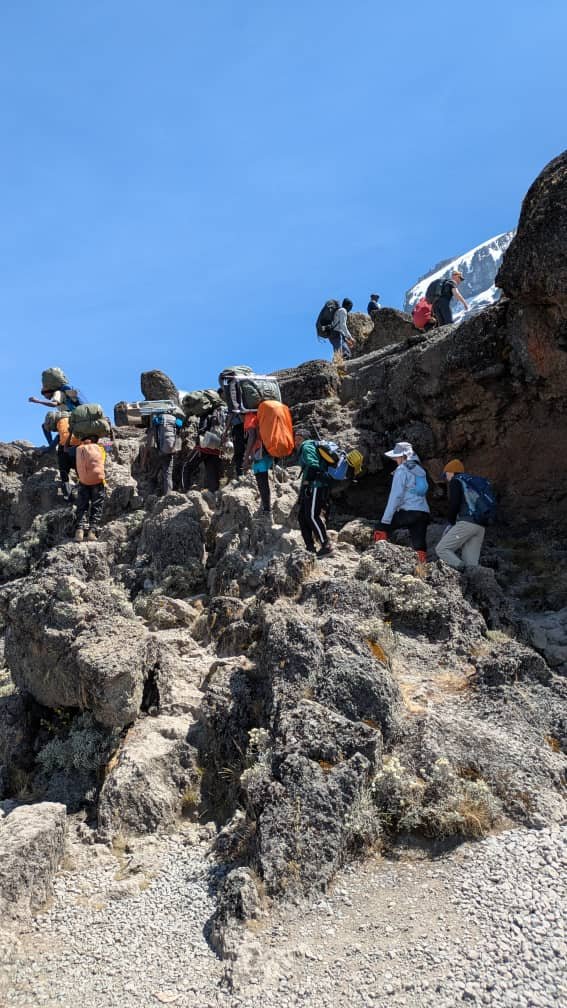
Best Kilimanjaro Routes For September 2026-2027
Best Kilimanjaro Routes for September is explained with current 2026-2027 planning, price, itinerary and booking information.
View package details
8-Day Lemosho Route Kilimanjaro Climb In August 2026-2027
8-Day Lemosho Route Kilimanjaro Climb in August is explained with current 2026-2027 planning, price, itinerary and booking information.
View package details
Best Kilimanjaro Routes For August : Your Ultimate Guide 2026-2027
Planning a Kilimanjaro climb in August? This guide breaks down the best routes, considering weather, crowds, and success rates for your 2026-2027 adventure.
View package details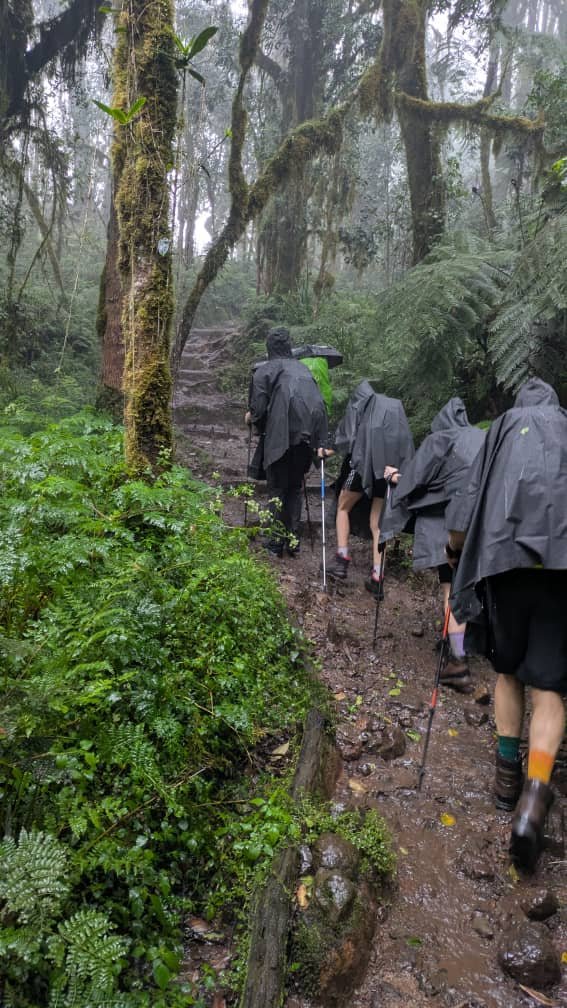
Best August Kilimanjaro Group Departures : ClimbING Routes 2026-2027
Discover the best August Kilimanjaro group departures for 2027 with Top Guide Adventures. This comprehensive guide covers everything you need to know to plan your trek during this prime...
View package details
July Kilimanjaro Route Availability And Planning For Climbs 2026-2027
Planning a Kilimanjaro climb in July? This guide details route availability, weather patterns, and essential planning tips for your 2026-2027 adventure, ensuring you choose the best path...
View package details7-Day Rongai Route Kilimanjaro Climb In July: Your Expert Guide For 2026-2027
start a 7-Day Rongai Route Kilimanjaro climb in July, a prime month for trekking. This guide details the itinerary, essential gear, acclimatization, and what to expect for your 2026-2027...
View package details
8-Day Lemosho Route Kilimanjaro Climb In July | Top Guide Adventures 2026-2027
The 8-day Lemosho Route is a highly recommended option for climbing Kilimanjaro in July, offering excellent acclimatization and stunning scenery. This guide covers everything you need to...
View package detailsNo related package matches those filters. Clear one or more filters to see the other topic-matched options.
Plan your 6-Day Kilimanjaro Machame Route Intensive with Top Guide Adventures
Tell us your travel dates, group size, comfort level, and dream experience. We will help you shape a clear, realistic, and memorable Tanzania itinerary.



