
Updated planning guide for 2026-2027
West Africa Cultural Travel Guide: Complete 2026-2027
Discover the vibrant heart of West Africa with our detailed cultural travel guide. Learn how to plan an unforgettable journey through its diverse nations, rich traditions, and captivating history.
WhatsApp +255747477898 | climb4africa@gmail.com | climb4africa@gmail.com
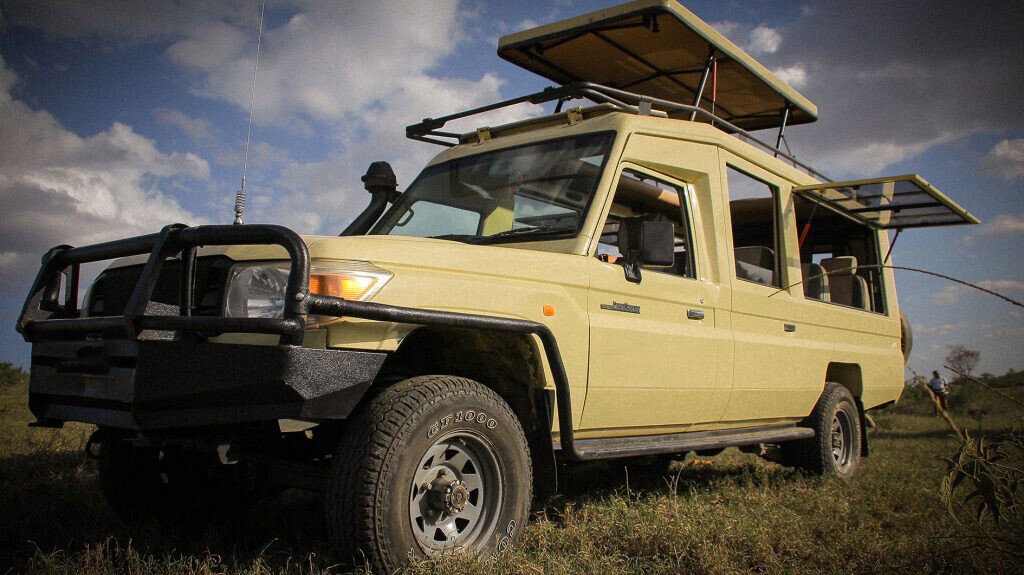

West Africa Cultural Travel Guide: Experiencing Rich Traditions and History
West Africa is a region of incredible diversity, boasting a rich tapestry of cultures, histories, and landscapes. From the ancient empires of Mali and Ghana to the vibrant modern societies of Senegal and Nigeria, a cultural journey here offers profound insights into human heritage. This guide is designed to help you plan an immersive and meaningful exploration of West Africa, focusing on its unique cultural offerings. Whether you’re interested in traditional music, historical sites, local markets, or spiritual practices, this extensive resource will equip you with the knowledge to craft an unforgettable adventure.
This guide aims to provide a deep understanding of what a cultural trip to West Africa entails. We will cover essential planning aspects, highlight key destinations, suggest itinerary structures, offer practical advice, and address common traveler questions. Our focus is on providing actionable information for planning your trip in the 2026-2027 travel seasons, ensuring you are well-prepared for an enriching experience.
Quick Facts for Cultural Travel in West Africa
| Aspect | Details |
|---|---|
| Primary Appeal | Rich history, diverse ethnic groups, traditional arts, music, vibrant markets, colonial architecture, religious sites. |
| Best Time to Visit | Generally the dry season (November to April), though specific festivals may dictate timing. Avoid peak rainy season (June to October) for easier travel. |
| Key Countries for Culture | Senegal, Mali, Ghana, Benin, Togo, Nigeria, Burkina Faso. |
| Travel Style | Can range from independent backpacking to guided small-group tours. Cultural immersion often benefits from local guides. |
| Language | French and English are common colonial languages, alongside numerous indigenous languages. Learning basic phrases is highly recommended. |
| Currency | Varies by country (e.g., West African CFA franc, Ghanaian Cedi, Nigerian Naira). |
Table of Contents
- West Africa: A Cultural Crossroads
- Why Focus on Cultural Travel in West Africa?
- When to Plan Your Cultural Journey (2026-2027)
- Key Countries and Cultural Highlights
- Sample Cultural Itinerary: A Two-Week Exploration
- What to Expect on a Cultural Trip
- Packing and Preparation Essentials
- Common Mistakes to Avoid
- Who is West Africa Cultural Travel Best Suited For?
- Exploring Alternatives to a Purely Cultural Focus
- Planning Your 2026-2027 West Africa Cultural Adventure
- Booking Your Cultural Tour
- Frequently Asked Questions
West Africa: A Cultural Crossroads
West Africa is a vast and geographically diverse region, stretching from the Atlantic coast to the Sahel. It is home to a multitude of ethnic groups, each with its own distinct languages, customs, and traditions. Historically, this area was the heart of powerful empires like Ghana, Mali, and Songhai, leaving behind a legacy of impressive architecture and complex social structures. The trans-Saharan trade routes, the transatlantic slave trade, and subsequent colonial periods have all profoundly shaped the region’s cultural landscape, resulting in a unique blend of indigenous, Islamic, and European influences.
For the cultural traveler, West Africa offers unparalleled opportunities for authentic experiences. This is a region where traditions are often still very much alive, visible in daily life, religious ceremonies, festivals, music, dance, and art. The warmth and hospitality of its people are legendary, making interactions with locals a highlight of any visit. Understanding the historical context, from ancient kingdoms to the struggles for independence, adds depth to the appreciation of contemporary West African societies.
Why Focus on Cultural Travel in West Africa?
Choosing to focus on cultural travel in West Africa means prioritizing depth over breadth. Instead of a superficial glance, you engage with the soul of the region. This approach allows for a more meaningful connection with the places and people you encounter. Here’s why this focus is particularly rewarding in West Africa:
- Authenticity: Many traditions remain vibrant and accessible to visitors who show respect and interest. This isn’t a manufactured experience; it’s life.
- Historical Depth: The region’s history is palpable, from ancient ruins and colonial forts to the living memory of oral traditions.
- Artistic Expression: West Africa is a global powerhouse of art, music, and dance. Experiencing these live, often in their original contexts, is unforgettable.
- Human Connection: The warmth and resilience of West African people offer profound insights into community, family, and spirituality.
- Understanding Global Connections: Exploring West Africa provides a crucial perspective on global history, including the transatlantic slave trade and its lasting impact, as well as the origins of many cultural elements found worldwide.
- Unique Markets: The bustling, colorful markets are sensory explosions and vital social hubs, offering a glimpse into local commerce and daily life.
When to Plan Your Cultural Journey (2026-2027)
Timing your cultural trip to West Africa is crucial for comfort and access. The region experiences distinct wet and dry seasons, which significantly impact travel conditions and activities.
| Season | Months | Pros for Cultural Travel | Cons for Cultural Travel | Recommendation for 2026-2027 |
|---|---|---|---|---|
| Dry Season | November – April | Pleasant temperatures, less humidity, clear skies, easier road travel, ideal for exploring cities and historical sites. Many festivals occur during this period. | Can be hotter in March/April. Peak tourist season for some areas. | Excellent for most cultural exploration. November, December, January, and February offer the most comfortable conditions. |
| Rainy Season | May – October | Lush landscapes, fewer tourists, potentially lower prices. Some unique agricultural or harvest-related festivals might occur. | Heavy rainfall can disrupt travel, especially in rural areas. High humidity. Some roads may become impassable. | Consider carefully. May and October can be transitional and manageable. June-September is best avoided for extensive travel unless focusing on specific indoor cultural experiences or regions less affected by rain. |
| Harmattan (Dry, Dusty Wind) | December – March | Associated with the dry season, offers cooler mornings and evenings. | Can cause hazy skies, impacting photography. Can irritate respiratory systems. | A characteristic of the ideal travel period. |
Festival Timing: Many significant cultural festivals are tied to the Islamic or local traditional calendars, so researching specific dates for 2026 and 2027 is essential if a particular festival is a priority. For example, the FESPACO (Panafrican Film and Television Festival of Ouagadougou) in Burkina Faso is a major cultural event usually held in February or March.
Key Countries and Cultural Highlights
West Africa is not a monolithic entity. Each country offers a distinct cultural experience. Here are some of the most rewarding destinations for cultural travelers:
Senegal
- Goree Island: A UNESCO World Heritage site, a poignant symbol of the transatlantic slave trade. Essential for understanding history.
- Dakar: The vibrant capital city, known for its art galleries (like the Museum of Black Civilizations), music scene (Youssou N’Dour’s roots), and lively markets.
- Saint-Louis: A former French colonial capital, with its unique architecture, jazz festivals, and proximity to the Djoudj National Bird Sanctuary.
- Fouta Toro: The ancestral homeland of the Fulani people, offering insights into their pastoralist lifestyle and Islamic heritage.
- Wolof Culture: Experience the hospitality and traditions of the largest ethnic group.
Mali
- Timbuktu: Historically a center of Islamic scholarship and trade, famous for its ancient mosques and manuscripts (access may be challenging due to security concerns in recent years, always check current advisances).
- Djenné: Home to the Great Mosque, a magnificent example of Sudano-Sahelian architecture, rebuilt annually by the community.
- Bamana Culture: Explore the rich artistic traditions, including masks, sculptures, and the famous Bogolanfini (mud cloth).
- Dogon Country: Known for its unique cliffside villages, distinctive architecture, and elaborate funeral ceremonies (requires careful planning and respect for local customs).
Ghana
- Accra: A bustling capital with historical sites like Kwame Nkrumah Mausoleum, vibrant arts scene, and markets like Makola.
- Cape Coast & Elmina: Sites of significant former slave castles, offering a powerful historical perspective.
- Ashanti Region (Kumasi): The heartland of the powerful Ashanti Empire, with its traditional king, vibrant Kente cloth weaving, and the National Cultural Centre.
- Volta Region: Known for its natural beauty and Ewe culture, including drumming and traditional festivals.
- Chieftaincy: Witness the importance of traditional rulers and their ceremonies.
Benin
- Ouidah: The historical center of Vodou (Voodoo) religion, with its Python Temple and Door of No Return.
- Ganvié: A unique stilt village on Lake Nokoué, offering a fascinating glimpse into a different way of life.
- Porto-Novo: The capital, showcasing a blend of Portuguese, French, and African influences.
- Abomey: The former capital of the Dahomey Kingdom, with its historical palaces (UNESCO site).
- Vodou Culture: Benin is considered the birthplace of Vodou, and experiencing its ceremonies (with respect and proper guidance) is a profound cultural encounter.
Togo
- Lomé: The capital, known for its Grand Marché, Fetish Market (Akodessewa), and colonial architecture.
- Koutammakou: A UNESCO World Heritage site in the north, home to the Batammariba people and their distinctive traditional mud-brick tower houses (Tata Somba).
- Tamberma Valley: Similar to Koutammakou, offering insights into traditional animist beliefs and architecture.
- Diverse Ethnic Groups: Home to many distinct ethnic groups, each with unique traditions.
Nigeria
- Lagos: A megacity, a hub of Nollywood film industry, music (Afrobeats), vibrant street art, and diverse markets.
- Nok Culture: Explore archaeological sites related to early West African civilization.
- Yoruba Culture: Visit traditional kingdoms like Oyo and Ife, centers of ancient art and religion.
- Hausa Culture: Explore cities in the north like Kano, with its ancient city walls and trading history.
- Festivals: Numerous vibrant festivals, including the Argungu Fishing Festival (seasonal) and Durbar ceremonies.
Sample Cultural Itinerary: A Two-Week Exploration (Senegal & The Gambia)
This sample itinerary focuses on Senegal and its smaller neighbor, The Gambia, offering a rich blend of history, music, art, and daily life. This is a suggestion and can be customized. Planning for 2026 or 2027 allows ample time for research and booking.
| Day | Location | Cultural Focus / Activities | Notes |
|---|---|---|---|
| 1-3 | Dakar, Senegal | Arrival. Visit the Museum of Black Civilizations, IFAN Museum, explore markets (Marché Kermel, Marché Tilène). Experience live music in the evening. Day trip to Île de N’Gor for art studios. | Settle in, acclimatize. Focus on urban culture and contemporary art. |
| 4 | Goree Island, Senegal | Full day exploring the House of Slaves, the museum, the fort, and the island’s history. Reflect on the legacy of the slave trade. | A profoundly moving experience. Allow ample time for reflection. |
| 5-7 | Saint-Louis, Senegal | Travel to Saint-Louis. Explore the colonial architecture of the island, visit the Faidherbe Bridge. Attend a jazz club or local music venue. Visit the nearby Langue de Barbarie National Park (seasonal bird watching). | Experience the unique atmosphere of a former colonial capital. |
| 8 | Fouta Toro Region (e.g., Podor), Senegal | Travel inland to the Fouta Toro region. Visit Fulani villages, learn about their pastoralist traditions and Islamic heritage. Explore historical sites like the French colonial fort at Podor. | Requires a dedicated guide. Offers a glimpse into rural life and distinct ethnic traditions. |
| 9-10 | Cross border to The Gambia, Banjul & surroundings | Travel to The Gambia. Explore Banjul’s markets (Albert Market), national museum. Visit the nearby fishing village of Tanji. | Experience a different cultural context, smaller scale than Dakar. |
| 11-12 | James Island & Kunta Kinteh Island, The Gambia | Take a boat trip to James Island (UNESCO site), historically significant in the slave trade. Visit Kunta Kinteh Island. | Another crucial historical site for understanding the region’s past. |
| 13 | Sanyang or Kartong (South Gambia) | Visit traditional villages, learn about local crafts, perhaps witness drumming or dance performances. Explore the coast. | Focus on local community interaction and coastal life. |
| 14 | Departure from Banjul | Transfer to the airport for departure. | Reflect on the journey. |
Note: Travel times between locations can be significant. This itinerary assumes efficient transport, potentially private vehicles or a mix of public transport and organized transfers.
What to Expect on a Cultural Trip
A cultural trip to West Africa is profoundly rewarding but requires an open mind and flexibility. Here’s what to prepare for:
- Pace of Life: Things often move at a different pace. Patience is key. ‘African time’ is a real concept, meaning schedules can be fluid.
- Sensory Experience: Expect vibrant colors, strong smells (markets, cooking), loud sounds (music, traffic, calls to prayer), and the warmth of the climate.
- Interactions: West Africans are generally very welcoming and curious. Be prepared for friendly greetings, invitations, and sometimes persistent vendors.
- Infrastructure: While major cities have modern amenities, infrastructure can be basic in rural areas. Roads may be unpaved, and electricity or water supply can be intermittent.
- Food: Staples include rice, millet, yams, plantains, and cassava, often served with flavorful stews and sauces. Be adventurous but cautious with street food.
- Language: While French or English might be spoken in tourist areas or by educated individuals, learning basic greetings and phrases in local languages (like Wolof, Mandinka, Ewe, Yoruba) is highly appreciated.
- Respect for Customs: Dress modestly, especially when visiting religious sites or rural villages. Always ask permission before taking photos of people. Be mindful of local customs regarding greetings, eating, and social interactions.
Packing and Preparation Essentials
Proper preparation is vital for a comfortable and respectful cultural journey. For 2026-2027 travel, consider these items:
- Clothing: Lightweight, breathable fabrics (cotton, linen). Long sleeves and trousers to protect from the sun and insects, and for modesty. A light scarf or shawl is versatile. Comfortable walking shoes are essential. Consider one slightly smarter outfit for evenings in cities.
- Health: Consult your doctor about necessary vaccinations (Yellow Fever is often mandatory) and malaria prophylaxis well in advance. Carry a personal first-aid kit with essentials like antiseptic wipes, bandages, pain relievers, anti-diarrhea medication, and any personal prescriptions. Hand sanitizer is a must.
- Documents: Passport (with at least 6 months validity), visas (check requirements for your nationality for each country), vaccination certificates, travel insurance details, copies of important documents (stored separately).
- Money: A mix of cash (USD or Euros for exchange, local currency for small purchases), and ATM cards (inform your bank of your travel plans). Credit cards are accepted in larger hotels and shops but are not widely used elsewhere.
- Electronics: Universal travel adapter, power bank, camera with extra memory cards and batteries. Consider a durable phone for local SIM cards.
- Sun Protection: High SPF sunscreen, wide-brimmed hat, sunglasses.
- Insect Repellent: Containing DEET or Picaridin.
- Comfort Items: A small backpack for day trips, reusable water bottle, travel pillow, a good book.
- Cultural Sensitivity: A phrasebook or translation app. A small notebook to jot down observations or practice greetings.
Pre-Trip Research: Familiarize yourself with the history, major ethnic groups, and basic etiquette of the countries you plan to visit. Understanding key historical events like the slave trade or the rise and fall of ancient empires will enrich your experience.
Common Mistakes to Avoid
To ensure a smooth and respectful cultural journey, be aware of these common pitfalls:
- Underestimating Travel Times: Distances might seem short on a map, but road conditions and traffic can make journeys much longer than anticipated. Build buffer time into your itinerary.
- Ignoring Local Customs: Failing to dress modestly or show respect for religious practices can cause offense. Always be observant and ask if unsure.
- Photography Etiquette: Always ask for permission before photographing people, especially children. Some individuals may expect a small payment for photos.
- Being Too Rigid with Plans: West Africa rewards flexibility. Unexpected invitations, delays, or opportunities are common. Embrace them rather than fighting them.
- Relying Solely on English: While English is official in some countries, French is dominant in others, and local languages are everywhere. Learning a few phrases goes a long way.
- Health Negligence: Not taking malaria precautions or drinking untreated water can lead to serious illness. Prioritize health and hygiene.
- Cultural Appropriation vs. Appreciation: Engage with local culture respectfully. Understand the context and significance of traditions rather than treating them as mere photo opportunities or souvenirs.
- Assuming Tourist Infrastructure: Don’t expect the same level of service or amenities as in Western countries, especially outside major cities.
Who is West Africa Cultural Travel Best Suited For?
This type of travel is ideal for:
- Curious Explorers: Those who want to understand history, traditions, and contemporary life beyond surface-level tourism.
- History Buffs: Individuals fascinated by ancient empires, colonial legacies, and the impact of the slave trade.
- Art and Music Enthusiasts: Travelers eager to experience traditional and contemporary African art, music, and dance in their authentic settings.
- Sociology and Anthropology Students/Professionals: Those interested in observing diverse social structures, ethnic groups, and cultural practices.
- Adventurous Travelers: People comfortable with less developed infrastructure, variable conditions, and a need for flexibility.
- Conscious Travelers: Those who prioritize meaningful interactions and ethical tourism, aiming to support local communities.
It may be less suited for travelers seeking purely luxury resort experiences, those who are uncomfortable with basic amenities, or individuals who prefer highly structured, predictable itineraries without room for spontaneity.
Exploring Alternatives to a Purely Cultural Focus
While a dedicated cultural trip is incredibly enriching, you might also consider combining cultural exploration with other interests:
- Cultural Safari: In countries like Benin or Togo, you can combine visits to traditional villages and historical sites with explorations of national parks to see wildlife and natural landscapes.
- Beach and Culture: Combine time on the coast (e.g., Senegal’s Petite Côte, The Gambia’s beaches) with excursions to nearby cultural sites and markets.
- Music and Festival Tours: Plan your trip around specific major festivals (like FESPACO or local harvest celebrations) to immerse yourself in the performing arts.
- Culinary Journeys: Focus on exploring the diverse and flavorful cuisines of West Africa, visiting local food markets, taking cooking classes, and dining in traditional settings.
- Historical Trails: Follow routes of ancient trade, colonial exploration, or the slave trade, visiting key historical landmarks and museums.
Planning Your 2026-2027 West Africa Cultural Adventure
Planning a trip to West Africa requires diligence, especially for a culturally focused itinerary. Here’s a step-by-step approach for 2026-2027 travel:
- Define Your Interests: What aspects of West African culture are most compelling to you? History? Music? Art? Religion? Specific ethnic groups? This will help narrow down countries and regions.
- Choose Your Destinations: Based on your interests, select 2-3 countries that offer the most relevant experiences. Trying to cover too much in one trip can be exhausting and superficial.
- Research Entry Requirements: Check visa requirements for your nationality for each country well in advance. Some visas can take time to obtain. Ensure your passport is valid for at least six months beyond your intended stay.
- Health Preparations: Consult a travel clinic 6-8 weeks before departure. Discuss vaccinations (Yellow Fever is often compulsory and requires proof), malaria prevention, and any other health concerns.
- Determine Best Time to Visit: Consider the dry season (November-April) for easier travel. Research specific festival dates for 2026-2027 if they are a priority.
- Budgeting: West Africa can range from budget-friendly to moderately expensive, depending on your travel style and chosen countries. Factor in flights, visas, accommodation, internal transport, food, activities, and a buffer for unexpected expenses.
- Transportation: Research internal travel options. This might include flights between major cities, buses, shared taxis (taxis-brousse), or private car hire. For cultural immersion, local transport can be eye-opening but also challenging.
- Accommodation: Options range from basic guesthouses and hostels to mid-range hotels and a few luxury options in capital cities. Book key accommodations in advance, especially during peak season or festival times.
- Local Guides: For deep cultural understanding, hiring local guides in specific areas (e.g., Dogon Country, Fouta Toro, Timbuktu) is invaluable. They provide context, facilitate interactions, and ensure respectful engagement.
- Safety and Security: Stay informed about current safety advisories for the regions you plan to visit. Be aware of your surroundings, avoid displaying wealth, and take precautions against petty crime. Some areas might have specific security concerns that require careful navigation or avoidance.
- Language Basics: Learn key phrases in French (if applicable) and/or a dominant local language like Wolof.
Booking Your Cultural Tour
When booking your West Africa cultural travel experience, consider the following:
- Local Tour Operators: Partnering with reputable local tour operators is often the best way to ensure an authentic and well-managed trip. They have on-the-ground knowledge, established networks, and can navigate local logistics. Look for operators with good reviews and clear communication channels.
- Customization: Many operators can tailor itineraries to your specific interests, pace, and budget. This is crucial for a deep cultural dive.
- Group vs. Private: Small group tours can be cost-effective and offer shared experiences. Private tours offer maximum flexibility and personalized attention.
- Inclusions: Understand what is included in your tour package. This typically covers accommodation, some meals, transportation, and guided activities. Exclusions might be international flights, visas, travel insurance, personal expenses, and tips.
- Payment Terms: Clarify deposit requirements, payment schedules, and cancellation policies.
- Travel Insurance: Comprehensive travel insurance is non-negotiable. Ensure it covers medical emergencies, evacuation, trip cancellation, and lost belongings.
For personalized assistance with planning your 2026-2027 West Africa cultural journey, consider reaching out to experienced local operators. They can provide tailored advice and create itineraries that truly resonate with your interests.
Get Expert Assistance for Your West Africa Trip
Planning a culturally rich journey to West Africa can be complex. Let us help you craft an unforgettable experience. We specialize in creating authentic, immersive travel plans tailored to your interests.
Contact us for a custom itinerary:
WhatsApp: +255747477898
Email: climb4africa@gmail.com
Backup Email: climb4africa@gmail.com
Let’s plan your unique West Africa cultural travel adventure for 2026-2027!
Frequently Asked Questions
Is West Africa safe for cultural tourism in 2026-2027?
Safety in West Africa varies by country and region. Major cities are generally safe with standard precautions against petty crime. However, some border regions or specific areas may have security concerns. It’s crucial to stay updated on current travel advisories from your government and rely on reputable local guides and tour operators who are aware of the ground situation. For 2026-2027, thorough research into specific destinations is recommended.
What are the most important cultural etiquette rules to follow?
Respect is paramount. Dress modestly, especially outside major cities or when visiting religious sites. Always ask permission before taking photos of people. Use your right hand for eating and giving/receiving items. Greet people warmly; learning basic greetings is highly appreciated. Be patient and understanding of different paces of life. Avoid sensitive topics like politics or religion unless initiated by locals.
How much does a cultural trip to West Africa typically cost?
Costs vary significantly based on the countries visited, duration, accommodation style, and activities. A budget trip with hostels and local transport might cost $50-100 USD per day per person, while mid-range travel with comfortable hotels and private guides could be $150-300+ USD per day. International flights, visas, and comprehensive travel insurance are additional significant costs. Planning for 2026-2027 allows for careful budgeting.
What is the best way to get around within West African countries?
Options include domestic flights for longer distances, intercity buses, shared taxis (taxis-brousse), and private car hire. For cultural immersion, using local transport can be insightful but also time-consuming and less comfortable. Hiring a car with a driver is often a good balance of convenience and local experience, especially for multi-day cultural tours.
Do I need to speak French or English for a cultural trip?
English is widely spoken in Ghana and The Gambia. French is the official language in Senegal, Mali, Benin, and Togo. While you can often get by with English in tourist hubs and with educated individuals, learning basic French phrases (if applicable to your chosen countries) or a dominant local language like Wolof can greatly enhance your interactions and show respect.
What are the essential health precautions for West Africa?
Consult a travel doctor 6-8 weeks before your trip. Essential precautions include ensuring you have up-to-date vaccinations (Yellow Fever is often mandatory), taking malaria prophylaxis as prescribed, drinking only bottled or treated water, practicing good hand hygiene (using sanitizer frequently), and being cautious with street food. Pack a comprehensive first-aid kit.
Can I visit traditional festivals?
Yes, attending traditional festivals is a highlight of cultural travel. However, it requires careful planning. Research the timing of festivals (they often follow lunar or local calendars) for your 2026-2027 travel dates. Understand that some ceremonies are sacred and may have restricted access for outsiders. Always go with a local guide who can explain the significance and ensure respectful participation.
What is the best way to handle money in West Africa?
It’s best to carry a combination of cash (USD or Euros are widely accepted for exchange) and ATM cards. ATMs are available in major cities but can be unreliable in smaller towns. Inform your bank of your travel plans. Credit cards are accepted in larger hotels and shops but are not common for everyday transactions. Always have enough local currency for markets, small vendors, and local transport.
Plan Your West Africa Cultural Travel Experience
A cultural journey through West Africa offers unparalleled opportunities for learning, connection, and personal growth. The region’s deep history, vibrant traditions, and warm people create experiences that resonate long after you return home. Whether you’re drawn to the ancient empires, the living heritage of music and art, or the profound human stories, West Africa promises an adventure unlike any other.
For those planning a trip in 2026 or 2027, early preparation is key to maximizing your experience. Working with experienced local guides and tour operators can significantly enhance your understanding and navigate the complexities of travel in the region. If you’re looking for expert advice and tailored itinerary planning for your West Africa cultural travel guide needs, we are here to help.
Let Us Craft Your Bespoke West Africa Cultural Adventure
We specialize in creating authentic and immersive cultural experiences across West Africa. Let our expertise guide you in planning an unforgettable journey for 2026-2027.
Connect with us today:
WhatsApp: +255747477898
Email: climb4africa@gmail.com
Backup Email: climb4africa@gmail.com
We look forward to helping you explore the rich cultures of West Africa.

June Kilimanjaro And Zanzibar Holiday: Your Ultimate Tanzania Adventure
Combine the thrill of climbing Mount Kilimanjaro with the serene beauty of Zanzibar in June. This guide covers everything you need for your 2026-2027 adventure, from trekking routes and...
View package detailsNo related package matches those filters. Clear one or more filters to see the other topic-matched options.
Plan your West Africa Cultural Travel Guide with Climb 4 Africa
Tell us your travel dates, group size, comfort level, and dream experience. We will help you shape a clear, realistic, and memorable Tanzania itinerary.



